
Understanding Wine Fermentation Temperature
Wine fermentation temperature refers to the specific range of heat maintained during the fermentation process, where yeast converts grape sugars into alcohol and carbon dioxide. This temperature is a critical factor in the art and science of wine making basics, influencing the pace, flavor, and quality of the final wine product.
The temperature impact on wine fermentation is substantial because it directly affects yeast activity and metabolism. At optimal temperatures, yeast performs efficiently, resulting in a smooth and controlled fermentation process. If the temperature is too high, the yeast can become stressed or die, leading to stuck fermentation or off-flavors. Conversely, if the temperature is too low, fermentation slows down considerably, prolonging the process and possibly causing undesirable wine characteristics like excessive acidity or unwanted aromas.
Understanding wine fermentation temperature helps winemakers modulate the process to achieve desired wine styles. Cooler temperatures, often between 50°F to 60°F (10°C to 16°C), are typically used for white wines to preserve delicate fruity and floral aromas. Warmer temperatures, usually ranging from 70°F to 85°F (21°C to 29°C), are preferred for red wines to enhance color extraction, tannin structure, and robust flavors. Managing this temperature range during fermentation is vital for balancing the sensory profile and stability of the wine.
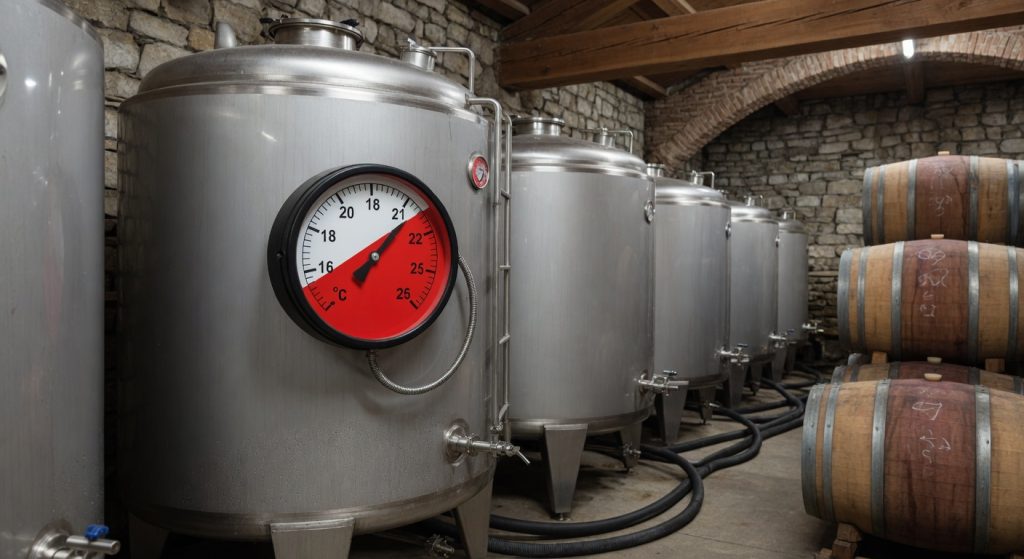
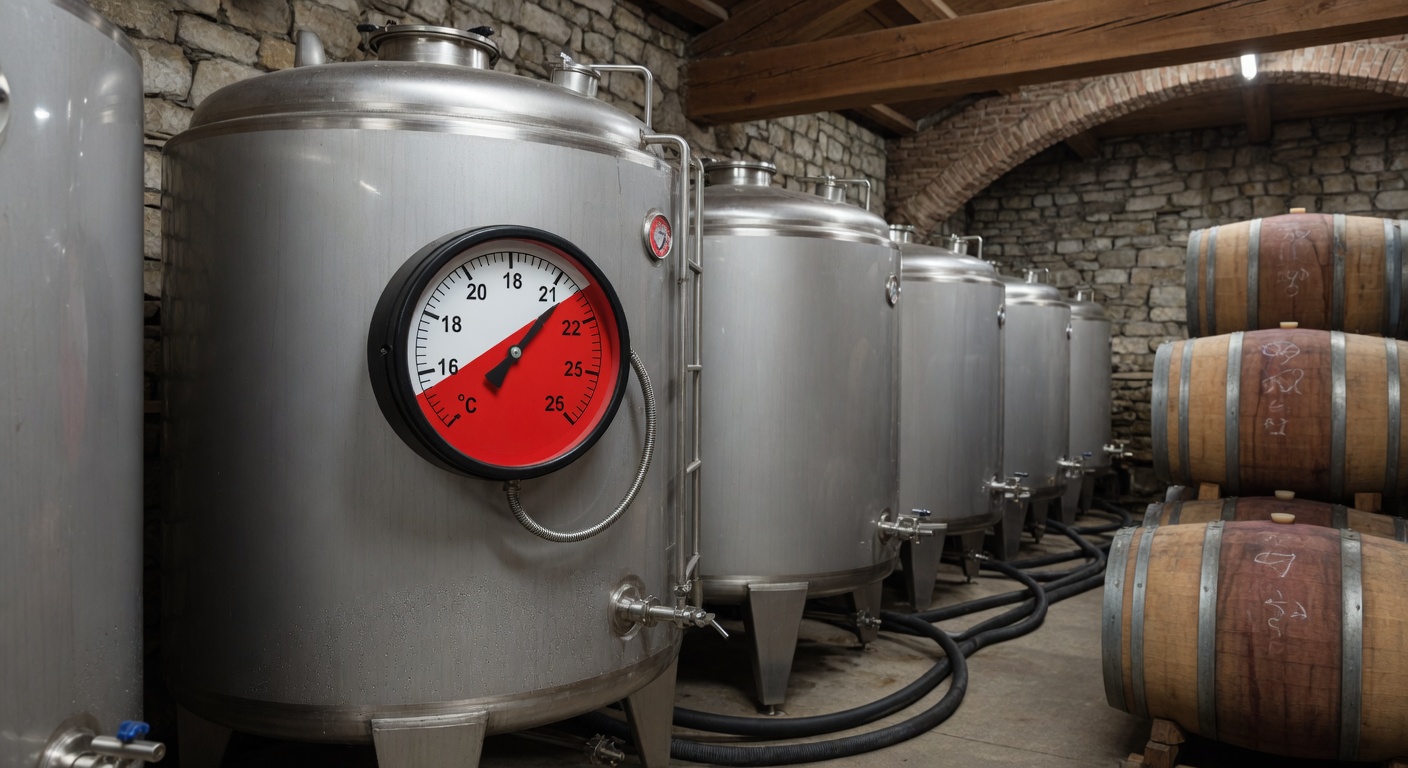
Temperature roles in wine fermentation extend beyond flavor development. Maintaining consistent heat control also prevents the growth of unwanted bacteria and contamination, ensuring the wine’s purity and longevity. Advanced temperature control techniques can be applied through cooling jackets, temperature-controlled fermentation tanks, or natural cellar environments, emphasizing precise regulation as part of professional wine making basics.
In summary, wine fermentation temperature is a fundamental element of the fermentation process that profoundly affects the chemical reactions, yeast performance, and ultimately the quality of the wine. Proper understanding and control of this temperature ensure that winemakers can craft wines with intended characteristics that reflect both tradition and innovation in the art of wine making.
The Science Behind Fermentation Temperatures
Fermentation science reveals that temperature is a key factor influencing yeast activity and the overall fermentation process. Yeast, the microorganism responsible for converting sugars into alcohol and carbon dioxide, is highly sensitive to temperature variations. Optimal temperature control ensures healthy yeast metabolism, which directly affects fermentation speed and the quality of the final wine.
At lower temperatures, yeast activity slows down considerably, resulting in a longer fermentation period. This cooler range tends to produce wines with more delicate and complex aromas due to the slower release of aromatic compounds. However, if temperatures drop too low, yeast can become dormant, potentially causing a stuck fermentation where sugar conversion halts prematurely.
Conversely, higher fermentation temperatures accelerate yeast metabolism, speeding up the fermentation process. While this might be advantageous for quick production, it can also lead to the generation of undesirable by-products like fusel alcohols and volatile esters. Excessive heat stresses yeast cells, reducing their viability and possibly resulting in off-flavors that diminish wine quality.
Therefore, temperature effects on yeast activity must be carefully managed to balance fermentation kinetics and preserve desirable wine characteristics. Winemakers often target a moderate temperature range that promotes steady fermentation, optimizing both the efficiency and sensory profile of the wine. Understanding these scientific principles allows for precise temperature control, ultimately enhancing the consistency and excellence of the final product.
Ideal Temperature Ranges for Different Wines
Controlling fermentation temperature is crucial for crafting quality wines, with optimal temps varying by wine type. For red wine fermentation, temperatures generally range between 22°C to 30°C (72°F to 86°F). These warmer temperature ranges encourage the extraction of color, tannins, and flavor compounds from the grape skins, resulting in fuller-bodied wines with pronounced aromas and complexity. However, temperatures above this can cause harsh tannins or stalled fermentation.
White wine fermentation typically requires cooler conditions, ideally maintained between 12°C and 18°C (54°F to 64°F). These cooler optimal temps preserve the delicate fruit and floral aromas and help retain acidity, producing fresher and crisper wines. Fermenting whites at too high a temperature can diminish their bright characteristics and introduce unwanted off-flavors.
For sparkling wines, fermentation often takes place at even cooler temperatures, around 12°C to 16°C (54°F to 61°F). The cool environment slows yeast activity, promoting fine bubbles and maintaining the clean, vibrant profile essential to sparkling styles. Overall, understanding and applying the correct temperature ranges during fermentation allows winemakers to tailor styles and elevate the final wine quality.
Methods and Tools for Controlling Fermentation Temperature
Maintaining precise temperature control during the fermentation process is essential for producing quality wine. Temperature regulation influences yeast activity, flavor development, and overall fermentation speed. Winemakers employ various methods and specialized fermentation equipment to ensure optimal temperature conditions throughout fermentation.
One of the most traditional methods of temperature control is using ambient environmental adjustments. This could involve fermenting in naturally cooler cellars or underground rooms where the temperature remains relatively stable. However, relying solely on environmental conditions can be unpredictable and insufficient to maintain consistent fermentation temperatures, particularly in warmer climates.
Modern wineries often incorporate advanced cooling systems specifically designed for fermentation tanks. These cooling jackets or coils are integrated into stainless steel fermentation vessels, allowing precise temperature adjustments by circulating chilled glycol or water around the tank walls. This technology provides effective heat dissipation generated during yeast fermentation, maintaining a stable temperature range critical for yeast health and flavor profile development.
In addition to cooling, some fermentation equipment includes heating elements to gently raise temperatures when necessary, especially in cooler climates or for certain wine styles that require higher fermentation temperatures. The ability to both heat and cool provides winemakers with comprehensive temperature regulation capabilities throughout the entire fermentation cycle.
For smaller scale or artisanal winemaking, temperature control methods might include temperature-controlled rooms or using portable refrigeration units to manage fermentation temperature. These solutions offer flexibility for winemakers who do not have access to specialized tanks with built-in cooling systems.
Other innovative tools include digital temperature monitors and automated control systems that constantly track fermentation temperature and adjust cooling or heating accordingly. Such systems can be programmed to follow specific temperature curves ideal for different wine varieties, ensuring consistent results and minimizing manual intervention.
Overall, the combination of properly designed fermentation equipment, cooling systems, and precise temperature regulation tools allows winemakers to masterfully control the fermentation environment. This temperature control is crucial for optimizing yeast activity, enhancing wine aromas and flavors, and ultimately producing a high-quality finished product.
Temperature Control Equipment
Precise temperature control during fermentation is crucial for producing high-quality wine, and several advanced devices and technologies facilitate this process. Fermentation tanks are typically equipped with cooling jackets, which are integral components that surround the tank and allow circulating coolant to regulate the temperature inside. These cooling jackets help maintain consistent thermoregulation, essential for controlling the metabolic activity of the yeast and preventing overheating.
Temperature probes are another vital tool in fermentation temperature control. These probes are inserted into the fermentation tanks or placed in the environment to provide real-time, accurate temperature readings. The data from these probes enable winemakers to adjust cooling systems promptly, ensuring the temperature remains within the desired range.
Modern fermentation systems often integrate automated temperature control units combining cooling jackets with temperature probes and thermostats. These systems offer digital interfaces where temperature thresholds can be set, and automatic cooling or heating processes are initiated as needed. This technology reduces manual monitoring and enhances precision in temperature management, which is critical for achieving optimal flavor profiles and consistent fermentation results.
Overall, the fusion of fermentation tanks with cooling jackets and precise temperature probes represents the backbone of effective thermoregulation in the winemaking environment. Employing these technologies ensures that the fermentation process is tightly controlled, safeguarding the wine’s quality from start to finish.
Best Practices for Maintaining Optimal Temperature
Maintaining consistent fermentation temperatures is crucial for producing high-quality wine. To achieve this, vintners should implement best practices centered around continuous temperature monitoring and control. Installing reliable digital temperature sensors and data loggers inside fermentation tanks allows for real-time tracking of temperature fluctuations, helping winemakers make timely adjustments.
Another effective strategy is to use temperature-controlled fermentation chambers or jackets, which provide precise regulation and help avoid sudden temperature spikes or drops. Regular calibration of temperature monitoring equipment ensures accuracy, supporting consistent fermentation environments. Combining manual checks with automated monitoring systems provides a robust approach to maintain optimal conditions.
Record keeping is also essential: documenting temperature data throughout fermentation helps identify patterns and make informed decisions for future batches. Additionally, understanding the specific temperature requirements for different wine varieties improves the ability to control fermentations effectively. By adhering to these best practices, vintners can enhance wine quality through consistent fermentation temperature control.
Effects of Temperature Control on Wine Quality
Temperature control during wine fermentation plays a crucial role in determining the final wine quality. The temperature impact significantly affects the yeast activity, which in turn influences the flavor profile, aroma, and overall balance of the wine.
When fermentation temperatures are carefully managed within an optimal range, yeast ferments sugars more steadily, producing desirable flavor compounds and minimizing the development of unwanted off-flavors. For red wines, slightly higher fermentation temperatures—typically between 20°C and 30°C—help extract rich color and tannins, contributing to a fuller-bodied taste. In contrast, white wines benefit from cooler fermentation temperatures around 12°C to 18°C, which help preserve delicate floral and fruity aromas while maintaining crisp acidity.
Effective fermentation control also prevents excessively high temperatures, which can stress yeast and cause the production of volatile acidity and sulfur compounds that diminish wine quality. Conversely, fermentation that is too cold may result in sluggish yeast activity, leading to incomplete sugar conversion and potential off-flavors. Winemakers often employ temperature-controlled fermentation tanks or cooling jackets to precisely regulate this balance, tailoring the process according to grape variety and desired wine style.
The subtle interplay between temperature and yeast metabolism shapes the wine’s aromatic complexity. For example, cooler fermentation temperatures tend to favor ester formation, which enhances fruity and floral notes. Warmer temperatures may boost the production of higher alcohols and phenolic compounds, enriching the wine’s texture and mouthfeel but requiring careful management to avoid harshness.
In summary, temperature control during fermentation is a fundamental factor influencing wine quality. By adjusting temperature strategies, winemakers can craft wines with balanced flavor profiles and refined aromas, ensuring a well-rounded sensory experience. Mastery of temperature impact enables consistent production of wines that appeal to diverse palates while preserving the unique characteristics of each vintage.
Impact on Flavor and Aroma Development
Fermentation temperature plays a crucial role in the flavor development and aroma compounds of wine. During fermentation, yeast interacts with grape sugars, producing a variety of volatile compounds that shape the wine’s sensory profile. The temperature at which this process occurs directly influences the type and concentration of these compounds.
At lower fermentation temperatures, yeast activity is slower, which tends to preserve delicate aroma compounds and promote the formation of fruity esters. This results in wines with brighter, fresher aromas and more nuanced flavor development. Cooler temperatures help retain volatile compounds that contribute to floral and citrus notes, enhancing the wine’s aromatic complexity.
In contrast, higher fermentation temperatures accelerate yeast metabolism, often leading to more robust and intense flavor profiles. Warmer conditions can encourage the production of higher alcohols and phenols, which contribute to spicy, earthy, or sometimes more pungent aromas and flavors. However, overly high temperatures may also cause the loss of some volatile aroma compounds, resulting in a less vibrant wine.
Winemakers carefully control fermentation temperature to balance these effects, optimizing flavor development while managing aroma compounds to produce the desired style of wine. Understanding the temperature influence is essential for crafting wines that express both varietal character and winemaking intent.
Common Issues from Poor Temperature Management
Improper fermentation temperature control can lead to a range of temperature issues that severely impact the fermentation process. One of the most common problems is stuck fermentation, where the yeast becomes inactive due to either excessively high or low temperatures. This results in incomplete sugar conversion, leading to fermentation problems that compromise the final wine quality.
Temperature fluctuations can also cause the development of unwanted wine faults such as off-flavors and aromas. High temperatures may promote the growth of spoilage microorganisms or the production of fusel alcohols, which contribute harsh, solvent-like characteristics to the wine. Conversely, too low temperatures can slow yeast activity excessively, causing sluggish fermentations prone to contamination.
Quality degradation from poor temperature management is often evident in diminished aroma complexity and taste balance. Wines may lack freshness, exhibit undesired sulfur notes, or develop volatile acidity, all of which reduce consumer appeal. These faults stem from microbial instability triggered by uncontrolled fermentation conditions.
To avoid these issues, precise temperature regulation is critical throughout fermentation. Winemakers should monitor and adjust the temperature to keep it within an optimal range specific to the yeast strain and wine style. Using cooling jackets, temperature-controlled tanks, or fermentation chambers can ensure a stable environment. Additionally, gradual temperature changes rather than abrupt shifts will minimize yeast stress and reduce the risk of faults.
Ultimately, maintaining consistent fermentation temperatures is key to preventing temperature issues and fermentation problems that compromise wine quality, safeguarding the intended characteristics and ensuring a superior final product.

Winemaker with 12 years in the cellar. I write about fermentation, terroir, and the honest mistakes that taught me more than any textbook. I’ve ruined more barrels than most people have tasted. That’s not a disclaimer — that’s a résumé. Twelve years making wine in France, now making sense of it in words.