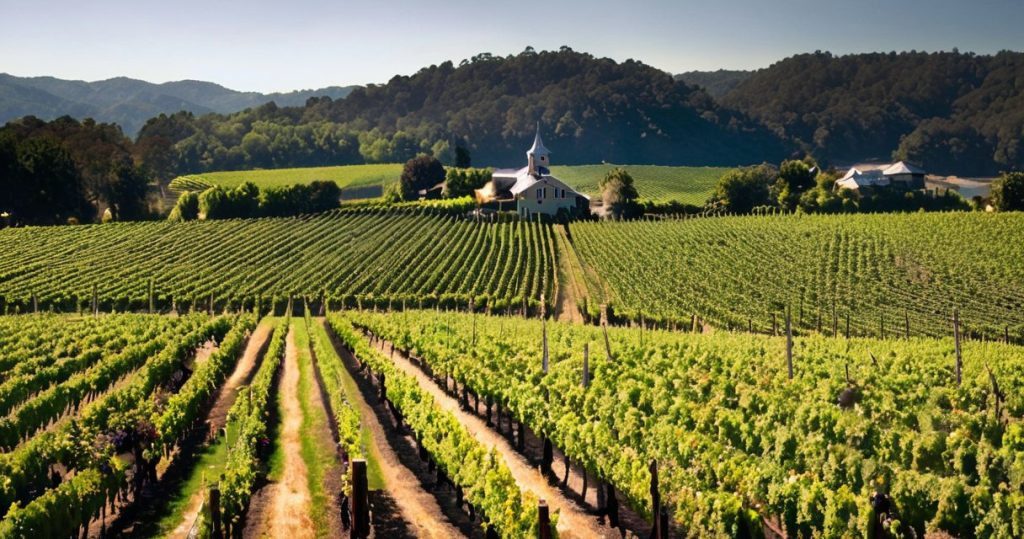
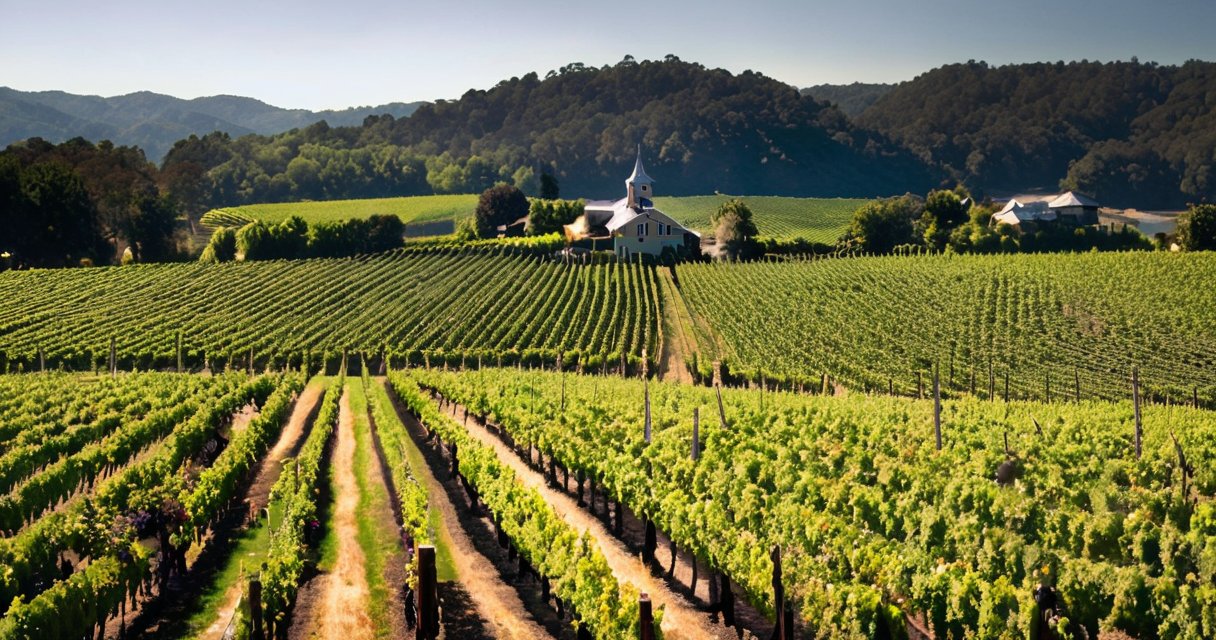
Felician Winery stands as a rare beacon of winemaking ambition in the deep South, where the humid climate and rich soils have traditionally steered growers toward bourbon and craft beer. Founded in the early 2000s, the family‑run estate has turned the notion of “Louisiana wine” from a curiosity into a credible category, attracting both locals and tourists who crave something distinct from the coastal spirits they know. By marrying modern viticultural practices with a respect for the state’s agricultural heritage, Felician has cultivated a portfolio that ranges from crisp whites to full‑bodied reds, each bearing the subtle imprint of the Mississippi River delta. This article unpacks the key elements that allow the winery to thrive, offering a behind‑the‑scenes look at the secrets that drive Louisiana’s emerging wine scene.
Founding Vision and Early Challenges
The story of Felicity began when the Felician family purchased a 150‑acre tract near Baton Rouge, drawn by the promise of fertile alluvial soils and a climate that, while demanding, offered a long growing season. Early attempts at planting classic Vitis vinifera varieties were hampered by fungal pressure and unpredictable rainfall, prompting the owners to experiment with hybrid grapes that could withstand humidity without sacrificing flavor. By 2008 the winery had secured its first state‑approved vineyard license, a milestone that allowed them to label their product as “Louisiana wine” and access new distribution channels. The perseverance of the founders during those formative years laid a foundation of resilience that still informs every decision made on the property.
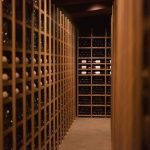
Financial backing arrived in the form of a modest grant from the Louisiana Department of Agriculture, earmarked for small‑scale producers willing to diversify the state’s beverage portfolio. That infusion enabled the construction of a temperature‑controlled cellar and the purchase of a small‑batch press, both essential for preserving the delicate aromas of the hybrid varieties. The winery’s early marketing strategy focused on farm‑to‑table restaurants in New Orleans, leveraging the growing farm‑to‑fork movement to position their wines as locally sourced artisanal products. Within five years the brand had earned a loyal following, proving that a thoughtful approach to terroir could overcome the region’s climatic obstacles.
The Unique Terroir of Louisiana
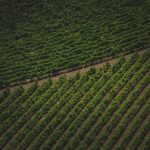
Louisiana’s terroir is defined by its deltaic soils, which are rich in clay, silt, and organic matter deposited by the Mississippi River over centuries. These soils retain moisture well, a trait that benefits vines during dry spells but also demands careful drainage to prevent root rot. Felician’s vineyards sit on a gentle slope that encourages natural water runoff, a subtle engineering choice that balances the soil’s innate water‑holding capacity with the need for aeration. The microclimate of the site experiences an average of 70 days of frost per year, a relatively low figure that extends the vine’s vegetative period and allows for a later harvest, preserving sugar development while maintaining acidity.
Temperature fluctuations in the region are modest, with summer highs averaging 92°F and winter lows rarely dipping below 40°F. This narrow thermal range reduces the risk of extreme heat stress, yet the high humidity, often exceeding 80 percent, creates a breeding ground for mildew and botrytis. To counteract these pressures, Felician employs canopy management techniques that increase airflow, such as selective leaf removal and strategic vine training. The result is a fruit profile that reflects the region’s warmth through ripe tropical notes, while the careful vineyard practices keep the palate bright and balanced.
Hybrid Grape Varieties Tailored for the South
Choosing the right grape is the cornerstone of any successful winery, and Felician’s selection process reflects a deep understanding of Louisiana’s climatic quirks. The estate favors French‑American hybrids like Seyval Blanc, Vidal Blanc, and Chambourcin, which inherit the disease resistance of native American species while retaining the aromatic complexity of European vines. Seyval Blanc, for example, produces a crisp white with citrus and green apple nuances, thriving in the warm mornings and cool evenings that characterize the growing season. Vidal Blanc, known for its thick skins, resists rot and yields a fuller-bodied white with hints of honey and stone fruit, ideal for late‑harvest dessert wines.
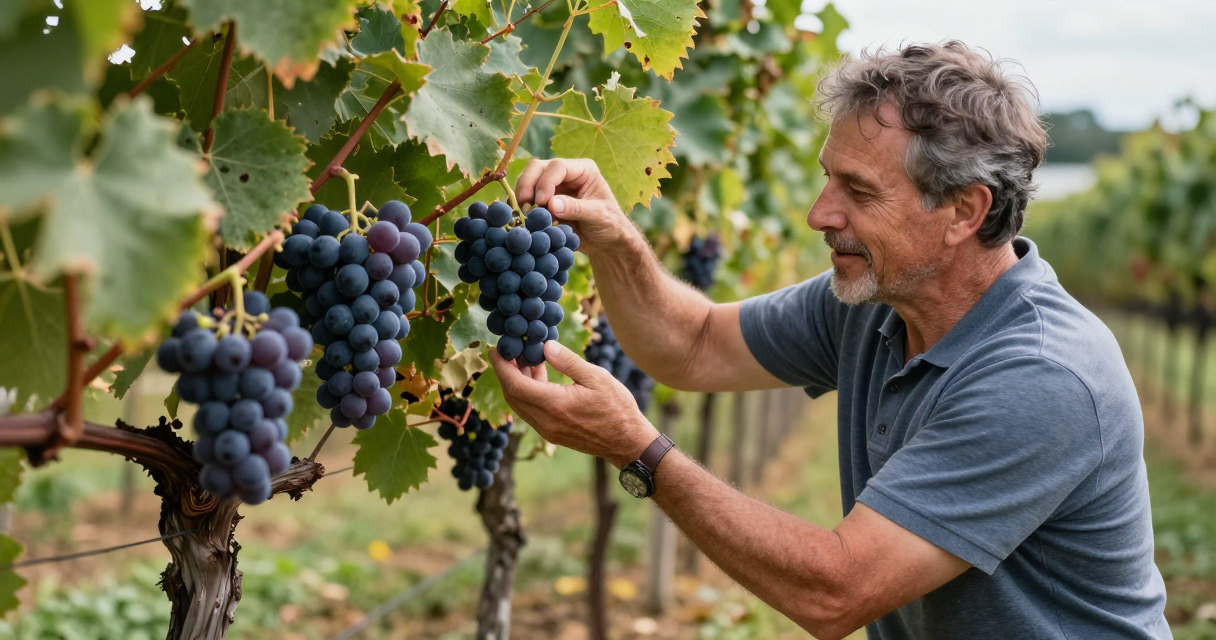
On the red side, Chambourcin has become a signature variety, offering a deep ruby hue and soft tannins that appeal to both seasoned wine drinkers and newcomers. The grape’s ability to ripen fully in a relatively short window reduces exposure to late‑season humidity, limiting the chance of spoilage. Felician also experiments with newer hybrids such as Traminette and Frontenac, expanding the flavor spectrum and providing options for future blends. By focusing on these resilient varieties, the winery can consistently deliver wines that showcase the region’s character without compromising on quality.
Winemaking Techniques that Preserve Freshness
From harvest to bottling, Felician adheres to a winemaking philosophy that emphasizes minimal intervention and the preservation of fruit purity. Grapes are hand‑picked early in the morning to keep temperatures low, a practice that slows oxidation and locks in volatile aromatics. Once in the cellar, white wines undergo a gentle cold soak for 12 to 24 hours before pressing, a step that extracts flavor compounds while limiting harsh phenolics. The juice is then fermented in stainless steel tanks at controlled temperatures between 55°F and 60°F, a range that encourages the development of subtle fruit esters without sacrificing acidity.
Red wines follow a slightly different path, with whole‑cluster fermentation used to impart additional structure and a nuanced spice profile. After primary fermentation, the wine rests on its lees for a period of three to five days, a technique that adds a creamy mouthfeel and enhances complexity. Malolactic fermentation is encouraged for most reds, softening the natural acidity and creating a smoother finish. Throughout the process, the winemaker monitors sulfur dioxide levels carefully, ensuring microbial stability while avoiding the overuse of preservatives that could mask the wine’s natural character.
Sustainable Practices and Community Engagement
Environmental stewardship is woven into the fabric of Felician’s operations, beginning with the use of cover crops such as clover and rye between vine rows. These plants improve soil structure, fix nitrogen, and provide habitats for beneficial insects that help control vineyard pests naturally. Water management is another priority; the winery captures rainwater runoff in underground cisterns, using the stored supply for irrigation during dry periods, thereby reducing reliance on municipal water sources. Solar panels installed on the roof of the tasting room generate a portion of the facility’s electricity, cutting the carbon footprint and showcasing a commitment to renewable energy.
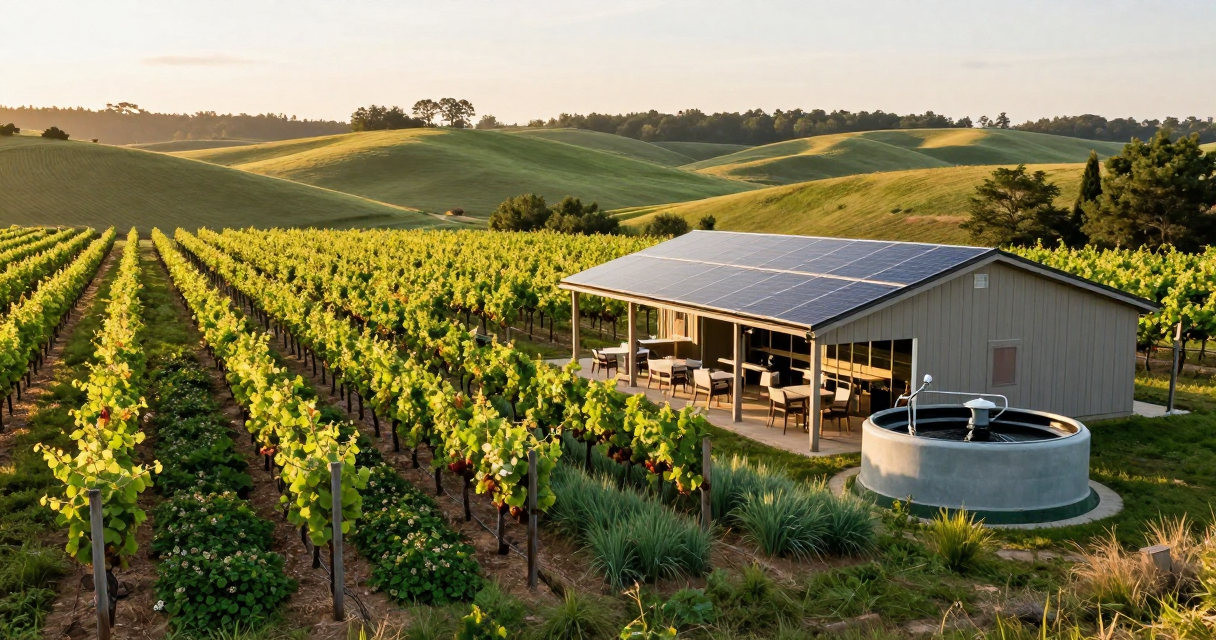
The estate also maintains strong ties to the local community, partnering with nearby farms to source organic compost and participating in educational programs at regional schools. During the annual “Harvest Days,” visitors can explore the unique world of fruit wines in Louisiana, stroll through the vineyards, and taste the latest creations while learning about grape biology. By aligning its business model with sustainable agriculture and community outreach, Felician not only protects the land that sustains its product but also builds a loyal customer base that values authenticity.
The Tasting Experience and Growing Reputation
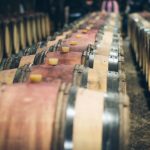
Visiting Felician Winery is a sensory journey that begins with the scent of oak barrels and fresh grapes as guests step onto the porch overlooking the vineyards. The tasting room offers a curated flight that pairs each wine with locally sourced cheeses, charcuterie, and seasonal fruits, highlighting how the wines interact with the region’s culinary traditions. Staff members guide patrons through the nuances of each varietal, pointing out the influence of humidity on the wine’s mouthfeel and the subtle oak integration achieved through limited barrel aging. Seasonal events, such as the “River Harvest Festival,” draw crowds from across the Gulf Coast, further cementing the winery’s role as a cultural hub.
Recognition for Felician’s efforts extends beyond the state line; the winery has earned medals at the Texas Wine and Grape Growers Association competition and received a bronze at the International Wine & Spirit Competition for its Chambourcin blend. These accolades have attracted attention from distributors in neighboring states, leading to a modest expansion of the brand’s footprint into Texas and Mississippi. As word spreads, the winery continues to refine its offerings, experimenting with oak alternatives and exploring low‑intervention natural wine styles that appeal to an increasingly adventurous consumer base.

Winemaker with 12 years in the cellar. I write about fermentation, terroir, and the honest mistakes that taught me more than any textbook. I’ve ruined more barrels than most people have tasted. That’s not a disclaimer — that’s a résumé. Twelve years making wine in France, now making sense of it in words.