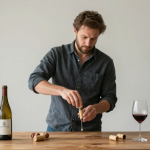
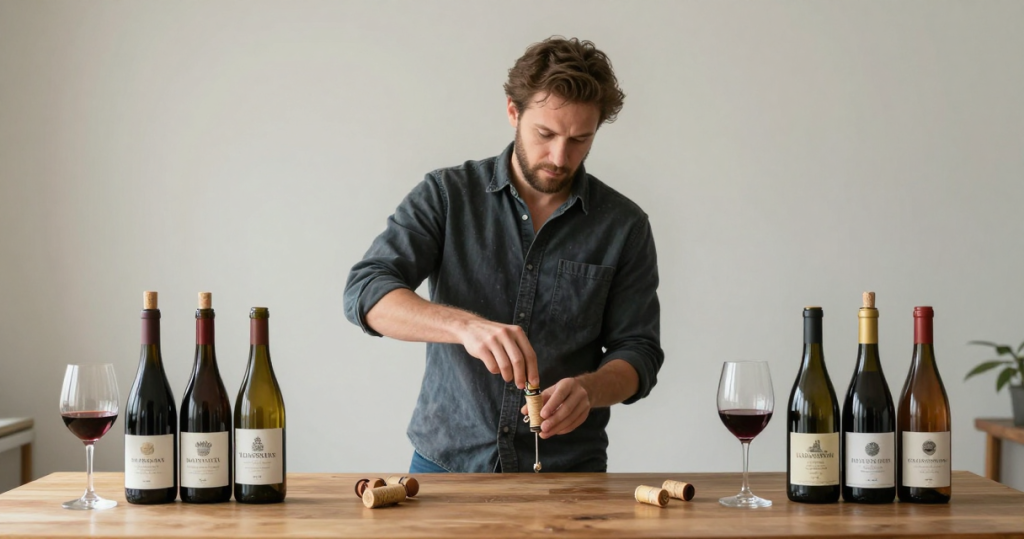
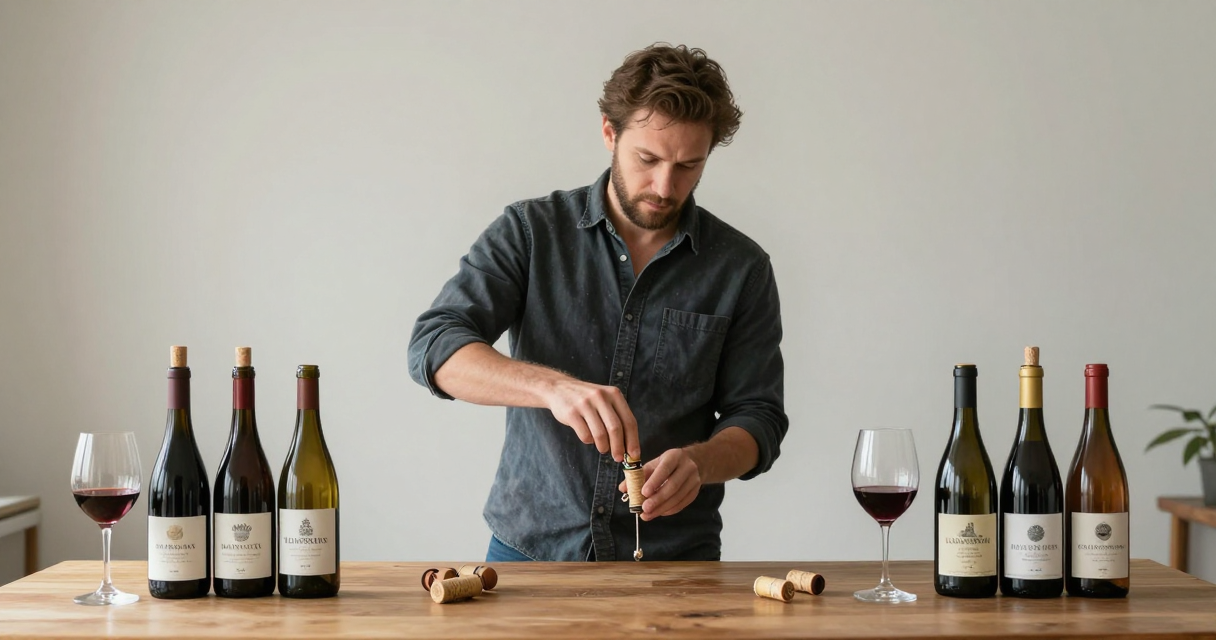
Hosting a Louisiana wine tasting at home isn’t just about uncorking bottles; it’s about channeling the spirit of the Mississippi River into your living room. Start with a curated selection of five to seven labels, ensuring at least one is a local Louisiana vineyard to ground the experience in terroir. I recommend pairing each pour with a specific regional bite, like spicy Andouille sausage or a slice of pecan pie, to create a sensory journey. Don’t overlook the power of temperature; chill your whites to around 50 degrees and let reds breathe for at least thirty minutes before serving. Dim the lights, queue some zydeco, and let the conversation flow as freely as the wine itself.
Selecting Louisiana-native grape varieties for home tasting flights
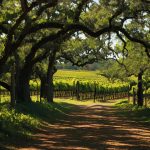
Planting a Louisiana tasting flight begins with understanding the state’s indigenous viticulture, where hybrid grapes dominate the landscape rather than traditional European vinifera. Varieties such as the Blanc du Bois and Black Spanish, both French-American hybrids, thrive in the humid Gulf Coast climate and offer distinct profiles that stand apart from the thin, acidic whites often associated with northern regions. The Blanc du Bois, for instance, typically produces a medium-bodied white with notes of citrus and melon, while the Black Spanish yields a robust red with flavors of dark berry and spice, making them ideal for contrasting a flight. Local vineyards along the Mississippi River and in the northern parishes have spent decades refining these cultivars, resulting in wines that possess a genuine sense of place. When curating your selection, prioritize bottles from established Louisiana producers who can attest to the vineyard’s specific terroir, as this authenticity will elevate the educational value of your gathering. Aim for a balanced mix of one red, one rosé, and one white to showcase the versatility of the state’s grape palette.
The sensory experience of these native grapes often surprises palates accustomed to California or French imports, as the higher sugar content and natural acidity create a unique mouthfeel. A flight featuring a chilled Blanc du Bois alongside a slightly chilled Black Spanish rosé can demonstrate how heat and humidity influence fermentation, resulting in wines that are fruit-forward yet surprisingly balanced. Pay attention to the alcohol by volume, which frequently runs higher in Louisiana hybrids due to the extended growing season, and adjust your pouring sizes accordingly to maintain palate integrity throughout the tasting. Do not shy away from pairing these wines with regional cuisine, such as Cajun jambalaya or fried catfish, as the bold fruit profiles cut through rich, spicy flavors remarkably well. Remember to serve the whites slightly cooler than the reds, approximately 50 to 55 degrees Fahrenheit, to preserve their aromatic complexity. By thoughtfully selecting these varieties, you create a narrative of place that transforms a simple tasting into a journey through Louisiana’s agricultural innovation.
Curating a balanced flight of Louisiana red wines by style and body
A well-curated Louisiana red flight starts with an awareness of the state’s signature grape varieties and how they translate into distinct styles. Cabernet Franc, often the backbone of many local vineyards, tends to produce wines with moderate tannins and bright red fruit notes of cherry and raspberry, making it an approachable entry point for guests. Mourvèdre, though less planted, offers a bolder profile with deeper color and flavors of dark berry and spice, ideal for those who prefer a fuller mouthfeel. Pinot Noir plantings, increasingly common in the cooler hillside appellations, deliver lighter bodies with earthy undertones and a silky texture that contrasts sharply with the richer Southern reds. Including a blend that mixes these styles ensures the tasting progression moves from lighter, more aromatic expressions to deeper, more concentrated experiences without overwhelming the palate.
Body and structure are the practical guides for sequencing the wines from lightest to heaviest. A good rule of thumb is to begin with a Gamay or a light-bodied Pinot Noir, perhaps chilled slightly below room temperature to enhance its freshness, before moving into the medium-bodied Cabernet Franc. The middle of the flight can feature a Merlot-based blend, which typically offers plush tannins and notes of plum and chocolate, bridging the gap between the delicate opening and the powerful finish. Concluding with a Mourvèdre or a robust Syrah-based wine allows the group to experience the full weight of Louisiana terroir, often characterized by higher alcohol levels and a lingering finish. Paying attention to the alcohol by volume, typically ranging from 13% to 15% for these regional reds, helps in deciding glassware size and decanting time, ensuring each wine expresses its intended character.
Finally, consider the food pairings that can complement each style throughout the evening, as this adds an interactive layer to the tasting experience. The lighter Pinot Noir pairs beautifully with grilled chicken or mushroom-based appetizers, while the medium-bodied Cabernet Franc stands up well to herb-crusted pork or aged cheeses. The fuller Mourvèdre or Syrah can handle richer fare such as beef short ribs or a hearty beef stew, especially if the meal includes a spicy Cajun rub. Providing simple tasting notes on cards, mentioning the grape, the vintage if available, and the primary flavor profile, guides the conversation and helps guests articulate their preferences. This methodical approach to style and body not only educates the palate but also transforms a simple gathering into a memorable exploration of Louisiana’s emerging wine identity.
Pairing Louisiana white wines with regional cuisine for an authentic experience
Louisiana white wines often surprise the uninitiated with their surprising versatility when matched against the state’s bold, spice-forward dishes. A chilled glass of a locally produced Viognier, with its characteristic apricot and honeysuckle notes, cuts through the richness of a classic shrimp Creole or etouffee without overwhelming the dish’s complex spice profile. The wine’s inherent fruitiness provides a cooling counterpoint to the heat of cayenne and paprika, while its medium body stands up to the okra and roux base that defines so many home-style preparations. For those seeking something drier, a crisp Chenin Blanc sourced from the Mississippi Delta offers bright acidity that cleanses the palate between bites of fried catfish or alligator sausage, preventing the meal from feeling heavy or greasy. The key is to match the wine’s weight to the dish’s intensity; a light-bodied Sauvignon Blanc might disappear against a rich turtle soup, whereas a fuller white ensures each sip and bite remain in harmonious balance.
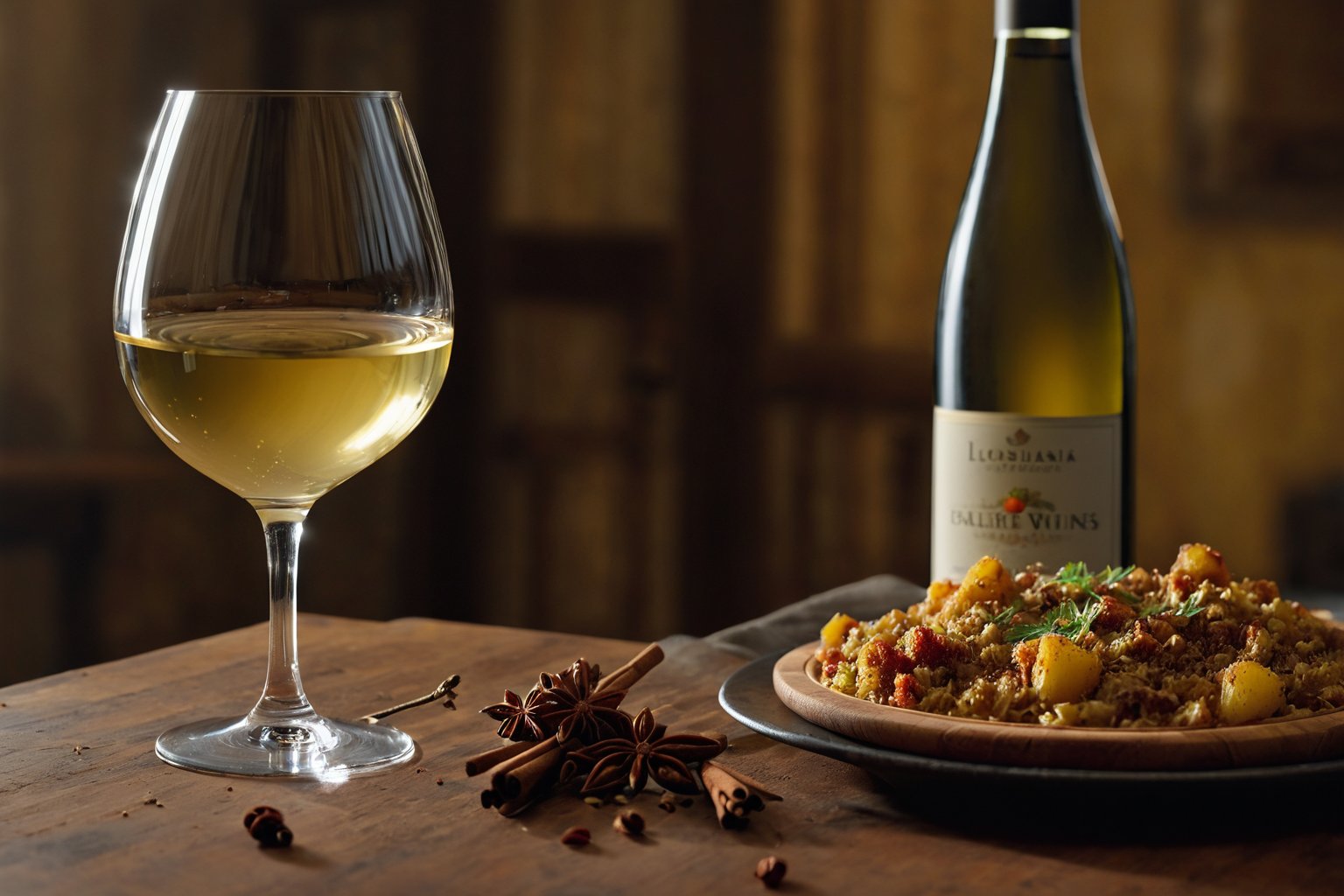
Beyond the bottle, the setting of the tasting itself should echo the terroir of the wines being served. Serving Louisiana whites alongside a spread of pickled vegetables, sliced andouille, and crusty French bread creates a sensory bridge between the glass and the plate, grounding the experience in local tradition. Consider presenting a glass of sparkling wine with oysters on the half-shell, the bubbles and minerality enhancing the briny sweetness of the Gulf harvest. When offering a tasting flight, arrange the glasses from the lightest, most aromatic whites to the richer, more textured styles, allowing guests to trace the progression of flavor and body. This approach transforms a simple beverage pairing into a narrative of place, where each sip tells a story of the river valleys and coastal plains that shape both the grape and the gumbo on the table.
Budget-friendly Louisiana wine options for casual home gatherings
Louisiana’s warm climate and rich culinary traditions call for wines that refresh rather than overwhelm a casual gathering. Look to the state’s emerging vineyards along the River Road and in the north shore regions, where producers craft affordable whites and blushes that pair beautifully with local seafood boils or spicy Cajun dishes. Varieties such as Muscadine, Vidal Blanc, and Chambourcin often appear on tasting menus at these local spots, offering bright acidity and fruit-forward profiles at price points that won’t strain a host’s budget. Many of these wines are sold directly from the winery or at farmers markets, allowing you to sample before you buy and often snag a bottle for under twenty dollars. Choosing a chilled Seyval Blanc or a lightly sweet Vidal can complement the buttery richness of crawfish etouffee while keeping the atmosphere light and approachable for guests who may not consider themselves wine connoisseurs.
When selecting bottles for a home tasting, consider the versatility of a good Pinot Grigio or a dry Rosé sourced from nearby Texas or Arkansas vineyards, which are frequently stocked in Louisiana’s larger liquor stores and offer reliable quality without the import markup. A clever trick is to mix a few half-bottles or spliters so guests can explore different styles, perhaps a crisp Chenin Blanc alongside a fruitier Merlot blend, without committing to full-size purchases that might go unfinished. Pairing these selections with simple, budget-friendly appetizers like boudin balls or fried okra enhances the regional theme and keeps the focus on conversation and discovery. By focusing on locally available, moderately priced options, you create an inclusive experience where the wine supports the food and the company, rather than becoming the center of attention.
Premium Louisiana wine selections for a formal tasting event
When curating a premium Louisiana wine selection for a formal tasting, the focus should shift toward the state’s emerging viticultural strengths and trusted regional appellations. Look for estate-grown whites from the Gulf Coast region, particularly Vermentino or Chenin Blanc blends that showcase bright acidity and subtle citrus notes, ideally served chilled to 50 degrees Fahrenheit to preserve their delicate aromatic profile. For reds, prioritize Cabernet Franc or Merlot-based offerings from the northern hillside vineyards, where the cooler microclimates allow for elegant tannin structure and flavors of dark cherry and tobacco; these should be decanted at least thirty minutes prior to service to soften the palate. Including a local sparkling wine, such as a traditional method Pinot Noir blend, adds a celebratory touch and pairs exceptionally well with aged Gouda or spiced nuts, provided the bubbles are lively and the dosage is balanced. Finally, seek out a late harvest dessert wine, perhaps a Muscat or Vidal Blanc, to conclude the flight on a sweet note that complements fruit-based desserts or blue cheese, ensuring the alcohol content remains moderate to avoid overwhelming the palate.
Beyond the varietals themselves, the provenance of the bottle matters significantly when hosting a formal event, as Louisiana’s wine scene is a tapestry of family-owned estates and innovative collaborations with out-of-state growers. I recommend seeking labels from the Baton Rouge and New Orleans areas, where urban wineries often experiment with hybrid grapes like Marquette, offering a rustic yet refined character with notes of red currant and spice that differentiate them from mainstream imports. A robust pairing strategy involves matching the wine’s body with the complexity of the accompanying cuisine; a full-bodied red from the Northshore region stands up beautifully to slow-cooked pork shoulder, while a crisp, high-acid white cuts through the richness of fried catfish, a local staple. Remember to provide tasting notes on small cards for each selection, detailing the grape blend, vintage year, and suggested food pairings, as this elevates the experience from simple sampling to an educational journey. Lastly, always serve the whites and rosés before the reds and dessert wines, following the traditional progression that respects the palate’s sensitivity throughout the evening.
Choosing the right Louisiana wine shipment service for your home tasting
The first thing to evaluate is whether a service specializes in Louisiana vintages or pulls from a broader national catalog. A provider that understands the nuances of local appellations, like the emerging vineyards in the northern part of the state or the historic plantings near the Mississippi River, can offer bottles that truly represent the region’s terroir. Look for detailed tasting notes that mention soil composition, grape varieties unique to the area, and the winemaker’s philosophy; this level of specificity suggests the curator has personal relationships with the producers rather than simply reselling bulk inventory. Pay attention to the frequency of their shipments as well; a service that rotates its selection quarterly will keep your palate engaged, whereas a static list may lead to tasting fatigue after the second or third gathering.
Logistics and packaging should be a non-negotiable checkpoint, especially during Louisiana’s humid summer months when heat can compromise delicate white wines or fragile cork-sealed reds. A reputable shipment service will use insulated boxes, gel packs, or even dry ice for longer transit times, and they should guarantee replacement or refund if a bottle arrives compromised. Ask about their typical delivery window and whether they require an adult signature upon arrival, as this prevents packages from sitting on porches in the heat. Finally, compare the price point against the volume and quality; a service that charges a flat monthly fee for two bottles may be more economical than one that tacks on steep per-bottle shipping charges, but only if the wines align with the flavor profiles you intend to showcase for your guests.

Winemaker with 12 years in the cellar. I write about fermentation, terroir, and the honest mistakes that taught me more than any textbook. I’ve ruined more barrels than most people have tasted. That’s not a disclaimer — that’s a résumé. Twelve years making wine in France, now making sense of it in words.