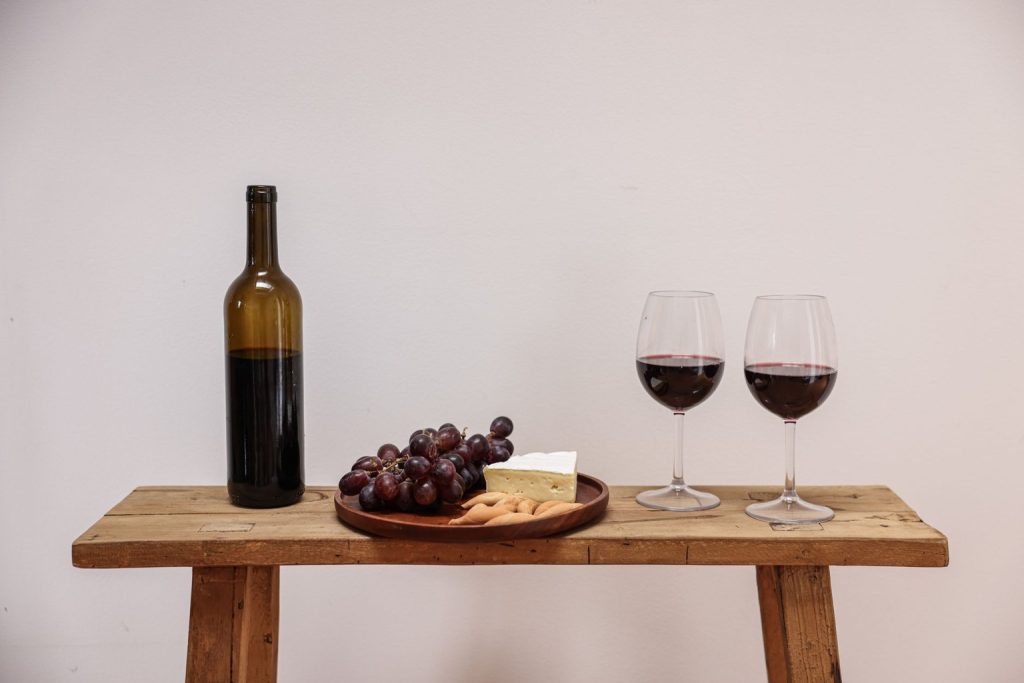
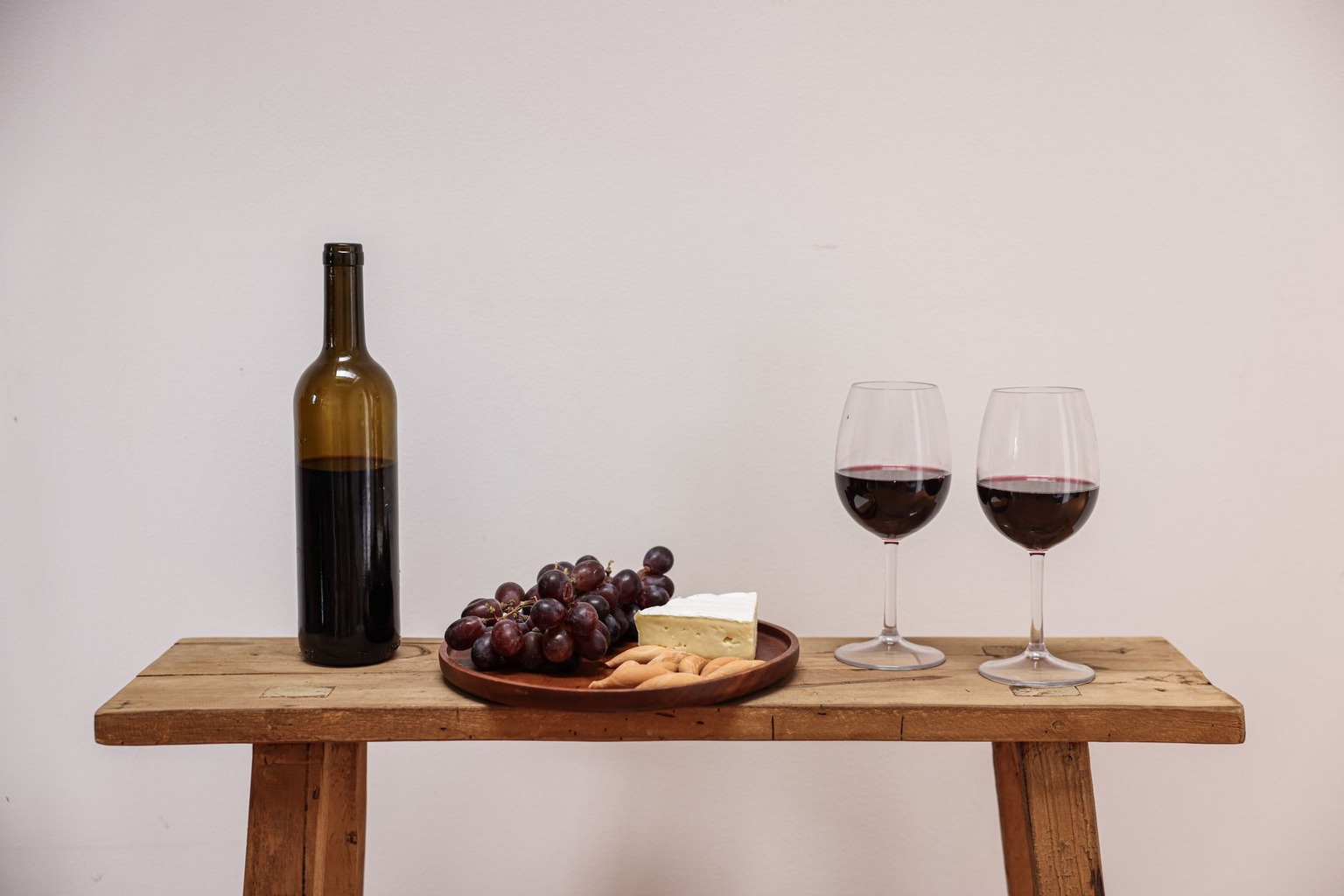
Exploring the landscape of Louisiana wines offers a unique opportunity to discover how regional terroir and traditional winemaking techniques can create distinctive pairings with local cuisine. While many associate this region primarily with spirits, the emerging wine scene provides options that reflect the character of the land. Understanding the fundamentals of how to match the intensity, acidity, and flavor profiles of these bottles with various dishes is essential for anyone looking to elevate their dining experience. The goal is to find harmony between the glass and the plate, ensuring that neither overwhelms the other.
Understanding the Profile of Louisiana Wines
The climate and soil of the region influence the grapes grown here, resulting in wines that often possess a distinct fruit-forward character balanced by moderate acidity, pair food. Many of the offerings lean towards hybrid varieties or native grapes adapted to the humid environment, which means the flavor profile can differ significantly from traditional European styles. When considering a match, it is important to note whether the wine leans sweeter or drier, as this will dictate which types of food will complement it best. For those new to the region’s offerings, starting with a tasting flight is often the most effective way to discern these nuances.
Pairing with Seafood and Light Appetizers
Seafood is a staple of the local diet, and the delicate nature of fresh catches often calls for wines that are crisp and not overly tannic. A young, chilled white option with bright acidity can cut through the richness of butter or cream sauces commonly found in Cajun and Creole preparations. Consider a glass that highlights citrus or green apple notes, as these will echo the natural brininess of oysters or the subtle spice of a shrimp dish. The key is to ensure the wine’s body matches the portion size; a light pour alongside a heavy seafood stew might get lost, while a fuller white can stand up to richer preparations.
Complementing Spicy and Smoky Flavors
The bold, spicy, and smoky notes characteristic of Louisiana cooking present a particular challenge and opportunity for wine pairing. Dishes heavy on cayenne, paprika, or Andouille sausage require a beverage that can either contrast the heat or complement the depth of flavor. Off-dry whites or rosés are often excellent here, as a touch of residual sugar can tame the perception of spice without clashing with the savory elements. Red wine drinkers might opt for a chilled, lighter-bodied red that avoids the drying effect of high tannins, which can amplify the burn of capsaicin. The goal is to refresh the palate between bites rather than adding to the intensity.
dreamdisturber: Louisiana Wine Pairing Livestream
Matching with Hearty Meats and Stews
When moving toward more substantial fare, such as slow-cooked stews or grilled meats, the pairing strategy shifts towards structure and warmth. A medium-bodied red, perhaps one aged briefly in oak, can provide the necessary backbone to stand up to the richness of beef or pork. Look for options where the oak influence is integrated, offering vanilla or spice notes that echo the seasoning rubs often used in local barbecue. The texture of the food, whether it is fall-off-the-bone tender or sliced thin, should guide whether a softer or more structured bottle is chosen to maintain balance on the palate.
Exploring Sweet Endings and Desserts
Concluding a meal with a sweet course requires careful consideration of the wine’s sugar level to avoid a clash of flavors. If the dessert is fruit-based, a wine with similar fruit notes but higher acidity can create a refreshing finish. For richer, creamier sweets, a dessert-style wine from the region, if available, can provide a luxurious parallel. The critical rule here is that the wine should always be sweeter than the food; otherwise, the beverage will taste thin and sour by comparison. Experimenting with late-harvest offerings can reveal delightful combinations that feel both sophisticated and rooted in the local terroir.
Seasonal Considerations and Serving Temperatures
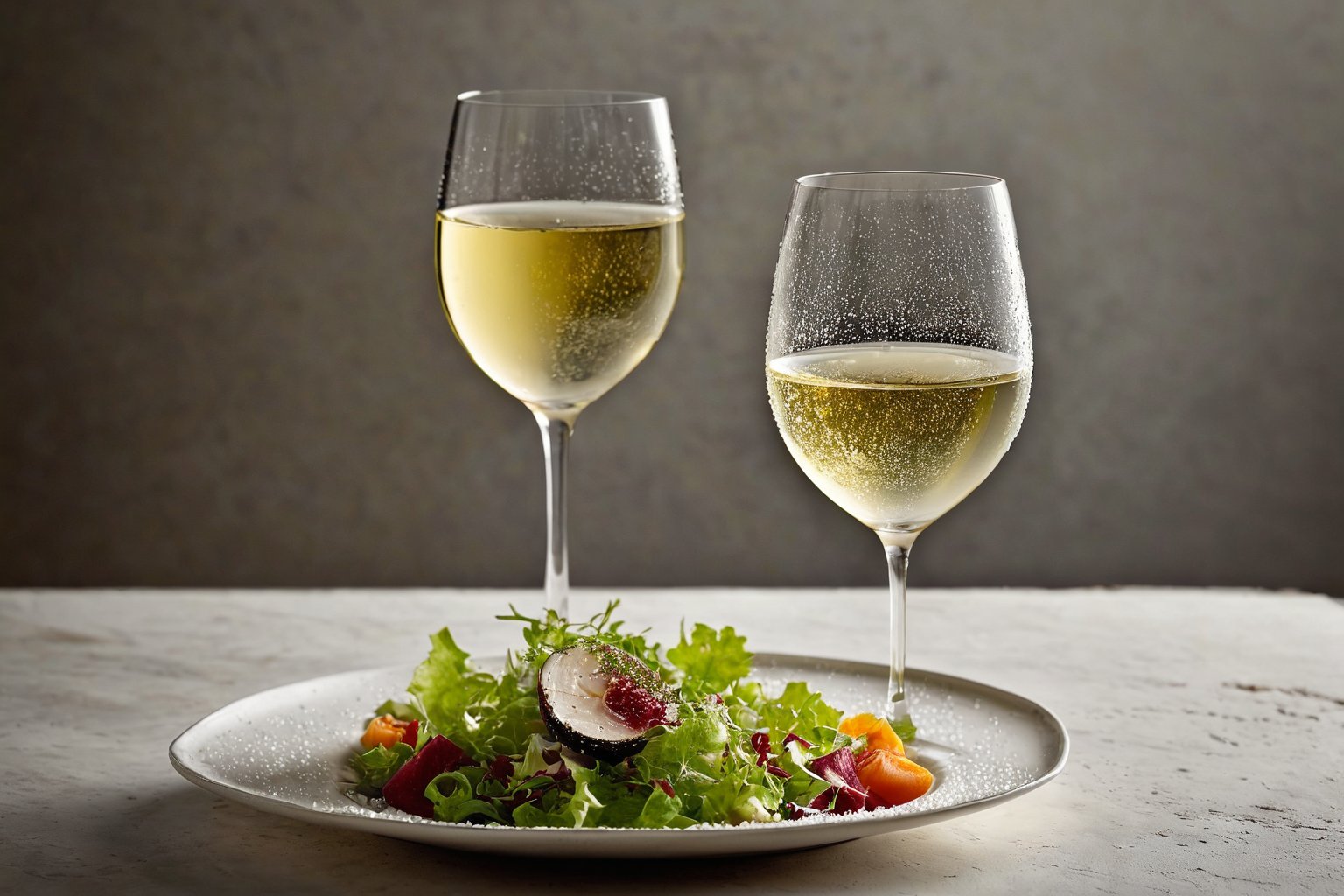
The time of year plays a significant role in how these pairings are perceived, as temperature affects both the wine’s expression and the food’s perceived flavor. During warmer months, chilled whites and rosés are most refreshing, particularly when paired with cold salads or grilled fish straight from the grill. In cooler seasons, slightly warming reds or fuller-bodied whites can provide comfort and depth, pairing nicely with roasted root vegetables or hearty casseroles. Paying attention to the serving temperature, often slightly cooler than room temperature for whites and just below room temperature for reds, can make a noticeable difference in how the flavors interact.
Building Your Own Pairing Confidence
Developing a personal approach to matching Louisiana wines with food is a rewarding process of trial and error, guided by the basic principles of balance and contrast. Keeping notes on which combinations worked best, perhaps noting that a specific white complemented a spicy gumbo particularly well, helps refine future choices. Visiting local tastings or speaking with knowledgeable staff at regional vineyards can provide insider tips on new releases and hidden gems. Ultimately, the best pairing is one that enhances the enjoyment of both the meal and the bottle, turning a simple dinner into a memorable experience rooted in the region’s growing wine culture.

Winemaker with 12 years in the cellar. I write about fermentation, terroir, and the honest mistakes that taught me more than any textbook. I’ve ruined more barrels than most people have tasted. That’s not a disclaimer — that’s a résumé. Twelve years making wine in France, now making sense of it in words.