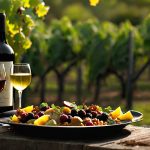
Planning a seafood feast in the Bayou State requires more than just fresh catch and a sturdy table. The humid subtropical climate, the proximity to the Gulf, and the deep-rooted Creole and Cajun traditions create a flavor profile that is both bold and nuanced. Wine pairing in this region is not merely about matching acidity to richness; it is about honoring the terroir of the land and the water. A well-chosen bottle can elevate a plate of oysters or a pot of gumbo from a simple meal to a regional experience. Understanding the local wine landscape is the first step toward crafting an unforgettable banquet.
The Influence of Gulf Waters on Grape Selection
The proximity to the Gulf of Mexico dictates much of what thrives in Louisiana vineyards, finding perfect. The salty breezes and sandy soils near the coast influence grape physiology, often resulting in wines with brighter acidity and a mineral quality that mirrors the sea. Varieties such as Vermentino and Albariño have found a second home in the state’s cooler microclimates, offering the crispness needed to cut through the richness of fried catfish or butter-drenched crawfish. These whites possess a saline tension that echoes the brackish waters of the Mississippi Delta, creating a harmonious bridge between plate and glass. When selecting a bottle, looking for labels that highlight coastal vine sites can provide a direct link to the region’s aquatic environment.
Red wine drinkers are not left out, as the state’s inland appellations produce robust options capable of standing up to heartier seafood preparations. Cabernet Franc and lighter styles of Merlot are often cultivated in the higher elevations of North Louisiana, where the growing season is slightly more forgiving. These reds typically exhibit red fruit notes and a subtle earthiness that pairs beautifully with blackened redfish or spicy shrimp Creole. The key is to avoid overly tannic wines, which can clash with the delicate textures of fresh shellfish. Instead, seek out bottles with a softer structure that complements rather than overwhelms the dish.
Navigating the Creole and Cajun Flavor Spectrum
Louisiana cuisine is defined by its layered seasoning, cayenne, paprika, garlic, and the ever-present filé powder. These spices create a heat and complexity that require wines with sufficient backbone. A common mistake is pairing a high-alcohol wine with a spicy gumbo, which can amplify the burn rather than balance it. The solution often lies in wines with a touch of residual sugar or a lower alcohol percentage, such as a off-dry Riesling or a Grüner Veltliner. These styles offer a counterpoint to the capsaicin, cooling the palate while enhancing the savory depths of the roux.
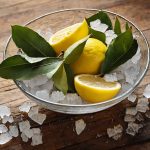
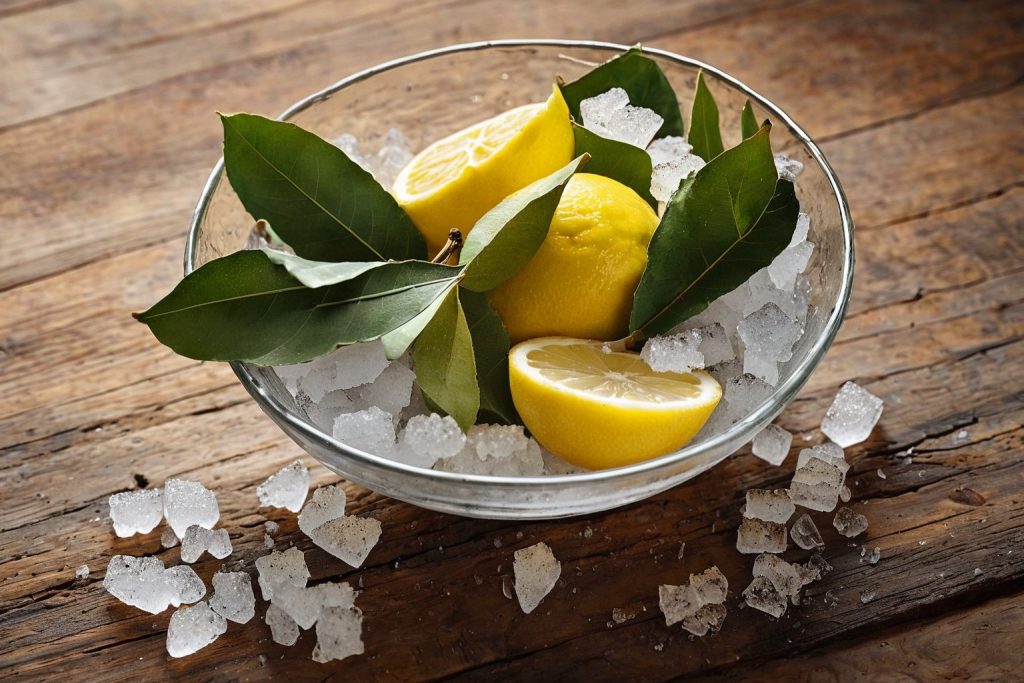
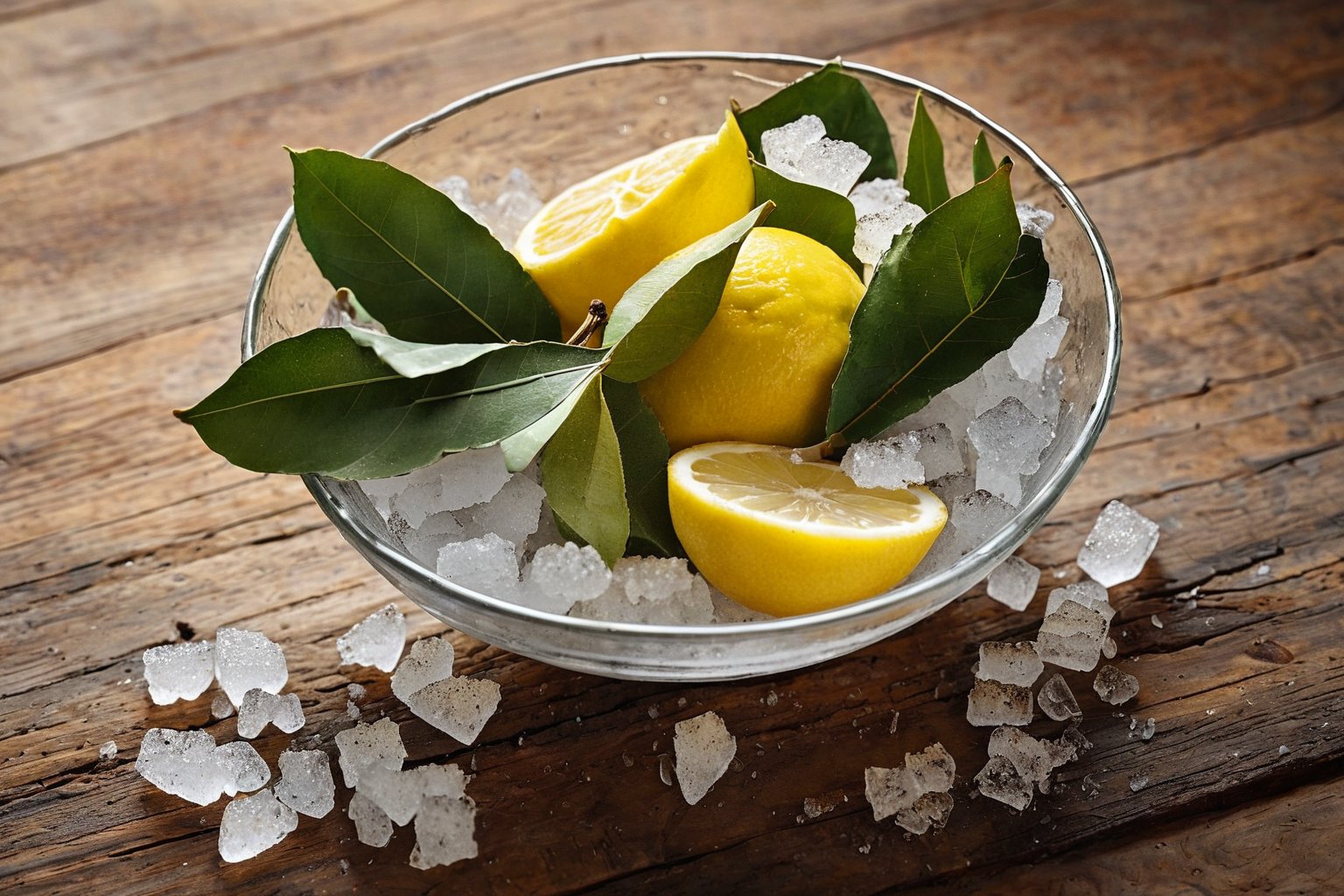
For those serving oysters on the half shell or a simple seafood boil, the focus shifts to freshness and brine. Here, the classic pairing of a chilled Muscadet or a Sauvignon Blanc shines. The citrus notes in a New Zealand Sauvignon Blanc can mirror the lemon wedges typically served alongside the mollusks, while the mineral backbone cleanses the palate between briny bites. In a true Louisiana setting, serving these wines well-chilled is essential, as the temperature helps maintain the crispness that cuts through the buttery sauces often accompanying the feast.
Spotlight on Local Labels and Emerging Regions
While imported classics have their place, there is a growing movement toward showcasing Louisiana-grown grapes. Wineries in the northern part of the state have begun experimenting with hybrid varieties that can withstand the humidity and pests that challenge traditional Vinifera. These local labels often offer a unique perspective, blending European techniques with native resilience. Tasting through a flight of local whites can reveal notes of green apple and pear that feel inherently connected to the land, providing a sense of place that a Napa or Bordeaux bottle cannot replicate.
Chef Billy Parisi: I Ate This EVERY DAY for TWO Years
The rise of boutique wineries has also introduced sparkling options that are perfect for celebratory toasts. A locally produced méthode traditionnelle sparkling wine can serve as an aperitif or a palate cleanser between rich courses. The effervescence helps scrub the palate of heavy fats, preparing the guest for the next bite of seafood. When exploring these options, paying attention to the dosage, whether the sparkler is brut, extra dry, or doux, will determine its suitability for the specific dishes being served, from appetizers to the final course.
Matching Wine to Specific Seafood Dishes
Each type of seafood on the table demands a different vinous approach. Steamed blue crab, often seasoned with Old Bay or a similar blend, benefits from a wine with enough acidity to cut through the sweet meat and the saltiness of the seasoning. A dry rosé from the Texas Hill Country, or even a local Louisiana rosé, offers a versatile middle ground. Its pink hue and strawberry notes provide a visual and flavor contrast that feels festive without overpowering the crab’s natural sweetness.
Fried oysters, typically served with a remoulade sauce, present a challenge due to the richness of the fry and the tang of the condiment. A full-bodied white with a hint of oak, such as a Chardonnay from a cooler climate, can stand up to this combination. The oak integration should be subtle, adding creaminess rather than dominating the palate. Alternatively, a sparkling wine’s acidity can cut through the fried coating, making each bite feel lighter and more balanced. The goal is to find a wine that respects the crunch of the fry while complementing the creamy sauce.
The Role of Serving Temperature and Glassware
Even the perfect pairing can be ruined if the wine is served at the wrong temperature. In the heat of a Louisiana summer, whites and rosés must be thoroughly chilled, often closer to 45-50 degrees Fahrenheit, to maintain their refreshing qualities. Serving them too warm can make the alcohol feel hot and mute the delicate fruit flavors. Conversely, reds intended for the seafood spread should be slightly cooler than room temperature, around 60-65 degrees, to prevent the tannins from becoming too aggressive against the fish.
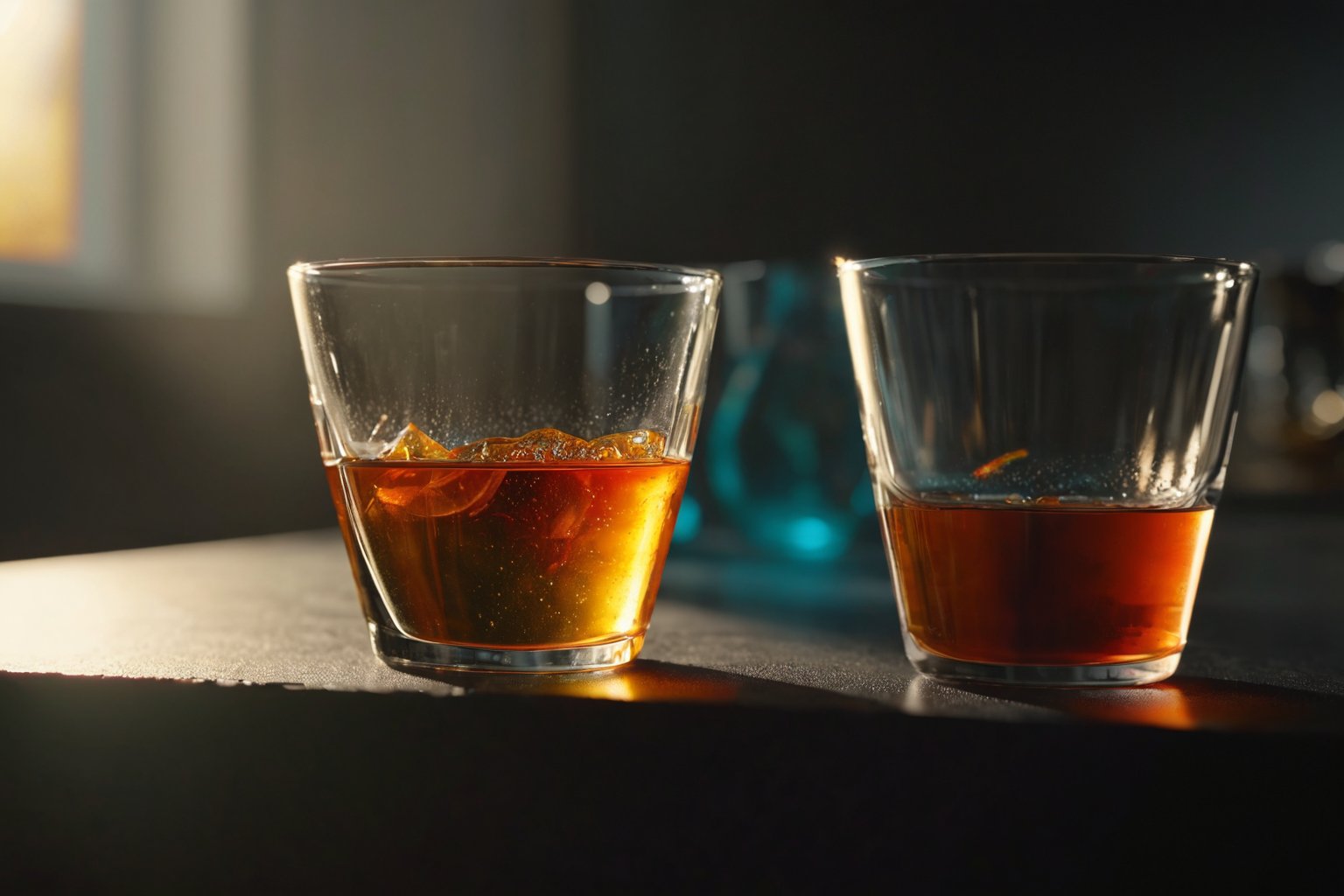
Glassware choice, while often overlooked, plays a significant role in the sensory experience. A narrower bowl is ideal for preserving the aromas of a crisp Sauvignon Blanc, allowing the citrus and herb notes to rise to the nose. For reds with more body, a wider bowl allows the wine to breathe, softening the edges and integrating the fruit and earth notes. Stemware without lead crystal is often preferred for outdoor feasts, as it is more durable against the elements and the enthusiastic clinking of glasses that characterizes a seafood boil.
Practical Tips for the Host
When curating a wine list for a large gathering, variety and accessibility should go hand in hand. Offering a range of price points ensures that all guests can find something to their liking, from a affordable local white to a special occasion red. A practical strategy is to label bottles with simple descriptors, “crisp white,” “light red,” “spice-friendly”, rather than relying solely on technical jargon. This approach empowers guests to make choices based on their preferences and the specific dishes they plan to try.
Finally, consider the logistics of the feast itself. If the meal is being served outdoors or in a casual setting, opt for screw-cap or glass stoppers over traditional corks. These are easier to re-seal and less prone to cork taint, which can ruin a bottle quickly in warm conditions. Having a backup plan, such as a few chilled cans of a quality local hard cider or a pre-mixed wine spritzer, can save the day if a bottle falls short of expectations. The goal is a seamless experience where the focus remains on the food and the company.

Winemaker with 12 years in the cellar. I write about fermentation, terroir, and the honest mistakes that taught me more than any textbook. I’ve ruined more barrels than most people have tasted. That’s not a disclaimer — that’s a résumé. Twelve years making wine in France, now making sense of it in words.