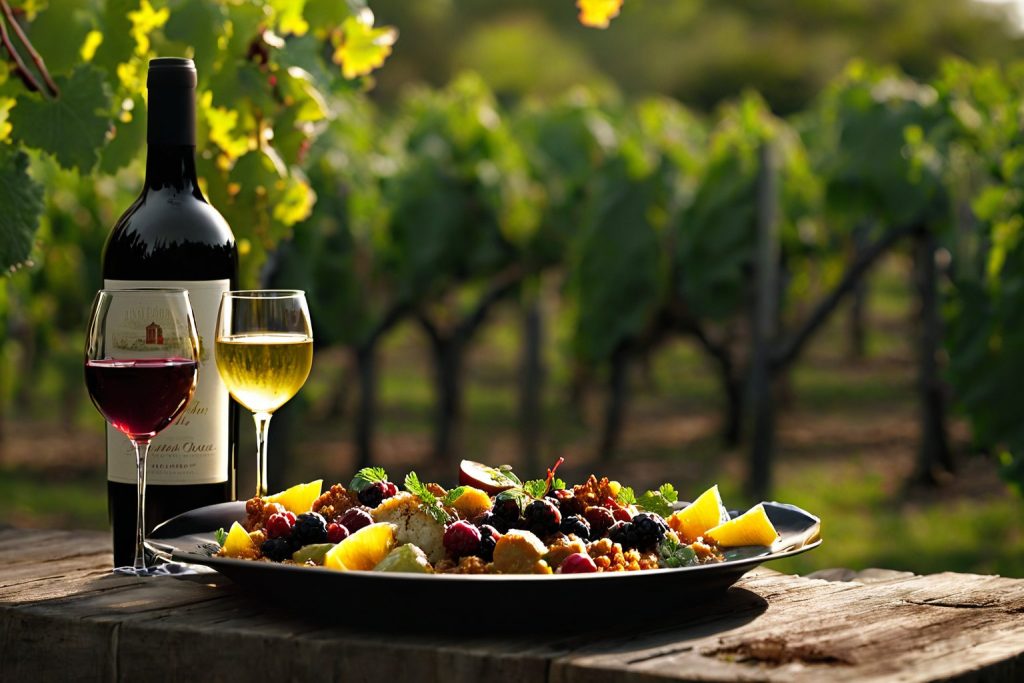
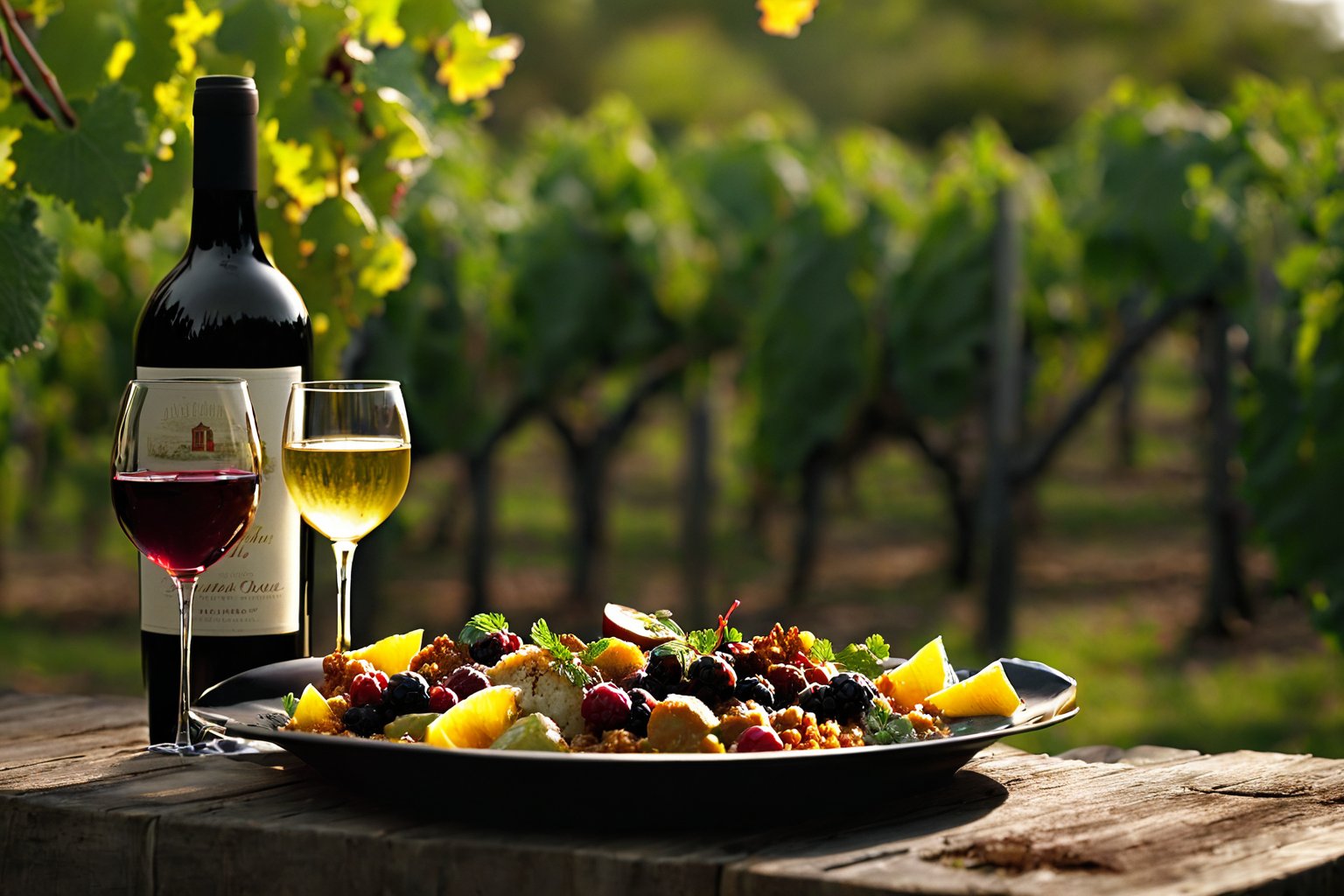
When exploring the rich tapestry of Louisiana flavors, understanding the art of pairings becomes essential for any enthusiast. The state’s unique terroir produces wines that speak the language of Creole cuisine, offering bridges between bold spices and smooth glass. This guide walks you through the process of selecting the right bottle to complement dishes like gumbo, jambalaya, and étouffée, turning a meal into an experience.Prerequisites for Successful Pairings
Before diving into specific bottles, a few prerequisites set the stage for successful pairings. First, know the heat level of your dish; a spicy jambalaya demands a different approach than a mild seafood étouffée. Second, consider the body of the wine. Light-bodied whites often struggle against the weight of a hearty crawfish boil, while fuller reds can overwhelm delicate poached fish. Third, assess the dominant flavors, whether it’s the roux’s nuttiness, the celery and bell pepper’s freshness, or the filé powder’s earthiness. Having these elements in mind ensures that the wine and food converse rather than clash, creating harmony on the palate.
Step One: Matching Whites with Seafood and Spice
The first step in mastering pairings often involves white wines, especially when seafood takes center stage. Louisiana’s own vineyards produce crisp, aromatic whites that cut through the richness of butter and cream found in many Creole sauces. Look for bottles with good acidity and a touch of minerality; these qualities refresh the palate between bites of oyster or crab. A chilled glass of a local white can highlight the brininess of a shrimp po’boy while taming the kick of cayenne. The key is balance, enough body to stand up to the seasoning, but enough lift to keep the experience light and refreshing.
When pairing whites with spicy Creole classics, look for aromatic profiles. Wines with notes of citrus and green apple often pair beautifully with the “holy trinity” of onions, celery, and bell pepper. The acidity acts as a knife, slicing through the oil of the roux and refreshing the mouth. Avoid overly oaky whites, as the toasted notes can compete with the smoky elements of Andouille sausage. Instead, seek out expressions that showcase the fruit and the terroir, allowing the natural flavors of the sea and the garden to shine through without being masked by heavy wood.Step Two: Red Selections for Meat and Richness
Moving toward reds, the focus shifts to dishes built on meat and deep, savory flavors. Red pairings for Creole cuisine require a nuanced approach, as the tannins in wine can either complement the protein or fight against the spices. For dishes like beef stew or hearty meat pies, a medium-bodied red with soft tannins works wonders. The goal is to find a wine that has enough structure to match the richness of the meat, but not so much tannin that it creates a bitter contrast with the peppery heat. Look for fruits like cherry or plum that can echo the slow-cooked depths of the pot.
Specifically, Louisiana reds often possess a certain earthiness that mirrors the garden vegetables and smoked meats prevalent in the region’s cooking. When serving a plate of BBQ shrimp or a rich beef gumbo, a red with a hint of spice on the finish can be a delightful echo of the dish itself. The alcohol content also plays a role; higher alcohol can amplify the perception of heat, so moderation is key. A chilled red, slightly below room temperature, can be an excellent bridge between the warmth of the food and the coolness of the glass, softening the edge of the spices while highlighting the savory notes.Step Three: The Role of Rosé in Creole Contexts
Rosé often gets overlooked in serious pairing discussions, but it holds a unique place at the Creole table. Its versatility makes it an ideal candidate for pairings that span multiple courses or dishes with varying intensity. A dry rosé from Louisiana can bridge the gap between a light appetizer of oysters and a heavier main of etouffee. The pink hue and crisp acidity provide a refreshing counterpoint to the often heavy, tomato-based sauces found in the region. It is particularly effective with fried seafood, as the acidity cuts through the grease while the fruit notes complement the sweetness of the shellfish.
When selecting a rosé, look for those made from local grape varieties or those that spend minimal time in oak. You want the bright red fruit flavors, strawberry, watermelon, cherry, to take center stage. These flavors play nicely with the aromatic herbs like thyme and bay leaf often simmered into Creole stocks. Rosé also handles the vinegar-based sauces common in the region better than many reds, as its acidity is usually brighter and more food-friendly. It is a fantastic “all-purpose” option for those who want to experiment without committing to a specific red or white for every single dish.Step Four: Fortified and Dessert Pairings
No exploration of pairings is complete without addressing the sweet finish, and Louisiana offers excellent options for dessert wines and fortified styles. After a meal of bread pudding with whiskey sauce or a slice of pecan pie, a sweet wine provides the perfect denouement. Look for local late-harvest wines or those labeled as “dessert wine.” These often have the concentrated sweetness and viscosity to stand up to the sugar and spice of Louisiana’s famous sweets. The key here is to ensure the wine is at least as sweet as the food; if the wine is drier than the dessert, it will taste sour and thin.
Fortified wines, such as port or sherry-style offerings from the region, can also pair intriguingly with Creole cheeses or spiced nuts. The richness of the fortification matches the decadence of the local cuisine. When serving these, consider the temperature; slightly chilled fortified wines can be incredibly refreshing after a heavy meal. The caramel and nutty notes often found in these wines echo the toasted pecans and caramelized sugars prevalent in Louisiana baking, creating a cohesive and satisfying end to the dining experience.
Common Mistakes to Avoid in Pairings
Even with the best intentions, common mistakes can derail the perfect pairing experience. One frequent error is serving wine too cold, especially with reds. Over-chilling masks the complex aromas and flavors that make a wine interesting, and can make the tannins feel more aggressive against the spices of Creole food. Always allow reds to warm up slightly out of the refrigerator, perhaps for twenty minutes before serving. Another mistake is ignoring the sauce; many focus on the protein but forget that the roux or the gravy is often the most flavor-intensive part of the dish. Pairing for the sauce, not just the meat, is a rule of thumb for success.
A further pitfall is choosing a wine based solely on its label or origin, rather than its actual profile. A well-known brand might not have the acidity or fruit profile needed to cut through the specific heat of a Louisiana dish. Always taste the wine, if possible, or read the tasting notes critically. Finally, avoid the trap of pairing the most expensive bottle in the cellar; often, a moderately priced wine with the right structure will outperform a costly one that doesn’t match the food’s intensity. The goal is harmony, not hierarchy.
Concrete Tips for Your Next Louisiana Meal
To execute these pairings in your own home, start with concrete, actionable steps. First, always have a chilled white and a versatile rosé on hand for unexpected guests or spontaneous cravings. Second, match the wine’s intensity to the dish’s intensity: a light salad calls for a light wine, a spicy gumbo calls for something with more backbone. Third, consider the glassware; a wider bowl for reds allows the aromas to open up, while a narrower flute helps preserve the bubbles and crispness of whites and rosés. Fourth, don’t be afraid to experiment with temperature; serving a red slightly cool can make a world of difference with spicy foods.
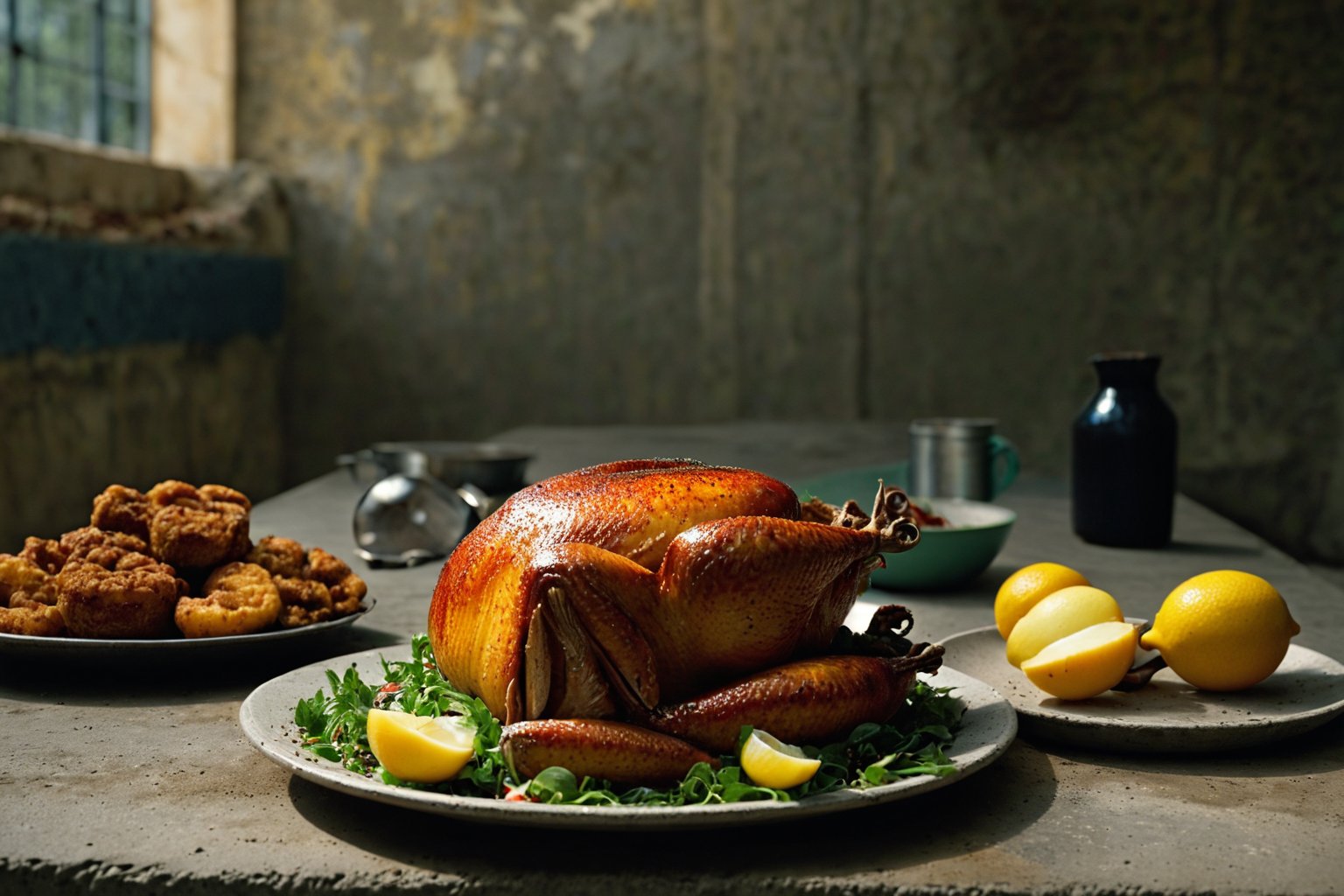
Finally, trust your own palate above all else. While guidelines are helpful, the best pairing is the one you enjoy most. Keep a notebook of what worked and what didn’t; over time, you’ll develop a personal library of successful pairings that reflect your unique taste. Remember that the goal of pairings is to enhance the meal, not to showcase the wine at the expense of the food. By following these tips, you can ensure that every bite of Creole cuisine is accompanied by the perfect sip.

Winemaker with 12 years in the cellar. I write about fermentation, terroir, and the honest mistakes that taught me more than any textbook. I’ve ruined more barrels than most people have tasted. That’s not a disclaimer — that’s a résumé. Twelve years making wine in France, now making sense of it in words.