Overview of Louisiana Terroir
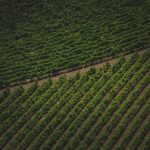
The concept of Louisiana terroir is deeply rooted in the unique combination of soil composition, climate impact, and regional geography that shapes the flavor profiles of products originating from this distinctive area. Terroir, originally a French term, encompasses the environmental factors that affect a crop’s phenotype, including unique environmental contexts, farming practices, and a crop’s specific growth habitat. In Louisiana, this terroir manifests in a dynamic and diverse way due to its rich natural environment.
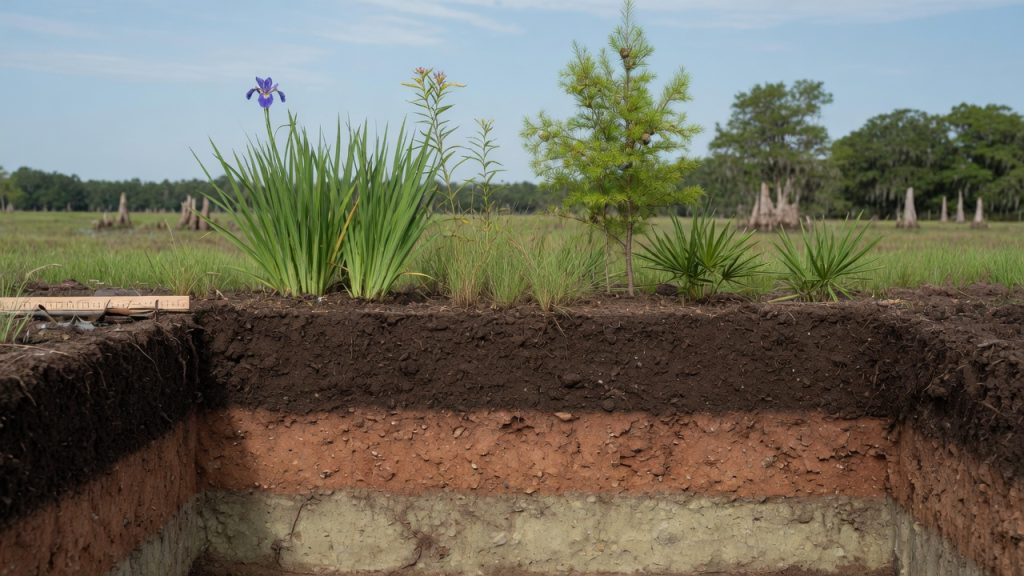
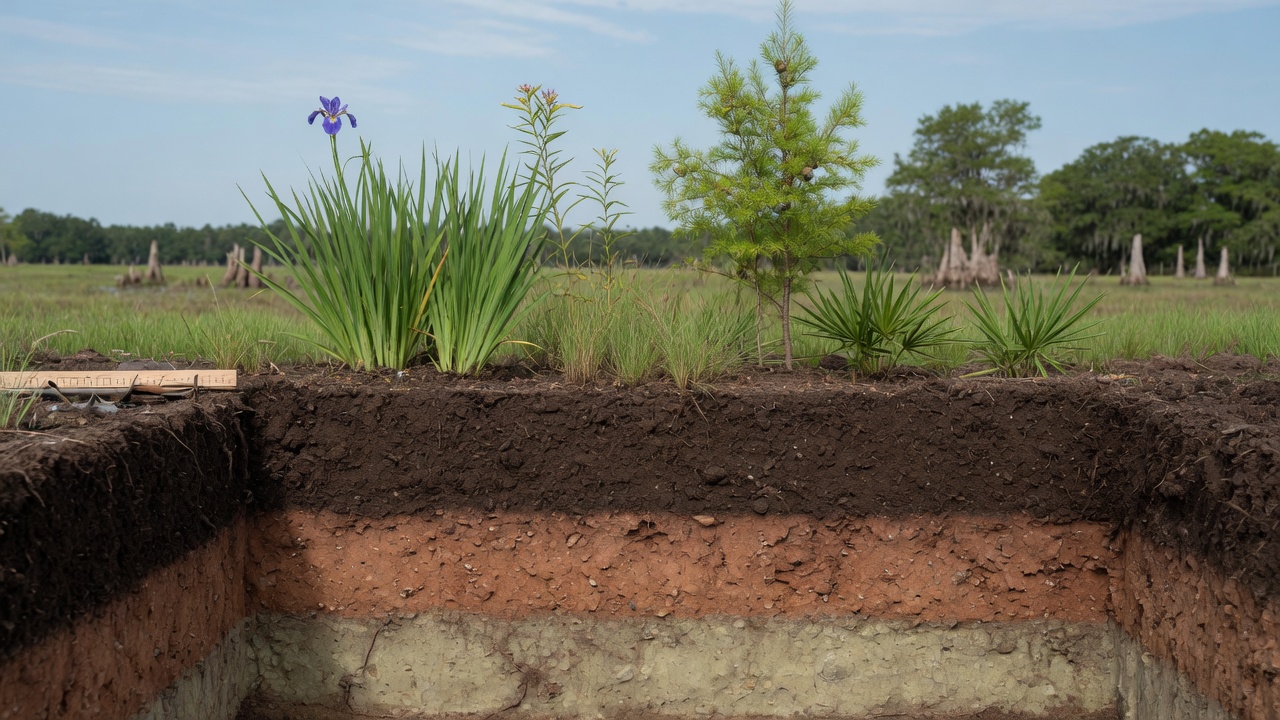
One of the most defining elements of Louisiana\’s terroir is its varied soil composition. The soils here are often alluvial, formed by the Mississippi River’s fertile deposits, which include rich loams and silty clays. These soils are nutrient-rich and water-retentive, providing an ideal foundation for crops and vineyards. The interplay between these fertile soils and Louisiana’s wet conditions creates a distinct environment that influences the root uptake of nutrients and ultimately the flavors expressed in the produce.
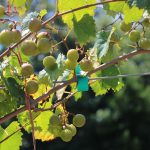
The climate impact is another critical factor shaping Louisiana terroir. The region experiences a humid subtropical climate characterized by hot summers, mild winters, and high humidity levels. The frequent rainfall and long growing seasons allow for robust plant growth but also demand careful management of moisture levels and disease control in crops. This climate encourages the development of bold, complex flavors, particularly in products such as Louisiana-grown grapes and sugarcane, which flourish under these conditions.
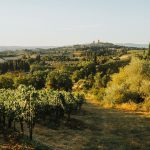
Furthermore, the regional geography of Louisiana contributes to the terroir’s distinctiveness. The diverse landscapes, ranging from coastal marshes to upland hills, create microclimates and varied ecosystems. Proximity to the Gulf of Mexico moderates temperatures and introduces saline influences in some areas, adding subtle nuances to the flavor characteristics of crops grown there. These geographical factors combine to create small pockets of terroir that can vary significantly over short distances.
Altogether, the Louisiana terroir is a complex blend of fertile soil composition, humid subtropical climate, and diverse regional geography. These elements interact intricately to shape the flavor profiles of Louisiana’s agricultural products, making the terroir a fundamental aspect of the region’s culinary identity and agricultural success.
Soil and Climate Characteristics
Louisiana soil is predominantly characterized by its rich, alluvial plains, a result of the Mississippi River’s long history of sediment deposits. This alluvial soil is highly fertile, providing an ideal base for a variety of crops. The state’s soil composition ranges from sandy loam to clay, with significant organic matter, which enhances its nutrient-holding capacity. Such diversity in soil types across the region supports the cultivation of crops like sugarcane, cotton, and rice, each thriving in different soil conditions.
The humid climate of Louisiana plays a crucial role in shaping the flavor profile of its agricultural products. Warm temperatures combined with high humidity create an environment conducive to the growth of crops that require both moisture and heat. The frequent rainfall, typical in this humid climate, ensures consistent soil moisture but also demands effective drainage, especially in the alluvial plains, to prevent crop damage. Seasonal weather effects, including hot summers and mild winters, influence crop cycles and the development of flavors in produce, giving Louisiana-grown products distinctive characteristics.
Weather effects such as the occasional hurricanes and storms bring challenges but also enrich the soil by redistributing nutrients across the flat landscapes. This dynamic interplay between Louisiana soil and its humid climate results in agricultural products that embody the essence of the region’s terroir, making the flavors distinctively robust and unique to Louisiana.
Regional Geography and Microclimates
Louisiana’s terroir is profoundly shaped by its diverse regional geography and distinctive microclimates. The state features a complex landscape that includes fertile plains, wetlands, bayous, and the coastal zones adjacent to the Gulf of Mexico. Each of these geographic elements contributes uniquely to the flavor profiles of Louisiana’s agricultural products.
The wetlands, in particular, play a critical role in moderating temperatures and providing humidity, which benefits crops and livestock alike. These areas create a moisture-rich environment that influences soil composition and presents unique growing conditions not commonly found elsewhere. The local microclimates formed by the wetlands’ presence can lead to variations in ripening times and crop yields, directly impacting the taste and quality of the harvest.
Additionally, the Gulf influence cannot be overstated. The proximity to the Gulf introduces salty breezes and mild winters, which affect both the terroir and the agricultural output. This maritime effect helps reduce frost risk, extends growing seasons, and encourages the cultivation of specific crops such as sugarcane and certain fruit varieties. The combination of these factors helps produce distinctive flavors that are emblematic of Louisiana’s unique terroir.
Overall, the interplay between Louisiana’s regional geography and microclimates fosters an environment where agricultural diversity thrives. From the richness of the wetlands to the tempering influence of the Gulf, these natural elements collectively enhance the complexity and character found in Louisiana’s food and drink, making its terroir truly remarkable.
Influence of Terroir on Louisiana Cuisine
Louisiana cuisine is a rich tapestry woven from the unique characteristics of its terroir, which greatly influences the flavor profiles and ingredient choices that define this beloved culinary tradition. Terroir, often associated with wine, encompasses the geography, climate, soil composition, and local ecosystems that collectively shape how food tastes and behaves. In Louisiana, this concept extends deeply into every aspect of its cooking, creating a distinct identity that can’t be replicated elsewhere.
The fertile alluvial soils of the Mississippi River delta provide an abundance of fresh produce, including peppers, okra, and leafy greens, which are staples in many Louisiana dishes. These local ingredients carry the essence of the land, imparting earthy, vibrant flavors that reflect the region’s natural bounty. The warm, humid climate encourages the growth of bold, aromatic herbs like thyme, bay leaves, and parsley, which are indispensable in seasoning gumbos, jambalayas, and étouffées, highlighting the terroir influence in seasoning choices.
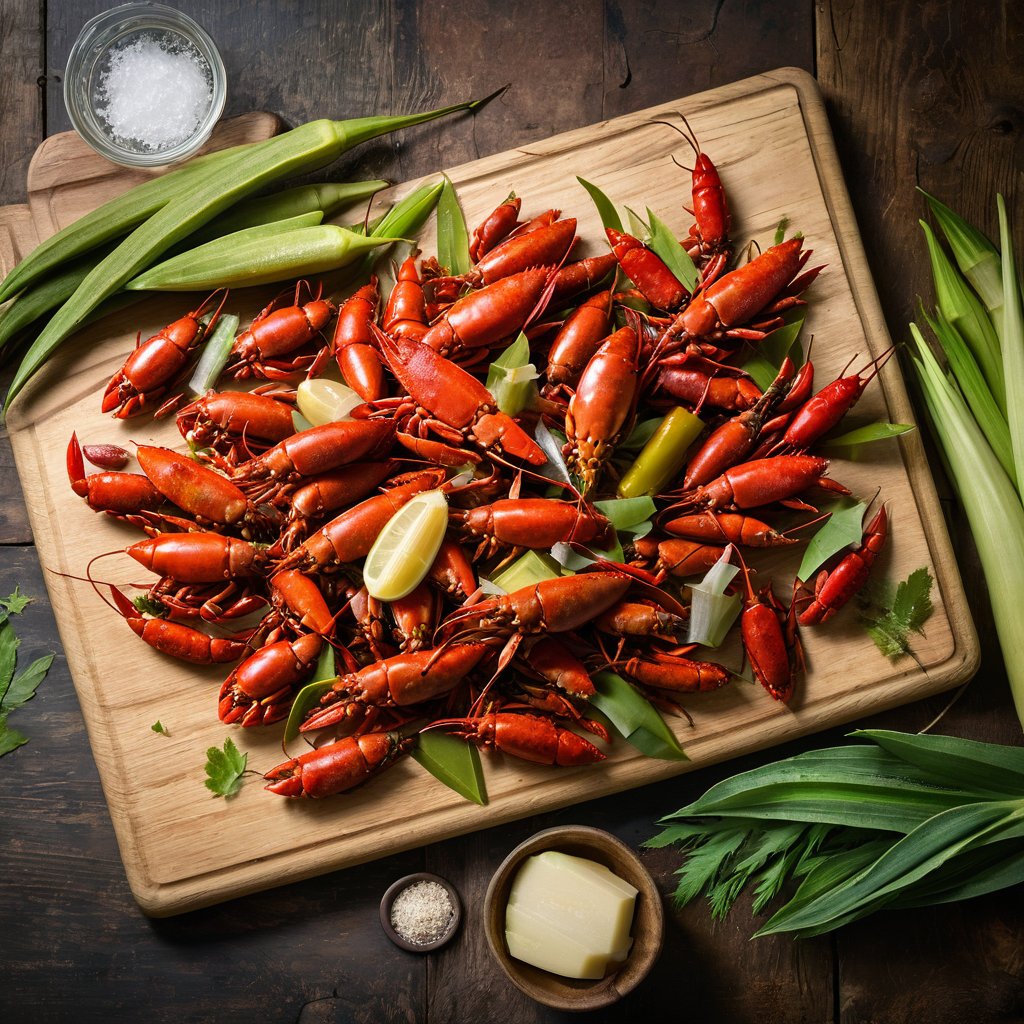
The abundant wetlands and bayous supply a wealth of seafood, from crawfish and shrimp to catfish and oysters, whose taste is notably influenced by the brackish water conditions and sediment types native to the area. The mineral content and salinity levels of these waters contribute nuanced flavors that are foundational to dishes synonymous with Louisiana cuisine. Chefs and home cooks alike tailor their recipes to celebrate these local flavors, ensuring the terroir is tasted in every bite.
Moreover, Louisiana’s cultural terroir—where French, Spanish, African, and Native American culinary traditions meet—plays a crucial role in shaping the flavor profiles. This intersection is evident in the bold, spicy, and savory elements that dominate the cuisine, such as cayenne pepper and smoked sausage, which complement the terroir’s natural ingredients. Each dish becomes a sensory map of the region’s story, combining local resources with cultural history to create an unmistakable taste unique to Louisiana.
In essence, the terroir of Louisiana is not just the soil or waters; it is the environment that molds the entire culinary experience. From the selection of fresh, local ingredients to the distinctive spice blends and cooking methods, this terroir influence shapes every facet of Louisiana cuisine. Understanding this relationship enhances appreciation for the regional flavors and the deep connection between the land and its people, making Louisiana cuisine a flavorful reflection of its terroir.
Signature Ingredients from Louisiana Terroir
The unique terroir of Louisiana profoundly impacts the flavors that define its cuisine, with signature ingredients like Cajun spices, fresh seafood flavors, and a bounty of local crops and regional produce. The Cajun spices, a blend of earthy paprika, fiery cayenne, aromatic garlic, and pungent black pepper, bring robust and complex heat to dishes, reflecting the bold and vibrant culture of the region.
Louisiana’s proximity to the Gulf of Mexico provides an abundant and diverse seafood harvest, from succulent shrimp and tender crabs to plump oysters and catfish. These seafood flavors are infused with the natural salinity and freshness of the coastal waters, evoking the essence of Louisiana’s wetlands and estuaries in every bite.
Beyond the spices and seafood, the fertile soils and warm climate foster a wealth of regional produce that complements and enhances traditional recipes. Local crops such as okra, sweet potatoes, bell peppers, and leafy greens thrive in this environment, contributing fresh and earthy notes that balance the richness of Cajun spices and seafood. The integration of these ingredients embodies the spirit of Louisiana’s terroir — an intricate harmony between land, water, and culture that shapes the distinctive flavors cherished in its cuisine.
Terroir Impact on Flavor Profiles
The distinct flavor profiles found in Louisiana cuisine are deeply influenced by the region’s unique terroir. Terroir, encompassing factors such as soil composition, climate, and topography, plays a critical role in shaping the taste influences and overall flavor complexity of local food characteristics. Louisiana’s humid subtropical climate, characterized by warm temperatures and ample rainfall, fosters rich, fertile soils that contribute to the vibrant, bold flavors in ingredients native to the region.
Soil nutrients and texture directly affect the flavor intensity of crops like rice, sugarcane, and various spices integral to Louisiana dishes. These soil components enhance the vegetal and earthy notes within the food, creating a depth of taste that can only be achieved in specific terroir conditions. Additionally, the region’s diverse microclimates further influence the subtle variations in taste, allowing for a spectrum of flavors that lend uniqueness to dishes such as gumbo, jambalaya, and crawfish boils.
Beyond agriculture, the humid climate supports a thriving ecosystem of herbs and seafood whose flavors are also impacted by terroir effects. The interplay between water salinity and temperature in coastal areas infuses local seafood with a distinctive brininess and freshness, heightening the overall flavor complexity. Thus, Louisiana’s terroir imparts a signature character to its cuisine, making the taste profile of its dishes both rich and inimitable.
Sustainability and Future of Louisiana Terroir
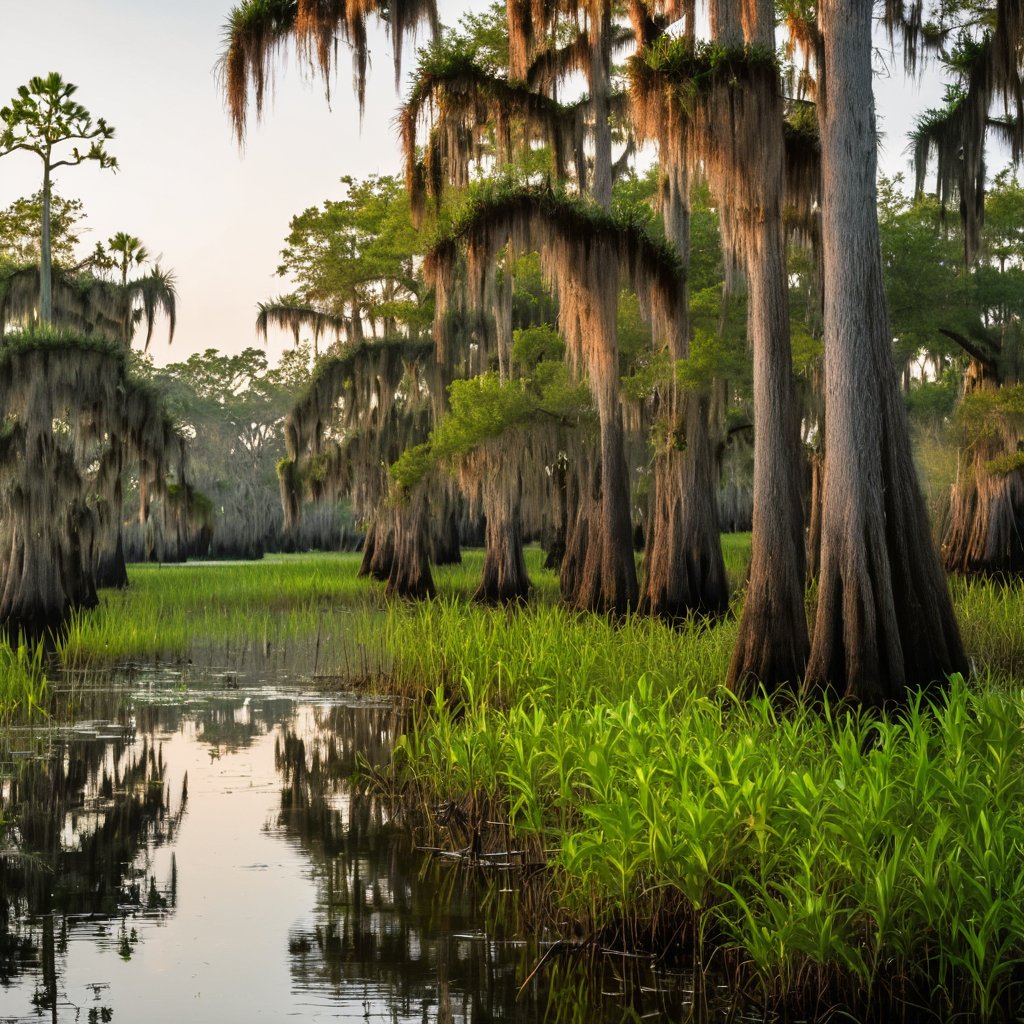
The terroir of Louisiana is deeply intertwined with the region’s unique environmental conditions, and its future is increasingly shaped by sustainability efforts and environmental challenges. Sustainable agriculture practices have become essential for maintaining the delicate balance of the soil, water, and ecosystems that contribute to the distinctive flavors found in Louisiana’s crops and wines. By prioritizing methods such as crop rotation, organic fertilization, and integrated pest management, local farmers and vintners aim to protect the health of the land while preserving the characteristic terroir that defines the region.
Environmental challenges including soil erosion, water pollution, and habitat loss pose significant threats to the terroir. Louisiana’s humid subtropical climate, while beneficial for many crops, also presents vulnerabilities such as increased flood risk and humidity-related plant diseases. Sustainable agriculture tries to mitigate these effects by adopting conservation practices that reduce runoff, improve soil carbon content, and enhance biodiversity. These efforts not only support the environment but also help sustain the nuanced flavor profiles that terroir imparts.
Climate change is an additional critical factor influencing the future terroir of Louisiana. Rising temperatures, unpredictable weather patterns, and more frequent extreme weather events can alter growing seasons and affect the chemical composition of soil and crops. These changes may lead to shifts in flavor intensity, aroma, and overall quality of agricultural products connected to the region’s terroir. Producers are increasingly tracking these developments and experimenting with adaptive strategies such as selecting heat-tolerant plant varieties and improving water management to safeguard flavor consistency.
Looking forward, the sustainability of Louisiana terroir hinges on collaborative efforts between farmers, scientists, and policymakers to address environmental issues. Innovations in sustainable agriculture coupled with proactive responses to climate change will be vital in preserving the terroir’s unique characteristics. Consumers also play a role in supporting sustainability by choosing products rooted in environmentally responsible practices. Through this shared commitment, the future terroir of Louisiana can thrive, continuing to influence the flavors that make the region’s wine and produce distinct and memorable.
Environmental Challenges Facing Louisiana Terroir
Louisiana’s terroir is facing significant environmental threats that could profoundly impact agricultural quality and flavor. One of the foremost challenges is the climate change impact, which brings unpredictable weather patterns, increased temperatures, and heightened storm frequency. These changes disrupt growing seasons and can stress crops, altering the natural balance that shapes the terroir.
Soil erosion presents another serious concern. Heavy rains and floods, exacerbated by land mismanagement and loss of natural vegetation, strip away the nutrient-rich topsoil critical for crop growth. This erosion reduces soil fertility and changes the soil composition, which directly affects flavor profiles in agricultural products.
Equally alarming is the ongoing wetland loss in Louisiana, which serves as a natural buffer protecting farmland from extreme weather and saltwater intrusion. Wetlands also contribute to the unique microclimate and soil characteristics integral to the terroir. Their disappearance threatens both agricultural sustainability and the distinct taste of local produce.
Overall, these environmental threats pose a substantial risk to Louisiana’s terroir, potentially diminishing its agricultural uniqueness and the flavors that define its crops. Addressing these challenges is critical to preserving the region’s rich agricultural heritage and ensuring a sustainable future for its terroir-based products.
Strategies for Sustainable Terroir Preservation
Preserving Louisiana’s unique terroir is essential for maintaining the rich culinary legacy that has defined the region for generations. Implementing sustainable farming practices is a key strategy, focusing on the minimization of chemical inputs and promoting crop diversity to enhance soil health. Conservation methods such as wetland restoration and controlled water management play a vital role in protecting the delicate ecosystems that influence the terroir’s flavor profile. These efforts help to stabilize the soil and maintain the natural balance needed for thriving agriculture.
Eco-friendly agriculture initiatives encourage farmers to adopt organic techniques, reduce carbon footprints, and utilize renewable energy sources. These methods not only safeguard the environment but also improve the quality of produce, allowing the terroir’s true characteristics to shine through. Proposed measures include increased support for local farmers markets and educational programs that emphasize the importance of terroir preservation through sustainable farming.
By prioritizing terroir preservation alongside economic development, Louisiana can foster a resilient agricultural community that honors tradition while embracing innovation. Collaborative efforts between government agencies, agricultural experts, and local producers are essential to ensure the long-term protection of Louisiana’s terroir. These strategies collectively work towards securing the region’s status as a culinary treasure, rich in flavor and steeped in history.

Winemaker with 12 years in the cellar. I write about fermentation, terroir, and the honest mistakes that taught me more than any textbook. I’ve ruined more barrels than most people have tasted. That’s not a disclaimer — that’s a résumé. Twelve years making wine in France, now making sense of it in words.