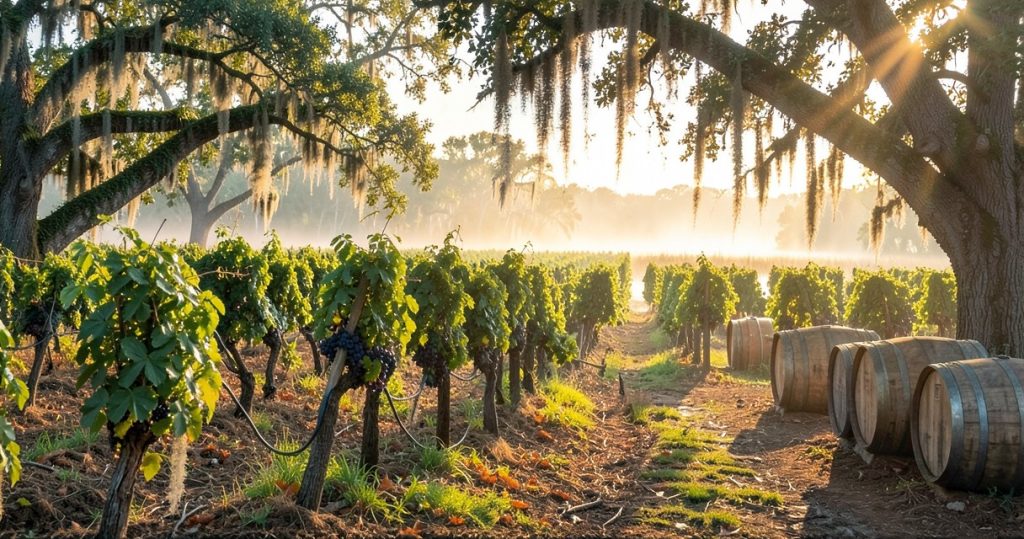
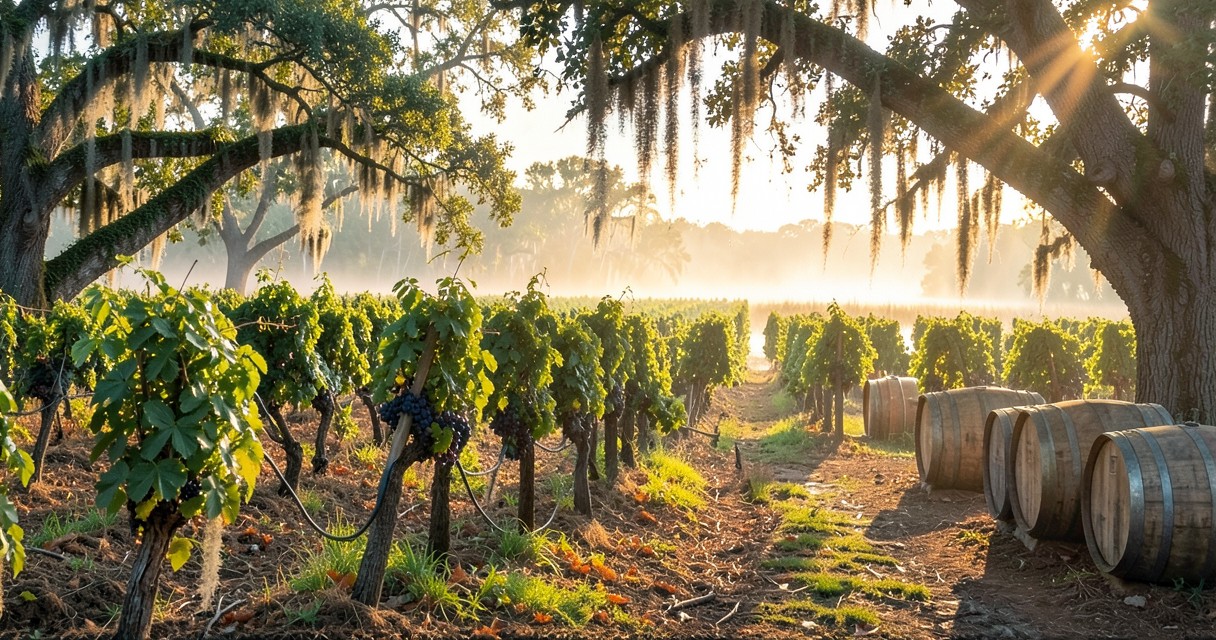
Louisiana may not be the first region that comes to mind when you think of wine production, but this southern state is quietly carving out a niche in the winemaking industry. The combination of unique climate, innovative grape varieties, and a growing number of dedicated vintners is contributing to the emergence of Louisiana as a respectable wine producer. This article explores the factors influencing wine production in Louisiana, the grape varieties that thrive in its climate, and the burgeoning wine culture that is captivating both locals and visitors alike.
The Climate and Geography of Louisiana Wine Country
The climate of Louisiana plays a pivotal role in its wine production. With a humid subtropical climate, the state experiences hot summers and mild winters, which can be both a blessing and a challenge for winemakers. The Gulf of Mexico significantly influences weather patterns, providing warmth and moisture. However, the humidity can also lead to challenges such as fungal diseases that can affect grape quality. To combat these issues, winemakers are increasingly looking to innovative vineyard practices and disease-resistant grape varieties.
Geographically, Louisiana’s diverse landscape includes river valleys, rolling hills, and flatlands, which allows for a variety of microclimates. This diversity offers winemakers the opportunity to experiment with different grape varietals and styles. The state’s unique terroir, characterized by its alluvial soils and proximity to water sources, can impart distinctive flavors to the wines produced here, setting Louisiana wines apart from those of other regions.
Innovative Grape Varieties for Louisiana
Traditionally, winemakers have relied on classic European grape varieties like Cabernet Sauvignon and Chardonnay. However, Louisiana’s environmental conditions necessitate a shift towards more adaptable varietals. Varieties such as Muscadine, Blanc du Bois, and Lenoir are gaining popularity. Muscadine grapes, native to the southeastern United States, are particularly well-suited to the humidity and heat, producing rich and fruity wines that resonate with local palates.
Blanc du Bois is another standout grape, known for its ability to thrive in warm climates while producing high-quality wines. It is often used to create dry white wines with floral and citrus notes. The Lenoir grape, originally from France, is also gaining traction, as it produces robust red wines that can withstand the challenges of Louisiana’s climate. These innovative varietals are not only helping to define Louisiana’s wine identity but also attracting attention from wine enthusiasts and critics alike.
Challenges Faced by Louisiana Winemakers
While the potential for wine production in Louisiana is promising, winemakers face several challenges. One of the most significant issues is the state’s susceptibility to extreme weather events, including hurricanes and flooding. Such events can devastate vineyards and disrupt the delicate process of grape growing and harvesting. Additionally, the high humidity levels can encourage the growth of diseases like powdery mildew, necessitating vigilant vineyard management practices.
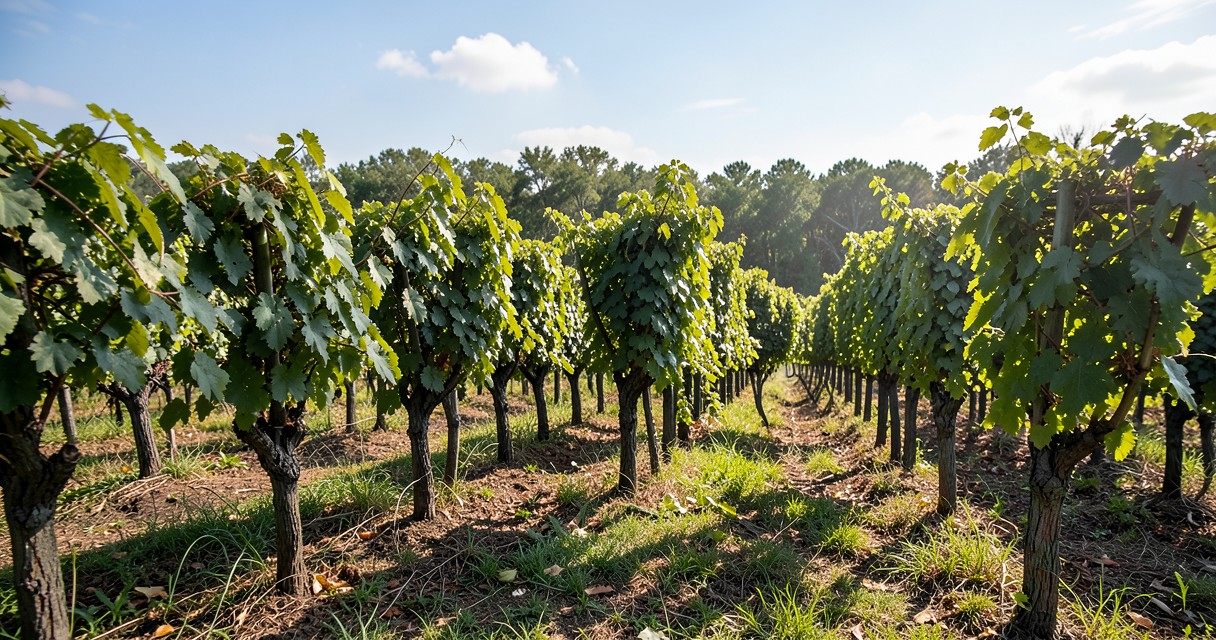
Furthermore, the state’s wine industry is still in its infancy compared to established regions like California or France. This means that local producers often struggle with limited resources, including funding for advanced technology and marketing efforts. Despite these challenges, the resilience and creativity of Louisiana winemakers are driving the industry forward, as they seek to establish a unique identity in the world of wine.
The Role of Education and Research in Wine Production
Education and research are critical components of Louisiana’s burgeoning wine industry. Institutions like the Southern University AgCenter are leading the charge by conducting studies on grape varieties that can withstand the local climate and soil conditions. These research initiatives are vital for helping winemakers make informed decisions about which grapes to plant and how to cultivate them effectively.
Workshops and educational programs are also being developed to equip local winemakers with the necessary skills and knowledge. These programs cover various aspects of viticulture and enology, from vineyard management to wine tasting techniques. By fostering a culture of education and collaboration, Louisiana’s wine industry can continue to grow and thrive, ultimately leading to higher quality wines that compete on a national and international level.
The Growing Wine Culture in Louisiana
The wine culture in Louisiana is evolving, with an increasing number of wineries and vineyards opening across the state. Regions like the Northshore, near Lake Pontchartrain, are becoming known for their picturesque vineyards and tasting rooms. These establishments often host events, such as wine festivals and vineyard tours, that invite the public to experience the local wine scene firsthand.
Moreover, the culinary scene in Louisiana, famous for its rich and diverse flavors, is beginning to embrace local wines. Restaurants are increasingly featuring Louisiana wines on their menus, pairing them with traditional dishes like gumbo and jambalaya. This integration of local wine into the culinary landscape not only enhances dining experiences but also helps to promote the state’s wine industry.
Visiting Louisiana Wineries
For those interested in experiencing Louisiana’s wine production firsthand, visiting local wineries is a must. Many wineries offer guided tours and tastings, allowing visitors to learn about the winemaking process and sample a variety of wines. Some popular wineries, such as Pontchartrain Vineyards and Landry Vineyards, provide beautifully landscaped settings where guests can relax and enjoy the fruits of local labor.
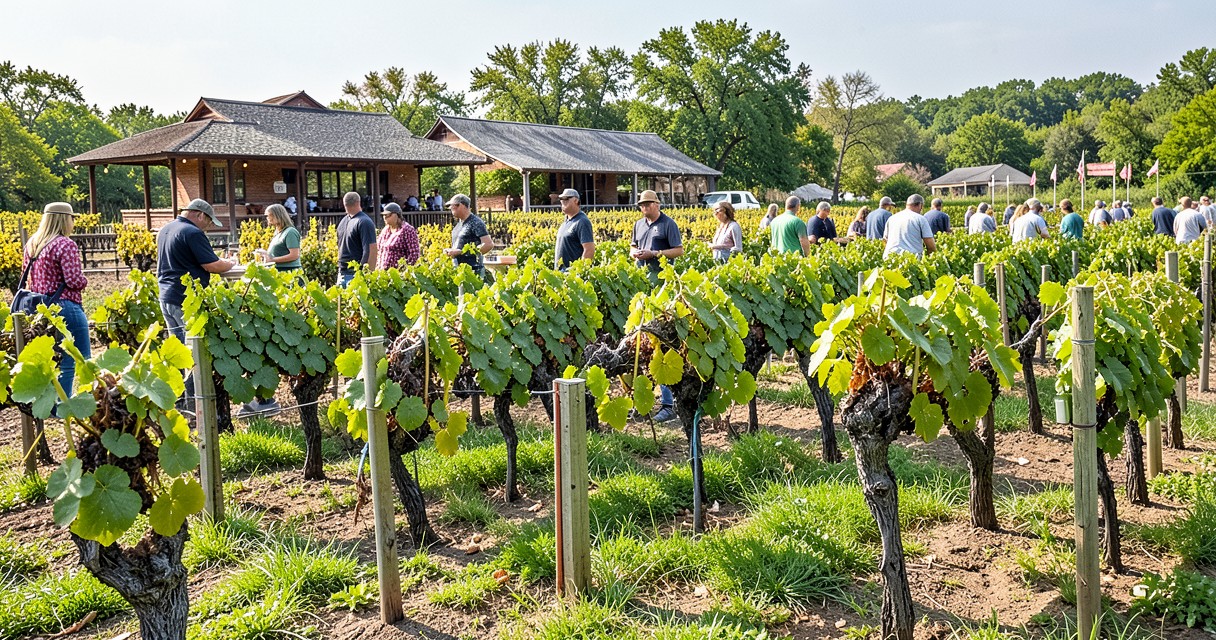
In addition to tastings and tours, many wineries host events throughout the year, including harvest festivals, live music, and food pairings. These events not only celebrate the local wine culture but also foster a sense of community among wine lovers. For tourists and locals alike, exploring Louisiana’s wineries can be an enriching experience that deepens appreciation for the state’s unique contributions to the wine world.
The Future of Wine Production in Louisiana
The future of wine production in Louisiana looks bright, with a growing number of enthusiasts and producers committed to elevating the state’s profile in the wine industry. As more people become aware of the potential for high-quality wines from Louisiana, interest in the state’s vineyards is likely to increase. This, in turn, can lead to more investment and innovation within the industry.
Furthermore, as climate change continues to impact traditional wine regions, Louisiana’s adaptability and unique growing conditions may position it as a viable alternative for grape cultivation. With continued research, education, and community support, Louisiana has the potential to establish itself as a noteworthy player in the wine industry, producing distinctive wines that reflect the state’s rich culture and heritage.

Winemaker with 12 years in the cellar. I write about fermentation, terroir, and the honest mistakes that taught me more than any textbook. I’ve ruined more barrels than most people have tasted. That’s not a disclaimer — that’s a résumé. Twelve years making wine in France, now making sense of it in words.