Introduction to Louisiana Wine Production
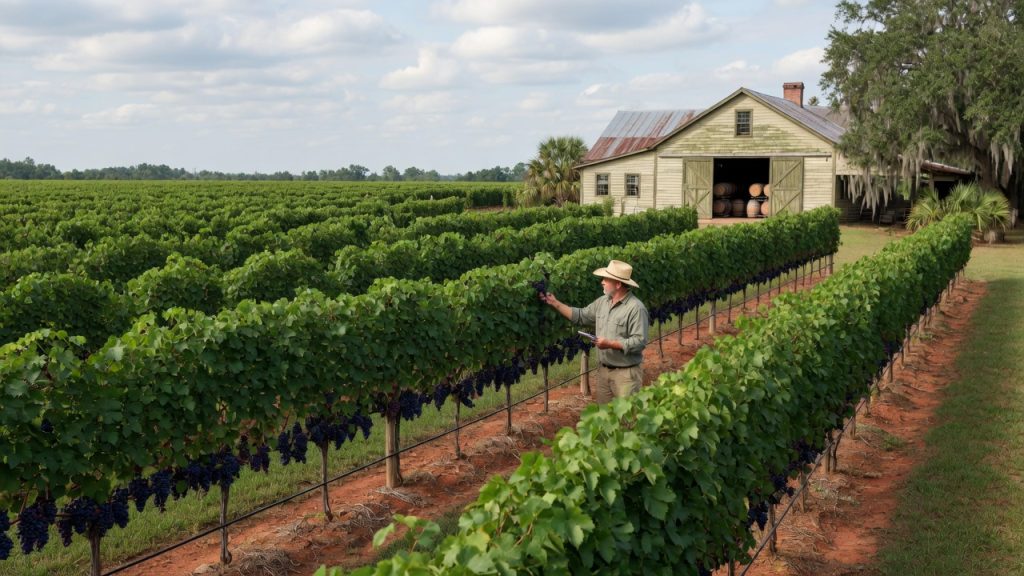
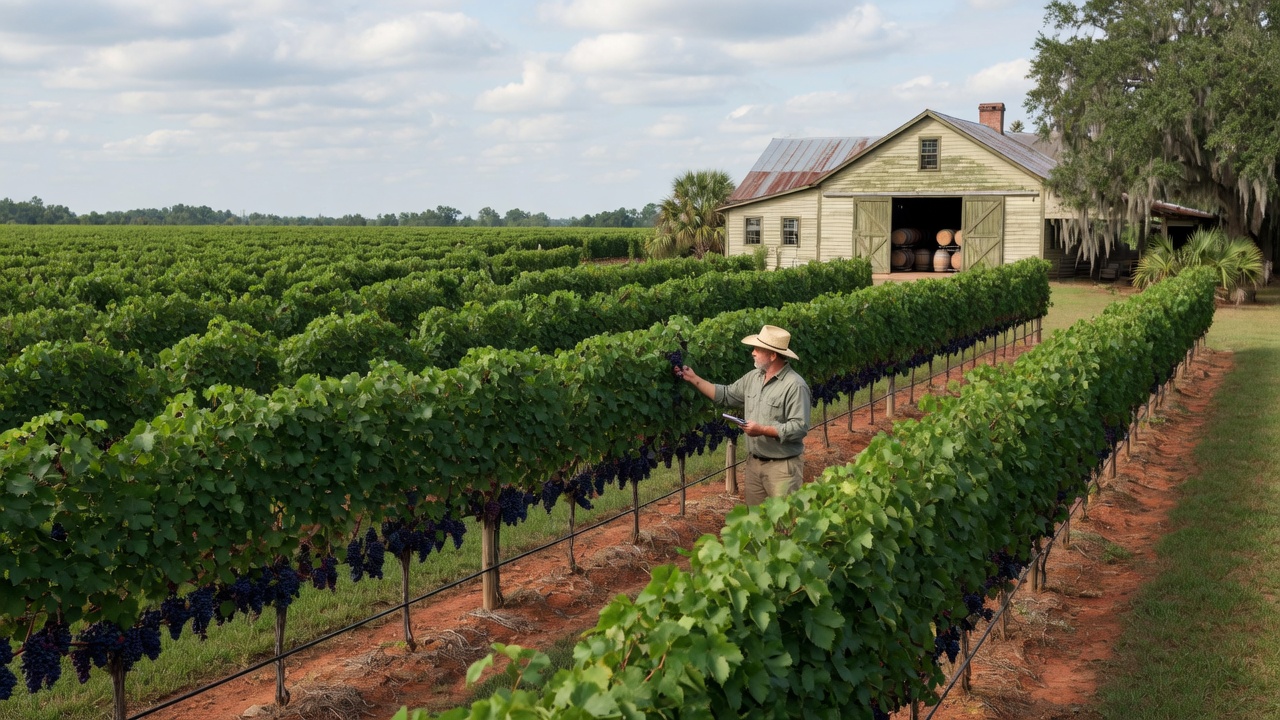
Louisiana wine production, though not as widely recognized as that of traditional wine regions, boasts a rich and evolving history that reflects both the challenges and triumphs of cultivating vineyards in this unique environment. The state’s wine journey began in the 18th century when European settlers attempted to grow classic grape varieties. However, Louisiana’s warm and humid climate posed significant obstacles to these early efforts. Over time, local growers adapted by focusing on grape varieties better suited to the state’s conditions.
Today, Louisiana wine production is gaining momentum with a growing number of local vineyards dedicated to producing distinctive wines that capture the essence of this southern region. These vineyards carefully navigate the challenges of high humidity, frequent rain, and intense heat by employing innovative viticultural techniques to combat diseases like mildew and ensure healthy grape growth. The state’s wine producers increasingly rely on disease-resistant grape cultivars and hybrid varieties tailored to thrive in Louisiana’s climate.
Local vineyards are becoming an integral part of Louisiana’s agricultural identity, combining traditional know-how with modern methods to produce wines that showcase the state’s unique terroir. This includes experimenting with native muscadine grapes and other warm-climate varieties that offer distinctive flavors and aromas. The result is a burgeoning wine industry that balances respect for wine production basics with an embrace of local climate realities.
Significantly, Louisiana’s wine culture is supported by a growing community of enthusiasts and events that promote local wine appreciation, helping to further elevate the state’s standing in the wine world. From historic wineries to new establishments, Louisiana’s wine production is a testament to resilience and innovation, demonstrating how local vineyards can flourish even under challenging conditions.
Impact of Humidity on Vineyard Growth
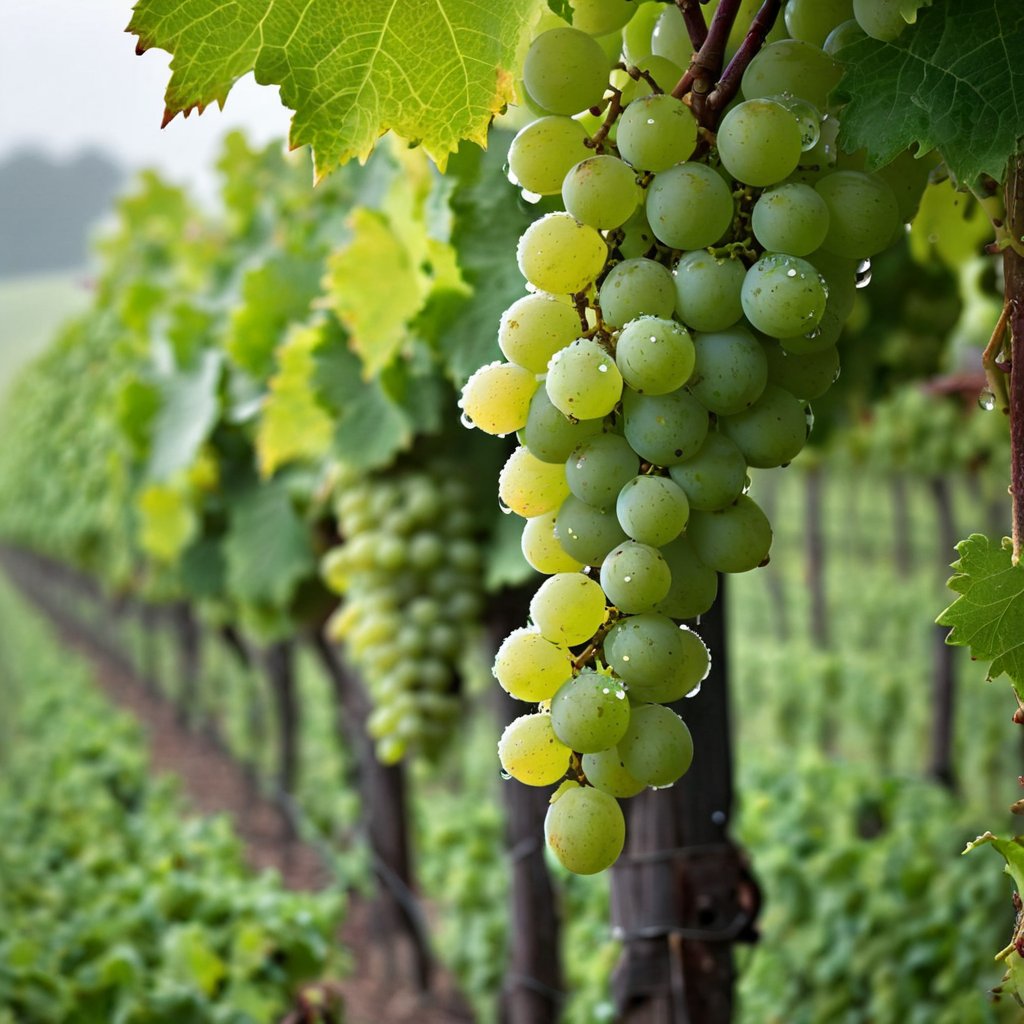
Humidity plays a crucial role in the growth and development of grapevines in Louisiana’s unique climate. High humidity levels create a distinct environment that directly influences vineyard growth and the overall quality of grape development. In Louisiana, where the climate is typically warm and humid, managing humidity effects becomes essential for successful viticulture.
One of the primary ways high humidity affects vineyard growth is by increasing the risk of fungal diseases. Grapevines thrive in well-ventilated spaces, but excessive moisture from the humid air creates perfect conditions for fungi such as powdery mildew and downy mildew to flourish. These diseases can damage leaves, shoots, and grape clusters, impeding photosynthesis and stunting vine growth that is vital for robust grape development.
Moreover, consistently high humidity can delay the drying of grapevine foliage and fruit, prolonging wet conditions that exacerbate disease pressures. Vineyard managers in Louisiana must implement diligent canopy management strategies, such as pruning and training vines to improve air circulation and reduce humidity around the grape clusters. This proactive approach helps mitigate the adverse humidity effects and supports healthier vineyard growth.
On the positive side, the humidity effects in Louisiana’s climate can also support vine hydration during dry spells, which is beneficial for steady grape development. The moisture in the air can reduce vine stress and promote continuous growth, especially during Louisiana’s warm summer months. However, balancing moisture is critical because overly saturated soils combined with high humidity can lead to root diseases and poor nutrient uptake in grapevines.
In summary, high humidity in Louisiana presents both challenges and benefits for vineyard growth. Proper vineyard management practices that address humidity effects—such as effective disease control, canopy thinning, and soil drainage improvement—are essential for promoting healthy grapevine growth and optimizing grape development in this humid environment. Understanding and managing these humidity impacts enable Louisiana winemakers to produce quality grapes despite the climatic hurdles.
Humidity and Disease Pressure
Humidity plays a significant role in increasing the risk of fungal infections and vineyard pests, which can severely impact grapevine health and wine production in Louisiana. High moisture levels create a conducive environment for fungi to thrive, leading to diseases such as powdery mildew, downy mildew, and botrytis bunch rot. These fungal infections can damage grape clusters, leaves, and even the vine’s structural integrity, ultimately reducing both yield and grape quality.
The constant presence of humidity also attracts and supports various vineyard pests that further stress the vines. Pests such as grapevine leafroll-associated virus vectors and insect species that feed on weakened plants find humid conditions optimal for reproduction and survival. This combination of humidity disease pressure and pest infestation requires vigilant vineyard management practices, including regular monitoring and timely application of fungicides and pesticides.
Effective control of humidity-related disease and vineyard pests is crucial for maintaining healthy grapevines and ensuring a successful harvest in Louisiana’s humid climate. Growers often rely on integrated pest management strategies that combine cultural practices, resistant grape varieties, and chemical treatments to reduce the detrimental impacts of these challenges. By understanding and managing humidity disease risks, Louisiana vintners can protect their vines and improve the quality of their wines.
Effects on Grape Quality and Yield
Humidity plays a critical role in shaping grape quality and overall yield in Louisiana’s unique winemaking environment. High humidity levels can cause fluctuations in grape sugar content as moisture influences the rate of photosynthesis and sugar accumulation within the fruit. When humidity is consistently elevated, it can slow down sugar concentration by increasing the water content in the berries, potentially diluting the sugar levels that are vital for fermentation and ultimate wine alcohol content. Conversely, moderate humidity can assist in balanced ripening, contributing to desirable sugar development essential for quality wine production.
Acidity is another factor heavily influenced by humidity. Excess moisture often accelerates grape metabolism, which can reduce acidity prematurely, affecting the wine’s freshness and balance. Optimal acidity levels depend on a careful interplay between sugar and acid retention, a balance that humidity disrupts when it is either too high or too low. This imbalance can lead to wines that are either overly tart or flat, impacting the sensory experience and aging potential.
Lastly, the yield impact due to humidity is a double-edged sword. While sufficient moisture supports larger grape clusters and better yields, excessive humidity increases the risk of fungal diseases such as powdery mildew and botrytis, which can devastate crops. This not only reduces usable grape quantity but also affects the quality by forcing early harvests or crop thinning to manage diseases. Understanding and managing humidity influence is therefore essential for maximizing both grape quality and yield in Louisiana vineyards.
Strategies to Manage Humidity Challenges in Louisiana
Louisiana’s winemakers face significant challenges due to the state’s high humidity levels, which can promote mold, mildew, and other vine diseases. Effective humidity management is crucial for maintaining grape health and producing quality wines. To combat these issues, Louisiana vineyards have adopted a range of vineyard practices tailored to the region’s unique climate.
One fundamental vineyard practice is enhancing airflow around the grapevines. This is achieved by strategic vine spacing and canopy management techniques such as leaf thinning and shoot positioning. By carefully controlling the density and arrangement of foliage, winemakers reduce moisture retention on grape clusters and leaves, which limits the environment favorable to fungal growth.
Another key strategy involves rigorous monitoring and timely application of fungicides and other treatments. Vineyard managers are trained to identify early signs of disease and act quickly with environmentally responsible products to protect their vines. Additionally, many use predictive weather models to anticipate high humidity periods and plan operations accordingly, minimizing risk before problems arise.
Soil and water management also play an important role in climate adaptation. Proper drainage systems are implemented to prevent waterlogging and reduce the risk of humidity-related stress. Mulching can help regulate soil moisture levels, while maintaining vine health to better withstand fluctuating conditions.
Moreover, Louisiana winemakers often select grape varieties and rootstocks that are more resistant to humid conditions and vine diseases, a critical climate adaptation practice. These varieties offer greater resilience and reduce the need for intensive chemical interventions, supporting sustainable viticulture.
By integrating these humidity management techniques and innovative vineyard practices, Louisiana winemakers successfully adapt to their challenging climate. These strategies not only protect vineyards from humidity-related threats but also ensure the production of high-quality wines that express the unique terroir of Louisiana.
Vineyard Management Techniques
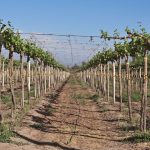
Effective vineyard management is crucial in Louisiana’s humid climate to minimize excess moisture that can impair grape quality. One of the primary practices is canopy management, which involves strategic pruning and training of vines to optimize sunlight exposure and airflow in vineyards. By thinning the canopy, vineyard managers allow for better air circulation around the grape clusters, reducing the risk of fungal diseases that thrive in damp conditions.
Additionally, careful soil preparation plays a vital role in managing moisture levels. Improving soil drainage through techniques such as adding organic matter or installing drainage tiles helps prevent water from pooling around the roots, which can cause vine stress and promote rot. Raised vine rows and contour planting are also employed to facilitate runoff and reduce soil saturation.
Pruning methods focus not only on controlling vine size but also on removing old or diseased wood to discourage moisture retention. This practice, combined with maintaining clean vineyard floor conditions by removing fallen leaves and debris, helps to keep the vineyard environment drier. Together, these vineyard management techniques are essential for balancing moisture in Louisiana vineyards, ultimately supporting healthier vines and higher quality wine production.
Technological and Chemical Controls
In Louisiana’s humid climate, protecting grapevines from humidity-induced diseases is critical for successful wine production. Modern technology plays a significant role in this effort. Humidity sensors are strategically placed throughout vineyards to provide real-time data on moisture levels. This information allows growers to anticipate disease risks and make timely decisions on interventions.
Weather monitoring systems complement humidity sensors by offering forecasts and alerts about rainfall and temperature changes that could promote fungal infections. By integrating this data, vineyard managers can optimize fungicide application schedules to maximize effectiveness while minimizing chemical use. This precision approach helps reduce the environmental impact and lowers production costs.
Fungicides remain a cornerstone in the fight against vine diseases like powdery mildew and downy mildew, which thrive in humid conditions. Advances in chemical formulations have led to products that are both more effective and safer for the vines and surrounding ecosystem. Regular monitoring combined with targeted fungicide use ensures the vines stay healthy throughout the growing season, ultimately enhancing grape quality and yield.
By leveraging the synergy between humidity sensors, weather monitoring technology, and modern fungicides, Louisiana winemakers can better manage the challenges posed by their humid environment, protecting their crops and ensuring consistent wine quality year after year.

Winemaker with 12 years in the cellar. I write about fermentation, terroir, and the honest mistakes that taught me more than any textbook. I’ve ruined more barrels than most people have tasted. That’s not a disclaimer — that’s a résumé. Twelve years making wine in France, now making sense of it in words.