Overview of Louisiana’s Climate
Louisiana climate is characterized by its warm temperatures, high humidity, and distinct seasonal weather patterns. Located in the southeastern region of the United States, Louisiana experiences a humid subtropical climate, which means that most of the year sees hot and humid conditions, with mild winters. These climate characteristics greatly influence the natural environment and agricultural practices within the state.
Temperature in Louisiana varies throughout the year but generally remains moderate compared to northern states. Summers are long and hot, with daytime temperatures often rising into the upper 80s and 90s Fahrenheit (30°C to 35°C). Occasionally, temperatures can soar over 100°F (38°C) during heatwaves. Winters, on the other hand, are short and mild. Average winter temperatures typically range from the upper 40s to mid 60s°F (8°C to 18°C), with rare frost or freezing events. This wide range in temperature creates a comfortable environment for a variety of crops and vegetation.
Humidity is a defining factor of Louisiana weather patterns. The state experiences consistently high humidity levels year-round, often ranging between 70% to 90%, which contributes to the muggy and moist atmosphere. The Gulf of Mexico plays a major role in maintaining this humidity, supplying moisture continuously. This high humidity is beneficial for some crops but can also present challenges such as increased risk of mold and mildew in agriculture and viticulture.
Seasonal weather patterns in Louisiana include hot and wet summers along with mild, cooler winters. Summer months frequently bring heavy rainfall and thunderstorms, largely due to the moisture-laden air coming from the Gulf. This rainfall supports lush vegetation but may also result in flooding during extreme weather events. Fall and spring manifest as transitional seasons with more moderate temperatures and reduced rainfall, offering more comfortable outdoor conditions. Winter remains relatively dry and cool compared to the rest of the year.
Overall, Louisiana climate is defined by its warmth, humidity, and pronounced seasonal shifts. These factors collectively shape the state’s natural landscapes and have a direct impact on agriculture, making climate awareness essential for those living and working in this region.
Temperature and Seasonal Variations
Louisiana experiences a humid subtropical climate characterized by warm temperatures and distinct seasonal changes. Throughout the year, the temperature in Louisiana varies notably, reflecting the diverse climate seasons the state undergoes. Winters tend to be mild, with average temperatures ranging from the mid-40s to low 60s Fahrenheit (7-16°C). While snowfall is rare, occasional cold fronts can bring brief dips in temperature, leading to chillier days.
Spring and fall are transitional seasons marked by moderate temperature increases and decreases, respectively. Spring sees temperatures rising from the 60s to mid-80s Fahrenheit (15-29°C), accompanied by increasing humidity. This season is also known for its frequent rains, which play a crucial role in shaping Louisiana’s lush landscapes. Fall offers a respite from the summer heat, with temperatures cooling down to a comfortable range, falling roughly between the 50s and 70s (10-24°C).
Summer in Louisiana is hot and humid, with temperatures often climbing into the upper 80s to mid-90s Fahrenheit (31-35°C). The high humidity levels during this season make the heat feel even more intense. Seasonal changes here are heavily influenced by humid conditions, which contribute to a thriving environment for diverse flora and fauna. This pattern of temperature Louisiana experiences, combined with its clear climate seasons, plays a vital role in defining the unique terroir of the state.
Precipitation and Humidity
Louisiana rainfall is characterized by a fairly even distribution throughout the year, with certain months experiencing higher precipitation levels. The state typically sees its peak rainfall in the summer months of June, July, and August, coinciding with the warmer temperatures and increased thunderstorm activity. These months often bring intense but short-lived showers. Additionally, the fall months, particularly September and October, can experience heightened precipitation due to tropical storms and hurricanes from the Gulf of Mexico. Winter and spring months usually see moderate rainfall, ensuring the land remains moist year-round.
Humidity levels in Louisiana are notably high, owing to its proximity to the Gulf of Mexico and abundant water bodies. This elevated humidity significantly influences the overall climate, contributing to a sultry, damp atmosphere that is felt throughout the state for much of the year. High humidity levels enhance the sensation of heat during the summer, making the climate feel warmer than the actual temperature suggests. Moreover, the persistent moisture in the air affects local ecosystems and agricultural practices, shaping the terroir that defines Louisiana’s climate.
The interplay between precipitation patterns and humidity levels results in a climate that is both lush and challenging. While the consistent rainfall supports diverse plant life and rich soil conditions, the combination of heat and humidity can be demanding for residents and visitors alike. Understanding Louisiana rainfall and humidity levels is crucial for appreciating the unique climate that influences the region’s natural environment and cultural lifestyle.
Terroir of Louisiana: Soil and Geography
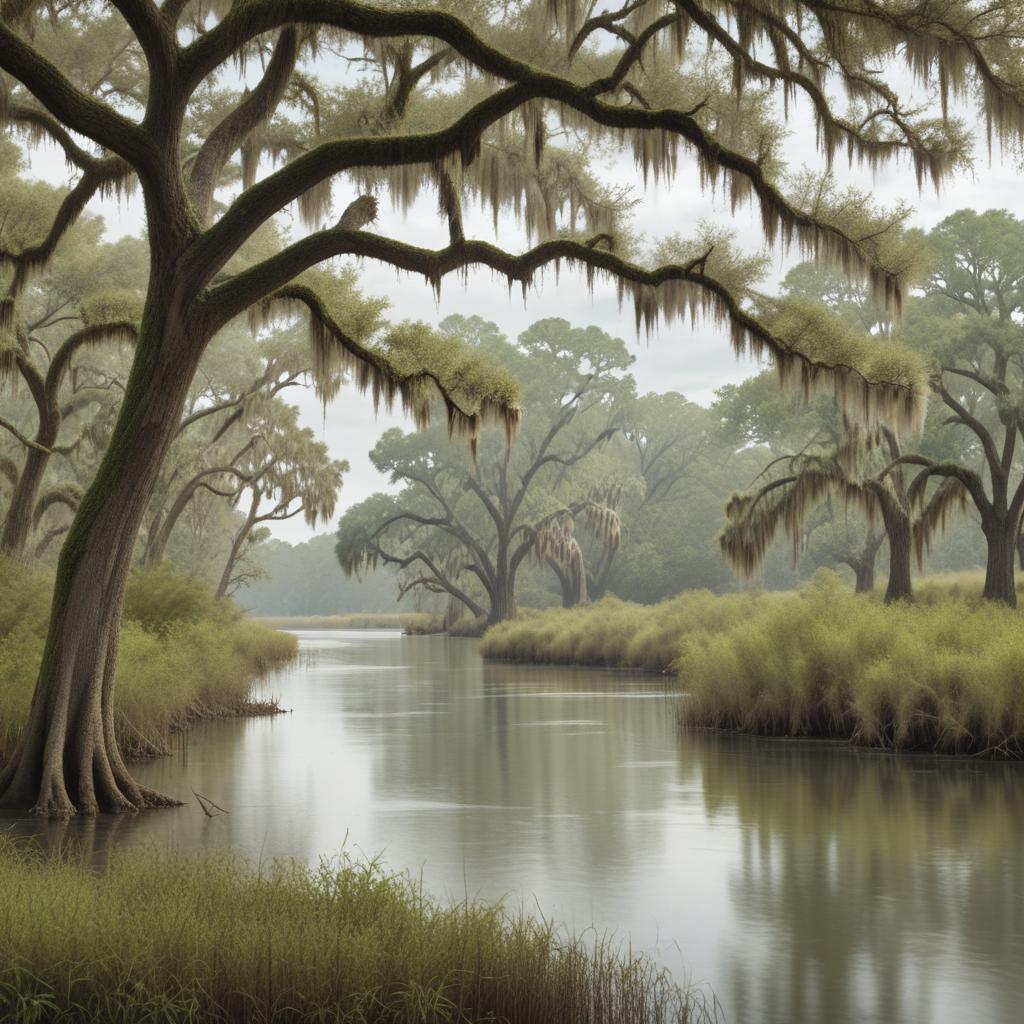
Louisiana terroir is profoundly influenced by its diverse soil types and distinctive geographical features, which together shape the state’s agricultural land and its capabilities. The state’s landscape is characterized by a mix of fertile alluvial plains, coastal marshes, and upland regions, each contributing uniquely to the terroir of Louisiana.
The soil composition in Louisiana varies considerably, with the Mississippi River playing a vital role in depositing rich alluvial soils throughout the delta and floodplain regions. These alluvial soils, composed primarily of silts, clays, and organic matter, offer high fertility levels making them ideal for agriculture. They retain moisture well, support diverse crop growth, and provide essential nutrients, thus enhancing the grape-growing potential in specific vineyards within the state.
In the southern parts of Louisiana, especially near the coast, the soils are often sandy and swampy, reflecting the influence of marshlands and bayous. These soils present challenges due to their acidity and drainage issues, but they also host unique plant species adapted to the wet environment. The intricate water systems in these regions contribute to the terroir by regulating temperature and humidity, factors crucial for the health of crops and vineyards alike.
Geographically, Louisiana’s terrain is relatively flat with low elevation, which facilitates the spread of warm, humid air masses. This climate, combined with the soil characteristics, establishes a terroir conducive to cultivating crops like sugarcane, rice, and certain grape varieties. The interplay between the fertile soils and the state’s hydrology creates an environment that supports robust agricultural land capable of producing diverse agricultural products.
Overall, the Louisiana terroir is a complex mosaic influenced by its soil types and geographic setting. The state’s agricultural landscape benefits from nutrient-rich alluvial soils and supportive climatic conditions driven by its proximity to water bodies and coastal systems. Understanding these natural elements is essential for appreciating the agricultural potential and the unique qualities imparted to the produce from Louisiana’s land.
Soil Types and Composition
Louisiana’s diverse soil types play a crucial role in shaping the state’s agriculture soil and influencing terroir expression. The state’s soils vary widely from alluvial soils found in river valleys to sandy and loamy soils in upland areas. Alluvial soils, rich in nutrients and organic matter, are predominant along the Mississippi River basin, making them highly fertile and ideal for intensive crop production.
In contrast, the sandy soils found in coastal and upland regions tend to have better drainage but lower nutrient retention, which affects plant growth differently. These variations in soil composition directly impact what crops thrive and how they express the unique qualities of their environment. The mix of clay, silt, sand, and organic materials creates microenvironments that uniquely influence root development, water retention, and nutrient availability.
Overall, understanding soil Louisiana is essential for farmers and vintners alike. By adapting practices to the specific soil composition, they can enhance plant health, yield, and the distinctive characteristics imparted by Louisiana’s terroir. This connection between soil types and agricultural productivity underlines the importance of soil management in sustaining Louisiana’s rich agricultural heritage.
Geographical Influences on Terroir
Louisiana’s geography plays a crucial role in shaping its unique terroir, contributing significantly to the region’s agricultural diversity. The state’s vast network of rivers, including the mighty Mississippi, enriches the soil with alluvial deposits that are vital terroir factors for cultivation. These waterways create fertile floodplains that support a variety of crops, allowing farmers to exploit the nutrient-rich sediment to grow produce that reflects the land’s character.
Elevation, though generally low across Louisiana, also subtly impacts terroir by influencing drainage and microclimates. Slight variations in elevation can lead to differences in soil moisture and temperature, which in turn affect what plants can thrive in particular areas. For example, higher ground may support crops that require better drainage, while lower, wetter areas may be ideal for rice or crawfish farming, highlighting how landscape impact is intertwined with terroir factors.
The interplay between Louisiana’s diverse landscape and its waterways creates micro-regions within the state, each with distinct characteristics that contribute to agricultural diversity. This geography-driven terroir allows Louisiana to produce a broad spectrum of crops and specialty products, making the terroir factors of the region integral to its agricultural success and identity.
Impact of Climate and Terroir on Louisiana Agriculture
Louisiana agriculture is profoundly shaped by its unique climate and terroir, which collectively exert a significant impact on agricultural practices, crop selection, and overall productivity. The state’s humid subtropical climate, characterized by hot summers, mild winters, and abundant rainfall, creates an environment conducive to a diverse range of crops. This climate impact supports the cultivation of staples like sugarcane, rice, soybeans, and cotton, each benefiting from the warm temperatures and ample moisture throughout the growing season.
The terroir of Louisiana adds another layer of complexity and influence to its agricultural success. Terroir, which refers to the natural environment including soil type, topography, and microclimate, plays a pivotal role in crop performance and quality. Louisiana’s varied soils—from alluvial river bottoms rich in organic material to sandy loams and clay-heavy areas—determine the suitability of particular crops to specific regions. For example, the fertile alluvial soils along the Mississippi River support high yields of rice and sugarcane, while lighter soils favor crops such as sweet potatoes and corn.
Agricultural practices in Louisiana are adapted to these climatic and terroir conditions to optimize crop production. Farmers often implement water management techniques, such as controlled irrigation and drainage, to cope with both excessive rainfall and periods of drought. Additionally, crop rotation and soil amendment strategies are tailored to maintain soil health in diverse terroirs. Such practices not only enhance productivity but also mitigate the risks of pests, diseases, and erosion common in this climate.
The combined influence of climate impact and terroir influence encourages diversification in Louisiana agriculture, promoting resilience against environmental challenges. Crop selection is often strategically aligned with these factors, ensuring that the chosen crops are best suited to the local microclimate and soil conditions. This alignment helps maximize yield quality and quantity, supporting the sustainability of agricultural endeavors across the state.
In summary, Louisiana agriculture thrives as a result of the intricate interplay between its climate and terroir. Understanding and utilizing these environmental aspects have enabled farmers to refine their agricultural practices, make informed crop selections, and achieve strong productivity. This dynamic relationship continues to shape the agricultural landscape of Louisiana, highlighting the critical role that climate and terroir play in the state’s farming success.
Crop Suitability and Growth Conditions
Louisiana’s warm climate and fertile soil create ideal growth conditions for a variety of crops, making crop suitability in Louisiana particularly high for agriculture. The state’s humid subtropical climate, characterized by long, hot summers and mild winters, supports the cultivation of crops that thrive in warm and moist environments.
Among the most suitable crops for Louisiana are sugarcane, rice, cotton, soybeans, and corn. Sugarcane benefits from the consistent warmth and abundant rainfall, allowing for robust growth and high yields. Rice cultivation thrives in Louisiana’s flat, water-abundant regions where flooded fields are easily maintained, suited perfectly to the state’s wet climate.
Cotton and soybeans also prosper due to the long growing season and nutrient-rich alluvial soils found in delta regions. These crops require plenty of sunshine and well-drained soils, both of which are prevalent in Louisiana’s agricultural landscape. Corn, another vital crop, benefits from the combination of adequate rainfall and fertile soils, contributing to sustainable growth and successful harvests.
Overall, the growth conditions in Louisiana, including high humidity, ample rainfall, and diverse soil types—ranging from sandy loam to clay—contribute to the crop suitability Louisiana farmers expect. These conditions not only support traditional crops but also encourage the exploration of new crops for sustainable climate agriculture in the region.
Challenges and Adaptations in Farming
Farming in Louisiana presents unique challenges due to its distinct climate and terroir. The combination of high humidity, heavy rainfall, and fluctuating temperatures can create difficult conditions for crop cultivation and livestock management. One of the primary farming challenges is managing soil erosion and nutrient depletion caused by frequent storms and flooding. Additionally, pests and diseases thrive in the warm, moist environment, posing constant threats to agricultural productivity.
To overcome these challenges, farmers employ various climate adaptation strategies. Crop diversification is a common approach, allowing farmers to spread risk and utilize plants better suited to the local terroir. Many also invest in resilient seed varieties that tolerate excessive moisture or drought stress, improving overall yield stability. Advanced irrigation and drainage systems help control water levels, mitigating flood damage and soil degradation.
Moreover, integrating sustainable agriculture solutions such as cover cropping and reduced tillage practices enhances soil health and reduces erosion. Farmers are increasingly adopting technology and data-driven methods to monitor weather patterns and soil conditions, helping them make informed decisions. Through these concerted efforts, Louisiana’s agricultural community continues to adapt to environmental pressures, maintaining productivity despite the inherent challenges of their climate and terroir.

Winemaker with 12 years in the cellar. I write about fermentation, terroir, and the honest mistakes that taught me more than any textbook. I’ve ruined more barrels than most people have tasted. That’s not a disclaimer — that’s a résumé. Twelve years making wine in France, now making sense of it in words.