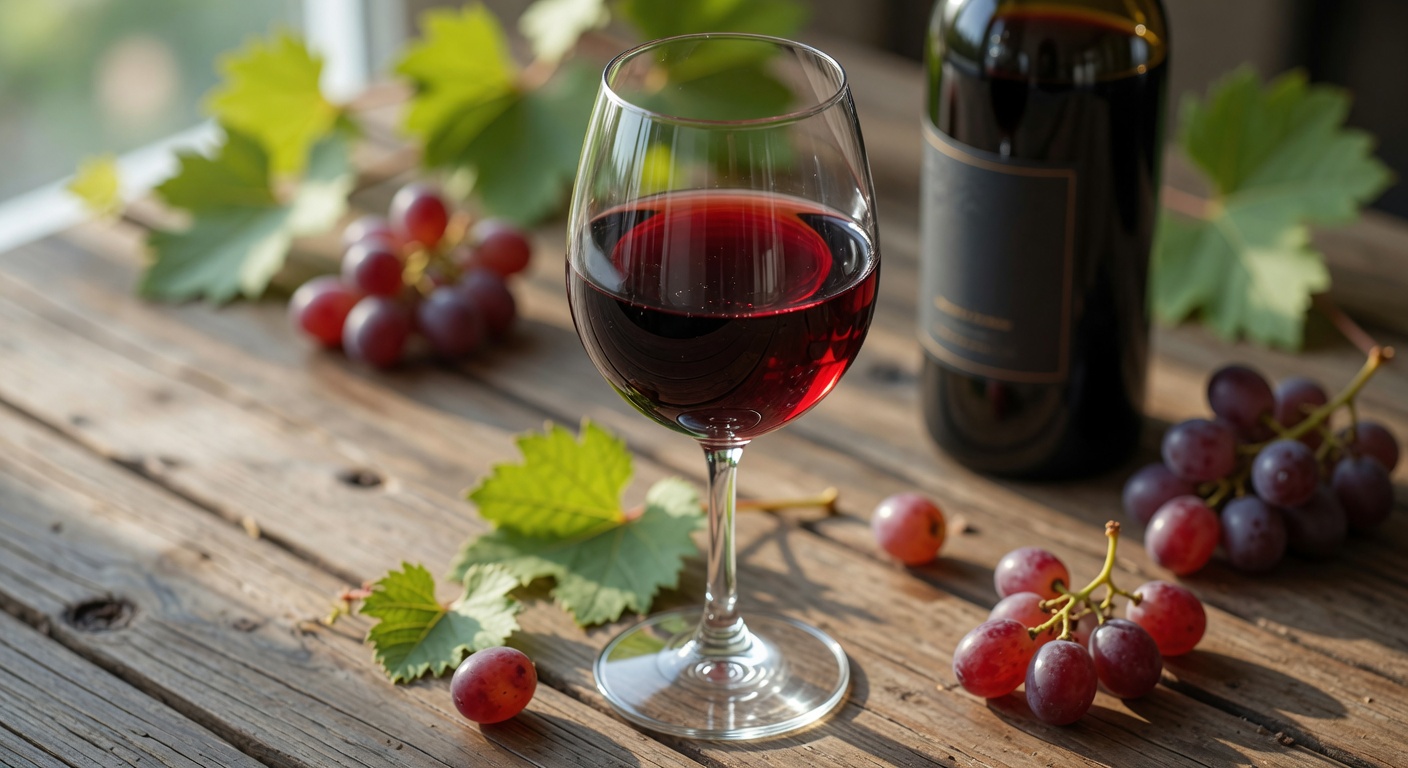
Introduction to Wine Flavor Science
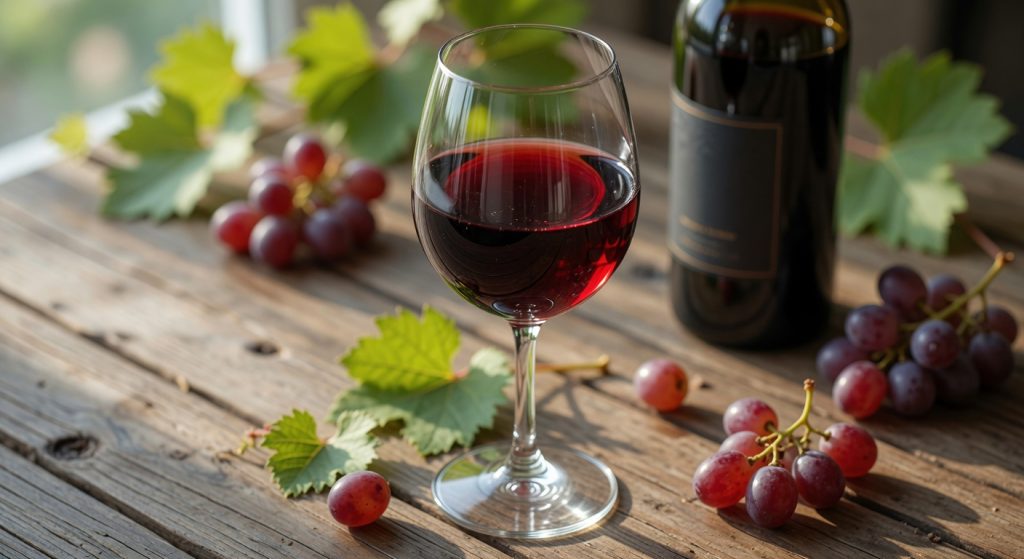
Wine flavor is a fascinating and complex aspect of the beverage that captivates enthusiasts and scientists alike. At its core, the science behind wine flavor involves understanding how various chemical compounds interact to create the diverse sensory profiles found in different wines. This blend of taste science and flavor chemistry is essential for both winemakers and consumers to appreciate the depth and nuances that a glass of wine can offer.
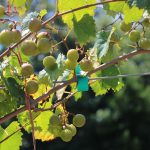
The development of wine flavor begins with the grapes themselves. Each grape variety possesses unique compounds that contribute to its essential aroma and taste. When grapes ferment, yeast breaks down the sugars, producing alcohol and a myriad of flavor compounds including esters, aldehydes, and phenols. These compounds interact in complex ways to form the primary flavors in wine. Additionally, factors such as vineyard location, soil type, and climate also influence the chemical makeup of the grapes, further shaping the wine’s flavor profile.
During the aging process, whether in oak barrels or stainless-steel tanks, chemical reactions continue to refine the wine’s taste. For example, tannins extracted from grape skins or oak barrels contribute to bitterness and astringency, but also help structure the wine and its mouthfeel. Over time, these tannins soften, allowing the wine’s bouquet to become more harmonious and complex. This ongoing process underscores the importance of flavor chemistry in determining a wine’s final character.
Understanding wine flavor through taste science is not only about appreciating sensory pleasure but also about making informed choices during production and consumption. Winemakers use this knowledge to manipulate factors like fermentation temperature, yeast strains, and aging techniques to achieve specific flavor outcomes. For consumers, recognizing how flavor chemistry influences wine can enhance tasting experiences and guide pairing with foods.
In summary, the science behind wine flavor is a multidisciplinary exploration involving taste science and flavor chemistry. It explains how chemical interactions throughout the grape-growing, fermenting, and aging processes create the rich palette of tastes and aromas in wine. This understanding is crucial for crafting high-quality wines and for enriching the enjoyment of wine drinking.
The Role of Grapes in Flavor Development
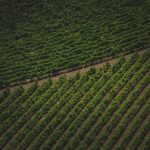
The flavor of wine is intricately linked to the variety of grapes used in its production, as well as the terroir—the unique environmental factors where the grapes are grown. Different grape varieties possess distinct genetic profiles that determine the types and concentrations of sugars, acids, tannins, and aromatic compounds they produce. These chemical components are foundational to the flavor profile of the final wine, influencing everything from sweetness and acidity to bitterness and aroma.
Terroir adds another layer of complexity by shaping the grape’s chemical composition through factors such as soil type, climate, altitude, and vineyard practices. For example, soil minerals can affect nutrient availability, which in turn influences the synthesis of flavor compounds like terpenes and phenolics. Likewise, variations in temperature and sunlight exposure impact grape metabolism, enhancing or muting specific flavors.
When combined, the grape variety and terroir create a unique set of flavor compounds that define the wine’s character. These compounds evolve during fermentation and aging, translating the influence of the vineyard’s natural elements into the sensory experience of the wine. Understanding the relationship between grapes, terroir, and flavor compounds allows winemakers to craft wines with distinctive tastes that reflect their origins.
Fermentation and Its Impact on Taste
Fermentation is a crucial process in winemaking that profoundly influences the taste and character of the wine. During fermentation, yeast, a tiny microorganism, plays a vital role by converting the natural sugars found in grape juice into alcohol and various flavor compounds. This transformation not only produces the desired alcoholic content but also generates a range of aromatic and taste molecules that contribute to the wine’s complexity.
The yeast consumes sugars such as glucose and fructose, breaking them down through a series of metabolic reactions. As a byproduct, ethanol (alcohol) and carbon dioxide are produced, which are essential to creating the wine’s alcoholic base and effervescence in sparkling varieties. Alongside these primary products, yeast also synthesizes secondary metabolites such as esters, phenols, and acids, which add diverse flavor notes ranging from fruity and floral to spicy and earthy.
The interaction between yeast strains and the grape’s sugar content determines the profile of taste changes that occur throughout fermentation. Winemakers often select specific yeast strains to enhance certain flavor characteristics, controlling the final profile of the wine. This biochemical process is delicate and requires careful management of temperature and time to ensure optimal fermentation, ultimately shaping the wine’s unique taste and aroma.
Chemical Components That Shape Wine Flavor
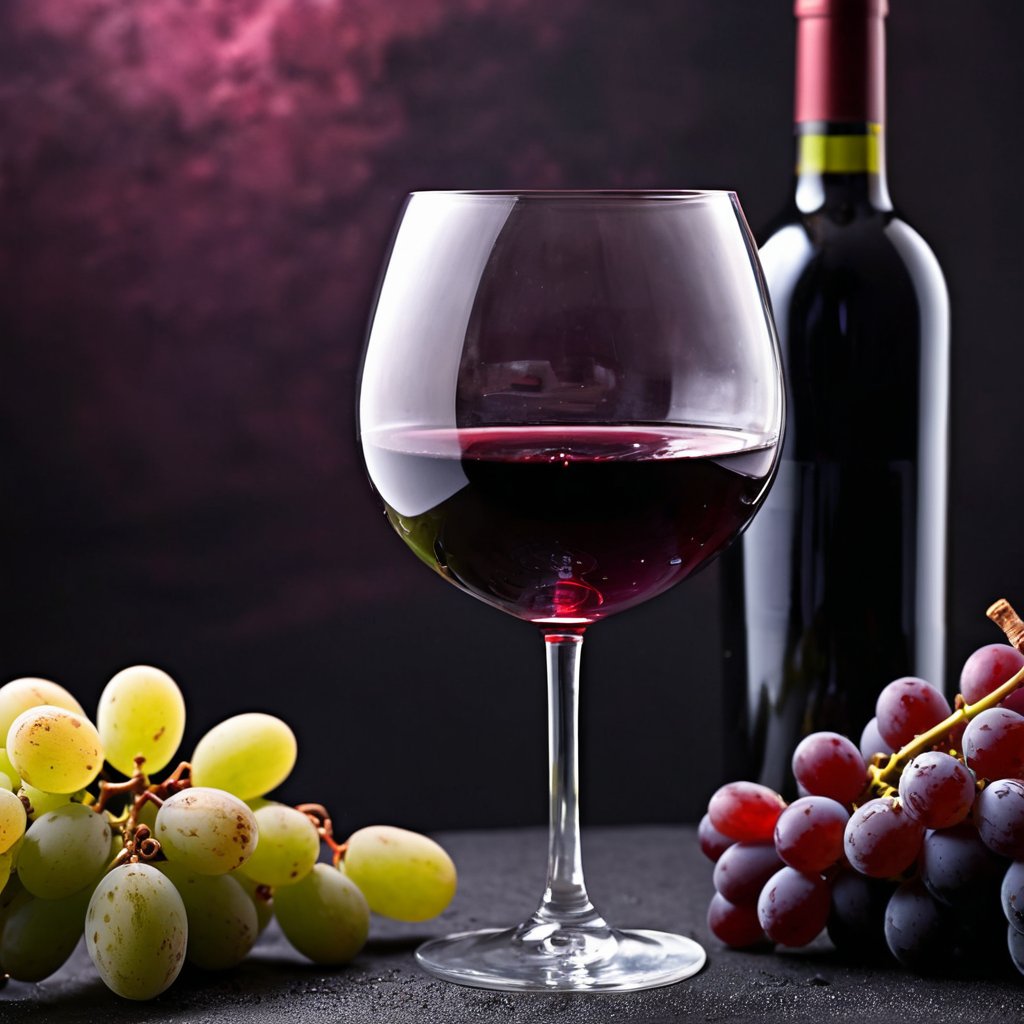
Wine flavor is a complex symphony created by a variety of chemical compounds that interact to produce the aromas and tastes we associate with different wines. Central to this composition are phenols, esters, and acids, which each play unique roles in shaping the wine’s sensory profile.
Phenols are a diverse group of chemical compounds found naturally in grape skins, seeds, and stems. These compounds are largely responsible for the color and bitterness found in red wines. Among phenols, tannins stand out as key contributors to texture and astringency, providing a dry, puckering sensation on the palate. Additionally, phenolic compounds contribute antioxidants that impact the aging potential and overall mouthfeel of the wine.
Esters are another vital group of chemical compounds in wine, primarily responsible for its fruity and floral aromas. They form during the fermentation process when alcohols react with acids. The diversity of esters is vast, resulting in wine notes that can resemble everything from tropical fruits to fresh flowers and even spices. The presence of esters enhances the overall aroma complexity and plays a crucial role in how the nose perceives a wine before tasting.
Acids are fundamental to wine’s balance, contributing brightness, freshness, and structure. The primary acids in wine include tartaric, malic, and citric acids, each adding to the crispness and vibrancy of the final product. Acidity impacts not only the taste but also the wine’s stability and aging potential. Higher acid levels often make wines feel more refreshing and lively, while lower acidity can result in a richer, rounder mouthfeel.
Together, chemical compounds such as phenols, esters, and acids form the foundation of wine flavor. Their interaction determines the complexity, intensity, and balance experienced in every sip. Understanding these components helps both connoisseurs and casual drinkers appreciate the depth and diversity that each bottle of wine can offer.
Phenolic Compounds and Bitterness
Phenolic compounds, commonly referred to as phenols, play a crucial role in shaping the bitterness and mouthfeel of wine. Among these, tannins are the most notable. Tannins are natural polyphenols found in grape skins, seeds, and stems, as well as in the oak barrels used for aging. They contribute significantly to the wine’s structure and complexity.
The bitterness in wine primarily comes from these phenols. When you taste a wine, tannins interact with proteins in your saliva, causing a drying or puckering sensation often described as astringency. This astringency is a tactile sensation on the palate rather than just a flavor, enriching the wine’s texture and mouthfeel. It can range from soft and silky to rough and harsh depending on the type and concentration of phenols present.
The presence of phenols also affects how the wine ages. Over time, tannins polymerize and soften, reducing bitterness and smoothing out the astringency, which enhances the roundness and depth of the wine. This transformation is one reason why some wines improve with aging, gaining complexity and balance as their phenolic profile evolves.
Understanding the role of phenolic compounds helps wine lovers appreciate the interplay between bitterness and astringency, and how these elements contribute to the overall sensory experience of wine. Winemakers carefully manage phenol extraction during production to achieve the desired balance of bitterness and mouthfeel, ultimately crafting wines that are both enjoyable and memorable.
Esters and Aromatic Profiles
During the fermentation process, esters are formed through the chemical reaction between acids and alcohols produced by yeast. These compounds play a crucial role in shaping the aroma of wine, contributing significantly to its complexity and character. Esters are responsible for many of the fruity and floral aromas that wine lovers cherish, such as notes of apple, pear, banana, and even hints of tropical fruits or blossoms.
The formation of esters begins when yeast metabolizes sugars in the grape juice, releasing alcohols and acids as byproducts. These react and combine to create a variety of ester compounds, each with a distinct scent profile. The concentration and types of esters can vary widely depending on the yeast strain, fermentation temperature, and the grape variety used, making them a key factor in the unique aromatic profile of each wine.
Fruity flavors in wines are often enhanced by the presence of esters, which contribute to their overall balance and appeal. Winemakers carefully control fermentation conditions to optimize ester production, aiming to enhance the wine’s bouquet and provide an inviting sensory experience. The delicate interplay of esters not only enriches the aroma but also heightens the perception of freshness and complexity in the wine’s flavor profile.
Acidity and Its Influence on Balance
Acidity is a fundamental component in wine that plays a crucial role in shaping its taste profile. The primary types of acids found in wine include tartaric, malic, citric, and lactic acid. Each of these acids contributes uniquely to the wine’s overall character. Tartaric acid is the most prevalent and is vital for stability and crispness, while malic acid imparts a green apple-like sharpness, often mellowed through malolactic fermentation to produce softer lactic acid, which adds creaminess. Citric acid, though present in smaller amounts, can offer a subtle freshness.
The balance of acidity in wine is essential in creating harmony between sweetness, bitterness, and tannins, ultimately defining the wine’s flavor balance. Proper acidity enhances the freshness and liveliness of a wine, preventing it from tasting flat or dull. It also acts as a natural preservative, helping maintain the wine’s structure and aging potential. When acidity is too high, the wine may come across as sharp or sour, whereas too little acidity results in a flabby or lifeless taste profile.
Understanding how acidity interacts with other flavor components helps winemakers craft wines that are well-balanced and enjoyable. Ultimately, the acidity level influences not only the taste profile but also how the wine pairs with food, making it a vital element in the overall sensory experience of wine tasting.
External Factors Affecting Wine Flavor
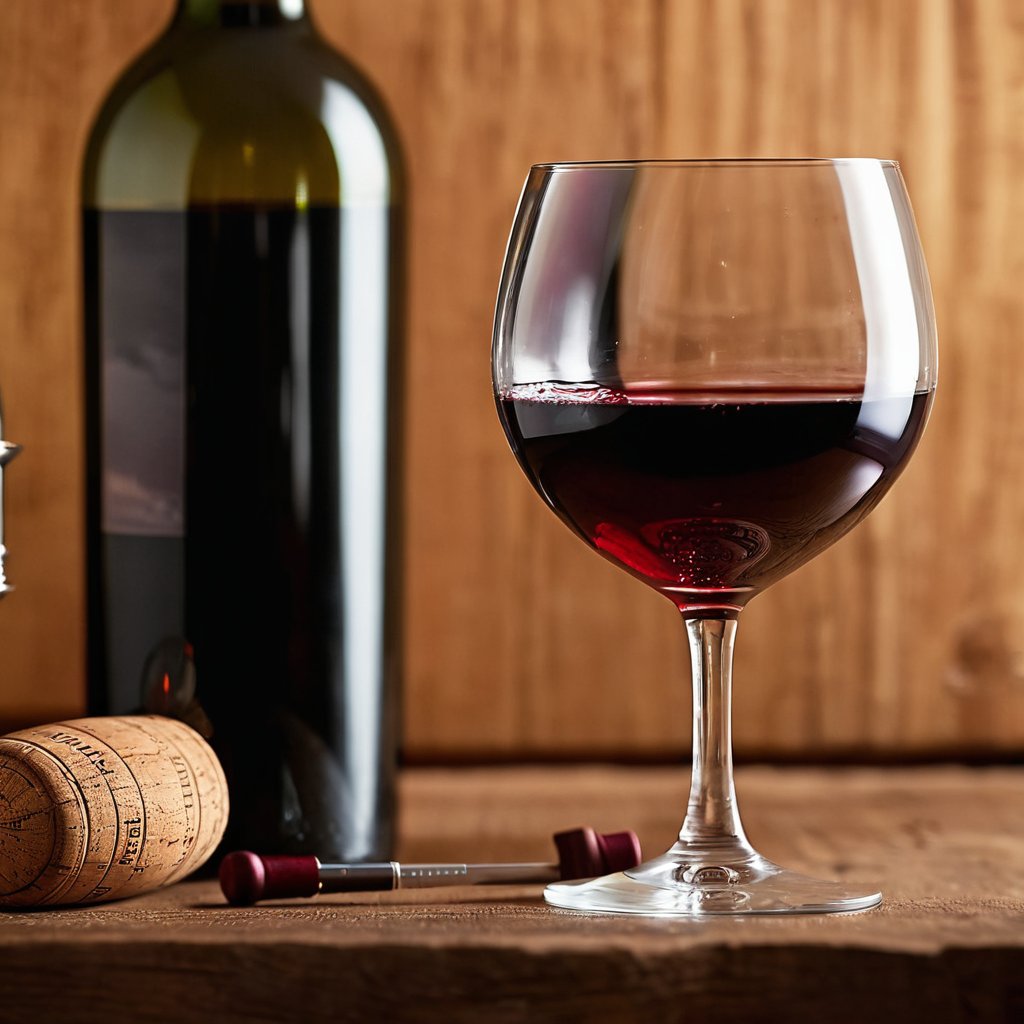
The flavor profile of wine is profoundly influenced by various external factors, with aging, oak influence, and storage conditions playing pivotal roles. Each of these elements contributes uniquely to the development and complexity of wine, shaping its aroma, taste, and texture.
Aging is a crucible of transformation for wine. Over time, chemical reactions occur within the wine that mellow harsh tannins and amplify subtle flavors. This process allows the wine to evolve from its primary fruitiness to more nuanced secondary and tertiary notes, including hints of earth, spice, and dried fruits. The duration and method of aging determine the depth and sophistication of these flavor changes, with some wines benefitting from extended periods, while others are best enjoyed young.
Oak barrels are instrumental in imparting distinctive characteristics to wine. The interaction between wine and oak introduces compounds such as vanillin, tannins, and lignins, which contribute to flavors of vanilla, caramel, toast, and spice. The type of oak—whether American, French, or Hungarian—along with the toast level of the barrel, influences the intensity and nature of these infusions. Additionally, the porous nature of oak allows slow oxygenation, which can enhance the wine’s texture and complexity while softening tannins.
Storage conditions are equally critical in preserving and enhancing wine’s flavor. Temperature fluctuations, light exposure, and humidity can all impact the wine’s development. Ideal storage is cool and consistent in temperature, typically around 55°F (13°C), with moderate humidity to keep corks moist and prevent oxidation. Poor storage can lead to premature aging or spoilage, causing unpleasant flavors like bruising, vinegar notes, or a loss of vibrancy. Proper cellaring ensures that the wine maintains its intended flavor profile and quality over time.
In summary, the interplay of aging, oak influence, and careful storage conditions profoundly modifies the wine’s flavor profile. Together, these external factors transform the raw grape juice into a complex and harmonious beverage that reflects both the natural grape qualities and the skillful craftsmanship applied during its journey to the glass.
The Impact of Oak Barrels on Taste
Oak barrels play a crucial role in shaping the flavor profile of many wines, thanks to the unique process of wood aging. When wine is aged in oak barrels, it undergoes subtle chemical transformations as it interacts with the wood. This interaction introduces a range of complex flavor notes that are highly sought after in the world of wine. The porous nature of oak allows small amounts of oxygen to permeate the barrel, which helps to soften the wine and enhance its aromatic characteristics.
One of the most recognizable contributions of oak barrels to wine is the infusion of vanilla notes. These vanilla flavors come from compounds in the oak wood called lignins, which break down during the toasting process of the barrels and dissolve into the wine during aging. Alongside vanilla, aging in oak introduces spice elements—such as clove, cinnamon, and nutmeg—adding warmth and depth to the wine’s taste.
Beyond vanilla and spice, oak barrels lend other complex nuances including hints of caramel, toast, and sometimes a smoky character, depending on the level of barrel toasting and the type of oak used. Each barrel can contribute subtle differences, making wood aging an art form that elevates the wine’s complexity and balance. In short, oak barrels enhance wine by imparting distinct flavors that enrich and diversify the tasting experience.
The Role of Aging and Oxidation
Aging is a fundamental process in winemaking that significantly influences the flavor profile of wine. During maturation, a variety of chemical changes occur that shape the wine’s character and depth. Phenolic compounds, tannins, and acids interact and transform over time, contributing to the evolving texture and taste. One of the key factors in this process is oxidation, which involves the gradual exposure of wine to oxygen.
Oxidation affects wine by softening harsh tannins, making the wine smoother and more palatable. It also leads to the development of complex aroma and flavor compounds that are not present in younger wines. This gentle exposure to oxygen facilitates subtle chemical reactions, such as the polymerization of tannins, which enhances the wine’s mouthfeel and adds layers of nuance. Consequently, wines that have undergone proper aging and controlled oxidation develop greater complexity and a richer bouquet.
The maturation process is delicate, as excessive oxidation can lead to the deterioration of wine quality, while too little may result in a wine that is overly astringent or lacking depth. Winemakers carefully manage oxidation levels during barrel aging or in bottles to find the perfect balance. Ultimately, the role of aging and oxidation is pivotal in refining the wine’s softness and complexity, creating a harmonious and enjoyable drinking experience.

Winemaker with 12 years in the cellar. I write about fermentation, terroir, and the honest mistakes that taught me more than any textbook. I’ve ruined more barrels than most people have tasted. That’s not a disclaimer — that’s a résumé. Twelve years making wine in France, now making sense of it in words.