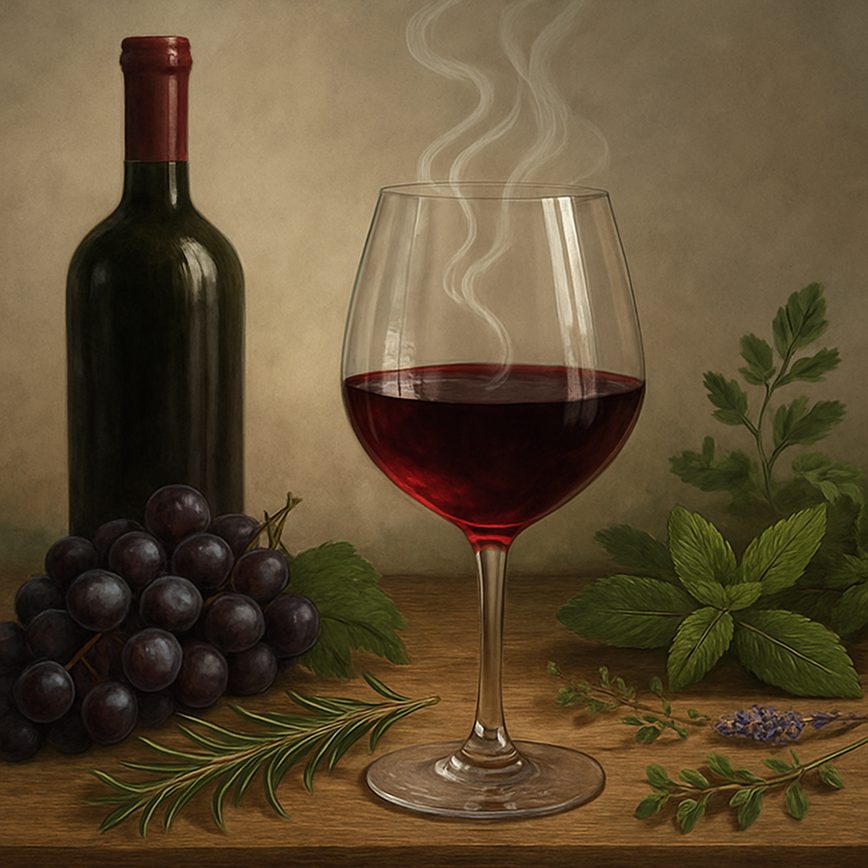
Introduction to Wine Aroma Profiles
Wine aroma profiles refer to the distinctive combination of scents and fragrances that a wine exudes. These profiles are the result of complex chemical compounds created during grape growing, fermentation, and aging processes. Understanding wine aroma is crucial for both casual wine drinkers and connoisseurs, as it unlocks the deeper qualities and characteristics of a wine beyond just its taste.
Each wine has its own unique wine fragrance, often described through categories like fruity, floral, spicy, earthy, or woody aromas. These scents form what is known as the wine scent or bouquet, which plays a vital role in the overall perception and enjoyment of the wine. The aroma profile acts as a fingerprint for a wine, helping to identify grape varieties, regions, and even specific vintages.
Wine aroma profiles are important because they enhance the tasting experience by engaging the olfactory senses, which are closely linked to memory and emotion. A rich and complex aroma can elevate a simple sip into a memorable sensory journey. Sommeliers and wine experts rely on these aroma profiles to evaluate quality, detect flaws, and pair wines appropriately with food.
In essence, recognizing and appreciating the different wine aroma profiles helps wine lovers connect more deeply with the bottle they are enjoying. Whether it is the delicate floral notes in a white wine or the bold spicy hints in a red, understanding aroma profiles enriches the art of wine tasting and appreciation.
What Influences Wine Aromas
The aromas found in wine are influenced by a variety of wine aroma factors that work together to create its unique scent profile. One of the primary influences is the grape variety used in making the wine. Different grape types naturally possess distinct aromatic compounds, which form the foundation of the wine’s bouquet. For instance, Sauvignon Blanc grapes often yield fresh, herbal aromas, while Pinot Noir can have delicate fruity notes.
Fermentation is another critical factor impacting wine aromas. During this process, yeast converts sugars in the grape juice into alcohol, releasing several aromatic compounds. The type of yeast used and the fermentation conditions can greatly modify the scent, introducing esters, alcohols, and other volatile compounds that enhance the complexity and character of the wine’s nose.
Wine aging also plays a significant role in shaping aroma profiles. As wine matures in barrels or bottles, chemical reactions occur that transform and deepen its scents. Aging in oak barrels can add notes of vanilla, spice, and toast, while bottle aging can soften harsh aromas and develop tertiary scents like earthiness or nuttiness. Together, grape variety, fermentation, and wine aging combine to influence the rich and diverse aromas that make each wine distinct.
Importance of Understanding Wine Aromas
Understanding wine aromas plays a crucial role in enhancing the overall wine tasting experience. When you develop the skill of aroma detection, you unlock a deeper appreciation for the complexities and nuances present in each glass. Recognizing different aroma profiles allows wine enthusiasts to distinguish between various grape varieties, regions, and winemaking techniques, enriching their wine knowledge.
This knowledge directly impacts wine enjoyment by engaging more of your senses during tasting. Instead of just savoring the taste, you begin to identify fruity, floral, spicy, or earthy notes, which can elevate the sensory pleasure of the experience. Aroma detection becomes an exploratory journey that heightens anticipation and satisfaction with every sip.
Moreover, understanding wine aromas is invaluable when selecting wines. It empowers consumers to make informed choices based on their preferences or the occasion. For instance, if you know you enjoy wines with citrus and herbaceous aromas, you can seek out those profiles specifically instead of guessing. This confidence in selection eliminates uncertainty and enhances your wine buying and drinking rituals.
Ultimately, cultivating a keen sense of wine aromas transforms casual wine drinking into an engaging and educational experience. It fosters a connection between the taster and the wine, enriching every encounter with new discoveries and a more profound appreciation for the art of winemaking.
Common Wine Aroma Categories
Wine aromas are broadly divided into several key categories that help enthusiasts and sommeliers alike identify and appreciate the characteristics of different wines. Understanding these aroma categories enhances the tasting experience and provides deeper insight into the wine’s origin, grape variety, and winemaking process.
One of the most prominent aroma categories in wine is fruit aromas. These aromas are often the first to be noticed in younger wines and can range from fresh and vibrant to cooked or dried fruits. Examples of fruit aromas include blackberry, cherry, blueberry, and raspberry in red wines, while white wines commonly showcase apple, pear, citrus, or tropical fruit scents like pineapple and passion fruit. These aromas generally come from the grape itself and are amplified by the fermentation process.
Floral aromas form another essential category in wine aroma profiles. These tend to be more delicate and can add a layer of complexity and elegance to wines. Floral notes such as violet, rose, jasmine, and honeysuckle are frequently detected, depending on the grape variety and terroir. For example, Gewürztraminer often presents pronounced lychee and rose petal aromas, while Muscat varieties are distinguished by their intense orange blossom and floral scents.
Earthy aromas provide a contrasting and often intriguing dimension to wine. This category includes scents reminiscent of soil, forest floor, mushroom, truffle, wet leaves, and even mineral notes. Earthy aromas are most commonly found in aged red wines or those produced in regions with a distinct terroir that influences the grape’s expression. Pinot Noir and Nebbiolo are varieties known for exhibiting striking earthy characteristics, lending a rustic charm to the wine’s bouquet.
Each of these aroma categories—fruit aromas, floral aromas, and earthy aromas—plays a vital role in creating the complex sensory profile that defines a wine. Appreciating these categories helps wine lovers to better understand the nuances of each bottle, making every tasting an enriching journey through different landscapes and winemaking traditions.
Primary Aromas: Fruit and Floral Scents
Primary aromas refer to the fresh aromas that come directly from the grape itself, primarily encompassing fruit scents and floral scents. These aromas are the foundation of a wine’s bouquet and are often the first impressions experienced when smelling a wine. Fruit scents in primary aromas can range from ripe berries, citrus, stone fruits, to tropical fruits, depending on the grape variety. For example, Sauvignon Blanc commonly exhibits green apple and passion fruit notes, while Pinot Noir often features red cherry and raspberry aromas.
Floral scents also play a vital role in primary aromas, contributing delicate and fragrant layers to the wine. Common floral notes include rose petals, elderflower, violet, and lavender, which can add elegance and complexity. Gewürztraminer, for instance, is famous for its pronounced lychee and rose floral notes, creating a distinct aromatic profile.
Understanding primary aromas is essential for appreciating the nuances in wine tasting, as these fresh aromas reflect the grape’s natural characteristics before fermentation and aging influence the wine’s complexity. Recognizing the variety of fruit and floral scents enhances the tasting experience and helps identify the grape varietal and style of the wine.
Secondary Aromas: Fermentation Derived
Secondary aromas in wine are those captivating scents that develop during the fermentation and winemaking processes. Unlike primary aromas, which come directly from the grape, secondary aromas originate from the transformation that occurs when yeast converts sugars into alcohol and other compounds. These fermentation aromas contribute significantly to the wine bouquet, adding complexity and character.
One of the most notable sources of secondary aromas is yeast activity. During alcoholic fermentation, yeast produces various aromatic compounds such as esters, phenols, and sulfur-containing molecules. These can impart delightful yeast notes reminiscent of freshly baked bread, biscuits, or brioche, enriching the overall sensory experience. Additionally, the choice of yeast strain and fermentation conditions can greatly influence these nuanced aromas.
Another important component of secondary aromas comes from malolactic fermentation, a process carried out by bacteria that convert harsher malic acid into softer lactic acid. This transformation often introduces creamy, buttery scents along with subtle hints of nuts and spices. The interplay of these fermentation-derived aromas adds depth and balance, enhancing the wine’s complexity and mouthfeel.
In sum, secondary aromas born of fermentation processes play a crucial role in defining a wine’s identity. They integrate with primary fruit aromas and aging-related tertiary aromas to create a harmonious and multi-dimensional wine bouquet—one that wine enthusiasts treasure and sommeliers carefully describe.
Tertiary Aromas: Aging Influences
Tertiary aromas emerge as wine ages, either in oak barrels or in the bottle, adding a fascinating layer of complexity to its profile. These aromas are distinct from the primary fruit and secondary fermentation scents, evolving from chemical reactions over time that transform the wine’s bouquet. Oak aging, in particular, imparts classic tertiary aromas such as vanilla, spice, and toasted notes, which deepen the sensory experience. The porous nature of oak barrels allows slow oxygen exposure, catalyzing these changes and integrating the wine with subtle oak notes that are both rich and warm.
In addition to vanilla and spice, aged wine scents often include earthy tones like leather, tobacco, and forest floor, which contribute to the wine’s nuanced complexity. These complex aromas result from prolonged interaction between the wine’s compounds and the oak, as well as from bottle aging, where the wine gradually develops softer, more harmonious characteristics. This transformative process highlights the importance of patience in wine appreciation, as tertiary aromas reward those who allow their wine to mature.
Ultimately, tertiary aromas are key indicators of a wine’s evolution and craftsmanship. The oak notes and other aged wine scents enrich the tasting experience, offering layers of complexity rarely found in younger wines. Understanding these complex aromas helps wine lovers appreciate the intricate journey from grape to glass and the art of aging that shapes memorable wines.
How to Identify and Appreciate Wine Aromas
Identifying aromas in wine is a skill that enhances both your appreciation and sensory evaluation experience. To start, it’s important to approach wine smelling with intention and patience. Begin by pouring a small amount of wine into your glass and hold it at a slight angle to the light to observe its color and clarity. This visual step may give clues about the wine’s age and grape variety, which can guide your aroma expectations.
Next, gently swirl the wine in the glass. This motion increases the surface area exposed to air, releasing more volatile aroma compounds. Bring the glass to your nose and take a slow, deep sniff. Try to identify the primary aromas you sense. These are usually fruity, floral, or herbal notes directly related to the grape variety. For example, you might detect cherry in a Pinot Noir or citrus in a Sauvignon Blanc.
When you feel comfortable identifying primary aromas, move on to secondary and tertiary aromas. Secondary aromas develop during fermentation and often include buttery, yeasty, or nutty scents. Tertiary aromas arise from aging in oak barrels or bottle maturation, such as vanilla, spice, or earthy notes. Paying close attention to these layers will deepen your aroma appreciation and allow for a more comprehensive sensory evaluation.
Wine smelling tips emphasize the importance of a relaxed environment free from overpowering scents, as external odors can interfere with your ability to identify aromas accurately. Use a clean glass to prevent any residual smells from previous wines or cleaning agents. It also helps to take breaks between tastings to reset your olfactory senses.
Practice regularly by comparing wines of the same grape variety or region to train your nose to recognize subtle differences. Keep a wine aroma wheel or journal nearby to record your impressions and expand your vocabulary. Over time, you’ll find it easier to identify aromas and connect them to specific wines, enhancing both your enjoyment and expertise in sensory evaluation.
Using Your Senses Effectively
Mastering the wine smelling technique is an essential step in honing your olfactory senses and enhancing your overall sensory skills. To improve the recognition of subtle scents in wine, consistent nose training is key. Begin by exposing yourself to a variety of aromas in everyday life—herbs, spices, fruits, and flowers—taking note of their distinctive smells. This practice helps build a mental library of scents that you can reference when assessing wine.
During wine tasting, use a methodical approach to smelling: first, take a gentle sniff to capture the light, initial aromas. Then swirl the wine in the glass to release more volatile compounds and take a deeper, more focused inhale. Practice smelling wines of different types and origins to expand your sensory vocabulary and become familiar with common aroma profiles.
Exercises such as smelling aroma kits specifically designed for wine training can be extremely beneficial. These kits often include vials of individual scents found in wine, allowing you to isolate and learn each one effectively. Additionally, blind tastings with friends can sharpen your sensory skills by challenging you to identify aromas without visual cues.
Regularly training your nose through these techniques enhances your ability to detect subtle nuances and differentiate complex aromas in wine. Over time, your developed olfactory senses will greatly enrich your wine appreciation experience, making each tasting more insightful and enjoyable.
Common Mistakes to Avoid When Smelling Wine
When it comes to evaluating wine aromas, many enthusiasts make common wine aroma mistakes that can hinder accurate appreciation and understanding. One frequent smelling error is approaching the glass too quickly, which overwhelms the senses and limits the ability to identify subtle notes. To correct this, gently swirl the wine to release its aromas and then take slow, measured sniffs. Another mistake involves not clearing the nasal passages before smelling. Residual scents or congestion can distort the aroma, so ensure your nose is clear and free of overpowering odors to achieve a true evaluation.
Many also neglect the environment in which they smell a wine. Strong ambient smells or perfumes can interfere with perception, which is why wine tasting etiquette calls for a neutral, odor-free setting. Additionally, some people confuse the intensity of the aroma with quality, but a strong smell doesn’t always equate to a better wine. Instead, focus on complexity and balance in the aroma. Lastly, avoid judging the wine solely by its first sniff; multiple smells over time provide the most correct evaluation, revealing layers and evolving characteristics.
By avoiding these common errors—rushing the process, ignoring nasal clarity, neglecting environment, and premature judgment—you will enhance your wine tasting experience. Embracing proper wine tasting etiquette and being mindful of wine aroma mistakes ensures a more accurate, enjoyable exploration of any wine’s bouquet.

Winemaker with 12 years in the cellar. I write about fermentation, terroir, and the honest mistakes that taught me more than any textbook. I’ve ruined more barrels than most people have tasted. That’s not a disclaimer — that’s a résumé. Twelve years making wine in France, now making sense of it in words.