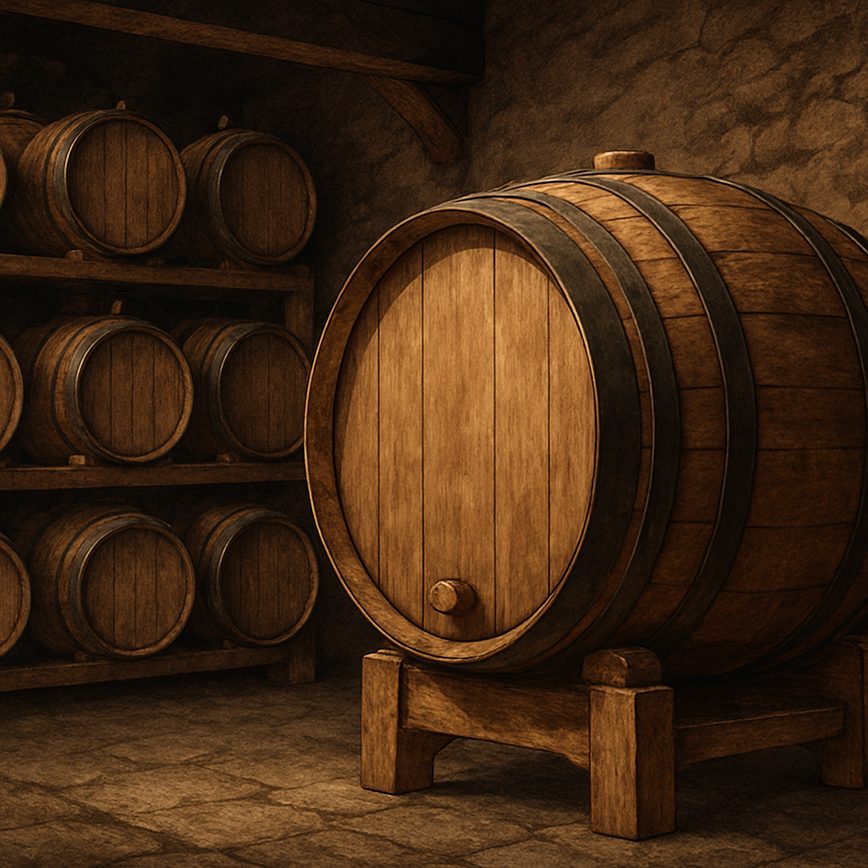
The Importance of Oak Barrels in Wine Aging
Oak barrels play a crucial role in the process of wine aging, offering far more than just a traditional vessel for storage. Their impact on the wine’s flavor development, texture, and tannin extraction is profound, shaping the final characteristics of many of the world’s finest wines. The interaction between wine and oak barrels allows for subtle chemical reactions that cannot be achieved with alternative aging methods, such as stainless steel tanks.
One of the primary reasons oak barrels are favored in wine aging is their ability to impart distinct flavors to the wine. As the wine matures, it slowly absorbs compounds from the oak, including vanillin, tannins, and various phenols, which contribute to flavor complexity. This slow infusion process adds layers of aromas such as vanilla, spices, caramel, and toast, which enrich the wine’s sensory profile and enhance depth.
Beyond flavor, oak barrels influence the texture and mouthfeel of the wine. The porous nature of oak allows for gentle oxygenation, which softens the wine’s tannins and rounds out its structure. This oxygen exposure also helps stabilize color and reduce harshness, creating a smoother and more balanced taste experience. The gradual maturation in oak leads to improved integration of flavors and a harmonious finish.
Tannin extraction from oak is another vital aspect of aging wine in barrels. Tannins contribute to the wine’s structure and aging potential by adding astringency and firmness in the early stages, which mellow over time. Oak-derived tannins complement those naturally present in grapes, enriching the wine’s body and enhancing its ability to age gracefully. The interaction between these tannin sources is crucial for developing complexity and longevity in the wine.
In summary, oak barrels are indispensable in wine aging because they create a unique environment that influences flavor development, texture, and tannin extraction. This combination of effects not only elevates the wine’s character but also contributes to its overall balance and maturation potential. For winemakers, oak barrels remain a preferred choice to craft wines with depth, elegance, and complexity.
Types of Oak Used for Barrels
When it comes to aging wine, the choice of oak is crucial as it significantly influences the flavor, aroma, and texture of the finished product. The three primary oak varieties used in barrel making are French oak, American oak, and Hungarian oak, each offering distinct characteristics.
French oak is renowned for its tight grain and subtle elegance, imparting delicate flavors such as vanilla, spice, and toasted almond to the wine. Its slow oxygen exchange allows for gradual maturation, enhancing the complexity and smoothness of the wine without overpowering the fruit notes.
American oak, by contrast, has a wider grain and tends to impart stronger flavors, including coconut, vanilla, and sweet spice. This oak variety often contributes more pronounced vanilla tones and a fuller body to the wine, making it popular for bolder reds and certain whites seeking a robust oak influence.
Hungarian oak, though less common, offers a middle ground between French and American oaks. It produces moderate tannins and imparts nutty, spicy, and slightly sweet notes. Many winemakers appreciate Hungarian oak for its ability to add complexity while maintaining balance and subtlety.
Overall, selecting the right oak variety depends on the style and profile desired by the winemaker. Understanding these oak varieties allows crafting of unique wines with tailored flavor profiles enhanced by the barrel aging process.
Chemical Effects of Oak on Wine
The aging of wine in oak barrels initiates a complex series of chemical interactions that play a crucial role in shaping the wine’s aroma, flavor, and mouthfeel. Among the key contributors to these changes are the chemical compounds naturally found in oak wood. These compounds slowly migrate into the wine, enriching it with distinctive notes that are hard to replicate through other aging methods.
Tannins, a type of polyphenol present in oak, are one of the primary chemical compounds influencing a wine’s texture. They add structure and a slight astringency, which enhances the wine’s mouthfeel by providing a pleasantly dry sensation. These tannins also work synergistically with the grape tannins, contributing to the wine’s overall aging potential and complexity.
Flavor compounds such as lactones impart sweet, coconut-like aromas, while phenolic aldehydes are responsible for the spicy, smoky notes often associated with oak-aged wines. Among these, vanillin—an aldehyde extracted from the oak—is particularly notable for adding a creamy, vanilla character that is highly prized by wine enthusiasts.
Overall, the interaction between wine and the chemical compounds of the oak barrel creates a harmonious blend of aromas and flavors that enhance both the depth and complexity of the wine. This chemical exchange not only modifies the sensory profile but also improves the wine’s balance, making oak barrel aging a revered practice in winemaking.
The Process of Aging Wine in Oak Barrels
The aging process of wine in oak barrels is a meticulous journey that enhances the wine’s flavor, aroma, and texture. This traditional method involves several essential stages including preparation, fermentation, and maturation, each contributing uniquely to the development of the wine.
- Preparation of the Barrels: The process begins with selecting and preparing the oak barrels. Barrel aging demands high-quality oak, often French or American, which is thoroughly toasted inside to varying degrees. This toasting influences the wine’s flavor profile, imparting notes like vanilla, spice, or caramel. The barrels must be cleaned and sometimes soaked with water to ensure the wood is well-hydrated and ready for the wine to mature.
- Fermentation Stage: Once the grape juice is extracted, it undergoes fermentation. In some cases, this fermentation happens directly within the oak barrels, allowing the wine to absorb the barrel’s characteristics from the start. During this phase, yeast converts the grape sugars into alcohol, and subtle oxidation begins. This controlled exposure to oxygen through the wood micropores helps soften the wine’s tannins and stabilize its color.
- Initial Aging: After fermentation, the wine remains in the oak barrel for the initial aging phase which can last from several months to a few years, depending on the style of wine desired. Barrel aging allows slow oxidation which promotes the development of complex flavors. The maturation process is dynamic as the wine interacts with the oak, extracting tannins, lignins, and other compounds that contribute to its structure and depth.
- Monitoring and Racking: Winemakers regularly monitor the wine’s progress, tasting and evaluating its maturity. Periodic racking, or transferring wine from one barrel to another, is done to remove sediment and aerate the wine gently. This step is crucial in refining the wine’s clarity and enhancing its aromatic profile.
- Final Maturation and Bottling: In the final stage, the wine achieves optimal balance and complexity after months or years of barrel aging. The maturation process culminates as the wine is removed from the barrels for bottling. Proper timing ensures the wine has developed desirable flavors from the oak and oxidation without losing its freshness.
Through this careful and controlled process, aging wine in oak barrels adds depth and character that cannot be replicated by other methods. The delicate balance of oxidation and infusion during barrel aging ultimately shapes the wine’s unique identity.
Barrel Preparation and Maintenance
Barrel preparation is a crucial step to ensure optimal aging conditions for wine. Initially, new oak barrels undergo a cleaning process to remove any impurities or residues that might affect the wine’s flavor. This cleaning typically involves rinsing with hot water and sometimes steaming to sanitize the wood without using harsh chemicals. After cleaning, barrels are carefully inspected for leaks or defects.
Another important aspect of barrel preparation is the toasting level, which refers to how much heat the inside of the barrel receives during its manufacture. The toasting level influences the flavor profile of the wine, imparting subtle notes such as vanilla, caramel, or smokiness. Winemakers choose toasting levels based on the type of wine and desired characteristics.
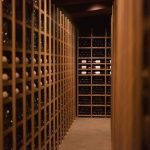
Maintaining barrels throughout the aging process is essential to protect the wine’s quality. Regular maintenance includes thorough cleaning between uses to prevent microbial contamination and spoilage. Barrels are often rinsed with hot water and sometimes treated with sulfur dioxide to inhibit bacterial growth. Moreover, barrels are stored in controlled environments to maintain humidity and temperature, preventing the wood from drying out or becoming too moist.
Proper barrel preparation and ongoing maintenance ensure that wine matures in an environment that supports its development, enhancing complexity and character. This attention to detail in barrel care ultimately results in wines with refined and desirable qualities, making it an indispensable part of the winemaking process.
Duration and Conditions for Aging
The aging duration of wine in oak barrels is a crucial factor that profoundly influences its flavor profile and overall quality. Typically, wines are aged anywhere from several months to several years, depending on the type of wine and the desired taste characteristics. For instance, robust red wines often require longer aging periods of 12 to 24 months, while lighter whites may benefit from shorter durations of 6 to 12 months. This aging period allows the wine to absorb the complex flavors from the oak while smoothing out harsh tannins.
Temperature control is equally vital during the aging process. Ideal storage conditions involve maintaining a steady temperature, generally between 55°F to 65°F (13°C to 18°C). Fluctuations in temperature can cause the wine to expand and contract within the barrel, potentially leading to premature oxidation or spoilage. Consistent temperature control ensures a slow and even maturation, preserving the wine’s delicate aromatic compounds.
Humidity also plays an important role; the ideal humidity level for barrel aging is around 70%. Proper humidity prevents excessive evaporation of the wine and helps maintain the integrity of the oak barrels. If humidity is too low, the barrels may dry out, causing leakage and unfavorable oxidation. Conversely, overly humid environments encourage mold growth on barrels, which can affect wine quality.
Overall, optimal storage conditions—stable temperature, controlled humidity, and appropriate aging duration—are essential to successfully age wine in oak barrels. This careful management enhances complexity and depth, creating a refined and balanced finished product.
Benefits and Challenges of Using Oak Barrels
Using oak barrels for aging wine offers numerous benefits that can significantly enhance the final product. From a winemaker’s perspective, one of the primary advantages is the flavor enhancement that oak imparts to the wine. Oak barrels contribute subtle notes of vanilla, spice, and toast, adding complexity and depth that cannot be achieved through stainless steel or other aging methods. This natural infusion of flavor enhances the sensory profile, making the wine more appealing and unique.
Another important benefit is the micro-oxygenation process that occurs during barrel aging. Oak allows a small amount of oxygen to interact with the wine, softening tannins and improving mouthfeel. This slow and controlled exposure helps develop a smoother, more balanced wine over time, a feature highly prized by winemakers aiming for elegance and finesse in their products.
However, alongside these benefits come certain challenges. One significant issue is the cost associated with oak barrels. Quality barrels are expensive and require considerable investment, both upfront and for their upkeep. Each barrel can only be used a limited number of times before it loses its desirable flavor contributions, leading to ongoing expenses for winemakers who wish to maintain consistency.
In addition to cost, there is the challenge of managing the aging process itself. Oak barrels require careful monitoring to avoid over-oxidation or contamination. Proper storage conditions are essential to prevent spoilage, and winemakers need a good understanding of barrel aging dynamics to make timely decisions. The variability between barrels can also impact the consistency of flavor, requiring skill and attention to blend wines appropriately.
Despite these challenges, the benefits of using oak barrels often outweigh the drawbacks for many winemakers. The ability to enhance flavor, texture, and complexity makes barrels an invaluable tool in producing high-quality wines. The balance between cost and benefit is a critical consideration, but the unique qualities oak imparts continue to make it a preferred aging method around the world.
Enhancing Flavor and Complexity
Aging wine in oak barrels plays a crucial role in flavor enhancement and the overall complexity of the final product. Oak barrels allow for gradual oxygen exposure, which softens the tannins and helps to develop more nuanced aromas and tastes. This slow interaction between wine and wood results in a unique integration of flavors that cannot be replicated by other aging methods.
The porous nature of oak allows the wine to absorb compounds such as vanillin, tannins, and lignins, which contribute to the wine’s distinctive aroma development and textural complexity. These compounds impart subtle notes of vanilla, spice, caramel, and toast, enriching the wine’s profile without overpowering its natural characteristics. This balance is essential for elevating the wine’s overall character and appeal.
Moreover, complexity in wine is often attributed to the layering of flavors that evolve during barrel aging. Oak barrels encourage this complexity by fostering chemical reactions within the wine, enhancing both its bouquet and mouthfeel. The depth created by this process transforms simple fruit flavors into a symphony of tastes that reveal themselves gradually as the wine matures.
In essence, oak barrel aging is indispensable for winemakers seeking to enhance flavor, develop complexity, and accentuate unique wine characteristics. It is a timeless technique that elevates the sensory experience, resulting in wines that are richer, more harmonious, and truly expressive.
Cost and Maintenance Considerations
Aging wine in oak barrels presents notable cost and maintenance challenges that significantly impact the overall economics of winemaking. One of the primary financial considerations is the initial cost of oak barrels, which can be quite high due to the quality of wood and craftsmanship involved. Winemakers must balance these costs against the value added to the wine through barrel aging, which often enhances flavor complexity and marketability.
Maintenance of oak barrels requires continuous attention to prevent spoilage and contamination. This upkeep includes regular cleaning, sanitizing, and monitoring for leaks or cracks. Winemakers often invest in skilled labor and specialized equipment to preserve barrel integrity over time. Such maintenance practices add to operational expenses but are essential for ensuring consistent wine quality.
The barrel lifespan also plays a crucial role in cost efficiency. Typically, barrels can be reused for several vintages, but each use diminishes their ability to impart desired flavors. As barrels age and lose their flavor-contributing qualities, replacing them becomes necessary, which increases long-term expenditures. Therefore, winemakers must carefully assess the economic impact of barrel turnover versus wine quality enhancement.
Overall, the financial investment and ongoing maintenance requirements make oak barrel aging a process with substantial economic implications. Successful management of these costs and upkeep challenges is vital for wineries seeking to maximize the benefits of barrel aging while maintaining profitability.

Winemaker with 12 years in the cellar. I write about fermentation, terroir, and the honest mistakes that taught me more than any textbook. I’ve ruined more barrels than most people have tasted. That’s not a disclaimer — that’s a résumé. Twelve years making wine in France, now making sense of it in words.