Overview of Sweet Wines in Louisiana
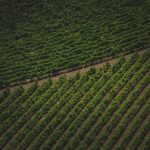
Louisiana sweet wines have carved a unique niche within the state’s vibrant wine culture, offering a delightful exploration of regional flavors and traditions. Rooted in a history that dates back to the early days of European settlement, these wines reflect the diverse agricultural heritage and climate influences of Louisiana. The state’s warm and humid environment, while challenging for many grape varieties, has inspired winemakers to innovate and adapt, leading to the creation of distinctive sweet wines that resonate with local palates.
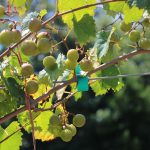
The cultivation of grapes in Louisiana began as settlers recognized the potential of native and hybrid grape varieties to thrive in the Gulf Coast climate. Over time, growers developed a specialization in sweet wines, which not only complemented the region’s cuisine but also became emblematic of Louisiana’s wine identity. These wines range from fruity and floral to rich and luscious, often crafted from varieties like Muscadine and Scuppernong grapes, as well as other hybrids that flourish in the humidity and heat.
Historically, Louisiana sweet wines played an important role in both social and ceremonial occasions, symbolizing hospitality and celebration. This tradition continues today, as modern vintners embrace the legacy while incorporating contemporary techniques to enhance quality and complexity. The production of sweet wines is now a vital part of the regional wine overview, showcasing a blend of heritage and innovation that supports local economies and attracts wine enthusiasts nationwide.
Moreover, Louisiana sweet wines contribute significantly to the state’s wine culture by promoting agricultural diversity and encouraging sustainable practices tailored to the local environment. Wine festivals, tastings, and vineyard tours centered on these sweet offerings have helped elevate the region’s reputation, fostering a deeper appreciation for the nuanced flavors that sweet wines from Louisiana deliver. In essence, these wines not only highlight the state’s winemaking prowess but also underscore the cultural richness and natural bounty that define Louisiana’s wine scene.
History and Development
Louisiana wine history traces back to the 18th century when French settlers first attempted to cultivate vineyards in the region. Despite the challenges posed by the humid climate and native pests, early settlers experimented with grape varieties to produce distinctive local wines. The origins of sweet wine in Louisiana can be attributed to the adaptation of native grapes like Muscadine, which naturally thrive in the Southern environment and produce sweet, flavorful wines. Over time, Louisiana vineyards evolved with advances in viticulture techniques and the introduction of disease-resistant grape hybrids.
Significant milestones in Louisiana’s sweet wine development include the establishment of the first commercial vineyards in the late 19th and early 20th centuries, which helped to formalize and expand wine production. These vineyards focused on crafting sweet wines that highlight the fruity and aromatic qualities distinctive to the region’s terroir. Post-Prohibition, the Louisiana wine industry saw a resurgence as winemakers refined their methods and increased their focus on sweet varietals that appealed to both local and broader markets. This revitalization was pivotal in positioning Louisiana as a unique wine producer with a growing reputation for sweet wines.
Today, Louisiana vineyards continue to build on this rich heritage, combining traditional techniques with modern innovations. The sweet wines from Louisiana stand as a testament to the region’s resilience and creativity in winemaking, offering a taste that reflects the deep history and vibrant culture behind every bottle.
Sweet Wine Varietals Unique to Louisiana
Louisiana boasts several distinctive grape varieties and sweet wine types that reflect its unique climate and terroir. Among the Louisiana grape varieties, Muscadine stands out as a local favorite, thriving in the humid environment of the region. This grape produces deeply flavorful, sweet wines with a natural fruity richness that is hard to replicate elsewhere. Another notable variety is the Niagara grape, which is often used to craft sweet, aromatic white wines celebrated for their floral and fruity notes.
In addition to these grape varieties, Louisiana’s sweet wine types also include Muscat-based wines, which capture the essence of tropical and citrus fruits, and often feature a balanced sweetness with refreshing acidity. Local sweet wines crafted from Blanc du Bois—a hybrid grape commonly grown in the Gulf Coast states—offer a unique tropical flavor profile with hints of peach and honey, making them a popular choice for wine enthusiasts seeking something distinctively regional.
Sweet dessert wines are also gaining popularity in Louisiana, with many wineries producing late-harvest wines and fruit-infused varietals that highlight local flavors. These wines pair excellently with local cuisine and provide a delightful experience that celebrates the state’s viticultural heritage. Exploring these local sweet wines offers a direct taste of Louisiana’s rich winemaking culture and its dedication to producing exceptional and distinctive sweet wines.
Notable Sweet Wine Producers and Brands in Louisiana
Louisiana boasts a vibrant wine culture with a number of distinguished Louisiana wineries that have earned acclaim for their exceptional sweet wine offerings. These local wine producers skillfully craft sweet wines that reflect the unique terroir and climate of the region, making them a must-try for enthusiasts and casual drinkers alike.
One of the standout sweet wine brands in the state is Feliciana Cellars, known for its dedication to quality and innovation. Nestled in the heart of Louisiana, Feliciana Cellars produces a variety of sweet wines that highlight local grape varieties and expertly balanced flavors. Their signature muscadine wines, celebrated for their natural sweetness and robust character, have become favorites among locals and visitors.
Another renowned name is Oak Alley Winery, which has cultivated a reputation for producing consistently excellent sweet wines that showcase the rich agricultural heritage of Louisiana. Their portfolio includes a range of sweet whites and blush wines that are perfect for pairing with the state’s diverse culinary delights, from spicy Cajun dishes to creamy desserts.
Additionally, Pontchartrain Vineyards stands out as a premier local wine producer that specializes in crafting sweet and semi-sweet wines using a blend of traditional and contemporary techniques. Their commitment to sustainable farming and attention to detail ensures that each bottle offers an authentic and delightful taste of Louisiana.
These sweet wine brands exemplify the growing prominence of Louisiana wineries in the American wine landscape. With their blend of rich flavors, aromatic profiles, and expert craftsmanship, they continue to elevate the status of local wine producers, making Louisiana a notable destination for sweet wine connoisseurs.
Top Wineries Specializing in Sweet Wines
Louisiana is home to some top Louisiana wineries that have made a name for themselves as exceptional sweet wine producers. Among these distinguished establishments is Feliciana Cellars, one of the most celebrated wineries in the state. Known for their award-winning wines, Feliciana Cellars specializes in crafting richly flavored sweet wines using locally grown grapes and fruits. Their commitment to quality and innovation has earned them numerous accolades at regional and national wine competitions, showcasing the excellence of Louisiana’s sweet wine craft.
Another notable name is Pontchartrain Vineyards, which has also cultivated a strong reputation for producing luscious, balanced sweet wines. Their dedication to sustainable vineyard practices and artisanal wine-making techniques has garnered them multiple awards, highlighting the unique sweet wine profiles that thrive in Louisiana’s climate. Together, these wineries illustrate the vibrant sweet wine scene in Louisiana, offering wine lovers a taste of the state’s finest award-winning wines.
For visitors and locals alike, exploring these top Louisiana wineries offers an opportunity to savor expertly crafted sweet wines while supporting the state’s growing wine industry. Whether you prefer floral, fruity, or dessert-style sweet wines, these producers exemplify the quality and diversity available in Louisiana’s award-winning wine offerings.
Local Wine Events and Tastings
Louisiana wine events offer a delightful opportunity to explore the unique world of sweet wines produced in the region. Throughout the year, wine enthusiasts can participate in various Louisiana wine events designed to showcase the best local vintages. These events often feature tasting sessions where guests can savor an array of sweet wines, from fruity whites to luscious reds, providing a comprehensive experience for both novices and connoisseurs alike.
Sweet wine festivals are particularly popular in Louisiana, drawing crowds who want to celebrate the rich flavors and craftsmanship behind these beverages. These festivals typically include vineyard tours, winemaker meet-and-greets, and educational workshops focused on the art of producing sweet wines. Visitors also enjoy live music, local cuisine, and an inviting atmosphere that highlights Louisiana’s vibrant wine culture.
Wine tasting Louisiana events emphasize interactive and immersive experiences, allowing attendees to discover the nuances of sweetness levels, grape varieties, and pairing options. Many wineries in Louisiana host regular tasting rooms where visitors can sample their sweet wine selections in a relaxed setting, often accompanied by expert advice to enhance the tasting journey. Whether it’s a formal festival or a casual tasting, these local events celebrate the sweet wine heritage unique to Louisiana and invite everyone to join the enjoyment.
Pairing and Serving Sweet Wines from Louisiana
Louisiana’s sweet wines offer a delightful balance of fruity sweetness and vibrant acidity, making them incredibly versatile for pairing with a range of local dishes. When considering sweet wine pairing, it’s essential to match the wine’s sweetness level with the richness or spiciness of the food to enhance both elements without overwhelming your palate.
One of the best ways to enjoy Louisiana sweet wine serving is alongside traditional Cajun and Creole cuisine. For instance, a lightly sweet muscadine wine perfectly complements spicy dishes such as jambalaya or gumbo by softening heat while highlighting the complex flavors of the spices. Pairing sweet wines with dishes that have a touch of sweetness themselves, like glazed ham or sweet potato casserole, creates a harmonious blend of flavors on the palate.
For seafood lovers, sweet white wines from Louisiana are an excellent choice. The sweetness offsets the briny, delicate flavors of fresh Gulf shrimp, crawfish étouffée, or blackened catfish. Serving these wines chilled at around 45-50°F enhances their crispness and refreshes the palate between bites, elevating the overall dining experience.
Seasonal dishes also influence the best approach to sweet wine pairing. During warmer months, lighter, sweeter wines work well with fresh fruit salads or summer desserts like peach cobbler or bread pudding with bourbon sauce. In the cooler months, richer sweet wines pair beautifully with spiced pecan pies or chocolate desserts, creating a comforting and indulgent finish to any meal.
When serving Louisiana sweet wines, consider glassware that showcases the wine’s aromatic qualities—such as tulip-shaped glasses—which help concentrate the wine’s enticing bouquet. Additionally, sweet wines are best served slightly chilled and can be brought to room temperature gradually if stored in a cooler environment to unlock their full flavor profile.
In summary, thoughtful food and wine pairing enhances both the wine and the dish. Whether savoring spicy local specialties or seasonal desserts, Louisiana sweet wines bring a unique and pleasurable complement to the rich culinary traditions of the region.
Pairing Sweet Wines with Louisiana Cuisine
Pairing sweet wines with Louisiana cuisine offers a delightful exploration of bold flavors and complementary tastes. Louisiana cuisine, known for its rich, spicy, and robust dishes, creates an exciting backdrop for sweet wine pairings that balance and enhance the culinary experience. Classic dishes like gumbo, jambalaya, and crawfish étouffée blend spices, seafood, and hearty ingredients, making them ideal matches for the subtle sweetness and acidity of local sweet wines.
A key principle in wine and food pairing is to achieve harmony between the wine’s sweetness and the dish’s flavor profile. Sweet wines from Louisiana often exhibit fruity notes, mild acidity, and a smooth finish, which can counteract the heat and spice of traditional Creole and Cajun dishes. For example, a luscious sweet white wine pairs beautifully with spicy shrimp creole, its sweetness softening the peppers’ kick while accentuating the dish’s tomato base.
Additionally, sweet wines complement the rich textures and smoky undertones found in dishes like blackened catfish or grilled Andouille sausage. The wine’s sweetness provides a refreshing contrast that cleanses the palate and enhances the smoky, savory elements. For dessert, pair Louisiana’s sweet wines with pecan pie or bread pudding to highlight the wines’ caramel and honeyed flavors, creating a perfect balance of sweet indulgence.
In summary, wine and food pairing with Louisiana cuisine and sweet wine pairings reveals a world of dynamic and flavorful combinations. Whether it’s seafood, spicy dishes, or decadent desserts, sweet wines from this region elevate the dining experience by harmonizing with the distinctive tastes of Louisiana’s culinary heritage.
Serving Tips and Storage Recommendations
To fully enjoy the distinct flavors of Louisiana sweet wines, serving them at the optimal temperature is essential. These wines are best served chilled, typically between 45-55°F (7-13°C). This temperature range helps to balance their natural sweetness and acidity, allowing the rich fruit notes to shine through without becoming cloying.
Choosing the right glassware enhances the tasting experience. Use smaller, tulip-shaped glasses that concentrate the aromas toward your nose, highlighting the complex bouquet of Louisiana sweet wines. Avoid overly large glasses, which can dissipate the wine’s delicate aroma and lessen its sweetness impact.
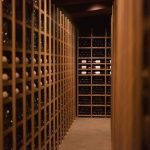
Proper wine storage is crucial to preserve the quality of your sweet wine collection. Store bottles horizontally in a cool, dark place with a stable temperature around 55°F (13°C). Avoid temperature fluctuations and direct sunlight, as these can deteriorate the wine’s flavor profile. Additionally, maintaining humidity between 60-70% prevents cork dryness, which could lead to oxidation.
When handling Louisiana sweet wines, it’s best to consume them within a few years for optimal freshness, although some styles can age gracefully when stored correctly. For open bottles, reseal tightly and refrigerate, consuming within 3-5 days to maintain quality. Following these serving sweet wines, wine storage tips, and optimal sweet wine serving practices will ensure every sip truly celebrates Louisiana’s unique sweet wine heritage.

Winemaker with 12 years in the cellar. I write about fermentation, terroir, and the honest mistakes that taught me more than any textbook. I’ve ruined more barrels than most people have tasted. That’s not a disclaimer — that’s a résumé. Twelve years making wine in France, now making sense of it in words.