Introduction to Wine and Holiday Pairings
Pairing wines with holiday meals is an art that elevates festive occasions to memorable experiences. Wine pairing is about matching the characteristics of a wine with the flavors, textures, and aromas of holiday dishes to create a harmonious balance. This deliberate coordination enhances both the food and the wine, making each bite and sip more enjoyable.
Holiday meals often feature diverse and rich flavors, from savory roasted meats to sweet desserts and everything in between. A thoughtful festive wine selection complements these flavors, providing harmony across the entire meal. For instance, a crisp white wine can cut through the richness of creamy side dishes, while a full-bodied red wine may stand up to hearty roasted meats. The right pairing brings out the best in both the wine and the food, making each component shine without overpowering one another.
The importance of pairing wine with holiday meals extends beyond just taste—it also enhances the social and sensory experience of festive gatherings. Good pairings encourage conversation about food and wine, adding a layer of sophistication and enjoyment to celebrations. They can also accommodate different palates and preferences, helping hosts create inclusive and delightful experiences for all guests.
In addition, a well-considered festive wine selection can simplify the hosting process. Knowing which wines pair well with traditional holiday dishes allows for confident choices that impress guests without the stress of trial and error. This technique also supports showcasing special wines that might otherwise be overlooked, turning these moments into cherished memories through taste.
Ultimately, wine pairing is a key element in holiday meals, transforming ordinary dining into an extraordinary celebration. Exploring wine and holiday pairings invites creativity and enjoyment, making holiday feasts not just about eating but about savoring every moment shared.
Classic Holiday Wines and Their Food Matches
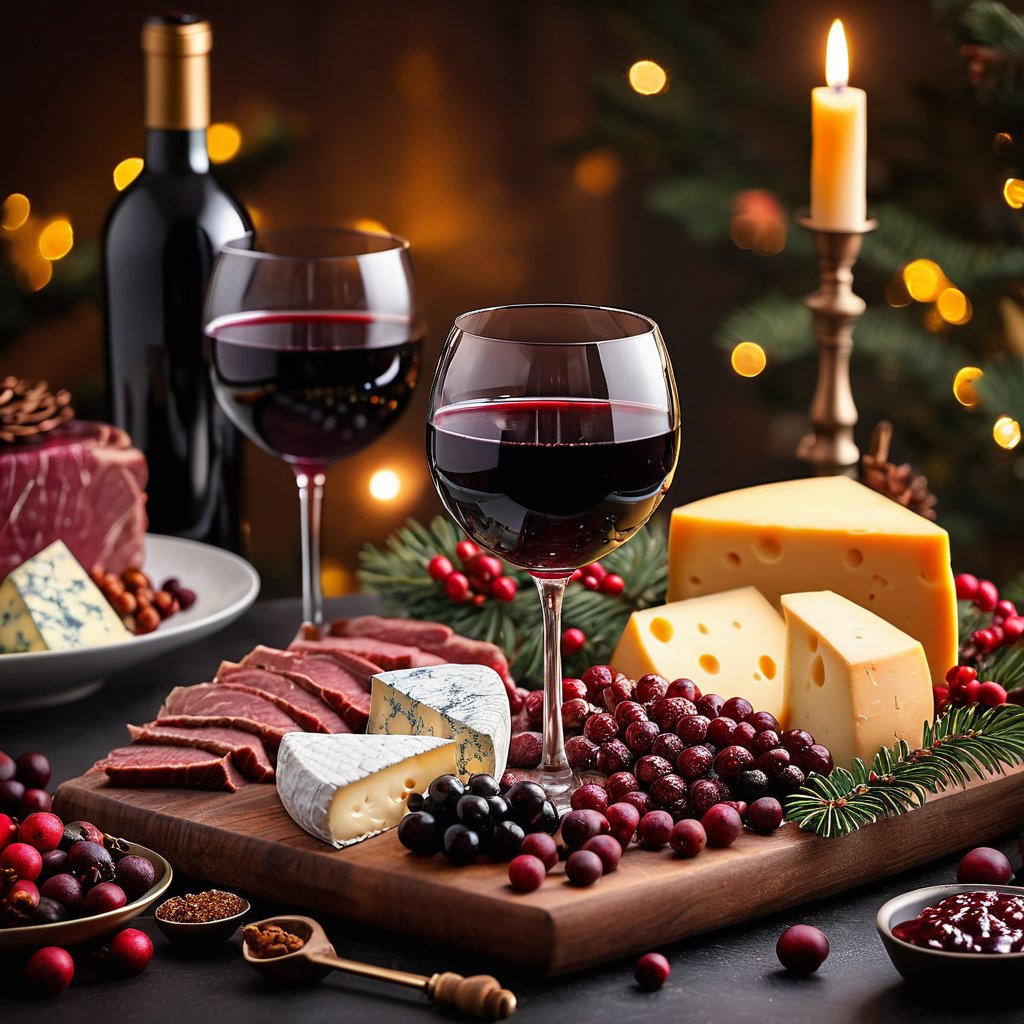
During the holiday season, certain wines become staples on many tables, celebrated not only for their flavors but also for how well they complement festive food. Holiday wines are chosen for their ability to enhance the overall dining experience, balancing the rich and varied flavors found in traditional holiday dishes. Understanding these traditional pairings can elevate your holiday meals and make the celebration even more memorable.
One of the most popular holiday wines is the classic Pinot Noir. This red wine is known for its versatility and light to medium body, which pairs beautifully with roasted poultry such as turkey and chicken—a staple at many holiday feasts. Its subtle fruitiness and gentle tannins harmonize with the savory flavors and herbs often used in stuffing and gravy.
Another favorite is the rich and robust Cabernet Sauvignon. This wine is traditionally paired with heartier meats like roast beef or lamb served during the holidays. Its bold structure, deep berry notes, and firm tannins stand up well to the intensity of these meats, creating a satisfying flavor balance that complements the richness without overpowering it.
For those who enjoy white wines, Chardonnay often takes center stage. Particularly the oaked versions, which offer buttery, creamy textures and hints of vanilla and spice. Chardonnay pairs wonderfully with holiday dishes like baked ham, creamy mashed potatoes, and buttery vegetables. Its acidity cuts through the richness, making each bite refreshing and flavorful.
Champagne and sparkling wines are synonymous with celebration and perfectly suited for festive food pairings. Their lively bubbles and crisp acidity refresh the palate, making them ideal accompaniments to salty snacks, appetizers, and even fried foods that often kick off holiday gatherings. Sparkling wines also complement lighter fare such as smoked salmon or fresh shellfish.
Finally, consider sweet wines like Port or late harvest Rieslings, which are traditional choices for dessert pairings. These wines balance sweetness with acidity, making them ideal partners for rich desserts like pumpkin pie, fruitcake, or chocolate-based sweets, rounding out the holiday dining experience with a satisfying finish.
By selecting these holiday wines according to traditional pairings, you enhance not only the flavors of the festive food but also the joy of sharing memorable moments with family and friends. These classic holiday wines continue to be beloved choices that enrich holiday celebrations across tables everywhere.
Red Wines for Holiday Dinners
When it comes to red wine pairing for a holiday dinner, selecting the right wine can elevate the flavors of your festive meal. Traditional holiday dishes like roast turkey and beef have distinct flavor profiles that call for specific types of red wines to complement them perfectly.
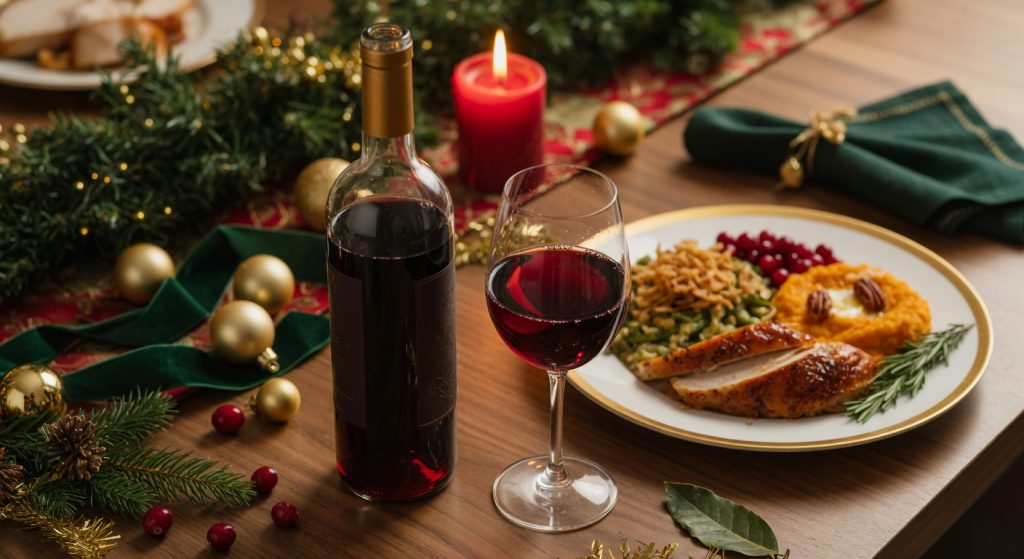
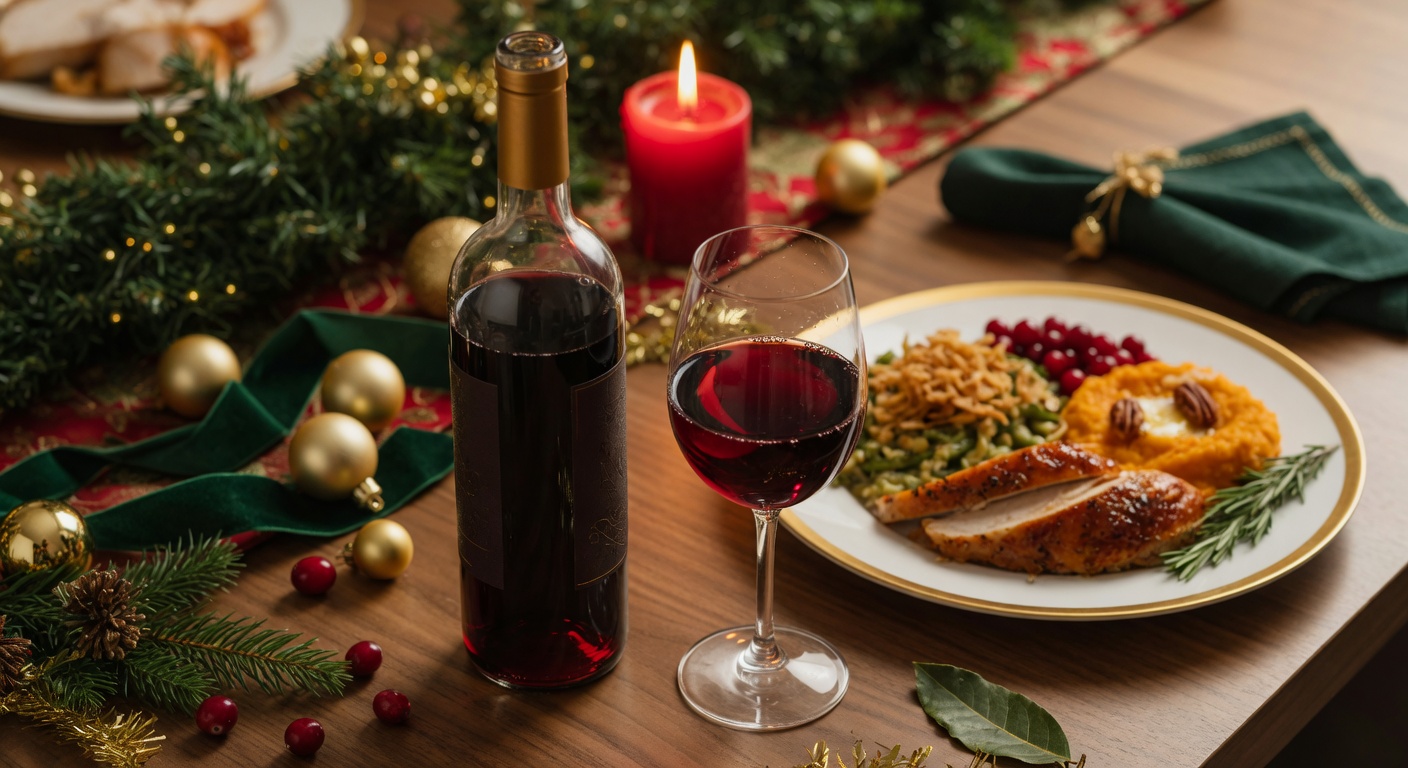
For a classic turkey wine match, opt for lighter to medium-bodied red wines such as Pinot Noir or Grenache. These wines tend to have bright acidity and subtle tannins that harmonize with the savory and slightly sweet flavors of roast turkey without overpowering the dish. Their notes of cherry, cranberry, and earthiness enhance the bird’s delicate texture, making each bite more enjoyable.
On the other hand, heartier holiday dinners that include beef call for bolder red wines with more structure. Cabernet Sauvignon, Syrah, and Malbec are excellent choices because their robust flavors and firm tannins stand up well to the richness of roast beef. The deep fruit flavors, hints of spice, and sometimes smoky undertones in these wines create a perfect balance with the savory, meaty taste of the beef, making each sip a wonderful complement to your meal.
In summary, the key to a successful red wine pairing for holiday dinner lies in matching the wine’s body and flavor intensity with the dish. Lighter reds work best for turkey, while fuller-bodied reds shine alongside beef, ensuring your holiday feast is delightfully paired from start to finish.
White and Sparkling Wines for Festivities
When preparing for festive meals, white wine pairing and sparkling wine holidays hold a special place on the table. White wines like Chardonnay, Sauvignon Blanc, and Riesling complement a wide array of holiday dishes, especially seafood, salads, and appetizers. Their crisp acidity and bright fruit notes enhance the delicate flavors of these dishes without overpowering them.
Chardonnay, with its rich and buttery profile, is ideal for pairing with creamy seafood dishes such as lobster or crab. On the lighter side, Sauvignon Blanc offers zesty citrus and herbal notes, making it a perfect partner for fresh salads and herbaceous appetizers. Riesling’s natural sweetness and vibrant acidity create a delightful balance when served alongside spicy or tangy hors d’oeuvres.
Sparkling wines, including Champagne, Prosecco, and Cava, bring a festive sparkle to holiday celebrations. Their effervescence and lively flavors make them versatile festive drinks that pair well with a variety of starters. Bubbles accentuate the freshness of salads and cut through the richness of creamy dips and appetizers, making every bite more enjoyable.
Incorporating white and sparkling wines into your holiday menu not only elevates the dining experience but also complements the joyful spirit of the season. Whether you choose a crisp white or a celebratory sparkling, these wines enhance the flavors of your meals and bring a touch of elegance to your festivities.
Tips for Creating Your Own Wine and Holiday Pairings
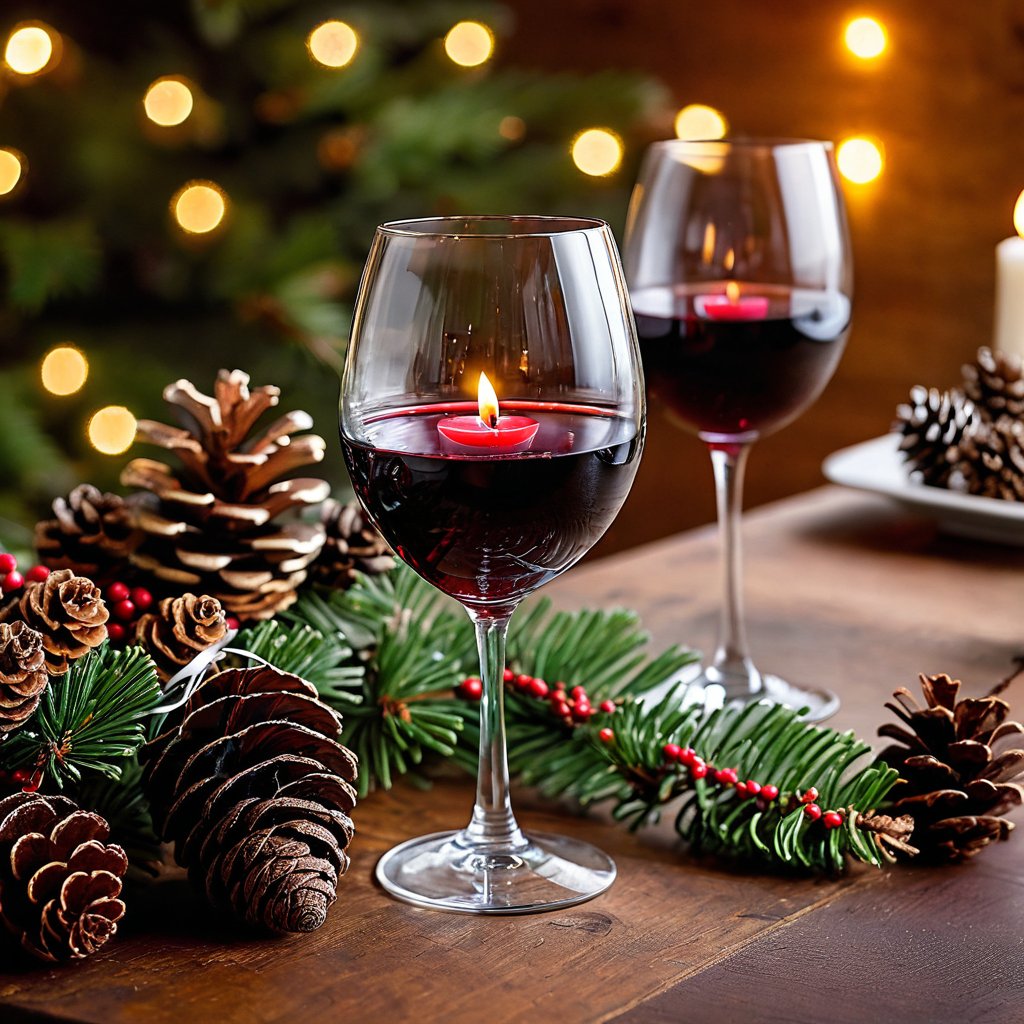
Creating harmonious holiday meals with the perfect wine pairing can elevate your celebrations and delight your guests. The key to successful holiday wine selection lies in understanding both the flavor profiles of your dishes and your personal preferences. Here are some essential wine pairing tips to help you craft memorable food and wine matching experiences this festive season.
First, consider the dominant flavors and textures in your holiday dishes. Rich, roasted meats such as turkey or ham with caramelized glazes typically pair well with medium to full-bodied red wines like Pinot Noir or Zinfandel. On the other hand, lighter fare such as seafood or vegetable-based dishes often complement crisp white wines like Sauvignon Blanc or a dry Riesling. By matching the intensity of the wine with the richness of the food, you create a balanced tasting experience.
Next, pay attention to the seasoning and sauce profiles. Dishes with herbaceous notes, citrus, or spice benefit from wines with similar characteristics. For example, spicy holiday dishes can be matched beautifully with slightly off-dry wines such as Gewürztraminer or Chenin Blanc, which help tame heat and enhance flavor complexity. Matching acidity levels in wine with tangy or creamy sauces also helps maintain harmony on the palate.
Don’t overlook the importance of personal preference when selecting holiday wines. While classic pairings provide a reliable foundation, the best wine pairing tip is to choose wines you and your guests enjoy. Holidays are a time to celebrate and share, so feel free to experiment by offering a variety of options, from sparkling wines that add festive cheer to dessert wines that round out the meal with sweetness.
Lastly, serve wines at the optimal temperature to enhance their profile. Whites should generally be chilled but not too cold, allowing their aromatic qualities to shine through. Reds benefit from being served slightly below room temperature to soften tannins and highlight fruit flavors. Paying attention to serving conditions ensures every sip complements your holiday dishes perfectly.
By focusing on flavor profiles, seasoning, and individual tastes, you can master the art of holiday wine pairing. Whether you’re hosting a large family feast or an intimate dinner, these wine pairing tips will help you select the ideal bottles to make your holiday food and wine matching both effortless and enjoyable.
Balancing Flavors and Textures
Achieving perfect flavor balance and texture matching is essential for creating harmonious wine pairings during holiday meals. The goal is to complement the taste profiles of both the wine and the food, ensuring neither overpowers the other. When considering flavor balance, think about the intensity and character of the dishes. For rich, savory foods, a wine with good acidity or tannins can cut through the fattiness, refreshing the palate. Conversely, lighter dishes pair well with more delicate, subtle wines that won’t overshadow the flavors.
Texture matching is equally important. The mouthfeel of the wine should mirror or contrast the consistency of the food in a way that enhances the overall experience. For example, a creamy dish like mashed potatoes or a cheesy side pairs beautifully with a wine that has smooth, rounded textures, such as a buttery Chardonnay. On the other hand, a crisp white wine with high acidity can brighten up dishes with crunchy or crispy elements, like roasted vegetables or fried turkey skin.
Some wine pairing tips to keep in mind include balancing sweetness with spice, matching weight and intensity, and considering the sauce or seasoning as they often dictate the pairing rather than the main ingredient alone. Remember that personal preference plays a role, so experimenting with different combinations is encouraged to find what works best for your holiday table. Properly balancing flavors and textures ensures that each sip and bite enhances the other, creating a memorable dining experience.
Considering Dietary Restrictions
When hosting holiday celebrations, it’s essential to consider dietary considerations to ensure all guests feel included and enjoy their experience. Many guests may have specific holiday food restrictions or personal preferences that influence their wine choices. Offering wine pairing alternatives tailored to these needs is a thoughtful way to enhance the festivities.
For guests who are vegetarian or vegan, consider wines that complement plant-based dishes, such as crisp white wines like Sauvignon Blanc or dry rosés. These selections tend to pair well with vegetables, salads, and dairy-free options without overpowering the flavors. If alcohol restrictions are a concern, non-alcoholic or low-alcohol wine alternatives provide a festive touch without compromising taste or preference.
For those with gluten sensitivities or allergies, most wines are naturally gluten-free, but it’s wise to avoid wines aged in certain barrels that might have gluten contamination. Sparkling wines and most varietals from reputable producers are safe bets. When pairing with holiday dishes, focusing on fresh, light wines helps balance rich flavors while adhering to dietary considerations.
Ultimately, the key to successful wine pairing during holiday celebrations is flexibility and inclusivity. Offering a variety of wine options that cater to different dietary restrictions and preferences not only respects your guests’ needs but also enriches the overall dining experience, making your holiday gathering memorable for everyone.

Winemaker with 12 years in the cellar. I write about fermentation, terroir, and the honest mistakes that taught me more than any textbook. I’ve ruined more barrels than most people have tasted. That’s not a disclaimer — that’s a résumé. Twelve years making wine in France, now making sense of it in words.