Starting a journey into Louisiana wine country offers more than just tasting glasses of red and white; it is about discovering a landscape where history, climate, and passion blend into every bottle. The subtropical humidity, the rich alluvial soil along the Mississippi, and the unique cultural tapestry create a terroir unlike any other in the United States. For those eager to explore, understanding the layout of this liquid geography is the first step. This guide provides a practical roadmap to navigating the region, from the historic cellars of the north to the emerging vineyards near the coast. Whether you are a seasoned collector or a curious beginner, knowing where to look transforms a simple trip into a memorable exploration of flavor. The following steps will help you plot a course through the top local vintages, ensuring you experience the best the state has to offer.
Step One: Research the Terroir and Climate
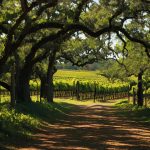
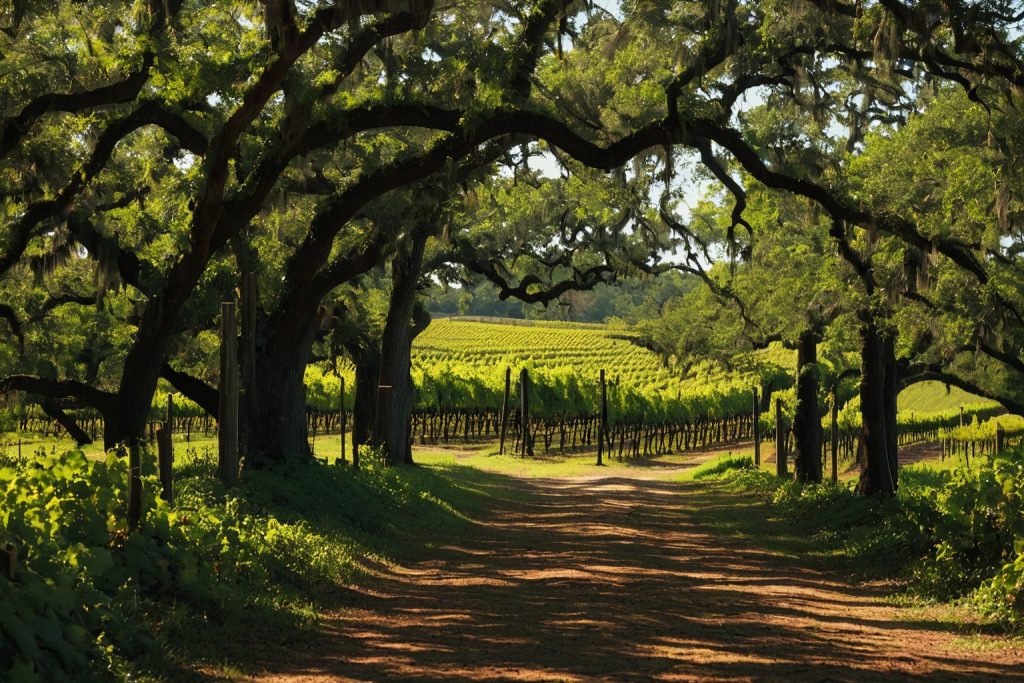
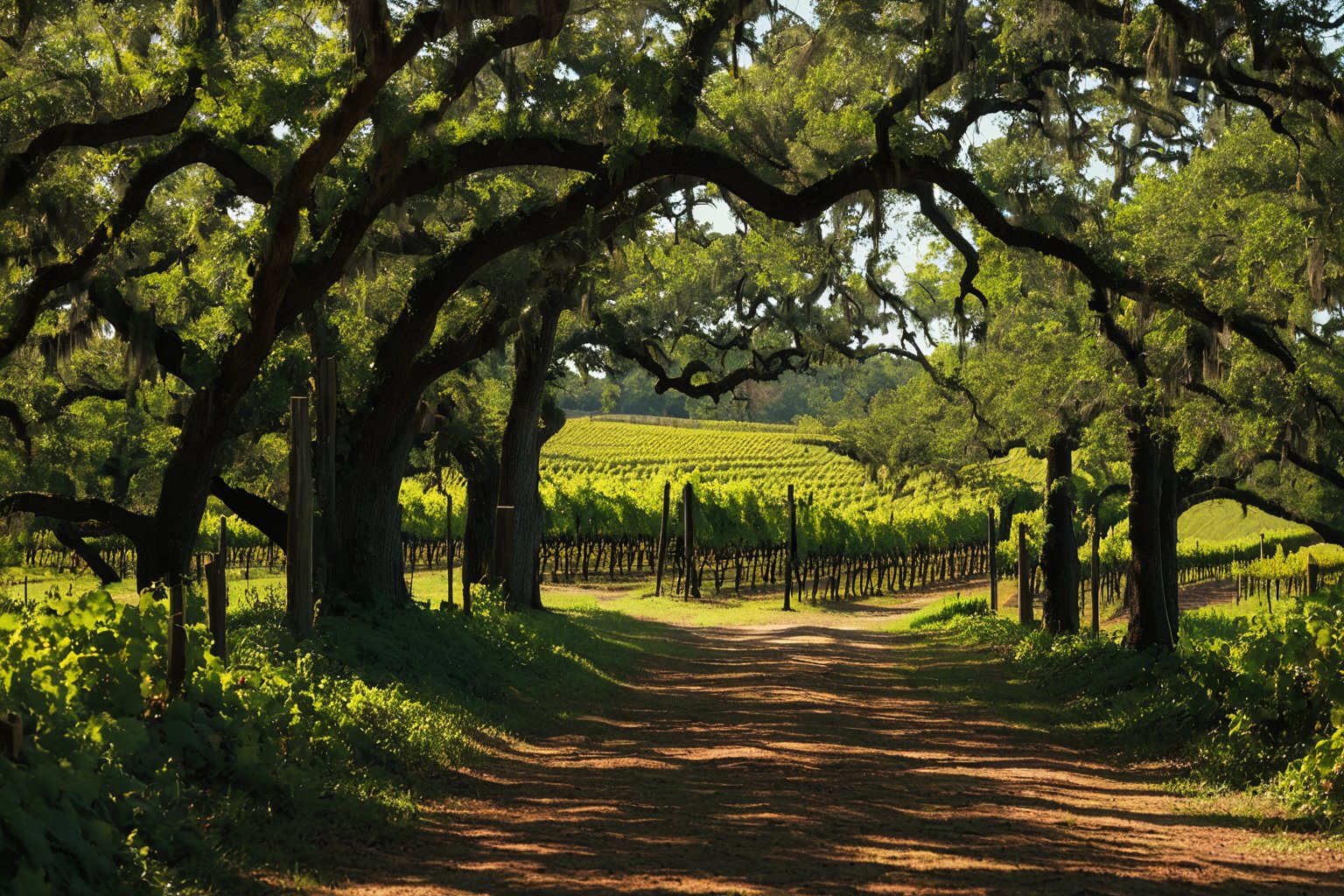
The first practical step in any wine exploration is understanding why the grapes grow where they do. Louisiana’s climate is characterized by high humidity and significant rainfall, which presents both challenges and opportunities for viticulture. The growing season is long, but the risk of fungal diseases is high, which is why many wineries focus on hybrid varieties or European-American crosses that can withstand the moisture. When researching, look for vineyards situated on higher ground or with good air circulation, as these factors are critical for quality. The soil varies from sandy loams in the north to clay-rich deposits near the river, influencing the minerality of the wine. By understanding these environmental factors, you can better appreciate why a particular vineyard chooses certain grapes and how that affects the final profile of the Louisiana wine you will taste.
Beyond the basic climate data, dive into the specific history of wine in the region. While not as old as some European regions, the state has a surprising history of viticulture dating back to the 18th century, though it faced setbacks from Prohibition and the boll weevil. Many of the modern estates are reviving old family plots or experimenting with new hybrids developed by LSU agricultural researchers. When planning your route, check if the winery offers tours that explain their specific vineyard management practices. This background knowledge adds a layer of depth to your visit, allowing you to taste with an informed palate rather than just a curious nose. It sets the stage for the visits to come, grounding your experience in the reality of the land.
Step Two: Identify Key Production Regions
Louisiana may be small on the wine map, but it boasts distinct production pockets that are worth the trip. The most prominent area is the northern part of the state, particularly around the cities of Shreveport and Bossier City. Here, the elevation is slightly higher, and the soil is more conducive to traditional vinifera varieties like Cabernet Sauvignon and Merlot, though many still rely on hybrids. Moving south towards the Baton Rouge area, the terrain flattens, and the influence of the Mississippi River becomes more pronounced. This area often features wineries that focus on fruit wines or unique blends that incorporate local citrus or berries, reflecting the agricultural diversity of the region. Identifying these zones helps you prioritize your itinerary based on the style of wine you prefer.
Another vital region is the coastal areas and the outskirts of New Orleans. While the urban environment of the city limits large-scale viticulture, the surrounding parishes have seen a surge in boutique operations. These smaller farms often experiment with innovative techniques, such as organic farming or natural fermentation, appealing to the modern consumer looking for something distinct. When mapping out your journey, don’t overlook these smaller players; they often offer the most unique and experimental Louisiana wine experiences. Checking local directories or wine club websites specific to the state can reveal hidden gems that aren’t on the mainstream tourist path. This step ensures you cover the geographical diversity the state offers in one efficient trip.
Step Three: Map Out Wineries and Tasting Rooms
With the regions identified, the next step is to pinpoint specific wineries and their tasting rooms. Many estates are working farms, meaning tasting rooms may have limited hours or be located in a farm stand rather than a dedicated building. It is crucial to check the website or call ahead before visiting, especially if you are traveling from out of state. Look for establishments that offer a seated tasting experience, as this allows you to properly evaluate the color, aroma, and finish of the Louisiana wine without rushing. Some wineries also offer food pairings, which can elevate a simple tasting into a culinary event. Creating a spreadsheet or list with addresses, phone numbers, and opening hours will streamline your physical journey and prevent wasted miles.
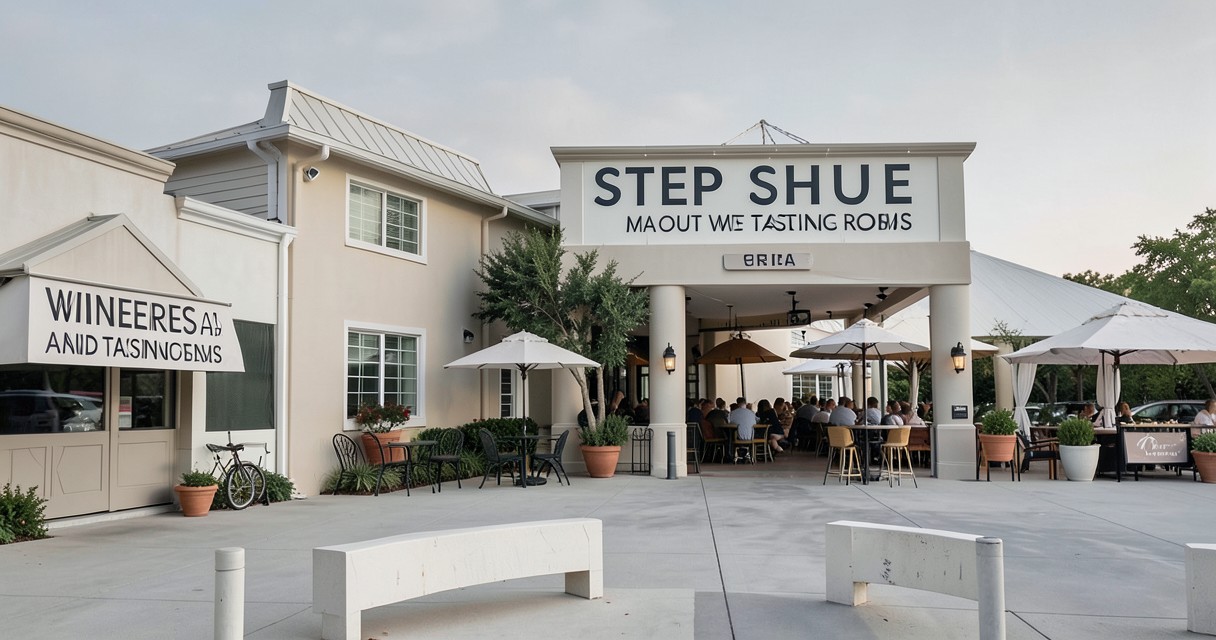
When mapping your route, consider the logistics of travel between sites. Some vineyards are clustered together, allowing you to visit multiple in a single afternoon, while others are spread out and require a full day’s drive. Factor in the time of year; summer heat can be intense, making mid-day tastings less comfortable, whereas spring and fall offer pleasant temperatures ideal for walking the vineyards. Also, check if the winery offers shuttle services or is accessible via ride-share apps. Planning the physical logistics in advance ensures that your focus remains on the wine and the experience, rather than getting lost or fatigued on the road. This organizational step is what separates a stressful road trip from a smooth adventure.
Step Four: Understand Tasting Etiquette and Offerings
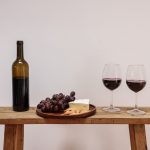
Knowing how to taste is just as important as knowing where to go. When you enter a tasting room, the staff will typically guide you through a flight of samples. A standard practice is to start with the lighter, often sweeter or lower-alcohol offerings before moving towards the bolder, drier reds. Don’t hesitate to ask about the production method, whether the wine was aged in oak barrels or stainless steel tanks, as this dramatically affects the flavor profile of the Louisiana wine. Spitting is always an option if you plan on visiting multiple locations in one day; it allows you to remain functional and safe to drive while still enjoying the variety. Remember that each winery has its own house style, so comparing a bottle from the north with one from the coast is where the real education happens.
Etiquette also extends to purchasing and taking bottles home. Many wineries offer discounts for buying a flight or a full case, which is a great way to support the local industry and ensure you have a favorite on hand for later. However, be mindful of shipping laws; as mentioned in various state-by-state guides, transporting alcohol across state lines can be complicated, so it is best to check regulations beforehand. Some wineries will ship directly to your home if you are out of state, but this often involves additional fees and age verification. Tipping the staff is also customary if you received exceptional service or learned something valuable during the explanation. Approaching the tasting with respect and curiosity enhances the reputation of the local growers and makes the experience more welcoming for everyone involved.
Step Five: Explore Seasonal Events and Festivals
To truly immerse yourself in the local scene, time your visit to coincide with seasonal events and festivals. Louisiana wineries often host harvest celebrations in the late summer and early autumn, which is the most exciting time to visit as the vineyards are buzzing with activity. These events often feature live music, food trucks serving local Cajun and Creole cuisine, and special releases of vintage wines that aren’t available during the regular season. The atmosphere is festive and communal, reflecting the state’s love of celebration. Checking the calendar of events for the specific parishes you are visiting can add a unique highlight to your trip that you won’t find in a standard guidebook.
Another popular event is the spring wine release, where wineries showcase their new vintage from the previous harvest. This is the perfect opportunity to taste the freshest expressions of the terroir, as the wines are often younger and more fruit-forward. These release events often include educational seminars or workshops on blending and tasting techniques. Attending these functions not only gives you access to top-quality Louisiana wine but also connects you with the local community of enthusiasts and producers. It is a fantastic way to network and learn more about the future direction of the state’s wine industry. Marking these dates on your calendar ensures you don’t miss out on the vibrant culture surrounding the product.
Step Six: Pairing Local Wines with Louisiana Cuisine
No exploration of Louisiana wine would be complete without considering the legendary local food scene. The state’s cuisine, think gumbo, jambalaya, and crawfish boils, is bold, spicy, and rich, which presents a fun challenge for wine pairing. While traditional French wines might come to mind, many local Louisiana wine producers create blends that specifically complement these flavors, often featuring higher acidity or a touch of sweetness to balance the heat. When visiting a winery, ask the staff for pairing recommendations specific to the dishes you love. You might be surprised to find a local hybrid grape that cuts through the richness of a tasso ham or complements the spice of a crawfish etouffee.
Experimenting with pairings on-site is highly encouraged. Many tasting rooms have small plates or collaborate with local chefs for pop-up dinners. Trying a glass of a dry white or a fruity rosé alongside a bite of spicy shrimp creates a sensory experience that highlights the versatility of the local product. Don’t be afraid to step outside your comfort zone; the unique flavor profiles of Louisiana grapes can surprise even seasoned palates. This culinary integration is the final piece of the puzzle, turning a simple wine tasting into a full-sensory celebration of the region’s culture. It is the tastiest way to conclude your journey through the map of local vintages.

Winemaker with 12 years in the cellar. I write about fermentation, terroir, and the honest mistakes that taught me more than any textbook. I’ve ruined more barrels than most people have tasted. That’s not a disclaimer — that’s a résumé. Twelve years making wine in France, now making sense of it in words.