Exploring Louisiana’s best grape varieties for winemaking involves understanding how the state’s unique climate and soil conditions influence grape cultivation. Louisiana grape varieties must contend with high humidity, frequent rainfall, and warm temperatures, conditions that challenge many traditional wine grapes. Selecting grape types that thrive despite these factors is essential for producing quality wines. This guide will walk you through the prerequisites for successful grape growing in Louisiana, practical steps to choose and cultivate the right varieties, common pitfalls to avoid, and insider tips to maximize your vineyard’s potential.
Understanding the Climate and Soil Prerequisites for Louisiana Grape Varieties
Before planting, it is crucial to assess the climate and soil conditions of your vineyard site because these greatly affect which Louisiana grape varieties will succeed. Louisiana’s subtropical climate features hot, humid summers with frequent thunderstorms and mild winters, which can promote fungal diseases like powdery mildew and downy mildew. Soil in Louisiana is often acidic and heavy with clay, which can retain moisture and cause root rot if drainage is poor. Ideal vineyard sites in Louisiana usually have well-drained sandy loam soils with a pH near neutral, and some elevation to reduce frost risk and improve airflow. Understanding these factors helps in selecting grape varieties adapted to the local environment and planning vineyard management practices accordingly.
Testing your soil’s pH and nutrient content is a recommended first step. Amending soil with organic matter and adjusting pH with lime may be necessary to create optimal growing conditions. Additionally, choosing a site with good airflow reduces humidity around the vines, which helps prevent disease. These environmental prerequisites set the foundation for cultivating Louisiana grape varieties that can withstand the state’s climatic challenges.
Step One: Selecting Disease-Resistant Louisiana Grape Varieties
Choosing grape varieties with natural resistance to mildew and rot is essential for successful winemaking in Louisiana’s humid environment. Many classic European Vitis vinifera varieties struggle in the state due to susceptibility to fungal diseases. Instead, hybrid grapes and native American species offer better resilience. For example, Blanc du Bois is a popular Louisiana grape variety that combines resistance to Pierce’s disease and fungal infections with the ability to produce high-quality white wines. It ripens early and tolerates heat and humidity well, making it a top choice for local vintners.
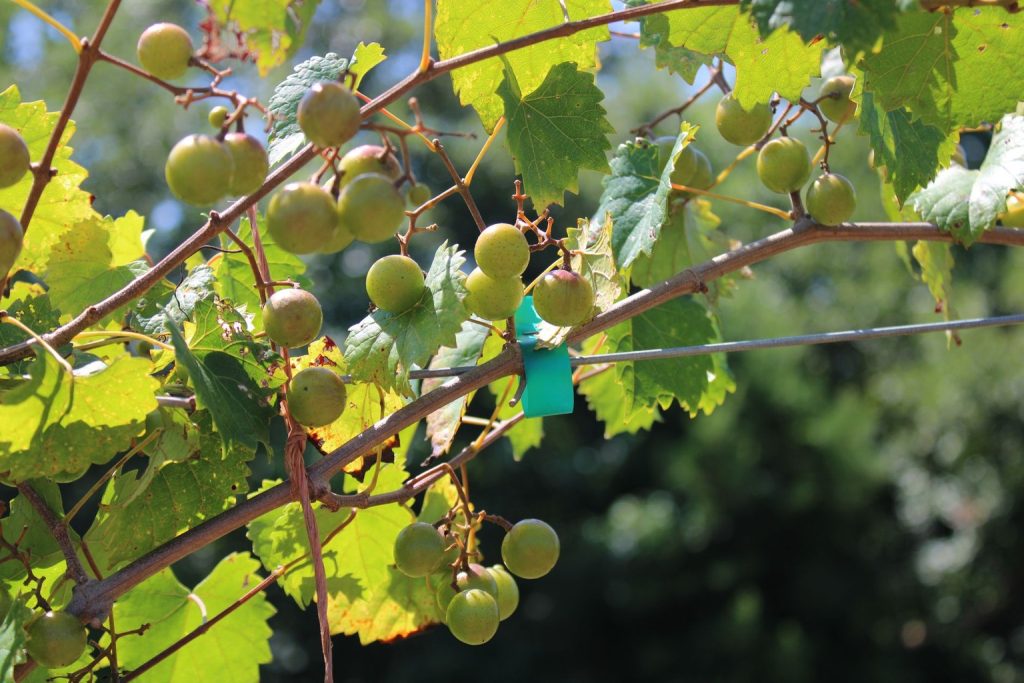
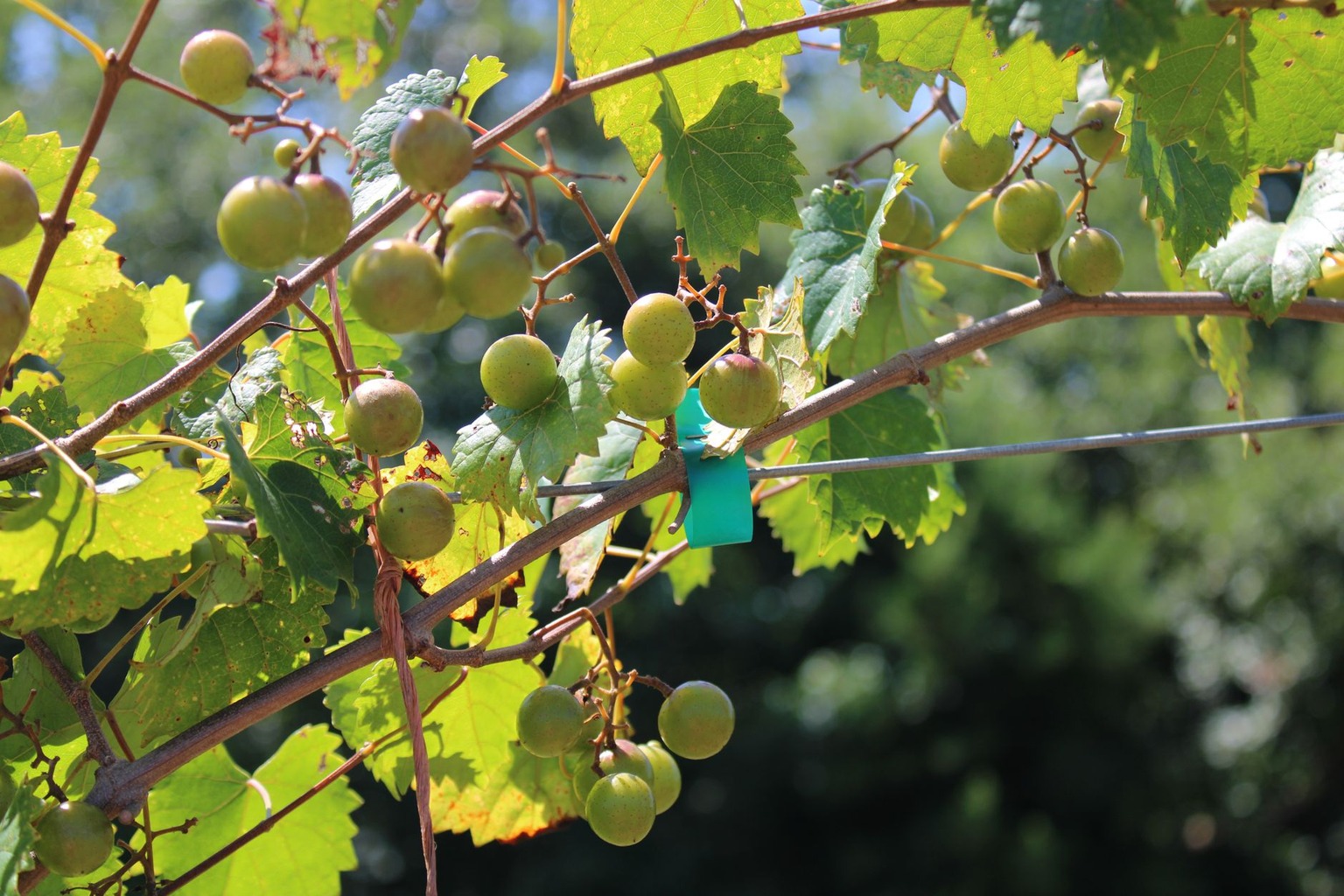
Other recommended Louisiana grape varieties include Norton, which is known for its deep color and full-bodied reds, and Muscadine grapes native to the southeastern U.S. Muscadines have thick skins that resist pests and diseases and yield sweet, fruity wines. When selecting grape varieties, focus on those with proven track records in Louisiana or similar climates to reduce the need for chemical interventions and improve vineyard sustainability.
Step Two: Preparing the Vineyard and Planting Louisiana Grape Varieties
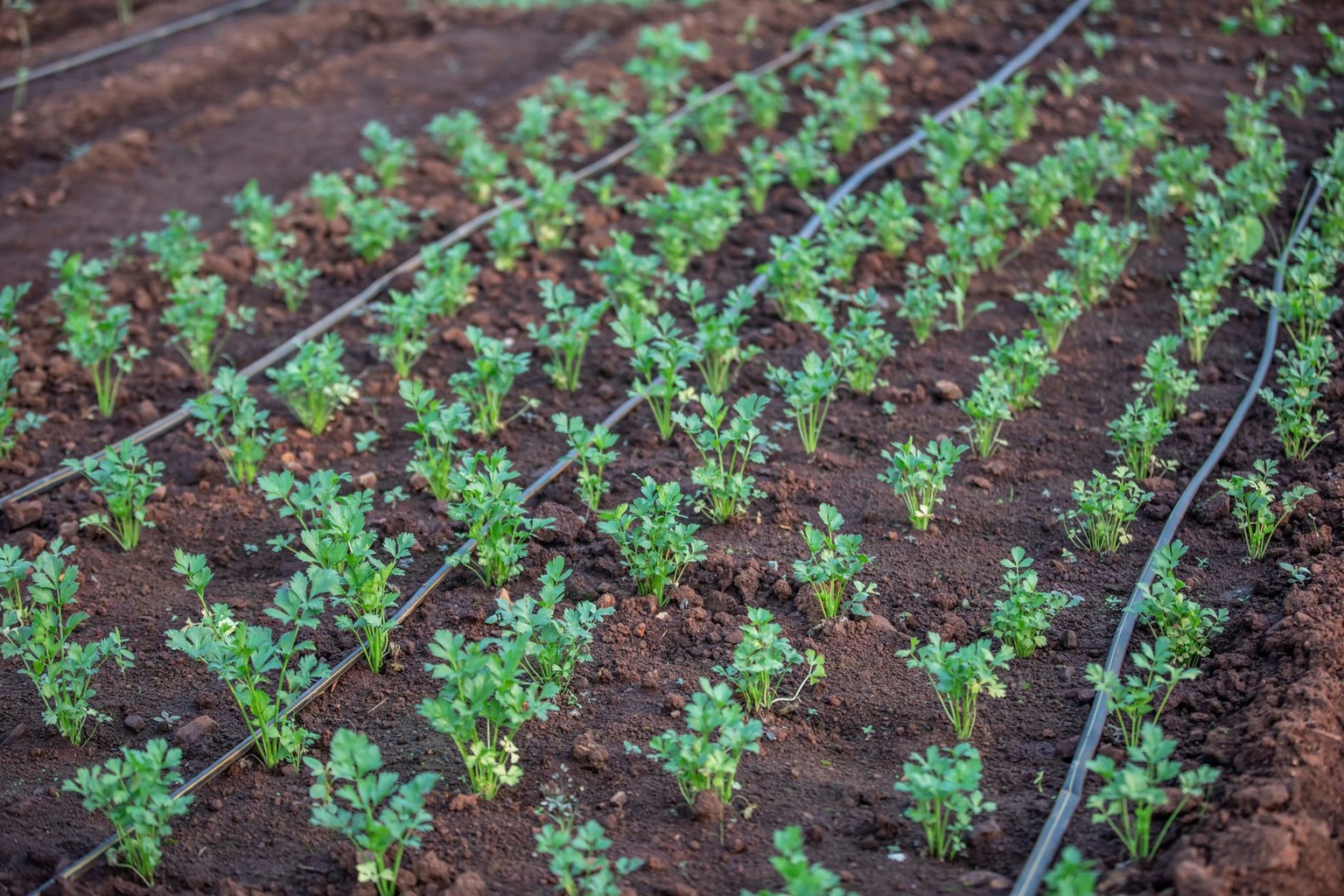
Once the grape varieties are selected, preparing the vineyard properly is the next step to ensure healthy vine establishment. Clearing the land of competing vegetation and tilling the soil to improve aeration and drainage are critical. Installing raised rows or mounds can help prevent waterlogging in heavy soils common to Louisiana. It is also advisable to install drip irrigation systems to provide consistent moisture without encouraging fungal disease through overhead watering.
If you want to learn more, The Gardening Channel With James Prigioni covers this exact topic—you can watch it right here.
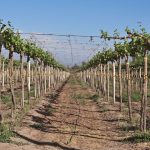
Timing of planting is another important consideration. In Louisiana, planting vines in early spring after the last frost is best to allow roots to establish before the heat and humidity of summer. Spacing between vines should accommodate the growth habits of your chosen Louisiana grape varieties, typically ranging from 6 to 8 feet apart to maximize airflow and sunlight penetration. Proper trellising systems, such as vertical shoot positioning, support vine structure and improve exposure to sunlight, further reducing disease pressure.
Step Three: Managing Vineyard Health and Disease Control
Effective disease management is ongoing in Louisiana vineyards due to the state’s humid climate. Regular monitoring for signs of powdery mildew, downy mildew, and black rot is crucial to catch infections early. Using fungicides strategically, rather than routinely, helps prevent resistance buildup and minimizes chemical use. Cultural practices such as canopy management to improve airflow, removing infected leaves, and maintaining weed control also contribute to disease suppression.
Vine nutrition plays a role in disease resistance. Balanced fertilization based on soil and tissue testing ensures the vines are neither over- nor under-fertilized, which can affect their vulnerability to pathogens. Additionally, applying mulch around vines helps regulate soil moisture and temperature, reducing stress on the plants. Consistent record-keeping of vineyard conditions, treatments, and weather patterns supports proactive decision-making to maintain the health of Louisiana grape varieties.
Step Four: Harvesting and Processing Louisiana Grape Varieties for Optimal Wine Quality
Harvest timing is critical to maximizing the quality of wines made from Louisiana grape varieties. Sugar levels, acidity, and flavor development must be balanced, which can vary depending on the variety and vintage conditions. Using a refractometer to measure Brix (sugar content) and tasting grapes regularly allows vintners to choose the ideal harvest window. Early harvesting may preserve acidity and freshness, while later picking can enhance body and complexity but risks overripeness or disease.
After harvest, prompt and gentle handling of grapes minimizes oxidation and damage. Sorting to remove underripe or diseased fruit improves the final wine’s quality. Depending on the grape variety, winemakers may adjust fermentation temperature and techniques to highlight the unique characteristics of Louisiana grape varieties. For example, Blanc du Bois wines often benefit from cooler fermentations to preserve delicate aromatics, while Norton reds may require extended maceration for color extraction.
Step Five: Common Mistakes to Avoid When Growing Louisiana Grape Varieties
One frequent mistake is planting unsuitable grape varieties that lack disease resistance or adaptability to Louisiana’s climate. This often leads to heavy chemical use, poor yields, and disappointing wine quality. Another error is neglecting site preparation, resulting in poor drainage and root health problems. Overcrowding vines or using inadequate trellising can increase disease incidence by limiting airflow and sunlight exposure. Inexperienced growers sometimes also fail to monitor vineyard health regularly, allowing diseases to spread unchecked.
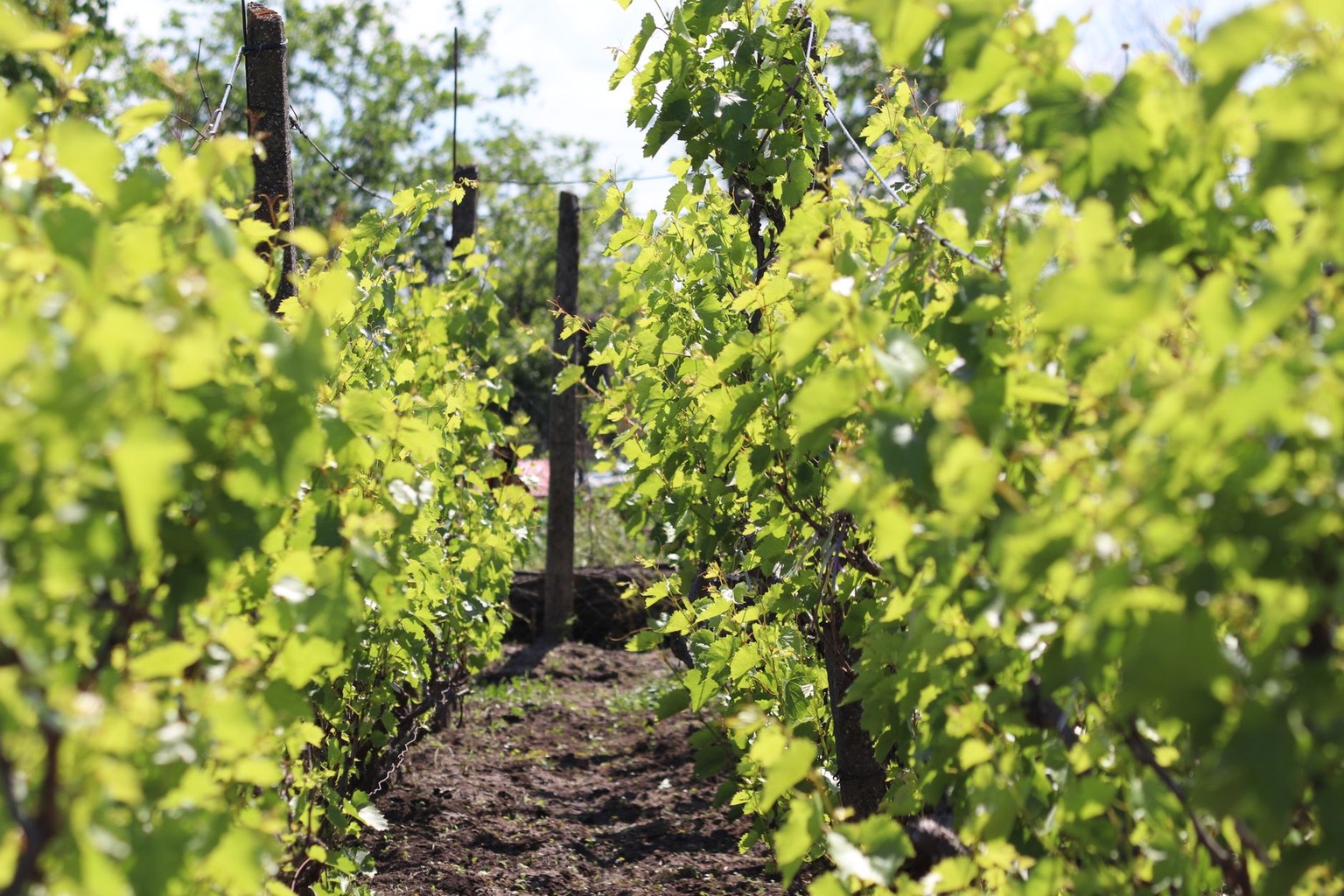
Ignoring soil testing and nutrient management can cause vine stress, which compromises both growth and fruit quality. Additionally, improper irrigation practices, such as overhead watering during the hot season, exacerbate fungal problems. Avoiding these common pitfalls through careful planning and attentive vineyard management is key to successful cultivation of Louisiana grape varieties.
Step Six: Tips for Enhancing Vineyard Success with Louisiana Grape Varieties
Integrating cover crops between vine rows helps improve soil structure, reduce erosion, and promote beneficial insects, which in turn can reduce pest pressure. Selecting rootstocks that confer resistance to nematodes and adapt well to Louisiana’s soils enhances vine longevity and vigor. Employing modern vineyard technology, such as soil moisture sensors and weather stations, supports precise irrigation and disease forecasting, optimizing vineyard inputs.
Collaboration with local viticulture experts and participation in regional grower networks can provide invaluable insights specific to Louisiana grape varieties. Trialing small blocks of new varieties before full-scale planting minimizes risk. Lastly, focusing on sustainable and organic practices not only benefits the environment but often results in healthier vines and more expressive wines, which appeal to today’s discerning wine consumers.

Winemaker with 12 years in the cellar. I write about fermentation, terroir, and the honest mistakes that taught me more than any textbook. I’ve ruined more barrels than most people have tasted. That’s not a disclaimer — that’s a résumé. Twelve years making wine in France, now making sense of it in words.