
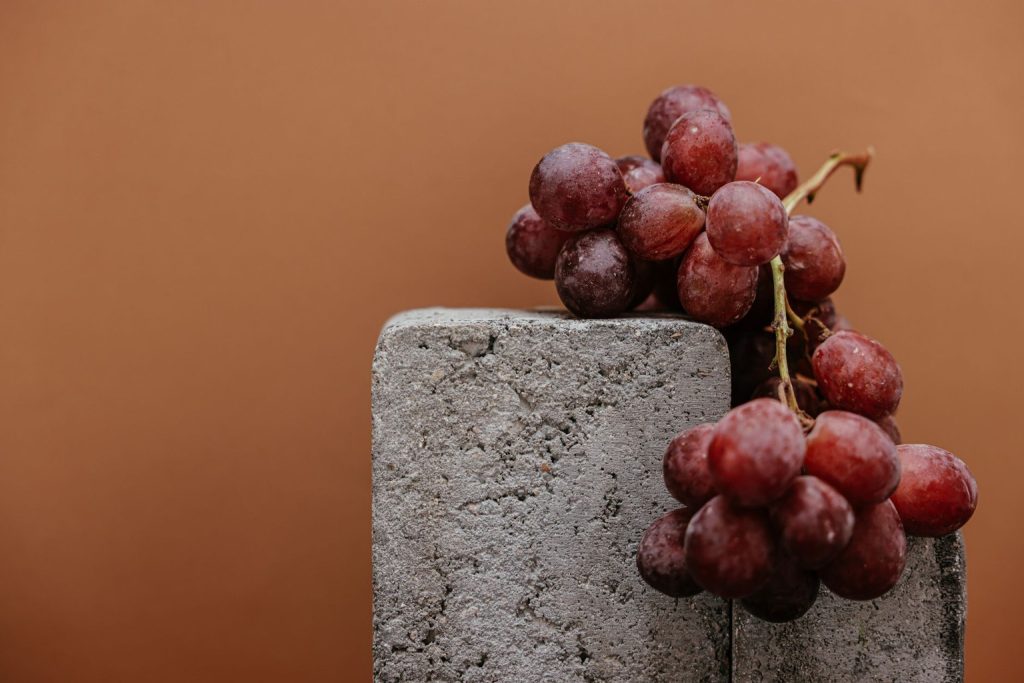
In the rolling hills of the South, two grape names surface whenever conversation turns to native varieties. One carries a brand that has become nearly synonymous with the region’s fruit wine identity, while the other represents a broader family of vines that have shaped the area’s agricultural landscape for generations. Understanding how these two compare offers insight into what each brings to a glass, and why one might edge out the other depending on the style being crafted. This breakdown looks at the practical differences, the chemistry behind the flavors, and what each means for producers navigating the current market.
Heritage and Regional Identity
The name Scuppernong often appears as a shorthand for any large, bronze-colored muscadine found growing wild along fence rows and riverbanks. Historically, the original Scuppernong vine in North Carolina was designated the state fruit, and its legacy looms large over the industry. Muscadine, by contrast, is the botanical umbrella under which Scuppernong sits, alongside dozens of other selections that vary in skin thickness, sugar content, and disease resistance. For a producer rooted in this terroir, the distinction matters not just for labeling, but for choosing which vine to graft, which to harvest, and how to market the final product. The cultural weight of Scuppernong can be a powerful branding tool, but it can also box a winemaker into a narrow style if they are not careful about the broader palette muscadines offer.
When walking through a vineyard in late summer, the visual difference is immediate. Scuppernong berries tend to be a uniform golden-bronze, almost metallic in their sheen, while other muscadine selections can range from deep purple to nearly black. This color variance stems from anthocyanin levels, which also influence the mouthfeel and aging potential of the wine. A winemaker interested in blending or creating a cuvée will find more flexibility among the broader muscadine family, yet the allure of a pure Scuppernong bottling remains strong for those chasing a specific nostalgic profile. The choice often comes down to whether the goal is to honor tradition or to explore the full spectrum of what the vine can produce.
Sugar, Acidity, and Fermentation Profile
From a technical standpoint, the chemical makeup of these grapes dictates much of what happens during fermentation. Muscadine grapes generally possess a higher natural sugar content than many European vinifera varieties, often registering between 20 and 24 Brix at harvest depending on the year and site conditions. This sugar richness translates into higher potential alcohol, which can be an advantage for those aiming for fortified styles or simply a bigger, rounder mouthfeel. However, the accompanying acidity profile is equally important; muscadines typically carry a lower malic acid content, meaning the perceived tartness can feel softer, almost creamy on the palate.
Scuppernong, as a specific selection, often exhibits a slightly different balance. The berries tend to be larger, which dilutes the skin-to-pulp ratio. Since much of the color, tannin, and aromatic compounds reside in the skin, a larger berry can result in a wine that feels less structured if the skins are not handled with care. Fermentation temperature control becomes critical here; if the heat gets too high, the delicate floral notes that some Scuppernong selections are known for can vanish quickly. Producers who understand these nuances can coax out a wine that feels both lush and balanced, rather than simply jammy or flabby.
Disease Resistance and Vineyard Management
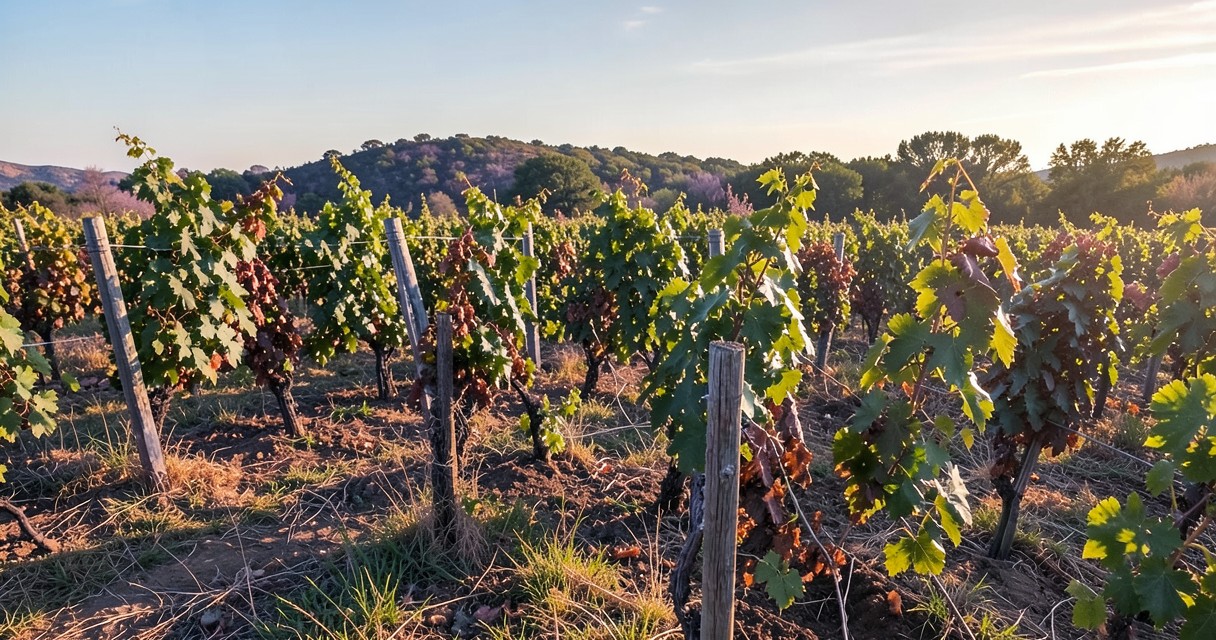
One of the primary reasons muscadines have thrived in the Southeast is their innate resistance to many of the fungal pressures that plague vinifera. Pierce’s disease, downy mildew, and black rot are significantly less problematic in a muscadine block, which means fewer sprays and lower input costs over the life of the vine. This resilience is a major draw for growers who want to minimize chemical interventions while still producing a marketable crop. Scuppernong vines inherit this robustness, but they also carry the quirks of their specific genetics, including a tendency toward uneven ripening if the season stretches too dry or too wet.
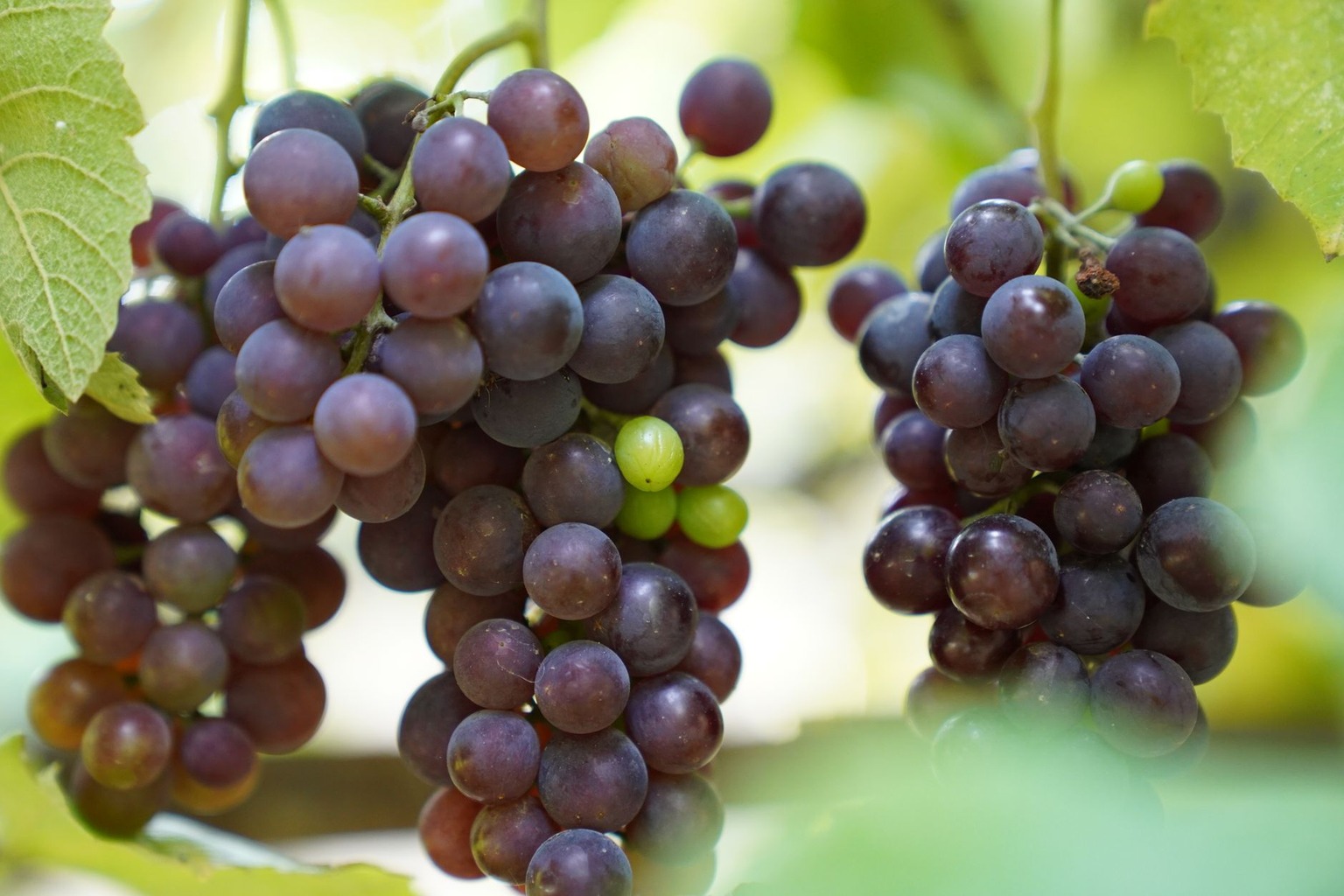
For the vineyard manager, this means the pruning strategy must adapt. Muscadines fruit on the current season’s growth, so a more aggressive annual prune is required to manage crop load and ensure sunlight reaches the developing clusters. Scuppernong, while similar in this regard, often benefits from a slightly more open canopy to prevent the berries from splitting during heavy rain events, which can ruin a harvest quickly. The genetic differences also affect rootstock compatibility; some muscadine selections perform better on certain soils, whether that is the sandy loams of the coastal plain or the heavier clays further inland. Matching the clone to the site is where the real winemaking advantage lies.
Flavor Spectrum and Consumer Perception
Tasting through a flight of Muscadine-based wines reveals a surprisingly wide range. Some expressions burst with notes of tropical fruit, such as pineapple and mango, especially when the grapes are harvested at peak ripeness and minimal skin contact is employed. Others lean into the characteristic musky, almost muscadine “cattiness” that longtime fans of the variety describe as earthy and complex. This spectrum is where the debate between Scuppernong and the broader muscadine category often plays out in the tasting room. A pure Scuppernong wine tends to showcase a cleaner, brighter fruit profile, often with a distinct honeyed note that can make it approachable for those new to the variety.
Consumer perception, however, is shaped as much by marketing as by chemistry. In recent years, there has been a push to rebrand muscadine not just as a sweet, dessert-style wine, but as a serious table wine capable of standing alongside traditional whites and reds. This shift has led some producers to experiment with skin contact methods borrowed from orange wine production, aiming to extract more structure and tannin without veering into heavy, cloying territory. The result can be a wine that feels both familiar and novel, appealing to a demographic that appreciates local authenticity but also seeks complexity.
Commercial Viability and Market Trends
Looking at the broader market, the question of which grape “wins” often comes down to distribution and consumer familiarity. Scuppernong benefits from a built-in story, the state fruit, the heritage vine, the rustic charm of wild harvests. This narrative makes it an easier sell at farmers’ markets and tourist tasting rooms, where visitors are looking for a tangible connection to the place they are visiting. Muscadine, as a category, requires a bit more education, but it also offers more room for premiumization. A well-crafted muscadine reserve, aged in oak or bottled after a period of bottle aging, can command a price point that competes with entry-level vinifera wines, especially in regions where the local identity is a selling point.
Industry reports from the past few years show a steady increase in demand for locally sourced, unique varietals, and both grapes sit comfortably in that trend. However, the rising interest in lower-alcohol, sessionable wines has favored the natural attributes of muscadine, which can be crafted into styles that are lighter in body yet still packed with flavor. For a producer in 2026, the decision may not be about picking a winner across the board, but rather about aligning the grape selection with the specific brand story they want to tell and the audience they aim to reach. The market is large enough to support both, provided the quality and storytelling hit the mark.
Aging Potential and Style Versatility
When it comes to cellaring, the conventional wisdom has long been that muscadine wines are best enjoyed young, within a couple of years of release, to preserve their fresh fruit character. The tannin structure, while present, is often soft and can become muted or overly oxidative if left too long. However, there is a growing body of work from boutique producers who are pushing the boundaries, experimenting with extended lees contact and neutral oak aging to build a framework that can support a longer lifespan. These attempts are slowly shifting the perception that muscadine is merely a “drink now” proposition.
Scuppernong, with its typically lighter body and higher perceived acidity, often follows the “young and fresh” model more closely. A bottling released within twelve to eighteen months usually shows the best balance of fruit and freshness. That said, there are examples of Scuppernong wines that have been cellared for three years or more, developing secondary notes of toast, dried apricot, and a subtle nuttiness that can be quite appealing to the patient drinker. The key, as with any wine, is the balance between fruit, acid, and whatever structural elements the winemaker chooses to emphasize during the production process. For those tracking the evolution of these wines in the cellar, the differences between early drinking and aged potential offer a fascinating study in how a native grape can evolve over time.

Winemaker with 12 years in the cellar. I write about fermentation, terroir, and the honest mistakes that taught me more than any textbook. I’ve ruined more barrels than most people have tasted. That’s not a disclaimer — that’s a résumé. Twelve years making wine in France, now making sense of it in words.