Introduction to Wine Aromatics
Wine aromatics refer to the complex and varied scents that arise from a wine, which play a crucial role in the overall wine tasting and appreciation experience. These aromas, often described as the wine’s bouquet or nose, are the fragrant compounds emitted by the wine that engage our sense of smell long before the first sip touches our palate. Understanding wine aromatics is fundamental to both novice and seasoned wine enthusiasts as they provide a preview of the wine’s character, origin, and even its quality.
At its core, wine aroma basics involve identifying and interpreting the different scent notes that wines present. These can range from fruity and floral to earthy, spicy, or woody aromas. Each wine variety and even each vineyard location imparts its own unique aromatic profile, shaped by factors such as grape type, fermentation processes, aging methods, and terroir. Recognizing these nuances heightens your appreciation and deepens your understanding of the wine’s story.
Wine aromatics are essential not only for enjoyment but for the sensory experience that defines wine tasting. The nose of the wine primes the palate, setting expectations for taste and mouthfeel. Aromas stimulate olfactory receptors, creating memories and emotional connections that can influence how we perceive the flavor and texture of the wine. This sensory interplay enhances the pleasure and complexity of wine drinking, making it a richer and more immersive activity.
Moreover, wine aromatics can also serve as indicators of wine quality and condition. The presence of clean, vibrant aromas usually signals a well-crafted wine, while off-putting or muted scents can hint at flaws or spoilage. Learning to detect and interpret these signals is a valuable skill for anyone looking to refine their tasting abilities and select wines with confidence.
In summary, wine aromatics are not just about scent but are a gateway to understanding the complexity and uniqueness of each wine. By developing an awareness of these aromatic elements, individuals enhance their sensory experiences and unlock deeper levels of wine appreciation, transforming each tasting into a journey of discovery.
Definition and Importance of Aromatics
Aromatic compounds in wine are the chemical substances responsible for the complex and enticing smells that define each bottle. These compounds derive from various sources such as grapes, fermentation processes, and aging techniques, all combining to create a unique sensory experience. Understanding these compounds is crucial to fully appreciating wine’s aromatic profile, which plays a significant role in the overall wine aroma importance.
The presence of aromatic compounds contributes directly to the sensory attributes of wine. They influence what we detect through smell and also shape our flavor perception when tasting. This connection between aroma and taste is vital because much of what we interpret as flavor actually comes from the aromatic qualities sensed by our olfactory system. Therefore, recognizing and identifying aromatic compounds enhances wine tasting enjoyment and deepens our appreciation for the complexities of different wines.
Moreover, aromatic compounds act as markers for authenticity and quality in wines. They provide clues about grape variety, terroir, and winemaking methods. For enthusiasts and professionals alike, the role of aromatics becomes a guide to understanding wine’s character beyond just its appearance or sweetness. In sum, these compounds are key to unlocking the rich, nuanced world of wine flavor and aroma, making them indispensable to the wine tasting experience.
How Wine Aromatics Develop
The development of aromas in wine is primarily driven by complex biological and chemical processes that occur during fermentation and aging. Initially, fermentation plays a crucial role as yeast consumes the sugars in grape juice, converting them into alcohol and carbon dioxide. This metabolic activity produces a variety of aromatic compounds, including esters, aldehydes, and higher alcohols, which contribute to the fresh and fruity notes often found in young wines.
Following fermentation, the aging process further transforms the aromatic profile of wine through intricate chemical reactions. During aging, whether in oak barrels or stainless steel tanks, wine undergoes oxidation, esterification, and polymerization reactions. These reactions lead to the development of more complex and nuanced aromas, such as spicy, nutty, and woody characteristics. The interaction with oak also imparts additional compounds like vanillin and tannins, enriching the aromatic complexity.
Throughout these stages, temperature, oxygen exposure, and the presence of various microbes influence the pace and nature of aroma development. The chemical reactions continue subtly even after bottling, allowing some wines to mature and improve in aroma over years. Understanding the biological and chemical foundations of aroma development helps winemakers control and enhance the sensory qualities of their wines, resulting in distinctive and memorable aromatic experiences.
Types of Wine Aromas
Wine aromas are generally classified into three main categories: primary aromas, secondary aromas, and tertiary aromas. Understanding these aroma categories helps wine enthusiasts and professionals alike to better appreciate the complexity and character of a wine.
Primary aromas originate directly from the grape itself. These are the fresh, fruity, floral, and herbal scents that are inherent to the grape variety used to make the wine. For example, primary aromas in a Sauvignon Blanc might include notes of grapefruit, green bell pepper, and fresh-cut grass, while a Pinot Noir could display strawberry, raspberry, and violet aromas. These aromas form the foundation of the wine’s aromatic profile and are most noticeable in young wines.
Secondary aromas develop during the winemaking process, especially through fermentation and other techniques such as malolactic fermentation and aging in oak barrels. These aromas often add complexity and richness to the wine. Examples of secondary aromas include buttery or creamy notes from malolactic fermentation, yeasty or bready scents reminiscent of fresh bread, and vanilla or spice aromas from oak aging. A Chardonnay aged in oak barrels is a classic example where secondary aromas like vanilla, toast, and butterscotch come to the forefront, complementing the primary fruit aromas.
Tertiary aromas are the result of aging, either in the bottle or in barrel over an extended period. These aromas evolve and develop complexity as the wine matures, often manifesting as earthy, nutty, or dried fruit characteristics. Common tertiary aroma notes include leather, mushroom, tobacco, dried figs, and cedar. For instance, a well-aged Bordeaux or Barolo will typically exhibit these tertiary aromas, signaling a wine that has successfully evolved over time to offer a layered and nuanced sensory experience.
In summary, recognizing the distinctions between primary, secondary, and tertiary aromas enriches the wine tasting experience. By identifying these aroma categories, one can better appreciate how a wine’s character is shaped from vineyard to bottle, from grape to glass.
Primary Aromas: Fruit, Floral, and Herbal
Primary aromas are the initial scents you perceive in wine that come directly from the grape varieties used in its production. These aromas play a crucial role in defining the character and identity of a wine. Among the most common primary aromas are fruit aromas, floral aromas, and herbal aromas, each contributing unique sensory experiences.
Fruit aromas are perhaps the most familiar, encompassing a wide range of scents depending on the grape type and its ripeness at harvest. These can include berries, citrus, tropical fruits, and stone fruits, which add vibrancy and appeal to the wine. For instance, a Sauvignon Blanc might showcase crisp citrus and green apple notes, while a Pinot Noir often reveals cherry and raspberry nuances.
Floral aromas provide a delicate, fragrant dimension to wine. These scents can range from subtle hints of jasmine and rose to more pronounced elderflower and violet notes. Floral aromas often bring elegance and finesse, enhancing the complexity of the wine without overwhelming the palate. Varieties like Gewürztraminer and Muscat are especially known for their pronounced floral qualities.
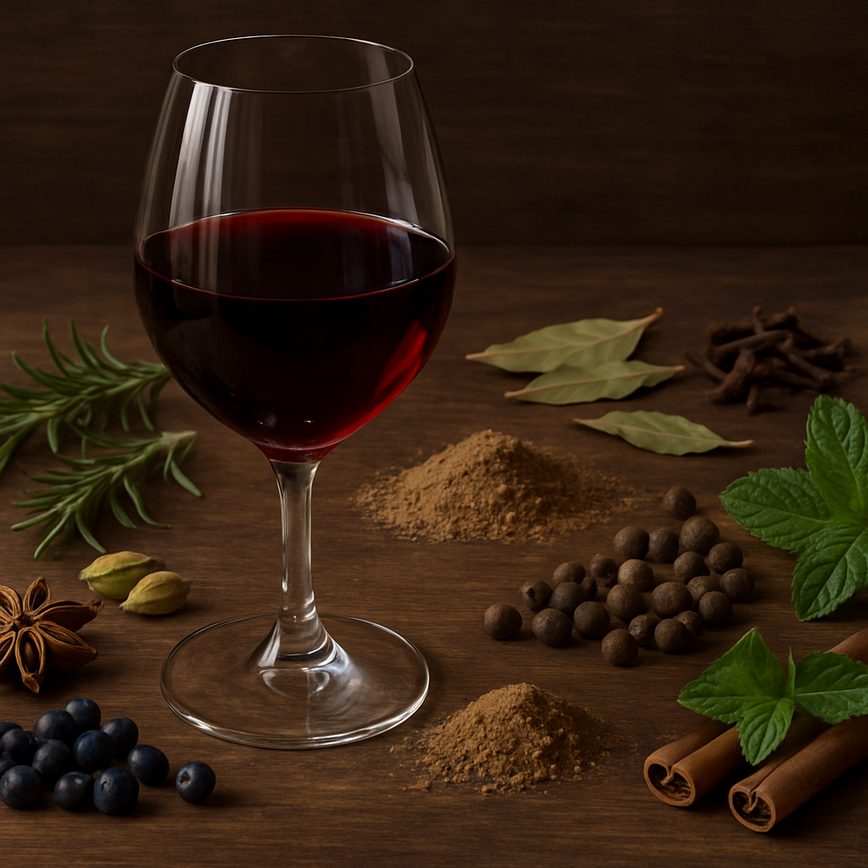
Herbal aromas impart fresh, green, and sometimes slightly spicy elements to the wine. They can include scents such as freshly cut grass, mint, thyme, or eucalyptus. These aromas often highlight the varietal character and can reflect the terroir where the grapes were grown. Herbal notes are commonly found in wines like Cabernet Sauvignon and Sauvignon Blanc, adding an intriguing layer to the wine’s aromatic profile.
Understanding these primary aromas is essential for appreciating the complexity and nuances of different wines. Recognizing fruit aromas, floral aromas, and herbal aromas helps wine enthusiasts identify grape varieties and anticipate the wine’s flavor profile, enriching the overall tasting experience.
Secondary Aromas: Fermentation Influences
Secondary aromas arise during the winemaking process, particularly through fermentation and malolactic conversion, adding layers of complexity to the wine’s overall profile. Unlike primary aromas that come directly from the grape, secondary aromas develop as a result of yeast activity during alcoholic fermentation and bacterial action during malolactic fermentation.
During alcoholic fermentation, yeast plays a crucial role in transforming grape sugars into alcohol, releasing a variety of fermentation aromas in the process. These can include fruity and spicy notes such as banana, clove, and bubblegum, which are often linked to specific yeast strains used by the winemaker. This yeast influence enriches the wine’s bouquet and enhances its aromatic depth.
Following this, malolactic fermentation—a secondary bacterial conversion—transforms sharp malic acid into softer lactic acid, resulting in creamy and buttery aromas. This process not only mellows the wine’s acidity but also introduces subtle secondary aromas like buttery, nutty, and even smoky nuances. These fermentation aromas contribute significantly to the wine’s complexity, creating a multi-dimensional sensory experience.
Understanding the role of secondary aromas provides deeper insight into the winemaking process and the intricate balance that defines quality wine. The combination of yeast influence and malolactic fermentation works harmoniously to produce wines that are not only structurally sound but richly aromatic, elevating the tasting experience for enthusiasts and connoisseurs alike.
Tertiary Aromas: Aging and Maturation
Tertiary aromas, often referred to as aging aromas, develop during the wine maturation process, significantly shaping the wine’s final profile. These aromas emerge as the wine evolves in the bottle or barrel over time, adding complexity beyond the primary fruit and secondary fermentation notes. One of the most influential factors in producing tertiary aromas is the oak influence, which imparts distinctive scents such as vanilla, toast, and spice. Oak barrels allow subtle oxidation and interaction with the wood compounds, creating richer and more layered aromatics.
As wine ages, it also takes on earthy notes that evoke forest floor, leather, tobacco, or even mushroom scents, depending on the grape variety and storage conditions. These aging aromas contribute to the depth and sophistication of the wine, often increasing its appeal to experienced wine enthusiasts who appreciate the complexity resulting from extended maturation. The combination of oak influence and natural evolution within the bottle produces a harmonious balance between freshness and developed character.
Understanding tertiary aromas is essential for appreciating how aging unlocks a wine’s full potential. The maturation process softens harsh tannins and integrates flavors, enhancing the wine’s bouquet with subtle nuances of spice, wood smoke, and dried herbs. This transformation highlights the artistry of winemaking, where patient aging results in a unique sensory experience that evolves with every sip. Ultimately, tertiary aromas like oak and earthy notes play a crucial role in defining the wine’s personality and enjoyment over time.
Tips for Identifying and Appreciating Wine Aromatics
Understanding wine aromatics is a skill that enhances your overall wine tasting experience. To master aroma identification, it’s essential to engage in mindful sensory evaluation and practice specific techniques that help unlock the diverse scents present in wine.
Begin by pouring the wine into a clear glass and observing it visually. Swirling the wine gently encourages oxygen to interact with it, releasing volatile compounds responsible for its aroma. Take a moment to inhale deeply with the glass tilted slightly to concentrate the aromas at the rim. This focused smelling will improve your ability to distinguish subtle notes.
When approaching aroma identification, try to separate the scents into categories such as fruity, floral, herbal, spice, or earthy. Developing a mental library of these common wine aromas takes practice but will deepen your appreciation of the wine’s complexity. Consider writing down the aromas you detect for better retention and to track your progress over time.
Another effective wine tasting tip is to cleanse your palate between sips. Use plain water or unsalted crackers to neutralize lingering flavors and aromas, allowing you to reset your sensory evaluation skills. This habit ensures that each sip offers a fresh and unbiased opportunity to appreciate the wine’s aromatic profile.
Remember that your environment can influence your perception of aromas. Wine tasting in a neutral-smelling space reduces distractions and external scents that might interfere with your sensory evaluation. Additionally, tasting wine at the right temperature can impact aromatic expression; too cold and aromas may be muted, too warm and alcohol notes might overpower subtleties.
Engaging your memory and imagination is also valuable. Compare new aromas to familiar scents from nature, food, or even flowers to make identification easier. With consistent practice, you’ll find it increasingly enjoyable and rewarding to appreciate aromatics, elevating your wine tasting adventures to a more sophisticated level.
Techniques for Smelling Wine
Proper wine smelling techniques are essential to fully appreciate the complex aromatics of any wine. Using the right glassware, swirling the wine correctly, and allowing aeration each play a vital role in enhancing your sensory experience.
- Choose the proper glassware: Select a clear, tulip-shaped wine glass with a narrow rim that tapers inward. This shape concentrates the wine’s aromas towards your nose, allowing you to detect subtle notes more easily.
- Pour a modest amount: Pour about one-third of the glass. This gives the wine enough space to release its aromatics while providing room for swirling.
- Swirl the wine gently: Hold the glass by the stem and give it a slow, circular swirl. This motion helps oxygen interact with the wine, releasing more aromatic compounds into the air.
- Allow aeration: Let the wine rest briefly after swirling, typically 15 to 30 seconds. This pause allows the wine to “open up,” intensifying the bouquet of scents before smelling.
- Smell deeply and deliberately: Bring the glass to your nose and inhale gently but deeply. Try to identify layers of aroma—fruits, flowers, spices, earthiness—which each reveal the wine’s character and complexity.
By using these wine smelling techniques—proper glassware selection, careful swirling, and allowing for aeration—you enhance your ability to detect the full spectrum of a wine’s aromatics, enriching your tasting experience.
Common Aromas and How to Recognize Them
Common wine aromas are the foundation of any wine tasting experience. These aromas can range from fruity notes like berries, citrus, and stone fruits, to floral hints such as lavender and rose, to earthy and spicy scents including leather, tobacco, and pepper. Recognizing aromas in wine requires practice and a focused approach. One effective strategy is to use sensory memory—connecting the aroma you detect to familiar smells in your everyday life. This helps train your nose and enhances your ability to distinguish subtle differences between wines.
The wine aroma wheel is an invaluable tool for anyone looking to deepen their understanding and recognition of common wine aromas. Developed to categorize and visually represent the vast array of scents found in wine, the aroma wheel breaks down complex aromas into broad groups and further into specific scent notes. By referencing this tool during tastings, you can systematically identify and name what you’re smelling, turning vague impressions into clear sensory experiences.
Combining the wine aroma wheel with sensory memory amplifies your ability to recognize aromas over time. As you associate each scent with real-world objects or experiences, your sensory memory strengthens, allowing you to recall and identify aromas more quickly. This practice not only enriches your tasting experience but also builds confidence in your wine evaluations and discussions.

Winemaker with 12 years in the cellar. I write about fermentation, terroir, and the honest mistakes that taught me more than any textbook. I’ve ruined more barrels than most people have tasted. That’s not a disclaimer — that’s a résumé. Twelve years making wine in France, now making sense of it in words.