Introduction to Wine Labels
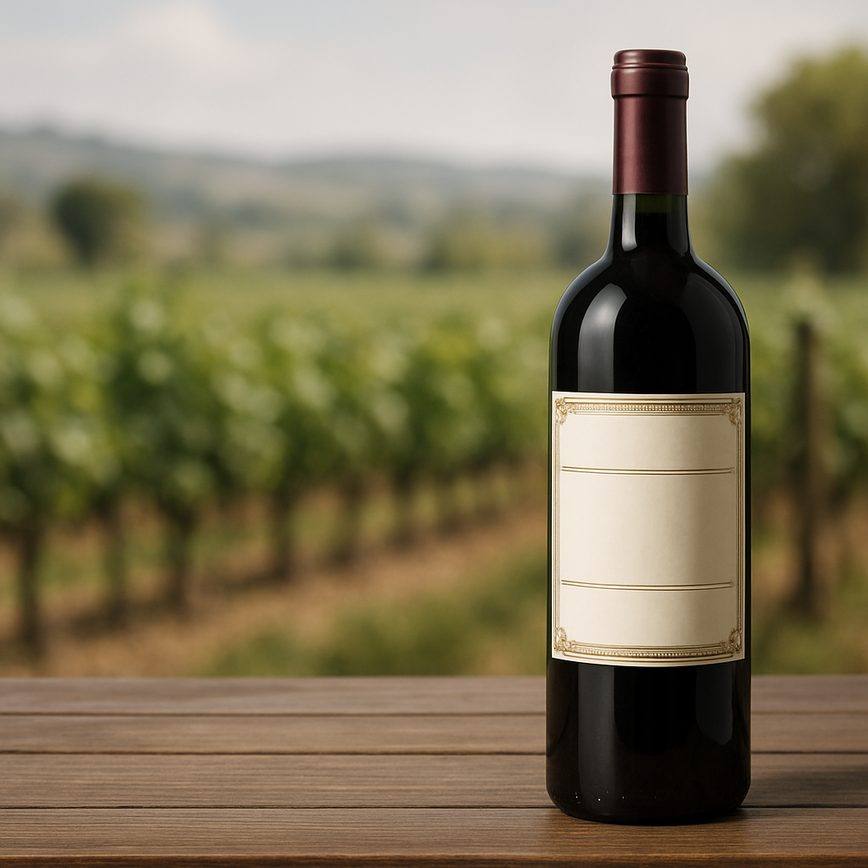
Wine labels serve as the first point of contact between the consumer and the bottle, making them a crucial aspect of wine packaging. They provide essential information about the wine’s origin, grape variety, vintage, and the producer, which helps buyers make informed choices. Understanding wine labels is important not only for casual consumers who want to select a wine that suits their taste but also for collectors who seek specific vintages or regions to add to their collection.
The importance of wine labels goes beyond mere identification. A well-designed label often reflects the quality and style of the wine inside the bottle. It can convey the winemaker’s philosophy, the terroir, and sometimes even the story behind the wine, adding an emotional connection for the buyer. In a market flooded with options, labels act as a guide, helping consumers differentiate between wines and identify the one they desire.
For collectors, reading wine labels is essential as it ensures the authenticity and provenance of the bottle. Labels provide critical details like the appellation, alcohol content, and vintage year—all vital for assessing the wine’s value and aging potential. Accurate label reading helps avoid counterfeit products and supports the collector in making strategic decisions about buying, storing, and selling wine.
In summary, wine labels are more than just decorative elements; they are an integral part of the wine experience. Whether you’re a casual drinker selecting a bottle for dinner or an avid collector hunting for that rare vintage, understanding the information conveyed on wine labels enhances your appreciation and ensures you get exactly what you’re looking for. This highlights why label importance should never be underestimated in the world of wine packaging.
Why Wine Labels Matter
Wine labels play a crucial role in guiding consumers through the vast and often confusing world of wine selection. They provide essential information that allows buyers to make informed decisions when choosing a bottle. Understanding the label importance helps demystify the product, offering details about the wine’s origin, grape variety, vintage, and producer. These elements together give insight into what one might expect in terms of flavor, quality, and style.
For many consumers, the label acts as a trustworthy source of guidance, especially when navigating unfamiliar wines. It can indicate if the wine is from a renowned region or produced with specific methods such as organic or sustainable farming. Additionally, labels often include tasting notes and alcohol content, which further aid in selection by aligning the wine’s profile with personal preferences. This consumer guidance is invaluable, reducing the guesswork and enhancing the overall wine buying experience.
Ultimately, the label importance extends beyond mere decoration—it is an informative tool designed to educate and assist consumers. Whether you are a casual buyer or a wine enthusiast, familiarizing yourself with wine labels empowers you to choose bottles that suit your taste and occasion, making each purchase more satisfying and enjoyable.
Common Elements on Wine Labels
Wine labels provide essential wine info through a variety of label elements that help consumers identify and understand the contents of the bottle. One of the most prominent components is the grape variety, which indicates the type of grapes used to make the wine, such as Cabernet Sauvignon, Merlot, or Chardonnay. This element gives insight into the flavor profile and style of the wine.
Another key element is the region or appellation, specifying the geographical area where the grapes were grown. This can influence the wine’s characteristics due to climate, soil, and local winemaking traditions. Labels may show specific regions like Napa Valley, Bordeaux, or Tuscany, helping drinkers associate the wine with certain quality standards or taste expectations.
The vintage year is also a common feature on wine labels, indicating the year the grapes were harvested. Vintage can affect the wine’s taste and quality since weather conditions vary yearly. This element helps consumers select wines from a preferred or renowned vintage, offering a clue about the wine’s age and potential complexity.
Lastly, the alcohol content is typically displayed on the label, expressed as a percentage by volume. This informs consumers about the strength and body of the wine. Together, these label elements form a crucial label format that conveys comprehensive wine info, aiding buyers in making informed choices.
Decoding the Information on Wine Labels
When it comes to decoding labels on wine bottles, understanding the key terms and numbers can transform your buying experience and appreciation of the wine itself. Wine labels are packed with important wine details that offer insights into the wine’s origin, composition, and quality. Learning label interpretation helps you make informed choices and discover new favorites with confidence.
One of the first things to look for is the grape variety or varietal. This information tells you which type of grape was used to produce the wine, such as Cabernet Sauvignon, Chardonnay, or Merlot. Knowing the varietal can help you predict the flavor profile, acidity, and body of the wine. In some regions, especially in Europe, wine labels focus more on the appellation or origin rather than the grape name, which indicates where the grapes were grown and can hint at the wine’s style and characteristics.
Another important detail is the vintage year, which indicates the year the grapes were harvested. This number is crucial for wine enthusiasts because climate conditions vary year by year and can affect the taste and quality of the wine. A label might also include terms like “Reserve” or “Estate Bottled,” which generally suggest either higher quality or that the wine was produced from grapes grown on the winery’s own property, respectively. However, these terms can vary in meaning depending on the wine region.
Alcohol content, expressed as a percentage, is an easy label element to spot and can influence the wine’s body and intensity. Sweetness levels might be indicated by terms such as “dry,” “off-dry,” or “sweet,” helping you gauge if the wine suits your taste preferences. Look for certifications like “Organic” or “Biodynamic” if you prefer wines made with specific agricultural practices.
Finally, some labels include technical information such as sulfite warnings or the bottler’s contact details, which are useful for those with allergies or those interested in sourcing. Understanding how to decode these labels unlocks a wealth of wine details that elevate your enjoyment and guide you toward the best choices. With some practice, label interpretation becomes second nature, allowing you to confidently explore the world of wines.
Understanding Grape Varietals and Blends
Grape varietals and blends are key elements in identifying and understanding different wine types. The grape varietal on a wine label indicates the primary grape used to produce the wine, providing insight into its flavor profile, aroma, and character.
Here’s what you need to know:
- Single Varietal Wines: These wines are made predominantly from one type of grape varietal. Labels often state the grape variety directly, such as Cabernet Sauvignon, Chardonnay, or Merlot. Single varietal wines showcase the unique qualities and taste of that particular grape, allowing wine drinkers to explore specific flavor nuances and regional expressions.
- Blends: Blends combine two or more grape varietals to create a complex and balanced wine. The label may list the grape types or simply describe the blend’s style, such as Bordeaux blend or Rhône blend. Blends often aim to harmonize the strengths of different grapes to enhance aroma, texture, and overall complexity.
- Significance on Labels: Understanding the grape varietals and blends listed on labels helps consumers select wines that match their taste preferences and meal pairings. It also offers clues about the wine’s origin, production techniques, and flavor potential.
In summary, knowing the difference between single varietal wines and blends is essential to appreciating the diversity of wine types available, making the label a useful guide when choosing your bottle.
Region and Vintage Year Explained
The wine region and vintage year are two essential elements on a wine label that significantly influence the wine’s character and quality. The wine region refers to the geographical area where the grapes were grown. This area profoundly affects the flavor profile, aroma, and overall identity of the wine because of various factors such as climate, soil, and topography unique to that region. For example, wines from cooler regions tend to be lighter and more acidic, while those from warmer areas often have richer, fuller flavors.
The vintage year indicates the year the grapes were harvested. This is important because weather conditions vary from year to year, affecting the grape’s ripeness and, consequently, the wine’s taste and quality. A vintage from a year with optimal growing conditions will generally produce superior wine, whereas a less favorable year might yield less desirable results. Collectors and enthusiasts pay close attention to vintages as some years become highly sought after for their exceptional quality.
To locate this information on a wine label, look for the region name, which is often prominently displayed near the top or center of the label, sometimes accompanied by specific subregions or appellations. The vintage year is usually a large, bold number somewhere on the front label, typically near the winery name or wine type. Understanding how the wine region and vintage year shape the wine origin can guide buyers in selecting wines that match their preferences and expectations.
Special Labels and Certifications to Know
When exploring the world of wine, understanding special labels and certifications can significantly enhance your appreciation of what’s in the bottle. These labels not only signify the quality but also reveal the production practices and standards that the winemaker adheres to. Among the most important wine certifications you might encounter are those related to organic, biodynamic, and various premium quality labels.
Organic wine labels indicate that the grapes used are grown without synthetic pesticides, herbicides, or fertilizers. This certification ensures that the vineyard practices prioritize environmental sustainability and natural growing methods. Organic wines are subject to strict regulations during both grape growing and winemaking processes, making these labels a mark of quality and eco-conscious production.
Biodynamic wine certification takes organic principles a step further by incorporating a holistic and spiritual approach to farming. Biodynamic vineyards use preparations made from herbs, minerals, and manure to enhance soil health and vine growth, closely following lunar and cosmic cycles. Wines labeled as biodynamic reflect this ancient philosophy combined with modern quality standards, appealing to consumers who value harmony with nature and rigorous attention to detail.
In addition to organic and biodynamic labels, premium quality certifications often appear on wine bottles to assure consumers of superior standards. These certifications can be regional, national, or international, such as appellation d’origine contrôlée (AOC) in France, Denominazione di Origine Controllata (DOC) in Italy, or American Viticultural Area (AVA) in the United States. Such labels guarantee that the wine is produced under specific geographic and quality criteria, reflecting tradition, grape variety, and winemaking techniques.
Other notable certifications might include Sustainable Winegrowing certifications, which focus on environmental responsibility, social equity, and economic viability of vineyards and wineries. These labels are becoming increasingly popular as consumers demand transparency and ethical production alongside premium labels that denote superior craftsmanship and taste.
By familiarizing yourself with these wine certifications and special labels, you gain insight into the story behind the wine and the standards it meets. Whether you’re seeking organic wine for its natural purity, biodynamic for its philosophical farming methods, or premium labels guaranteeing classic quality, recognizing these marks on wine labels can steer your choices towards bottles that match your values and palate.
Organic and Biodynamic Wine Labels
Organic wine labels indicate that the grapes used in production were grown without synthetic pesticides, herbicides, or fertilizers. Certification for organic wine ensures that the vineyard practices sustainable and environmentally friendly farming methods. This approach promotes healthier soils, preserves biodiversity, and reduces chemical residues in the final product, making organic wine a popular choice among environmentally conscious consumers.
Biodynamic labels take sustainability a step further by incorporating holistic and regenerative agricultural principles. Biodynamic wine production follows a strict set of guidelines that consider lunar cycles, compost preparations, and harmonious integration with nature’s rhythms. This method aims to create a self-sustaining ecosystem within the vineyard, enhancing soil vitality and vine health. Biodynamic wines are often viewed as a subset of natural wine, emphasizing minimal intervention both in the vineyard and cellar.
The impact of organic and biodynamic certifications on wine production is significant: growers focus on nurturing the natural environment, which can lead to more expressive and terroir-driven wines. Both certifications typically avoid the use of additives and emphasize traditional winemaking techniques. For consumers, these labels serve as assurance of sustainable practices and a commitment to producing natural wine with integrity, quality, and respect for the earth.
Quality Classification Labels
Quality classification labels play a crucial role in indicating the authenticity and standard of a wine. These designations, such as AOC (Appellation d’Origine Contrôlée) in France and DOCG (Denominazione di Origine Controllata e Garantita) in Italy, serve as guarantees of the wine’s origin, production methods, and quality. They are designed to protect the reputation of regional wines and help consumers identify wines that meet strict criteria.
The AOC system, for instance, is one of the oldest and most respected quality classification systems globally. It dictates not only the geographic area where the grapes must be grown but also the grape varieties permitted, the maximum yield, and aging requirements. This helps maintain consistency and ensures that wines labeled as AOC meet high standards of quality and authenticity.
Similarly, the Italian DOCG classification is the highest rank among Italian wine ratings. Wines with the DOCG label have undergone rigorous testing and tasting to assure superior quality and genuine manufacturing processes. Other classifications like Spain’s DO (Denominación de Origen) and Germany’s Prädikatswein also highlight wine quality based on region and production criteria.
Understanding these quality classifications helps wine enthusiasts make informed choices and appreciate the unique characteristics that appellations confer on wines. They serve as trusted indicators of provenance, craftsmanship, and adherence to tradition, ensuring that consumers enjoy authentic and high-quality wines.

Winemaker with 12 years in the cellar. I write about fermentation, terroir, and the honest mistakes that taught me more than any textbook. I’ve ruined more barrels than most people have tasted. That’s not a disclaimer — that’s a résumé. Twelve years making wine in France, now making sense of it in words.