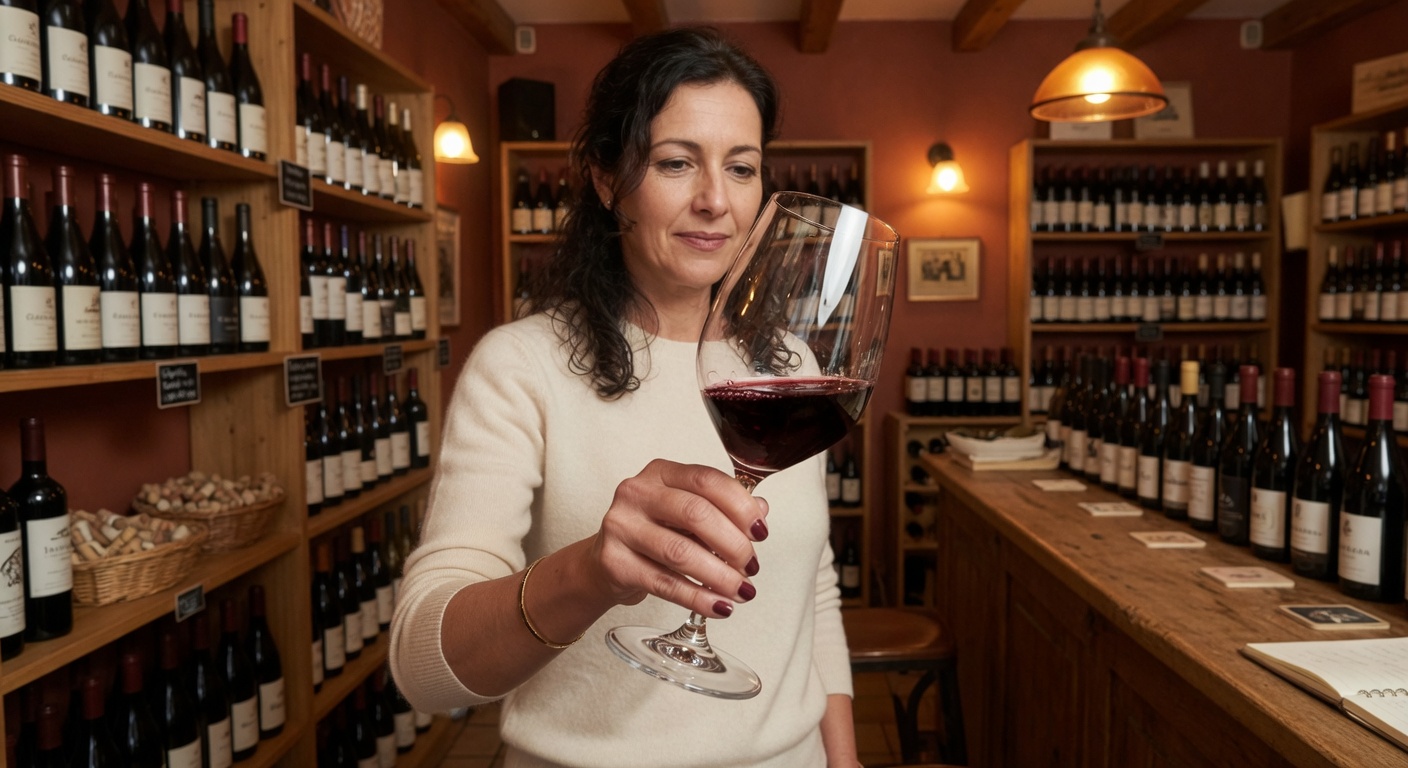
Introduction to the Wine Tasting Room Experience
The wine tasting room experience offers a unique opportunity for both seasoned wine enthusiasts and curious novices to immerse themselves in the world of wine culture. At its core, a tasting room is a dedicated space within a winery or vineyard where visitors can sample a curated selection of wines in a comfortable, informative setting. This experience goes beyond simply sipping wine; it provides a sensory journey that highlights the nuances of different varietals, production techniques, and regional characteristics.
Wine tasting in a tasting room is an educational affair tailored to enhance one’s appreciation of wine. Visitors often receive guidance from knowledgeable staff or sommeliers who share insights on the unique qualities of each wine, including aroma, flavor palette, and ideal food pairings. This personalized interaction enriches the wine experience, making it accessible and engaging for everyone, regardless of prior knowledge.
For wine enthusiasts, the tasting room is a haven to explore new wines, discover limited editions, and deepen their understanding of the art and science behind winemaking. The atmosphere encourages in-depth conversations and a connection to the winery’s heritage, terroir, and production philosophy. It’s an ideal setting to celebrate and expand one’s passion within a community of likeminded individuals.
For novices, the tasting room offers a welcoming introduction to wine culture without the intimidation often associated with wine selection. Sampling a variety of wines side-by-side allows newcomers to identify personal preferences and unravel the complexities of wine tasting in a relaxed, supportive environment. This often marks the beginning of an enriching journey into the world of wine appreciation.
Overall, the wine tasting room experience combines sensory exploration, education, and social interaction. Whether you are an aficionado or a beginner, the tasting room promises a memorable and enjoyable encounter with wine—a celebration of flavors, craftsmanship, and tradition that enhances every sip.
What to Expect During a Wine Tasting
The wine tasting process is a delightful journey that engages all your senses. Typically, a session begins with the host presenting each wine, explaining its origin and key characteristics. This introduction helps you anticipate the wine flavors you might encounter.
- Pouring: Wines are served in small pours, usually about 1-2 ounces, allowing you to sample multiple varieties without overwhelming your palate.
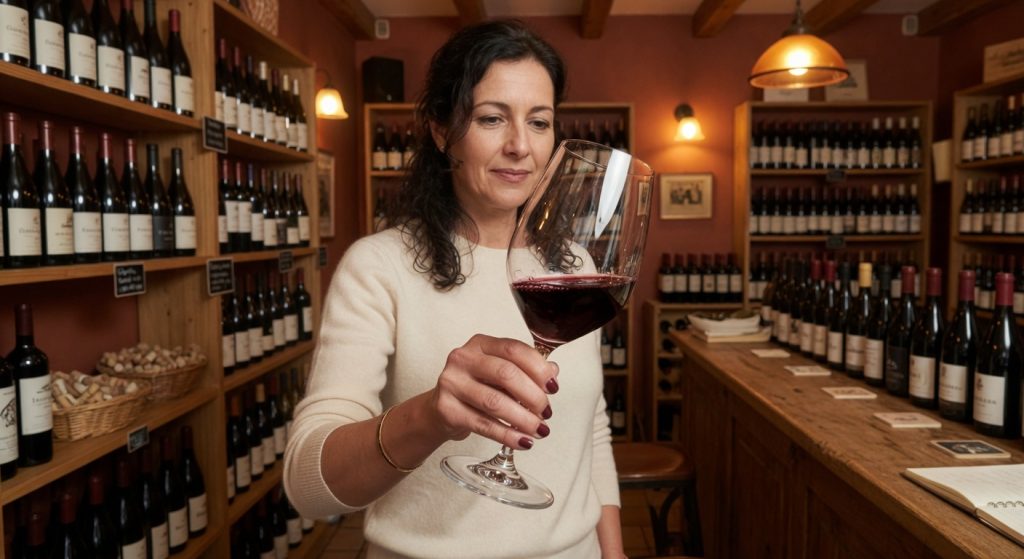
- Observation: Hold your glass by the stem and examine the wine’s color and clarity against the light. This visual inspection hints at the wine’s age and grape variety.
- Swirling: Gently swirl the wine in your glass. This action releases the wine aroma, enhancing your sensory experience and preparing your nose for the next step.
- Sniffing: Bring the glass to your nose and take a deep sniff. Try to identify different scent notes, such as fruity, floral, or earthy aromas.
- Tasting: Take a small sip and let the wine coat your tongue. Pay attention to the balance of sweetness, acidity, tannins, and the distinct wine flavors unfolding.
- Reflection: After tasting, consider the wine’s finish and aftertaste. Sharing your thoughts and listening to others can enrich the tasting etiquette, fostering a respectful and educational environment.
Following these steps not only maximizes your enjoyment but also deepens your appreciation for the complexities within each glass.
Benefits of Visiting a Wine Tasting Room
Visiting a wine tasting room offers numerous wine tasting benefits that go beyond simply sampling different wines. One of the most valuable advantages is wine education. Tasting rooms provide an excellent environment to learn about various grape varieties, wine-making techniques, and regional differences directly from knowledgeable staff. This hands-on experience deepens your wine appreciation by allowing you to understand the nuances of aroma, flavor, and texture.
Additionally, wine tasting rooms foster a unique wine social experience. They create a welcoming atmosphere where enthusiasts and novices alike can connect, share opinions, and enjoy the company of others who appreciate the craft of winemaking. This communal aspect enriches your visit, making it not just about the wine but also about the people and stories behind it.
Sensory benefits are also a key highlight of these tastings. Participants engage all their senses—not just taste but also sight, smell, and even touch, as they learn to notice the color variations, bouquet complexity, and mouthfeel of each wine. This immersive sensory engagement enhances your overall wine appreciation and helps develop your palate more finely over time.
How to Make the Most of Your Wine Tasting Visit
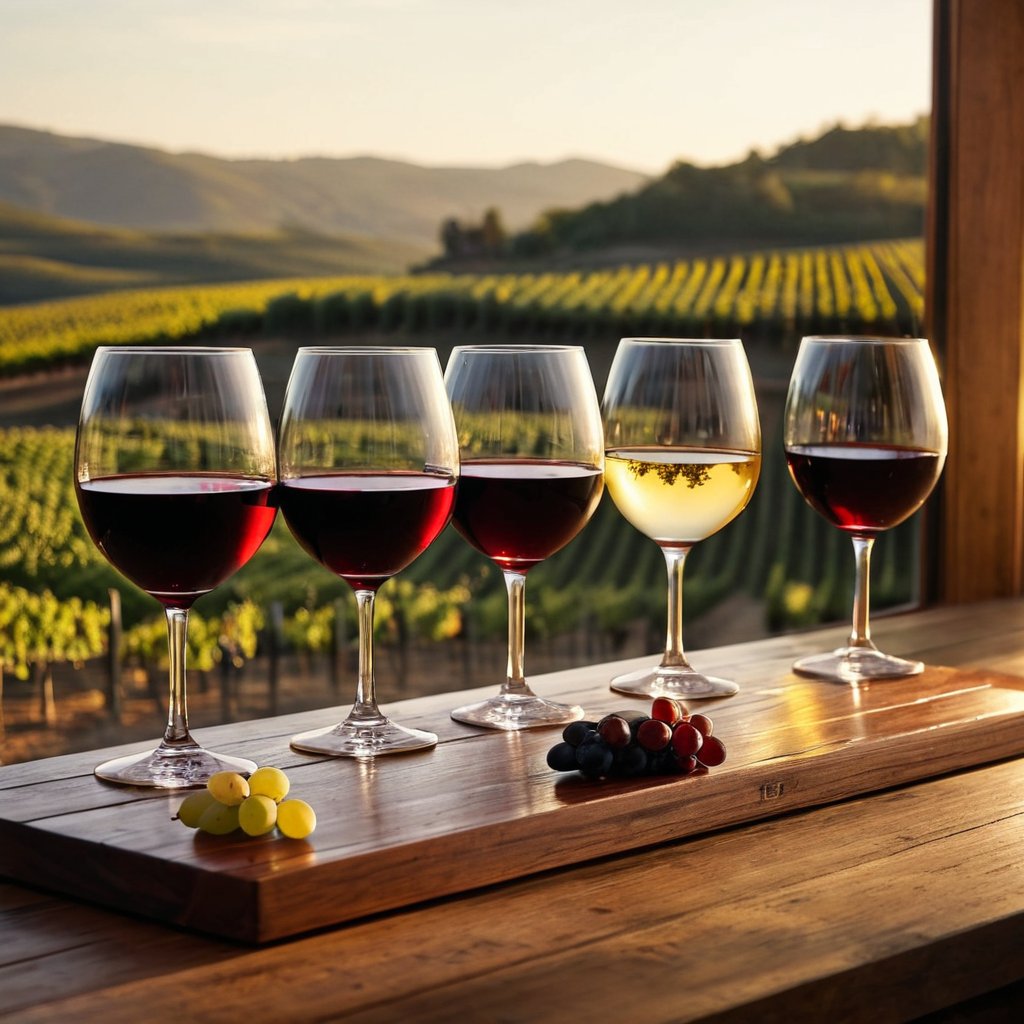
Whether you are new to wine tasting or a seasoned enthusiast, preparing for your wine tasting room visit can greatly enhance your experience. Here are some essential wine tasting tips and guidance to help you get the most out of your trip.
First, consider your tasting preparation carefully. Avoid wearing strong perfumes or scented lotions, as these can interfere with your ability to fully appreciate the delicate aromas of each wine. It’s also wise to skip heavy meals or dairy products before tasting since these can coat your palate and affect your perception of flavors. Instead, opt for light, neutral foods like crackers or bread which are often provided at tasting rooms to cleanse your palate between sips.
When arriving at the tasting room, take your time to explore the wine selection thoughtfully. Don’t hesitate to ask the staff for recommendations based on your preferences—they are usually passionate and knowledgeable about their offerings. Pay attention to the tasting notes they provide, which describe the aromas, flavors, and textures of each wine. These notes are helpful in guiding you to wines that suit your taste and can enrich your understanding of wine characteristics.
As you taste each wine, engage all your senses. Notice the color and clarity, inhale the bouquet deeply, and savor the taste, noting its sweetness, acidity, tannins, and finish. Taking notes during or immediately after your tasting can be very beneficial, especially if you plan to buy wines or continue exploring similar varietals later. This practice can help you remember your favorites and understand what wine styles you prefer.
Finally, remember that wine tasting is ultimately about enjoyment and discovery. Approach each wine with an open mind and take pleasure in the unique journey each sip offers. By preparing well, selecting wisely from the wine selection, and savoring the tasting notes, you will create a fulfilling wine tasting room experience that is both educational and enjoyable.
Choosing the Right Wine Tasting Room
When it comes to choosing wine tasting rooms, it’s essential to consider several key factors to ensure a memorable and enjoyable experience. First, focus on wine regions that intrigue you; each area offers unique terroirs and grape varieties that influence the taste and style of wines. Whether you prefer the bold reds from Napa Valley or the crisp whites from Oregon, selecting the right region tailored to your preferences lays a solid foundation for your wine adventure.
Next, winery selection plays a crucial role. Research wineries known for their reputation, consistency, and hospitality. Some of the best wine rooms are located in family-owned establishments with rich histories, offering personalized tasting sessions that deepen your understanding and appreciation of their wines. Online reviews, winery websites, and recommendations from fellow wine enthusiasts can guide you toward wineries that truly stand out.
Lastly, consider your personal taste preferences. Wine tasting rooms vary widely in ambiance and offerings; some cater to casual tasters with lighter, fruit-forward wines, while others focus on robust, complex selections for connoisseurs. Identifying your palate preferences beforehand will help you choose a wine tasting room where you’ll feel comfortable and where the wines will suit your taste, ensuring a delightful experience every time.
Tasting Techniques and Tips
Understanding proper wine tasting techniques is essential to fully appreciate the complexities and nuances of each glass. The process typically begins with observing the wine’s appearance, which can provide clues about its age and grape variety. Next comes smelling, an important step where you gently swirl the wine in your glass to release its aromas. Wine smelling tips include taking a few short sniffs followed by a longer inhale to identify the bouquet and any underlying scents.
After smelling, the next step is to taste the wine. Take a small sip and let it coat your palate. This allows you to experience the wine’s body, acidity, sweetness, and tannins. While sipping, try to identify distinctive flavors like fruit, spices, or earthy notes. Pay attention to how long the flavors linger, known as the wine’s finish. These wine tasting steps help develop your palate and enhance your enjoyment.
Evaluating wine is the final step, where you consider the balance, complexity, and overall harmony of the wine. By practicing these wine tasting techniques regularly, you can sharpen your senses and gain deeper insights into different styles and regions of wine. Whether you are a beginner or an enthusiast, mastering how to taste wine enriches your overall wine tasting experience, making each sip more satisfying and meaningful.
Etiquette and Social Tips for Wine Tasting Rooms
When visiting a wine tasting room, understanding and following proper wine tasting etiquette is essential to ensure an enjoyable experience for everyone. Respect the space by speaking in moderate tones and avoiding overpowering fragrances like strong perfumes, which can interfere with your and others’ ability to appreciate the wine. Always listen carefully to the host or sommelier’s instructions before tasting and avoid rushing through the process.
In terms of wine room behavior, be mindful of how you interact with staff and other guests. Engage in friendly conversation but remember that a tasting room is both a social and an educational space, so keep social wine tasting courteous and considerate. It’s acceptable to ask questions about the wines, but avoid monopolizing the staff’s attention if others are waiting.
Adhering to tasting room rules, such as not bringing outside food or wine, is crucial. Also, use the provided spittoons when you don’t wish to swallow the wine, demonstrating respect for the host and maintaining a pleasant environment. If you plan to purchase bottles, be polite and patient during the transaction. Lastly, thank the staff for their time—good manners enhance everyone’s wine tasting experience and reflect well on you as a guest.
Exploring Different Types of Wine Tasting Rooms
Wine tasting rooms come in a variety of styles, each offering a unique experience that reflects the character of the winery itself. From intimate boutique wineries to sprawling large vineyards and contemporary urban tasting rooms, the diversity in wine tasting varieties ensures there is something special for every wine enthusiast.
Boutique wineries are known for their personalized and cozy tasting rooms. These smaller operations often focus on producing limited quantities of wine, which allows for a more intimate and educational experience. Guests can expect to sit down with knowledgeable winemakers or staff who provide detailed insight into the winemaking process, grape varieties, and tasting notes. The ambiance in these boutique cellars typically reflects a rustic charm or a home-like atmosphere, making visitors feel welcome and connected to the craft behind each bottle.
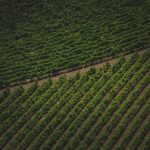
On the other end of the spectrum, large vineyards feature expansive tasting rooms that often double as event spaces. These venues boast impressive architecture and panoramic views of the surrounding grapevines. Here, wine tasting varieties might include a broad selection from different vineyard blocks or even multiple labels under the vineyard’s umbrella. Large estates are designed to accommodate more visitors, including groups and tours, and might offer additional amenities such as outdoor patios, wine clubs, and gourmet food pairings. The grand scale gives these tasting rooms a distinctive appeal, attracting visitors who appreciate both the wine and the grandeur of the setting.
Urban tasting rooms are another exciting category, often located in city centers or trendy neighborhoods. These spaces cater to urban dwellers and tourists looking for a convenient way to sample wines without traveling to rural vineyards. Urban tasting rooms vary widely in style — from sleek, modern designs to cozy, artsy lounges. They frequently showcase a curated selection of wines, emphasizing regional or innovative varieties, and sometimes feature wine bars or small plates to complement the tasting experience. This type of tasting room is perfect for those who want to explore diverse wine offerings in a social, vibrant environment.
Each type of wine tasting room offers a distinct way to enjoy wine tasting varieties, whether you prefer the charm of boutique wineries, the scale of large vineyard estates, or the convenience and energy of urban tasting rooms. Exploring these different styles can deepen your appreciation for the diversity and creativity in the world of wine.
Boutique and Small-Scale Wine Tasting Rooms
Boutique wine tasting rooms offer a truly intimate and personalized wine experience that stands apart from larger commercial wineries. These small winery tasting spaces are often nestled in charming, less-trafficked locations, giving visitors a unique opportunity to connect directly with the winemakers and learn about their craft. The atmosphere in these tasting rooms is relaxed and inviting, allowing guests to savor each sip while gaining insight into the artisanal processes behind the wines.
One of the distinct advantages of a small winery tasting room is the focus on quality over quantity. Visitors often enjoy exclusive access to rare or limited-edition artisan wines that reflect the winemaker’s passion and dedication. This personalized approach ensures that each tasting is tailored to the guest’s preferences, making every visit a memorable experience. Whether it’s a deep dive into a single varietal or a guided tour through several unique blends, the staff’s expertise creates an educational and engaging environment.
Overall, boutique wine tasting rooms offer more than just a taste of wine; they provide a connection to the story behind each bottle. The hands-on, personal interaction makes exploring boutique wines a rewarding adventure for enthusiasts and newcomers alike, celebrating the artistry and craftsmanship found in small-scale wine production.
Large Vineyard and Estate Tasting Rooms
Large vineyard tasting rooms offer an exceptional experience for wine enthusiasts, blending scenic beauty with premium wine tasting. These expansive estate tasting rooms serve as the gateway to exploring estate wines that reflect the unique terroir of the vineyard. Visitors can expect to be immersed in an environment that showcases the rich history and craftsmanship behind each bottle.
One of the key features of large vineyard tasting rooms is the availability of large winery tours. These tours provide a comprehensive look at the winemaking process, from grape to glass, often including guided walks through the vineyards, barrel rooms, and production areas. This behind-the-scenes access enriches the tasting experience and offers invaluable insights into the artistry of wine production.
In addition to premium wines, many large estates offer a variety of amenities to enhance the visit. These may include beautifully landscaped grounds, comfortable seating areas, and sometimes even on-site dining or picnic facilities. The spacious settings allow guests to relax and savor their wine in a tranquil atmosphere, often accompanied by expertly paired small bites or gourmet food options.
Whether you are a seasoned connoisseur or a casual wine lover, large vineyard tasting rooms provide a memorable experience filled with education, indulgence, and breathtaking views. The combination of premier estate wines, comprehensive tours, and exceptional amenities makes these venues a must-visit destination in the world of wine.

Winemaker with 12 years in the cellar. I write about fermentation, terroir, and the honest mistakes that taught me more than any textbook. I’ve ruined more barrels than most people have tasted. That’s not a disclaimer — that’s a résumé. Twelve years making wine in France, now making sense of it in words.