Understanding the Basics of a Wine Tasting Sheet
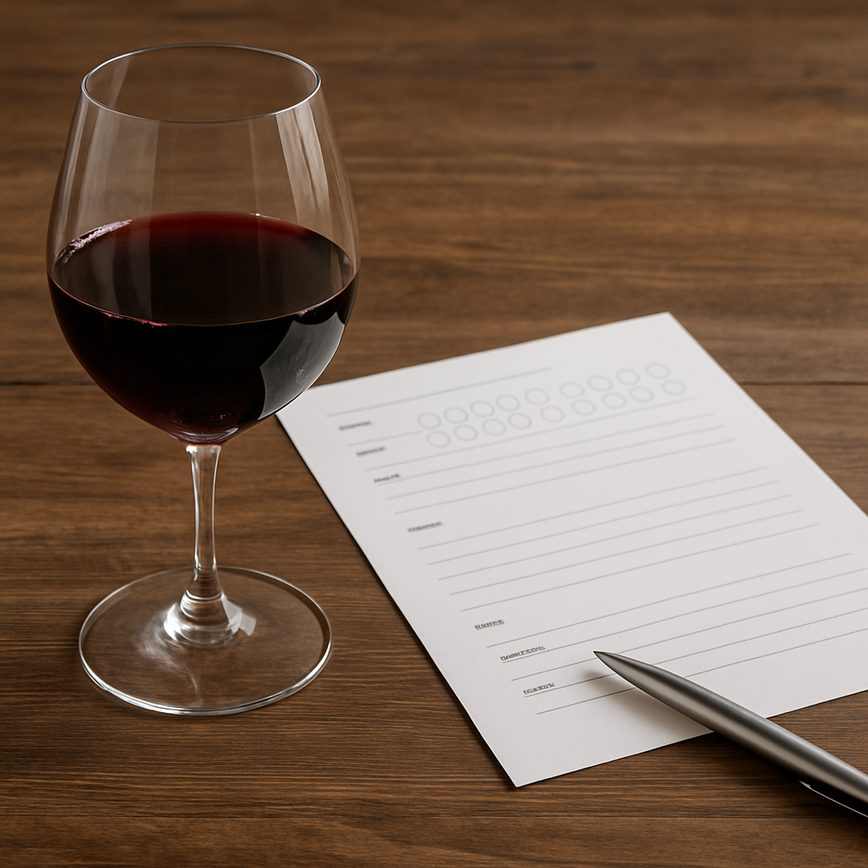
A wine tasting sheet is an essential tool designed to guide both novices and seasoned wine enthusiasts through the process of wine evaluation. Its primary purpose is to provide a structured format that captures detailed wine notes, helping tasters record their sensory experiences systematically. By using a wine tasting sheet, individuals can focus on the key elements of the wine, such as appearance, aroma, taste, and finish, ensuring a thorough and careful assessment.
The common format of a wine tasting sheet typically includes several distinct sections that direct attention to different tasting basics. These sections often start with the wine’s appearance, where tasters note color intensity and clarity. Next comes the aroma or bouquet section, prompting tasters to identify scents and complexities. The palate section follows, where the taste, texture, balance, and overall structure of the wine are evaluated. Finally, the finish or aftertaste is considered, offering insight into the wine’s length and lingering flavors.
Besides these sensory categories, many wine tasting sheets include spaces for additional observations like alcohol level, acidity, tannin presence, and sweetness, which enhance the depth of the evaluation. The format may also feature a rating system to quantify the quality of each aspect, helping tasters to compare wines over time objectively. This comprehensive layout fosters a more disciplined and mindful approach to wine tasting.
Utilizing a wine tasting sheet is crucial for developing tasting skills and memory. It encourages tasters to slow down and concentrate on subtle details they might otherwise overlook. Recording wine notes in this structured manner allows for better understanding of individual preferences and improves the ability to communicate about wine with clarity and confidence. Ultimately, the wine tasting sheet is a valuable companion in the journey of exploring and appreciating the diversity and complexity of wines.
Common Sections Found on a Tasting Sheet
A typical wine tasting sheet is divided into several key sections that guide tasters in evaluating wine comprehensively. The first section, appearance, focuses on the visual aspects of the wine. Tasters observe the wine’s color, clarity, and intensity. For example, a deep ruby red might suggest a full-bodied red wine, while a pale yellow could indicate a light white wine. Notes like brilliance and the presence of any sediment are also recorded here.
The aroma section invites tasters to sniff the wine and identify various scents. This can include fruit aromas such as berry or citrus, floral notes like rose or violet, and other characteristics such as oak, spice, or earthy undertones. The aromatic profile helps in understanding the wine’s complexity and potential flavor profile.
Moving to the taste section, tasters describe the flavors detected on the palate. This includes sweetness, acidity, tannins, and alcohol level. Specific flavors such as cherry, vanilla, or chocolate might be noted. Tasters also assess the wine’s balance and body, evaluating how the different components harmonize together.
Finally, the finish section captures the lasting impression of the wine after swallowing. Tasters note the length of the finish and any lingering flavors or sensations. A long, pleasant finish is often a marker of high-quality wine. Together, these tasting sheet sections help in creating a detailed profile of a wine’s character and quality.
How to Interpret Scores and Ratings
Wine scores and ratings are essential tools in wine evaluation, helping consumers and enthusiasts make informed decisions. Various scoring systems exist, often ranging from a 50 to 100-point scale, where higher scores denote superior quality. For example, a score above 90 typically represents an outstanding wine, while scores below 80 may indicate lesser quality. These numeric values reflect expert tasters’ assessments of aroma, flavor, balance, and complexity.
Besides numeric scores, descriptive rating scales are also common, using terms like “excellent,” “very good,” or “fair” to give a qualitative impression. These descriptions help interpret the wine’s character without relying solely on numbers, especially for those new to wine tasting. Understanding the rating scale is crucial because each system may emphasize different attributes depending on the evaluator’s criteria.
When comparing wines, it’s important to consider both the score and the rating scale used, as scores can vary between critics and publications. A consistent rating system allows for better comparison, but personal preference should also play a role since wine evaluation is partly subjective. Using wine scores alongside tasting notes provides a fuller picture, enabling you to select wines that align with your taste and occasion.
Step-by-Step Guide to Reading Each Section
Reading a wine tasting sheet can initially seem overwhelming, but by following a clear step-by-step guide, you can effectively understand and appreciate the details captured in each section. The tasting sheet is designed to break down your overall perception of the wine into specific components, allowing a thorough analysis that enhances your tasting experience. Begin at the top and proceed sequentially for the best results.
The first section you’ll encounter is typically the Appearance Analysis. This step invites you to observe the wine’s color, clarity, and intensity. Note the hue, which can give clues about the wine’s age and grape variety. Look for brightness and any sediment, which might indicate quality or storage conditions. The appearance sets the stage for your imagination about the wine before even taking a sip.
Next, move to the aroma or nose section where your goal is to identify different scents and complexities. Swirl the glass to release the wine’s bouquet, then inhale deeply. Try to pick out primary aromas such as fruit, floral, or herbaceous notes, followed by secondary and tertiary scents that arise from winemaking techniques or aging processes. This olfactory exploration forms a vital part of reading the wine sheet because it reveals the wine’s character.
Afterwards, focus on the taste profile. This is where the guide to reading wine sheets becomes crucial to fully grasp the wine’s flavor components. Taste the wine attentively to detect sweetness, acidity, tannins, body, and alcohol level. Recognize how these elements balance one another. Notice the wine’s structure and mouthfeel, as well as any lingering finish. Writing these descriptive terms down helps build a clearer picture of the wine’s complexity and style.
Finally, consider the overall impression section, which ties all previous observations together. Reflect on your personal enjoyment, the wine’s balance, and quality. This part often includes ratings or notes on the wine’s potential for aging. By systematically analyzing each area—from appearance and aroma to taste profile and final impression—you gain comprehensive insight into the wine.
Using this step-by-step guide to reading each section of the wine tasting sheet enhances your ability to appreciate and critique wines with confidence. Following the sequence ensures no detail is missed, and practicing regularly will sharpen your tasting skills and vocabulary over time.
Evaluating Appearance and Clarity
When examining a wine tasting sheet, evaluating the appearance is a crucial first step. The notes on color intensity reveal much about the wine’s age and grape variety. For example, a deep, vibrant color often indicates a young, full-bodied wine, whereas a lighter or brick hue might suggest maturity. Pay close attention to the hue described, such as ruby, garnet, or straw, as these visual cues offer insight into the wine’s character and terroir.
Clarity is another essential factor to assess. Clear wines generally point to careful production and proper filtration, whereas haziness might indicate either a fault or a deliberately unfiltered style. The wine’s clarity on the tasting sheet helps anticipate the smoothness and refinement you will observe upon pouring. A pristine, bright appearance often correlates with freshness and quality.
Viscosity, often described in tasting notes as the wine’s “legs” or “tears,” reflects its body and alcohol content. A wine with slower-moving legs suggests higher alcohol or sugar levels, indicating a richer, fuller mouthfeel. Evaluating these aspects of appearance evaluation not only enhances understanding but also prepares you for the tasting experience, helping you appreciate the complexity and balance that the wine offers.
Assessing Aroma and Bouquet
- Identify aroma descriptors: Wine tasting sheets often list specific smell notes such as fruity, floral, spicy, or earthy. These descriptors help you pinpoint the unique characteristics of the wine’s aroma, making aroma assessment clearer and more structured.
- Understand the bouquet: The bouquet refers to the complex aromas that develop as the wine ages. It differs from the initial aroma derived from the grape itself and adds depth to olfactory analysis.
- Evaluate aroma intensity: Intensity indicates how strong the aroma is. A wine with high aroma intensity will have a powerful and noticeable smell, contributing significantly to the overall tasting experience.
- Consider aroma complexity: Complexity describes the range and harmony of different aromas present. A more complex bouquet means multiple layers of scents intertwine, making the wine more interesting and appealing.
- Use aroma assessment to guide tasting: Smell notes on the tasting sheet act as clues during the tasting process, helping to anticipate flavors and detect flaws or highlights in the wine’s profile.
Understanding Taste and Finish Descriptions
When evaluating a wine’s taste, understanding the key palate descriptors is essential to grasping its overall flavor profile. Taste evaluation typically involves assessing sweetness, acidity, tannins, and the wine finish. Sweetness ranges from dry to sweet and influences how the other flavors interact on your palate. Acidity, which brings brightness and freshness to the wine, can vary from crisp to mellow, often balancing the richness of the wine. Tannins, more prominent in red wines, contribute to the structure and mouthfeel, creating a drying sensation that can enhance complexity.
Paying attention to the wine finish is equally important, as it reflects the lingering flavors and textures after swallowing. A long, pleasant finish indicates high quality, while a short or harsh finish may suggest a less refined wine. Descriptions of taste and finish often include notes like fruity, earthy, spicy, or floral, helping to paint a picture of the wine’s character. By carefully reading these taste notes, you can better appreciate the nuances and layers that make each wine unique.
Mastering how to interpret sweetness, acidity, tannins, and finish enables you to develop a more nuanced understanding of wine. This skill helps you identify your preferences and enhances your overall wine tasting experience. Ultimately, using palate descriptors to decode a wine’s taste and finish is fundamental in appreciating its full depth and complexity.
Tips for Using Wine Tasting Sheets to Improve Your Palate
To truly improve your palate and elevate your wine tasting experience, regular practice using wine tasting sheets is essential. These sheets serve as a structured guide, allowing you to systematically assess each wine’s characteristics and focus on elements such as aroma, flavor, acidity, tannins, and finish. By consistently recording your observations, you sharpen your sensory awareness and begin to notice subtle distinctions that might otherwise go unnoticed.
Start by dedicating time for practice wine tasting sessions, either solo or with friends, and always have your tasting sheets ready. Filling them out methodically during each tasting encourages mindfulness and prevents rushing through the experience. Over time, this habit trains your palate to identify common flavor profiles, regional differences, and stylistic nuances within various wine types. The more you practice, the more confident and skilled you become in recognizing these traits.
Another important benefit of using wine tasting sheets is effective record keeping. Maintaining a detailed log of your tastings allows you to track your progress and revisit past notes. When you review previous entries, patterns emerge, showing how your palate evolves and which preferences develop. This archive becomes a personalized wine knowledge base, helping you make better purchasing decisions and deepen your appreciation for different wine styles and regions.
To maximize your improvement, complement your tasting sheet notes with additional research about the wines you taste. Understanding the grape variety, winemaking techniques, and terroir context enriches your knowledge and adds layers of meaning to your tastings. Combining practical tasting with educational insights creates a well-rounded approach that dramatically enhances your palate over time.
In summary, consistent use of wine tasting sheets is a powerful tool to improve palate refinement. Use these sheets regularly to guide your practice wine tasting sessions, emphasize detailed record keeping, and deepen your wine knowledge. With ongoing commitment, you will develop a heightened ability to discern and enjoy the complexities that make wine tasting such a rewarding experience.
Keeping Consistent and Detailed Notes
Maintaining consistency in your note taking is essential for developing a deeper understanding of wines over time. By recording your impressions in a detailed manner, you create a valuable reference that helps refine your palate and improves your ability to recognize subtle flavors and aromas in future tastings. Consistent notes ensure that you can compare different wines accurately, track your preferences, and notice patterns that might otherwise be overlooked.
Detailed tasting notes go beyond simple impressions, capturing specifics such as mouthfeel, acidity, tannin structure, and finish. This thorough approach not only enhances your appreciation but also trains your senses to detect nuances that make each wine unique. Over time, these observations accumulate and sharpen your taste recognition, allowing you to articulate what you enjoy and why, which is invaluable whether you’re a casual wine lover or a professional.
Consistency in recording wine impressions also supports growth in your wine knowledge. When you revisit your notes, you can objectively assess how your tastes evolve, identify favorite varietals or regions, and make more informed purchasing decisions. Ultimately, keeping detailed and consistent notes transforms the wine tasting experience into a journey of continual learning and enjoyment.
Comparing Different Wines Using Tasting Sheets
Tasting sheets are invaluable tools when you want to compare wines side-by-side. By filling out a tasting sheet for each wine, you can systematically analyze and note distinct characteristics such as aroma, flavor, acidity, tannin levels, and finish. This process allows for a clear tasting sheet comparison that highlights important wine differences, making it easier to understand nuances between styles.
To effectively compare wines, pour them in separate glasses and use a tasting sheet to score or describe each attribute as accurately as possible. Once completed, place the sheets side-by-side to identify patterns or standout features. This structured approach helps reveal which wines align more closely with your taste preferences and guides you in recognizing preferred styles and regions.
Using tasting sheets for side-by-side tasting also enhances your ability to remember and articulate your impressions over time. By recording detailed notes, you develop a personal reference library, improving your wine knowledge and confidence. Comparing wines through tasting sheets thus deepens your appreciation and understanding of diverse wine styles, making every tasting experience both educational and enjoyable.

Winemaker with 12 years in the cellar. I write about fermentation, terroir, and the honest mistakes that taught me more than any textbook. I’ve ruined more barrels than most people have tasted. That’s not a disclaimer — that’s a résumé. Twelve years making wine in France, now making sense of it in words.