Another pivotal aspect of the modern Louisiana wine industry is the rise in wine tourism. The state’s local wineries have developed remarkable tasting rooms, event spaces, and wine trails that attract both residents and tourists. Wine tourism now plays a key role in the economic vitality of these businesses, fostering community engagement and providing immersive experiences that celebrate Louisiana’s unique viticultural heritage. Visitors can enjoy wine festivals, vineyard tours, and educational workshops that highlight the state’s winemaking advancements and diverse grape varieties.
Overall, the modern developments in Louisiana’s wine industry reflect a dynamic blend of tradition and innovation. By leveraging new vineyard technologies, supporting sustainable practices, and promoting wine tourism, Louisiana’s wineries are successfully creating a vibrant wine culture that continues to grow and evolve. This progress not only enhances the reputation of Louisiana wines but also ensures that the industry remains competitive and appealing in the broader American wine market.
Rise of Local Wineries and Wine Tourism
In the 21st century, Louisiana has witnessed a remarkable rise in local wineries, contributing significantly to the state’s agricultural diversity and cultural richness. These local wineries have embraced innovative viticulture techniques suited to Louisiana’s unique climate, producing wines that capture the essence of the region. As a result, Louisiana vineyards have become more prominent, not just for production but also as attractive destinations for wine enthusiasts.
The growth of local wineries has naturally led to an increase in wine tourism. Wine tours have become increasingly popular, offering visitors an immersive experience that includes vineyard strolls, wine tastings, and education about the winemaking process. This trend has created a symbiotic relationship between the local wine industry and tourism, driving economic benefits for rural areas while providing guests with memorable experiences.
Moreover, these local wineries have capitalized on their distinctive Louisiana terroir to develop unique blends that cannot be found elsewhere. The combination of warm weather and innovative grape cultivation creates wines that intrigue both novice wine drinkers and connoisseurs alike. Wine tours in Louisiana now often feature events, festivals, and pairing dinners, which enhance the appeal of vineyards as social and cultural hubs. This evolution showcases how local wineries are not only evolving in their craft but also shaping a vibrant wine tourism scene that celebrates Louisiana’s heritage and natural beauty.
Innovations in Grapevine Cultivation
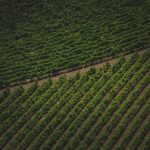
Louisiana vintners have embraced modern grape cultivation techniques to enhance both the quality and yield of their vineyards. Advances in viticulture technology, such as precision irrigation systems and soil health monitoring, allow growers to optimize water use and maintain ideal nutrient levels. This targeted approach helps grapes develop better flavor profiles and improves overall vine health.
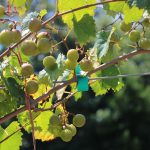
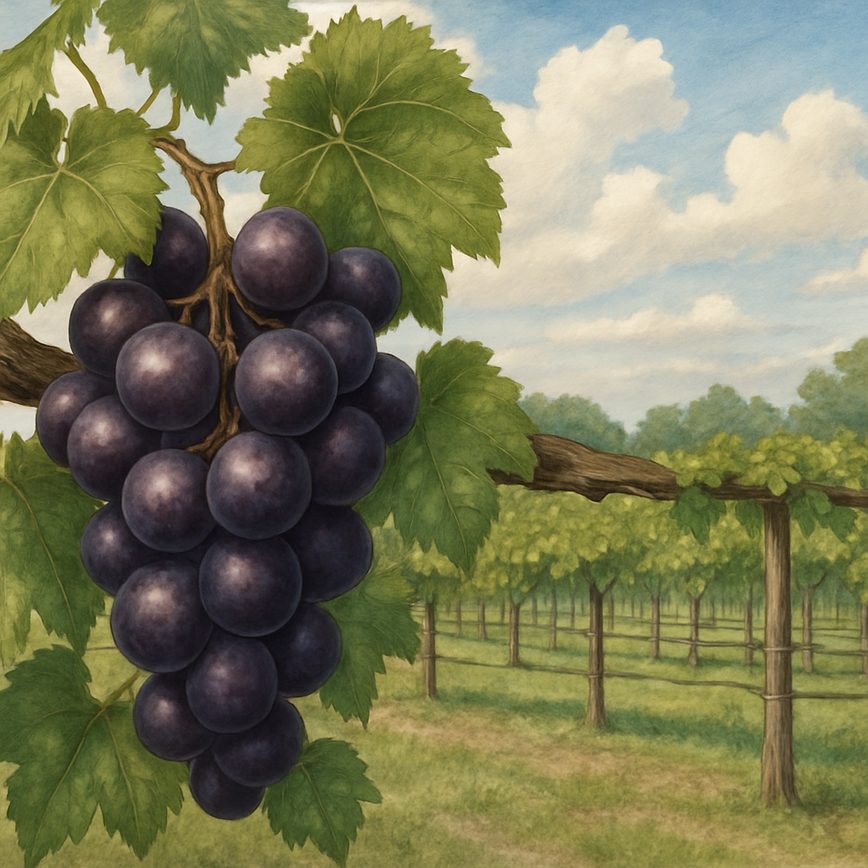
Another significant innovation in Louisiana wine innovation is the use of disease-resistant grape varieties tailored to the region’s humid climate. These hybrids require fewer chemical treatments, making the cultivation process more sustainable while maintaining high-quality grape production. Additionally, growers employ advanced canopy management practices to improve sunlight exposure and air circulation around grape clusters, reducing the risk of fungal infections common in the area.
Technological integration continues with the use of drones and remote sensing to monitor vineyard conditions in real time. These tools help vintners quickly identify problem areas, allowing for timely interventions that prevent crop loss. Furthermore, energy-efficient greenhouse systems and controlled environment viticulture are becoming more common, providing ideal growing conditions year-round and increasing productivity.
Overall, these contemporary methods and innovations in grape cultivation are transforming Louisiana’s wine industry by boosting grape quality, increasing yields, and promoting environmentally responsible practices that ensure the sustainability of the region’s viticulture legacy.

The efforts to rejuvenate the wine industry also involved promoting modern winemaking techniques and investing in new equipment to improve quality and efficiency. Winemakers collaborated to share knowledge and resources, fostering a community focused on innovation and sustainable practices. Additionally, local and state initiatives provided support through education and marketing to stimulate interest in Louisiana wines.
As vineyards gradually took root again and production increased, these post-Prohibition recovery efforts laid the foundation for the gradual renaissance of Louisiana’s wine industry. The commitment to vineyard restoration and industry revival shaped the trajectory of winemaking in the state, helping to establish a resilient and growing wine culture for future generations.
Modern Developments in Louisiana Wine Industry
In recent years, modern Louisiana wine has experienced notable advancements that have significantly reshaped the state’s wine industry. These developments have been driven by a combination of innovative vineyard technologies, a burgeoning local wine production scene, and an increasing focus on wine tourism that draws enthusiasts from across the region and beyond.
One of the most significant strides in the Louisiana wine industry has been the adoption of cutting-edge vineyard technology. Local wineries have increasingly incorporated advanced irrigation systems, climate control techniques, and disease-resistant grape varieties to improve both yield and the quality of their wines. These technological improvements have allowed grape growers to better adapt to Louisiana’s unique and often challenging climate, ensuring more consistent production seasons and higher-quality harvests.
The growth of modern Louisiana wine production is also closely linked to the efforts of local wineries that have invested in sustainable practices and cellar modernization. Many wineries have embraced eco-friendly methods such as organic fertilization, integrated pest management, and energy-efficient fermentation processes. These initiatives not only enhance the quality of the wines but also appeal to environmentally conscious consumers who prioritize sustainably produced beverages.
Another pivotal aspect of the modern Louisiana wine industry is the rise in wine tourism. The state’s local wineries have developed remarkable tasting rooms, event spaces, and wine trails that attract both residents and tourists. Wine tourism now plays a key role in the economic vitality of these businesses, fostering community engagement and providing immersive experiences that celebrate Louisiana’s unique viticultural heritage. Visitors can enjoy wine festivals, vineyard tours, and educational workshops that highlight the state’s winemaking advancements and diverse grape varieties.
Overall, the modern developments in Louisiana’s wine industry reflect a dynamic blend of tradition and innovation. By leveraging new vineyard technologies, supporting sustainable practices, and promoting wine tourism, Louisiana’s wineries are successfully creating a vibrant wine culture that continues to grow and evolve. This progress not only enhances the reputation of Louisiana wines but also ensures that the industry remains competitive and appealing in the broader American wine market.
Rise of Local Wineries and Wine Tourism
In the 21st century, Louisiana has witnessed a remarkable rise in local wineries, contributing significantly to the state’s agricultural diversity and cultural richness. These local wineries have embraced innovative viticulture techniques suited to Louisiana’s unique climate, producing wines that capture the essence of the region. As a result, Louisiana vineyards have become more prominent, not just for production but also as attractive destinations for wine enthusiasts.
The growth of local wineries has naturally led to an increase in wine tourism. Wine tours have become increasingly popular, offering visitors an immersive experience that includes vineyard strolls, wine tastings, and education about the winemaking process. This trend has created a symbiotic relationship between the local wine industry and tourism, driving economic benefits for rural areas while providing guests with memorable experiences.
Moreover, these local wineries have capitalized on their distinctive Louisiana terroir to develop unique blends that cannot be found elsewhere. The combination of warm weather and innovative grape cultivation creates wines that intrigue both novice wine drinkers and connoisseurs alike. Wine tours in Louisiana now often feature events, festivals, and pairing dinners, which enhance the appeal of vineyards as social and cultural hubs. This evolution showcases how local wineries are not only evolving in their craft but also shaping a vibrant wine tourism scene that celebrates Louisiana’s heritage and natural beauty.
Innovations in Grapevine Cultivation
Louisiana vintners have embraced modern grape cultivation techniques to enhance both the quality and yield of their vineyards. Advances in viticulture technology, such as precision irrigation systems and soil health monitoring, allow growers to optimize water use and maintain ideal nutrient levels. This targeted approach helps grapes develop better flavor profiles and improves overall vine health.
Another significant innovation in Louisiana wine innovation is the use of disease-resistant grape varieties tailored to the region’s humid climate. These hybrids require fewer chemical treatments, making the cultivation process more sustainable while maintaining high-quality grape production. Additionally, growers employ advanced canopy management practices to improve sunlight exposure and air circulation around grape clusters, reducing the risk of fungal infections common in the area.
Technological integration continues with the use of drones and remote sensing to monitor vineyard conditions in real time. These tools help vintners quickly identify problem areas, allowing for timely interventions that prevent crop loss. Furthermore, energy-efficient greenhouse systems and controlled environment viticulture are becoming more common, providing ideal growing conditions year-round and increasing productivity.
Overall, these contemporary methods and innovations in grape cultivation are transforming Louisiana’s wine industry by boosting grape quality, increasing yields, and promoting environmentally responsible practices that ensure the sustainability of the region’s viticulture legacy.
The efforts to rejuvenate the wine industry also involved promoting modern winemaking techniques and investing in new equipment to improve quality and efficiency. Winemakers collaborated to share knowledge and resources, fostering a community focused on innovation and sustainable practices. Additionally, local and state initiatives provided support through education and marketing to stimulate interest in Louisiana wines.
As vineyards gradually took root again and production increased, these post-Prohibition recovery efforts laid the foundation for the gradual renaissance of Louisiana’s wine industry. The commitment to vineyard restoration and industry revival shaped the trajectory of winemaking in the state, helping to establish a resilient and growing wine culture for future generations.
Modern Developments in Louisiana Wine Industry
In recent years, modern Louisiana wine has experienced notable advancements that have significantly reshaped the state’s wine industry. These developments have been driven by a combination of innovative vineyard technologies, a burgeoning local wine production scene, and an increasing focus on wine tourism that draws enthusiasts from across the region and beyond.
One of the most significant strides in the Louisiana wine industry has been the adoption of cutting-edge vineyard technology. Local wineries have increasingly incorporated advanced irrigation systems, climate control techniques, and disease-resistant grape varieties to improve both yield and the quality of their wines. These technological improvements have allowed grape growers to better adapt to Louisiana’s unique and often challenging climate, ensuring more consistent production seasons and higher-quality harvests.
The growth of modern Louisiana wine production is also closely linked to the efforts of local wineries that have invested in sustainable practices and cellar modernization. Many wineries have embraced eco-friendly methods such as organic fertilization, integrated pest management, and energy-efficient fermentation processes. These initiatives not only enhance the quality of the wines but also appeal to environmentally conscious consumers who prioritize sustainably produced beverages.
Another pivotal aspect of the modern Louisiana wine industry is the rise in wine tourism. The state’s local wineries have developed remarkable tasting rooms, event spaces, and wine trails that attract both residents and tourists. Wine tourism now plays a key role in the economic vitality of these businesses, fostering community engagement and providing immersive experiences that celebrate Louisiana’s unique viticultural heritage. Visitors can enjoy wine festivals, vineyard tours, and educational workshops that highlight the state’s winemaking advancements and diverse grape varieties.
Overall, the modern developments in Louisiana’s wine industry reflect a dynamic blend of tradition and innovation. By leveraging new vineyard technologies, supporting sustainable practices, and promoting wine tourism, Louisiana’s wineries are successfully creating a vibrant wine culture that continues to grow and evolve. This progress not only enhances the reputation of Louisiana wines but also ensures that the industry remains competitive and appealing in the broader American wine market.
Rise of Local Wineries and Wine Tourism
In the 21st century, Louisiana has witnessed a remarkable rise in local wineries, contributing significantly to the state’s agricultural diversity and cultural richness. These local wineries have embraced innovative viticulture techniques suited to Louisiana’s unique climate, producing wines that capture the essence of the region. As a result, Louisiana vineyards have become more prominent, not just for production but also as attractive destinations for wine enthusiasts.
The growth of local wineries has naturally led to an increase in wine tourism. Wine tours have become increasingly popular, offering visitors an immersive experience that includes vineyard strolls, wine tastings, and education about the winemaking process. This trend has created a symbiotic relationship between the local wine industry and tourism, driving economic benefits for rural areas while providing guests with memorable experiences.
Moreover, these local wineries have capitalized on their distinctive Louisiana terroir to develop unique blends that cannot be found elsewhere. The combination of warm weather and innovative grape cultivation creates wines that intrigue both novice wine drinkers and connoisseurs alike. Wine tours in Louisiana now often feature events, festivals, and pairing dinners, which enhance the appeal of vineyards as social and cultural hubs. This evolution showcases how local wineries are not only evolving in their craft but also shaping a vibrant wine tourism scene that celebrates Louisiana’s heritage and natural beauty.
Innovations in Grapevine Cultivation
Louisiana vintners have embraced modern grape cultivation techniques to enhance both the quality and yield of their vineyards. Advances in viticulture technology, such as precision irrigation systems and soil health monitoring, allow growers to optimize water use and maintain ideal nutrient levels. This targeted approach helps grapes develop better flavor profiles and improves overall vine health.
Another significant innovation in Louisiana wine innovation is the use of disease-resistant grape varieties tailored to the region’s humid climate. These hybrids require fewer chemical treatments, making the cultivation process more sustainable while maintaining high-quality grape production. Additionally, growers employ advanced canopy management practices to improve sunlight exposure and air circulation around grape clusters, reducing the risk of fungal infections common in the area.
Technological integration continues with the use of drones and remote sensing to monitor vineyard conditions in real time. These tools help vintners quickly identify problem areas, allowing for timely interventions that prevent crop loss. Furthermore, energy-efficient greenhouse systems and controlled environment viticulture are becoming more common, providing ideal growing conditions year-round and increasing productivity.
Overall, these contemporary methods and innovations in grape cultivation are transforming Louisiana’s wine industry by boosting grape quality, increasing yields, and promoting environmentally responsible practices that ensure the sustainability of the region’s viticulture legacy.
One of the primary challenges was the restoration of vineyards that had been abandoned or replaced with other crops during the years of legal restriction on alcoholic beverages. Farmers had to carefully select grape varieties suited to Louisiana’s unique climate and soil conditions, prioritizing those that could thrive and produce quality wine grapes. This vineyard restoration was critical to reviving local wine production and regaining consumer trust in regional wines.
The efforts to rejuvenate the wine industry also involved promoting modern winemaking techniques and investing in new equipment to improve quality and efficiency. Winemakers collaborated to share knowledge and resources, fostering a community focused on innovation and sustainable practices. Additionally, local and state initiatives provided support through education and marketing to stimulate interest in Louisiana wines.
As vineyards gradually took root again and production increased, these post-Prohibition recovery efforts laid the foundation for the gradual renaissance of Louisiana’s wine industry. The commitment to vineyard restoration and industry revival shaped the trajectory of winemaking in the state, helping to establish a resilient and growing wine culture for future generations.
Modern Developments in Louisiana Wine Industry
In recent years, modern Louisiana wine has experienced notable advancements that have significantly reshaped the state’s wine industry. These developments have been driven by a combination of innovative vineyard technologies, a burgeoning local wine production scene, and an increasing focus on wine tourism that draws enthusiasts from across the region and beyond.
One of the most significant strides in the Louisiana wine industry has been the adoption of cutting-edge vineyard technology. Local wineries have increasingly incorporated advanced irrigation systems, climate control techniques, and disease-resistant grape varieties to improve both yield and the quality of their wines. These technological improvements have allowed grape growers to better adapt to Louisiana’s unique and often challenging climate, ensuring more consistent production seasons and higher-quality harvests.
The growth of modern Louisiana wine production is also closely linked to the efforts of local wineries that have invested in sustainable practices and cellar modernization. Many wineries have embraced eco-friendly methods such as organic fertilization, integrated pest management, and energy-efficient fermentation processes. These initiatives not only enhance the quality of the wines but also appeal to environmentally conscious consumers who prioritize sustainably produced beverages.
Another pivotal aspect of the modern Louisiana wine industry is the rise in wine tourism. The state’s local wineries have developed remarkable tasting rooms, event spaces, and wine trails that attract both residents and tourists. Wine tourism now plays a key role in the economic vitality of these businesses, fostering community engagement and providing immersive experiences that celebrate Louisiana’s unique viticultural heritage. Visitors can enjoy wine festivals, vineyard tours, and educational workshops that highlight the state’s winemaking advancements and diverse grape varieties.
Overall, the modern developments in Louisiana’s wine industry reflect a dynamic blend of tradition and innovation. By leveraging new vineyard technologies, supporting sustainable practices, and promoting wine tourism, Louisiana’s wineries are successfully creating a vibrant wine culture that continues to grow and evolve. This progress not only enhances the reputation of Louisiana wines but also ensures that the industry remains competitive and appealing in the broader American wine market.
Rise of Local Wineries and Wine Tourism
In the 21st century, Louisiana has witnessed a remarkable rise in local wineries, contributing significantly to the state’s agricultural diversity and cultural richness. These local wineries have embraced innovative viticulture techniques suited to Louisiana’s unique climate, producing wines that capture the essence of the region. As a result, Louisiana vineyards have become more prominent, not just for production but also as attractive destinations for wine enthusiasts.
The growth of local wineries has naturally led to an increase in wine tourism. Wine tours have become increasingly popular, offering visitors an immersive experience that includes vineyard strolls, wine tastings, and education about the winemaking process. This trend has created a symbiotic relationship between the local wine industry and tourism, driving economic benefits for rural areas while providing guests with memorable experiences.
Moreover, these local wineries have capitalized on their distinctive Louisiana terroir to develop unique blends that cannot be found elsewhere. The combination of warm weather and innovative grape cultivation creates wines that intrigue both novice wine drinkers and connoisseurs alike. Wine tours in Louisiana now often feature events, festivals, and pairing dinners, which enhance the appeal of vineyards as social and cultural hubs. This evolution showcases how local wineries are not only evolving in their craft but also shaping a vibrant wine tourism scene that celebrates Louisiana’s heritage and natural beauty.
Innovations in Grapevine Cultivation
Louisiana vintners have embraced modern grape cultivation techniques to enhance both the quality and yield of their vineyards. Advances in viticulture technology, such as precision irrigation systems and soil health monitoring, allow growers to optimize water use and maintain ideal nutrient levels. This targeted approach helps grapes develop better flavor profiles and improves overall vine health.
Another significant innovation in Louisiana wine innovation is the use of disease-resistant grape varieties tailored to the region’s humid climate. These hybrids require fewer chemical treatments, making the cultivation process more sustainable while maintaining high-quality grape production. Additionally, growers employ advanced canopy management practices to improve sunlight exposure and air circulation around grape clusters, reducing the risk of fungal infections common in the area.
Technological integration continues with the use of drones and remote sensing to monitor vineyard conditions in real time. These tools help vintners quickly identify problem areas, allowing for timely interventions that prevent crop loss. Furthermore, energy-efficient greenhouse systems and controlled environment viticulture are becoming more common, providing ideal growing conditions year-round and increasing productivity.
Overall, these contemporary methods and innovations in grape cultivation are transforming Louisiana’s wine industry by boosting grape quality, increasing yields, and promoting environmentally responsible practices that ensure the sustainability of the region’s viticulture legacy.
One of the primary challenges was the restoration of vineyards that had been abandoned or replaced with other crops during the years of legal restriction on alcoholic beverages. Farmers had to carefully select grape varieties suited to Louisiana’s unique climate and soil conditions, prioritizing those that could thrive and produce quality wine grapes. This vineyard restoration was critical to reviving local wine production and regaining consumer trust in regional wines.
The efforts to rejuvenate the wine industry also involved promoting modern winemaking techniques and investing in new equipment to improve quality and efficiency. Winemakers collaborated to share knowledge and resources, fostering a community focused on innovation and sustainable practices. Additionally, local and state initiatives provided support through education and marketing to stimulate interest in Louisiana wines.
As vineyards gradually took root again and production increased, these post-Prohibition recovery efforts laid the foundation for the gradual renaissance of Louisiana’s wine industry. The commitment to vineyard restoration and industry revival shaped the trajectory of winemaking in the state, helping to establish a resilient and growing wine culture for future generations.
Modern Developments in Louisiana Wine Industry
In recent years, modern Louisiana wine has experienced notable advancements that have significantly reshaped the state’s wine industry. These developments have been driven by a combination of innovative vineyard technologies, a burgeoning local wine production scene, and an increasing focus on wine tourism that draws enthusiasts from across the region and beyond.
One of the most significant strides in the Louisiana wine industry has been the adoption of cutting-edge vineyard technology. Local wineries have increasingly incorporated advanced irrigation systems, climate control techniques, and disease-resistant grape varieties to improve both yield and the quality of their wines. These technological improvements have allowed grape growers to better adapt to Louisiana’s unique and often challenging climate, ensuring more consistent production seasons and higher-quality harvests.
The growth of modern Louisiana wine production is also closely linked to the efforts of local wineries that have invested in sustainable practices and cellar modernization. Many wineries have embraced eco-friendly methods such as organic fertilization, integrated pest management, and energy-efficient fermentation processes. These initiatives not only enhance the quality of the wines but also appeal to environmentally conscious consumers who prioritize sustainably produced beverages.
Another pivotal aspect of the modern Louisiana wine industry is the rise in wine tourism. The state’s local wineries have developed remarkable tasting rooms, event spaces, and wine trails that attract both residents and tourists. Wine tourism now plays a key role in the economic vitality of these businesses, fostering community engagement and providing immersive experiences that celebrate Louisiana’s unique viticultural heritage. Visitors can enjoy wine festivals, vineyard tours, and educational workshops that highlight the state’s winemaking advancements and diverse grape varieties.
Overall, the modern developments in Louisiana’s wine industry reflect a dynamic blend of tradition and innovation. By leveraging new vineyard technologies, supporting sustainable practices, and promoting wine tourism, Louisiana’s wineries are successfully creating a vibrant wine culture that continues to grow and evolve. This progress not only enhances the reputation of Louisiana wines but also ensures that the industry remains competitive and appealing in the broader American wine market.
Rise of Local Wineries and Wine Tourism
In the 21st century, Louisiana has witnessed a remarkable rise in local wineries, contributing significantly to the state’s agricultural diversity and cultural richness. These local wineries have embraced innovative viticulture techniques suited to Louisiana’s unique climate, producing wines that capture the essence of the region. As a result, Louisiana vineyards have become more prominent, not just for production but also as attractive destinations for wine enthusiasts.
The growth of local wineries has naturally led to an increase in wine tourism. Wine tours have become increasingly popular, offering visitors an immersive experience that includes vineyard strolls, wine tastings, and education about the winemaking process. This trend has created a symbiotic relationship between the local wine industry and tourism, driving economic benefits for rural areas while providing guests with memorable experiences.
Moreover, these local wineries have capitalized on their distinctive Louisiana terroir to develop unique blends that cannot be found elsewhere. The combination of warm weather and innovative grape cultivation creates wines that intrigue both novice wine drinkers and connoisseurs alike. Wine tours in Louisiana now often feature events, festivals, and pairing dinners, which enhance the appeal of vineyards as social and cultural hubs. This evolution showcases how local wineries are not only evolving in their craft but also shaping a vibrant wine tourism scene that celebrates Louisiana’s heritage and natural beauty.
Innovations in Grapevine Cultivation
Louisiana vintners have embraced modern grape cultivation techniques to enhance both the quality and yield of their vineyards. Advances in viticulture technology, such as precision irrigation systems and soil health monitoring, allow growers to optimize water use and maintain ideal nutrient levels. This targeted approach helps grapes develop better flavor profiles and improves overall vine health.
Another significant innovation in Louisiana wine innovation is the use of disease-resistant grape varieties tailored to the region’s humid climate. These hybrids require fewer chemical treatments, making the cultivation process more sustainable while maintaining high-quality grape production. Additionally, growers employ advanced canopy management practices to improve sunlight exposure and air circulation around grape clusters, reducing the risk of fungal infections common in the area.
Technological integration continues with the use of drones and remote sensing to monitor vineyard conditions in real time. These tools help vintners quickly identify problem areas, allowing for timely interventions that prevent crop loss. Furthermore, energy-efficient greenhouse systems and controlled environment viticulture are becoming more common, providing ideal growing conditions year-round and increasing productivity.
Overall, these contemporary methods and innovations in grape cultivation are transforming Louisiana’s wine industry by boosting grape quality, increasing yields, and promoting environmentally responsible practices that ensure the sustainability of the region’s viticulture legacy.
Origins of Louisiana Wine Production
The rich history of Louisiana wine production dates back to the early days of the state’s settlement, when European settlers brought with them an appreciation for viticulture and winemaking traditions. Louisiana’s unique climate and fertile soil offered a promising environment for growing grapes, although the hot and humid conditions presented challenges that required innovation and adaptation. Early wine production in Louisiana was intertwined with the broader history of Louisiana agriculture, which was dominated by crops like sugarcane, cotton, and rice, but the establishment of vineyards marked the beginning of the state’s identity as a wine-producing region.
The foundations of Louisiana wine history were laid by settlers who experimented with various grape varieties, seeking those best suited to the local climate. French settlers, in particular, played a significant role in introducing viticulture practices to the region. Their knowledge and techniques helped establish some of the first vineyards in Louisiana, blending Old World traditions with New World conditions. These early vineyards faced hurdles such as pests and diseases unfamiliar to European vines but gradually, resilient grape varieties were cultivated that could thrive in Louisiana’s environment.
Over time, these pioneering efforts in early wine production fostered a growing interest in Louisiana agriculture beyond the conventional crops. Viticulture began to carve out its niche within the agricultural landscape, supported by the dedication of local farmers and winemakers. This fusion of cultural influences and agricultural innovation laid a crucial foundation for the state’s evolving wine industry, helping Louisiana develop a distinctive viticultural identity that continues to grow today.
Pre-colonial and Indigenous Influence
Before European colonization, the region that is now Louisiana was home to diverse indigenous communities who had extensive knowledge of native plants and fermentation practices. These early settlers utilized indigenous plants such as muscadine grapes and various wild fruits, which naturally flourished in the local environment, as key ingredients for creating fermented beverages. The fermentation techniques observed among these communities were deeply rooted in cultural traditions and were often linked to spiritual and social rituals.
Indigenous peoples practiced natural fermentation methods by employing wild yeasts present on the skins of fruits and in the surrounding environment. This process was used not only to produce early forms of wine-like drinks but also to create other fermented beverages from native roots, berries, and honey. The knowledge of these early fermentation practices laid a foundational influence on the wine origins of Louisiana, showcasing a sophisticated relationship with the land and its resources long before European settlers arrived.
The impact of indigenous plants and early settlers’ fermentation methods is a vital chapter in understanding Louisiana wine history. These native traditions highlight how natural resources were harnessed creatively, setting the stage for the evolution of winemaking in the region. The appreciation and use of indigenous plants contributed significantly to the diversity and uniqueness of Louisiana’s emerging wine culture in later centuries.
European Settlers and Early Vineyards
The history of wine in Louisiana is deeply intertwined with the arrival of European settlers, particularly French and Spanish explorers who brought with them the tradition of winemaking. These settlers introduced wine grapes to the region, planting some of the earliest vineyards in the colonial era. The French settlers, arriving in the early 18th century, were among the first to recognize Louisiana’s potential for grape cultivation. They brought with them grape varieties from Europe, hoping to establish a thriving wine industry similar to that of their homeland.
Spanish influence also played a critical role during this early period of colonial wine production. Spanish settlers continued the tradition of grape planting, adapting their techniques to the subtropical climate of Louisiana. Despite challenges posed by the regional environment, including humid conditions and native pests, these early vineyards laid the groundwork for America’s southern wine heritage. Both French and Spanish settlers experimented with different grape varieties, seeking those best suited to the local soil and climate.
These early vineyards were primarily small-scale and intended for local consumption. Wine production during this period was modest but symbolically important, representing an effort to transplant European culture and agriculture to the New World. The legacy of these early vineyards remains a significant chapter in Louisiana’s wine history, marking the origins of a tradition that would evolve and flourish in the centuries to come.
Challenges and Changes in Louisiana Viticulture
The viticulture industry in Louisiana has faced numerous significant challenges throughout its history, shaping the trajectory of wine production in the region. One of the earliest and most devastating obstacles was the phylloxera impact in the late 19th century. This tiny root-feeding insect caused widespread destruction of vineyards not only in Louisiana but also across the United States and Europe. The phylloxera insect attacks the roots of grapevines, leading to the eventual death of the plant. Louisiana’s humid, warm climate made it particularly susceptible to this pest, and many vineyards suffered severe declines, disrupting local wine production and forcing vintners to seek resistant rootstock or halt production altogether.
In addition to agricultural challenges like phylloxera, Louisiana’s wine industry was deeply impacted by the Prohibition era in the early 20th century. From 1920 to 1933, the nationwide ban on the production, transport, and sale of alcoholic beverages severely crippled vineyards and wineries. Many Louisiana vineyards were abandoned or converted to other crops, as producing wine became illegal or highly restricted. The economic loss during this period was profound, as many small and family-owned wineries struggled to survive or closed permanently. The social attitudes and restrictions imposed by Prohibition left a lasting stigma surrounding alcohol production for decades to follow.
Beyond pests and legislation, broader economic shifts have also contributed to the decline of Louisiana vineyards. Changes in agricultural priorities, competition from more established wine regions, and fluctuating market demands have all made it difficult for local growers to sustain large-scale viticulture. The rise of commercial grape growers in California and other states attracted investment and consumer attention that Louisiana struggled to match. Additionally, the costs associated with modern vineyard management and the challenges of growing high-quality grapes in Louisiana’s challenging climate have limited widespread expansion.
Despite these difficulties, Louisiana’s wine industry continues to evolve. Modern efforts to revive vineyards include planting phylloxera-resistant rootstocks, adopting advanced viticulture techniques, and developing hybrid grape varieties suited to the local environment. The state’s growers are increasingly exploring niche markets and heritage wines, crafting a unique identity despite historical setbacks. The resilience of Louisiana’s viticulture community shows that, while the phylloxera impact, prohibition era, and economic shifts caused decline, they are not the end of the story for Louisiana wine.
Phylloxera and Pest Infestations
Phylloxera, a tiny aphid-like insect, wrought devastating effects on Louisiana’s grapevines during the late 19th and early 20th centuries. This vineyard pest attacks the roots of grapevines, causing galls that severely damage the plant’s ability to absorb water and nutrients. The infestation rapidly spread through Louisiana vineyards, leading to widespread vine death and a sharp decline in grape production. The effects were compounded by other vineyard pests and grapevine diseases that further weakened the health and resilience of grape plants in the region.
Throughout Louisiana’s viticultural history, growers faced constant battles against these threats. Phylloxera’s destruction forced many vineyards to uproot native grapevines and seek resistant rootstocks primarily from American vine species. However, the lack of immediate remedies meant significant financial losses for vintners and setbacks in the growth of the grape industry. Other pests, such as leafhoppers and spider mites, alongside fungal diseases like powdery mildew and downy mildew, exacerbated the challenges faced by grape growers, often requiring intensive management and chemical controls.
The combined impact of phylloxera and other vineyard pests reshaped Louisiana’s grape-growing landscape, necessitating advancements in pest control and vineyard management practices. While these infestations caused severe setbacks and loss of grapevine acreage, they also spurred innovation, including grafting European grape varieties onto resistant rootstocks and developing effective disease management strategies that continue to support Louisiana’s wine industry today.
Prohibition and Its Effects
The Prohibition era, which began in 1920, marked a devastating period for Louisiana’s wine industry. The nationwide ban on the production, sale, and distribution of alcoholic beverages under the 18th Amendment disrupted the entire wine supply chain. Before Prohibition, Louisiana had a budding wine production scene that was steadily growing. However, the strict alcohol laws introduced during this time led to the shutdown of wineries and vineyards across the state.
Wine producers faced immense challenges as their operations were forced to close or shift to illegal activities to survive. The legal restrictions not only halted commercial production but also severely limited the distribution channels, making it impossible for wineries to reach their customers. This caused a sharp decline in the wine industry, with many small winegrowers losing their livelihoods.
Additionally, the social and economic impacts of Prohibition lingered long after the repeal in 1933. The wine industry in Louisiana struggled to recover because vineyards had been neglected or destroyed, and consumer tastes shifted during the dry years. The legacy of Prohibition’s harsh alcohol laws left a lasting setback on wine production and distribution, stunting growth for decades and altering the course of Louisiana’s wine history profoundly.
Post-Prohibition Recovery Efforts
After the repeal of Prohibition, the Louisiana wine industry faced the daunting task of rebuilding from nearly complete destruction. The post-Prohibition era marked the beginning of determined efforts to revive the wine industry and restore vineyards that had long been neglected or uprooted. Growers and winemakers alike focused on reestablishing grape cultivation as a fundamental step toward industry recovery.
One of the primary challenges was the restoration of vineyards that had been abandoned or replaced with other crops during the years of legal restriction on alcoholic beverages. Farmers had to carefully select grape varieties suited to Louisiana’s unique climate and soil conditions, prioritizing those that could thrive and produce quality wine grapes. This vineyard restoration was critical to reviving local wine production and regaining consumer trust in regional wines.
The efforts to rejuvenate the wine industry also involved promoting modern winemaking techniques and investing in new equipment to improve quality and efficiency. Winemakers collaborated to share knowledge and resources, fostering a community focused on innovation and sustainable practices. Additionally, local and state initiatives provided support through education and marketing to stimulate interest in Louisiana wines.
As vineyards gradually took root again and production increased, these post-Prohibition recovery efforts laid the foundation for the gradual renaissance of Louisiana’s wine industry. The commitment to vineyard restoration and industry revival shaped the trajectory of winemaking in the state, helping to establish a resilient and growing wine culture for future generations.
Modern Developments in Louisiana Wine Industry
In recent years, modern Louisiana wine has experienced notable advancements that have significantly reshaped the state’s wine industry. These developments have been driven by a combination of innovative vineyard technologies, a burgeoning local wine production scene, and an increasing focus on wine tourism that draws enthusiasts from across the region and beyond.
One of the most significant strides in the Louisiana wine industry has been the adoption of cutting-edge vineyard technology. Local wineries have increasingly incorporated advanced irrigation systems, climate control techniques, and disease-resistant grape varieties to improve both yield and the quality of their wines. These technological improvements have allowed grape growers to better adapt to Louisiana’s unique and often challenging climate, ensuring more consistent production seasons and higher-quality harvests.
The growth of modern Louisiana wine production is also closely linked to the efforts of local wineries that have invested in sustainable practices and cellar modernization. Many wineries have embraced eco-friendly methods such as organic fertilization, integrated pest management, and energy-efficient fermentation processes. These initiatives not only enhance the quality of the wines but also appeal to environmentally conscious consumers who prioritize sustainably produced beverages.
Another pivotal aspect of the modern Louisiana wine industry is the rise in wine tourism. The state’s local wineries have developed remarkable tasting rooms, event spaces, and wine trails that attract both residents and tourists. Wine tourism now plays a key role in the economic vitality of these businesses, fostering community engagement and providing immersive experiences that celebrate Louisiana’s unique viticultural heritage. Visitors can enjoy wine festivals, vineyard tours, and educational workshops that highlight the state’s winemaking advancements and diverse grape varieties.
Overall, the modern developments in Louisiana’s wine industry reflect a dynamic blend of tradition and innovation. By leveraging new vineyard technologies, supporting sustainable practices, and promoting wine tourism, Louisiana’s wineries are successfully creating a vibrant wine culture that continues to grow and evolve. This progress not only enhances the reputation of Louisiana wines but also ensures that the industry remains competitive and appealing in the broader American wine market.
Rise of Local Wineries and Wine Tourism
In the 21st century, Louisiana has witnessed a remarkable rise in local wineries, contributing significantly to the state’s agricultural diversity and cultural richness. These local wineries have embraced innovative viticulture techniques suited to Louisiana’s unique climate, producing wines that capture the essence of the region. As a result, Louisiana vineyards have become more prominent, not just for production but also as attractive destinations for wine enthusiasts.
The growth of local wineries has naturally led to an increase in wine tourism. Wine tours have become increasingly popular, offering visitors an immersive experience that includes vineyard strolls, wine tastings, and education about the winemaking process. This trend has created a symbiotic relationship between the local wine industry and tourism, driving economic benefits for rural areas while providing guests with memorable experiences.
Moreover, these local wineries have capitalized on their distinctive Louisiana terroir to develop unique blends that cannot be found elsewhere. The combination of warm weather and innovative grape cultivation creates wines that intrigue both novice wine drinkers and connoisseurs alike. Wine tours in Louisiana now often feature events, festivals, and pairing dinners, which enhance the appeal of vineyards as social and cultural hubs. This evolution showcases how local wineries are not only evolving in their craft but also shaping a vibrant wine tourism scene that celebrates Louisiana’s heritage and natural beauty.
Innovations in Grapevine Cultivation
Louisiana vintners have embraced modern grape cultivation techniques to enhance both the quality and yield of their vineyards. Advances in viticulture technology, such as precision irrigation systems and soil health monitoring, allow growers to optimize water use and maintain ideal nutrient levels. This targeted approach helps grapes develop better flavor profiles and improves overall vine health.
Another significant innovation in Louisiana wine innovation is the use of disease-resistant grape varieties tailored to the region’s humid climate. These hybrids require fewer chemical treatments, making the cultivation process more sustainable while maintaining high-quality grape production. Additionally, growers employ advanced canopy management practices to improve sunlight exposure and air circulation around grape clusters, reducing the risk of fungal infections common in the area.
Technological integration continues with the use of drones and remote sensing to monitor vineyard conditions in real time. These tools help vintners quickly identify problem areas, allowing for timely interventions that prevent crop loss. Furthermore, energy-efficient greenhouse systems and controlled environment viticulture are becoming more common, providing ideal growing conditions year-round and increasing productivity.
Overall, these contemporary methods and innovations in grape cultivation are transforming Louisiana’s wine industry by boosting grape quality, increasing yields, and promoting environmentally responsible practices that ensure the sustainability of the region’s viticulture legacy.
The efforts to rejuvenate the wine industry also involved promoting modern winemaking techniques and investing in new equipment to improve quality and efficiency. Winemakers collaborated to share knowledge and resources, fostering a community focused on innovation and sustainable practices. Additionally, local and state initiatives provided support through education and marketing to stimulate interest in Louisiana wines.
As vineyards gradually took root again and production increased, these post-Prohibition recovery efforts laid the foundation for the gradual renaissance of Louisiana’s wine industry. The commitment to vineyard restoration and industry revival shaped the trajectory of winemaking in the state, helping to establish a resilient and growing wine culture for future generations.
Modern Developments in Louisiana Wine Industry
In recent years, modern Louisiana wine has experienced notable advancements that have significantly reshaped the state’s wine industry. These developments have been driven by a combination of innovative vineyard technologies, a burgeoning local wine production scene, and an increasing focus on wine tourism that draws enthusiasts from across the region and beyond.
One of the most significant strides in the Louisiana wine industry has been the adoption of cutting-edge vineyard technology. Local wineries have increasingly incorporated advanced irrigation systems, climate control techniques, and disease-resistant grape varieties to improve both yield and the quality of their wines. These technological improvements have allowed grape growers to better adapt to Louisiana’s unique and often challenging climate, ensuring more consistent production seasons and higher-quality harvests.
The growth of modern Louisiana wine production is also closely linked to the efforts of local wineries that have invested in sustainable practices and cellar modernization. Many wineries have embraced eco-friendly methods such as organic fertilization, integrated pest management, and energy-efficient fermentation processes. These initiatives not only enhance the quality of the wines but also appeal to environmentally conscious consumers who prioritize sustainably produced beverages.
Another pivotal aspect of the modern Louisiana wine industry is the rise in wine tourism. The state’s local wineries have developed remarkable tasting rooms, event spaces, and wine trails that attract both residents and tourists. Wine tourism now plays a key role in the economic vitality of these businesses, fostering community engagement and providing immersive experiences that celebrate Louisiana’s unique viticultural heritage. Visitors can enjoy wine festivals, vineyard tours, and educational workshops that highlight the state’s winemaking advancements and diverse grape varieties.
Overall, the modern developments in Louisiana’s wine industry reflect a dynamic blend of tradition and innovation. By leveraging new vineyard technologies, supporting sustainable practices, and promoting wine tourism, Louisiana’s wineries are successfully creating a vibrant wine culture that continues to grow and evolve. This progress not only enhances the reputation of Louisiana wines but also ensures that the industry remains competitive and appealing in the broader American wine market.
Rise of Local Wineries and Wine Tourism
In the 21st century, Louisiana has witnessed a remarkable rise in local wineries, contributing significantly to the state’s agricultural diversity and cultural richness. These local wineries have embraced innovative viticulture techniques suited to Louisiana’s unique climate, producing wines that capture the essence of the region. As a result, Louisiana vineyards have become more prominent, not just for production but also as attractive destinations for wine enthusiasts.
The growth of local wineries has naturally led to an increase in wine tourism. Wine tours have become increasingly popular, offering visitors an immersive experience that includes vineyard strolls, wine tastings, and education about the winemaking process. This trend has created a symbiotic relationship between the local wine industry and tourism, driving economic benefits for rural areas while providing guests with memorable experiences.
Moreover, these local wineries have capitalized on their distinctive Louisiana terroir to develop unique blends that cannot be found elsewhere. The combination of warm weather and innovative grape cultivation creates wines that intrigue both novice wine drinkers and connoisseurs alike. Wine tours in Louisiana now often feature events, festivals, and pairing dinners, which enhance the appeal of vineyards as social and cultural hubs. This evolution showcases how local wineries are not only evolving in their craft but also shaping a vibrant wine tourism scene that celebrates Louisiana’s heritage and natural beauty.
Innovations in Grapevine Cultivation
Louisiana vintners have embraced modern grape cultivation techniques to enhance both the quality and yield of their vineyards. Advances in viticulture technology, such as precision irrigation systems and soil health monitoring, allow growers to optimize water use and maintain ideal nutrient levels. This targeted approach helps grapes develop better flavor profiles and improves overall vine health.
Another significant innovation in Louisiana wine innovation is the use of disease-resistant grape varieties tailored to the region’s humid climate. These hybrids require fewer chemical treatments, making the cultivation process more sustainable while maintaining high-quality grape production. Additionally, growers employ advanced canopy management practices to improve sunlight exposure and air circulation around grape clusters, reducing the risk of fungal infections common in the area.
Technological integration continues with the use of drones and remote sensing to monitor vineyard conditions in real time. These tools help vintners quickly identify problem areas, allowing for timely interventions that prevent crop loss. Furthermore, energy-efficient greenhouse systems and controlled environment viticulture are becoming more common, providing ideal growing conditions year-round and increasing productivity.
Overall, these contemporary methods and innovations in grape cultivation are transforming Louisiana’s wine industry by boosting grape quality, increasing yields, and promoting environmentally responsible practices that ensure the sustainability of the region’s viticulture legacy.
Origins of Louisiana Wine Production
The rich history of Louisiana wine production dates back to the early days of the state’s settlement, when European settlers brought with them an appreciation for viticulture and winemaking traditions. Louisiana’s unique climate and fertile soil offered a promising environment for growing grapes, although the hot and humid conditions presented challenges that required innovation and adaptation. Early wine production in Louisiana was intertwined with the broader history of Louisiana agriculture, which was dominated by crops like sugarcane, cotton, and rice, but the establishment of vineyards marked the beginning of the state’s identity as a wine-producing region.
The foundations of Louisiana wine history were laid by settlers who experimented with various grape varieties, seeking those best suited to the local climate. French settlers, in particular, played a significant role in introducing viticulture practices to the region. Their knowledge and techniques helped establish some of the first vineyards in Louisiana, blending Old World traditions with New World conditions. These early vineyards faced hurdles such as pests and diseases unfamiliar to European vines but gradually, resilient grape varieties were cultivated that could thrive in Louisiana’s environment.
Over time, these pioneering efforts in early wine production fostered a growing interest in Louisiana agriculture beyond the conventional crops. Viticulture began to carve out its niche within the agricultural landscape, supported by the dedication of local farmers and winemakers. This fusion of cultural influences and agricultural innovation laid a crucial foundation for the state’s evolving wine industry, helping Louisiana develop a distinctive viticultural identity that continues to grow today.
Pre-colonial and Indigenous Influence
Before European colonization, the region that is now Louisiana was home to diverse indigenous communities who had extensive knowledge of native plants and fermentation practices. These early settlers utilized indigenous plants such as muscadine grapes and various wild fruits, which naturally flourished in the local environment, as key ingredients for creating fermented beverages. The fermentation techniques observed among these communities were deeply rooted in cultural traditions and were often linked to spiritual and social rituals.
Indigenous peoples practiced natural fermentation methods by employing wild yeasts present on the skins of fruits and in the surrounding environment. This process was used not only to produce early forms of wine-like drinks but also to create other fermented beverages from native roots, berries, and honey. The knowledge of these early fermentation practices laid a foundational influence on the wine origins of Louisiana, showcasing a sophisticated relationship with the land and its resources long before European settlers arrived.
The impact of indigenous plants and early settlers’ fermentation methods is a vital chapter in understanding Louisiana wine history. These native traditions highlight how natural resources were harnessed creatively, setting the stage for the evolution of winemaking in the region. The appreciation and use of indigenous plants contributed significantly to the diversity and uniqueness of Louisiana’s emerging wine culture in later centuries.
European Settlers and Early Vineyards
The history of wine in Louisiana is deeply intertwined with the arrival of European settlers, particularly French and Spanish explorers who brought with them the tradition of winemaking. These settlers introduced wine grapes to the region, planting some of the earliest vineyards in the colonial era. The French settlers, arriving in the early 18th century, were among the first to recognize Louisiana’s potential for grape cultivation. They brought with them grape varieties from Europe, hoping to establish a thriving wine industry similar to that of their homeland.
Spanish influence also played a critical role during this early period of colonial wine production. Spanish settlers continued the tradition of grape planting, adapting their techniques to the subtropical climate of Louisiana. Despite challenges posed by the regional environment, including humid conditions and native pests, these early vineyards laid the groundwork for America’s southern wine heritage. Both French and Spanish settlers experimented with different grape varieties, seeking those best suited to the local soil and climate.
These early vineyards were primarily small-scale and intended for local consumption. Wine production during this period was modest but symbolically important, representing an effort to transplant European culture and agriculture to the New World. The legacy of these early vineyards remains a significant chapter in Louisiana’s wine history, marking the origins of a tradition that would evolve and flourish in the centuries to come.
Challenges and Changes in Louisiana Viticulture
The viticulture industry in Louisiana has faced numerous significant challenges throughout its history, shaping the trajectory of wine production in the region. One of the earliest and most devastating obstacles was the phylloxera impact in the late 19th century. This tiny root-feeding insect caused widespread destruction of vineyards not only in Louisiana but also across the United States and Europe. The phylloxera insect attacks the roots of grapevines, leading to the eventual death of the plant. Louisiana’s humid, warm climate made it particularly susceptible to this pest, and many vineyards suffered severe declines, disrupting local wine production and forcing vintners to seek resistant rootstock or halt production altogether.
In addition to agricultural challenges like phylloxera, Louisiana’s wine industry was deeply impacted by the Prohibition era in the early 20th century. From 1920 to 1933, the nationwide ban on the production, transport, and sale of alcoholic beverages severely crippled vineyards and wineries. Many Louisiana vineyards were abandoned or converted to other crops, as producing wine became illegal or highly restricted. The economic loss during this period was profound, as many small and family-owned wineries struggled to survive or closed permanently. The social attitudes and restrictions imposed by Prohibition left a lasting stigma surrounding alcohol production for decades to follow.
Beyond pests and legislation, broader economic shifts have also contributed to the decline of Louisiana vineyards. Changes in agricultural priorities, competition from more established wine regions, and fluctuating market demands have all made it difficult for local growers to sustain large-scale viticulture. The rise of commercial grape growers in California and other states attracted investment and consumer attention that Louisiana struggled to match. Additionally, the costs associated with modern vineyard management and the challenges of growing high-quality grapes in Louisiana’s challenging climate have limited widespread expansion.
Despite these difficulties, Louisiana’s wine industry continues to evolve. Modern efforts to revive vineyards include planting phylloxera-resistant rootstocks, adopting advanced viticulture techniques, and developing hybrid grape varieties suited to the local environment. The state’s growers are increasingly exploring niche markets and heritage wines, crafting a unique identity despite historical setbacks. The resilience of Louisiana’s viticulture community shows that, while the phylloxera impact, prohibition era, and economic shifts caused decline, they are not the end of the story for Louisiana wine.
Phylloxera and Pest Infestations
Phylloxera, a tiny aphid-like insect, wrought devastating effects on Louisiana’s grapevines during the late 19th and early 20th centuries. This vineyard pest attacks the roots of grapevines, causing galls that severely damage the plant’s ability to absorb water and nutrients. The infestation rapidly spread through Louisiana vineyards, leading to widespread vine death and a sharp decline in grape production. The effects were compounded by other vineyard pests and grapevine diseases that further weakened the health and resilience of grape plants in the region.
Throughout Louisiana’s viticultural history, growers faced constant battles against these threats. Phylloxera’s destruction forced many vineyards to uproot native grapevines and seek resistant rootstocks primarily from American vine species. However, the lack of immediate remedies meant significant financial losses for vintners and setbacks in the growth of the grape industry. Other pests, such as leafhoppers and spider mites, alongside fungal diseases like powdery mildew and downy mildew, exacerbated the challenges faced by grape growers, often requiring intensive management and chemical controls.
The combined impact of phylloxera and other vineyard pests reshaped Louisiana’s grape-growing landscape, necessitating advancements in pest control and vineyard management practices. While these infestations caused severe setbacks and loss of grapevine acreage, they also spurred innovation, including grafting European grape varieties onto resistant rootstocks and developing effective disease management strategies that continue to support Louisiana’s wine industry today.
Prohibition and Its Effects
The Prohibition era, which began in 1920, marked a devastating period for Louisiana’s wine industry. The nationwide ban on the production, sale, and distribution of alcoholic beverages under the 18th Amendment disrupted the entire wine supply chain. Before Prohibition, Louisiana had a budding wine production scene that was steadily growing. However, the strict alcohol laws introduced during this time led to the shutdown of wineries and vineyards across the state.
Wine producers faced immense challenges as their operations were forced to close or shift to illegal activities to survive. The legal restrictions not only halted commercial production but also severely limited the distribution channels, making it impossible for wineries to reach their customers. This caused a sharp decline in the wine industry, with many small winegrowers losing their livelihoods.
Additionally, the social and economic impacts of Prohibition lingered long after the repeal in 1933. The wine industry in Louisiana struggled to recover because vineyards had been neglected or destroyed, and consumer tastes shifted during the dry years. The legacy of Prohibition’s harsh alcohol laws left a lasting setback on wine production and distribution, stunting growth for decades and altering the course of Louisiana’s wine history profoundly.
Post-Prohibition Recovery Efforts
After the repeal of Prohibition, the Louisiana wine industry faced the daunting task of rebuilding from nearly complete destruction. The post-Prohibition era marked the beginning of determined efforts to revive the wine industry and restore vineyards that had long been neglected or uprooted. Growers and winemakers alike focused on reestablishing grape cultivation as a fundamental step toward industry recovery.
One of the primary challenges was the restoration of vineyards that had been abandoned or replaced with other crops during the years of legal restriction on alcoholic beverages. Farmers had to carefully select grape varieties suited to Louisiana’s unique climate and soil conditions, prioritizing those that could thrive and produce quality wine grapes. This vineyard restoration was critical to reviving local wine production and regaining consumer trust in regional wines.
The efforts to rejuvenate the wine industry also involved promoting modern winemaking techniques and investing in new equipment to improve quality and efficiency. Winemakers collaborated to share knowledge and resources, fostering a community focused on innovation and sustainable practices. Additionally, local and state initiatives provided support through education and marketing to stimulate interest in Louisiana wines.
As vineyards gradually took root again and production increased, these post-Prohibition recovery efforts laid the foundation for the gradual renaissance of Louisiana’s wine industry. The commitment to vineyard restoration and industry revival shaped the trajectory of winemaking in the state, helping to establish a resilient and growing wine culture for future generations.
Modern Developments in Louisiana Wine Industry
In recent years, modern Louisiana wine has experienced notable advancements that have significantly reshaped the state’s wine industry. These developments have been driven by a combination of innovative vineyard technologies, a burgeoning local wine production scene, and an increasing focus on wine tourism that draws enthusiasts from across the region and beyond.
One of the most significant strides in the Louisiana wine industry has been the adoption of cutting-edge vineyard technology. Local wineries have increasingly incorporated advanced irrigation systems, climate control techniques, and disease-resistant grape varieties to improve both yield and the quality of their wines. These technological improvements have allowed grape growers to better adapt to Louisiana’s unique and often challenging climate, ensuring more consistent production seasons and higher-quality harvests.
The growth of modern Louisiana wine production is also closely linked to the efforts of local wineries that have invested in sustainable practices and cellar modernization. Many wineries have embraced eco-friendly methods such as organic fertilization, integrated pest management, and energy-efficient fermentation processes. These initiatives not only enhance the quality of the wines but also appeal to environmentally conscious consumers who prioritize sustainably produced beverages.
Another pivotal aspect of the modern Louisiana wine industry is the rise in wine tourism. The state’s local wineries have developed remarkable tasting rooms, event spaces, and wine trails that attract both residents and tourists. Wine tourism now plays a key role in the economic vitality of these businesses, fostering community engagement and providing immersive experiences that celebrate Louisiana’s unique viticultural heritage. Visitors can enjoy wine festivals, vineyard tours, and educational workshops that highlight the state’s winemaking advancements and diverse grape varieties.
Overall, the modern developments in Louisiana’s wine industry reflect a dynamic blend of tradition and innovation. By leveraging new vineyard technologies, supporting sustainable practices, and promoting wine tourism, Louisiana’s wineries are successfully creating a vibrant wine culture that continues to grow and evolve. This progress not only enhances the reputation of Louisiana wines but also ensures that the industry remains competitive and appealing in the broader American wine market.
Rise of Local Wineries and Wine Tourism
In the 21st century, Louisiana has witnessed a remarkable rise in local wineries, contributing significantly to the state’s agricultural diversity and cultural richness. These local wineries have embraced innovative viticulture techniques suited to Louisiana’s unique climate, producing wines that capture the essence of the region. As a result, Louisiana vineyards have become more prominent, not just for production but also as attractive destinations for wine enthusiasts.
The growth of local wineries has naturally led to an increase in wine tourism. Wine tours have become increasingly popular, offering visitors an immersive experience that includes vineyard strolls, wine tastings, and education about the winemaking process. This trend has created a symbiotic relationship between the local wine industry and tourism, driving economic benefits for rural areas while providing guests with memorable experiences.
Moreover, these local wineries have capitalized on their distinctive Louisiana terroir to develop unique blends that cannot be found elsewhere. The combination of warm weather and innovative grape cultivation creates wines that intrigue both novice wine drinkers and connoisseurs alike. Wine tours in Louisiana now often feature events, festivals, and pairing dinners, which enhance the appeal of vineyards as social and cultural hubs. This evolution showcases how local wineries are not only evolving in their craft but also shaping a vibrant wine tourism scene that celebrates Louisiana’s heritage and natural beauty.
Innovations in Grapevine Cultivation
Louisiana vintners have embraced modern grape cultivation techniques to enhance both the quality and yield of their vineyards. Advances in viticulture technology, such as precision irrigation systems and soil health monitoring, allow growers to optimize water use and maintain ideal nutrient levels. This targeted approach helps grapes develop better flavor profiles and improves overall vine health.
Another significant innovation in Louisiana wine innovation is the use of disease-resistant grape varieties tailored to the region’s humid climate. These hybrids require fewer chemical treatments, making the cultivation process more sustainable while maintaining high-quality grape production. Additionally, growers employ advanced canopy management practices to improve sunlight exposure and air circulation around grape clusters, reducing the risk of fungal infections common in the area.
Technological integration continues with the use of drones and remote sensing to monitor vineyard conditions in real time. These tools help vintners quickly identify problem areas, allowing for timely interventions that prevent crop loss. Furthermore, energy-efficient greenhouse systems and controlled environment viticulture are becoming more common, providing ideal growing conditions year-round and increasing productivity.
Overall, these contemporary methods and innovations in grape cultivation are transforming Louisiana’s wine industry by boosting grape quality, increasing yields, and promoting environmentally responsible practices that ensure the sustainability of the region’s viticulture legacy.
The efforts to rejuvenate the wine industry also involved promoting modern winemaking techniques and investing in new equipment to improve quality and efficiency. Winemakers collaborated to share knowledge and resources, fostering a community focused on innovation and sustainable practices. Additionally, local and state initiatives provided support through education and marketing to stimulate interest in Louisiana wines.
As vineyards gradually took root again and production increased, these post-Prohibition recovery efforts laid the foundation for the gradual renaissance of Louisiana’s wine industry. The commitment to vineyard restoration and industry revival shaped the trajectory of winemaking in the state, helping to establish a resilient and growing wine culture for future generations.
Modern Developments in Louisiana Wine Industry
In recent years, modern Louisiana wine has experienced notable advancements that have significantly reshaped the state’s wine industry. These developments have been driven by a combination of innovative vineyard technologies, a burgeoning local wine production scene, and an increasing focus on wine tourism that draws enthusiasts from across the region and beyond.
One of the most significant strides in the Louisiana wine industry has been the adoption of cutting-edge vineyard technology. Local wineries have increasingly incorporated advanced irrigation systems, climate control techniques, and disease-resistant grape varieties to improve both yield and the quality of their wines. These technological improvements have allowed grape growers to better adapt to Louisiana’s unique and often challenging climate, ensuring more consistent production seasons and higher-quality harvests.
The growth of modern Louisiana wine production is also closely linked to the efforts of local wineries that have invested in sustainable practices and cellar modernization. Many wineries have embraced eco-friendly methods such as organic fertilization, integrated pest management, and energy-efficient fermentation processes. These initiatives not only enhance the quality of the wines but also appeal to environmentally conscious consumers who prioritize sustainably produced beverages.
Another pivotal aspect of the modern Louisiana wine industry is the rise in wine tourism. The state’s local wineries have developed remarkable tasting rooms, event spaces, and wine trails that attract both residents and tourists. Wine tourism now plays a key role in the economic vitality of these businesses, fostering community engagement and providing immersive experiences that celebrate Louisiana’s unique viticultural heritage. Visitors can enjoy wine festivals, vineyard tours, and educational workshops that highlight the state’s winemaking advancements and diverse grape varieties.
Overall, the modern developments in Louisiana’s wine industry reflect a dynamic blend of tradition and innovation. By leveraging new vineyard technologies, supporting sustainable practices, and promoting wine tourism, Louisiana’s wineries are successfully creating a vibrant wine culture that continues to grow and evolve. This progress not only enhances the reputation of Louisiana wines but also ensures that the industry remains competitive and appealing in the broader American wine market.
Rise of Local Wineries and Wine Tourism
In the 21st century, Louisiana has witnessed a remarkable rise in local wineries, contributing significantly to the state’s agricultural diversity and cultural richness. These local wineries have embraced innovative viticulture techniques suited to Louisiana’s unique climate, producing wines that capture the essence of the region. As a result, Louisiana vineyards have become more prominent, not just for production but also as attractive destinations for wine enthusiasts.
The growth of local wineries has naturally led to an increase in wine tourism. Wine tours have become increasingly popular, offering visitors an immersive experience that includes vineyard strolls, wine tastings, and education about the winemaking process. This trend has created a symbiotic relationship between the local wine industry and tourism, driving economic benefits for rural areas while providing guests with memorable experiences.
Moreover, these local wineries have capitalized on their distinctive Louisiana terroir to develop unique blends that cannot be found elsewhere. The combination of warm weather and innovative grape cultivation creates wines that intrigue both novice wine drinkers and connoisseurs alike. Wine tours in Louisiana now often feature events, festivals, and pairing dinners, which enhance the appeal of vineyards as social and cultural hubs. This evolution showcases how local wineries are not only evolving in their craft but also shaping a vibrant wine tourism scene that celebrates Louisiana’s heritage and natural beauty.
Innovations in Grapevine Cultivation
Louisiana vintners have embraced modern grape cultivation techniques to enhance both the quality and yield of their vineyards. Advances in viticulture technology, such as precision irrigation systems and soil health monitoring, allow growers to optimize water use and maintain ideal nutrient levels. This targeted approach helps grapes develop better flavor profiles and improves overall vine health.
Another significant innovation in Louisiana wine innovation is the use of disease-resistant grape varieties tailored to the region’s humid climate. These hybrids require fewer chemical treatments, making the cultivation process more sustainable while maintaining high-quality grape production. Additionally, growers employ advanced canopy management practices to improve sunlight exposure and air circulation around grape clusters, reducing the risk of fungal infections common in the area.
Technological integration continues with the use of drones and remote sensing to monitor vineyard conditions in real time. These tools help vintners quickly identify problem areas, allowing for timely interventions that prevent crop loss. Furthermore, energy-efficient greenhouse systems and controlled environment viticulture are becoming more common, providing ideal growing conditions year-round and increasing productivity.
Overall, these contemporary methods and innovations in grape cultivation are transforming Louisiana’s wine industry by boosting grape quality, increasing yields, and promoting environmentally responsible practices that ensure the sustainability of the region’s viticulture legacy.
Origins of Louisiana Wine Production
The rich history of Louisiana wine production dates back to the early days of the state’s settlement, when European settlers brought with them an appreciation for viticulture and winemaking traditions. Louisiana’s unique climate and fertile soil offered a promising environment for growing grapes, although the hot and humid conditions presented challenges that required innovation and adaptation. Early wine production in Louisiana was intertwined with the broader history of Louisiana agriculture, which was dominated by crops like sugarcane, cotton, and rice, but the establishment of vineyards marked the beginning of the state’s identity as a wine-producing region.
The foundations of Louisiana wine history were laid by settlers who experimented with various grape varieties, seeking those best suited to the local climate. French settlers, in particular, played a significant role in introducing viticulture practices to the region. Their knowledge and techniques helped establish some of the first vineyards in Louisiana, blending Old World traditions with New World conditions. These early vineyards faced hurdles such as pests and diseases unfamiliar to European vines but gradually, resilient grape varieties were cultivated that could thrive in Louisiana’s environment.
Over time, these pioneering efforts in early wine production fostered a growing interest in Louisiana agriculture beyond the conventional crops. Viticulture began to carve out its niche within the agricultural landscape, supported by the dedication of local farmers and winemakers. This fusion of cultural influences and agricultural innovation laid a crucial foundation for the state’s evolving wine industry, helping Louisiana develop a distinctive viticultural identity that continues to grow today.
Pre-colonial and Indigenous Influence
Before European colonization, the region that is now Louisiana was home to diverse indigenous communities who had extensive knowledge of native plants and fermentation practices. These early settlers utilized indigenous plants such as muscadine grapes and various wild fruits, which naturally flourished in the local environment, as key ingredients for creating fermented beverages. The fermentation techniques observed among these communities were deeply rooted in cultural traditions and were often linked to spiritual and social rituals.
Indigenous peoples practiced natural fermentation methods by employing wild yeasts present on the skins of fruits and in the surrounding environment. This process was used not only to produce early forms of wine-like drinks but also to create other fermented beverages from native roots, berries, and honey. The knowledge of these early fermentation practices laid a foundational influence on the wine origins of Louisiana, showcasing a sophisticated relationship with the land and its resources long before European settlers arrived.
The impact of indigenous plants and early settlers’ fermentation methods is a vital chapter in understanding Louisiana wine history. These native traditions highlight how natural resources were harnessed creatively, setting the stage for the evolution of winemaking in the region. The appreciation and use of indigenous plants contributed significantly to the diversity and uniqueness of Louisiana’s emerging wine culture in later centuries.
European Settlers and Early Vineyards
The history of wine in Louisiana is deeply intertwined with the arrival of European settlers, particularly French and Spanish explorers who brought with them the tradition of winemaking. These settlers introduced wine grapes to the region, planting some of the earliest vineyards in the colonial era. The French settlers, arriving in the early 18th century, were among the first to recognize Louisiana’s potential for grape cultivation. They brought with them grape varieties from Europe, hoping to establish a thriving wine industry similar to that of their homeland.
Spanish influence also played a critical role during this early period of colonial wine production. Spanish settlers continued the tradition of grape planting, adapting their techniques to the subtropical climate of Louisiana. Despite challenges posed by the regional environment, including humid conditions and native pests, these early vineyards laid the groundwork for America’s southern wine heritage. Both French and Spanish settlers experimented with different grape varieties, seeking those best suited to the local soil and climate.
These early vineyards were primarily small-scale and intended for local consumption. Wine production during this period was modest but symbolically important, representing an effort to transplant European culture and agriculture to the New World. The legacy of these early vineyards remains a significant chapter in Louisiana’s wine history, marking the origins of a tradition that would evolve and flourish in the centuries to come.
Challenges and Changes in Louisiana Viticulture
The viticulture industry in Louisiana has faced numerous significant challenges throughout its history, shaping the trajectory of wine production in the region. One of the earliest and most devastating obstacles was the phylloxera impact in the late 19th century. This tiny root-feeding insect caused widespread destruction of vineyards not only in Louisiana but also across the United States and Europe. The phylloxera insect attacks the roots of grapevines, leading to the eventual death of the plant. Louisiana’s humid, warm climate made it particularly susceptible to this pest, and many vineyards suffered severe declines, disrupting local wine production and forcing vintners to seek resistant rootstock or halt production altogether.
In addition to agricultural challenges like phylloxera, Louisiana’s wine industry was deeply impacted by the Prohibition era in the early 20th century. From 1920 to 1933, the nationwide ban on the production, transport, and sale of alcoholic beverages severely crippled vineyards and wineries. Many Louisiana vineyards were abandoned or converted to other crops, as producing wine became illegal or highly restricted. The economic loss during this period was profound, as many small and family-owned wineries struggled to survive or closed permanently. The social attitudes and restrictions imposed by Prohibition left a lasting stigma surrounding alcohol production for decades to follow.
Beyond pests and legislation, broader economic shifts have also contributed to the decline of Louisiana vineyards. Changes in agricultural priorities, competition from more established wine regions, and fluctuating market demands have all made it difficult for local growers to sustain large-scale viticulture. The rise of commercial grape growers in California and other states attracted investment and consumer attention that Louisiana struggled to match. Additionally, the costs associated with modern vineyard management and the challenges of growing high-quality grapes in Louisiana’s challenging climate have limited widespread expansion.
Despite these difficulties, Louisiana’s wine industry continues to evolve. Modern efforts to revive vineyards include planting phylloxera-resistant rootstocks, adopting advanced viticulture techniques, and developing hybrid grape varieties suited to the local environment. The state’s growers are increasingly exploring niche markets and heritage wines, crafting a unique identity despite historical setbacks. The resilience of Louisiana’s viticulture community shows that, while the phylloxera impact, prohibition era, and economic shifts caused decline, they are not the end of the story for Louisiana wine.
Phylloxera and Pest Infestations
Phylloxera, a tiny aphid-like insect, wrought devastating effects on Louisiana’s grapevines during the late 19th and early 20th centuries. This vineyard pest attacks the roots of grapevines, causing galls that severely damage the plant’s ability to absorb water and nutrients. The infestation rapidly spread through Louisiana vineyards, leading to widespread vine death and a sharp decline in grape production. The effects were compounded by other vineyard pests and grapevine diseases that further weakened the health and resilience of grape plants in the region.
Throughout Louisiana’s viticultural history, growers faced constant battles against these threats. Phylloxera’s destruction forced many vineyards to uproot native grapevines and seek resistant rootstocks primarily from American vine species. However, the lack of immediate remedies meant significant financial losses for vintners and setbacks in the growth of the grape industry. Other pests, such as leafhoppers and spider mites, alongside fungal diseases like powdery mildew and downy mildew, exacerbated the challenges faced by grape growers, often requiring intensive management and chemical controls.
The combined impact of phylloxera and other vineyard pests reshaped Louisiana’s grape-growing landscape, necessitating advancements in pest control and vineyard management practices. While these infestations caused severe setbacks and loss of grapevine acreage, they also spurred innovation, including grafting European grape varieties onto resistant rootstocks and developing effective disease management strategies that continue to support Louisiana’s wine industry today.
Prohibition and Its Effects
The Prohibition era, which began in 1920, marked a devastating period for Louisiana’s wine industry. The nationwide ban on the production, sale, and distribution of alcoholic beverages under the 18th Amendment disrupted the entire wine supply chain. Before Prohibition, Louisiana had a budding wine production scene that was steadily growing. However, the strict alcohol laws introduced during this time led to the shutdown of wineries and vineyards across the state.
Wine producers faced immense challenges as their operations were forced to close or shift to illegal activities to survive. The legal restrictions not only halted commercial production but also severely limited the distribution channels, making it impossible for wineries to reach their customers. This caused a sharp decline in the wine industry, with many small winegrowers losing their livelihoods.
Additionally, the social and economic impacts of Prohibition lingered long after the repeal in 1933. The wine industry in Louisiana struggled to recover because vineyards had been neglected or destroyed, and consumer tastes shifted during the dry years. The legacy of Prohibition’s harsh alcohol laws left a lasting setback on wine production and distribution, stunting growth for decades and altering the course of Louisiana’s wine history profoundly.
Post-Prohibition Recovery Efforts
After the repeal of Prohibition, the Louisiana wine industry faced the daunting task of rebuilding from nearly complete destruction. The post-Prohibition era marked the beginning of determined efforts to revive the wine industry and restore vineyards that had long been neglected or uprooted. Growers and winemakers alike focused on reestablishing grape cultivation as a fundamental step toward industry recovery.
One of the primary challenges was the restoration of vineyards that had been abandoned or replaced with other crops during the years of legal restriction on alcoholic beverages. Farmers had to carefully select grape varieties suited to Louisiana’s unique climate and soil conditions, prioritizing those that could thrive and produce quality wine grapes. This vineyard restoration was critical to reviving local wine production and regaining consumer trust in regional wines.
The efforts to rejuvenate the wine industry also involved promoting modern winemaking techniques and investing in new equipment to improve quality and efficiency. Winemakers collaborated to share knowledge and resources, fostering a community focused on innovation and sustainable practices. Additionally, local and state initiatives provided support through education and marketing to stimulate interest in Louisiana wines.
As vineyards gradually took root again and production increased, these post-Prohibition recovery efforts laid the foundation for the gradual renaissance of Louisiana’s wine industry. The commitment to vineyard restoration and industry revival shaped the trajectory of winemaking in the state, helping to establish a resilient and growing wine culture for future generations.
Modern Developments in Louisiana Wine Industry
In recent years, modern Louisiana wine has experienced notable advancements that have significantly reshaped the state’s wine industry. These developments have been driven by a combination of innovative vineyard technologies, a burgeoning local wine production scene, and an increasing focus on wine tourism that draws enthusiasts from across the region and beyond.
One of the most significant strides in the Louisiana wine industry has been the adoption of cutting-edge vineyard technology. Local wineries have increasingly incorporated advanced irrigation systems, climate control techniques, and disease-resistant grape varieties to improve both yield and the quality of their wines. These technological improvements have allowed grape growers to better adapt to Louisiana’s unique and often challenging climate, ensuring more consistent production seasons and higher-quality harvests.
The growth of modern Louisiana wine production is also closely linked to the efforts of local wineries that have invested in sustainable practices and cellar modernization. Many wineries have embraced eco-friendly methods such as organic fertilization, integrated pest management, and energy-efficient fermentation processes. These initiatives not only enhance the quality of the wines but also appeal to environmentally conscious consumers who prioritize sustainably produced beverages.
Another pivotal aspect of the modern Louisiana wine industry is the rise in wine tourism. The state’s local wineries have developed remarkable tasting rooms, event spaces, and wine trails that attract both residents and tourists. Wine tourism now plays a key role in the economic vitality of these businesses, fostering community engagement and providing immersive experiences that celebrate Louisiana’s unique viticultural heritage. Visitors can enjoy wine festivals, vineyard tours, and educational workshops that highlight the state’s winemaking advancements and diverse grape varieties.
Overall, the modern developments in Louisiana’s wine industry reflect a dynamic blend of tradition and innovation. By leveraging new vineyard technologies, supporting sustainable practices, and promoting wine tourism, Louisiana’s wineries are successfully creating a vibrant wine culture that continues to grow and evolve. This progress not only enhances the reputation of Louisiana wines but also ensures that the industry remains competitive and appealing in the broader American wine market.
Rise of Local Wineries and Wine Tourism
In the 21st century, Louisiana has witnessed a remarkable rise in local wineries, contributing significantly to the state’s agricultural diversity and cultural richness. These local wineries have embraced innovative viticulture techniques suited to Louisiana’s unique climate, producing wines that capture the essence of the region. As a result, Louisiana vineyards have become more prominent, not just for production but also as attractive destinations for wine enthusiasts.
The growth of local wineries has naturally led to an increase in wine tourism. Wine tours have become increasingly popular, offering visitors an immersive experience that includes vineyard strolls, wine tastings, and education about the winemaking process. This trend has created a symbiotic relationship between the local wine industry and tourism, driving economic benefits for rural areas while providing guests with memorable experiences.
Moreover, these local wineries have capitalized on their distinctive Louisiana terroir to develop unique blends that cannot be found elsewhere. The combination of warm weather and innovative grape cultivation creates wines that intrigue both novice wine drinkers and connoisseurs alike. Wine tours in Louisiana now often feature events, festivals, and pairing dinners, which enhance the appeal of vineyards as social and cultural hubs. This evolution showcases how local wineries are not only evolving in their craft but also shaping a vibrant wine tourism scene that celebrates Louisiana’s heritage and natural beauty.
Innovations in Grapevine Cultivation
Louisiana vintners have embraced modern grape cultivation techniques to enhance both the quality and yield of their vineyards. Advances in viticulture technology, such as precision irrigation systems and soil health monitoring, allow growers to optimize water use and maintain ideal nutrient levels. This targeted approach helps grapes develop better flavor profiles and improves overall vine health.
Another significant innovation in Louisiana wine innovation is the use of disease-resistant grape varieties tailored to the region’s humid climate. These hybrids require fewer chemical treatments, making the cultivation process more sustainable while maintaining high-quality grape production. Additionally, growers employ advanced canopy management practices to improve sunlight exposure and air circulation around grape clusters, reducing the risk of fungal infections common in the area.
Technological integration continues with the use of drones and remote sensing to monitor vineyard conditions in real time. These tools help vintners quickly identify problem areas, allowing for timely interventions that prevent crop loss. Furthermore, energy-efficient greenhouse systems and controlled environment viticulture are becoming more common, providing ideal growing conditions year-round and increasing productivity.
Overall, these contemporary methods and innovations in grape cultivation are transforming Louisiana’s wine industry by boosting grape quality, increasing yields, and promoting environmentally responsible practices that ensure the sustainability of the region’s viticulture legacy.
One of the primary challenges was the restoration of vineyards that had been abandoned or replaced with other crops during the years of legal restriction on alcoholic beverages. Farmers had to carefully select grape varieties suited to Louisiana’s unique climate and soil conditions, prioritizing those that could thrive and produce quality wine grapes. This vineyard restoration was critical to reviving local wine production and regaining consumer trust in regional wines.
The efforts to rejuvenate the wine industry also involved promoting modern winemaking techniques and investing in new equipment to improve quality and efficiency. Winemakers collaborated to share knowledge and resources, fostering a community focused on innovation and sustainable practices. Additionally, local and state initiatives provided support through education and marketing to stimulate interest in Louisiana wines.
As vineyards gradually took root again and production increased, these post-Prohibition recovery efforts laid the foundation for the gradual renaissance of Louisiana’s wine industry. The commitment to vineyard restoration and industry revival shaped the trajectory of winemaking in the state, helping to establish a resilient and growing wine culture for future generations.
Modern Developments in Louisiana Wine Industry
In recent years, modern Louisiana wine has experienced notable advancements that have significantly reshaped the state’s wine industry. These developments have been driven by a combination of innovative vineyard technologies, a burgeoning local wine production scene, and an increasing focus on wine tourism that draws enthusiasts from across the region and beyond.
One of the most significant strides in the Louisiana wine industry has been the adoption of cutting-edge vineyard technology. Local wineries have increasingly incorporated advanced irrigation systems, climate control techniques, and disease-resistant grape varieties to improve both yield and the quality of their wines. These technological improvements have allowed grape growers to better adapt to Louisiana’s unique and often challenging climate, ensuring more consistent production seasons and higher-quality harvests.
The growth of modern Louisiana wine production is also closely linked to the efforts of local wineries that have invested in sustainable practices and cellar modernization. Many wineries have embraced eco-friendly methods such as organic fertilization, integrated pest management, and energy-efficient fermentation processes. These initiatives not only enhance the quality of the wines but also appeal to environmentally conscious consumers who prioritize sustainably produced beverages.
Another pivotal aspect of the modern Louisiana wine industry is the rise in wine tourism. The state’s local wineries have developed remarkable tasting rooms, event spaces, and wine trails that attract both residents and tourists. Wine tourism now plays a key role in the economic vitality of these businesses, fostering community engagement and providing immersive experiences that celebrate Louisiana’s unique viticultural heritage. Visitors can enjoy wine festivals, vineyard tours, and educational workshops that highlight the state’s winemaking advancements and diverse grape varieties.
Overall, the modern developments in Louisiana’s wine industry reflect a dynamic blend of tradition and innovation. By leveraging new vineyard technologies, supporting sustainable practices, and promoting wine tourism, Louisiana’s wineries are successfully creating a vibrant wine culture that continues to grow and evolve. This progress not only enhances the reputation of Louisiana wines but also ensures that the industry remains competitive and appealing in the broader American wine market.
Rise of Local Wineries and Wine Tourism
In the 21st century, Louisiana has witnessed a remarkable rise in local wineries, contributing significantly to the state’s agricultural diversity and cultural richness. These local wineries have embraced innovative viticulture techniques suited to Louisiana’s unique climate, producing wines that capture the essence of the region. As a result, Louisiana vineyards have become more prominent, not just for production but also as attractive destinations for wine enthusiasts.
The growth of local wineries has naturally led to an increase in wine tourism. Wine tours have become increasingly popular, offering visitors an immersive experience that includes vineyard strolls, wine tastings, and education about the winemaking process. This trend has created a symbiotic relationship between the local wine industry and tourism, driving economic benefits for rural areas while providing guests with memorable experiences.
Moreover, these local wineries have capitalized on their distinctive Louisiana terroir to develop unique blends that cannot be found elsewhere. The combination of warm weather and innovative grape cultivation creates wines that intrigue both novice wine drinkers and connoisseurs alike. Wine tours in Louisiana now often feature events, festivals, and pairing dinners, which enhance the appeal of vineyards as social and cultural hubs. This evolution showcases how local wineries are not only evolving in their craft but also shaping a vibrant wine tourism scene that celebrates Louisiana’s heritage and natural beauty.
Innovations in Grapevine Cultivation
Louisiana vintners have embraced modern grape cultivation techniques to enhance both the quality and yield of their vineyards. Advances in viticulture technology, such as precision irrigation systems and soil health monitoring, allow growers to optimize water use and maintain ideal nutrient levels. This targeted approach helps grapes develop better flavor profiles and improves overall vine health.
Another significant innovation in Louisiana wine innovation is the use of disease-resistant grape varieties tailored to the region’s humid climate. These hybrids require fewer chemical treatments, making the cultivation process more sustainable while maintaining high-quality grape production. Additionally, growers employ advanced canopy management practices to improve sunlight exposure and air circulation around grape clusters, reducing the risk of fungal infections common in the area.
Technological integration continues with the use of drones and remote sensing to monitor vineyard conditions in real time. These tools help vintners quickly identify problem areas, allowing for timely interventions that prevent crop loss. Furthermore, energy-efficient greenhouse systems and controlled environment viticulture are becoming more common, providing ideal growing conditions year-round and increasing productivity.
Overall, these contemporary methods and innovations in grape cultivation are transforming Louisiana’s wine industry by boosting grape quality, increasing yields, and promoting environmentally responsible practices that ensure the sustainability of the region’s viticulture legacy.
Origins of Louisiana Wine Production
The rich history of Louisiana wine production dates back to the early days of the state’s settlement, when European settlers brought with them an appreciation for viticulture and winemaking traditions. Louisiana’s unique climate and fertile soil offered a promising environment for growing grapes, although the hot and humid conditions presented challenges that required innovation and adaptation. Early wine production in Louisiana was intertwined with the broader history of Louisiana agriculture, which was dominated by crops like sugarcane, cotton, and rice, but the establishment of vineyards marked the beginning of the state’s identity as a wine-producing region.
The foundations of Louisiana wine history were laid by settlers who experimented with various grape varieties, seeking those best suited to the local climate. French settlers, in particular, played a significant role in introducing viticulture practices to the region. Their knowledge and techniques helped establish some of the first vineyards in Louisiana, blending Old World traditions with New World conditions. These early vineyards faced hurdles such as pests and diseases unfamiliar to European vines but gradually, resilient grape varieties were cultivated that could thrive in Louisiana’s environment.
Over time, these pioneering efforts in early wine production fostered a growing interest in Louisiana agriculture beyond the conventional crops. Viticulture began to carve out its niche within the agricultural landscape, supported by the dedication of local farmers and winemakers. This fusion of cultural influences and agricultural innovation laid a crucial foundation for the state’s evolving wine industry, helping Louisiana develop a distinctive viticultural identity that continues to grow today.
Pre-colonial and Indigenous Influence
Before European colonization, the region that is now Louisiana was home to diverse indigenous communities who had extensive knowledge of native plants and fermentation practices. These early settlers utilized indigenous plants such as muscadine grapes and various wild fruits, which naturally flourished in the local environment, as key ingredients for creating fermented beverages. The fermentation techniques observed among these communities were deeply rooted in cultural traditions and were often linked to spiritual and social rituals.
Indigenous peoples practiced natural fermentation methods by employing wild yeasts present on the skins of fruits and in the surrounding environment. This process was used not only to produce early forms of wine-like drinks but also to create other fermented beverages from native roots, berries, and honey. The knowledge of these early fermentation practices laid a foundational influence on the wine origins of Louisiana, showcasing a sophisticated relationship with the land and its resources long before European settlers arrived.
The impact of indigenous plants and early settlers’ fermentation methods is a vital chapter in understanding Louisiana wine history. These native traditions highlight how natural resources were harnessed creatively, setting the stage for the evolution of winemaking in the region. The appreciation and use of indigenous plants contributed significantly to the diversity and uniqueness of Louisiana’s emerging wine culture in later centuries.
European Settlers and Early Vineyards
The history of wine in Louisiana is deeply intertwined with the arrival of European settlers, particularly French and Spanish explorers who brought with them the tradition of winemaking. These settlers introduced wine grapes to the region, planting some of the earliest vineyards in the colonial era. The French settlers, arriving in the early 18th century, were among the first to recognize Louisiana’s potential for grape cultivation. They brought with them grape varieties from Europe, hoping to establish a thriving wine industry similar to that of their homeland.
Spanish influence also played a critical role during this early period of colonial wine production. Spanish settlers continued the tradition of grape planting, adapting their techniques to the subtropical climate of Louisiana. Despite challenges posed by the regional environment, including humid conditions and native pests, these early vineyards laid the groundwork for America’s southern wine heritage. Both French and Spanish settlers experimented with different grape varieties, seeking those best suited to the local soil and climate.
These early vineyards were primarily small-scale and intended for local consumption. Wine production during this period was modest but symbolically important, representing an effort to transplant European culture and agriculture to the New World. The legacy of these early vineyards remains a significant chapter in Louisiana’s wine history, marking the origins of a tradition that would evolve and flourish in the centuries to come.
Challenges and Changes in Louisiana Viticulture
The viticulture industry in Louisiana has faced numerous significant challenges throughout its history, shaping the trajectory of wine production in the region. One of the earliest and most devastating obstacles was the phylloxera impact in the late 19th century. This tiny root-feeding insect caused widespread destruction of vineyards not only in Louisiana but also across the United States and Europe. The phylloxera insect attacks the roots of grapevines, leading to the eventual death of the plant. Louisiana’s humid, warm climate made it particularly susceptible to this pest, and many vineyards suffered severe declines, disrupting local wine production and forcing vintners to seek resistant rootstock or halt production altogether.
In addition to agricultural challenges like phylloxera, Louisiana’s wine industry was deeply impacted by the Prohibition era in the early 20th century. From 1920 to 1933, the nationwide ban on the production, transport, and sale of alcoholic beverages severely crippled vineyards and wineries. Many Louisiana vineyards were abandoned or converted to other crops, as producing wine became illegal or highly restricted. The economic loss during this period was profound, as many small and family-owned wineries struggled to survive or closed permanently. The social attitudes and restrictions imposed by Prohibition left a lasting stigma surrounding alcohol production for decades to follow.
Beyond pests and legislation, broader economic shifts have also contributed to the decline of Louisiana vineyards. Changes in agricultural priorities, competition from more established wine regions, and fluctuating market demands have all made it difficult for local growers to sustain large-scale viticulture. The rise of commercial grape growers in California and other states attracted investment and consumer attention that Louisiana struggled to match. Additionally, the costs associated with modern vineyard management and the challenges of growing high-quality grapes in Louisiana’s challenging climate have limited widespread expansion.
Despite these difficulties, Louisiana’s wine industry continues to evolve. Modern efforts to revive vineyards include planting phylloxera-resistant rootstocks, adopting advanced viticulture techniques, and developing hybrid grape varieties suited to the local environment. The state’s growers are increasingly exploring niche markets and heritage wines, crafting a unique identity despite historical setbacks. The resilience of Louisiana’s viticulture community shows that, while the phylloxera impact, prohibition era, and economic shifts caused decline, they are not the end of the story for Louisiana wine.
Phylloxera and Pest Infestations
Phylloxera, a tiny aphid-like insect, wrought devastating effects on Louisiana’s grapevines during the late 19th and early 20th centuries. This vineyard pest attacks the roots of grapevines, causing galls that severely damage the plant’s ability to absorb water and nutrients. The infestation rapidly spread through Louisiana vineyards, leading to widespread vine death and a sharp decline in grape production. The effects were compounded by other vineyard pests and grapevine diseases that further weakened the health and resilience of grape plants in the region.
Throughout Louisiana’s viticultural history, growers faced constant battles against these threats. Phylloxera’s destruction forced many vineyards to uproot native grapevines and seek resistant rootstocks primarily from American vine species. However, the lack of immediate remedies meant significant financial losses for vintners and setbacks in the growth of the grape industry. Other pests, such as leafhoppers and spider mites, alongside fungal diseases like powdery mildew and downy mildew, exacerbated the challenges faced by grape growers, often requiring intensive management and chemical controls.
The combined impact of phylloxera and other vineyard pests reshaped Louisiana’s grape-growing landscape, necessitating advancements in pest control and vineyard management practices. While these infestations caused severe setbacks and loss of grapevine acreage, they also spurred innovation, including grafting European grape varieties onto resistant rootstocks and developing effective disease management strategies that continue to support Louisiana’s wine industry today.
Prohibition and Its Effects
The Prohibition era, which began in 1920, marked a devastating period for Louisiana’s wine industry. The nationwide ban on the production, sale, and distribution of alcoholic beverages under the 18th Amendment disrupted the entire wine supply chain. Before Prohibition, Louisiana had a budding wine production scene that was steadily growing. However, the strict alcohol laws introduced during this time led to the shutdown of wineries and vineyards across the state.
Wine producers faced immense challenges as their operations were forced to close or shift to illegal activities to survive. The legal restrictions not only halted commercial production but also severely limited the distribution channels, making it impossible for wineries to reach their customers. This caused a sharp decline in the wine industry, with many small winegrowers losing their livelihoods.
Additionally, the social and economic impacts of Prohibition lingered long after the repeal in 1933. The wine industry in Louisiana struggled to recover because vineyards had been neglected or destroyed, and consumer tastes shifted during the dry years. The legacy of Prohibition’s harsh alcohol laws left a lasting setback on wine production and distribution, stunting growth for decades and altering the course of Louisiana’s wine history profoundly.
Post-Prohibition Recovery Efforts
After the repeal of Prohibition, the Louisiana wine industry faced the daunting task of rebuilding from nearly complete destruction. The post-Prohibition era marked the beginning of determined efforts to revive the wine industry and restore vineyards that had long been neglected or uprooted. Growers and winemakers alike focused on reestablishing grape cultivation as a fundamental step toward industry recovery.
One of the primary challenges was the restoration of vineyards that had been abandoned or replaced with other crops during the years of legal restriction on alcoholic beverages. Farmers had to carefully select grape varieties suited to Louisiana’s unique climate and soil conditions, prioritizing those that could thrive and produce quality wine grapes. This vineyard restoration was critical to reviving local wine production and regaining consumer trust in regional wines.
The efforts to rejuvenate the wine industry also involved promoting modern winemaking techniques and investing in new equipment to improve quality and efficiency. Winemakers collaborated to share knowledge and resources, fostering a community focused on innovation and sustainable practices. Additionally, local and state initiatives provided support through education and marketing to stimulate interest in Louisiana wines.
As vineyards gradually took root again and production increased, these post-Prohibition recovery efforts laid the foundation for the gradual renaissance of Louisiana’s wine industry. The commitment to vineyard restoration and industry revival shaped the trajectory of winemaking in the state, helping to establish a resilient and growing wine culture for future generations.
Modern Developments in Louisiana Wine Industry
In recent years, modern Louisiana wine has experienced notable advancements that have significantly reshaped the state’s wine industry. These developments have been driven by a combination of innovative vineyard technologies, a burgeoning local wine production scene, and an increasing focus on wine tourism that draws enthusiasts from across the region and beyond.
One of the most significant strides in the Louisiana wine industry has been the adoption of cutting-edge vineyard technology. Local wineries have increasingly incorporated advanced irrigation systems, climate control techniques, and disease-resistant grape varieties to improve both yield and the quality of their wines. These technological improvements have allowed grape growers to better adapt to Louisiana’s unique and often challenging climate, ensuring more consistent production seasons and higher-quality harvests.
The growth of modern Louisiana wine production is also closely linked to the efforts of local wineries that have invested in sustainable practices and cellar modernization. Many wineries have embraced eco-friendly methods such as organic fertilization, integrated pest management, and energy-efficient fermentation processes. These initiatives not only enhance the quality of the wines but also appeal to environmentally conscious consumers who prioritize sustainably produced beverages.
Another pivotal aspect of the modern Louisiana wine industry is the rise in wine tourism. The state’s local wineries have developed remarkable tasting rooms, event spaces, and wine trails that attract both residents and tourists. Wine tourism now plays a key role in the economic vitality of these businesses, fostering community engagement and providing immersive experiences that celebrate Louisiana’s unique viticultural heritage. Visitors can enjoy wine festivals, vineyard tours, and educational workshops that highlight the state’s winemaking advancements and diverse grape varieties.
Overall, the modern developments in Louisiana’s wine industry reflect a dynamic blend of tradition and innovation. By leveraging new vineyard technologies, supporting sustainable practices, and promoting wine tourism, Louisiana’s wineries are successfully creating a vibrant wine culture that continues to grow and evolve. This progress not only enhances the reputation of Louisiana wines but also ensures that the industry remains competitive and appealing in the broader American wine market.
Rise of Local Wineries and Wine Tourism
In the 21st century, Louisiana has witnessed a remarkable rise in local wineries, contributing significantly to the state’s agricultural diversity and cultural richness. These local wineries have embraced innovative viticulture techniques suited to Louisiana’s unique climate, producing wines that capture the essence of the region. As a result, Louisiana vineyards have become more prominent, not just for production but also as attractive destinations for wine enthusiasts.
The growth of local wineries has naturally led to an increase in wine tourism. Wine tours have become increasingly popular, offering visitors an immersive experience that includes vineyard strolls, wine tastings, and education about the winemaking process. This trend has created a symbiotic relationship between the local wine industry and tourism, driving economic benefits for rural areas while providing guests with memorable experiences.
Moreover, these local wineries have capitalized on their distinctive Louisiana terroir to develop unique blends that cannot be found elsewhere. The combination of warm weather and innovative grape cultivation creates wines that intrigue both novice wine drinkers and connoisseurs alike. Wine tours in Louisiana now often feature events, festivals, and pairing dinners, which enhance the appeal of vineyards as social and cultural hubs. This evolution showcases how local wineries are not only evolving in their craft but also shaping a vibrant wine tourism scene that celebrates Louisiana’s heritage and natural beauty.
Innovations in Grapevine Cultivation
Louisiana vintners have embraced modern grape cultivation techniques to enhance both the quality and yield of their vineyards. Advances in viticulture technology, such as precision irrigation systems and soil health monitoring, allow growers to optimize water use and maintain ideal nutrient levels. This targeted approach helps grapes develop better flavor profiles and improves overall vine health.
Another significant innovation in Louisiana wine innovation is the use of disease-resistant grape varieties tailored to the region’s humid climate. These hybrids require fewer chemical treatments, making the cultivation process more sustainable while maintaining high-quality grape production. Additionally, growers employ advanced canopy management practices to improve sunlight exposure and air circulation around grape clusters, reducing the risk of fungal infections common in the area.
Technological integration continues with the use of drones and remote sensing to monitor vineyard conditions in real time. These tools help vintners quickly identify problem areas, allowing for timely interventions that prevent crop loss. Furthermore, energy-efficient greenhouse systems and controlled environment viticulture are becoming more common, providing ideal growing conditions year-round and increasing productivity.
Overall, these contemporary methods and innovations in grape cultivation are transforming Louisiana’s wine industry by boosting grape quality, increasing yields, and promoting environmentally responsible practices that ensure the sustainability of the region’s viticulture legacy.
One of the primary challenges was the restoration of vineyards that had been abandoned or replaced with other crops during the years of legal restriction on alcoholic beverages. Farmers had to carefully select grape varieties suited to Louisiana’s unique climate and soil conditions, prioritizing those that could thrive and produce quality wine grapes. This vineyard restoration was critical to reviving local wine production and regaining consumer trust in regional wines.
The efforts to rejuvenate the wine industry also involved promoting modern winemaking techniques and investing in new equipment to improve quality and efficiency. Winemakers collaborated to share knowledge and resources, fostering a community focused on innovation and sustainable practices. Additionally, local and state initiatives provided support through education and marketing to stimulate interest in Louisiana wines.
As vineyards gradually took root again and production increased, these post-Prohibition recovery efforts laid the foundation for the gradual renaissance of Louisiana’s wine industry. The commitment to vineyard restoration and industry revival shaped the trajectory of winemaking in the state, helping to establish a resilient and growing wine culture for future generations.
Modern Developments in Louisiana Wine Industry
In recent years, modern Louisiana wine has experienced notable advancements that have significantly reshaped the state’s wine industry. These developments have been driven by a combination of innovative vineyard technologies, a burgeoning local wine production scene, and an increasing focus on wine tourism that draws enthusiasts from across the region and beyond.
One of the most significant strides in the Louisiana wine industry has been the adoption of cutting-edge vineyard technology. Local wineries have increasingly incorporated advanced irrigation systems, climate control techniques, and disease-resistant grape varieties to improve both yield and the quality of their wines. These technological improvements have allowed grape growers to better adapt to Louisiana’s unique and often challenging climate, ensuring more consistent production seasons and higher-quality harvests.
The growth of modern Louisiana wine production is also closely linked to the efforts of local wineries that have invested in sustainable practices and cellar modernization. Many wineries have embraced eco-friendly methods such as organic fertilization, integrated pest management, and energy-efficient fermentation processes. These initiatives not only enhance the quality of the wines but also appeal to environmentally conscious consumers who prioritize sustainably produced beverages.
Another pivotal aspect of the modern Louisiana wine industry is the rise in wine tourism. The state’s local wineries have developed remarkable tasting rooms, event spaces, and wine trails that attract both residents and tourists. Wine tourism now plays a key role in the economic vitality of these businesses, fostering community engagement and providing immersive experiences that celebrate Louisiana’s unique viticultural heritage. Visitors can enjoy wine festivals, vineyard tours, and educational workshops that highlight the state’s winemaking advancements and diverse grape varieties.
Overall, the modern developments in Louisiana’s wine industry reflect a dynamic blend of tradition and innovation. By leveraging new vineyard technologies, supporting sustainable practices, and promoting wine tourism, Louisiana’s wineries are successfully creating a vibrant wine culture that continues to grow and evolve. This progress not only enhances the reputation of Louisiana wines but also ensures that the industry remains competitive and appealing in the broader American wine market.
Rise of Local Wineries and Wine Tourism
In the 21st century, Louisiana has witnessed a remarkable rise in local wineries, contributing significantly to the state’s agricultural diversity and cultural richness. These local wineries have embraced innovative viticulture techniques suited to Louisiana’s unique climate, producing wines that capture the essence of the region. As a result, Louisiana vineyards have become more prominent, not just for production but also as attractive destinations for wine enthusiasts.
The growth of local wineries has naturally led to an increase in wine tourism. Wine tours have become increasingly popular, offering visitors an immersive experience that includes vineyard strolls, wine tastings, and education about the winemaking process. This trend has created a symbiotic relationship between the local wine industry and tourism, driving economic benefits for rural areas while providing guests with memorable experiences.
Moreover, these local wineries have capitalized on their distinctive Louisiana terroir to develop unique blends that cannot be found elsewhere. The combination of warm weather and innovative grape cultivation creates wines that intrigue both novice wine drinkers and connoisseurs alike. Wine tours in Louisiana now often feature events, festivals, and pairing dinners, which enhance the appeal of vineyards as social and cultural hubs. This evolution showcases how local wineries are not only evolving in their craft but also shaping a vibrant wine tourism scene that celebrates Louisiana’s heritage and natural beauty.
Innovations in Grapevine Cultivation
Louisiana vintners have embraced modern grape cultivation techniques to enhance both the quality and yield of their vineyards. Advances in viticulture technology, such as precision irrigation systems and soil health monitoring, allow growers to optimize water use and maintain ideal nutrient levels. This targeted approach helps grapes develop better flavor profiles and improves overall vine health.
Another significant innovation in Louisiana wine innovation is the use of disease-resistant grape varieties tailored to the region’s humid climate. These hybrids require fewer chemical treatments, making the cultivation process more sustainable while maintaining high-quality grape production. Additionally, growers employ advanced canopy management practices to improve sunlight exposure and air circulation around grape clusters, reducing the risk of fungal infections common in the area.
Technological integration continues with the use of drones and remote sensing to monitor vineyard conditions in real time. These tools help vintners quickly identify problem areas, allowing for timely interventions that prevent crop loss. Furthermore, energy-efficient greenhouse systems and controlled environment viticulture are becoming more common, providing ideal growing conditions year-round and increasing productivity.
Overall, these contemporary methods and innovations in grape cultivation are transforming Louisiana’s wine industry by boosting grape quality, increasing yields, and promoting environmentally responsible practices that ensure the sustainability of the region’s viticulture legacy.
Origins of Louisiana Wine Production
The rich history of Louisiana wine production dates back to the early days of the state’s settlement, when European settlers brought with them an appreciation for viticulture and winemaking traditions. Louisiana’s unique climate and fertile soil offered a promising environment for growing grapes, although the hot and humid conditions presented challenges that required innovation and adaptation. Early wine production in Louisiana was intertwined with the broader history of Louisiana agriculture, which was dominated by crops like sugarcane, cotton, and rice, but the establishment of vineyards marked the beginning of the state’s identity as a wine-producing region.
The foundations of Louisiana wine history were laid by settlers who experimented with various grape varieties, seeking those best suited to the local climate. French settlers, in particular, played a significant role in introducing viticulture practices to the region. Their knowledge and techniques helped establish some of the first vineyards in Louisiana, blending Old World traditions with New World conditions. These early vineyards faced hurdles such as pests and diseases unfamiliar to European vines but gradually, resilient grape varieties were cultivated that could thrive in Louisiana’s environment.
Over time, these pioneering efforts in early wine production fostered a growing interest in Louisiana agriculture beyond the conventional crops. Viticulture began to carve out its niche within the agricultural landscape, supported by the dedication of local farmers and winemakers. This fusion of cultural influences and agricultural innovation laid a crucial foundation for the state’s evolving wine industry, helping Louisiana develop a distinctive viticultural identity that continues to grow today.
Pre-colonial and Indigenous Influence
Before European colonization, the region that is now Louisiana was home to diverse indigenous communities who had extensive knowledge of native plants and fermentation practices. These early settlers utilized indigenous plants such as muscadine grapes and various wild fruits, which naturally flourished in the local environment, as key ingredients for creating fermented beverages. The fermentation techniques observed among these communities were deeply rooted in cultural traditions and were often linked to spiritual and social rituals.
Indigenous peoples practiced natural fermentation methods by employing wild yeasts present on the skins of fruits and in the surrounding environment. This process was used not only to produce early forms of wine-like drinks but also to create other fermented beverages from native roots, berries, and honey. The knowledge of these early fermentation practices laid a foundational influence on the wine origins of Louisiana, showcasing a sophisticated relationship with the land and its resources long before European settlers arrived.
The impact of indigenous plants and early settlers’ fermentation methods is a vital chapter in understanding Louisiana wine history. These native traditions highlight how natural resources were harnessed creatively, setting the stage for the evolution of winemaking in the region. The appreciation and use of indigenous plants contributed significantly to the diversity and uniqueness of Louisiana’s emerging wine culture in later centuries.
European Settlers and Early Vineyards
The history of wine in Louisiana is deeply intertwined with the arrival of European settlers, particularly French and Spanish explorers who brought with them the tradition of winemaking. These settlers introduced wine grapes to the region, planting some of the earliest vineyards in the colonial era. The French settlers, arriving in the early 18th century, were among the first to recognize Louisiana’s potential for grape cultivation. They brought with them grape varieties from Europe, hoping to establish a thriving wine industry similar to that of their homeland.
Spanish influence also played a critical role during this early period of colonial wine production. Spanish settlers continued the tradition of grape planting, adapting their techniques to the subtropical climate of Louisiana. Despite challenges posed by the regional environment, including humid conditions and native pests, these early vineyards laid the groundwork for America’s southern wine heritage. Both French and Spanish settlers experimented with different grape varieties, seeking those best suited to the local soil and climate.
These early vineyards were primarily small-scale and intended for local consumption. Wine production during this period was modest but symbolically important, representing an effort to transplant European culture and agriculture to the New World. The legacy of these early vineyards remains a significant chapter in Louisiana’s wine history, marking the origins of a tradition that would evolve and flourish in the centuries to come.
Challenges and Changes in Louisiana Viticulture
The viticulture industry in Louisiana has faced numerous significant challenges throughout its history, shaping the trajectory of wine production in the region. One of the earliest and most devastating obstacles was the phylloxera impact in the late 19th century. This tiny root-feeding insect caused widespread destruction of vineyards not only in Louisiana but also across the United States and Europe. The phylloxera insect attacks the roots of grapevines, leading to the eventual death of the plant. Louisiana’s humid, warm climate made it particularly susceptible to this pest, and many vineyards suffered severe declines, disrupting local wine production and forcing vintners to seek resistant rootstock or halt production altogether.
In addition to agricultural challenges like phylloxera, Louisiana’s wine industry was deeply impacted by the Prohibition era in the early 20th century. From 1920 to 1933, the nationwide ban on the production, transport, and sale of alcoholic beverages severely crippled vineyards and wineries. Many Louisiana vineyards were abandoned or converted to other crops, as producing wine became illegal or highly restricted. The economic loss during this period was profound, as many small and family-owned wineries struggled to survive or closed permanently. The social attitudes and restrictions imposed by Prohibition left a lasting stigma surrounding alcohol production for decades to follow.
Beyond pests and legislation, broader economic shifts have also contributed to the decline of Louisiana vineyards. Changes in agricultural priorities, competition from more established wine regions, and fluctuating market demands have all made it difficult for local growers to sustain large-scale viticulture. The rise of commercial grape growers in California and other states attracted investment and consumer attention that Louisiana struggled to match. Additionally, the costs associated with modern vineyard management and the challenges of growing high-quality grapes in Louisiana’s challenging climate have limited widespread expansion.
Despite these difficulties, Louisiana’s wine industry continues to evolve. Modern efforts to revive vineyards include planting phylloxera-resistant rootstocks, adopting advanced viticulture techniques, and developing hybrid grape varieties suited to the local environment. The state’s growers are increasingly exploring niche markets and heritage wines, crafting a unique identity despite historical setbacks. The resilience of Louisiana’s viticulture community shows that, while the phylloxera impact, prohibition era, and economic shifts caused decline, they are not the end of the story for Louisiana wine.
Phylloxera and Pest Infestations
Phylloxera, a tiny aphid-like insect, wrought devastating effects on Louisiana’s grapevines during the late 19th and early 20th centuries. This vineyard pest attacks the roots of grapevines, causing galls that severely damage the plant’s ability to absorb water and nutrients. The infestation rapidly spread through Louisiana vineyards, leading to widespread vine death and a sharp decline in grape production. The effects were compounded by other vineyard pests and grapevine diseases that further weakened the health and resilience of grape plants in the region.
Throughout Louisiana’s viticultural history, growers faced constant battles against these threats. Phylloxera’s destruction forced many vineyards to uproot native grapevines and seek resistant rootstocks primarily from American vine species. However, the lack of immediate remedies meant significant financial losses for vintners and setbacks in the growth of the grape industry. Other pests, such as leafhoppers and spider mites, alongside fungal diseases like powdery mildew and downy mildew, exacerbated the challenges faced by grape growers, often requiring intensive management and chemical controls.
The combined impact of phylloxera and other vineyard pests reshaped Louisiana’s grape-growing landscape, necessitating advancements in pest control and vineyard management practices. While these infestations caused severe setbacks and loss of grapevine acreage, they also spurred innovation, including grafting European grape varieties onto resistant rootstocks and developing effective disease management strategies that continue to support Louisiana’s wine industry today.
Prohibition and Its Effects
The Prohibition era, which began in 1920, marked a devastating period for Louisiana’s wine industry. The nationwide ban on the production, sale, and distribution of alcoholic beverages under the 18th Amendment disrupted the entire wine supply chain. Before Prohibition, Louisiana had a budding wine production scene that was steadily growing. However, the strict alcohol laws introduced during this time led to the shutdown of wineries and vineyards across the state.
Wine producers faced immense challenges as their operations were forced to close or shift to illegal activities to survive. The legal restrictions not only halted commercial production but also severely limited the distribution channels, making it impossible for wineries to reach their customers. This caused a sharp decline in the wine industry, with many small winegrowers losing their livelihoods.
Additionally, the social and economic impacts of Prohibition lingered long after the repeal in 1933. The wine industry in Louisiana struggled to recover because vineyards had been neglected or destroyed, and consumer tastes shifted during the dry years. The legacy of Prohibition’s harsh alcohol laws left a lasting setback on wine production and distribution, stunting growth for decades and altering the course of Louisiana’s wine history profoundly.
Post-Prohibition Recovery Efforts
After the repeal of Prohibition, the Louisiana wine industry faced the daunting task of rebuilding from nearly complete destruction. The post-Prohibition era marked the beginning of determined efforts to revive the wine industry and restore vineyards that had long been neglected or uprooted. Growers and winemakers alike focused on reestablishing grape cultivation as a fundamental step toward industry recovery.
One of the primary challenges was the restoration of vineyards that had been abandoned or replaced with other crops during the years of legal restriction on alcoholic beverages. Farmers had to carefully select grape varieties suited to Louisiana’s unique climate and soil conditions, prioritizing those that could thrive and produce quality wine grapes. This vineyard restoration was critical to reviving local wine production and regaining consumer trust in regional wines.
The efforts to rejuvenate the wine industry also involved promoting modern winemaking techniques and investing in new equipment to improve quality and efficiency. Winemakers collaborated to share knowledge and resources, fostering a community focused on innovation and sustainable practices. Additionally, local and state initiatives provided support through education and marketing to stimulate interest in Louisiana wines.
As vineyards gradually took root again and production increased, these post-Prohibition recovery efforts laid the foundation for the gradual renaissance of Louisiana’s wine industry. The commitment to vineyard restoration and industry revival shaped the trajectory of winemaking in the state, helping to establish a resilient and growing wine culture for future generations.
Modern Developments in Louisiana Wine Industry
In recent years, modern Louisiana wine has experienced notable advancements that have significantly reshaped the state’s wine industry. These developments have been driven by a combination of innovative vineyard technologies, a burgeoning local wine production scene, and an increasing focus on wine tourism that draws enthusiasts from across the region and beyond.
One of the most significant strides in the Louisiana wine industry has been the adoption of cutting-edge vineyard technology. Local wineries have increasingly incorporated advanced irrigation systems, climate control techniques, and disease-resistant grape varieties to improve both yield and the quality of their wines. These technological improvements have allowed grape growers to better adapt to Louisiana’s unique and often challenging climate, ensuring more consistent production seasons and higher-quality harvests.
The growth of modern Louisiana wine production is also closely linked to the efforts of local wineries that have invested in sustainable practices and cellar modernization. Many wineries have embraced eco-friendly methods such as organic fertilization, integrated pest management, and energy-efficient fermentation processes. These initiatives not only enhance the quality of the wines but also appeal to environmentally conscious consumers who prioritize sustainably produced beverages.
Another pivotal aspect of the modern Louisiana wine industry is the rise in wine tourism. The state’s local wineries have developed remarkable tasting rooms, event spaces, and wine trails that attract both residents and tourists. Wine tourism now plays a key role in the economic vitality of these businesses, fostering community engagement and providing immersive experiences that celebrate Louisiana’s unique viticultural heritage. Visitors can enjoy wine festivals, vineyard tours, and educational workshops that highlight the state’s winemaking advancements and diverse grape varieties.
Overall, the modern developments in Louisiana’s wine industry reflect a dynamic blend of tradition and innovation. By leveraging new vineyard technologies, supporting sustainable practices, and promoting wine tourism, Louisiana’s wineries are successfully creating a vibrant wine culture that continues to grow and evolve. This progress not only enhances the reputation of Louisiana wines but also ensures that the industry remains competitive and appealing in the broader American wine market.
Rise of Local Wineries and Wine Tourism
In the 21st century, Louisiana has witnessed a remarkable rise in local wineries, contributing significantly to the state’s agricultural diversity and cultural richness. These local wineries have embraced innovative viticulture techniques suited to Louisiana’s unique climate, producing wines that capture the essence of the region. As a result, Louisiana vineyards have become more prominent, not just for production but also as attractive destinations for wine enthusiasts.
The growth of local wineries has naturally led to an increase in wine tourism. Wine tours have become increasingly popular, offering visitors an immersive experience that includes vineyard strolls, wine tastings, and education about the winemaking process. This trend has created a symbiotic relationship between the local wine industry and tourism, driving economic benefits for rural areas while providing guests with memorable experiences.
Moreover, these local wineries have capitalized on their distinctive Louisiana terroir to develop unique blends that cannot be found elsewhere. The combination of warm weather and innovative grape cultivation creates wines that intrigue both novice wine drinkers and connoisseurs alike. Wine tours in Louisiana now often feature events, festivals, and pairing dinners, which enhance the appeal of vineyards as social and cultural hubs. This evolution showcases how local wineries are not only evolving in their craft but also shaping a vibrant wine tourism scene that celebrates Louisiana’s heritage and natural beauty.
Innovations in Grapevine Cultivation
Louisiana vintners have embraced modern grape cultivation techniques to enhance both the quality and yield of their vineyards. Advances in viticulture technology, such as precision irrigation systems and soil health monitoring, allow growers to optimize water use and maintain ideal nutrient levels. This targeted approach helps grapes develop better flavor profiles and improves overall vine health.
Another significant innovation in Louisiana wine innovation is the use of disease-resistant grape varieties tailored to the region’s humid climate. These hybrids require fewer chemical treatments, making the cultivation process more sustainable while maintaining high-quality grape production. Additionally, growers employ advanced canopy management practices to improve sunlight exposure and air circulation around grape clusters, reducing the risk of fungal infections common in the area.
Technological integration continues with the use of drones and remote sensing to monitor vineyard conditions in real time. These tools help vintners quickly identify problem areas, allowing for timely interventions that prevent crop loss. Furthermore, energy-efficient greenhouse systems and controlled environment viticulture are becoming more common, providing ideal growing conditions year-round and increasing productivity.
Overall, these contemporary methods and innovations in grape cultivation are transforming Louisiana’s wine industry by boosting grape quality, increasing yields, and promoting environmentally responsible practices that ensure the sustainability of the region’s viticulture legacy.
The efforts to rejuvenate the wine industry also involved promoting modern winemaking techniques and investing in new equipment to improve quality and efficiency. Winemakers collaborated to share knowledge and resources, fostering a community focused on innovation and sustainable practices. Additionally, local and state initiatives provided support through education and marketing to stimulate interest in Louisiana wines.
As vineyards gradually took root again and production increased, these post-Prohibition recovery efforts laid the foundation for the gradual renaissance of Louisiana’s wine industry. The commitment to vineyard restoration and industry revival shaped the trajectory of winemaking in the state, helping to establish a resilient and growing wine culture for future generations.
Modern Developments in Louisiana Wine Industry
In recent years, modern Louisiana wine has experienced notable advancements that have significantly reshaped the state’s wine industry. These developments have been driven by a combination of innovative vineyard technologies, a burgeoning local wine production scene, and an increasing focus on wine tourism that draws enthusiasts from across the region and beyond.
One of the most significant strides in the Louisiana wine industry has been the adoption of cutting-edge vineyard technology. Local wineries have increasingly incorporated advanced irrigation systems, climate control techniques, and disease-resistant grape varieties to improve both yield and the quality of their wines. These technological improvements have allowed grape growers to better adapt to Louisiana’s unique and often challenging climate, ensuring more consistent production seasons and higher-quality harvests.
The growth of modern Louisiana wine production is also closely linked to the efforts of local wineries that have invested in sustainable practices and cellar modernization. Many wineries have embraced eco-friendly methods such as organic fertilization, integrated pest management, and energy-efficient fermentation processes. These initiatives not only enhance the quality of the wines but also appeal to environmentally conscious consumers who prioritize sustainably produced beverages.
Another pivotal aspect of the modern Louisiana wine industry is the rise in wine tourism. The state’s local wineries have developed remarkable tasting rooms, event spaces, and wine trails that attract both residents and tourists. Wine tourism now plays a key role in the economic vitality of these businesses, fostering community engagement and providing immersive experiences that celebrate Louisiana’s unique viticultural heritage. Visitors can enjoy wine festivals, vineyard tours, and educational workshops that highlight the state’s winemaking advancements and diverse grape varieties.
Overall, the modern developments in Louisiana’s wine industry reflect a dynamic blend of tradition and innovation. By leveraging new vineyard technologies, supporting sustainable practices, and promoting wine tourism, Louisiana’s wineries are successfully creating a vibrant wine culture that continues to grow and evolve. This progress not only enhances the reputation of Louisiana wines but also ensures that the industry remains competitive and appealing in the broader American wine market.
Rise of Local Wineries and Wine Tourism
In the 21st century, Louisiana has witnessed a remarkable rise in local wineries, contributing significantly to the state’s agricultural diversity and cultural richness. These local wineries have embraced innovative viticulture techniques suited to Louisiana’s unique climate, producing wines that capture the essence of the region. As a result, Louisiana vineyards have become more prominent, not just for production but also as attractive destinations for wine enthusiasts.
The growth of local wineries has naturally led to an increase in wine tourism. Wine tours have become increasingly popular, offering visitors an immersive experience that includes vineyard strolls, wine tastings, and education about the winemaking process. This trend has created a symbiotic relationship between the local wine industry and tourism, driving economic benefits for rural areas while providing guests with memorable experiences.
Moreover, these local wineries have capitalized on their distinctive Louisiana terroir to develop unique blends that cannot be found elsewhere. The combination of warm weather and innovative grape cultivation creates wines that intrigue both novice wine drinkers and connoisseurs alike. Wine tours in Louisiana now often feature events, festivals, and pairing dinners, which enhance the appeal of vineyards as social and cultural hubs. This evolution showcases how local wineries are not only evolving in their craft but also shaping a vibrant wine tourism scene that celebrates Louisiana’s heritage and natural beauty.
Innovations in Grapevine Cultivation
Louisiana vintners have embraced modern grape cultivation techniques to enhance both the quality and yield of their vineyards. Advances in viticulture technology, such as precision irrigation systems and soil health monitoring, allow growers to optimize water use and maintain ideal nutrient levels. This targeted approach helps grapes develop better flavor profiles and improves overall vine health.
Another significant innovation in Louisiana wine innovation is the use of disease-resistant grape varieties tailored to the region’s humid climate. These hybrids require fewer chemical treatments, making the cultivation process more sustainable while maintaining high-quality grape production. Additionally, growers employ advanced canopy management practices to improve sunlight exposure and air circulation around grape clusters, reducing the risk of fungal infections common in the area.
Technological integration continues with the use of drones and remote sensing to monitor vineyard conditions in real time. These tools help vintners quickly identify problem areas, allowing for timely interventions that prevent crop loss. Furthermore, energy-efficient greenhouse systems and controlled environment viticulture are becoming more common, providing ideal growing conditions year-round and increasing productivity.
Overall, these contemporary methods and innovations in grape cultivation are transforming Louisiana’s wine industry by boosting grape quality, increasing yields, and promoting environmentally responsible practices that ensure the sustainability of the region’s viticulture legacy.
One of the primary challenges was the restoration of vineyards that had been abandoned or replaced with other crops during the years of legal restriction on alcoholic beverages. Farmers had to carefully select grape varieties suited to Louisiana’s unique climate and soil conditions, prioritizing those that could thrive and produce quality wine grapes. This vineyard restoration was critical to reviving local wine production and regaining consumer trust in regional wines.
The efforts to rejuvenate the wine industry also involved promoting modern winemaking techniques and investing in new equipment to improve quality and efficiency. Winemakers collaborated to share knowledge and resources, fostering a community focused on innovation and sustainable practices. Additionally, local and state initiatives provided support through education and marketing to stimulate interest in Louisiana wines.
As vineyards gradually took root again and production increased, these post-Prohibition recovery efforts laid the foundation for the gradual renaissance of Louisiana’s wine industry. The commitment to vineyard restoration and industry revival shaped the trajectory of winemaking in the state, helping to establish a resilient and growing wine culture for future generations.
Modern Developments in Louisiana Wine Industry
In recent years, modern Louisiana wine has experienced notable advancements that have significantly reshaped the state’s wine industry. These developments have been driven by a combination of innovative vineyard technologies, a burgeoning local wine production scene, and an increasing focus on wine tourism that draws enthusiasts from across the region and beyond.
One of the most significant strides in the Louisiana wine industry has been the adoption of cutting-edge vineyard technology. Local wineries have increasingly incorporated advanced irrigation systems, climate control techniques, and disease-resistant grape varieties to improve both yield and the quality of their wines. These technological improvements have allowed grape growers to better adapt to Louisiana’s unique and often challenging climate, ensuring more consistent production seasons and higher-quality harvests.
The growth of modern Louisiana wine production is also closely linked to the efforts of local wineries that have invested in sustainable practices and cellar modernization. Many wineries have embraced eco-friendly methods such as organic fertilization, integrated pest management, and energy-efficient fermentation processes. These initiatives not only enhance the quality of the wines but also appeal to environmentally conscious consumers who prioritize sustainably produced beverages.
Another pivotal aspect of the modern Louisiana wine industry is the rise in wine tourism. The state’s local wineries have developed remarkable tasting rooms, event spaces, and wine trails that attract both residents and tourists. Wine tourism now plays a key role in the economic vitality of these businesses, fostering community engagement and providing immersive experiences that celebrate Louisiana’s unique viticultural heritage. Visitors can enjoy wine festivals, vineyard tours, and educational workshops that highlight the state’s winemaking advancements and diverse grape varieties.
Overall, the modern developments in Louisiana’s wine industry reflect a dynamic blend of tradition and innovation. By leveraging new vineyard technologies, supporting sustainable practices, and promoting wine tourism, Louisiana’s wineries are successfully creating a vibrant wine culture that continues to grow and evolve. This progress not only enhances the reputation of Louisiana wines but also ensures that the industry remains competitive and appealing in the broader American wine market.
Rise of Local Wineries and Wine Tourism
In the 21st century, Louisiana has witnessed a remarkable rise in local wineries, contributing significantly to the state’s agricultural diversity and cultural richness. These local wineries have embraced innovative viticulture techniques suited to Louisiana’s unique climate, producing wines that capture the essence of the region. As a result, Louisiana vineyards have become more prominent, not just for production but also as attractive destinations for wine enthusiasts.
The growth of local wineries has naturally led to an increase in wine tourism. Wine tours have become increasingly popular, offering visitors an immersive experience that includes vineyard strolls, wine tastings, and education about the winemaking process. This trend has created a symbiotic relationship between the local wine industry and tourism, driving economic benefits for rural areas while providing guests with memorable experiences.
Moreover, these local wineries have capitalized on their distinctive Louisiana terroir to develop unique blends that cannot be found elsewhere. The combination of warm weather and innovative grape cultivation creates wines that intrigue both novice wine drinkers and connoisseurs alike. Wine tours in Louisiana now often feature events, festivals, and pairing dinners, which enhance the appeal of vineyards as social and cultural hubs. This evolution showcases how local wineries are not only evolving in their craft but also shaping a vibrant wine tourism scene that celebrates Louisiana’s heritage and natural beauty.
Innovations in Grapevine Cultivation
Louisiana vintners have embraced modern grape cultivation techniques to enhance both the quality and yield of their vineyards. Advances in viticulture technology, such as precision irrigation systems and soil health monitoring, allow growers to optimize water use and maintain ideal nutrient levels. This targeted approach helps grapes develop better flavor profiles and improves overall vine health.
Another significant innovation in Louisiana wine innovation is the use of disease-resistant grape varieties tailored to the region’s humid climate. These hybrids require fewer chemical treatments, making the cultivation process more sustainable while maintaining high-quality grape production. Additionally, growers employ advanced canopy management practices to improve sunlight exposure and air circulation around grape clusters, reducing the risk of fungal infections common in the area.
Technological integration continues with the use of drones and remote sensing to monitor vineyard conditions in real time. These tools help vintners quickly identify problem areas, allowing for timely interventions that prevent crop loss. Furthermore, energy-efficient greenhouse systems and controlled environment viticulture are becoming more common, providing ideal growing conditions year-round and increasing productivity.
Overall, these contemporary methods and innovations in grape cultivation are transforming Louisiana’s wine industry by boosting grape quality, increasing yields, and promoting environmentally responsible practices that ensure the sustainability of the region’s viticulture legacy.
Origins of Louisiana Wine Production
The rich history of Louisiana wine production dates back to the early days of the state’s settlement, when European settlers brought with them an appreciation for viticulture and winemaking traditions. Louisiana’s unique climate and fertile soil offered a promising environment for growing grapes, although the hot and humid conditions presented challenges that required innovation and adaptation. Early wine production in Louisiana was intertwined with the broader history of Louisiana agriculture, which was dominated by crops like sugarcane, cotton, and rice, but the establishment of vineyards marked the beginning of the state’s identity as a wine-producing region.
The foundations of Louisiana wine history were laid by settlers who experimented with various grape varieties, seeking those best suited to the local climate. French settlers, in particular, played a significant role in introducing viticulture practices to the region. Their knowledge and techniques helped establish some of the first vineyards in Louisiana, blending Old World traditions with New World conditions. These early vineyards faced hurdles such as pests and diseases unfamiliar to European vines but gradually, resilient grape varieties were cultivated that could thrive in Louisiana’s environment.
Over time, these pioneering efforts in early wine production fostered a growing interest in Louisiana agriculture beyond the conventional crops. Viticulture began to carve out its niche within the agricultural landscape, supported by the dedication of local farmers and winemakers. This fusion of cultural influences and agricultural innovation laid a crucial foundation for the state’s evolving wine industry, helping Louisiana develop a distinctive viticultural identity that continues to grow today.
Pre-colonial and Indigenous Influence
Before European colonization, the region that is now Louisiana was home to diverse indigenous communities who had extensive knowledge of native plants and fermentation practices. These early settlers utilized indigenous plants such as muscadine grapes and various wild fruits, which naturally flourished in the local environment, as key ingredients for creating fermented beverages. The fermentation techniques observed among these communities were deeply rooted in cultural traditions and were often linked to spiritual and social rituals.
Indigenous peoples practiced natural fermentation methods by employing wild yeasts present on the skins of fruits and in the surrounding environment. This process was used not only to produce early forms of wine-like drinks but also to create other fermented beverages from native roots, berries, and honey. The knowledge of these early fermentation practices laid a foundational influence on the wine origins of Louisiana, showcasing a sophisticated relationship with the land and its resources long before European settlers arrived.
The impact of indigenous plants and early settlers’ fermentation methods is a vital chapter in understanding Louisiana wine history. These native traditions highlight how natural resources were harnessed creatively, setting the stage for the evolution of winemaking in the region. The appreciation and use of indigenous plants contributed significantly to the diversity and uniqueness of Louisiana’s emerging wine culture in later centuries.
European Settlers and Early Vineyards
The history of wine in Louisiana is deeply intertwined with the arrival of European settlers, particularly French and Spanish explorers who brought with them the tradition of winemaking. These settlers introduced wine grapes to the region, planting some of the earliest vineyards in the colonial era. The French settlers, arriving in the early 18th century, were among the first to recognize Louisiana’s potential for grape cultivation. They brought with them grape varieties from Europe, hoping to establish a thriving wine industry similar to that of their homeland.
Spanish influence also played a critical role during this early period of colonial wine production. Spanish settlers continued the tradition of grape planting, adapting their techniques to the subtropical climate of Louisiana. Despite challenges posed by the regional environment, including humid conditions and native pests, these early vineyards laid the groundwork for America’s southern wine heritage. Both French and Spanish settlers experimented with different grape varieties, seeking those best suited to the local soil and climate.
These early vineyards were primarily small-scale and intended for local consumption. Wine production during this period was modest but symbolically important, representing an effort to transplant European culture and agriculture to the New World. The legacy of these early vineyards remains a significant chapter in Louisiana’s wine history, marking the origins of a tradition that would evolve and flourish in the centuries to come.
Challenges and Changes in Louisiana Viticulture
The viticulture industry in Louisiana has faced numerous significant challenges throughout its history, shaping the trajectory of wine production in the region. One of the earliest and most devastating obstacles was the phylloxera impact in the late 19th century. This tiny root-feeding insect caused widespread destruction of vineyards not only in Louisiana but also across the United States and Europe. The phylloxera insect attacks the roots of grapevines, leading to the eventual death of the plant. Louisiana’s humid, warm climate made it particularly susceptible to this pest, and many vineyards suffered severe declines, disrupting local wine production and forcing vintners to seek resistant rootstock or halt production altogether.
In addition to agricultural challenges like phylloxera, Louisiana’s wine industry was deeply impacted by the Prohibition era in the early 20th century. From 1920 to 1933, the nationwide ban on the production, transport, and sale of alcoholic beverages severely crippled vineyards and wineries. Many Louisiana vineyards were abandoned or converted to other crops, as producing wine became illegal or highly restricted. The economic loss during this period was profound, as many small and family-owned wineries struggled to survive or closed permanently. The social attitudes and restrictions imposed by Prohibition left a lasting stigma surrounding alcohol production for decades to follow.
Beyond pests and legislation, broader economic shifts have also contributed to the decline of Louisiana vineyards. Changes in agricultural priorities, competition from more established wine regions, and fluctuating market demands have all made it difficult for local growers to sustain large-scale viticulture. The rise of commercial grape growers in California and other states attracted investment and consumer attention that Louisiana struggled to match. Additionally, the costs associated with modern vineyard management and the challenges of growing high-quality grapes in Louisiana’s challenging climate have limited widespread expansion.
Despite these difficulties, Louisiana’s wine industry continues to evolve. Modern efforts to revive vineyards include planting phylloxera-resistant rootstocks, adopting advanced viticulture techniques, and developing hybrid grape varieties suited to the local environment. The state’s growers are increasingly exploring niche markets and heritage wines, crafting a unique identity despite historical setbacks. The resilience of Louisiana’s viticulture community shows that, while the phylloxera impact, prohibition era, and economic shifts caused decline, they are not the end of the story for Louisiana wine.
Phylloxera and Pest Infestations
Phylloxera, a tiny aphid-like insect, wrought devastating effects on Louisiana’s grapevines during the late 19th and early 20th centuries. This vineyard pest attacks the roots of grapevines, causing galls that severely damage the plant’s ability to absorb water and nutrients. The infestation rapidly spread through Louisiana vineyards, leading to widespread vine death and a sharp decline in grape production. The effects were compounded by other vineyard pests and grapevine diseases that further weakened the health and resilience of grape plants in the region.
Throughout Louisiana’s viticultural history, growers faced constant battles against these threats. Phylloxera’s destruction forced many vineyards to uproot native grapevines and seek resistant rootstocks primarily from American vine species. However, the lack of immediate remedies meant significant financial losses for vintners and setbacks in the growth of the grape industry. Other pests, such as leafhoppers and spider mites, alongside fungal diseases like powdery mildew and downy mildew, exacerbated the challenges faced by grape growers, often requiring intensive management and chemical controls.
The combined impact of phylloxera and other vineyard pests reshaped Louisiana’s grape-growing landscape, necessitating advancements in pest control and vineyard management practices. While these infestations caused severe setbacks and loss of grapevine acreage, they also spurred innovation, including grafting European grape varieties onto resistant rootstocks and developing effective disease management strategies that continue to support Louisiana’s wine industry today.
Prohibition and Its Effects
The Prohibition era, which began in 1920, marked a devastating period for Louisiana’s wine industry. The nationwide ban on the production, sale, and distribution of alcoholic beverages under the 18th Amendment disrupted the entire wine supply chain. Before Prohibition, Louisiana had a budding wine production scene that was steadily growing. However, the strict alcohol laws introduced during this time led to the shutdown of wineries and vineyards across the state.
Wine producers faced immense challenges as their operations were forced to close or shift to illegal activities to survive. The legal restrictions not only halted commercial production but also severely limited the distribution channels, making it impossible for wineries to reach their customers. This caused a sharp decline in the wine industry, with many small winegrowers losing their livelihoods.
Additionally, the social and economic impacts of Prohibition lingered long after the repeal in 1933. The wine industry in Louisiana struggled to recover because vineyards had been neglected or destroyed, and consumer tastes shifted during the dry years. The legacy of Prohibition’s harsh alcohol laws left a lasting setback on wine production and distribution, stunting growth for decades and altering the course of Louisiana’s wine history profoundly.
Post-Prohibition Recovery Efforts
After the repeal of Prohibition, the Louisiana wine industry faced the daunting task of rebuilding from nearly complete destruction. The post-Prohibition era marked the beginning of determined efforts to revive the wine industry and restore vineyards that had long been neglected or uprooted. Growers and winemakers alike focused on reestablishing grape cultivation as a fundamental step toward industry recovery.
One of the primary challenges was the restoration of vineyards that had been abandoned or replaced with other crops during the years of legal restriction on alcoholic beverages. Farmers had to carefully select grape varieties suited to Louisiana’s unique climate and soil conditions, prioritizing those that could thrive and produce quality wine grapes. This vineyard restoration was critical to reviving local wine production and regaining consumer trust in regional wines.
The efforts to rejuvenate the wine industry also involved promoting modern winemaking techniques and investing in new equipment to improve quality and efficiency. Winemakers collaborated to share knowledge and resources, fostering a community focused on innovation and sustainable practices. Additionally, local and state initiatives provided support through education and marketing to stimulate interest in Louisiana wines.
As vineyards gradually took root again and production increased, these post-Prohibition recovery efforts laid the foundation for the gradual renaissance of Louisiana’s wine industry. The commitment to vineyard restoration and industry revival shaped the trajectory of winemaking in the state, helping to establish a resilient and growing wine culture for future generations.
Modern Developments in Louisiana Wine Industry
In recent years, modern Louisiana wine has experienced notable advancements that have significantly reshaped the state’s wine industry. These developments have been driven by a combination of innovative vineyard technologies, a burgeoning local wine production scene, and an increasing focus on wine tourism that draws enthusiasts from across the region and beyond.
One of the most significant strides in the Louisiana wine industry has been the adoption of cutting-edge vineyard technology. Local wineries have increasingly incorporated advanced irrigation systems, climate control techniques, and disease-resistant grape varieties to improve both yield and the quality of their wines. These technological improvements have allowed grape growers to better adapt to Louisiana’s unique and often challenging climate, ensuring more consistent production seasons and higher-quality harvests.
The growth of modern Louisiana wine production is also closely linked to the efforts of local wineries that have invested in sustainable practices and cellar modernization. Many wineries have embraced eco-friendly methods such as organic fertilization, integrated pest management, and energy-efficient fermentation processes. These initiatives not only enhance the quality of the wines but also appeal to environmentally conscious consumers who prioritize sustainably produced beverages.
Another pivotal aspect of the modern Louisiana wine industry is the rise in wine tourism. The state’s local wineries have developed remarkable tasting rooms, event spaces, and wine trails that attract both residents and tourists. Wine tourism now plays a key role in the economic vitality of these businesses, fostering community engagement and providing immersive experiences that celebrate Louisiana’s unique viticultural heritage. Visitors can enjoy wine festivals, vineyard tours, and educational workshops that highlight the state’s winemaking advancements and diverse grape varieties.
Overall, the modern developments in Louisiana’s wine industry reflect a dynamic blend of tradition and innovation. By leveraging new vineyard technologies, supporting sustainable practices, and promoting wine tourism, Louisiana’s wineries are successfully creating a vibrant wine culture that continues to grow and evolve. This progress not only enhances the reputation of Louisiana wines but also ensures that the industry remains competitive and appealing in the broader American wine market.
Rise of Local Wineries and Wine Tourism
In the 21st century, Louisiana has witnessed a remarkable rise in local wineries, contributing significantly to the state’s agricultural diversity and cultural richness. These local wineries have embraced innovative viticulture techniques suited to Louisiana’s unique climate, producing wines that capture the essence of the region. As a result, Louisiana vineyards have become more prominent, not just for production but also as attractive destinations for wine enthusiasts.
The growth of local wineries has naturally led to an increase in wine tourism. Wine tours have become increasingly popular, offering visitors an immersive experience that includes vineyard strolls, wine tastings, and education about the winemaking process. This trend has created a symbiotic relationship between the local wine industry and tourism, driving economic benefits for rural areas while providing guests with memorable experiences.
Moreover, these local wineries have capitalized on their distinctive Louisiana terroir to develop unique blends that cannot be found elsewhere. The combination of warm weather and innovative grape cultivation creates wines that intrigue both novice wine drinkers and connoisseurs alike. Wine tours in Louisiana now often feature events, festivals, and pairing dinners, which enhance the appeal of vineyards as social and cultural hubs. This evolution showcases how local wineries are not only evolving in their craft but also shaping a vibrant wine tourism scene that celebrates Louisiana’s heritage and natural beauty.
Innovations in Grapevine Cultivation
Louisiana vintners have embraced modern grape cultivation techniques to enhance both the quality and yield of their vineyards. Advances in viticulture technology, such as precision irrigation systems and soil health monitoring, allow growers to optimize water use and maintain ideal nutrient levels. This targeted approach helps grapes develop better flavor profiles and improves overall vine health.
Another significant innovation in Louisiana wine innovation is the use of disease-resistant grape varieties tailored to the region’s humid climate. These hybrids require fewer chemical treatments, making the cultivation process more sustainable while maintaining high-quality grape production. Additionally, growers employ advanced canopy management practices to improve sunlight exposure and air circulation around grape clusters, reducing the risk of fungal infections common in the area.
Technological integration continues with the use of drones and remote sensing to monitor vineyard conditions in real time. These tools help vintners quickly identify problem areas, allowing for timely interventions that prevent crop loss. Furthermore, energy-efficient greenhouse systems and controlled environment viticulture are becoming more common, providing ideal growing conditions year-round and increasing productivity.
Overall, these contemporary methods and innovations in grape cultivation are transforming Louisiana’s wine industry by boosting grape quality, increasing yields, and promoting environmentally responsible practices that ensure the sustainability of the region’s viticulture legacy.
The efforts to rejuvenate the wine industry also involved promoting modern winemaking techniques and investing in new equipment to improve quality and efficiency. Winemakers collaborated to share knowledge and resources, fostering a community focused on innovation and sustainable practices. Additionally, local and state initiatives provided support through education and marketing to stimulate interest in Louisiana wines.
As vineyards gradually took root again and production increased, these post-Prohibition recovery efforts laid the foundation for the gradual renaissance of Louisiana’s wine industry. The commitment to vineyard restoration and industry revival shaped the trajectory of winemaking in the state, helping to establish a resilient and growing wine culture for future generations.
Modern Developments in Louisiana Wine Industry
In recent years, modern Louisiana wine has experienced notable advancements that have significantly reshaped the state’s wine industry. These developments have been driven by a combination of innovative vineyard technologies, a burgeoning local wine production scene, and an increasing focus on wine tourism that draws enthusiasts from across the region and beyond.
One of the most significant strides in the Louisiana wine industry has been the adoption of cutting-edge vineyard technology. Local wineries have increasingly incorporated advanced irrigation systems, climate control techniques, and disease-resistant grape varieties to improve both yield and the quality of their wines. These technological improvements have allowed grape growers to better adapt to Louisiana’s unique and often challenging climate, ensuring more consistent production seasons and higher-quality harvests.
The growth of modern Louisiana wine production is also closely linked to the efforts of local wineries that have invested in sustainable practices and cellar modernization. Many wineries have embraced eco-friendly methods such as organic fertilization, integrated pest management, and energy-efficient fermentation processes. These initiatives not only enhance the quality of the wines but also appeal to environmentally conscious consumers who prioritize sustainably produced beverages.
Another pivotal aspect of the modern Louisiana wine industry is the rise in wine tourism. The state’s local wineries have developed remarkable tasting rooms, event spaces, and wine trails that attract both residents and tourists. Wine tourism now plays a key role in the economic vitality of these businesses, fostering community engagement and providing immersive experiences that celebrate Louisiana’s unique viticultural heritage. Visitors can enjoy wine festivals, vineyard tours, and educational workshops that highlight the state’s winemaking advancements and diverse grape varieties.
Overall, the modern developments in Louisiana’s wine industry reflect a dynamic blend of tradition and innovation. By leveraging new vineyard technologies, supporting sustainable practices, and promoting wine tourism, Louisiana’s wineries are successfully creating a vibrant wine culture that continues to grow and evolve. This progress not only enhances the reputation of Louisiana wines but also ensures that the industry remains competitive and appealing in the broader American wine market.
Rise of Local Wineries and Wine Tourism
In the 21st century, Louisiana has witnessed a remarkable rise in local wineries, contributing significantly to the state’s agricultural diversity and cultural richness. These local wineries have embraced innovative viticulture techniques suited to Louisiana’s unique climate, producing wines that capture the essence of the region. As a result, Louisiana vineyards have become more prominent, not just for production but also as attractive destinations for wine enthusiasts.
The growth of local wineries has naturally led to an increase in wine tourism. Wine tours have become increasingly popular, offering visitors an immersive experience that includes vineyard strolls, wine tastings, and education about the winemaking process. This trend has created a symbiotic relationship between the local wine industry and tourism, driving economic benefits for rural areas while providing guests with memorable experiences.
Moreover, these local wineries have capitalized on their distinctive Louisiana terroir to develop unique blends that cannot be found elsewhere. The combination of warm weather and innovative grape cultivation creates wines that intrigue both novice wine drinkers and connoisseurs alike. Wine tours in Louisiana now often feature events, festivals, and pairing dinners, which enhance the appeal of vineyards as social and cultural hubs. This evolution showcases how local wineries are not only evolving in their craft but also shaping a vibrant wine tourism scene that celebrates Louisiana’s heritage and natural beauty.
Innovations in Grapevine Cultivation
Louisiana vintners have embraced modern grape cultivation techniques to enhance both the quality and yield of their vineyards. Advances in viticulture technology, such as precision irrigation systems and soil health monitoring, allow growers to optimize water use and maintain ideal nutrient levels. This targeted approach helps grapes develop better flavor profiles and improves overall vine health.
Another significant innovation in Louisiana wine innovation is the use of disease-resistant grape varieties tailored to the region’s humid climate. These hybrids require fewer chemical treatments, making the cultivation process more sustainable while maintaining high-quality grape production. Additionally, growers employ advanced canopy management practices to improve sunlight exposure and air circulation around grape clusters, reducing the risk of fungal infections common in the area.
Technological integration continues with the use of drones and remote sensing to monitor vineyard conditions in real time. These tools help vintners quickly identify problem areas, allowing for timely interventions that prevent crop loss. Furthermore, energy-efficient greenhouse systems and controlled environment viticulture are becoming more common, providing ideal growing conditions year-round and increasing productivity.
Overall, these contemporary methods and innovations in grape cultivation are transforming Louisiana’s wine industry by boosting grape quality, increasing yields, and promoting environmentally responsible practices that ensure the sustainability of the region’s viticulture legacy.
One of the primary challenges was the restoration of vineyards that had been abandoned or replaced with other crops during the years of legal restriction on alcoholic beverages. Farmers had to carefully select grape varieties suited to Louisiana’s unique climate and soil conditions, prioritizing those that could thrive and produce quality wine grapes. This vineyard restoration was critical to reviving local wine production and regaining consumer trust in regional wines.
The efforts to rejuvenate the wine industry also involved promoting modern winemaking techniques and investing in new equipment to improve quality and efficiency. Winemakers collaborated to share knowledge and resources, fostering a community focused on innovation and sustainable practices. Additionally, local and state initiatives provided support through education and marketing to stimulate interest in Louisiana wines.
As vineyards gradually took root again and production increased, these post-Prohibition recovery efforts laid the foundation for the gradual renaissance of Louisiana’s wine industry. The commitment to vineyard restoration and industry revival shaped the trajectory of winemaking in the state, helping to establish a resilient and growing wine culture for future generations.
Modern Developments in Louisiana Wine Industry
In recent years, modern Louisiana wine has experienced notable advancements that have significantly reshaped the state’s wine industry. These developments have been driven by a combination of innovative vineyard technologies, a burgeoning local wine production scene, and an increasing focus on wine tourism that draws enthusiasts from across the region and beyond.
One of the most significant strides in the Louisiana wine industry has been the adoption of cutting-edge vineyard technology. Local wineries have increasingly incorporated advanced irrigation systems, climate control techniques, and disease-resistant grape varieties to improve both yield and the quality of their wines. These technological improvements have allowed grape growers to better adapt to Louisiana’s unique and often challenging climate, ensuring more consistent production seasons and higher-quality harvests.
The growth of modern Louisiana wine production is also closely linked to the efforts of local wineries that have invested in sustainable practices and cellar modernization. Many wineries have embraced eco-friendly methods such as organic fertilization, integrated pest management, and energy-efficient fermentation processes. These initiatives not only enhance the quality of the wines but also appeal to environmentally conscious consumers who prioritize sustainably produced beverages.
Another pivotal aspect of the modern Louisiana wine industry is the rise in wine tourism. The state’s local wineries have developed remarkable tasting rooms, event spaces, and wine trails that attract both residents and tourists. Wine tourism now plays a key role in the economic vitality of these businesses, fostering community engagement and providing immersive experiences that celebrate Louisiana’s unique viticultural heritage. Visitors can enjoy wine festivals, vineyard tours, and educational workshops that highlight the state’s winemaking advancements and diverse grape varieties.
Overall, the modern developments in Louisiana’s wine industry reflect a dynamic blend of tradition and innovation. By leveraging new vineyard technologies, supporting sustainable practices, and promoting wine tourism, Louisiana’s wineries are successfully creating a vibrant wine culture that continues to grow and evolve. This progress not only enhances the reputation of Louisiana wines but also ensures that the industry remains competitive and appealing in the broader American wine market.
Rise of Local Wineries and Wine Tourism
In the 21st century, Louisiana has witnessed a remarkable rise in local wineries, contributing significantly to the state’s agricultural diversity and cultural richness. These local wineries have embraced innovative viticulture techniques suited to Louisiana’s unique climate, producing wines that capture the essence of the region. As a result, Louisiana vineyards have become more prominent, not just for production but also as attractive destinations for wine enthusiasts.
The growth of local wineries has naturally led to an increase in wine tourism. Wine tours have become increasingly popular, offering visitors an immersive experience that includes vineyard strolls, wine tastings, and education about the winemaking process. This trend has created a symbiotic relationship between the local wine industry and tourism, driving economic benefits for rural areas while providing guests with memorable experiences.
Moreover, these local wineries have capitalized on their distinctive Louisiana terroir to develop unique blends that cannot be found elsewhere. The combination of warm weather and innovative grape cultivation creates wines that intrigue both novice wine drinkers and connoisseurs alike. Wine tours in Louisiana now often feature events, festivals, and pairing dinners, which enhance the appeal of vineyards as social and cultural hubs. This evolution showcases how local wineries are not only evolving in their craft but also shaping a vibrant wine tourism scene that celebrates Louisiana’s heritage and natural beauty.
Innovations in Grapevine Cultivation
Louisiana vintners have embraced modern grape cultivation techniques to enhance both the quality and yield of their vineyards. Advances in viticulture technology, such as precision irrigation systems and soil health monitoring, allow growers to optimize water use and maintain ideal nutrient levels. This targeted approach helps grapes develop better flavor profiles and improves overall vine health.
Another significant innovation in Louisiana wine innovation is the use of disease-resistant grape varieties tailored to the region’s humid climate. These hybrids require fewer chemical treatments, making the cultivation process more sustainable while maintaining high-quality grape production. Additionally, growers employ advanced canopy management practices to improve sunlight exposure and air circulation around grape clusters, reducing the risk of fungal infections common in the area.
Technological integration continues with the use of drones and remote sensing to monitor vineyard conditions in real time. These tools help vintners quickly identify problem areas, allowing for timely interventions that prevent crop loss. Furthermore, energy-efficient greenhouse systems and controlled environment viticulture are becoming more common, providing ideal growing conditions year-round and increasing productivity.
Overall, these contemporary methods and innovations in grape cultivation are transforming Louisiana’s wine industry by boosting grape quality, increasing yields, and promoting environmentally responsible practices that ensure the sustainability of the region’s viticulture legacy.
Origins of Louisiana Wine Production
The rich history of Louisiana wine production dates back to the early days of the state’s settlement, when European settlers brought with them an appreciation for viticulture and winemaking traditions. Louisiana’s unique climate and fertile soil offered a promising environment for growing grapes, although the hot and humid conditions presented challenges that required innovation and adaptation. Early wine production in Louisiana was intertwined with the broader history of Louisiana agriculture, which was dominated by crops like sugarcane, cotton, and rice, but the establishment of vineyards marked the beginning of the state’s identity as a wine-producing region.
The foundations of Louisiana wine history were laid by settlers who experimented with various grape varieties, seeking those best suited to the local climate. French settlers, in particular, played a significant role in introducing viticulture practices to the region. Their knowledge and techniques helped establish some of the first vineyards in Louisiana, blending Old World traditions with New World conditions. These early vineyards faced hurdles such as pests and diseases unfamiliar to European vines but gradually, resilient grape varieties were cultivated that could thrive in Louisiana’s environment.
Over time, these pioneering efforts in early wine production fostered a growing interest in Louisiana agriculture beyond the conventional crops. Viticulture began to carve out its niche within the agricultural landscape, supported by the dedication of local farmers and winemakers. This fusion of cultural influences and agricultural innovation laid a crucial foundation for the state’s evolving wine industry, helping Louisiana develop a distinctive viticultural identity that continues to grow today.
Pre-colonial and Indigenous Influence
Before European colonization, the region that is now Louisiana was home to diverse indigenous communities who had extensive knowledge of native plants and fermentation practices. These early settlers utilized indigenous plants such as muscadine grapes and various wild fruits, which naturally flourished in the local environment, as key ingredients for creating fermented beverages. The fermentation techniques observed among these communities were deeply rooted in cultural traditions and were often linked to spiritual and social rituals.
Indigenous peoples practiced natural fermentation methods by employing wild yeasts present on the skins of fruits and in the surrounding environment. This process was used not only to produce early forms of wine-like drinks but also to create other fermented beverages from native roots, berries, and honey. The knowledge of these early fermentation practices laid a foundational influence on the wine origins of Louisiana, showcasing a sophisticated relationship with the land and its resources long before European settlers arrived.
The impact of indigenous plants and early settlers’ fermentation methods is a vital chapter in understanding Louisiana wine history. These native traditions highlight how natural resources were harnessed creatively, setting the stage for the evolution of winemaking in the region. The appreciation and use of indigenous plants contributed significantly to the diversity and uniqueness of Louisiana’s emerging wine culture in later centuries.
European Settlers and Early Vineyards
The history of wine in Louisiana is deeply intertwined with the arrival of European settlers, particularly French and Spanish explorers who brought with them the tradition of winemaking. These settlers introduced wine grapes to the region, planting some of the earliest vineyards in the colonial era. The French settlers, arriving in the early 18th century, were among the first to recognize Louisiana’s potential for grape cultivation. They brought with them grape varieties from Europe, hoping to establish a thriving wine industry similar to that of their homeland.
Spanish influence also played a critical role during this early period of colonial wine production. Spanish settlers continued the tradition of grape planting, adapting their techniques to the subtropical climate of Louisiana. Despite challenges posed by the regional environment, including humid conditions and native pests, these early vineyards laid the groundwork for America’s southern wine heritage. Both French and Spanish settlers experimented with different grape varieties, seeking those best suited to the local soil and climate.
These early vineyards were primarily small-scale and intended for local consumption. Wine production during this period was modest but symbolically important, representing an effort to transplant European culture and agriculture to the New World. The legacy of these early vineyards remains a significant chapter in Louisiana’s wine history, marking the origins of a tradition that would evolve and flourish in the centuries to come.
Challenges and Changes in Louisiana Viticulture
The viticulture industry in Louisiana has faced numerous significant challenges throughout its history, shaping the trajectory of wine production in the region. One of the earliest and most devastating obstacles was the phylloxera impact in the late 19th century. This tiny root-feeding insect caused widespread destruction of vineyards not only in Louisiana but also across the United States and Europe. The phylloxera insect attacks the roots of grapevines, leading to the eventual death of the plant. Louisiana’s humid, warm climate made it particularly susceptible to this pest, and many vineyards suffered severe declines, disrupting local wine production and forcing vintners to seek resistant rootstock or halt production altogether.
In addition to agricultural challenges like phylloxera, Louisiana’s wine industry was deeply impacted by the Prohibition era in the early 20th century. From 1920 to 1933, the nationwide ban on the production, transport, and sale of alcoholic beverages severely crippled vineyards and wineries. Many Louisiana vineyards were abandoned or converted to other crops, as producing wine became illegal or highly restricted. The economic loss during this period was profound, as many small and family-owned wineries struggled to survive or closed permanently. The social attitudes and restrictions imposed by Prohibition left a lasting stigma surrounding alcohol production for decades to follow.
Beyond pests and legislation, broader economic shifts have also contributed to the decline of Louisiana vineyards. Changes in agricultural priorities, competition from more established wine regions, and fluctuating market demands have all made it difficult for local growers to sustain large-scale viticulture. The rise of commercial grape growers in California and other states attracted investment and consumer attention that Louisiana struggled to match. Additionally, the costs associated with modern vineyard management and the challenges of growing high-quality grapes in Louisiana’s challenging climate have limited widespread expansion.
Despite these difficulties, Louisiana’s wine industry continues to evolve. Modern efforts to revive vineyards include planting phylloxera-resistant rootstocks, adopting advanced viticulture techniques, and developing hybrid grape varieties suited to the local environment. The state’s growers are increasingly exploring niche markets and heritage wines, crafting a unique identity despite historical setbacks. The resilience of Louisiana’s viticulture community shows that, while the phylloxera impact, prohibition era, and economic shifts caused decline, they are not the end of the story for Louisiana wine.
Phylloxera and Pest Infestations
Phylloxera, a tiny aphid-like insect, wrought devastating effects on Louisiana’s grapevines during the late 19th and early 20th centuries. This vineyard pest attacks the roots of grapevines, causing galls that severely damage the plant’s ability to absorb water and nutrients. The infestation rapidly spread through Louisiana vineyards, leading to widespread vine death and a sharp decline in grape production. The effects were compounded by other vineyard pests and grapevine diseases that further weakened the health and resilience of grape plants in the region.
Throughout Louisiana’s viticultural history, growers faced constant battles against these threats. Phylloxera’s destruction forced many vineyards to uproot native grapevines and seek resistant rootstocks primarily from American vine species. However, the lack of immediate remedies meant significant financial losses for vintners and setbacks in the growth of the grape industry. Other pests, such as leafhoppers and spider mites, alongside fungal diseases like powdery mildew and downy mildew, exacerbated the challenges faced by grape growers, often requiring intensive management and chemical controls.
The combined impact of phylloxera and other vineyard pests reshaped Louisiana’s grape-growing landscape, necessitating advancements in pest control and vineyard management practices. While these infestations caused severe setbacks and loss of grapevine acreage, they also spurred innovation, including grafting European grape varieties onto resistant rootstocks and developing effective disease management strategies that continue to support Louisiana’s wine industry today.
Prohibition and Its Effects
The Prohibition era, which began in 1920, marked a devastating period for Louisiana’s wine industry. The nationwide ban on the production, sale, and distribution of alcoholic beverages under the 18th Amendment disrupted the entire wine supply chain. Before Prohibition, Louisiana had a budding wine production scene that was steadily growing. However, the strict alcohol laws introduced during this time led to the shutdown of wineries and vineyards across the state.
Wine producers faced immense challenges as their operations were forced to close or shift to illegal activities to survive. The legal restrictions not only halted commercial production but also severely limited the distribution channels, making it impossible for wineries to reach their customers. This caused a sharp decline in the wine industry, with many small winegrowers losing their livelihoods.
Additionally, the social and economic impacts of Prohibition lingered long after the repeal in 1933. The wine industry in Louisiana struggled to recover because vineyards had been neglected or destroyed, and consumer tastes shifted during the dry years. The legacy of Prohibition’s harsh alcohol laws left a lasting setback on wine production and distribution, stunting growth for decades and altering the course of Louisiana’s wine history profoundly.
Post-Prohibition Recovery Efforts
After the repeal of Prohibition, the Louisiana wine industry faced the daunting task of rebuilding from nearly complete destruction. The post-Prohibition era marked the beginning of determined efforts to revive the wine industry and restore vineyards that had long been neglected or uprooted. Growers and winemakers alike focused on reestablishing grape cultivation as a fundamental step toward industry recovery.
One of the primary challenges was the restoration of vineyards that had been abandoned or replaced with other crops during the years of legal restriction on alcoholic beverages. Farmers had to carefully select grape varieties suited to Louisiana’s unique climate and soil conditions, prioritizing those that could thrive and produce quality wine grapes. This vineyard restoration was critical to reviving local wine production and regaining consumer trust in regional wines.
The efforts to rejuvenate the wine industry also involved promoting modern winemaking techniques and investing in new equipment to improve quality and efficiency. Winemakers collaborated to share knowledge and resources, fostering a community focused on innovation and sustainable practices. Additionally, local and state initiatives provided support through education and marketing to stimulate interest in Louisiana wines.
As vineyards gradually took root again and production increased, these post-Prohibition recovery efforts laid the foundation for the gradual renaissance of Louisiana’s wine industry. The commitment to vineyard restoration and industry revival shaped the trajectory of winemaking in the state, helping to establish a resilient and growing wine culture for future generations.
Modern Developments in Louisiana Wine Industry
In recent years, modern Louisiana wine has experienced notable advancements that have significantly reshaped the state’s wine industry. These developments have been driven by a combination of innovative vineyard technologies, a burgeoning local wine production scene, and an increasing focus on wine tourism that draws enthusiasts from across the region and beyond.
One of the most significant strides in the Louisiana wine industry has been the adoption of cutting-edge vineyard technology. Local wineries have increasingly incorporated advanced irrigation systems, climate control techniques, and disease-resistant grape varieties to improve both yield and the quality of their wines. These technological improvements have allowed grape growers to better adapt to Louisiana’s unique and often challenging climate, ensuring more consistent production seasons and higher-quality harvests.
The growth of modern Louisiana wine production is also closely linked to the efforts of local wineries that have invested in sustainable practices and cellar modernization. Many wineries have embraced eco-friendly methods such as organic fertilization, integrated pest management, and energy-efficient fermentation processes. These initiatives not only enhance the quality of the wines but also appeal to environmentally conscious consumers who prioritize sustainably produced beverages.
Another pivotal aspect of the modern Louisiana wine industry is the rise in wine tourism. The state’s local wineries have developed remarkable tasting rooms, event spaces, and wine trails that attract both residents and tourists. Wine tourism now plays a key role in the economic vitality of these businesses, fostering community engagement and providing immersive experiences that celebrate Louisiana’s unique viticultural heritage. Visitors can enjoy wine festivals, vineyard tours, and educational workshops that highlight the state’s winemaking advancements and diverse grape varieties.
Overall, the modern developments in Louisiana’s wine industry reflect a dynamic blend of tradition and innovation. By leveraging new vineyard technologies, supporting sustainable practices, and promoting wine tourism, Louisiana’s wineries are successfully creating a vibrant wine culture that continues to grow and evolve. This progress not only enhances the reputation of Louisiana wines but also ensures that the industry remains competitive and appealing in the broader American wine market.
Rise of Local Wineries and Wine Tourism
In the 21st century, Louisiana has witnessed a remarkable rise in local wineries, contributing significantly to the state’s agricultural diversity and cultural richness. These local wineries have embraced innovative viticulture techniques suited to Louisiana’s unique climate, producing wines that capture the essence of the region. As a result, Louisiana vineyards have become more prominent, not just for production but also as attractive destinations for wine enthusiasts.
The growth of local wineries has naturally led to an increase in wine tourism. Wine tours have become increasingly popular, offering visitors an immersive experience that includes vineyard strolls, wine tastings, and education about the winemaking process. This trend has created a symbiotic relationship between the local wine industry and tourism, driving economic benefits for rural areas while providing guests with memorable experiences.
Moreover, these local wineries have capitalized on their distinctive Louisiana terroir to develop unique blends that cannot be found elsewhere. The combination of warm weather and innovative grape cultivation creates wines that intrigue both novice wine drinkers and connoisseurs alike. Wine tours in Louisiana now often feature events, festivals, and pairing dinners, which enhance the appeal of vineyards as social and cultural hubs. This evolution showcases how local wineries are not only evolving in their craft but also shaping a vibrant wine tourism scene that celebrates Louisiana’s heritage and natural beauty.
Innovations in Grapevine Cultivation
Louisiana vintners have embraced modern grape cultivation techniques to enhance both the quality and yield of their vineyards. Advances in viticulture technology, such as precision irrigation systems and soil health monitoring, allow growers to optimize water use and maintain ideal nutrient levels. This targeted approach helps grapes develop better flavor profiles and improves overall vine health.
Another significant innovation in Louisiana wine innovation is the use of disease-resistant grape varieties tailored to the region’s humid climate. These hybrids require fewer chemical treatments, making the cultivation process more sustainable while maintaining high-quality grape production. Additionally, growers employ advanced canopy management practices to improve sunlight exposure and air circulation around grape clusters, reducing the risk of fungal infections common in the area.
Technological integration continues with the use of drones and remote sensing to monitor vineyard conditions in real time. These tools help vintners quickly identify problem areas, allowing for timely interventions that prevent crop loss. Furthermore, energy-efficient greenhouse systems and controlled environment viticulture are becoming more common, providing ideal growing conditions year-round and increasing productivity.
Overall, these contemporary methods and innovations in grape cultivation are transforming Louisiana’s wine industry by boosting grape quality, increasing yields, and promoting environmentally responsible practices that ensure the sustainability of the region’s viticulture legacy.
One of the primary challenges was the restoration of vineyards that had been abandoned or replaced with other crops during the years of legal restriction on alcoholic beverages. Farmers had to carefully select grape varieties suited to Louisiana’s unique climate and soil conditions, prioritizing those that could thrive and produce quality wine grapes. This vineyard restoration was critical to reviving local wine production and regaining consumer trust in regional wines.
The efforts to rejuvenate the wine industry also involved promoting modern winemaking techniques and investing in new equipment to improve quality and efficiency. Winemakers collaborated to share knowledge and resources, fostering a community focused on innovation and sustainable practices. Additionally, local and state initiatives provided support through education and marketing to stimulate interest in Louisiana wines.
As vineyards gradually took root again and production increased, these post-Prohibition recovery efforts laid the foundation for the gradual renaissance of Louisiana’s wine industry. The commitment to vineyard restoration and industry revival shaped the trajectory of winemaking in the state, helping to establish a resilient and growing wine culture for future generations.
Modern Developments in Louisiana Wine Industry
In recent years, modern Louisiana wine has experienced notable advancements that have significantly reshaped the state’s wine industry. These developments have been driven by a combination of innovative vineyard technologies, a burgeoning local wine production scene, and an increasing focus on wine tourism that draws enthusiasts from across the region and beyond.
One of the most significant strides in the Louisiana wine industry has been the adoption of cutting-edge vineyard technology. Local wineries have increasingly incorporated advanced irrigation systems, climate control techniques, and disease-resistant grape varieties to improve both yield and the quality of their wines. These technological improvements have allowed grape growers to better adapt to Louisiana’s unique and often challenging climate, ensuring more consistent production seasons and higher-quality harvests.
The growth of modern Louisiana wine production is also closely linked to the efforts of local wineries that have invested in sustainable practices and cellar modernization. Many wineries have embraced eco-friendly methods such as organic fertilization, integrated pest management, and energy-efficient fermentation processes. These initiatives not only enhance the quality of the wines but also appeal to environmentally conscious consumers who prioritize sustainably produced beverages.
Another pivotal aspect of the modern Louisiana wine industry is the rise in wine tourism. The state’s local wineries have developed remarkable tasting rooms, event spaces, and wine trails that attract both residents and tourists. Wine tourism now plays a key role in the economic vitality of these businesses, fostering community engagement and providing immersive experiences that celebrate Louisiana’s unique viticultural heritage. Visitors can enjoy wine festivals, vineyard tours, and educational workshops that highlight the state’s winemaking advancements and diverse grape varieties.
Overall, the modern developments in Louisiana’s wine industry reflect a dynamic blend of tradition and innovation. By leveraging new vineyard technologies, supporting sustainable practices, and promoting wine tourism, Louisiana’s wineries are successfully creating a vibrant wine culture that continues to grow and evolve. This progress not only enhances the reputation of Louisiana wines but also ensures that the industry remains competitive and appealing in the broader American wine market.
Rise of Local Wineries and Wine Tourism
In the 21st century, Louisiana has witnessed a remarkable rise in local wineries, contributing significantly to the state’s agricultural diversity and cultural richness. These local wineries have embraced innovative viticulture techniques suited to Louisiana’s unique climate, producing wines that capture the essence of the region. As a result, Louisiana vineyards have become more prominent, not just for production but also as attractive destinations for wine enthusiasts.
The growth of local wineries has naturally led to an increase in wine tourism. Wine tours have become increasingly popular, offering visitors an immersive experience that includes vineyard strolls, wine tastings, and education about the winemaking process. This trend has created a symbiotic relationship between the local wine industry and tourism, driving economic benefits for rural areas while providing guests with memorable experiences.
Moreover, these local wineries have capitalized on their distinctive Louisiana terroir to develop unique blends that cannot be found elsewhere. The combination of warm weather and innovative grape cultivation creates wines that intrigue both novice wine drinkers and connoisseurs alike. Wine tours in Louisiana now often feature events, festivals, and pairing dinners, which enhance the appeal of vineyards as social and cultural hubs. This evolution showcases how local wineries are not only evolving in their craft but also shaping a vibrant wine tourism scene that celebrates Louisiana’s heritage and natural beauty.
Innovations in Grapevine Cultivation
Louisiana vintners have embraced modern grape cultivation techniques to enhance both the quality and yield of their vineyards. Advances in viticulture technology, such as precision irrigation systems and soil health monitoring, allow growers to optimize water use and maintain ideal nutrient levels. This targeted approach helps grapes develop better flavor profiles and improves overall vine health.
Another significant innovation in Louisiana wine innovation is the use of disease-resistant grape varieties tailored to the region’s humid climate. These hybrids require fewer chemical treatments, making the cultivation process more sustainable while maintaining high-quality grape production. Additionally, growers employ advanced canopy management practices to improve sunlight exposure and air circulation around grape clusters, reducing the risk of fungal infections common in the area.
Technological integration continues with the use of drones and remote sensing to monitor vineyard conditions in real time. These tools help vintners quickly identify problem areas, allowing for timely interventions that prevent crop loss. Furthermore, energy-efficient greenhouse systems and controlled environment viticulture are becoming more common, providing ideal growing conditions year-round and increasing productivity.
Overall, these contemporary methods and innovations in grape cultivation are transforming Louisiana’s wine industry by boosting grape quality, increasing yields, and promoting environmentally responsible practices that ensure the sustainability of the region’s viticulture legacy.
One of the primary challenges was the restoration of vineyards that had been abandoned or replaced with other crops during the years of legal restriction on alcoholic beverages. Farmers had to carefully select grape varieties suited to Louisiana’s unique climate and soil conditions, prioritizing those that could thrive and produce quality wine grapes. This vineyard restoration was critical to reviving local wine production and regaining consumer trust in regional wines.
The efforts to rejuvenate the wine industry also involved promoting modern winemaking techniques and investing in new equipment to improve quality and efficiency. Winemakers collaborated to share knowledge and resources, fostering a community focused on innovation and sustainable practices. Additionally, local and state initiatives provided support through education and marketing to stimulate interest in Louisiana wines.
As vineyards gradually took root again and production increased, these post-Prohibition recovery efforts laid the foundation for the gradual renaissance of Louisiana’s wine industry. The commitment to vineyard restoration and industry revival shaped the trajectory of winemaking in the state, helping to establish a resilient and growing wine culture for future generations.
Modern Developments in Louisiana Wine Industry
In recent years, modern Louisiana wine has experienced notable advancements that have significantly reshaped the state’s wine industry. These developments have been driven by a combination of innovative vineyard technologies, a burgeoning local wine production scene, and an increasing focus on wine tourism that draws enthusiasts from across the region and beyond.
One of the most significant strides in the Louisiana wine industry has been the adoption of cutting-edge vineyard technology. Local wineries have increasingly incorporated advanced irrigation systems, climate control techniques, and disease-resistant grape varieties to improve both yield and the quality of their wines. These technological improvements have allowed grape growers to better adapt to Louisiana’s unique and often challenging climate, ensuring more consistent production seasons and higher-quality harvests.
The growth of modern Louisiana wine production is also closely linked to the efforts of local wineries that have invested in sustainable practices and cellar modernization. Many wineries have embraced eco-friendly methods such as organic fertilization, integrated pest management, and energy-efficient fermentation processes. These initiatives not only enhance the quality of the wines but also appeal to environmentally conscious consumers who prioritize sustainably produced beverages.
Another pivotal aspect of the modern Louisiana wine industry is the rise in wine tourism. The state’s local wineries have developed remarkable tasting rooms, event spaces, and wine trails that attract both residents and tourists. Wine tourism now plays a key role in the economic vitality of these businesses, fostering community engagement and providing immersive experiences that celebrate Louisiana’s unique viticultural heritage. Visitors can enjoy wine festivals, vineyard tours, and educational workshops that highlight the state’s winemaking advancements and diverse grape varieties.
Overall, the modern developments in Louisiana’s wine industry reflect a dynamic blend of tradition and innovation. By leveraging new vineyard technologies, supporting sustainable practices, and promoting wine tourism, Louisiana’s wineries are successfully creating a vibrant wine culture that continues to grow and evolve. This progress not only enhances the reputation of Louisiana wines but also ensures that the industry remains competitive and appealing in the broader American wine market.
Rise of Local Wineries and Wine Tourism
In the 21st century, Louisiana has witnessed a remarkable rise in local wineries, contributing significantly to the state’s agricultural diversity and cultural richness. These local wineries have embraced innovative viticulture techniques suited to Louisiana’s unique climate, producing wines that capture the essence of the region. As a result, Louisiana vineyards have become more prominent, not just for production but also as attractive destinations for wine enthusiasts.
The growth of local wineries has naturally led to an increase in wine tourism. Wine tours have become increasingly popular, offering visitors an immersive experience that includes vineyard strolls, wine tastings, and education about the winemaking process. This trend has created a symbiotic relationship between the local wine industry and tourism, driving economic benefits for rural areas while providing guests with memorable experiences.
Moreover, these local wineries have capitalized on their distinctive Louisiana terroir to develop unique blends that cannot be found elsewhere. The combination of warm weather and innovative grape cultivation creates wines that intrigue both novice wine drinkers and connoisseurs alike. Wine tours in Louisiana now often feature events, festivals, and pairing dinners, which enhance the appeal of vineyards as social and cultural hubs. This evolution showcases how local wineries are not only evolving in their craft but also shaping a vibrant wine tourism scene that celebrates Louisiana’s heritage and natural beauty.
Innovations in Grapevine Cultivation
Louisiana vintners have embraced modern grape cultivation techniques to enhance both the quality and yield of their vineyards. Advances in viticulture technology, such as precision irrigation systems and soil health monitoring, allow growers to optimize water use and maintain ideal nutrient levels. This targeted approach helps grapes develop better flavor profiles and improves overall vine health.
Another significant innovation in Louisiana wine innovation is the use of disease-resistant grape varieties tailored to the region’s humid climate. These hybrids require fewer chemical treatments, making the cultivation process more sustainable while maintaining high-quality grape production. Additionally, growers employ advanced canopy management practices to improve sunlight exposure and air circulation around grape clusters, reducing the risk of fungal infections common in the area.
Technological integration continues with the use of drones and remote sensing to monitor vineyard conditions in real time. These tools help vintners quickly identify problem areas, allowing for timely interventions that prevent crop loss. Furthermore, energy-efficient greenhouse systems and controlled environment viticulture are becoming more common, providing ideal growing conditions year-round and increasing productivity.
Overall, these contemporary methods and innovations in grape cultivation are transforming Louisiana’s wine industry by boosting grape quality, increasing yields, and promoting environmentally responsible practices that ensure the sustainability of the region’s viticulture legacy.
Origins of Louisiana Wine Production
The rich history of Louisiana wine production dates back to the early days of the state’s settlement, when European settlers brought with them an appreciation for viticulture and winemaking traditions. Louisiana’s unique climate and fertile soil offered a promising environment for growing grapes, although the hot and humid conditions presented challenges that required innovation and adaptation. Early wine production in Louisiana was intertwined with the broader history of Louisiana agriculture, which was dominated by crops like sugarcane, cotton, and rice, but the establishment of vineyards marked the beginning of the state’s identity as a wine-producing region.
The foundations of Louisiana wine history were laid by settlers who experimented with various grape varieties, seeking those best suited to the local climate. French settlers, in particular, played a significant role in introducing viticulture practices to the region. Their knowledge and techniques helped establish some of the first vineyards in Louisiana, blending Old World traditions with New World conditions. These early vineyards faced hurdles such as pests and diseases unfamiliar to European vines but gradually, resilient grape varieties were cultivated that could thrive in Louisiana’s environment.
Over time, these pioneering efforts in early wine production fostered a growing interest in Louisiana agriculture beyond the conventional crops. Viticulture began to carve out its niche within the agricultural landscape, supported by the dedication of local farmers and winemakers. This fusion of cultural influences and agricultural innovation laid a crucial foundation for the state’s evolving wine industry, helping Louisiana develop a distinctive viticultural identity that continues to grow today.
Pre-colonial and Indigenous Influence
Before European colonization, the region that is now Louisiana was home to diverse indigenous communities who had extensive knowledge of native plants and fermentation practices. These early settlers utilized indigenous plants such as muscadine grapes and various wild fruits, which naturally flourished in the local environment, as key ingredients for creating fermented beverages. The fermentation techniques observed among these communities were deeply rooted in cultural traditions and were often linked to spiritual and social rituals.
Indigenous peoples practiced natural fermentation methods by employing wild yeasts present on the skins of fruits and in the surrounding environment. This process was used not only to produce early forms of wine-like drinks but also to create other fermented beverages from native roots, berries, and honey. The knowledge of these early fermentation practices laid a foundational influence on the wine origins of Louisiana, showcasing a sophisticated relationship with the land and its resources long before European settlers arrived.
The impact of indigenous plants and early settlers’ fermentation methods is a vital chapter in understanding Louisiana wine history. These native traditions highlight how natural resources were harnessed creatively, setting the stage for the evolution of winemaking in the region. The appreciation and use of indigenous plants contributed significantly to the diversity and uniqueness of Louisiana’s emerging wine culture in later centuries.
European Settlers and Early Vineyards
The history of wine in Louisiana is deeply intertwined with the arrival of European settlers, particularly French and Spanish explorers who brought with them the tradition of winemaking. These settlers introduced wine grapes to the region, planting some of the earliest vineyards in the colonial era. The French settlers, arriving in the early 18th century, were among the first to recognize Louisiana’s potential for grape cultivation. They brought with them grape varieties from Europe, hoping to establish a thriving wine industry similar to that of their homeland.
Spanish influence also played a critical role during this early period of colonial wine production. Spanish settlers continued the tradition of grape planting, adapting their techniques to the subtropical climate of Louisiana. Despite challenges posed by the regional environment, including humid conditions and native pests, these early vineyards laid the groundwork for America’s southern wine heritage. Both French and Spanish settlers experimented with different grape varieties, seeking those best suited to the local soil and climate.
These early vineyards were primarily small-scale and intended for local consumption. Wine production during this period was modest but symbolically important, representing an effort to transplant European culture and agriculture to the New World. The legacy of these early vineyards remains a significant chapter in Louisiana’s wine history, marking the origins of a tradition that would evolve and flourish in the centuries to come.
Challenges and Changes in Louisiana Viticulture
The viticulture industry in Louisiana has faced numerous significant challenges throughout its history, shaping the trajectory of wine production in the region. One of the earliest and most devastating obstacles was the phylloxera impact in the late 19th century. This tiny root-feeding insect caused widespread destruction of vineyards not only in Louisiana but also across the United States and Europe. The phylloxera insect attacks the roots of grapevines, leading to the eventual death of the plant. Louisiana’s humid, warm climate made it particularly susceptible to this pest, and many vineyards suffered severe declines, disrupting local wine production and forcing vintners to seek resistant rootstock or halt production altogether.
In addition to agricultural challenges like phylloxera, Louisiana’s wine industry was deeply impacted by the Prohibition era in the early 20th century. From 1920 to 1933, the nationwide ban on the production, transport, and sale of alcoholic beverages severely crippled vineyards and wineries. Many Louisiana vineyards were abandoned or converted to other crops, as producing wine became illegal or highly restricted. The economic loss during this period was profound, as many small and family-owned wineries struggled to survive or closed permanently. The social attitudes and restrictions imposed by Prohibition left a lasting stigma surrounding alcohol production for decades to follow.
Beyond pests and legislation, broader economic shifts have also contributed to the decline of Louisiana vineyards. Changes in agricultural priorities, competition from more established wine regions, and fluctuating market demands have all made it difficult for local growers to sustain large-scale viticulture. The rise of commercial grape growers in California and other states attracted investment and consumer attention that Louisiana struggled to match. Additionally, the costs associated with modern vineyard management and the challenges of growing high-quality grapes in Louisiana’s challenging climate have limited widespread expansion.
Despite these difficulties, Louisiana’s wine industry continues to evolve. Modern efforts to revive vineyards include planting phylloxera-resistant rootstocks, adopting advanced viticulture techniques, and developing hybrid grape varieties suited to the local environment. The state’s growers are increasingly exploring niche markets and heritage wines, crafting a unique identity despite historical setbacks. The resilience of Louisiana’s viticulture community shows that, while the phylloxera impact, prohibition era, and economic shifts caused decline, they are not the end of the story for Louisiana wine.
Phylloxera and Pest Infestations
Phylloxera, a tiny aphid-like insect, wrought devastating effects on Louisiana’s grapevines during the late 19th and early 20th centuries. This vineyard pest attacks the roots of grapevines, causing galls that severely damage the plant’s ability to absorb water and nutrients. The infestation rapidly spread through Louisiana vineyards, leading to widespread vine death and a sharp decline in grape production. The effects were compounded by other vineyard pests and grapevine diseases that further weakened the health and resilience of grape plants in the region.
Throughout Louisiana’s viticultural history, growers faced constant battles against these threats. Phylloxera’s destruction forced many vineyards to uproot native grapevines and seek resistant rootstocks primarily from American vine species. However, the lack of immediate remedies meant significant financial losses for vintners and setbacks in the growth of the grape industry. Other pests, such as leafhoppers and spider mites, alongside fungal diseases like powdery mildew and downy mildew, exacerbated the challenges faced by grape growers, often requiring intensive management and chemical controls.
The combined impact of phylloxera and other vineyard pests reshaped Louisiana’s grape-growing landscape, necessitating advancements in pest control and vineyard management practices. While these infestations caused severe setbacks and loss of grapevine acreage, they also spurred innovation, including grafting European grape varieties onto resistant rootstocks and developing effective disease management strategies that continue to support Louisiana’s wine industry today.
Prohibition and Its Effects
The Prohibition era, which began in 1920, marked a devastating period for Louisiana’s wine industry. The nationwide ban on the production, sale, and distribution of alcoholic beverages under the 18th Amendment disrupted the entire wine supply chain. Before Prohibition, Louisiana had a budding wine production scene that was steadily growing. However, the strict alcohol laws introduced during this time led to the shutdown of wineries and vineyards across the state.
Wine producers faced immense challenges as their operations were forced to close or shift to illegal activities to survive. The legal restrictions not only halted commercial production but also severely limited the distribution channels, making it impossible for wineries to reach their customers. This caused a sharp decline in the wine industry, with many small winegrowers losing their livelihoods.
Additionally, the social and economic impacts of Prohibition lingered long after the repeal in 1933. The wine industry in Louisiana struggled to recover because vineyards had been neglected or destroyed, and consumer tastes shifted during the dry years. The legacy of Prohibition’s harsh alcohol laws left a lasting setback on wine production and distribution, stunting growth for decades and altering the course of Louisiana’s wine history profoundly.
Post-Prohibition Recovery Efforts
After the repeal of Prohibition, the Louisiana wine industry faced the daunting task of rebuilding from nearly complete destruction. The post-Prohibition era marked the beginning of determined efforts to revive the wine industry and restore vineyards that had long been neglected or uprooted. Growers and winemakers alike focused on reestablishing grape cultivation as a fundamental step toward industry recovery.
One of the primary challenges was the restoration of vineyards that had been abandoned or replaced with other crops during the years of legal restriction on alcoholic beverages. Farmers had to carefully select grape varieties suited to Louisiana’s unique climate and soil conditions, prioritizing those that could thrive and produce quality wine grapes. This vineyard restoration was critical to reviving local wine production and regaining consumer trust in regional wines.
The efforts to rejuvenate the wine industry also involved promoting modern winemaking techniques and investing in new equipment to improve quality and efficiency. Winemakers collaborated to share knowledge and resources, fostering a community focused on innovation and sustainable practices. Additionally, local and state initiatives provided support through education and marketing to stimulate interest in Louisiana wines.
As vineyards gradually took root again and production increased, these post-Prohibition recovery efforts laid the foundation for the gradual renaissance of Louisiana’s wine industry. The commitment to vineyard restoration and industry revival shaped the trajectory of winemaking in the state, helping to establish a resilient and growing wine culture for future generations.
Modern Developments in Louisiana Wine Industry
In recent years, modern Louisiana wine has experienced notable advancements that have significantly reshaped the state’s wine industry. These developments have been driven by a combination of innovative vineyard technologies, a burgeoning local wine production scene, and an increasing focus on wine tourism that draws enthusiasts from across the region and beyond.
One of the most significant strides in the Louisiana wine industry has been the adoption of cutting-edge vineyard technology. Local wineries have increasingly incorporated advanced irrigation systems, climate control techniques, and disease-resistant grape varieties to improve both yield and the quality of their wines. These technological improvements have allowed grape growers to better adapt to Louisiana’s unique and often challenging climate, ensuring more consistent production seasons and higher-quality harvests.
The growth of modern Louisiana wine production is also closely linked to the efforts of local wineries that have invested in sustainable practices and cellar modernization. Many wineries have embraced eco-friendly methods such as organic fertilization, integrated pest management, and energy-efficient fermentation processes. These initiatives not only enhance the quality of the wines but also appeal to environmentally conscious consumers who prioritize sustainably produced beverages.
Another pivotal aspect of the modern Louisiana wine industry is the rise in wine tourism. The state’s local wineries have developed remarkable tasting rooms, event spaces, and wine trails that attract both residents and tourists. Wine tourism now plays a key role in the economic vitality of these businesses, fostering community engagement and providing immersive experiences that celebrate Louisiana’s unique viticultural heritage. Visitors can enjoy wine festivals, vineyard tours, and educational workshops that highlight the state’s winemaking advancements and diverse grape varieties.
Overall, the modern developments in Louisiana’s wine industry reflect a dynamic blend of tradition and innovation. By leveraging new vineyard technologies, supporting sustainable practices, and promoting wine tourism, Louisiana’s wineries are successfully creating a vibrant wine culture that continues to grow and evolve. This progress not only enhances the reputation of Louisiana wines but also ensures that the industry remains competitive and appealing in the broader American wine market.
Rise of Local Wineries and Wine Tourism
In the 21st century, Louisiana has witnessed a remarkable rise in local wineries, contributing significantly to the state’s agricultural diversity and cultural richness. These local wineries have embraced innovative viticulture techniques suited to Louisiana’s unique climate, producing wines that capture the essence of the region. As a result, Louisiana vineyards have become more prominent, not just for production but also as attractive destinations for wine enthusiasts.
The growth of local wineries has naturally led to an increase in wine tourism. Wine tours have become increasingly popular, offering visitors an immersive experience that includes vineyard strolls, wine tastings, and education about the winemaking process. This trend has created a symbiotic relationship between the local wine industry and tourism, driving economic benefits for rural areas while providing guests with memorable experiences.
Moreover, these local wineries have capitalized on their distinctive Louisiana terroir to develop unique blends that cannot be found elsewhere. The combination of warm weather and innovative grape cultivation creates wines that intrigue both novice wine drinkers and connoisseurs alike. Wine tours in Louisiana now often feature events, festivals, and pairing dinners, which enhance the appeal of vineyards as social and cultural hubs. This evolution showcases how local wineries are not only evolving in their craft but also shaping a vibrant wine tourism scene that celebrates Louisiana’s heritage and natural beauty.
Innovations in Grapevine Cultivation
Louisiana vintners have embraced modern grape cultivation techniques to enhance both the quality and yield of their vineyards. Advances in viticulture technology, such as precision irrigation systems and soil health monitoring, allow growers to optimize water use and maintain ideal nutrient levels. This targeted approach helps grapes develop better flavor profiles and improves overall vine health.
Another significant innovation in Louisiana wine innovation is the use of disease-resistant grape varieties tailored to the region’s humid climate. These hybrids require fewer chemical treatments, making the cultivation process more sustainable while maintaining high-quality grape production. Additionally, growers employ advanced canopy management practices to improve sunlight exposure and air circulation around grape clusters, reducing the risk of fungal infections common in the area.
Technological integration continues with the use of drones and remote sensing to monitor vineyard conditions in real time. These tools help vintners quickly identify problem areas, allowing for timely interventions that prevent crop loss. Furthermore, energy-efficient greenhouse systems and controlled environment viticulture are becoming more common, providing ideal growing conditions year-round and increasing productivity.
Overall, these contemporary methods and innovations in grape cultivation are transforming Louisiana’s wine industry by boosting grape quality, increasing yields, and promoting environmentally responsible practices that ensure the sustainability of the region’s viticulture legacy.
The efforts to rejuvenate the wine industry also involved promoting modern winemaking techniques and investing in new equipment to improve quality and efficiency. Winemakers collaborated to share knowledge and resources, fostering a community focused on innovation and sustainable practices. Additionally, local and state initiatives provided support through education and marketing to stimulate interest in Louisiana wines.
As vineyards gradually took root again and production increased, these post-Prohibition recovery efforts laid the foundation for the gradual renaissance of Louisiana’s wine industry. The commitment to vineyard restoration and industry revival shaped the trajectory of winemaking in the state, helping to establish a resilient and growing wine culture for future generations.
Modern Developments in Louisiana Wine Industry
In recent years, modern Louisiana wine has experienced notable advancements that have significantly reshaped the state’s wine industry. These developments have been driven by a combination of innovative vineyard technologies, a burgeoning local wine production scene, and an increasing focus on wine tourism that draws enthusiasts from across the region and beyond.
One of the most significant strides in the Louisiana wine industry has been the adoption of cutting-edge vineyard technology. Local wineries have increasingly incorporated advanced irrigation systems, climate control techniques, and disease-resistant grape varieties to improve both yield and the quality of their wines. These technological improvements have allowed grape growers to better adapt to Louisiana’s unique and often challenging climate, ensuring more consistent production seasons and higher-quality harvests.
The growth of modern Louisiana wine production is also closely linked to the efforts of local wineries that have invested in sustainable practices and cellar modernization. Many wineries have embraced eco-friendly methods such as organic fertilization, integrated pest management, and energy-efficient fermentation processes. These initiatives not only enhance the quality of the wines but also appeal to environmentally conscious consumers who prioritize sustainably produced beverages.
Another pivotal aspect of the modern Louisiana wine industry is the rise in wine tourism. The state’s local wineries have developed remarkable tasting rooms, event spaces, and wine trails that attract both residents and tourists. Wine tourism now plays a key role in the economic vitality of these businesses, fostering community engagement and providing immersive experiences that celebrate Louisiana’s unique viticultural heritage. Visitors can enjoy wine festivals, vineyard tours, and educational workshops that highlight the state’s winemaking advancements and diverse grape varieties.
Overall, the modern developments in Louisiana’s wine industry reflect a dynamic blend of tradition and innovation. By leveraging new vineyard technologies, supporting sustainable practices, and promoting wine tourism, Louisiana’s wineries are successfully creating a vibrant wine culture that continues to grow and evolve. This progress not only enhances the reputation of Louisiana wines but also ensures that the industry remains competitive and appealing in the broader American wine market.
Rise of Local Wineries and Wine Tourism
In the 21st century, Louisiana has witnessed a remarkable rise in local wineries, contributing significantly to the state’s agricultural diversity and cultural richness. These local wineries have embraced innovative viticulture techniques suited to Louisiana’s unique climate, producing wines that capture the essence of the region. As a result, Louisiana vineyards have become more prominent, not just for production but also as attractive destinations for wine enthusiasts.
The growth of local wineries has naturally led to an increase in wine tourism. Wine tours have become increasingly popular, offering visitors an immersive experience that includes vineyard strolls, wine tastings, and education about the winemaking process. This trend has created a symbiotic relationship between the local wine industry and tourism, driving economic benefits for rural areas while providing guests with memorable experiences.
Moreover, these local wineries have capitalized on their distinctive Louisiana terroir to develop unique blends that cannot be found elsewhere. The combination of warm weather and innovative grape cultivation creates wines that intrigue both novice wine drinkers and connoisseurs alike. Wine tours in Louisiana now often feature events, festivals, and pairing dinners, which enhance the appeal of vineyards as social and cultural hubs. This evolution showcases how local wineries are not only evolving in their craft but also shaping a vibrant wine tourism scene that celebrates Louisiana’s heritage and natural beauty.
Innovations in Grapevine Cultivation
Louisiana vintners have embraced modern grape cultivation techniques to enhance both the quality and yield of their vineyards. Advances in viticulture technology, such as precision irrigation systems and soil health monitoring, allow growers to optimize water use and maintain ideal nutrient levels. This targeted approach helps grapes develop better flavor profiles and improves overall vine health.
Another significant innovation in Louisiana wine innovation is the use of disease-resistant grape varieties tailored to the region’s humid climate. These hybrids require fewer chemical treatments, making the cultivation process more sustainable while maintaining high-quality grape production. Additionally, growers employ advanced canopy management practices to improve sunlight exposure and air circulation around grape clusters, reducing the risk of fungal infections common in the area.
Technological integration continues with the use of drones and remote sensing to monitor vineyard conditions in real time. These tools help vintners quickly identify problem areas, allowing for timely interventions that prevent crop loss. Furthermore, energy-efficient greenhouse systems and controlled environment viticulture are becoming more common, providing ideal growing conditions year-round and increasing productivity.
Overall, these contemporary methods and innovations in grape cultivation are transforming Louisiana’s wine industry by boosting grape quality, increasing yields, and promoting environmentally responsible practices that ensure the sustainability of the region’s viticulture legacy.
One of the primary challenges was the restoration of vineyards that had been abandoned or replaced with other crops during the years of legal restriction on alcoholic beverages. Farmers had to carefully select grape varieties suited to Louisiana’s unique climate and soil conditions, prioritizing those that could thrive and produce quality wine grapes. This vineyard restoration was critical to reviving local wine production and regaining consumer trust in regional wines.
The efforts to rejuvenate the wine industry also involved promoting modern winemaking techniques and investing in new equipment to improve quality and efficiency. Winemakers collaborated to share knowledge and resources, fostering a community focused on innovation and sustainable practices. Additionally, local and state initiatives provided support through education and marketing to stimulate interest in Louisiana wines.
As vineyards gradually took root again and production increased, these post-Prohibition recovery efforts laid the foundation for the gradual renaissance of Louisiana’s wine industry. The commitment to vineyard restoration and industry revival shaped the trajectory of winemaking in the state, helping to establish a resilient and growing wine culture for future generations.
Modern Developments in Louisiana Wine Industry
In recent years, modern Louisiana wine has experienced notable advancements that have significantly reshaped the state’s wine industry. These developments have been driven by a combination of innovative vineyard technologies, a burgeoning local wine production scene, and an increasing focus on wine tourism that draws enthusiasts from across the region and beyond.
One of the most significant strides in the Louisiana wine industry has been the adoption of cutting-edge vineyard technology. Local wineries have increasingly incorporated advanced irrigation systems, climate control techniques, and disease-resistant grape varieties to improve both yield and the quality of their wines. These technological improvements have allowed grape growers to better adapt to Louisiana’s unique and often challenging climate, ensuring more consistent production seasons and higher-quality harvests.
The growth of modern Louisiana wine production is also closely linked to the efforts of local wineries that have invested in sustainable practices and cellar modernization. Many wineries have embraced eco-friendly methods such as organic fertilization, integrated pest management, and energy-efficient fermentation processes. These initiatives not only enhance the quality of the wines but also appeal to environmentally conscious consumers who prioritize sustainably produced beverages.
Another pivotal aspect of the modern Louisiana wine industry is the rise in wine tourism. The state’s local wineries have developed remarkable tasting rooms, event spaces, and wine trails that attract both residents and tourists. Wine tourism now plays a key role in the economic vitality of these businesses, fostering community engagement and providing immersive experiences that celebrate Louisiana’s unique viticultural heritage. Visitors can enjoy wine festivals, vineyard tours, and educational workshops that highlight the state’s winemaking advancements and diverse grape varieties.
Overall, the modern developments in Louisiana’s wine industry reflect a dynamic blend of tradition and innovation. By leveraging new vineyard technologies, supporting sustainable practices, and promoting wine tourism, Louisiana’s wineries are successfully creating a vibrant wine culture that continues to grow and evolve. This progress not only enhances the reputation of Louisiana wines but also ensures that the industry remains competitive and appealing in the broader American wine market.
Rise of Local Wineries and Wine Tourism
In the 21st century, Louisiana has witnessed a remarkable rise in local wineries, contributing significantly to the state’s agricultural diversity and cultural richness. These local wineries have embraced innovative viticulture techniques suited to Louisiana’s unique climate, producing wines that capture the essence of the region. As a result, Louisiana vineyards have become more prominent, not just for production but also as attractive destinations for wine enthusiasts.
The growth of local wineries has naturally led to an increase in wine tourism. Wine tours have become increasingly popular, offering visitors an immersive experience that includes vineyard strolls, wine tastings, and education about the winemaking process. This trend has created a symbiotic relationship between the local wine industry and tourism, driving economic benefits for rural areas while providing guests with memorable experiences.
Moreover, these local wineries have capitalized on their distinctive Louisiana terroir to develop unique blends that cannot be found elsewhere. The combination of warm weather and innovative grape cultivation creates wines that intrigue both novice wine drinkers and connoisseurs alike. Wine tours in Louisiana now often feature events, festivals, and pairing dinners, which enhance the appeal of vineyards as social and cultural hubs. This evolution showcases how local wineries are not only evolving in their craft but also shaping a vibrant wine tourism scene that celebrates Louisiana’s heritage and natural beauty.
Innovations in Grapevine Cultivation
Louisiana vintners have embraced modern grape cultivation techniques to enhance both the quality and yield of their vineyards. Advances in viticulture technology, such as precision irrigation systems and soil health monitoring, allow growers to optimize water use and maintain ideal nutrient levels. This targeted approach helps grapes develop better flavor profiles and improves overall vine health.
Another significant innovation in Louisiana wine innovation is the use of disease-resistant grape varieties tailored to the region’s humid climate. These hybrids require fewer chemical treatments, making the cultivation process more sustainable while maintaining high-quality grape production. Additionally, growers employ advanced canopy management practices to improve sunlight exposure and air circulation around grape clusters, reducing the risk of fungal infections common in the area.
Technological integration continues with the use of drones and remote sensing to monitor vineyard conditions in real time. These tools help vintners quickly identify problem areas, allowing for timely interventions that prevent crop loss. Furthermore, energy-efficient greenhouse systems and controlled environment viticulture are becoming more common, providing ideal growing conditions year-round and increasing productivity.
Overall, these contemporary methods and innovations in grape cultivation are transforming Louisiana’s wine industry by boosting grape quality, increasing yields, and promoting environmentally responsible practices that ensure the sustainability of the region’s viticulture legacy.
One of the primary challenges was the restoration of vineyards that had been abandoned or replaced with other crops during the years of legal restriction on alcoholic beverages. Farmers had to carefully select grape varieties suited to Louisiana’s unique climate and soil conditions, prioritizing those that could thrive and produce quality wine grapes. This vineyard restoration was critical to reviving local wine production and regaining consumer trust in regional wines.
The efforts to rejuvenate the wine industry also involved promoting modern winemaking techniques and investing in new equipment to improve quality and efficiency. Winemakers collaborated to share knowledge and resources, fostering a community focused on innovation and sustainable practices. Additionally, local and state initiatives provided support through education and marketing to stimulate interest in Louisiana wines.
As vineyards gradually took root again and production increased, these post-Prohibition recovery efforts laid the foundation for the gradual renaissance of Louisiana’s wine industry. The commitment to vineyard restoration and industry revival shaped the trajectory of winemaking in the state, helping to establish a resilient and growing wine culture for future generations.
Modern Developments in Louisiana Wine Industry
In recent years, modern Louisiana wine has experienced notable advancements that have significantly reshaped the state’s wine industry. These developments have been driven by a combination of innovative vineyard technologies, a burgeoning local wine production scene, and an increasing focus on wine tourism that draws enthusiasts from across the region and beyond.
One of the most significant strides in the Louisiana wine industry has been the adoption of cutting-edge vineyard technology. Local wineries have increasingly incorporated advanced irrigation systems, climate control techniques, and disease-resistant grape varieties to improve both yield and the quality of their wines. These technological improvements have allowed grape growers to better adapt to Louisiana’s unique and often challenging climate, ensuring more consistent production seasons and higher-quality harvests.
The growth of modern Louisiana wine production is also closely linked to the efforts of local wineries that have invested in sustainable practices and cellar modernization. Many wineries have embraced eco-friendly methods such as organic fertilization, integrated pest management, and energy-efficient fermentation processes. These initiatives not only enhance the quality of the wines but also appeal to environmentally conscious consumers who prioritize sustainably produced beverages.
Another pivotal aspect of the modern Louisiana wine industry is the rise in wine tourism. The state’s local wineries have developed remarkable tasting rooms, event spaces, and wine trails that attract both residents and tourists. Wine tourism now plays a key role in the economic vitality of these businesses, fostering community engagement and providing immersive experiences that celebrate Louisiana’s unique viticultural heritage. Visitors can enjoy wine festivals, vineyard tours, and educational workshops that highlight the state’s winemaking advancements and diverse grape varieties.
Overall, the modern developments in Louisiana’s wine industry reflect a dynamic blend of tradition and innovation. By leveraging new vineyard technologies, supporting sustainable practices, and promoting wine tourism, Louisiana’s wineries are successfully creating a vibrant wine culture that continues to grow and evolve. This progress not only enhances the reputation of Louisiana wines but also ensures that the industry remains competitive and appealing in the broader American wine market.
Rise of Local Wineries and Wine Tourism
In the 21st century, Louisiana has witnessed a remarkable rise in local wineries, contributing significantly to the state’s agricultural diversity and cultural richness. These local wineries have embraced innovative viticulture techniques suited to Louisiana’s unique climate, producing wines that capture the essence of the region. As a result, Louisiana vineyards have become more prominent, not just for production but also as attractive destinations for wine enthusiasts.
The growth of local wineries has naturally led to an increase in wine tourism. Wine tours have become increasingly popular, offering visitors an immersive experience that includes vineyard strolls, wine tastings, and education about the winemaking process. This trend has created a symbiotic relationship between the local wine industry and tourism, driving economic benefits for rural areas while providing guests with memorable experiences.
Moreover, these local wineries have capitalized on their distinctive Louisiana terroir to develop unique blends that cannot be found elsewhere. The combination of warm weather and innovative grape cultivation creates wines that intrigue both novice wine drinkers and connoisseurs alike. Wine tours in Louisiana now often feature events, festivals, and pairing dinners, which enhance the appeal of vineyards as social and cultural hubs. This evolution showcases how local wineries are not only evolving in their craft but also shaping a vibrant wine tourism scene that celebrates Louisiana’s heritage and natural beauty.
Innovations in Grapevine Cultivation
Louisiana vintners have embraced modern grape cultivation techniques to enhance both the quality and yield of their vineyards. Advances in viticulture technology, such as precision irrigation systems and soil health monitoring, allow growers to optimize water use and maintain ideal nutrient levels. This targeted approach helps grapes develop better flavor profiles and improves overall vine health.
Another significant innovation in Louisiana wine innovation is the use of disease-resistant grape varieties tailored to the region’s humid climate. These hybrids require fewer chemical treatments, making the cultivation process more sustainable while maintaining high-quality grape production. Additionally, growers employ advanced canopy management practices to improve sunlight exposure and air circulation around grape clusters, reducing the risk of fungal infections common in the area.
Technological integration continues with the use of drones and remote sensing to monitor vineyard conditions in real time. These tools help vintners quickly identify problem areas, allowing for timely interventions that prevent crop loss. Furthermore, energy-efficient greenhouse systems and controlled environment viticulture are becoming more common, providing ideal growing conditions year-round and increasing productivity.
Overall, these contemporary methods and innovations in grape cultivation are transforming Louisiana’s wine industry by boosting grape quality, increasing yields, and promoting environmentally responsible practices that ensure the sustainability of the region’s viticulture legacy.
Origins of Louisiana Wine Production
The rich history of Louisiana wine production dates back to the early days of the state’s settlement, when European settlers brought with them an appreciation for viticulture and winemaking traditions. Louisiana’s unique climate and fertile soil offered a promising environment for growing grapes, although the hot and humid conditions presented challenges that required innovation and adaptation. Early wine production in Louisiana was intertwined with the broader history of Louisiana agriculture, which was dominated by crops like sugarcane, cotton, and rice, but the establishment of vineyards marked the beginning of the state’s identity as a wine-producing region.
The foundations of Louisiana wine history were laid by settlers who experimented with various grape varieties, seeking those best suited to the local climate. French settlers, in particular, played a significant role in introducing viticulture practices to the region. Their knowledge and techniques helped establish some of the first vineyards in Louisiana, blending Old World traditions with New World conditions. These early vineyards faced hurdles such as pests and diseases unfamiliar to European vines but gradually, resilient grape varieties were cultivated that could thrive in Louisiana’s environment.
Over time, these pioneering efforts in early wine production fostered a growing interest in Louisiana agriculture beyond the conventional crops. Viticulture began to carve out its niche within the agricultural landscape, supported by the dedication of local farmers and winemakers. This fusion of cultural influences and agricultural innovation laid a crucial foundation for the state’s evolving wine industry, helping Louisiana develop a distinctive viticultural identity that continues to grow today.
Pre-colonial and Indigenous Influence
Before European colonization, the region that is now Louisiana was home to diverse indigenous communities who had extensive knowledge of native plants and fermentation practices. These early settlers utilized indigenous plants such as muscadine grapes and various wild fruits, which naturally flourished in the local environment, as key ingredients for creating fermented beverages. The fermentation techniques observed among these communities were deeply rooted in cultural traditions and were often linked to spiritual and social rituals.
Indigenous peoples practiced natural fermentation methods by employing wild yeasts present on the skins of fruits and in the surrounding environment. This process was used not only to produce early forms of wine-like drinks but also to create other fermented beverages from native roots, berries, and honey. The knowledge of these early fermentation practices laid a foundational influence on the wine origins of Louisiana, showcasing a sophisticated relationship with the land and its resources long before European settlers arrived.
The impact of indigenous plants and early settlers’ fermentation methods is a vital chapter in understanding Louisiana wine history. These native traditions highlight how natural resources were harnessed creatively, setting the stage for the evolution of winemaking in the region. The appreciation and use of indigenous plants contributed significantly to the diversity and uniqueness of Louisiana’s emerging wine culture in later centuries.
European Settlers and Early Vineyards
The history of wine in Louisiana is deeply intertwined with the arrival of European settlers, particularly French and Spanish explorers who brought with them the tradition of winemaking. These settlers introduced wine grapes to the region, planting some of the earliest vineyards in the colonial era. The French settlers, arriving in the early 18th century, were among the first to recognize Louisiana’s potential for grape cultivation. They brought with them grape varieties from Europe, hoping to establish a thriving wine industry similar to that of their homeland.
Spanish influence also played a critical role during this early period of colonial wine production. Spanish settlers continued the tradition of grape planting, adapting their techniques to the subtropical climate of Louisiana. Despite challenges posed by the regional environment, including humid conditions and native pests, these early vineyards laid the groundwork for America’s southern wine heritage. Both French and Spanish settlers experimented with different grape varieties, seeking those best suited to the local soil and climate.
These early vineyards were primarily small-scale and intended for local consumption. Wine production during this period was modest but symbolically important, representing an effort to transplant European culture and agriculture to the New World. The legacy of these early vineyards remains a significant chapter in Louisiana’s wine history, marking the origins of a tradition that would evolve and flourish in the centuries to come.
Challenges and Changes in Louisiana Viticulture
The viticulture industry in Louisiana has faced numerous significant challenges throughout its history, shaping the trajectory of wine production in the region. One of the earliest and most devastating obstacles was the phylloxera impact in the late 19th century. This tiny root-feeding insect caused widespread destruction of vineyards not only in Louisiana but also across the United States and Europe. The phylloxera insect attacks the roots of grapevines, leading to the eventual death of the plant. Louisiana’s humid, warm climate made it particularly susceptible to this pest, and many vineyards suffered severe declines, disrupting local wine production and forcing vintners to seek resistant rootstock or halt production altogether.
In addition to agricultural challenges like phylloxera, Louisiana’s wine industry was deeply impacted by the Prohibition era in the early 20th century. From 1920 to 1933, the nationwide ban on the production, transport, and sale of alcoholic beverages severely crippled vineyards and wineries. Many Louisiana vineyards were abandoned or converted to other crops, as producing wine became illegal or highly restricted. The economic loss during this period was profound, as many small and family-owned wineries struggled to survive or closed permanently. The social attitudes and restrictions imposed by Prohibition left a lasting stigma surrounding alcohol production for decades to follow.
Beyond pests and legislation, broader economic shifts have also contributed to the decline of Louisiana vineyards. Changes in agricultural priorities, competition from more established wine regions, and fluctuating market demands have all made it difficult for local growers to sustain large-scale viticulture. The rise of commercial grape growers in California and other states attracted investment and consumer attention that Louisiana struggled to match. Additionally, the costs associated with modern vineyard management and the challenges of growing high-quality grapes in Louisiana’s challenging climate have limited widespread expansion.
Despite these difficulties, Louisiana’s wine industry continues to evolve. Modern efforts to revive vineyards include planting phylloxera-resistant rootstocks, adopting advanced viticulture techniques, and developing hybrid grape varieties suited to the local environment. The state’s growers are increasingly exploring niche markets and heritage wines, crafting a unique identity despite historical setbacks. The resilience of Louisiana’s viticulture community shows that, while the phylloxera impact, prohibition era, and economic shifts caused decline, they are not the end of the story for Louisiana wine.
Phylloxera and Pest Infestations
Phylloxera, a tiny aphid-like insect, wrought devastating effects on Louisiana’s grapevines during the late 19th and early 20th centuries. This vineyard pest attacks the roots of grapevines, causing galls that severely damage the plant’s ability to absorb water and nutrients. The infestation rapidly spread through Louisiana vineyards, leading to widespread vine death and a sharp decline in grape production. The effects were compounded by other vineyard pests and grapevine diseases that further weakened the health and resilience of grape plants in the region.
Throughout Louisiana’s viticultural history, growers faced constant battles against these threats. Phylloxera’s destruction forced many vineyards to uproot native grapevines and seek resistant rootstocks primarily from American vine species. However, the lack of immediate remedies meant significant financial losses for vintners and setbacks in the growth of the grape industry. Other pests, such as leafhoppers and spider mites, alongside fungal diseases like powdery mildew and downy mildew, exacerbated the challenges faced by grape growers, often requiring intensive management and chemical controls.
The combined impact of phylloxera and other vineyard pests reshaped Louisiana’s grape-growing landscape, necessitating advancements in pest control and vineyard management practices. While these infestations caused severe setbacks and loss of grapevine acreage, they also spurred innovation, including grafting European grape varieties onto resistant rootstocks and developing effective disease management strategies that continue to support Louisiana’s wine industry today.
Prohibition and Its Effects
The Prohibition era, which began in 1920, marked a devastating period for Louisiana’s wine industry. The nationwide ban on the production, sale, and distribution of alcoholic beverages under the 18th Amendment disrupted the entire wine supply chain. Before Prohibition, Louisiana had a budding wine production scene that was steadily growing. However, the strict alcohol laws introduced during this time led to the shutdown of wineries and vineyards across the state.
Wine producers faced immense challenges as their operations were forced to close or shift to illegal activities to survive. The legal restrictions not only halted commercial production but also severely limited the distribution channels, making it impossible for wineries to reach their customers. This caused a sharp decline in the wine industry, with many small winegrowers losing their livelihoods.
Additionally, the social and economic impacts of Prohibition lingered long after the repeal in 1933. The wine industry in Louisiana struggled to recover because vineyards had been neglected or destroyed, and consumer tastes shifted during the dry years. The legacy of Prohibition’s harsh alcohol laws left a lasting setback on wine production and distribution, stunting growth for decades and altering the course of Louisiana’s wine history profoundly.
Post-Prohibition Recovery Efforts
After the repeal of Prohibition, the Louisiana wine industry faced the daunting task of rebuilding from nearly complete destruction. The post-Prohibition era marked the beginning of determined efforts to revive the wine industry and restore vineyards that had long been neglected or uprooted. Growers and winemakers alike focused on reestablishing grape cultivation as a fundamental step toward industry recovery.
One of the primary challenges was the restoration of vineyards that had been abandoned or replaced with other crops during the years of legal restriction on alcoholic beverages. Farmers had to carefully select grape varieties suited to Louisiana’s unique climate and soil conditions, prioritizing those that could thrive and produce quality wine grapes. This vineyard restoration was critical to reviving local wine production and regaining consumer trust in regional wines.
The efforts to rejuvenate the wine industry also involved promoting modern winemaking techniques and investing in new equipment to improve quality and efficiency. Winemakers collaborated to share knowledge and resources, fostering a community focused on innovation and sustainable practices. Additionally, local and state initiatives provided support through education and marketing to stimulate interest in Louisiana wines.
As vineyards gradually took root again and production increased, these post-Prohibition recovery efforts laid the foundation for the gradual renaissance of Louisiana’s wine industry. The commitment to vineyard restoration and industry revival shaped the trajectory of winemaking in the state, helping to establish a resilient and growing wine culture for future generations.
Modern Developments in Louisiana Wine Industry
In recent years, modern Louisiana wine has experienced notable advancements that have significantly reshaped the state’s wine industry. These developments have been driven by a combination of innovative vineyard technologies, a burgeoning local wine production scene, and an increasing focus on wine tourism that draws enthusiasts from across the region and beyond.
One of the most significant strides in the Louisiana wine industry has been the adoption of cutting-edge vineyard technology. Local wineries have increasingly incorporated advanced irrigation systems, climate control techniques, and disease-resistant grape varieties to improve both yield and the quality of their wines. These technological improvements have allowed grape growers to better adapt to Louisiana’s unique and often challenging climate, ensuring more consistent production seasons and higher-quality harvests.
The growth of modern Louisiana wine production is also closely linked to the efforts of local wineries that have invested in sustainable practices and cellar modernization. Many wineries have embraced eco-friendly methods such as organic fertilization, integrated pest management, and energy-efficient fermentation processes. These initiatives not only enhance the quality of the wines but also appeal to environmentally conscious consumers who prioritize sustainably produced beverages.
Another pivotal aspect of the modern Louisiana wine industry is the rise in wine tourism. The state’s local wineries have developed remarkable tasting rooms, event spaces, and wine trails that attract both residents and tourists. Wine tourism now plays a key role in the economic vitality of these businesses, fostering community engagement and providing immersive experiences that celebrate Louisiana’s unique viticultural heritage. Visitors can enjoy wine festivals, vineyard tours, and educational workshops that highlight the state’s winemaking advancements and diverse grape varieties.
Overall, the modern developments in Louisiana’s wine industry reflect a dynamic blend of tradition and innovation. By leveraging new vineyard technologies, supporting sustainable practices, and promoting wine tourism, Louisiana’s wineries are successfully creating a vibrant wine culture that continues to grow and evolve. This progress not only enhances the reputation of Louisiana wines but also ensures that the industry remains competitive and appealing in the broader American wine market.
Rise of Local Wineries and Wine Tourism
In the 21st century, Louisiana has witnessed a remarkable rise in local wineries, contributing significantly to the state’s agricultural diversity and cultural richness. These local wineries have embraced innovative viticulture techniques suited to Louisiana’s unique climate, producing wines that capture the essence of the region. As a result, Louisiana vineyards have become more prominent, not just for production but also as attractive destinations for wine enthusiasts.
The growth of local wineries has naturally led to an increase in wine tourism. Wine tours have become increasingly popular, offering visitors an immersive experience that includes vineyard strolls, wine tastings, and education about the winemaking process. This trend has created a symbiotic relationship between the local wine industry and tourism, driving economic benefits for rural areas while providing guests with memorable experiences.
Moreover, these local wineries have capitalized on their distinctive Louisiana terroir to develop unique blends that cannot be found elsewhere. The combination of warm weather and innovative grape cultivation creates wines that intrigue both novice wine drinkers and connoisseurs alike. Wine tours in Louisiana now often feature events, festivals, and pairing dinners, which enhance the appeal of vineyards as social and cultural hubs. This evolution showcases how local wineries are not only evolving in their craft but also shaping a vibrant wine tourism scene that celebrates Louisiana’s heritage and natural beauty.
Innovations in Grapevine Cultivation
Louisiana vintners have embraced modern grape cultivation techniques to enhance both the quality and yield of their vineyards. Advances in viticulture technology, such as precision irrigation systems and soil health monitoring, allow growers to optimize water use and maintain ideal nutrient levels. This targeted approach helps grapes develop better flavor profiles and improves overall vine health.
Another significant innovation in Louisiana wine innovation is the use of disease-resistant grape varieties tailored to the region’s humid climate. These hybrids require fewer chemical treatments, making the cultivation process more sustainable while maintaining high-quality grape production. Additionally, growers employ advanced canopy management practices to improve sunlight exposure and air circulation around grape clusters, reducing the risk of fungal infections common in the area.
Technological integration continues with the use of drones and remote sensing to monitor vineyard conditions in real time. These tools help vintners quickly identify problem areas, allowing for timely interventions that prevent crop loss. Furthermore, energy-efficient greenhouse systems and controlled environment viticulture are becoming more common, providing ideal growing conditions year-round and increasing productivity.
Overall, these contemporary methods and innovations in grape cultivation are transforming Louisiana’s wine industry by boosting grape quality, increasing yields, and promoting environmentally responsible practices that ensure the sustainability of the region’s viticulture legacy.
The efforts to rejuvenate the wine industry also involved promoting modern winemaking techniques and investing in new equipment to improve quality and efficiency. Winemakers collaborated to share knowledge and resources, fostering a community focused on innovation and sustainable practices. Additionally, local and state initiatives provided support through education and marketing to stimulate interest in Louisiana wines.
As vineyards gradually took root again and production increased, these post-Prohibition recovery efforts laid the foundation for the gradual renaissance of Louisiana’s wine industry. The commitment to vineyard restoration and industry revival shaped the trajectory of winemaking in the state, helping to establish a resilient and growing wine culture for future generations.
Modern Developments in Louisiana Wine Industry
In recent years, modern Louisiana wine has experienced notable advancements that have significantly reshaped the state’s wine industry. These developments have been driven by a combination of innovative vineyard technologies, a burgeoning local wine production scene, and an increasing focus on wine tourism that draws enthusiasts from across the region and beyond.
One of the most significant strides in the Louisiana wine industry has been the adoption of cutting-edge vineyard technology. Local wineries have increasingly incorporated advanced irrigation systems, climate control techniques, and disease-resistant grape varieties to improve both yield and the quality of their wines. These technological improvements have allowed grape growers to better adapt to Louisiana’s unique and often challenging climate, ensuring more consistent production seasons and higher-quality harvests.
The growth of modern Louisiana wine production is also closely linked to the efforts of local wineries that have invested in sustainable practices and cellar modernization. Many wineries have embraced eco-friendly methods such as organic fertilization, integrated pest management, and energy-efficient fermentation processes. These initiatives not only enhance the quality of the wines but also appeal to environmentally conscious consumers who prioritize sustainably produced beverages.
Another pivotal aspect of the modern Louisiana wine industry is the rise in wine tourism. The state’s local wineries have developed remarkable tasting rooms, event spaces, and wine trails that attract both residents and tourists. Wine tourism now plays a key role in the economic vitality of these businesses, fostering community engagement and providing immersive experiences that celebrate Louisiana’s unique viticultural heritage. Visitors can enjoy wine festivals, vineyard tours, and educational workshops that highlight the state’s winemaking advancements and diverse grape varieties.
Overall, the modern developments in Louisiana’s wine industry reflect a dynamic blend of tradition and innovation. By leveraging new vineyard technologies, supporting sustainable practices, and promoting wine tourism, Louisiana’s wineries are successfully creating a vibrant wine culture that continues to grow and evolve. This progress not only enhances the reputation of Louisiana wines but also ensures that the industry remains competitive and appealing in the broader American wine market.
Rise of Local Wineries and Wine Tourism
In the 21st century, Louisiana has witnessed a remarkable rise in local wineries, contributing significantly to the state’s agricultural diversity and cultural richness. These local wineries have embraced innovative viticulture techniques suited to Louisiana’s unique climate, producing wines that capture the essence of the region. As a result, Louisiana vineyards have become more prominent, not just for production but also as attractive destinations for wine enthusiasts.
The growth of local wineries has naturally led to an increase in wine tourism. Wine tours have become increasingly popular, offering visitors an immersive experience that includes vineyard strolls, wine tastings, and education about the winemaking process. This trend has created a symbiotic relationship between the local wine industry and tourism, driving economic benefits for rural areas while providing guests with memorable experiences.
Moreover, these local wineries have capitalized on their distinctive Louisiana terroir to develop unique blends that cannot be found elsewhere. The combination of warm weather and innovative grape cultivation creates wines that intrigue both novice wine drinkers and connoisseurs alike. Wine tours in Louisiana now often feature events, festivals, and pairing dinners, which enhance the appeal of vineyards as social and cultural hubs. This evolution showcases how local wineries are not only evolving in their craft but also shaping a vibrant wine tourism scene that celebrates Louisiana’s heritage and natural beauty.
Innovations in Grapevine Cultivation
Louisiana vintners have embraced modern grape cultivation techniques to enhance both the quality and yield of their vineyards. Advances in viticulture technology, such as precision irrigation systems and soil health monitoring, allow growers to optimize water use and maintain ideal nutrient levels. This targeted approach helps grapes develop better flavor profiles and improves overall vine health.
Another significant innovation in Louisiana wine innovation is the use of disease-resistant grape varieties tailored to the region’s humid climate. These hybrids require fewer chemical treatments, making the cultivation process more sustainable while maintaining high-quality grape production. Additionally, growers employ advanced canopy management practices to improve sunlight exposure and air circulation around grape clusters, reducing the risk of fungal infections common in the area.
Technological integration continues with the use of drones and remote sensing to monitor vineyard conditions in real time. These tools help vintners quickly identify problem areas, allowing for timely interventions that prevent crop loss. Furthermore, energy-efficient greenhouse systems and controlled environment viticulture are becoming more common, providing ideal growing conditions year-round and increasing productivity.
Overall, these contemporary methods and innovations in grape cultivation are transforming Louisiana’s wine industry by boosting grape quality, increasing yields, and promoting environmentally responsible practices that ensure the sustainability of the region’s viticulture legacy.
One of the primary challenges was the restoration of vineyards that had been abandoned or replaced with other crops during the years of legal restriction on alcoholic beverages. Farmers had to carefully select grape varieties suited to Louisiana’s unique climate and soil conditions, prioritizing those that could thrive and produce quality wine grapes. This vineyard restoration was critical to reviving local wine production and regaining consumer trust in regional wines.
The efforts to rejuvenate the wine industry also involved promoting modern winemaking techniques and investing in new equipment to improve quality and efficiency. Winemakers collaborated to share knowledge and resources, fostering a community focused on innovation and sustainable practices. Additionally, local and state initiatives provided support through education and marketing to stimulate interest in Louisiana wines.
As vineyards gradually took root again and production increased, these post-Prohibition recovery efforts laid the foundation for the gradual renaissance of Louisiana’s wine industry. The commitment to vineyard restoration and industry revival shaped the trajectory of winemaking in the state, helping to establish a resilient and growing wine culture for future generations.
Modern Developments in Louisiana Wine Industry
In recent years, modern Louisiana wine has experienced notable advancements that have significantly reshaped the state’s wine industry. These developments have been driven by a combination of innovative vineyard technologies, a burgeoning local wine production scene, and an increasing focus on wine tourism that draws enthusiasts from across the region and beyond.
One of the most significant strides in the Louisiana wine industry has been the adoption of cutting-edge vineyard technology. Local wineries have increasingly incorporated advanced irrigation systems, climate control techniques, and disease-resistant grape varieties to improve both yield and the quality of their wines. These technological improvements have allowed grape growers to better adapt to Louisiana’s unique and often challenging climate, ensuring more consistent production seasons and higher-quality harvests.
The growth of modern Louisiana wine production is also closely linked to the efforts of local wineries that have invested in sustainable practices and cellar modernization. Many wineries have embraced eco-friendly methods such as organic fertilization, integrated pest management, and energy-efficient fermentation processes. These initiatives not only enhance the quality of the wines but also appeal to environmentally conscious consumers who prioritize sustainably produced beverages.
Another pivotal aspect of the modern Louisiana wine industry is the rise in wine tourism. The state’s local wineries have developed remarkable tasting rooms, event spaces, and wine trails that attract both residents and tourists. Wine tourism now plays a key role in the economic vitality of these businesses, fostering community engagement and providing immersive experiences that celebrate Louisiana’s unique viticultural heritage. Visitors can enjoy wine festivals, vineyard tours, and educational workshops that highlight the state’s winemaking advancements and diverse grape varieties.
Overall, the modern developments in Louisiana’s wine industry reflect a dynamic blend of tradition and innovation. By leveraging new vineyard technologies, supporting sustainable practices, and promoting wine tourism, Louisiana’s wineries are successfully creating a vibrant wine culture that continues to grow and evolve. This progress not only enhances the reputation of Louisiana wines but also ensures that the industry remains competitive and appealing in the broader American wine market.
Rise of Local Wineries and Wine Tourism
In the 21st century, Louisiana has witnessed a remarkable rise in local wineries, contributing significantly to the state’s agricultural diversity and cultural richness. These local wineries have embraced innovative viticulture techniques suited to Louisiana’s unique climate, producing wines that capture the essence of the region. As a result, Louisiana vineyards have become more prominent, not just for production but also as attractive destinations for wine enthusiasts.
The growth of local wineries has naturally led to an increase in wine tourism. Wine tours have become increasingly popular, offering visitors an immersive experience that includes vineyard strolls, wine tastings, and education about the winemaking process. This trend has created a symbiotic relationship between the local wine industry and tourism, driving economic benefits for rural areas while providing guests with memorable experiences.
Moreover, these local wineries have capitalized on their distinctive Louisiana terroir to develop unique blends that cannot be found elsewhere. The combination of warm weather and innovative grape cultivation creates wines that intrigue both novice wine drinkers and connoisseurs alike. Wine tours in Louisiana now often feature events, festivals, and pairing dinners, which enhance the appeal of vineyards as social and cultural hubs. This evolution showcases how local wineries are not only evolving in their craft but also shaping a vibrant wine tourism scene that celebrates Louisiana’s heritage and natural beauty.
Innovations in Grapevine Cultivation
Louisiana vintners have embraced modern grape cultivation techniques to enhance both the quality and yield of their vineyards. Advances in viticulture technology, such as precision irrigation systems and soil health monitoring, allow growers to optimize water use and maintain ideal nutrient levels. This targeted approach helps grapes develop better flavor profiles and improves overall vine health.
Another significant innovation in Louisiana wine innovation is the use of disease-resistant grape varieties tailored to the region’s humid climate. These hybrids require fewer chemical treatments, making the cultivation process more sustainable while maintaining high-quality grape production. Additionally, growers employ advanced canopy management practices to improve sunlight exposure and air circulation around grape clusters, reducing the risk of fungal infections common in the area.
Technological integration continues with the use of drones and remote sensing to monitor vineyard conditions in real time. These tools help vintners quickly identify problem areas, allowing for timely interventions that prevent crop loss. Furthermore, energy-efficient greenhouse systems and controlled environment viticulture are becoming more common, providing ideal growing conditions year-round and increasing productivity.
Overall, these contemporary methods and innovations in grape cultivation are transforming Louisiana’s wine industry by boosting grape quality, increasing yields, and promoting environmentally responsible practices that ensure the sustainability of the region’s viticulture legacy.
One of the primary challenges was the restoration of vineyards that had been abandoned or replaced with other crops during the years of legal restriction on alcoholic beverages. Farmers had to carefully select grape varieties suited to Louisiana’s unique climate and soil conditions, prioritizing those that could thrive and produce quality wine grapes. This vineyard restoration was critical to reviving local wine production and regaining consumer trust in regional wines.
The efforts to rejuvenate the wine industry also involved promoting modern winemaking techniques and investing in new equipment to improve quality and efficiency. Winemakers collaborated to share knowledge and resources, fostering a community focused on innovation and sustainable practices. Additionally, local and state initiatives provided support through education and marketing to stimulate interest in Louisiana wines.
As vineyards gradually took root again and production increased, these post-Prohibition recovery efforts laid the foundation for the gradual renaissance of Louisiana’s wine industry. The commitment to vineyard restoration and industry revival shaped the trajectory of winemaking in the state, helping to establish a resilient and growing wine culture for future generations.
Modern Developments in Louisiana Wine Industry
In recent years, modern Louisiana wine has experienced notable advancements that have significantly reshaped the state’s wine industry. These developments have been driven by a combination of innovative vineyard technologies, a burgeoning local wine production scene, and an increasing focus on wine tourism that draws enthusiasts from across the region and beyond.
One of the most significant strides in the Louisiana wine industry has been the adoption of cutting-edge vineyard technology. Local wineries have increasingly incorporated advanced irrigation systems, climate control techniques, and disease-resistant grape varieties to improve both yield and the quality of their wines. These technological improvements have allowed grape growers to better adapt to Louisiana’s unique and often challenging climate, ensuring more consistent production seasons and higher-quality harvests.
The growth of modern Louisiana wine production is also closely linked to the efforts of local wineries that have invested in sustainable practices and cellar modernization. Many wineries have embraced eco-friendly methods such as organic fertilization, integrated pest management, and energy-efficient fermentation processes. These initiatives not only enhance the quality of the wines but also appeal to environmentally conscious consumers who prioritize sustainably produced beverages.
Another pivotal aspect of the modern Louisiana wine industry is the rise in wine tourism. The state’s local wineries have developed remarkable tasting rooms, event spaces, and wine trails that attract both residents and tourists. Wine tourism now plays a key role in the economic vitality of these businesses, fostering community engagement and providing immersive experiences that celebrate Louisiana’s unique viticultural heritage. Visitors can enjoy wine festivals, vineyard tours, and educational workshops that highlight the state’s winemaking advancements and diverse grape varieties.
Overall, the modern developments in Louisiana’s wine industry reflect a dynamic blend of tradition and innovation. By leveraging new vineyard technologies, supporting sustainable practices, and promoting wine tourism, Louisiana’s wineries are successfully creating a vibrant wine culture that continues to grow and evolve. This progress not only enhances the reputation of Louisiana wines but also ensures that the industry remains competitive and appealing in the broader American wine market.
Rise of Local Wineries and Wine Tourism
In the 21st century, Louisiana has witnessed a remarkable rise in local wineries, contributing significantly to the state’s agricultural diversity and cultural richness. These local wineries have embraced innovative viticulture techniques suited to Louisiana’s unique climate, producing wines that capture the essence of the region. As a result, Louisiana vineyards have become more prominent, not just for production but also as attractive destinations for wine enthusiasts.
The growth of local wineries has naturally led to an increase in wine tourism. Wine tours have become increasingly popular, offering visitors an immersive experience that includes vineyard strolls, wine tastings, and education about the winemaking process. This trend has created a symbiotic relationship between the local wine industry and tourism, driving economic benefits for rural areas while providing guests with memorable experiences.
Moreover, these local wineries have capitalized on their distinctive Louisiana terroir to develop unique blends that cannot be found elsewhere. The combination of warm weather and innovative grape cultivation creates wines that intrigue both novice wine drinkers and connoisseurs alike. Wine tours in Louisiana now often feature events, festivals, and pairing dinners, which enhance the appeal of vineyards as social and cultural hubs. This evolution showcases how local wineries are not only evolving in their craft but also shaping a vibrant wine tourism scene that celebrates Louisiana’s heritage and natural beauty.
Innovations in Grapevine Cultivation
Louisiana vintners have embraced modern grape cultivation techniques to enhance both the quality and yield of their vineyards. Advances in viticulture technology, such as precision irrigation systems and soil health monitoring, allow growers to optimize water use and maintain ideal nutrient levels. This targeted approach helps grapes develop better flavor profiles and improves overall vine health.
Another significant innovation in Louisiana wine innovation is the use of disease-resistant grape varieties tailored to the region’s humid climate. These hybrids require fewer chemical treatments, making the cultivation process more sustainable while maintaining high-quality grape production. Additionally, growers employ advanced canopy management practices to improve sunlight exposure and air circulation around grape clusters, reducing the risk of fungal infections common in the area.
Technological integration continues with the use of drones and remote sensing to monitor vineyard conditions in real time. These tools help vintners quickly identify problem areas, allowing for timely interventions that prevent crop loss. Furthermore, energy-efficient greenhouse systems and controlled environment viticulture are becoming more common, providing ideal growing conditions year-round and increasing productivity.
Overall, these contemporary methods and innovations in grape cultivation are transforming Louisiana’s wine industry by boosting grape quality, increasing yields, and promoting environmentally responsible practices that ensure the sustainability of the region’s viticulture legacy.
Origins of Louisiana Wine Production
The rich history of Louisiana wine production dates back to the early days of the state’s settlement, when European settlers brought with them an appreciation for viticulture and winemaking traditions. Louisiana’s unique climate and fertile soil offered a promising environment for growing grapes, although the hot and humid conditions presented challenges that required innovation and adaptation. Early wine production in Louisiana was intertwined with the broader history of Louisiana agriculture, which was dominated by crops like sugarcane, cotton, and rice, but the establishment of vineyards marked the beginning of the state’s identity as a wine-producing region.
The foundations of Louisiana wine history were laid by settlers who experimented with various grape varieties, seeking those best suited to the local climate. French settlers, in particular, played a significant role in introducing viticulture practices to the region. Their knowledge and techniques helped establish some of the first vineyards in Louisiana, blending Old World traditions with New World conditions. These early vineyards faced hurdles such as pests and diseases unfamiliar to European vines but gradually, resilient grape varieties were cultivated that could thrive in Louisiana’s environment.
Over time, these pioneering efforts in early wine production fostered a growing interest in Louisiana agriculture beyond the conventional crops. Viticulture began to carve out its niche within the agricultural landscape, supported by the dedication of local farmers and winemakers. This fusion of cultural influences and agricultural innovation laid a crucial foundation for the state’s evolving wine industry, helping Louisiana develop a distinctive viticultural identity that continues to grow today.
Pre-colonial and Indigenous Influence
Before European colonization, the region that is now Louisiana was home to diverse indigenous communities who had extensive knowledge of native plants and fermentation practices. These early settlers utilized indigenous plants such as muscadine grapes and various wild fruits, which naturally flourished in the local environment, as key ingredients for creating fermented beverages. The fermentation techniques observed among these communities were deeply rooted in cultural traditions and were often linked to spiritual and social rituals.
Indigenous peoples practiced natural fermentation methods by employing wild yeasts present on the skins of fruits and in the surrounding environment. This process was used not only to produce early forms of wine-like drinks but also to create other fermented beverages from native roots, berries, and honey. The knowledge of these early fermentation practices laid a foundational influence on the wine origins of Louisiana, showcasing a sophisticated relationship with the land and its resources long before European settlers arrived.
The impact of indigenous plants and early settlers’ fermentation methods is a vital chapter in understanding Louisiana wine history. These native traditions highlight how natural resources were harnessed creatively, setting the stage for the evolution of winemaking in the region. The appreciation and use of indigenous plants contributed significantly to the diversity and uniqueness of Louisiana’s emerging wine culture in later centuries.
European Settlers and Early Vineyards
The history of wine in Louisiana is deeply intertwined with the arrival of European settlers, particularly French and Spanish explorers who brought with them the tradition of winemaking. These settlers introduced wine grapes to the region, planting some of the earliest vineyards in the colonial era. The French settlers, arriving in the early 18th century, were among the first to recognize Louisiana’s potential for grape cultivation. They brought with them grape varieties from Europe, hoping to establish a thriving wine industry similar to that of their homeland.
Spanish influence also played a critical role during this early period of colonial wine production. Spanish settlers continued the tradition of grape planting, adapting their techniques to the subtropical climate of Louisiana. Despite challenges posed by the regional environment, including humid conditions and native pests, these early vineyards laid the groundwork for America’s southern wine heritage. Both French and Spanish settlers experimented with different grape varieties, seeking those best suited to the local soil and climate.
These early vineyards were primarily small-scale and intended for local consumption. Wine production during this period was modest but symbolically important, representing an effort to transplant European culture and agriculture to the New World. The legacy of these early vineyards remains a significant chapter in Louisiana’s wine history, marking the origins of a tradition that would evolve and flourish in the centuries to come.
Challenges and Changes in Louisiana Viticulture
The viticulture industry in Louisiana has faced numerous significant challenges throughout its history, shaping the trajectory of wine production in the region. One of the earliest and most devastating obstacles was the phylloxera impact in the late 19th century. This tiny root-feeding insect caused widespread destruction of vineyards not only in Louisiana but also across the United States and Europe. The phylloxera insect attacks the roots of grapevines, leading to the eventual death of the plant. Louisiana’s humid, warm climate made it particularly susceptible to this pest, and many vineyards suffered severe declines, disrupting local wine production and forcing vintners to seek resistant rootstock or halt production altogether.
In addition to agricultural challenges like phylloxera, Louisiana’s wine industry was deeply impacted by the Prohibition era in the early 20th century. From 1920 to 1933, the nationwide ban on the production, transport, and sale of alcoholic beverages severely crippled vineyards and wineries. Many Louisiana vineyards were abandoned or converted to other crops, as producing wine became illegal or highly restricted. The economic loss during this period was profound, as many small and family-owned wineries struggled to survive or closed permanently. The social attitudes and restrictions imposed by Prohibition left a lasting stigma surrounding alcohol production for decades to follow.
Beyond pests and legislation, broader economic shifts have also contributed to the decline of Louisiana vineyards. Changes in agricultural priorities, competition from more established wine regions, and fluctuating market demands have all made it difficult for local growers to sustain large-scale viticulture. The rise of commercial grape growers in California and other states attracted investment and consumer attention that Louisiana struggled to match. Additionally, the costs associated with modern vineyard management and the challenges of growing high-quality grapes in Louisiana’s challenging climate have limited widespread expansion.
Despite these difficulties, Louisiana’s wine industry continues to evolve. Modern efforts to revive vineyards include planting phylloxera-resistant rootstocks, adopting advanced viticulture techniques, and developing hybrid grape varieties suited to the local environment. The state’s growers are increasingly exploring niche markets and heritage wines, crafting a unique identity despite historical setbacks. The resilience of Louisiana’s viticulture community shows that, while the phylloxera impact, prohibition era, and economic shifts caused decline, they are not the end of the story for Louisiana wine.
Phylloxera and Pest Infestations
Phylloxera, a tiny aphid-like insect, wrought devastating effects on Louisiana’s grapevines during the late 19th and early 20th centuries. This vineyard pest attacks the roots of grapevines, causing galls that severely damage the plant’s ability to absorb water and nutrients. The infestation rapidly spread through Louisiana vineyards, leading to widespread vine death and a sharp decline in grape production. The effects were compounded by other vineyard pests and grapevine diseases that further weakened the health and resilience of grape plants in the region.
Throughout Louisiana’s viticultural history, growers faced constant battles against these threats. Phylloxera’s destruction forced many vineyards to uproot native grapevines and seek resistant rootstocks primarily from American vine species. However, the lack of immediate remedies meant significant financial losses for vintners and setbacks in the growth of the grape industry. Other pests, such as leafhoppers and spider mites, alongside fungal diseases like powdery mildew and downy mildew, exacerbated the challenges faced by grape growers, often requiring intensive management and chemical controls.
The combined impact of phylloxera and other vineyard pests reshaped Louisiana’s grape-growing landscape, necessitating advancements in pest control and vineyard management practices. While these infestations caused severe setbacks and loss of grapevine acreage, they also spurred innovation, including grafting European grape varieties onto resistant rootstocks and developing effective disease management strategies that continue to support Louisiana’s wine industry today.
Prohibition and Its Effects
The Prohibition era, which began in 1920, marked a devastating period for Louisiana’s wine industry. The nationwide ban on the production, sale, and distribution of alcoholic beverages under the 18th Amendment disrupted the entire wine supply chain. Before Prohibition, Louisiana had a budding wine production scene that was steadily growing. However, the strict alcohol laws introduced during this time led to the shutdown of wineries and vineyards across the state.
Wine producers faced immense challenges as their operations were forced to close or shift to illegal activities to survive. The legal restrictions not only halted commercial production but also severely limited the distribution channels, making it impossible for wineries to reach their customers. This caused a sharp decline in the wine industry, with many small winegrowers losing their livelihoods.
Additionally, the social and economic impacts of Prohibition lingered long after the repeal in 1933. The wine industry in Louisiana struggled to recover because vineyards had been neglected or destroyed, and consumer tastes shifted during the dry years. The legacy of Prohibition’s harsh alcohol laws left a lasting setback on wine production and distribution, stunting growth for decades and altering the course of Louisiana’s wine history profoundly.
Post-Prohibition Recovery Efforts
After the repeal of Prohibition, the Louisiana wine industry faced the daunting task of rebuilding from nearly complete destruction. The post-Prohibition era marked the beginning of determined efforts to revive the wine industry and restore vineyards that had long been neglected or uprooted. Growers and winemakers alike focused on reestablishing grape cultivation as a fundamental step toward industry recovery.
One of the primary challenges was the restoration of vineyards that had been abandoned or replaced with other crops during the years of legal restriction on alcoholic beverages. Farmers had to carefully select grape varieties suited to Louisiana’s unique climate and soil conditions, prioritizing those that could thrive and produce quality wine grapes. This vineyard restoration was critical to reviving local wine production and regaining consumer trust in regional wines.
The efforts to rejuvenate the wine industry also involved promoting modern winemaking techniques and investing in new equipment to improve quality and efficiency. Winemakers collaborated to share knowledge and resources, fostering a community focused on innovation and sustainable practices. Additionally, local and state initiatives provided support through education and marketing to stimulate interest in Louisiana wines.
As vineyards gradually took root again and production increased, these post-Prohibition recovery efforts laid the foundation for the gradual renaissance of Louisiana’s wine industry. The commitment to vineyard restoration and industry revival shaped the trajectory of winemaking in the state, helping to establish a resilient and growing wine culture for future generations.
Modern Developments in Louisiana Wine Industry
In recent years, modern Louisiana wine has experienced notable advancements that have significantly reshaped the state’s wine industry. These developments have been driven by a combination of innovative vineyard technologies, a burgeoning local wine production scene, and an increasing focus on wine tourism that draws enthusiasts from across the region and beyond.
One of the most significant strides in the Louisiana wine industry has been the adoption of cutting-edge vineyard technology. Local wineries have increasingly incorporated advanced irrigation systems, climate control techniques, and disease-resistant grape varieties to improve both yield and the quality of their wines. These technological improvements have allowed grape growers to better adapt to Louisiana’s unique and often challenging climate, ensuring more consistent production seasons and higher-quality harvests.
The growth of modern Louisiana wine production is also closely linked to the efforts of local wineries that have invested in sustainable practices and cellar modernization. Many wineries have embraced eco-friendly methods such as organic fertilization, integrated pest management, and energy-efficient fermentation processes. These initiatives not only enhance the quality of the wines but also appeal to environmentally conscious consumers who prioritize sustainably produced beverages.
Another pivotal aspect of the modern Louisiana wine industry is the rise in wine tourism. The state’s local wineries have developed remarkable tasting rooms, event spaces, and wine trails that attract both residents and tourists. Wine tourism now plays a key role in the economic vitality of these businesses, fostering community engagement and providing immersive experiences that celebrate Louisiana’s unique viticultural heritage. Visitors can enjoy wine festivals, vineyard tours, and educational workshops that highlight the state’s winemaking advancements and diverse grape varieties.
Overall, the modern developments in Louisiana’s wine industry reflect a dynamic blend of tradition and innovation. By leveraging new vineyard technologies, supporting sustainable practices, and promoting wine tourism, Louisiana’s wineries are successfully creating a vibrant wine culture that continues to grow and evolve. This progress not only enhances the reputation of Louisiana wines but also ensures that the industry remains competitive and appealing in the broader American wine market.
Rise of Local Wineries and Wine Tourism
In the 21st century, Louisiana has witnessed a remarkable rise in local wineries, contributing significantly to the state’s agricultural diversity and cultural richness. These local wineries have embraced innovative viticulture techniques suited to Louisiana’s unique climate, producing wines that capture the essence of the region. As a result, Louisiana vineyards have become more prominent, not just for production but also as attractive destinations for wine enthusiasts.
The growth of local wineries has naturally led to an increase in wine tourism. Wine tours have become increasingly popular, offering visitors an immersive experience that includes vineyard strolls, wine tastings, and education about the winemaking process. This trend has created a symbiotic relationship between the local wine industry and tourism, driving economic benefits for rural areas while providing guests with memorable experiences.
Moreover, these local wineries have capitalized on their distinctive Louisiana terroir to develop unique blends that cannot be found elsewhere. The combination of warm weather and innovative grape cultivation creates wines that intrigue both novice wine drinkers and connoisseurs alike. Wine tours in Louisiana now often feature events, festivals, and pairing dinners, which enhance the appeal of vineyards as social and cultural hubs. This evolution showcases how local wineries are not only evolving in their craft but also shaping a vibrant wine tourism scene that celebrates Louisiana’s heritage and natural beauty.
Innovations in Grapevine Cultivation
Louisiana vintners have embraced modern grape cultivation techniques to enhance both the quality and yield of their vineyards. Advances in viticulture technology, such as precision irrigation systems and soil health monitoring, allow growers to optimize water use and maintain ideal nutrient levels. This targeted approach helps grapes develop better flavor profiles and improves overall vine health.
Another significant innovation in Louisiana wine innovation is the use of disease-resistant grape varieties tailored to the region’s humid climate. These hybrids require fewer chemical treatments, making the cultivation process more sustainable while maintaining high-quality grape production. Additionally, growers employ advanced canopy management practices to improve sunlight exposure and air circulation around grape clusters, reducing the risk of fungal infections common in the area.
Technological integration continues with the use of drones and remote sensing to monitor vineyard conditions in real time. These tools help vintners quickly identify problem areas, allowing for timely interventions that prevent crop loss. Furthermore, energy-efficient greenhouse systems and controlled environment viticulture are becoming more common, providing ideal growing conditions year-round and increasing productivity.
Overall, these contemporary methods and innovations in grape cultivation are transforming Louisiana’s wine industry by boosting grape quality, increasing yields, and promoting environmentally responsible practices that ensure the sustainability of the region’s viticulture legacy.
The efforts to rejuvenate the wine industry also involved promoting modern winemaking techniques and investing in new equipment to improve quality and efficiency. Winemakers collaborated to share knowledge and resources, fostering a community focused on innovation and sustainable practices. Additionally, local and state initiatives provided support through education and marketing to stimulate interest in Louisiana wines.
As vineyards gradually took root again and production increased, these post-Prohibition recovery efforts laid the foundation for the gradual renaissance of Louisiana’s wine industry. The commitment to vineyard restoration and industry revival shaped the trajectory of winemaking in the state, helping to establish a resilient and growing wine culture for future generations.
Modern Developments in Louisiana Wine Industry
In recent years, modern Louisiana wine has experienced notable advancements that have significantly reshaped the state’s wine industry. These developments have been driven by a combination of innovative vineyard technologies, a burgeoning local wine production scene, and an increasing focus on wine tourism that draws enthusiasts from across the region and beyond.
One of the most significant strides in the Louisiana wine industry has been the adoption of cutting-edge vineyard technology. Local wineries have increasingly incorporated advanced irrigation systems, climate control techniques, and disease-resistant grape varieties to improve both yield and the quality of their wines. These technological improvements have allowed grape growers to better adapt to Louisiana’s unique and often challenging climate, ensuring more consistent production seasons and higher-quality harvests.
The growth of modern Louisiana wine production is also closely linked to the efforts of local wineries that have invested in sustainable practices and cellar modernization. Many wineries have embraced eco-friendly methods such as organic fertilization, integrated pest management, and energy-efficient fermentation processes. These initiatives not only enhance the quality of the wines but also appeal to environmentally conscious consumers who prioritize sustainably produced beverages.
Another pivotal aspect of the modern Louisiana wine industry is the rise in wine tourism. The state’s local wineries have developed remarkable tasting rooms, event spaces, and wine trails that attract both residents and tourists. Wine tourism now plays a key role in the economic vitality of these businesses, fostering community engagement and providing immersive experiences that celebrate Louisiana’s unique viticultural heritage. Visitors can enjoy wine festivals, vineyard tours, and educational workshops that highlight the state’s winemaking advancements and diverse grape varieties.
Overall, the modern developments in Louisiana’s wine industry reflect a dynamic blend of tradition and innovation. By leveraging new vineyard technologies, supporting sustainable practices, and promoting wine tourism, Louisiana’s wineries are successfully creating a vibrant wine culture that continues to grow and evolve. This progress not only enhances the reputation of Louisiana wines but also ensures that the industry remains competitive and appealing in the broader American wine market.
Rise of Local Wineries and Wine Tourism
In the 21st century, Louisiana has witnessed a remarkable rise in local wineries, contributing significantly to the state’s agricultural diversity and cultural richness. These local wineries have embraced innovative viticulture techniques suited to Louisiana’s unique climate, producing wines that capture the essence of the region. As a result, Louisiana vineyards have become more prominent, not just for production but also as attractive destinations for wine enthusiasts.
The growth of local wineries has naturally led to an increase in wine tourism. Wine tours have become increasingly popular, offering visitors an immersive experience that includes vineyard strolls, wine tastings, and education about the winemaking process. This trend has created a symbiotic relationship between the local wine industry and tourism, driving economic benefits for rural areas while providing guests with memorable experiences.
Moreover, these local wineries have capitalized on their distinctive Louisiana terroir to develop unique blends that cannot be found elsewhere. The combination of warm weather and innovative grape cultivation creates wines that intrigue both novice wine drinkers and connoisseurs alike. Wine tours in Louisiana now often feature events, festivals, and pairing dinners, which enhance the appeal of vineyards as social and cultural hubs. This evolution showcases how local wineries are not only evolving in their craft but also shaping a vibrant wine tourism scene that celebrates Louisiana’s heritage and natural beauty.
Innovations in Grapevine Cultivation
Louisiana vintners have embraced modern grape cultivation techniques to enhance both the quality and yield of their vineyards. Advances in viticulture technology, such as precision irrigation systems and soil health monitoring, allow growers to optimize water use and maintain ideal nutrient levels. This targeted approach helps grapes develop better flavor profiles and improves overall vine health.
Another significant innovation in Louisiana wine innovation is the use of disease-resistant grape varieties tailored to the region’s humid climate. These hybrids require fewer chemical treatments, making the cultivation process more sustainable while maintaining high-quality grape production. Additionally, growers employ advanced canopy management practices to improve sunlight exposure and air circulation around grape clusters, reducing the risk of fungal infections common in the area.
Technological integration continues with the use of drones and remote sensing to monitor vineyard conditions in real time. These tools help vintners quickly identify problem areas, allowing for timely interventions that prevent crop loss. Furthermore, energy-efficient greenhouse systems and controlled environment viticulture are becoming more common, providing ideal growing conditions year-round and increasing productivity.
Overall, these contemporary methods and innovations in grape cultivation are transforming Louisiana’s wine industry by boosting grape quality, increasing yields, and promoting environmentally responsible practices that ensure the sustainability of the region’s viticulture legacy.
The efforts to rejuvenate the wine industry also involved promoting modern winemaking techniques and investing in new equipment to improve quality and efficiency. Winemakers collaborated to share knowledge and resources, fostering a community focused on innovation and sustainable practices. Additionally, local and state initiatives provided support through education and marketing to stimulate interest in Louisiana wines.
As vineyards gradually took root again and production increased, these post-Prohibition recovery efforts laid the foundation for the gradual renaissance of Louisiana’s wine industry. The commitment to vineyard restoration and industry revival shaped the trajectory of winemaking in the state, helping to establish a resilient and growing wine culture for future generations.
Modern Developments in Louisiana Wine Industry
In recent years, modern Louisiana wine has experienced notable advancements that have significantly reshaped the state’s wine industry. These developments have been driven by a combination of innovative vineyard technologies, a burgeoning local wine production scene, and an increasing focus on wine tourism that draws enthusiasts from across the region and beyond.
One of the most significant strides in the Louisiana wine industry has been the adoption of cutting-edge vineyard technology. Local wineries have increasingly incorporated advanced irrigation systems, climate control techniques, and disease-resistant grape varieties to improve both yield and the quality of their wines. These technological improvements have allowed grape growers to better adapt to Louisiana’s unique and often challenging climate, ensuring more consistent production seasons and higher-quality harvests.
The growth of modern Louisiana wine production is also closely linked to the efforts of local wineries that have invested in sustainable practices and cellar modernization. Many wineries have embraced eco-friendly methods such as organic fertilization, integrated pest management, and energy-efficient fermentation processes. These initiatives not only enhance the quality of the wines but also appeal to environmentally conscious consumers who prioritize sustainably produced beverages.
Another pivotal aspect of the modern Louisiana wine industry is the rise in wine tourism. The state’s local wineries have developed remarkable tasting rooms, event spaces, and wine trails that attract both residents and tourists. Wine tourism now plays a key role in the economic vitality of these businesses, fostering community engagement and providing immersive experiences that celebrate Louisiana’s unique viticultural heritage. Visitors can enjoy wine festivals, vineyard tours, and educational workshops that highlight the state’s winemaking advancements and diverse grape varieties.
Overall, the modern developments in Louisiana’s wine industry reflect a dynamic blend of tradition and innovation. By leveraging new vineyard technologies, supporting sustainable practices, and promoting wine tourism, Louisiana’s wineries are successfully creating a vibrant wine culture that continues to grow and evolve. This progress not only enhances the reputation of Louisiana wines but also ensures that the industry remains competitive and appealing in the broader American wine market.
Rise of Local Wineries and Wine Tourism
In the 21st century, Louisiana has witnessed a remarkable rise in local wineries, contributing significantly to the state’s agricultural diversity and cultural richness. These local wineries have embraced innovative viticulture techniques suited to Louisiana’s unique climate, producing wines that capture the essence of the region. As a result, Louisiana vineyards have become more prominent, not just for production but also as attractive destinations for wine enthusiasts.
The growth of local wineries has naturally led to an increase in wine tourism. Wine tours have become increasingly popular, offering visitors an immersive experience that includes vineyard strolls, wine tastings, and education about the winemaking process. This trend has created a symbiotic relationship between the local wine industry and tourism, driving economic benefits for rural areas while providing guests with memorable experiences.
Moreover, these local wineries have capitalized on their distinctive Louisiana terroir to develop unique blends that cannot be found elsewhere. The combination of warm weather and innovative grape cultivation creates wines that intrigue both novice wine drinkers and connoisseurs alike. Wine tours in Louisiana now often feature events, festivals, and pairing dinners, which enhance the appeal of vineyards as social and cultural hubs. This evolution showcases how local wineries are not only evolving in their craft but also shaping a vibrant wine tourism scene that celebrates Louisiana’s heritage and natural beauty.
Innovations in Grapevine Cultivation
Louisiana vintners have embraced modern grape cultivation techniques to enhance both the quality and yield of their vineyards. Advances in viticulture technology, such as precision irrigation systems and soil health monitoring, allow growers to optimize water use and maintain ideal nutrient levels. This targeted approach helps grapes develop better flavor profiles and improves overall vine health.
Another significant innovation in Louisiana wine innovation is the use of disease-resistant grape varieties tailored to the region’s humid climate. These hybrids require fewer chemical treatments, making the cultivation process more sustainable while maintaining high-quality grape production. Additionally, growers employ advanced canopy management practices to improve sunlight exposure and air circulation around grape clusters, reducing the risk of fungal infections common in the area.
Technological integration continues with the use of drones and remote sensing to monitor vineyard conditions in real time. These tools help vintners quickly identify problem areas, allowing for timely interventions that prevent crop loss. Furthermore, energy-efficient greenhouse systems and controlled environment viticulture are becoming more common, providing ideal growing conditions year-round and increasing productivity.
Overall, these contemporary methods and innovations in grape cultivation are transforming Louisiana’s wine industry by boosting grape quality, increasing yields, and promoting environmentally responsible practices that ensure the sustainability of the region’s viticulture legacy.
One of the primary challenges was the restoration of vineyards that had been abandoned or replaced with other crops during the years of legal restriction on alcoholic beverages. Farmers had to carefully select grape varieties suited to Louisiana’s unique climate and soil conditions, prioritizing those that could thrive and produce quality wine grapes. This vineyard restoration was critical to reviving local wine production and regaining consumer trust in regional wines.
The efforts to rejuvenate the wine industry also involved promoting modern winemaking techniques and investing in new equipment to improve quality and efficiency. Winemakers collaborated to share knowledge and resources, fostering a community focused on innovation and sustainable practices. Additionally, local and state initiatives provided support through education and marketing to stimulate interest in Louisiana wines.
As vineyards gradually took root again and production increased, these post-Prohibition recovery efforts laid the foundation for the gradual renaissance of Louisiana’s wine industry. The commitment to vineyard restoration and industry revival shaped the trajectory of winemaking in the state, helping to establish a resilient and growing wine culture for future generations.
Modern Developments in Louisiana Wine Industry
In recent years, modern Louisiana wine has experienced notable advancements that have significantly reshaped the state’s wine industry. These developments have been driven by a combination of innovative vineyard technologies, a burgeoning local wine production scene, and an increasing focus on wine tourism that draws enthusiasts from across the region and beyond.
One of the most significant strides in the Louisiana wine industry has been the adoption of cutting-edge vineyard technology. Local wineries have increasingly incorporated advanced irrigation systems, climate control techniques, and disease-resistant grape varieties to improve both yield and the quality of their wines. These technological improvements have allowed grape growers to better adapt to Louisiana’s unique and often challenging climate, ensuring more consistent production seasons and higher-quality harvests.
The growth of modern Louisiana wine production is also closely linked to the efforts of local wineries that have invested in sustainable practices and cellar modernization. Many wineries have embraced eco-friendly methods such as organic fertilization, integrated pest management, and energy-efficient fermentation processes. These initiatives not only enhance the quality of the wines but also appeal to environmentally conscious consumers who prioritize sustainably produced beverages.
Another pivotal aspect of the modern Louisiana wine industry is the rise in wine tourism. The state’s local wineries have developed remarkable tasting rooms, event spaces, and wine trails that attract both residents and tourists. Wine tourism now plays a key role in the economic vitality of these businesses, fostering community engagement and providing immersive experiences that celebrate Louisiana’s unique viticultural heritage. Visitors can enjoy wine festivals, vineyard tours, and educational workshops that highlight the state’s winemaking advancements and diverse grape varieties.
Overall, the modern developments in Louisiana’s wine industry reflect a dynamic blend of tradition and innovation. By leveraging new vineyard technologies, supporting sustainable practices, and promoting wine tourism, Louisiana’s wineries are successfully creating a vibrant wine culture that continues to grow and evolve. This progress not only enhances the reputation of Louisiana wines but also ensures that the industry remains competitive and appealing in the broader American wine market.
Rise of Local Wineries and Wine Tourism
In the 21st century, Louisiana has witnessed a remarkable rise in local wineries, contributing significantly to the state’s agricultural diversity and cultural richness. These local wineries have embraced innovative viticulture techniques suited to Louisiana’s unique climate, producing wines that capture the essence of the region. As a result, Louisiana vineyards have become more prominent, not just for production but also as attractive destinations for wine enthusiasts.
The growth of local wineries has naturally led to an increase in wine tourism. Wine tours have become increasingly popular, offering visitors an immersive experience that includes vineyard strolls, wine tastings, and education about the winemaking process. This trend has created a symbiotic relationship between the local wine industry and tourism, driving economic benefits for rural areas while providing guests with memorable experiences.
Moreover, these local wineries have capitalized on their distinctive Louisiana terroir to develop unique blends that cannot be found elsewhere. The combination of warm weather and innovative grape cultivation creates wines that intrigue both novice wine drinkers and connoisseurs alike. Wine tours in Louisiana now often feature events, festivals, and pairing dinners, which enhance the appeal of vineyards as social and cultural hubs. This evolution showcases how local wineries are not only evolving in their craft but also shaping a vibrant wine tourism scene that celebrates Louisiana’s heritage and natural beauty.
Innovations in Grapevine Cultivation
Louisiana vintners have embraced modern grape cultivation techniques to enhance both the quality and yield of their vineyards. Advances in viticulture technology, such as precision irrigation systems and soil health monitoring, allow growers to optimize water use and maintain ideal nutrient levels. This targeted approach helps grapes develop better flavor profiles and improves overall vine health.
Another significant innovation in Louisiana wine innovation is the use of disease-resistant grape varieties tailored to the region’s humid climate. These hybrids require fewer chemical treatments, making the cultivation process more sustainable while maintaining high-quality grape production. Additionally, growers employ advanced canopy management practices to improve sunlight exposure and air circulation around grape clusters, reducing the risk of fungal infections common in the area.
Technological integration continues with the use of drones and remote sensing to monitor vineyard conditions in real time. These tools help vintners quickly identify problem areas, allowing for timely interventions that prevent crop loss. Furthermore, energy-efficient greenhouse systems and controlled environment viticulture are becoming more common, providing ideal growing conditions year-round and increasing productivity.
Overall, these contemporary methods and innovations in grape cultivation are transforming Louisiana’s wine industry by boosting grape quality, increasing yields, and promoting environmentally responsible practices that ensure the sustainability of the region’s viticulture legacy.
One of the primary challenges was the restoration of vineyards that had been abandoned or replaced with other crops during the years of legal restriction on alcoholic beverages. Farmers had to carefully select grape varieties suited to Louisiana’s unique climate and soil conditions, prioritizing those that could thrive and produce quality wine grapes. This vineyard restoration was critical to reviving local wine production and regaining consumer trust in regional wines.
The efforts to rejuvenate the wine industry also involved promoting modern winemaking techniques and investing in new equipment to improve quality and efficiency. Winemakers collaborated to share knowledge and resources, fostering a community focused on innovation and sustainable practices. Additionally, local and state initiatives provided support through education and marketing to stimulate interest in Louisiana wines.
As vineyards gradually took root again and production increased, these post-Prohibition recovery efforts laid the foundation for the gradual renaissance of Louisiana’s wine industry. The commitment to vineyard restoration and industry revival shaped the trajectory of winemaking in the state, helping to establish a resilient and growing wine culture for future generations.
Modern Developments in Louisiana Wine Industry
In recent years, modern Louisiana wine has experienced notable advancements that have significantly reshaped the state’s wine industry. These developments have been driven by a combination of innovative vineyard technologies, a burgeoning local wine production scene, and an increasing focus on wine tourism that draws enthusiasts from across the region and beyond.
One of the most significant strides in the Louisiana wine industry has been the adoption of cutting-edge vineyard technology. Local wineries have increasingly incorporated advanced irrigation systems, climate control techniques, and disease-resistant grape varieties to improve both yield and the quality of their wines. These technological improvements have allowed grape growers to better adapt to Louisiana’s unique and often challenging climate, ensuring more consistent production seasons and higher-quality harvests.
The growth of modern Louisiana wine production is also closely linked to the efforts of local wineries that have invested in sustainable practices and cellar modernization. Many wineries have embraced eco-friendly methods such as organic fertilization, integrated pest management, and energy-efficient fermentation processes. These initiatives not only enhance the quality of the wines but also appeal to environmentally conscious consumers who prioritize sustainably produced beverages.
Another pivotal aspect of the modern Louisiana wine industry is the rise in wine tourism. The state’s local wineries have developed remarkable tasting rooms, event spaces, and wine trails that attract both residents and tourists. Wine tourism now plays a key role in the economic vitality of these businesses, fostering community engagement and providing immersive experiences that celebrate Louisiana’s unique viticultural heritage. Visitors can enjoy wine festivals, vineyard tours, and educational workshops that highlight the state’s winemaking advancements and diverse grape varieties.
Overall, the modern developments in Louisiana’s wine industry reflect a dynamic blend of tradition and innovation. By leveraging new vineyard technologies, supporting sustainable practices, and promoting wine tourism, Louisiana’s wineries are successfully creating a vibrant wine culture that continues to grow and evolve. This progress not only enhances the reputation of Louisiana wines but also ensures that the industry remains competitive and appealing in the broader American wine market.
Rise of Local Wineries and Wine Tourism
In the 21st century, Louisiana has witnessed a remarkable rise in local wineries, contributing significantly to the state’s agricultural diversity and cultural richness. These local wineries have embraced innovative viticulture techniques suited to Louisiana’s unique climate, producing wines that capture the essence of the region. As a result, Louisiana vineyards have become more prominent, not just for production but also as attractive destinations for wine enthusiasts.
The growth of local wineries has naturally led to an increase in wine tourism. Wine tours have become increasingly popular, offering visitors an immersive experience that includes vineyard strolls, wine tastings, and education about the winemaking process. This trend has created a symbiotic relationship between the local wine industry and tourism, driving economic benefits for rural areas while providing guests with memorable experiences.
Moreover, these local wineries have capitalized on their distinctive Louisiana terroir to develop unique blends that cannot be found elsewhere. The combination of warm weather and innovative grape cultivation creates wines that intrigue both novice wine drinkers and connoisseurs alike. Wine tours in Louisiana now often feature events, festivals, and pairing dinners, which enhance the appeal of vineyards as social and cultural hubs. This evolution showcases how local wineries are not only evolving in their craft but also shaping a vibrant wine tourism scene that celebrates Louisiana’s heritage and natural beauty.
Innovations in Grapevine Cultivation
Louisiana vintners have embraced modern grape cultivation techniques to enhance both the quality and yield of their vineyards. Advances in viticulture technology, such as precision irrigation systems and soil health monitoring, allow growers to optimize water use and maintain ideal nutrient levels. This targeted approach helps grapes develop better flavor profiles and improves overall vine health.
Another significant innovation in Louisiana wine innovation is the use of disease-resistant grape varieties tailored to the region’s humid climate. These hybrids require fewer chemical treatments, making the cultivation process more sustainable while maintaining high-quality grape production. Additionally, growers employ advanced canopy management practices to improve sunlight exposure and air circulation around grape clusters, reducing the risk of fungal infections common in the area.
Technological integration continues with the use of drones and remote sensing to monitor vineyard conditions in real time. These tools help vintners quickly identify problem areas, allowing for timely interventions that prevent crop loss. Furthermore, energy-efficient greenhouse systems and controlled environment viticulture are becoming more common, providing ideal growing conditions year-round and increasing productivity.
Overall, these contemporary methods and innovations in grape cultivation are transforming Louisiana’s wine industry by boosting grape quality, increasing yields, and promoting environmentally responsible practices that ensure the sustainability of the region’s viticulture legacy.
Origins of Louisiana Wine Production
The rich history of Louisiana wine production dates back to the early days of the state’s settlement, when European settlers brought with them an appreciation for viticulture and winemaking traditions. Louisiana’s unique climate and fertile soil offered a promising environment for growing grapes, although the hot and humid conditions presented challenges that required innovation and adaptation. Early wine production in Louisiana was intertwined with the broader history of Louisiana agriculture, which was dominated by crops like sugarcane, cotton, and rice, but the establishment of vineyards marked the beginning of the state’s identity as a wine-producing region.
The foundations of Louisiana wine history were laid by settlers who experimented with various grape varieties, seeking those best suited to the local climate. French settlers, in particular, played a significant role in introducing viticulture practices to the region. Their knowledge and techniques helped establish some of the first vineyards in Louisiana, blending Old World traditions with New World conditions. These early vineyards faced hurdles such as pests and diseases unfamiliar to European vines but gradually, resilient grape varieties were cultivated that could thrive in Louisiana’s environment.
Over time, these pioneering efforts in early wine production fostered a growing interest in Louisiana agriculture beyond the conventional crops. Viticulture began to carve out its niche within the agricultural landscape, supported by the dedication of local farmers and winemakers. This fusion of cultural influences and agricultural innovation laid a crucial foundation for the state’s evolving wine industry, helping Louisiana develop a distinctive viticultural identity that continues to grow today.
Pre-colonial and Indigenous Influence
Before European colonization, the region that is now Louisiana was home to diverse indigenous communities who had extensive knowledge of native plants and fermentation practices. These early settlers utilized indigenous plants such as muscadine grapes and various wild fruits, which naturally flourished in the local environment, as key ingredients for creating fermented beverages. The fermentation techniques observed among these communities were deeply rooted in cultural traditions and were often linked to spiritual and social rituals.
Indigenous peoples practiced natural fermentation methods by employing wild yeasts present on the skins of fruits and in the surrounding environment. This process was used not only to produce early forms of wine-like drinks but also to create other fermented beverages from native roots, berries, and honey. The knowledge of these early fermentation practices laid a foundational influence on the wine origins of Louisiana, showcasing a sophisticated relationship with the land and its resources long before European settlers arrived.
The impact of indigenous plants and early settlers’ fermentation methods is a vital chapter in understanding Louisiana wine history. These native traditions highlight how natural resources were harnessed creatively, setting the stage for the evolution of winemaking in the region. The appreciation and use of indigenous plants contributed significantly to the diversity and uniqueness of Louisiana’s emerging wine culture in later centuries.
European Settlers and Early Vineyards
The history of wine in Louisiana is deeply intertwined with the arrival of European settlers, particularly French and Spanish explorers who brought with them the tradition of winemaking. These settlers introduced wine grapes to the region, planting some of the earliest vineyards in the colonial era. The French settlers, arriving in the early 18th century, were among the first to recognize Louisiana’s potential for grape cultivation. They brought with them grape varieties from Europe, hoping to establish a thriving wine industry similar to that of their homeland.
Spanish influence also played a critical role during this early period of colonial wine production. Spanish settlers continued the tradition of grape planting, adapting their techniques to the subtropical climate of Louisiana. Despite challenges posed by the regional environment, including humid conditions and native pests, these early vineyards laid the groundwork for America’s southern wine heritage. Both French and Spanish settlers experimented with different grape varieties, seeking those best suited to the local soil and climate.
These early vineyards were primarily small-scale and intended for local consumption. Wine production during this period was modest but symbolically important, representing an effort to transplant European culture and agriculture to the New World. The legacy of these early vineyards remains a significant chapter in Louisiana’s wine history, marking the origins of a tradition that would evolve and flourish in the centuries to come.
Challenges and Changes in Louisiana Viticulture
The viticulture industry in Louisiana has faced numerous significant challenges throughout its history, shaping the trajectory of wine production in the region. One of the earliest and most devastating obstacles was the phylloxera impact in the late 19th century. This tiny root-feeding insect caused widespread destruction of vineyards not only in Louisiana but also across the United States and Europe. The phylloxera insect attacks the roots of grapevines, leading to the eventual death of the plant. Louisiana’s humid, warm climate made it particularly susceptible to this pest, and many vineyards suffered severe declines, disrupting local wine production and forcing vintners to seek resistant rootstock or halt production altogether.
In addition to agricultural challenges like phylloxera, Louisiana’s wine industry was deeply impacted by the Prohibition era in the early 20th century. From 1920 to 1933, the nationwide ban on the production, transport, and sale of alcoholic beverages severely crippled vineyards and wineries. Many Louisiana vineyards were abandoned or converted to other crops, as producing wine became illegal or highly restricted. The economic loss during this period was profound, as many small and family-owned wineries struggled to survive or closed permanently. The social attitudes and restrictions imposed by Prohibition left a lasting stigma surrounding alcohol production for decades to follow.
Beyond pests and legislation, broader economic shifts have also contributed to the decline of Louisiana vineyards. Changes in agricultural priorities, competition from more established wine regions, and fluctuating market demands have all made it difficult for local growers to sustain large-scale viticulture. The rise of commercial grape growers in California and other states attracted investment and consumer attention that Louisiana struggled to match. Additionally, the costs associated with modern vineyard management and the challenges of growing high-quality grapes in Louisiana’s challenging climate have limited widespread expansion.
Despite these difficulties, Louisiana’s wine industry continues to evolve. Modern efforts to revive vineyards include planting phylloxera-resistant rootstocks, adopting advanced viticulture techniques, and developing hybrid grape varieties suited to the local environment. The state’s growers are increasingly exploring niche markets and heritage wines, crafting a unique identity despite historical setbacks. The resilience of Louisiana’s viticulture community shows that, while the phylloxera impact, prohibition era, and economic shifts caused decline, they are not the end of the story for Louisiana wine.
Phylloxera and Pest Infestations
Phylloxera, a tiny aphid-like insect, wrought devastating effects on Louisiana’s grapevines during the late 19th and early 20th centuries. This vineyard pest attacks the roots of grapevines, causing galls that severely damage the plant’s ability to absorb water and nutrients. The infestation rapidly spread through Louisiana vineyards, leading to widespread vine death and a sharp decline in grape production. The effects were compounded by other vineyard pests and grapevine diseases that further weakened the health and resilience of grape plants in the region.
Throughout Louisiana’s viticultural history, growers faced constant battles against these threats. Phylloxera’s destruction forced many vineyards to uproot native grapevines and seek resistant rootstocks primarily from American vine species. However, the lack of immediate remedies meant significant financial losses for vintners and setbacks in the growth of the grape industry. Other pests, such as leafhoppers and spider mites, alongside fungal diseases like powdery mildew and downy mildew, exacerbated the challenges faced by grape growers, often requiring intensive management and chemical controls.
The combined impact of phylloxera and other vineyard pests reshaped Louisiana’s grape-growing landscape, necessitating advancements in pest control and vineyard management practices. While these infestations caused severe setbacks and loss of grapevine acreage, they also spurred innovation, including grafting European grape varieties onto resistant rootstocks and developing effective disease management strategies that continue to support Louisiana’s wine industry today.
Prohibition and Its Effects
The Prohibition era, which began in 1920, marked a devastating period for Louisiana’s wine industry. The nationwide ban on the production, sale, and distribution of alcoholic beverages under the 18th Amendment disrupted the entire wine supply chain. Before Prohibition, Louisiana had a budding wine production scene that was steadily growing. However, the strict alcohol laws introduced during this time led to the shutdown of wineries and vineyards across the state.
Wine producers faced immense challenges as their operations were forced to close or shift to illegal activities to survive. The legal restrictions not only halted commercial production but also severely limited the distribution channels, making it impossible for wineries to reach their customers. This caused a sharp decline in the wine industry, with many small winegrowers losing their livelihoods.
Additionally, the social and economic impacts of Prohibition lingered long after the repeal in 1933. The wine industry in Louisiana struggled to recover because vineyards had been neglected or destroyed, and consumer tastes shifted during the dry years. The legacy of Prohibition’s harsh alcohol laws left a lasting setback on wine production and distribution, stunting growth for decades and altering the course of Louisiana’s wine history profoundly.
Post-Prohibition Recovery Efforts
After the repeal of Prohibition, the Louisiana wine industry faced the daunting task of rebuilding from nearly complete destruction. The post-Prohibition era marked the beginning of determined efforts to revive the wine industry and restore vineyards that had long been neglected or uprooted. Growers and winemakers alike focused on reestablishing grape cultivation as a fundamental step toward industry recovery.
One of the primary challenges was the restoration of vineyards that had been abandoned or replaced with other crops during the years of legal restriction on alcoholic beverages. Farmers had to carefully select grape varieties suited to Louisiana’s unique climate and soil conditions, prioritizing those that could thrive and produce quality wine grapes. This vineyard restoration was critical to reviving local wine production and regaining consumer trust in regional wines.
The efforts to rejuvenate the wine industry also involved promoting modern winemaking techniques and investing in new equipment to improve quality and efficiency. Winemakers collaborated to share knowledge and resources, fostering a community focused on innovation and sustainable practices. Additionally, local and state initiatives provided support through education and marketing to stimulate interest in Louisiana wines.
As vineyards gradually took root again and production increased, these post-Prohibition recovery efforts laid the foundation for the gradual renaissance of Louisiana’s wine industry. The commitment to vineyard restoration and industry revival shaped the trajectory of winemaking in the state, helping to establish a resilient and growing wine culture for future generations.
Modern Developments in Louisiana Wine Industry
In recent years, modern Louisiana wine has experienced notable advancements that have significantly reshaped the state’s wine industry. These developments have been driven by a combination of innovative vineyard technologies, a burgeoning local wine production scene, and an increasing focus on wine tourism that draws enthusiasts from across the region and beyond.
One of the most significant strides in the Louisiana wine industry has been the adoption of cutting-edge vineyard technology. Local wineries have increasingly incorporated advanced irrigation systems, climate control techniques, and disease-resistant grape varieties to improve both yield and the quality of their wines. These technological improvements have allowed grape growers to better adapt to Louisiana’s unique and often challenging climate, ensuring more consistent production seasons and higher-quality harvests.
The growth of modern Louisiana wine production is also closely linked to the efforts of local wineries that have invested in sustainable practices and cellar modernization. Many wineries have embraced eco-friendly methods such as organic fertilization, integrated pest management, and energy-efficient fermentation processes. These initiatives not only enhance the quality of the wines but also appeal to environmentally conscious consumers who prioritize sustainably produced beverages.
Another pivotal aspect of the modern Louisiana wine industry is the rise in wine tourism. The state’s local wineries have developed remarkable tasting rooms, event spaces, and wine trails that attract both residents and tourists. Wine tourism now plays a key role in the economic vitality of these businesses, fostering community engagement and providing immersive experiences that celebrate Louisiana’s unique viticultural heritage. Visitors can enjoy wine festivals, vineyard tours, and educational workshops that highlight the state’s winemaking advancements and diverse grape varieties.
Overall, the modern developments in Louisiana’s wine industry reflect a dynamic blend of tradition and innovation. By leveraging new vineyard technologies, supporting sustainable practices, and promoting wine tourism, Louisiana’s wineries are successfully creating a vibrant wine culture that continues to grow and evolve. This progress not only enhances the reputation of Louisiana wines but also ensures that the industry remains competitive and appealing in the broader American wine market.
Rise of Local Wineries and Wine Tourism
In the 21st century, Louisiana has witnessed a remarkable rise in local wineries, contributing significantly to the state’s agricultural diversity and cultural richness. These local wineries have embraced innovative viticulture techniques suited to Louisiana’s unique climate, producing wines that capture the essence of the region. As a result, Louisiana vineyards have become more prominent, not just for production but also as attractive destinations for wine enthusiasts.
The growth of local wineries has naturally led to an increase in wine tourism. Wine tours have become increasingly popular, offering visitors an immersive experience that includes vineyard strolls, wine tastings, and education about the winemaking process. This trend has created a symbiotic relationship between the local wine industry and tourism, driving economic benefits for rural areas while providing guests with memorable experiences.
Moreover, these local wineries have capitalized on their distinctive Louisiana terroir to develop unique blends that cannot be found elsewhere. The combination of warm weather and innovative grape cultivation creates wines that intrigue both novice wine drinkers and connoisseurs alike. Wine tours in Louisiana now often feature events, festivals, and pairing dinners, which enhance the appeal of vineyards as social and cultural hubs. This evolution showcases how local wineries are not only evolving in their craft but also shaping a vibrant wine tourism scene that celebrates Louisiana’s heritage and natural beauty.
Innovations in Grapevine Cultivation
Louisiana vintners have embraced modern grape cultivation techniques to enhance both the quality and yield of their vineyards. Advances in viticulture technology, such as precision irrigation systems and soil health monitoring, allow growers to optimize water use and maintain ideal nutrient levels. This targeted approach helps grapes develop better flavor profiles and improves overall vine health.
Another significant innovation in Louisiana wine innovation is the use of disease-resistant grape varieties tailored to the region’s humid climate. These hybrids require fewer chemical treatments, making the cultivation process more sustainable while maintaining high-quality grape production. Additionally, growers employ advanced canopy management practices to improve sunlight exposure and air circulation around grape clusters, reducing the risk of fungal infections common in the area.
Technological integration continues with the use of drones and remote sensing to monitor vineyard conditions in real time. These tools help vintners quickly identify problem areas, allowing for timely interventions that prevent crop loss. Furthermore, energy-efficient greenhouse systems and controlled environment viticulture are becoming more common, providing ideal growing conditions year-round and increasing productivity.
Overall, these contemporary methods and innovations in grape cultivation are transforming Louisiana’s wine industry by boosting grape quality, increasing yields, and promoting environmentally responsible practices that ensure the sustainability of the region’s viticulture legacy.