
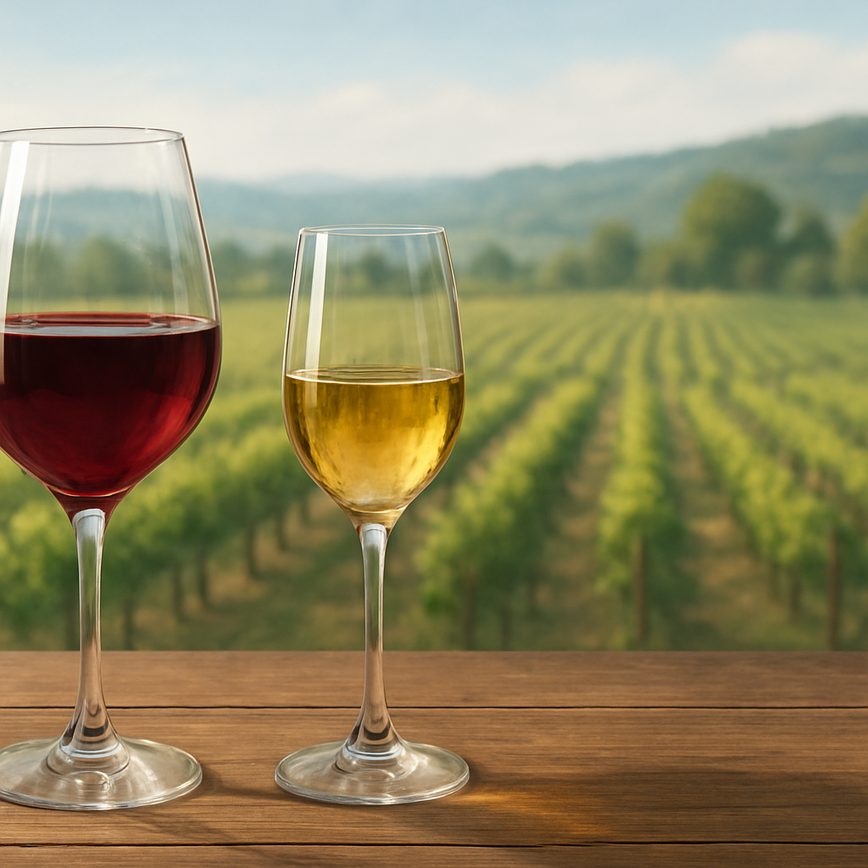
Introduction to Table Wine and Dessert Wine
When exploring the diverse world of wines, understanding the differences between table wine and dessert wine is essential. Both types hold unique places in the spectrum of wine varieties, each with distinct characteristics and purposes. Table wine and dessert wine offer a wine overview that helps enthusiasts and casual drinkers alike appreciate their qualities and choose the right wine for any occasion.
Table wine is the most common type of wine enjoyed worldwide. Typically, it is a wine meant to accompany meals and everyday occasions. Generally produced with moderate alcohol content ranging from about 9% to 15%, table wines can be red, white, or rosé. They are characterized by their balanced flavors, acidity, and tannins, making them versatile for pairing with a variety of foods. The purpose of table wine is to enhance the dining experience by complementing the flavors of the dish without overpowering them.
Dessert wine, on the other hand, is distinctly sweet and typically enjoyed after a meal, often paired with desserts or cheese. It is known for its higher sugar content, which contributes to its rich, luscious taste. Dessert wines usually have a higher alcohol level, sometimes boosted through fortification. This sweet wine type can include varieties like late-harvest wines, ice wines, and fortified wines such as Port or Sherry. The purpose of dessert wine is to offer a sweet finish to a meal and provide a contrasting flavor profile to bitter or savory dishes.
In summary, table wine serves as a fundamental wine type aimed at meal enjoyment with moderate alcohol and balanced taste, while dessert wine stands out for its sweetness and higher alcohol content, designed to complement desserts or be savored on their own. Together, these wine types enrich the wine landscape and cater to diverse palates and occasions, making understanding them a valuable part of any wine lover’s knowledge.
Key Differences Between Table Wine and Dessert Wine
| Aspect | Table Wine | Dessert Wine |
|---|---|---|
| Sweetness | Typically dry or semi-dry with low to moderate sweetness levels. | Characterized by high sweetness, often syrupy or rich in sugar content. |
| Alcohol Content | Generally contains 11-14% alcohol by volume, balanced for everyday drinking. | Often higher alcohol content, ranging from 14% to 20%, sometimes fortified. |
| Serving Occasions | Commonly served alongside meals as an everyday beverage. | Typically reserved for special occasions or served after a meal as a treat. |
| Pairing | Pairs well with a wide range of foods, complementing appetizers, main courses, and light dishes. | Best paired with desserts, cheese, or enjoyed on its own to highlight its sweetness. |
Understanding the wine differences between table wine vs dessert wine is essential for selecting the right bottle for any occasion. Table wine tends to be the staple in wine collections, known for its moderate alcohol content and dry or semi-dry profile. This makes it versatile and suitable to pair with various foods, making it a popular choice for lunches, dinners, and social gatherings.
In contrast, dessert wine stands out for its luscious sweetness and often elevated alcohol levels due to fortification or natural concentration of sugars. It is not commonly consumed throughout the meal but rather reserved for dessert or as an indulgent drink on its own. The sweetness and richness of dessert wine make it an excellent complement to sweet dishes and strong cheeses.
When comparing table wine and dessert wine, consider the context and pairing to maximize enjoyment. Table wines offer a balanced profile suitable for a variety of dishes and occasions, while dessert wines shine in specialized roles that celebrate sweetness and richness. This fundamental wine comparison enhances appreciation and guides wine choices effectively.
Sweetness and Flavor Profiles
Sweetness levels play a crucial role in differentiating table wines from dessert wines. Table wines typically have lower sweetness, ranging from dry to off-dry, which means they contain little residual sugar. This results in a wine taste characterized by crisp acidity, light to medium body, and a balanced flavor profile that complements a variety of foods.
On the other hand, dessert wines are known for their higher sweetness levels. These wines retain a significant amount of residual sugar, giving them a rich, luscious taste that is often syrupy or honeyed. Dessert wines’ flavor profiles are intense and often complex, featuring notes of ripe fruits, caramel, nuts, and spices. This sweetness and heightened flavor intensity make them perfect for pairing with sweets or enjoying on their own as a finale to a meal.
In summary, while both table and dessert wines offer delightful wine taste experiences, their sweetness levels distinguish them clearly. Table wines tend to emphasize freshness and subtlety, whereas dessert wines focus on richness and depth in their flavor profile, catering to different palates and occasions.
Alcohol Content and Production Methods
| Aspect | Table Wine | Dessert Wine |
|---|---|---|
| Alcohol Content | Typically ranges from 11% to 14% alcohol by volume (ABV). | Usually higher, ranging from 14% to 20% ABV due to added sugars or fortification. |
| Wine Production | Undergoes complete or near-complete fermentation where most sugars convert into alcohol. | Production methods include stopping fermentation early or adding spirits, preserving residual sugars. |
| Fermentation Process | Fermentation is allowed to proceed fully for dry or semi-dry wines with balanced alcohol content. | Fermentation is controlled to retain sweetness, either by chilling, filtration, or adding brandy (fortification). |
Serving Suggestions and Food Pairings
When it comes to serving wine, proper temperature and pairing can enhance the entire experience. Table wines are best served slightly chilled for whites (around 50-55°F) or at room temperature for reds (60-68°F). Dessert wines, however, should be served chilled, typically between 45-50°F to maintain their balance and sweetness.
Food pairing is key to maximizing flavor enjoyment for both types of wine. Table wines pair well with everyday meals: light white wines complement seafood and chicken dishes, while fuller-bodied reds suit red meats and hearty stews.
Dessert wines, with their sweetness and richness, shine when paired with desserts like creamy cheesecakes, fruit tarts, or blue cheese. They are also excellent as a stand-alone treat or with nuts and dried fruits.
| Wine Type | Serving Temperature | Ideal Food Pairings | Occasions |
|---|---|---|---|
| Table Wine | 50-55°F (white), 60-68°F (red) | Seafood, poultry, red meats, stews | Everyday meals, casual dinners |
| Dessert Wine | 45-50°F | Cheesecake, fruit tarts, blue cheese, nuts | Dessert courses, celebrations, wine tasting |
Choosing the Right Wine for Your Occasion
Choosing the right wine is essential to complement your event, meal, and personal preferences. Whether you are hosting a formal dinner, a casual get-together, or a celebratory occasion, understanding when to choose wine and what type fits best can enhance the overall experience. Knowing when to serve table wine versus dessert wine is a helpful wine tip that can guide your wine selection for various wine occasions.
Table wine typically pairs well with main courses and versatile meals. It is usually less sweet and can complement a wide range of foods, from meats and pasta to seafood and vegetarian dishes. On the other hand, dessert wine, which tends to be sweeter and richer, is ideal for after-dinner occasions or for pairing with desserts and cheese boards. Let’s explore these choices in a structured way to help you wisely choose wine for your special moments.
| Occasion | Meal Type | Wine Type | Wine Tips |
|---|---|---|---|
| Casual Lunch or Dinner | Light dishes like salads, seafood, or poultry | Table Wine (light white or rosé) | Choose crisp and refreshing table wine for easy pairing and an enjoyable experience. |
| Formal Dinner | Heavier dishes like steak, pasta with rich sauces, or roasted meats | Full-bodied Table Wine (red wine such as Cabernet or Merlot) | Select wine that complements the richness of the meal; consider wine selection that elevates the dining experience. |
| Celebrations and Parties | Varied, including appetizers, mains, and desserts | Both table wine and dessert wine available | Offer a selection based on guest preferences. Dessert wine can be a great end to the meal or for toasting. |
| Dessert or After-dinner | Sweets such as cakes, chocolate, or fruit-based desserts | Dessert Wine (like Port, Sauternes, or Moscato) | Choose sweeter wines to enhance the taste of desserts and provide a luxurious finish. |
| Cheese Pairing | Assorted cheeses and crackers | Dessert Wine or Table Wine | Sweet dessert wine pairs excellently with blue cheese; lighter table wine works well with mild cheeses. |
Ultimately, the best way to choose wine is by considering the occasion, the meal, and your own taste preferences. Experiment with different wine occasions and styles to discover what works best for you. Whether you lean towards the versatility of table wine or the indulgence of dessert wine, these wine tips will assist you in making an informed wine selection every time.
Occasions Best Suited for Table Wine
Table wine is the ideal choice for many everyday occasions and meals due to its versatility and moderate alcohol content. It is often referred to as a “daily wine” because it pairs well with a wide array of foods without overwhelming the palate. Whether it is a casual family dinner or a friendly gathering, table wine occasions are plentiful and varied.
Table wine is best appreciated when enjoyed alongside meal wine pairings such as roasted meats, pasta dishes, grilled vegetables, and light seafood. Its balanced flavors complement rather than compete with food, making it a perfect companion for typical daily meals. It also suits occasions like brunches and informal celebrations where versatility in wine choice is key.
For those looking to elevate everyday moments without the complexity of heavier or sweeter wines, table wine occasions provide an excellent opportunity. It can be served chilled or at room temperature, depending on the type, ensuring maximum enjoyment throughout the dining experience.
When to Serve Dessert Wine
Dessert wine occasions are special moments that call for indulgence and celebration. Dessert wines are most commonly enjoyed after a meal, providing a perfect sweet finish that complements a wide range of desserts. Serving dessert wine after the meal allows its rich flavors and sweetness to shine without overwhelming the palate.
These wines are ideal for special occasions such as holidays, weddings, and intimate gatherings where you want to create a memorable experience. Their luxurious and often complex profiles make them a centerpiece for toasting and savoring with loved ones.
When serving dessert wine, consider pairing it with desserts that enhance its characteristics. For example, a late harvest Riesling or Sauternes pairs beautifully with fruit-based desserts like tarts and poached pears. Richer dessert wines, such as Port or Moscato, complement chocolate and creamy desserts exceptionally well.
It’s also important to serve dessert wines slightly chilled to highlight their freshness and balance. Use small glasses to encourage savoring each sip slowly, allowing the sweetness and nuances to unfold gradually. This thoughtful approach elevates both the wine and the occasion, making every dessert wine moment truly special.

Winemaker with 12 years in the cellar. I write about fermentation, terroir, and the honest mistakes that taught me more than any textbook. I’ve ruined more barrels than most people have tasted. That’s not a disclaimer — that’s a résumé. Twelve years making wine in France, now making sense of it in words.