Introduction to Wine and Food Pairing
Wine pairing basics open a fascinating world where the combination of food and wine can elevate the dining experience to new heights. The art of food and wine pairing is not only about matching flavors but also about enhancing the enjoyment of both elements together. Understanding the fundamentals of pairing introduction allows anyone to appreciate how the right wine can complement, contrast, or highlight the flavors in a dish.
At its core, pairing wine with food is about balance and harmony. Wine and food interact on the palate, influencing each other’s taste, texture, and aroma. A well-paired wine can enhance the richness of a dish, soften its intensity, or refresh the palate. Conversely, a mismatched pairing can overwhelm or dull the flavors, detracting from the overall meal. Learning the basic principles of wine pairing basics helps guide these decisions and brings greater satisfaction to every bite and sip.
Key principles in the world of food and wine pairing include the consideration of weight, flavor intensity, and acidity. For example, lighter wines tend to pair best with delicate dishes, while fuller-bodied wines stand up better to rich, robust flavors. Acidity in wine can cut through fatty foods, cleansing the palate and balancing richness. Sweetness in wine can complement spicy or salty dishes, while tannins often pair well with protein-heavy or grilled foods.
Enjoyment is at the heart of wine and food pairing, making it an accessible pleasure rather than a strict science. While guidelines exist, personal preference and experimentation play significant roles. The excitement comes from discovering your favorite combinations and learning how different wines transform the taste of varied cuisines. By embracing the basics of wine pairing, anyone can confidently explore and appreciate the dynamic relationship between wine and food.
Ultimately, the goal of wine and food pairing basics is to enhance the overall dining experience, creating memorable moments and deeper enjoyment. Whether for casual meals or special occasions, understanding the principles of pairing introduction adds an enriching layer to culinary enjoyment, making every meal an opportunity to savor the perfect match of wine and food.
Why Pair Wine with Food?
Pairing wine with food offers a range of benefits that elevates your overall dining experience. One of the primary benefits of pairing is taste enhancement. When the right wine is paired with the perfect dish, both the wine and the food complement each other, bringing out subtle flavors and aromas that might otherwise go unnoticed. This harmonious match creates a balance that enhances the sensory enjoyment of the meal.
Food and wine harmony plays a crucial role in creating memorable meals. Wine can amplify the flavors of the dish, whether it’s a rich, bold red paired with a hearty steak or a crisp white wine served alongside fresh seafood. This synergy between food and wine allows each bite and sip to be more flavorful, resulting in a more satisfying and refined eating experience.
Moreover, pairing wine carefully can help to cleanse the palate, preparing the taste buds for the next bite and sip, which keeps the flavors fresh and vibrant throughout the meal. This dynamic interaction encourages diners to savor each flavor in a way that enhances both the food and the wine. Ultimately, the benefits of pairing wine with food ensure a more enjoyable and sophisticated dining occasion that delights the senses.
Basic Principles of Pairing
Successful wine and food pairing hinges on a few fundamental principles that help create harmony and enhance the dining experience. One key principle is matching the weight and intensity of the wine with the dish. For example, a rich, full-bodied wine pairs well with hearty, flavorful foods, while lighter wines complement delicate dishes. This balance ensures that neither the food nor the wine overpowers the other.
Another important aspect is matching flavors. Complementary flavors between wine and food can elevate both, such as pairing citrus notes in wine with similarly bright and fresh dishes. Conversely, contrasting flavors can also work well when balanced correctly—like the sweet acidity of a wine cutting through the richness of a fatty dish, creating a pleasing contrast that refreshes the palate.
Considering these pairing principles—weight, intensity, and the interaction of matching or contrasting flavors—provides a reliable framework for pairing wine and food successfully. By paying attention to these elements, you can craft pairings that bring out the best in both the wine and the dish, making every bite and sip more enjoyable.
Key Pairing Techniques and Examples
Pairing techniques are essential to mastering the art of wine and food combinations. Understanding how to balance flavors, textures, and intensities can elevate any dining experience. Popular pairing techniques often focus on complementing or contrasting tastes to bring out the best in both the wine and the dish. Here are some foundational pairing techniques along with real pairing examples to guide your next meal planning.
One well-known technique is the classic “match intensity” approach, where the weight and intensity of the wine align with the food. For example, a robust Cabernet Sauvignon pairs excellently with a hearty steak because the wine’s bold tannins and deep flavors stand up to the richness of the meat. Conversely, lighter wines like a Pinot Grigio work best with delicate foods such as seafood or fresh salads, complementing rather than overpowering their subtle flavors.
Another popular technique is “complementing flavors,” where the wine’s flavor profile enhances similar notes in food. A notable example is pairing a Chardonnay with creamy dishes like lobster or mushroom risotto—the wine’s buttery texture and hints of oak blend seamlessly with creamy sauces. Similarly, a Riesling with its fruity sweetness pairs beautifully with spicy dishes like Thai or Indian cuisine, balancing heat and flavor.
Contrasting flavors also make for exciting wine and food combinations. The acidity in wines like Sauvignon Blanc cuts through rich, fatty foods such as goat cheese or dishes with buttery sauces, creating a refreshing balance. Likewise, the tannins in a Syrah can contrast well with spicy or smoky barbecued meats, adding complexity to the eating experience.
Lastly, the “regional pairing” technique, where wines are paired with foods from the same geographical area, often yields natural harmony. For instance, Italian Chianti wine pairs superbly with Tuscan dishes like pasta with tomato sauce, while French Champagne exquisitely complements salty oysters, both reflecting the terroir of their origin.
By applying these key pairing techniques—matching intensity, complementing flavors, contrasting tastes, and regional pairing—you can discover a variety of enjoyable wine and food combinations. Experimenting with these methods allows you to find pairing examples that best suit your palate and elevate your culinary experiences.
Pairing by Wine Type
When exploring red wine pairing, consider that red wines generally excel with rich and hearty dishes. The tannins in red wines, like Cabernet Sauvignon or Merlot, complement the protein and fat in red meats such as steak, lamb, or beef stew. These pairings enhance the flavors of both the food and the wine, creating a balanced and satisfying experience.
White wine pairing tends to favor lighter fare due to the typically higher acidity and lower tannin levels in white wines. Wines like Chardonnay, Sauvignon Blanc, and Riesling work wonderfully with seafood, poultry, and fresh salads. The bright acidity in these wines cuts through creamy sauces and highlights the delicate flavors in dishes like grilled fish or chicken with lemon butter.
Rosé wines offer versatile pairing options and can complement a broad range of dishes. Their balanced profile—often between the fruitiness of whites and the structure of reds—makes them a great match for Mediterranean cuisine, grilled vegetables, and even some spicy foods. Rosés can bridge the gap between white wine pairing and red wine pairing, making them ideal for meals with varied or mixed flavors.
By understanding the characteristics of each wine type and how they interact with different foods, you can elevate your dining experience. Whether you prefer the boldness of reds, the crispness of whites, or the versatility of rosés, selecting the right wine type to accompany your meal enhances flavor and enjoyment.
Classic Food and Wine Matches
When it comes to classic pairings, certain combinations have stood the test of time due to their harmonious balance of flavors. One of the most well-known classic pairings is red wine with steak. The rich, bold flavors of a red wine complement the savory and hearty taste of a perfectly cooked steak. The tannins in red wine help to cut through the fat and protein of the meat, enhancing the overall taste experience. Cabernet Sauvignon, Merlot, and Malbec are popular choices that bring out the best in a steak dish.
On the other hand, white wine has traditionally been paired with lighter dishes such as seafood. The freshness and acidity of white wine highlight the delicate flavors of fish and shellfish without overpowering them. Crisp Sauvignon Blanc, Chardonnay, and Pinot Grigio are excellent companions for seafood dishes, bringing out subtle tastes and textures. This classic pairing ensures that both the food and the wine shine on the palate.
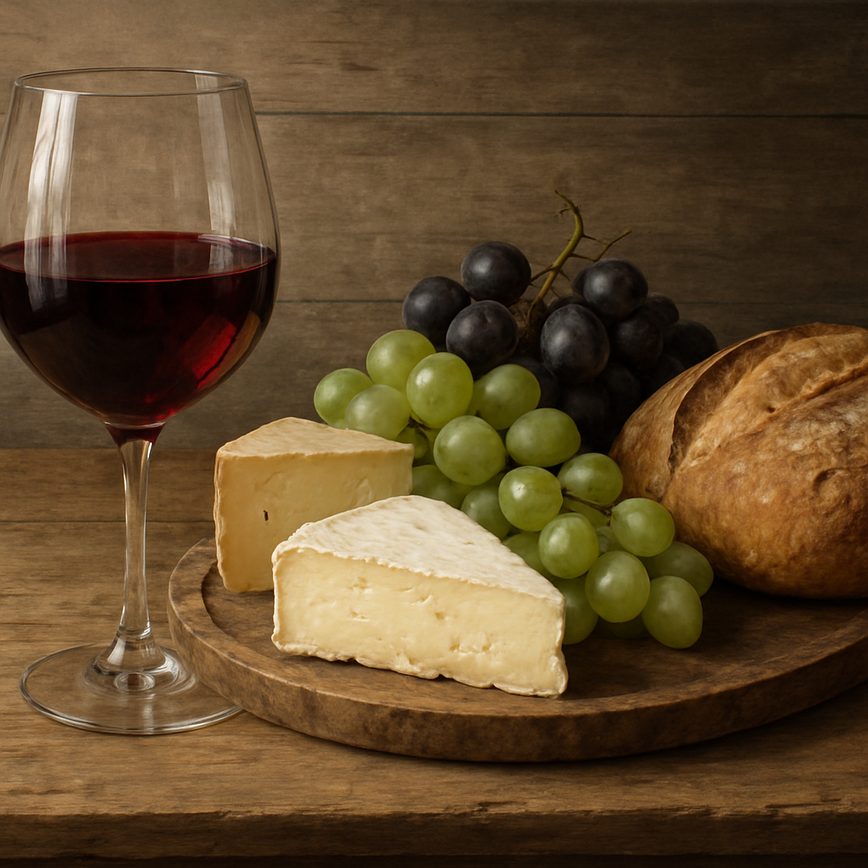
Another timeless combination is cheese and wine, which offers endless variations depending on the types of cheese and wine involved. From creamy Brie paired with a buttery Chardonnay to tangy blue cheese complimented by a sweet Port, cheese and wine pairings provide a delightful tasting experience. These classic pairings have been enjoyed for generations, celebrating the balance between rich, creamy, or sharp cheeses and complementary wine profiles.
Tips for Experimenting with Pairings
When it comes to pairing wine and food, there are no strict rules that must be followed rigidly. Pairing tips for beginners often emphasize the importance of experimenting with wine to discover combinations that delight your palate. Confidence in creating your own pairings grows with each tasting and the willingness to try new things.
Start by pairing familiar wines with dishes you know well. This approach allows you to understand how certain flavor profiles interact. For example, a crisp white wine like Sauvignon Blanc with a fresh salad or seafood can highlight bright, zesty flavors. On the other hand, a full-bodied red like Cabernet Sauvignon may complement hearty meats due to its depth and tannins. These simple experiments provide a foundation for learning pairing advice that you can build upon.
Don’t hesitate to mix and match—experimenting with wine and food combinations is a fun and rewarding experience. Try contrasting flavors, such as sweet wines with spicy dishes, or cheeses paired with fruit-forward reds. Taking notes on what works and what doesn’t helps refine your understanding and creates your personalized guide to pairing success.
Pay attention to the balance of flavors and textures. A good pairing often balances acidity, sweetness, bitterness, and texture. For example, pairing a buttery Chardonnay with creamy pasta can enhance the richness, while a sparkling wine might cut through the fat of fried foods, refreshing your palate. Recognizing these elements in both the wine and the dish will improve your pairing skills.
Lastly, trust your taste buds above all. Wine and food pairing advice can be subjective, and your preferences matter most. Embrace the process of discovery with patience and an open mind. By following these pairing tips and experimenting with wine regularly, you’ll develop the confidence to create delightful combinations that suit your unique tastes.
Balancing Flavors and Textures
When pairing wine with food, achieving flavor balance and texture matching is essential to create a harmonious dining experience. Begin by evaluating the flavor intensity of both the dish and the wine. Rich, bold wines like Cabernet Sauvignon or Syrah complement equally robust dishes such as grilled meats or hearty stews, as their strong flavors can stand up to one another without being overshadowed. Conversely, delicate wines like Pinot Grigio or Riesling should be paired with lighter fare such as salads, seafood, or mild cheeses to maintain a balanced palate.
Next, consider texture matching. The body and mouthfeel of the wine should complement the texture of the dish. For example, a creamy, buttery Chardonnay works well with foods that have a similar rich and smooth texture, enhancing the overall sensory experience. On the other hand, crisp, high-acid wines such as Sauvignon Blanc can cut through oily or fried foods, cleansing the palate and preventing heaviness.
As you combine flavor balance and texture matching, use these pairing advice tips: always aim to either complement or contrast flavors thoughtfully, avoid overpowering delicate dishes with intense wines, and remember that matching the weight of the food with the wine’s body leads to greater harmony on the plate. By assessing both flavor intensity and texture carefully, you can create balanced pairings that make every bite and sip enjoyable and well-rounded.
Using Personal Preferences and Creativity
When it comes to wine and food pairing, personal taste should always take center stage. While classic guidelines offer a solid foundation, allowing your own palate to guide your choices can lead to uniquely rewarding experiences. Embracing creative pairing means you are free to experiment with wine in ways that might not traditionally be considered – this is where the joy of discovering unexpected combinations lies.
Start by honoring your personal preferences; if you enjoy a certain type of wine, try pairing it with different foods to see what enhances your overall enjoyment. Experimenting with wine outside the usual recommendations can open up new flavor profiles and highlight nuances in both the wine and the dish. This approach encourages a sense of adventure and can reveal combinations that delight your palate in surprising ways.
Of course, classic pairing principles such as balancing flavors and considering intensity are helpful guidelines not to be ignored entirely. Use them as a backdrop rather than a rulebook. Ultimately, the best pairings are those that satisfy your senses. Trust your instincts, have fun with creative pairing, and don’t be afraid to break the rules to find what truly appeals to your personal taste while experimenting with wine and food together.

Winemaker with 12 years in the cellar. I write about fermentation, terroir, and the honest mistakes that taught me more than any textbook. I’ve ruined more barrels than most people have tasted. That’s not a disclaimer — that’s a résumé. Twelve years making wine in France, now making sense of it in words.