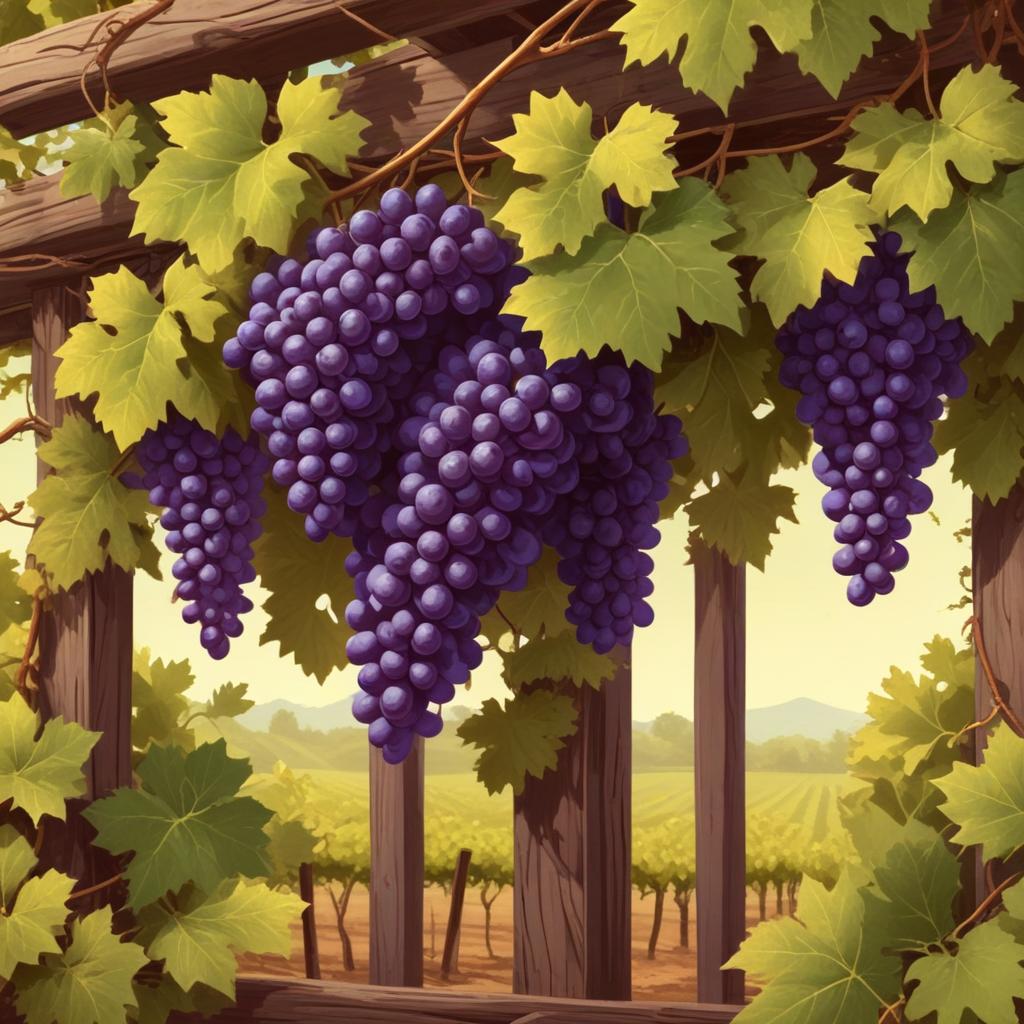
Introduction to Native Grape Varieties of Louisiana
Louisiana’s unique climate and soil composition have given rise to a fascinating array of native grapes that hold a special place in the state’s viticulture and culture. These native grapes of Louisiana are not only adapted to thrive in the humid and often challenging environment but also contribute to the distinct flavors and characteristics that define Louisiana grape varieties. Unlike many imported European grape species, Louisiana’s local grapes have evolved over time to resist pests and diseases prominent in the region, making them an invaluable resource for sustainable and resilient winemaking.
The importance of these native grape varieties extends beyond their agricultural value. They represent a connection to the land and heritage of Louisiana, embodying the spirit of local farmers and winemakers who have preserved and promoted these grapes throughout generations. In Louisiana’s growing wine industry, these grapes provide a unique identity that differentiates local wines on both national and international stages. Their role in local viticulture is pivotal, as they support the development of wines that reflect the state’s terroir, showcasing flavors that cannot be replicated by grapes grown elsewhere.
Local grapes of Louisiana have contributed to a cultural renaissance in the region’s wine scene, inspiring festivals, vineyard tours, and educational efforts that celebrate native grape varieties. They serve as a foundation for winemakers who experiment with traditional and modern techniques to produce varieties that appeal to a wide range of wine enthusiasts. As a result, these native grapes are much more than just agricultural products; they are cultural treasures that tell the story of Louisiana’s agricultural innovation, ecological diversity, and vibrant community life.
In summary, the native grape varieties of Louisiana are crucial to both the local economy and cultural heritage. Their resilience, distinctive qualities, and historical significance make them essential to the identity and future of Louisiana’s viticulture. Whether you are a wine connoisseur or a casual enthusiast, exploring Louisiana grape varieties offers a taste of the state’s unique landscape and the passion of its people dedicated to preserving this remarkable agricultural legacy.
Characteristics of Native Louisiana Grape Varieties
Native Louisiana grape varieties exhibit unique grape characteristics that set them apart in the viticulture world. Physically, these grapes are typically smaller in size compared to their international counterparts but are packed with flavor. The berries often have a thick skin, which contributes to their resilience in Louisiana’s humid environment. Their color ranges widely from deep purples to vibrant greens, reflecting the diversity among native varieties. Leaves of these plants are usually broad with a distinct lobed shape, aiding in maximizing photosynthesis in the intense southern sun.
In terms of taste, Louisiana grapes offer a spectrum of native grape features, from sweet and fruity to more robust, slightly tart profiles. These flavors are a testament to the rich soil and climate conditions indigenous to the region. Many native grapes possess a natural resistance to the fungi and pests common in Louisiana’s warm and rainy seasons, which helps maintain their quality and flavor year after year.
Growth habits of Louisiana grapes are strongly adapted to the local climate. These vines tend to grow vigorously and are known for their high tolerance to humidity and heat, which can otherwise compromise the health of non-native grape varieties. The native vines have a sturdy structure to withstand frequent rain and occasional storms, which are typical in Louisiana’s subtropical climate. Additionally, they have evolved to have a relatively early ripening period, allowing them to avoid some of the late-season weather challenges.
Climate adaptations are a hallmark of Louisiana grapes traits. Unlike many international grape varieties that struggle in hot, damp conditions, native Louisiana grapes have developed mechanisms to thrive under these circumstances. Their thick skins and robust vines provide protection against humid-induced rot and disease. The adaptability of these grapes to the unique Louisiana climate ensures they are a sustainable option for vintners in the region, producing distinctive wines that reflect the terroir of the South effectively.
Climate Adaptability
Native Louisiana grape varieties demonstrate remarkable adaptability to the state’s humid subtropical climate, making them uniquely suited for local viticulture. The combination of high humidity, frequent rainfall, and hot summer temperatures poses challenges for many grapevines, but these native varieties have evolved with strong resilience to such conditions. One of the key advantages is their natural resistance to common grapevine diseases like powdery mildew, downy mildew, and black rot, which are especially prevalent in Louisiana’s moist environment. This disease resistance reduces the need for chemical treatments and supports sustainable grape growing practices.
Moreover, the heat tolerance of Louisiana’s native grapes plays a vital role in their survival and productivity. These vines maintain their vigor and fruit quality despite the intense heat waves that often characterize Louisiana weather. Their physiological traits allow them to regulate water efficiently and withstand prolonged periods of high temperature without significant stress. This adaptability not only ensures consistent grape production but also contributes to the development of unique flavor profiles that reflect the local terroir.
In summary, the grapes climate in Louisiana is demanding, yet native grape varieties flourish due to their exceptional vine adaptability. Their genetic traits allow them to thrive in the humid subtropical climate by combating diseases naturally and enduring heat, securing their place as integral components of Louisiana’s winemaking tradition.
Flavor Profiles and Uses
Native grape varieties of Louisiana offer a distinctive grape flavor that reflects the region’s unique terroir. These grapes often present bold, robust tastes with a mix of fruity and earthy notes. Common flavor characteristics include hints of blackberries, dark cherries, and subtle spice, balanced by a natural acidity that enhances both fresh consumption and winemaking potential. Louisiana grape taste tends to be less sweet and more complex compared to more commercial grape varieties, making them prized for artisanal production.
In Louisiana, native grapes are used extensively in a variety of culinary and winemaking applications. Their vibrant flavor profiles make them ideal for crafting distinctive wines that capture the essence of the local climate. From dry to semi-sweet styles, Louisiana winemakers harness these unique grapes to produce wines that showcase regional character and depth. Beyond winemaking, native grapes also find their way into jams, jellies, and preserves, where their rich flavors add a special touch to traditional Southern recipes.
Native grape uses extend to fresh eating, where the grapes’ firm texture and refreshing taste make them a favorite for local snacking or as accents in salads and desserts. Their versatility in both savory and sweet applications highlights the importance of native grapes in Louisiana’s culinary culture. Whether experienced in a glass or on a plate, the Louisiana grape taste offers a genuine connection to the land and a celebration of native agricultural heritage.
Popular Native Grape Varieties in Louisiana
Louisiana is home to a variety of popular native grapes that thrive in its unique climate and soil conditions. These Louisiana grape types have been cultivated for generations, offering distinct flavors, resilience, and a fascinating history. Below is a list of the most widely grown local grape varieties and what makes each of them stand out.
- Scuppernong: Perhaps the most historically significant native grape in Louisiana, the Scuppernong is a type of muscadine grape known for its bronze color and sweet, robust flavor. It has been grown in the southern United States for centuries and is prized for its resistance to diseases and pests, making it ideal for Louisiana’s humid climate. This grape is often used for homemade jams, jellies, and of course, sweet muscadine wines.
- Black Spanish (Lenoir): Another popular native grape variety in Louisiana, Black Spanish grapes are dark purple to almost black and have thick skins, which protect them from fungal infections common in southern climates. This variety is known for its deep, rich flavor with smoky, spicy notes. It is commonly used in red wine production and is valued for its robustness and ability to thrive in Louisiana’s variable weather.
- Concord: While not exclusive to Louisiana, Concord grapes have become a staple in local vineyards due to their adaptability and sweet, tangy taste. They are a favorite for fresh eating, juice, and jelly. The Concord grapevine’s hardiness and ability to produce high yields have made it one of the most popular native grapes in Louisiana cultivation.
- Niagara: A white grape variety that is often grown alongside Concord in Louisiana vineyards. Niagara grapes are known for their distinctive musky aroma and sweet taste, making them excellent for fresh consumption and white grape juice production. Their vigor and disease tolerance contribute to their popularity in local grape growing.
- Florida Muscadine: Rare but gaining interest among Louisiana growers, this muscadine variety shares many of the Scuppernong’s qualities with thicker skins and a sweet, aromatic profile. It offers excellent resistance to heat and humidity, which are hallmark challenges for Louisiana grape farmers. This variety is still emerging but is recognized for its promising cultivation potential.
These popular native grapes showcase the diversity and resilience of Louisiana grape types. Local grape varieties not only contribute to the state’s agricultural heritage but also provide unique flavors that reflect the region’s terroir. Whether for winemaking or fresh consumption, these varieties stand out as true representatives of Louisiana’s rich viticultural tradition.
Scuppernong Grape
The Scuppernong grape is a notable native grape variety of Louisiana, prized for its deep roots in the state’s viticultural heritage. Originating from the southeastern United States, the Scuppernong grape is actually a variety of muscadine grape, distinguished by its large, bronze-green berries that thrive in the warm, humid climate of Louisiana. This native grape Louisiana variety has adapted exceptionally well to the regional soil and weather conditions, making it a symbol of resilience and local identity in the wine industry.
Characterized by its sweet, fruity flavor with subtle floral and musky notes, the Scuppernong grape offers unique qualities that set it apart from more commonly cultivated European grape varieties. Its thick skin helps protect it from pests and diseases, which contributes to its hardiness and suitability for cultivation in Louisiana’s challenging growing environment. This native grape Louisiana is not only used for fresh consumption but is also a favored ingredient in local wines, jellies, and preserves, cementing its importance in the state’s agricultural economy.
Louisiana Scuppernong holds deep cultural significance as a symbol of the region’s agricultural history and the enduring legacy of native plants. It is celebrated annually in festivals and events oriented around local produce, further highlighting the grape’s role in fostering community pride and preserving traditional practices. The Scuppernong grape stands as a testament to Louisiana’s rich biodiversity and the unique flavors that native grapes contribute to the American South’s culinary landscape.
Muscadine Grape
The Muscadine grape is a distinctive native grape variety cherished in Louisiana for its resilience and unique flavor profile. Known scientifically as Vitis rotundifolia, this grape stands out with its thick skin, large berries, and natural resistance to pests and diseases, making it particularly well-suited for the warm, humid climate of Louisiana. The Louisiana Muscadine grows vigorously on robust vines that thrive in the state’s varied soil types, especially in sandy, well-drained areas typical of the region.
In Louisiana agriculture, the Muscadine grape plays a vital role due to its adaptability and minimal need for chemical interventions, aligning well with sustainable farming practices. It flourishes through hot summers and can tolerate occasional droughts, factors that contribute to its growing popularity among local farmers. Muscadine grapes typically ripen in late summer to early fall, offering a timely harvest for vintners and growers alike.
The Louisiana Muscadine is integral to the state’s winemaking tradition, prized for producing robust, flavorful wines that range from sweet to dry. Its natural sugars and distinctive musky aroma provide a unique character not usually found in European grape varieties. Beyond wine, Muscadine grapes are used for fresh consumption, jams, and jellies, all of which celebrate this native grape variety’s rich cultural and agricultural significance in Louisiana.

Winemaker with 12 years in the cellar. I write about fermentation, terroir, and the honest mistakes that taught me more than any textbook. I’ve ruined more barrels than most people have tasted. That’s not a disclaimer — that’s a résumé. Twelve years making wine in France, now making sense of it in words.