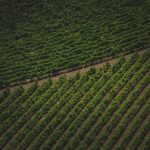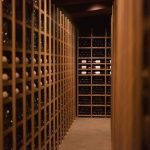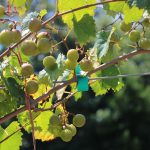
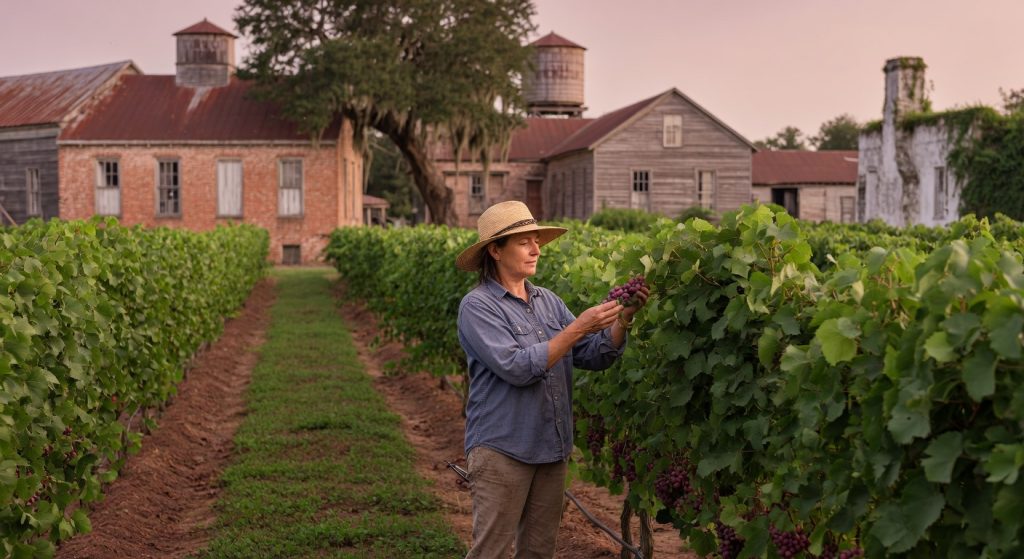
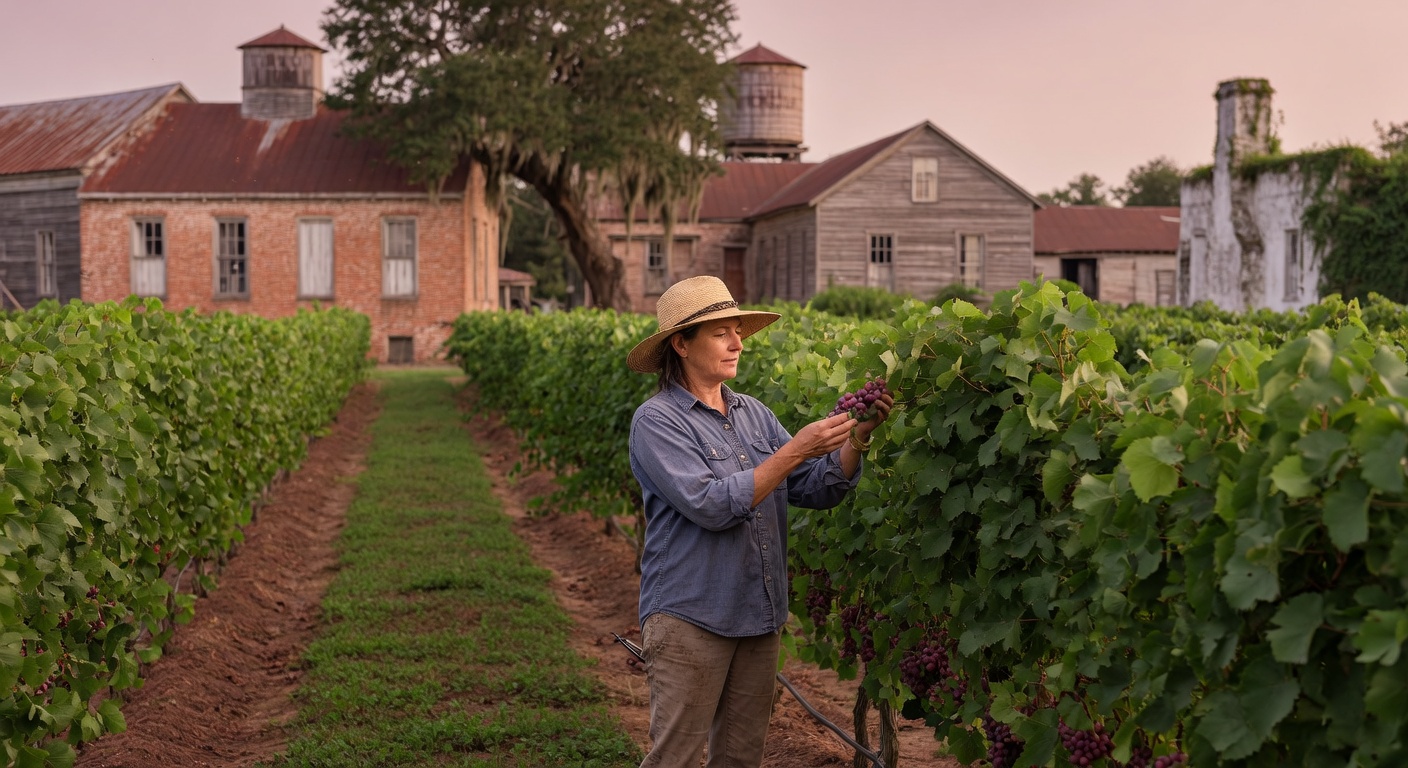
Modern viticulture in Louisiana, on the other hand, incorporates technological advancements and scientific practices to overcome the challenges posed by high humidity, frequent rainfall, and heat. Techniques such as canopy management, irrigation control, and advanced pest management systems allow growers to optimize vine health and fruit quality. Additionally, the use of climate-adapted rootstocks and modern fermentation equipment improves efficiency and consistency, elevating the quality of locally produced wines.
The winemaking techniques Louisiana employs are thus an evolving conversation between old and new. While traditional methods provide a foundation rooted in environmental harmony and historical knowledge, modern viticulture offers innovative solutions that address contemporary challenges. Together, these methods highlight the resilience and creativity of Louisiana winemakers, ensuring that their wines express the unique terroir of the region.
History of Louisiana Wineries
The history of Louisiana wineries is a fascinating journey marked by resilience, innovation, and the passion of early settlers who laid the groundwork for a vibrant wine industry. The vineyard origins in Louisiana can be traced back to the early 18th century when European settlers first introduced grape cultivation to the region. These pioneers faced numerous challenges including a humid climate and unfamiliar soil conditions, which made traditional grape varieties difficult to grow. Nonetheless, their efforts planted the seed for a unique wine culture that would eventually flourish.
Throughout the 19th century, Louisiana wineries experienced gradual development, with local vintners experimenting with native grape species better suited to the state’s environment. The Creole and Acadian communities played a significant role during this period, helping to preserve indigenous viticulture knowledge and adapting European wine-making traditions to local conditions. This era laid down important milestones for the wine industry development in Louisiana, setting the stage for more structured vineyard practices and commercial wine production.
The growth of Louisiana’s wine industry was further propelled in the late 20th century as advances in agricultural technology and a renewed interest in local wines sparked a renaissance. Modern Louisiana wineries began to diversify their offerings, cultivating hybrid grape varieties that could withstand the regional climate while producing high-quality wines. This period saw the establishment of formal wine trails and increased tourism, helping to firmly embed the wine culture within Louisiana’s broader heritage.
Today, Louisiana wineries history reflects a tapestry of cultural influences and agricultural ingenuity. From humble vineyard origins in Louisiana to a thriving regional industry, the story of these wineries celebrates a unique blend of tradition and innovation. As the wine industry continues to develop, Louisiana remains a symbol of how passion and perseverance can transform challenges into opportunities, enriching the state’s heritage and offering wine enthusiasts an authentic taste of Southern viticulture.
Early Wine Production in Louisiana
Louisiana’s journey into early wine production dates back to the 18th and 19th centuries when settlers began planting some of the state’s first historic vineyards. Despite the region’s challenging climate and humidity, early winemakers were determined to cultivate grapes that could thrive and produce quality wines. These pioneers experimented with native grape varieties alongside European cultivars, aiming to adapt traditional wine-making methods to local conditions.
The historic vineyards of Louisiana often relied on hands-on, traditional wine-making practices passed down through generations. Grapes were typically harvested by hand, carefully selected for optimal ripeness. Small batches were crushed manually or with rudimentary presses, and fermentation took place in wooden barrels or stone vats. This artisanal approach emphasized patience and careful attention to detail to develop the flavors unique to Louisiana wines.
Early wine Louisiana producers also embraced traditional methods such as natural fermentation, using indigenous yeast strains found on grape skins. This contributed to the distinct characteristics found in their wines, setting Louisiana apart from other emerging American wine regions. These foundational efforts laid the groundwork for the state’s evolving wine heritage, balancing historic techniques with the challenges and potential of the local terroir.
Modern Winery Growth and Innovation
The modern Louisiana wineries have experienced remarkable growth in recent years, marking a new era of winery innovation and wine production advances. This surge is driven by dedicated vintners who embrace cutting-edge technologies to enhance both the quality and efficiency of their wine-making processes. Modern Louisiana wineries are increasingly adopting advanced fermentation techniques, climate-controlled storage systems, and precision agriculture tools that optimize vineyard health and yield.
Additionally, vineyard operations are expanding with new plantings and the introduction of hybrid grape varieties tailored to Louisiana’s unique climate challenges. This expansion not only increases production capacity but also diversifies the range of wines available, appealing to broader consumer tastes. Innovations such as drone monitoring and soil sensors allow winemakers to closely monitor vineyard conditions in real time, enabling proactive decisions that improve grape quality and sustainability.
Winery innovation in Louisiana also includes integrating sustainable practices, such as water conservation technologies and organic farming methods, aligning growth with environmental responsibility. These advances position Louisiana as a forward-thinking player in the wine industry, blending tradition with technology to cultivate distinctive wines. The result is a dynamic wine culture that is both rooted in heritage and propelled by the latest wine production advances, ensuring the state’s wineries are competitive on a national and international scale.
Cultural Significance of Wine in Louisiana
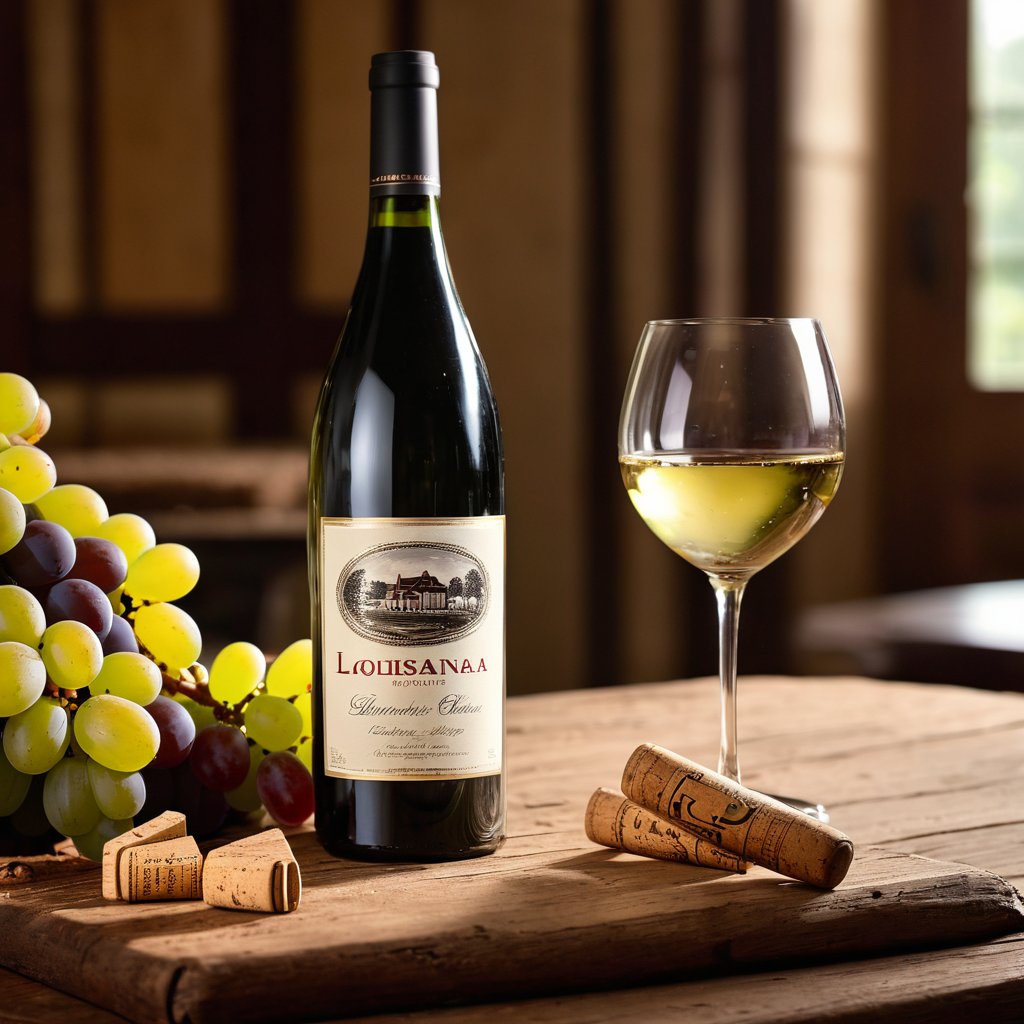
Louisiana wine culture is deeply woven into the fabric of the state’s diverse heritage and social life. Wine, more than just a beverage here, serves as a symbol of celebration, community, and local pride. Its cultural impact is evident in the numerous wine festivals Louisiana hosts annually, drawing both residents and tourists eager to experience the region’s unique viticultural traditions and spirited social atmosphere.
Wine festivals Louisiana are lively events that showcase local vineyards, winemakers, and the rich variety of grapes suited to the region’s subtropical climate. These festivals are not only about tasting exquisite wines but also about honoring the traditions behind winemaking. They bring communities together, from small towns to larger cities, fostering a sense of belonging and shared enjoyment. Music, local cuisine, and artisanal crafts often accompany the wine, enhancing the cultural experience and adding layers of social interaction.
Local traditions linked to wine extend beyond festivals. In Louisiana’s many homes, wine is central to social gatherings, family dinners, and celebrations of life’s milestones. The custom of pairing wine with traditional Louisiana dishes like jambalaya, gumbo, and crawfish étouffée reflects how ingrained wine culture is with regional cuisine. This integration enriches both the flavor experience and the cultural narrative shared among locals.
Furthermore, wine influences local social life by acting as a communal connector across different cultural and ethnic groups in Louisiana. Wine tasting events and vineyard tours are popular ways residents engage with their own heritage and learn about others’. This shared appreciation supports a diverse and vibrant social scene, where stories are exchanged over glasses of locally produced wine, creating bonds that cross generations and backgrounds.
In summary, the cultural significance of wine in Louisiana goes far beyond the vineyard. It’s a cornerstone of social traditions and festivals that celebrate the region’s uniqueness. The state’s wine culture is a lively testament to how local traditions and social life can flourish around the appreciation of wine, making it a vital part of Louisiana’s cultural identity.
Wine Festivals and Events
Louisiana wine festivals and wine tasting events are cherished regional celebrations that showcase the rich heritage and vibrant culture of the state’s burgeoning wine industry. These festivals attract locals and tourists alike, eager to sample the diverse flavors of Louisiana wines while enjoying live music, local cuisine, and artisan crafts. Among the most popular events is the Louisiana Wine & Cheese Festival, a historic gathering that has been celebrating local vineyards for over two decades, emphasizing the importance of community and the unique terroir of the region.
Another notable festival is the Gulf Coast Wine & Food Festival, which highlights not only regional wines but also the exceptional culinary traditions of Louisiana. Visitors to these events can expect a lively atmosphere filled with engaging wine tastings, educational workshops led by expert sommeliers, and opportunities to meet the winemakers themselves. These events often serve as a platform to promote new vintages and innovative blends, helping to elevate Louisiana’s reputation in the national wine scene.
The significance of these wine festivals extends beyond mere celebration; they foster a sense of pride and continuity in Louisiana’s wine culture. Attendees leave with a deeper appreciation of the regional grapes and winemaking techniques that define the state’s unique viticultural identity. Whether you’re a seasoned oenophile or a curious newcomer, Louisiana’s wine festivals offer a memorable and enriching experience steeped in tradition and festivity.
Role of Wine in Louisiana Cuisine and Traditions
Wine plays a distinctive role in Louisiana cuisine and cultural traditions, acting as both a delightful companion and an enhancer of the rich flavors unique to the region. Pairing wine and food is more than a gastronomic practice here; it is a celebration of heritage. Bold, spicy dishes like jambalaya, gumbo, and crawfish étouffée find a perfect balance when accompanied by wines that complement and elevate their complex spices and textures.
Traditional wine and food pairing in Louisiana transcends mere taste. It weaves into cultural wine rituals that honor family gatherings, festive celebrations, and communal meals. Wine is often chosen to reflect the mood and spirit of the occasion, whether it’s a bright, crisp white to uplift a summer seafood boil or a robust red accompanying a hearty winter meal. These rituals showcase an appreciation for the artistry of winemaking alongside the culinary mastery of Louisiana chefs.
The integration of wine into Louisiana’s cuisine and cultural practices exemplifies a unique dialogue between tradition and innovation. Whether poured at Mardi Gras celebrations or Sunday dinners, wine enriches the shared experience of food and festivities, strengthening bonds and continuing a legacy where culinary creativity and cultural identity flow together, glass by glass.
Unique Grape Varieties and Winemaking Techniques in Louisiana
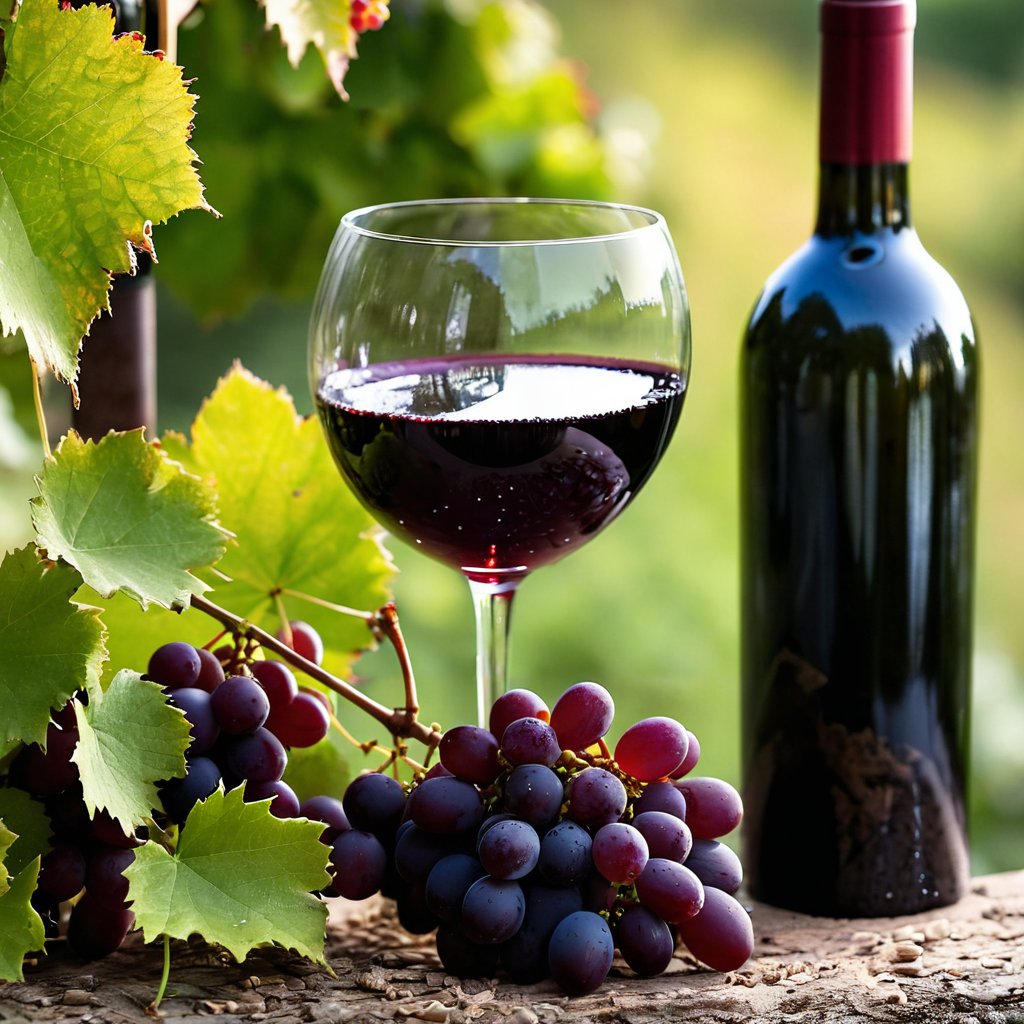
Louisiana’s challenging climate and rich soil have given rise to a unique set of grape varieties and winemaking methods that distinguish its regional viticulture. The state’s warm, humid environment demands grapes that possess resilience against diseases and the ability to thrive in these conditions. As a result, Louisiana grape varieties are often hybrids or native species, carefully chosen for their compatibility with the local terroir.
Among the prominent Louisiana grape varieties are Muscadine and Blanc du Bois. Muscadine, native to the southeastern United States, is renowned for its thick skin, which offers resistance to pests and fungal diseases—a crucial trait given Louisiana’s humid climate. Blanc du Bois, a hybrid grape developed for the South, combines qualities such as disease resistance and drought tolerance, contributing to consistently high-quality fruit suitable for winemaking in this region.
Winemakers in Louisiana have adapted their winemaking methods to suit these grape varieties and the local environmental challenges. Due to the rapid onset of humidity and rain during growing seasons, viticultural practices emphasize timing, with harvests carefully planned to ensure optimal sugar levels and prevent dilution from unexpected rain. Additionally, canopy management techniques are adjusted to enhance air circulation around grape clusters, minimizing fungal infection risks.
In the winery, techniques focus on preserving the distinct characteristics of Louisiana grape varieties while balancing the challenges posed by the regional climate. Winemakers often use cooler fermentation temperatures to retain aromatics and freshness, especially in white wines such as those made from Blanc du Bois. The use of modern sulfur management also helps in preventing oxidation and spoilage, which can be risks in such a warm environment.
Moreover, the blending of traditional and innovative practices is common in Louisiana’s winemaking culture. Some producers experiment with native yeast strains that thrive in the local climate, enhancing the terroir expression within the final product. Louisiana’s regional viticulture, therefore, is a vibrant mix of old and new, with unique grape varieties and winemaking methods that celebrate the state’s heritage and overcome its climatic challenges.
Grape Varieties Adapted to Louisiana Climate
Louisiana’s humid and subtropical climate poses unique challenges to grape cultivation, yet local growers have successfully identified and cultivated grape varieties that thrive in this environment. Among the Louisiana grapes best suited to these conditions are Muscadine, Blanc du Bois, and Norton. These climate-resilient grapes exhibit resistance to humidity-related diseases like powdery mildew and Pierce’s disease, which are common in the region.
Muscadine grapes, native to the southeastern United States, are well-adapted to Louisiana’s heat and humidity, producing robust and flavorful wines. Blanc du Bois, a hybrid grape developed specifically for warm climates, combines resilience with a delicate flavor profile that appeals to many wine enthusiasts. Norton, known for its deep color and rich taste, has also gained popularity due to its robustness in this region.
Successful regional grape cultivation in Louisiana requires careful vineyard management practices. Growers focus on good air circulation through strategic pruning and canopy management to reduce fungal infections. Additionally, they emphasize soil health and drainage to combat excessive moisture in the soil. By combining the selection of climate-resilient varieties with attentive cultivation techniques, Louisiana vintners continue to expand their production of high-quality local wines that celebrate the state’s unique terroir.
Traditional and Modern Winemaking Techniques
Winemaking techniques in Louisiana reflect a dynamic blend of traditional methods and modern viticulture, adapted to the state’s unique environmental conditions. Traditional winemaking methods in Louisiana often emphasize hand-harvesting and natural fermentation processes, continuing a legacy that honors artisan craftsmanship. Winemakers using these traditional techniques carefully select grape varieties that have historically thrived in Louisiana’s humid and warm climate, such as Muscadine grapes, which are naturally resistant to local pests and diseases.

Winemaker with 12 years in the cellar. I write about fermentation, terroir, and the honest mistakes that taught me more than any textbook. I’ve ruined more barrels than most people have tasted. That’s not a disclaimer — that’s a résumé. Twelve years making wine in France, now making sense of it in words.