Introduction to Muscadine Grapes in Louisiana
Muscadine grapes are a unique and cherished variety of grape native to the southeastern United States, with a special significance in Louisiana agriculture. Known for their thick skins and robust flavor, muscadine grapes have been cultivated in the region for centuries, playing a vital role in local farming and winemaking traditions. Unlike the more common European grape varieties, muscadines thrive in the warm, humid climate of Louisiana, making them an ideal choice for growers seeking fruit that is both resilient and flavorful.
The origin of muscadine grapes traces back to the wild native grape species, Vitis rotundifolia, which has adapted well to the American South’s unique environmental conditions. Early settlers in Louisiana quickly recognized the potential of muscadine grapes, incorporating them into agricultural practices to produce fresh fruit, juices, jellies, and wines that celebrated the region’s rich biodiversity. This grape variety’s deep roots in Louisiana’s culture reflect a historical development closely intertwined with the state’s agricultural evolution.
Historically, muscadine grapes have been a staple crop within Louisiana agriculture, valued not only for their versatility but also for their disease resistance and ability to withstand the challenging climate. Over time, various grape varieties have been cultivated, but muscadine grapes remain a dominant presence due to their adaptability and distinctive taste. They have been essential in creating a local wine industry that contributes to Louisiana’s agricultural economy and heritage.
Today, muscadine grapes continue to be an important part of Louisiana’s agricultural landscape, supporting both commercial growers and small-scale farmers. Their cultivation highlights the diversity of grape varieties that thrive in the state, offering a unique product that stands apart from typical grape offerings. The legacy of muscadine grapes is a testament to Louisiana agriculture’s ability to blend tradition with innovation, ensuring these remarkable grapes remain a prized fruit in the region.
History and Background
The muscadine grape holds a significant place in the muscadine history of Louisiana, deeply embedded in the state’s agricultural and cultural fabric. Native to the southeastern United States, muscadine grapes have thrived in Louisiana’s warm and humid climate, making them an ideal choice for grape cultivation in the region. Long before commercial vineyards took root, muscadine grapes were utilized by Native American tribes for food and medicinal purposes, laying the groundwork for their prominence as a native grape species in the area.
Louisiana grape cultivation experienced notable changes with the introduction and expansion of muscadine vineyards in the 18th and 19th centuries. Early settlers recognized the resilience of muscadine grapes against local pests and diseases that often plagued European grape varieties, which helped establish muscadine as a preferred crop. Over time, this afforded Louisiana a unique position in grape production, distinguished by its reliance on these native grapes that could withstand the local environment.
As muscadine grape cultivation developed, it evolved from wild harvesting to more organized farming practices. This transition facilitated the growth of regional wineries and contributed to the economic landscape of Louisiana’s agricultural sector. Today, muscadine grapes continue to embody Louisiana’s viticultural heritage, celebrated both for their historical significance and their adaptability. Their cultivation remains a testament to the enduring legacy of native grapes in shaping the state’s identity as a producer of distinct and robust muscadine wines.
Characteristics of Muscadine Grapes
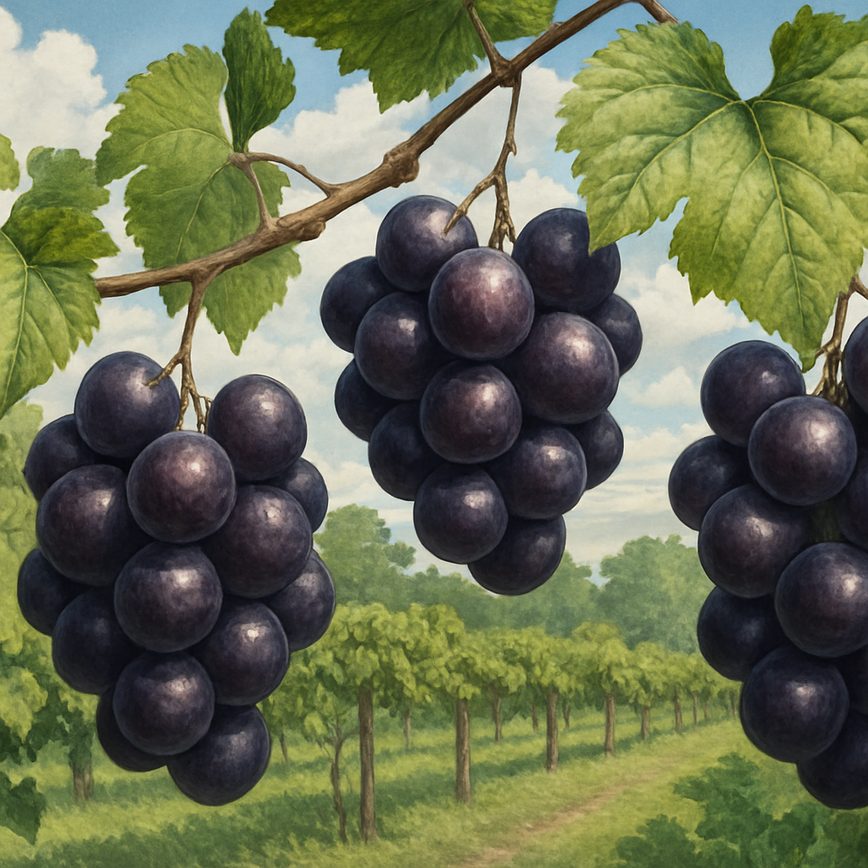
Muscadine grapes grown in Louisiana exhibit distinct muscadine grape traits that set them apart from other grape varieties. These grapes are known for their thick, tough skins which protect them from pests and diseases common in the region’s warm and humid climate. Their appearance is notable, with colors ranging from deep bronze to dark purple or almost black, often with a dusty, matte finish. The vines themselves are vigorous and hardy, well-adapted to Louisiana’s soil and weather conditions, producing abundant clusters of grapes each season.
In terms of taste and appearance, muscadine grapes offer a uniquely rich flavor profile. They are typically sweeter than conventional grapes with a musky aroma that some describe as tropical or earthy. This distinct taste makes them highly popular for fresh eating, as well as for making jellies, wines, and juices. The juice has a bold, robust character, which contributes to the uniqueness of Louisiana muscadine wines. The thick skins contribute a slightly tannic element to the flavor, adding complexity and depth.
One unique feature of muscadine grapes is their natural resistance to pests and diseases, which reduces the need for chemical treatments and makes them an environmentally friendly crop in Louisiana vineyards. Additionally, their late ripening season aligns well with the local climate, allowing growers to maximize yield and quality. Overall, the combination of their muscadine grape traits, taste and appearance, and vine characteristics make these grapes a valuable and distinctive agricultural product in Louisiana.
Growing Muscadine Grapes in Louisiana
Successfully cultivating muscadine grapes in Louisiana requires understanding the unique climate and soil conditions of the region. Muscadine grape cultivation thrives in Louisiana’s warm, humid climate, which provides an ideal environment for the vines to flourish. The long growing season, coupled with ample sunlight and moisture, supports the development of healthy fruit and robust yields.
One key to muscadine grape cultivation in Louisiana is selecting the right site for your vineyard. Muscadines prefer well-drained, sandy loam soils with a slightly acidic to neutral pH. Avoid areas prone to waterlogging, as excessive moisture can lead to root diseases that compromise vine health. Proper soil preparation, including testing and amending soil nutrients, will ensure the vines receive essential minerals for optimal growth.
In terms of vineyard management, it is crucial to implement a consistent pruning regimen to encourage air circulation and sunlight penetration within the vine canopy. This practice reduces the risk of fungal diseases common in Louisiana’s humid conditions. Training the vines on sturdy trellises supports healthy growth and eases harvest activities. Regular monitoring for pests and timely application of organic or chemical controls also play an essential role in maintaining vine vitality.
Irrigation management is another important aspect of muscadine grape cultivation. Although muscadines are drought-tolerant once established, young vines require consistent watering to develop strong root systems. Drip irrigation is recommended to deliver water directly to the root zone, minimizing disease pressure caused by excess humidity on foliage.
Fertilization tailored to soil test results ensures that muscadine grapes receive balanced nutrients throughout the growing season. Typically, a combination of nitrogen, phosphorus, and potassium promotes vigorous vine growth and fruit development. Additionally, the use of organic mulches helps maintain soil moisture and temperature, supporting overall vineyard health.
By understanding and adapting to Louisiana’s specific climate and soil conditions, growers can successfully cultivate muscadine grapes. Proper site selection, vineyard management practices, and attention to irrigation and fertilization collectively contribute to a productive muscadine grape vineyard that thrives in this unique environment.
Ideal Climate and Soil Conditions
Muscadine grapes thrive best in the warm, humid climate typical of Louisiana, making it an ideal location for vineyards. The optimal climate for muscadine includes long, hot growing seasons with ample sunlight and moderate to high humidity levels. These grapes are particularly well adapted to the subtropical conditions found in Louisiana, where temperatures usually range between 85°F and 95°F during the peak growing period.
Temperature is a crucial factor for muscadine cultivation; these grapes require winter chilling but cannot tolerate extreme freezes. Louisiana’s mild winters generally provide just enough chill hours necessary for bud break without damaging the vines. As such, muscadine grapes flourish in this temperature range, benefiting from the balance between warmth and seasonal change.
Regarding soil requirements, muscadine grapes prefer well-drained soils with slightly acidic to neutral pH levels. Sandy loam and loamy soils are particularly suitable, facilitating good root development and preventing waterlogging, which can harm the vines. Louisiana vineyard conditions often include these soil types, enriched by organic matter that supports healthy vine growth.
Overall, the combination of Louisiana’s climate for muscadine and its favorable soil requirements creates an environment where muscadine grapes can thrive. Growers in this region benefit from these natural conditions, allowing them to produce high-quality muscadine grapes with excellent flavor and resilience.
Planting and Care Techniques
When planting muscadine grapes in Louisiana, selecting the right location is crucial. Choose a site with well-drained soil and full sun exposure to promote healthy vine growth. Plant muscadine grape vines during early spring to allow adequate time for establishment before the hot summer months.
Watering is vital, especially during the first year. Provide consistent moisture but avoid waterlogging. Drip irrigation or a soaker hose can deliver water efficiently while reducing fungal disease risks common in Louisiana’s humid environment.
Proper pruning is essential for vine care. Prune muscadine grapes during winter dormancy to maintain vine shape and improve airflow. Removing old and weak wood encourages new growth and increases fruit yield.
Pest management involves regular monitoring and preventive measures. Keep an eye out for common pests like grapevine beetles and aphids. Introducing beneficial insects and applying organic pesticides can help protect your muscadine grape vines without harming the environment.
By following these best practices for planting muscadine grapes, vine care, and pest management, gardeners in Louisiana can enjoy a healthy and productive vineyard each season.
Harvesting and Yield Expectations
The grape harvest for muscadine grapes in Louisiana typically occurs from late August through September, depending on the specific variety and local climate conditions. This period is crucial as the timing of picking grapes greatly affects their flavor and sugar content. Growers monitor the grapes closely for color change, firmness, and sweetness to determine the optimal harvest window.
When it comes to techniques, muscadine grapes are usually picked by hand to prevent damage to the delicate skins and to ensure quality. Hand harvesting also allows growers to select only the ripe clusters, leaving unripe fruit to mature further. In some cases, mechanical harvesting may be used, but it is less common due to the unique growth habit of muscadine vines and the potential for fruit damage.
Typical muscadine yield expectations in Louisiana vineyards range from 4 to 8 tons per acre, though this can vary based on vine age, soil quality, and vineyard management practices. With proper care, muscadine grapes can offer consistent and profitable yields, making them a valuable crop for Louisiana grape growers. Effective pest management and irrigation also play key roles in maximizing the muscadine yield each season.
Uses and Benefits of Muscadine Grapes in Louisiana
Muscadine grapes hold a special place in Louisiana’s agricultural and culinary landscape, offering a diverse range of uses and notable health benefits. Known for their thick skins and unique flavor, these grapes are more than just a regional delight—they are a versatile ingredient that enhances many Louisiana products and dishes.
One of the primary muscadine grape uses in Louisiana is in the culinary sphere. The grapes are commonly used to make wines that capture the essence of the South, offering rich, bold flavors that are distinct from traditional grape wines. Beyond winemaking, muscadines are popular in jams, jellies, and preserves, which allow the deep, sweet flavor of the grape to be enjoyed year-round. Many local artisans and producers craft these products, contributing to the vibrant market of Louisiana-made goods. Additionally, muscadine grapes are often used fresh in desserts like pies and cobblers, providing a natural sweetness and a burst of flavor that complements many Southern recipes.
The health benefits of muscadine grapes are increasingly recognized by Louisiana consumers. Rich in antioxidants such as resveratrol, ellagic acid, and flavonoids, muscadines are believed to promote heart health and combat oxidative stress. Their high fiber content supports digestive health, while their unique combination of vitamins and minerals helps boost the immune system. Given Louisiana’s focus on natural and locally sourced health products, muscadine grapes represent a valuable resource for making health supplements and functional foods that appeal to health-conscious consumers.
Moreover, muscadine grapes are cultivated in a way that aligns with sustainable farming practices emphasized in Louisiana, offering an environmentally friendly option for growers and consumers alike. The versatility of the grape, combined with its health-promoting qualities and role in traditional Louisiana products, underscores its importance both economically and culturally. Whether enjoyed in a glass of muscadine wine or integrated into health products, these grapes continue to enrich the Louisiana lifestyle in multiple meaningful ways.
Culinary and Commercial Uses
Muscadine grapes hold a special place in Louisiana’s culinary and commercial landscape due to their unique flavor and versatility. These grapes are widely used to produce muscadine wine, which is prized for its sweet and robust taste, reflecting the southern heritage and terroir of Louisiana. Local wineries capitalize on the distinctive qualities of muscadine grapes, creating award-winning wines that attract both residents and tourists.
Beyond winemaking, muscadine grapes are also transformed into a variety of jams and jellies. These preserves capture the rich, fruity essence of the fruit and are popular local products found in farmers’ markets and specialty stores throughout Louisiana. Their deep flavor and natural sweetness make them a favorite for spreading on bread, pairing with cheese, or adding to desserts, enhancing the region’s culinary traditions.
Fresh consumption of muscadine grapes is equally significant. Many locals enjoy eating them straight from the vine, appreciating their thick skins and juicy interiors. The grapes provide a nutritious snack and a connection to Louisiana’s agricultural roots. Together, the commercial uses such as muscadine wine production and artisanal jams and jellies, alongside fresh consumption, highlight the grape’s importance in local culture and economy.
Nutritional and Health Benefits
Muscadine grapes are a powerhouse of nutrition and offer numerous health benefits, making them an excellent addition to a balanced diet. These grapes are rich in antioxidants, which play a crucial role in protecting the body from oxidative stress and reducing inflammation. Antioxidants help neutralize free radicals, which are unstable molecules that can damage cells and contribute to chronic diseases such as cancer and heart disease.
In terms of muscadine nutrition, these grapes provide a unique blend of vitamins, minerals, and dietary fiber. They are a good source of vitamin C, which supports the immune system, and manganese, essential for bone development and metabolism. The dietary fiber in muscadine grapes aids digestion and helps maintain healthy blood sugar levels.
One of the standout components of muscadine grapes is their high concentration of polyphenols, especially ellagic acid and resveratrol. These compounds have been linked to heart health by helping to reduce blood pressure and improve cholesterol levels. Additionally, muscadine grapes have been studied for their potential anti-cancer properties, attributed to their ability to promote cell health and inhibit tumor growth.
Consuming muscadine grapes regularly can contribute to overall wellness by enhancing cardiovascular health, supporting the immune system, and providing a rich source of antioxidants. Their unique nutritional profile and associated health benefits make muscadine grapes a valuable fruit to include in your diet.

Winemaker with 12 years in the cellar. I write about fermentation, terroir, and the honest mistakes that taught me more than any textbook. I’ve ruined more barrels than most people have tasted. That’s not a disclaimer — that’s a résumé. Twelve years making wine in France, now making sense of it in words.