Overview of Harvest Season in Louisiana Vineyards
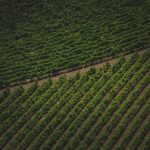
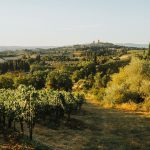
The harvest season in Louisiana vineyards marks a pivotal period characterized by the culmination of months of dedicated cultivation and care. Typically occurring in late summer through early fall, this time frame is when grape harvest reaches its peak, bringing with it a bustling atmosphere of activity and anticipation. Louisiana vineyards experience a warm, humid climate that influences the timing and nature of the grape harvest, creating a unique cycle distinct from other wine-producing regions.
This season is not just about gathering grapes; it represents a celebration of the vine’s growth, the soil’s richness, and the promise of quality wine production. For many vineyard workers, winemakers, and enthusiasts, harvest season is a race against time to pick grapes at their optimal ripeness to ensure the finest flavors and sugar levels for winemaking. This critical timing directly impacts the taste and quality of the wines that Louisiana vineyards are known for.
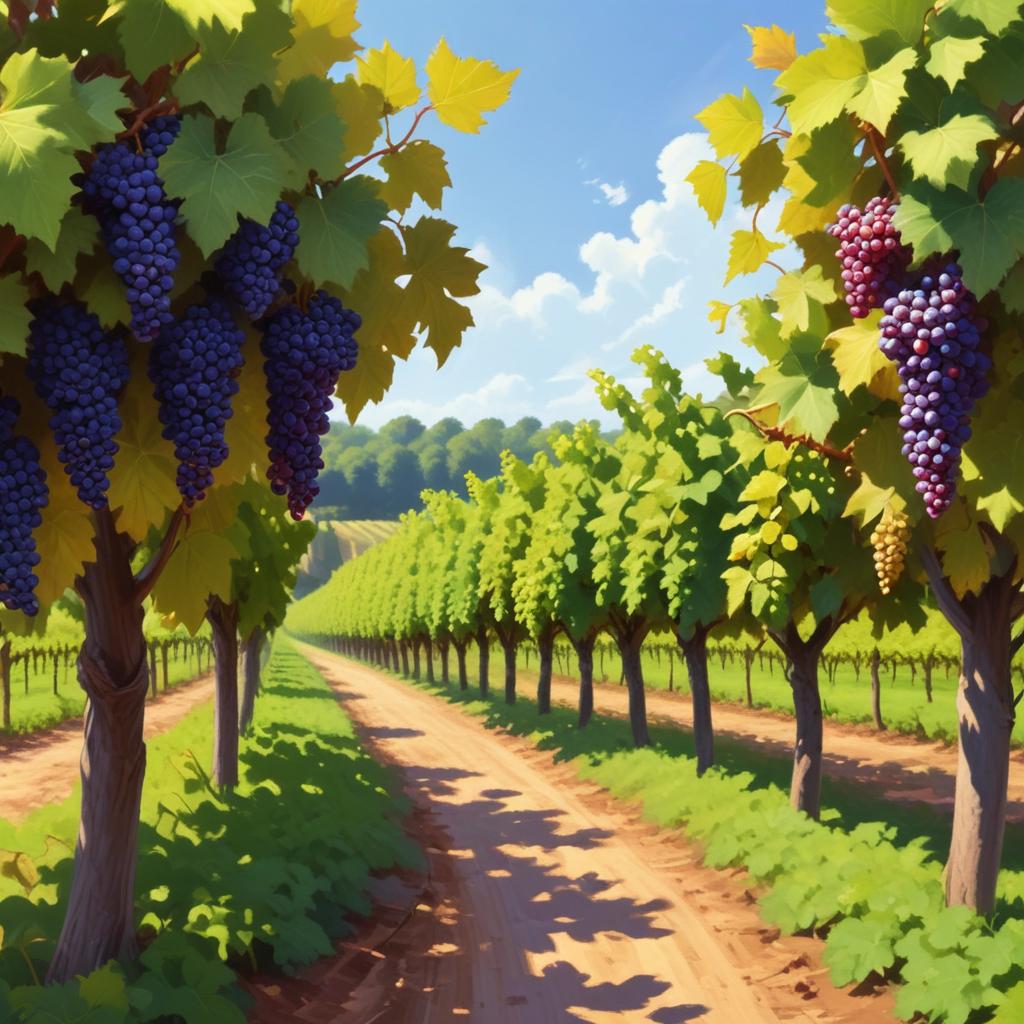
During this season, the vineyards come alive with a vibrant and communal energy. The sights of clusters of ripe, juicy grapes hanging heavy on the vines, the sounds of pruning shears and chatter, and the smells of fresh earth and sweet grape juice fill the air. This atmosphere, rich in tradition and hard work, highlights the significance of harvest season in Louisiana’s wine production calendar.
Moreover, the harvest season is often accompanied by local events and festivals that showcase the culture and dedication of Louisiana’s winegrowers. These celebrations bring together the community and visitors alike, reinforcing the importance of the grape harvest in sustaining the state’s burgeoning wine industry. In essence, the harvest season in Louisiana vineyards is a time of both labor and joy, where the region’s viticultural efforts come to fruition in preparation for the next stage of winemaking.
Timing and Climate Factors
Harvest timing in Louisiana vineyards is a critical aspect that is heavily influenced by the state’s unique climate and seasonal weather patterns. Unlike traditional wine-growing regions, Louisiana’s warm, humid climate poses distinct challenges and opportunities for grape ripening. The harvest season typically occurs later than in cooler climates because grapes need extended time on the vine to fully develop their flavors under Louisiana’s variable weather.
Louisiana climate features long, hot summers with high humidity and frequent rainfall, which impacts the ideal timing for harvest. Vineyard managers monitor grape maturity closely to determine the perfect moment to pick, balancing sugar levels, acidity, and tannins. Moisture from seasonal weather events can accelerate disease pressure and affect fruit quality, making precise harvest timing essential to avoid damage and preserve grape integrity.
The regional grape varieties have adapted to these conditions by developing optimal ripening periods that coincide with drier windows in late summer or early fall. This adaptation ensures grapes reach their peak maturity despite challenges posed by Louisiana’s weather. Overall, understanding the interplay between harvest timing and Louisiana’s climate is key to producing quality wines that reflect the terroir’s unique character.
Types of Grapes Harvested
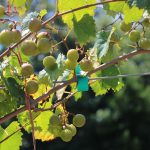
Louisiana vineyards primarily cultivate a variety of grape varieties that are well-suited to the state’s warm and humid climate. Among the most common grape varieties harvested are Muscadine, Blanc du Bois, Niagara, and Seyval Blanc. These grape varieties thrive in Louisiana’s unique environment, contributing to the distinctive character of Louisiana grapes.
The Muscadine grape stands out as a staple of Louisiana vineyards. Known for its thick skin and natural resistance to pests and diseases, Muscadine offers rich, sweet flavors with a robust aroma. It’s a favorite both for fresh consumption and for producing flavorful wines that capture the essence of the region.
Blanc du Bois is another significant grape variety widely harvested in Louisiana. This hybrid grape variety is valued for its disease resistance and suitability to hot climates. Its fresh, citrusy characteristics make it popular for producing crisp white wines that highlight the vineyard produce quality specific to Louisiana.
Niagara grapes are also part of the harvested grapes in the region, known for their distinctive musky flavor and juiciness. Alongside Seyval Blanc, which is appreciated for its high acidity and fruity notes, these varieties enrich the diversity of grape varieties in Louisiana vineyards, reflecting the dynamic nature of vineyard produce during harvest season.
Harvesting Practices and Techniques in Louisiana
In Louisiana vineyards, harvesting techniques blend traditional wisdom with modern innovations to accommodate the unique local climate and soil conditions. These vineyard methods are crafted to ensure the highest quality grape picking, essential for producing the distinctive wines Louisiana is becoming known for. Traditional harvesting practices often involve hand-picking grapes, a careful and labor-intensive method that allows growers to select only the ripest fruit. This method respects the delicate nature of the grapes grown in Louisiana’s warm and humid environment, reducing the risk of damage and ensuring optimal quality for winemaking.
Hand harvesting remains popular primarily due to the challenges posed by Louisiana’s frequent rainfall and the complex terrain of many vineyard locations. Skilled workers navigate rows carefully, minimizing grape bruising and contamination with soil or leaves. The slower pace of manual grape picking also allows for immediate sorting in the vineyard, helping to eliminate underripe or damaged clusters before they reach the winery.
On the other hand, modern harvesting techniques have increasingly found their place in Louisiana’s vineyards, especially in larger operations aiming to increase efficiency without compromising quality. Mechanical harvesters adapted specifically for the region’s unique conditions enable growers to cover more ground quickly. These machines have been engineered to perform gentle shaking and vibration to loosen grapes while preserving their integrity. This blend of technology with traditional practices reflects the evolving nature of Louisiana winemaking.
Moreover, Louisiana vineyard growers adopt flexible harvesting schedules that respond dynamically to weather patterns, a crucial aspect for a region prone to sudden storms or excessive humidity. Monitoring sugar levels and acidity in grapes guides the timing of harvests, ensuring that picking occurs at the peak of grape maturity. Both hand and machine harvesting methods benefit from this scientific approach, enhancing the overall quality and consistency of wine production.
Overall, the harvesting practices and techniques in Louisiana vineyards illustrate a harmonious balance between respecting traditional methods and embracing modern advancements. This approach not only safeguards the unique characteristics of local grapes but also supports the sustainability and growth of Louisiana winemaking as a whole.
Manual vs Mechanical Harvesting
In Louisiana vineyards, both manual harvesting and mechanical harvesting are commonly used grape picking methods, each offering distinct advantages and challenges. Manual harvesting involves workers hand-picking grapes, which allows for careful selection of the best fruit. This method is especially valued in Louisiana for its ability to preserve grape quality and minimize damage, crucial for the state’s delicate varietals. However, it is labor-intensive and slower, impacting harvest efficiency when quick turnaround is needed during peak season.
Mechanical harvesting, on the other hand, uses specialized machines to shake grapes from vines quickly, significantly increasing harvest efficiency and lowering labor costs. This method is practical for Louisiana vineyards with larger acreages and tight harvest windows due to the state’s humid climate and rainfall patterns. Yet mechanical harvesting can cause more grape damage and is less selective, potentially affecting the overall wine quality. It may also be less effective in vineyards with irregular terrain or closely spaced vines.
Choosing between manual and mechanical harvesting in Louisiana depends on vineyard size, grape varietals, and production goals. Many wineries often combine methods—using mechanical harvesting for bulk grapes and manual harvesting for premium batches. Balancing these grape picking methods allows local vineyards to optimize both quality and efficiency during harvest season.
Post-Harvest Handling and Processing
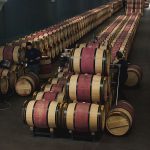
In Louisiana vineyards, post-harvest processes are vital to ensure the quality and character of wines produced. After the grapes are harvested, a meticulous approach to grape sorting is undertaken to select only the best fruit for winemaking. This step removes any damaged or underripe grapes, which is key in maintaining the quality standards unique to Louisiana vineyards.
Once sorted, the grapes move on to the crushing stage, adapted specifically to the humid climate and disease challenges typical of the region. Gentle crushing techniques are often employed to preserve the integrity of the grape skins, which contribute essential flavors and aromas to the wine.
Following crushing, the must undergoes further preparation tailored to Louisiana’s specific winemaking conditions. This includes treatments and controlled fermentation strategies that consider the regional climate influences, ensuring consistency and quality in every batch.
- Sorting: Careful manual or mechanical sorting to remove unripe or damaged grapes.
- Crushing: Gentle crushing to maintain grape skin integrity and flavor profiles.
- Must Preparation: Adjusting juice acidity and sugar levels, considering Louisiana’s environmental factors.
- Fermentation Setup: Employing unique temperature controls and yeast strains adapted to the local terroir.
- Quality Control: Continuous monitoring to align with Louisiana vineyard standards and desired wine profiles.
These steps highlight the dedicated post-harvest processes vital in transforming freshly harvested grapes into high-quality wine, capturing the spirit and terroir of Louisiana vineyards.
Cultural and Economic Impact of Harvest Season in Louisiana
The harvest season in Louisiana vineyards plays a crucial role in shaping the local economy and fostering a rich cultural atmosphere. This period marks an influx of activity as vineyard workers, local businesses, and tourists come together to celebrate the culmination of a year’s hard work. The economic impact of the harvest season is significant — the increased demand for local goods and services provides a boost to many small businesses, from farm suppliers to restaurants and accommodations.
One of the most vibrant expressions of Louisiana wine culture during this time is the numerous harvest festivals held across the region. These events are more than just celebrations; they serve as cultural gatherings where traditions related to winemaking and local heritage are shared and preserved. Attendees have the chance to experience firsthand the unique Louisiana approach to viticulture, which blends French, Spanish, and Creole influences into a distinct regional identity.
Vineyard tourism also experiences a notable upswing during the harvest season. Visitors are attracted not only to the scenic beauty of the vineyards but also to the interactive experiences that many wineries offer, including grape picking, wine tastings, and behind-the-scenes tours of the winemaking process. This influx of tourists contributes to the overall economic stability of rural areas, supporting jobs and encouraging investment in local infrastructure.
Community events centered around Louisiana vineyards during harvest season provide a platform for local artisans, musicians, and chefs to showcase their talents, further enriching the cultural tapestry of the region. These events foster a strong sense of community pride and connection, strengthening the social fabric of Louisiana’s wine country. In essence, the harvest season is a time when economic vitality and cultural vibrancy are mutually reinforced, making it a cornerstone of Louisiana’s identity and prosperity.
Harvest Festivals and Community Events
Louisiana’s vineyard harvest season is celebrated with vibrant harvest festivals and community events that reflect the region’s rich cultural heritage and love for winemaking. These gatherings offer locals and visitors alike the chance to immerse themselves in Louisiana traditions while enjoying the fruits of the vineyard’s labor. From lively music and dance to local food and artisan crafts, the festivals capture the essence of the harvest.
Among the most popular harvest festivals are those held in and around Feliciana Cellars and other notable vineyards, where the community comes together to mark the season with joy and gratitude. Vineyard celebrations typically include grape stomping contests, wine tastings of the season’s freshest vintages, and educational tours that showcase the unique grape varieties grown in Louisiana’s climate. These events highlight the connection between land, people, and tradition.
Community events often extend beyond the vineyards themselves, incorporating local farmers’ markets, craft fairs, and regional culinary showcases. They serve as a platform to promote local producers and artisans, reinforcing the spirit of collaboration and sustainability that underpins Louisiana’s agricultural practices. Overall, harvest festivals and vineyard celebrations offer a memorable way to experience the cultural and agricultural tapestry of Louisiana during this special season.
Economic Benefits to the Wine Industry
The harvest season plays a crucial role in the wine industry, especially within Louisiana’s agricultural economy. This period marks a spike in economic activity, generating significant financial benefits that ripple throughout the region. One of the primary economic impacts is job creation; the demand for labor increases substantially during the harvest, providing employment opportunities for seasonal workers, vineyard staff, and logistics teams involved in grape picking, processing, and transportation.
Additionally, the harvest season directly influences wine sales. Freshly harvested grapes enable wineries to produce new batches of wine that attract consumers fascinated by local and seasonal offerings. These sales boost revenue for vineyards and contribute to the broader wine market, enhancing Louisiana’s reputation in the wine industry. Festivals, tastings, and vineyard tours during this peak time further stimulate spending not only on wine but also on hospitality and tourism.
From an economic standpoint, the harvest season is integral to sustaining and growing Louisiana’s wine industry as part of its agricultural economy. It supports local businesses, from suppliers to distributors, and encourages reinvestment in vineyard infrastructure and innovation. Ultimately, this period strengthens the financial health of the wine sector and fosters economic resilience in the region, underscoring the harvest season’s vital role in Louisiana’s economy.

Winemaker with 12 years in the cellar. I write about fermentation, terroir, and the honest mistakes that taught me more than any textbook. I’ve ruined more barrels than most people have tasted. That’s not a disclaimer — that’s a résumé. Twelve years making wine in France, now making sense of it in words.