Introduction to Wine Making
Wine making is an ancient and cherished craft that transforms simple grapes into a complex and delightful beverage enjoyed worldwide. The winemaking process is not only a science but also an art, requiring careful attention to detail at every step. From the initial grape harvesting to the final aging in bottles, each phase plays a crucial role in defining the character and quality of the wine.
The journey of wine making begins in the vineyard with grape selection and harvesting. Choosing the right grapes at the peak of ripeness is essential for producing exceptional wine. Different grape varieties and growing conditions influence the flavor profiles, aromas, and colors of the final product. Harvesting can be done by hand or machine, depending on the vineyard practices and the type of wine being produced.
After harvesting, the grapes undergo crushing and pressing to extract the juice. This juice then ferments in tanks or barrels, where yeast converts the sugars into alcohol. The duration and conditions of fermentation are carefully controlled to achieve the desired taste and alcohol content. Winemakers may choose to include the grape skins during fermentation for red wines, which imparts color and tannins.
Once fermentation is complete, the wine is clarified to remove solids and impurities, followed by aging. Aging can occur in stainless steel tanks, oak barrels, or bottles, and it profoundly affects the wine’s flavor development and texture. Some wines are aged for months, while others may rest for several years before release.
In summary, the wine making process is a delicate balance of art and science, beginning with careful grape harvesting and culminating in thoughtful aging practices. Each step shapes the wine’s unique character, making wine making a fascinating journey for both producers and enthusiasts alike.
Step 1: Harvesting and Crushing Grapes
The journey of wine making begins with the vital process of grape harvesting and crushing. This first step sets the foundation for the entire wine production, so it is essential to select the right grapes at the optimal moment and use effective crushing techniques to ensure the best quality juice extraction.
Grape harvesting is a delicate task that involves careful selection of the ripest and healthiest grapes. Timing plays a crucial role here: vintners monitor the sugar levels, acidity, and tannin content of the grapes to determine the perfect harvest window. Harvesting too early can result in overly acidic grapes, while harvesting too late may lead to excessive sugar and potential spoilage.
- Selection: Grapes are examined visually and sometimes tested chemically to ensure only the best clusters make it into the harvest. Damaged or underripe grapes are discarded to maintain purity and flavor in the final wine.
- Harvesting Techniques: Depending on the vineyard size and wine style, grape harvesting can be done by hand or mechanical harvesters. Hand harvesting is gentler and allows for more selective picking, while mechanical harvesters are quicker and used mostly in large-scale production.
- Timing: Harvest typically occurs in the early morning or late evening to avoid high daytime temperatures which could start fermenting the grapes prematurely or cause spoilage.
- Crushing: Once harvested, grapes are transported promptly to the winery where they undergo crushing. Crushing breaks the grape skins to release the juice but generally keeps the seeds intact to avoid bitterness.
- Techniques of Crushing: Traditional methods use a manual crusher or press, gently squeezing the grapes. Modern methods often involve mechanical crushers that carefully control pressure to avoid damaging seeds and stems excessively.
This initial wine production step—grape harvesting and crushing—ensures the raw materials are perfectly prepared for fermentation. Every careful decision in timing, selection, and crushing technique directly contributes to the quality and characteristics of the finished wine.
Grape Selection and Harvest Timing
The right timing for harvesting grapes is a crucial factor that directly impacts the quality of the wine produced. Winemakers carefully monitor grape quality by assessing sugar levels, acidity, and the specific grape variety to determine the optimal harvest time. Sugar content, usually measured in degrees Brix, indicates the potential alcohol content of the wine. Grapes must reach a balance where sugar levels are sufficiently high to ensure proper fermentation without resulting in overly alcoholic or sweet wines.
Acidity is another essential factor, influencing the wine’s freshness, taste, and aging potential. As grapes ripen, acidity decreases, so winemakers must choose the ideal moment when acidity and sugar are in harmony. This balance gives the wine its structure and prevents it from tasting flat or lifeless. Different grape varieties have distinct ripening profiles: some may be harvested earlier to maintain high acidity, while others benefit from extended hang time to increase sugar and develop richer flavors.
Aside from chemical measurements, visual inspection and tasting also guide the harvest timing. Winemakers evaluate grape color, firmness, and flavor development to ensure the grapes are picked at their peak. Ultimately, the careful selection of grape quality and precise harvest timing ensures that the characteristics of the grape variety are fully expressed, resulting in a wine that reflects its terroir and intended style.
Crushing and Destemming Process
The crushing and destemming process is a crucial stage in winemaking that prepares the grapes for fermentation. This phase focuses on gently breaking the grape skins to release the juice while separating the stems, which can impart bitterness if included. The primary equipment used in this step is the crusher-destemmer machine, designed to perform both tasks efficiently.
Crushing grapes involves applying just enough pressure to break the skins, releasing the juice or must while keeping the seeds intact to avoid bitterness. Modern crusher-destemmers use a rotating drum with rubber or metal teeth that pull the stems away from the clusters. This method ensures that the juice is extracted cleanly without undesirable materials that could impact the wine’s flavor.
Destemming removes the grape stems, which contain tannins that can overpower the wine’s delicate taste if included during fermentation. The machine’s action of separating the stems from the crushed grapes helps preserve the quality of the wine extraction. Some winemakers might adjust the intensity of crushing and destemming depending on the style of wine being produced.
Overall, the crushing and destemming process sets the stage for effective fermentation, allowing yeast to access the sugars in the grape juice easily. By utilizing specialized equipment and careful techniques, winemakers extract the essential flavors and aromas from the grapes, ensuring a balanced and high-quality wine.
Step 2: Fermentation and Aging
The process of wine fermentation is a fascinating transformation where grape juice turns into wine through the natural action of yeast. As the grape juice is exposed to yeast, either naturally occurring on the grape skins or added by winemakers, these tiny microorganisms consume the sugars present in the juice and convert them into alcohol and carbon dioxide. This fermentation process not only generates alcohol but also produces various compounds that contribute to the aroma and flavor complexity of the wine.
Yeast plays a crucial role in wine fermentation by controlling the rate and thoroughness of sugar conversion, which consequently influences the wine’s final character. The type of yeast used, whether wild or cultured, can affect the flavor profile, with some strains emphasizing fruity, floral notes while others produce more earthy or spicy nuances. Temperature management during fermentation is also important to ensure the yeast remains active and the process completes efficiently without producing off-flavors.
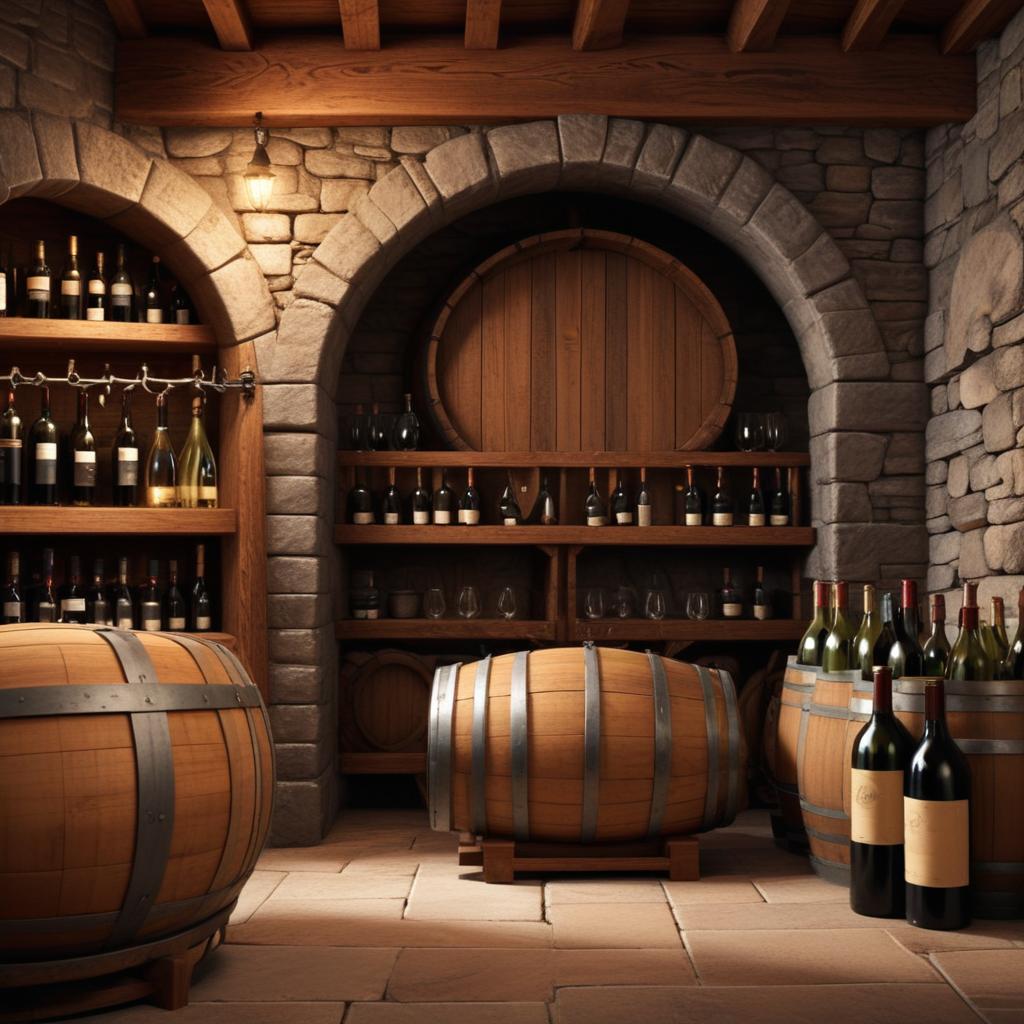
After fermentation, the aging process shapes the final landscape of the wine’s taste. Aging can be done in a variety of containers, with barrel aging being one of the most traditional and impactful methods. Oak barrels, for example, allow the wine to slowly oxidize, which softens tannins and adds layers of complexity such as vanilla, caramel, and toastiness. The aging environment—whether a cool cellar or a temperature-controlled room—along with the length of time the wine spends aging, further define its texture, body, and bouquet.
Other aging methods include stainless steel tanks, which preserve the fresh, vibrant qualities of the wine without additional flavors from wood, and concrete vats that provide micro-oxygenation without imparting oak characteristics. Each method influences the wine fermentation outcome differently, giving winemakers the creative freedom to produce wines tailored to various styles and preferences.
Ultimately, understanding the delicate balance between yeast activity during fermentation and the choice of aging methods is key to crafting wines with unique flavors and desired sensory profiles. The careful orchestration of these steps ensures that every bottle contains the essence of both nature and skilled craftsmanship.
The Fermentation Process
The fermentation process is a critical step in winemaking where yeast converts the sugars present in grape juice into alcohol. This biochemical transformation, known as wine fermentation, is driven by yeast metabolism. Yeast consumes the natural sugars in the juice, producing ethanol and carbon dioxide as by-products. This conversion not only creates the alcohol content in wine but also contributes to its flavor complexity.
Controlling the temperature during fermentation is essential for ensuring a successful and consistent outcome. Typically, fermentation temperatures are maintained between 18°C to 30°C (64°F to 86°F), depending on the type of wine being produced. Lower temperatures are favored for white wines to preserve delicate aromas, while higher temperatures suit red wines to extract more color and tannins.
The duration of fermentation varies widely, usually lasting from several days to a few weeks. During this time, winemakers carefully monitor yeast activity and environmental conditions to prevent stuck fermentation or undesirable off-flavors. Proper management of the fermentation process ensures that the yeast role is optimized, producing a balanced wine with the desired alcohol level and flavor profile.
Wine Aging Techniques
Wine aging is a crucial step in winemaking that profoundly influences the flavor, aroma, and texture of the final product. Two popular techniques for aging wine include using oak barrels and stainless steel tanks, each imparting distinct characteristics to the wine.
Aging wine in oak barrels is a traditional method that allows the wine to mature slowly while interacting with the wood. Oak barrels contribute complex flavors such as vanilla, spice, and toast, enhancing the wine’s depth and richness. The porous nature of oak also permits subtle oxygen exposure, which softens tannins and improves texture, giving the wine a smoother, rounder mouthfeel.
In contrast, stainless steel tanks offer a more neutral environment for wine maturation. They prevent oxygen exposure and preserve the wine’s fresh, fruity, and vibrant characteristics. This method is often chosen for wines where maintaining crispness and purity is desired, like many white wines and lighter reds. Stainless steel tanks are easy to clean and control temperature-wise, ensuring a consistent fermentation and aging process.
Ultimately, the choice between oak barrel aging and stainless steel tanks depends on the desired style and profile of the wine. Oak barrels add complexity and texture, while stainless steel tanks preserve natural fruit flavors and clarity. Winemakers may even combine these methods to create a balanced and nuanced wine through its maturation journey.

Winemaker with 12 years in the cellar. I write about fermentation, terroir, and the honest mistakes that taught me more than any textbook. I’ve ruined more barrels than most people have tasted. That’s not a disclaimer — that’s a résumé. Twelve years making wine in France, now making sense of it in words.