Overview of Louisiana Vineyard Landscapes
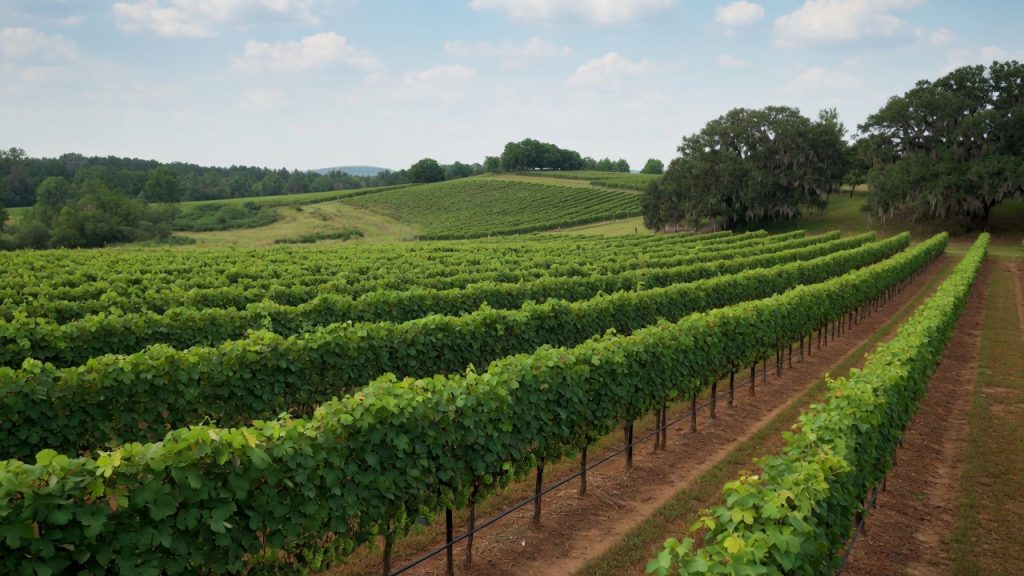
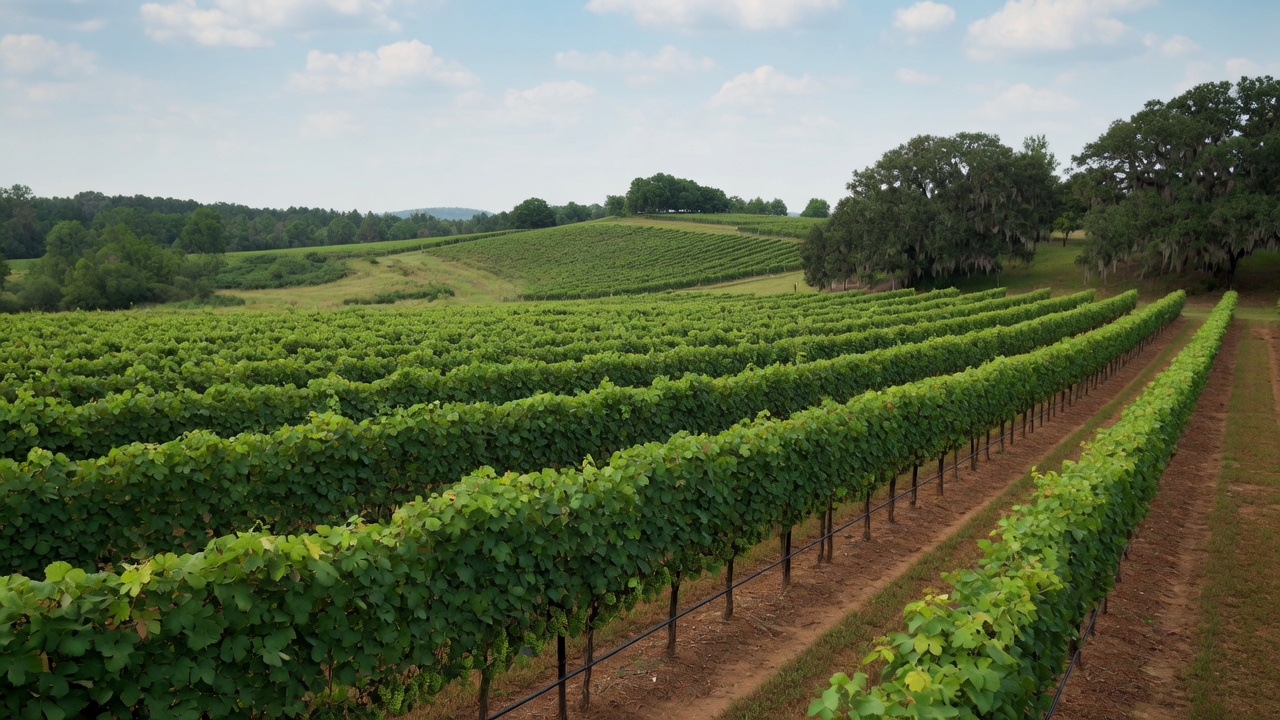
Louisiana vineyards present a fascinating and unique tapestry of vineyard landscapes that contribute significantly to the state’s growing reputation in regional viticulture. Unlike the more traditional wine country settings found in California or Europe, Louisiana’s vineyards thrive in a distinctive environment shaped by the state’s subtropical climate and diverse geography. These factors combine to create a terroir that is both challenging and rewarding for grape growers, ultimately influencing the character and quality of the wines produced.
The vineyard landscapes in Louisiana are predominantly influenced by the state’s warm, humid climate, which requires vine cultivation techniques adapted to prevent fungal diseases and manage moisture levels. This humidity, coupled with abundant rainfall, distinguishes Louisiana vineyards from many other American wine regions and necessitates innovative viticultural practices. As a result, the vineyard landscapes are typically lush and verdant, with extensive canopy management used to optimize sun exposure and airflow to the grape clusters.
Geographically, Louisiana vineyards benefit from their proximity to the Mississippi River and the Gulf of Mexico, which moderate temperature extremes and extend the growing season. The varied soil types, ranging from sandy loams to alluvial deposits in the river plains, contribute to the distinctiveness of each vineyard site. These elements combine to support the cultivation of grape varieties that are well-suited to Louisiana’s environment, setting the stage for a flourishing regional viticulture sector.
Vineyard landscapes in Louisiana are more than just sites for grape growing; they are integral to the cultural and economic fabric of the wine country. These landscapes offer picturesque views and serve as venues for agritourism, fostering community engagement and promoting the state’s wine heritage. As Louisiana’s vineyard landscapes continue to evolve, they highlight the adaptability and innovation inherent within the state’s wine industry, making Louisiana vineyards a compelling destination for wine enthusiasts and a vital part of the regional viticulture narrative.
Geographical Features Influencing Vineyards
Louisiana vineyards are uniquely shaped by the geography of the region, where varied soil types and climate influence the growth and quality of grapes. The geography is characterized by its proximity to the Mississippi River and the Gulf of Mexico, which plays a vital role in moderating temperatures and providing humidity levels essential for vine health. The landscape consists of gently rolling hills and flat lowlands, offering diverse microclimates that affect the ripening process of the fruit.
Soil composition in Louisiana vineyards ranges from alluvial soils rich in nutrients, deposited by river floods, to sandy loams that ensure good drainage crucial for healthy vine roots. These soil types contribute to the complex flavor profiles of the wines produced here by affecting water retention and mineral availability. Vineyards strategically locate themselves on higher ground and slopes to avoid excessive moisture and reduce risks related to flooding and root diseases.
The climate influence on Louisiana vineyards is significant, featuring a humid subtropical environment with hot summers and mild winters. This climate presents both opportunities and challenges, such as longer growing seasons paired with frequent rain and humidity that require vineyard managers to be vigilant about fungal diseases. However, the warm climate promotes the growth of native grape varieties and hybrids adapted to these conditions, making the landscape of Louisiana vineyards a dynamic and fascinating subject of study for viticulture enthusiasts.
Climate Impact on Vineyard Growth
Louisiana’s humid subtropical climate significantly influences vine growth and vineyard management strategies in the region. The combination of hot temperatures and high humidity creates an environment where vines must be carefully managed to thrive. Warm weather accelerates vine growth, allowing for a longer growing season, which is beneficial for grape ripening. However, the constant moisture from Louisiana weather can also contribute to the development of fungal diseases like powdery mildew and downy mildew, making vigilant monitoring and treatment essential.
Temperature effects play a crucial role in determining which grape varieties can be successfully cultivated in Louisiana vineyards. Varieties that resist heat and humidity are favored, as extreme temperatures can stress vines and reduce grape quality. Vineyard managers often implement canopy management techniques to improve air circulation and minimize humidity around the grape clusters, helping reduce disease pressure. Additionally, strategic vineyard placement and drainage improvements help mitigate water retention caused by frequent rain.
Overall, the challenges posed by Louisiana’s humid subtropical climate require vineyard operators to combine traditional viticulture practices with innovative approaches. Adapting management strategies to address the specific climate conditions ensures healthy vine growth and the production of quality grapes. Understanding and working with the climate rather than against it is essential for sustainable vineyard success in Louisiana.
Common Grape Varieties and Cultivation Practices
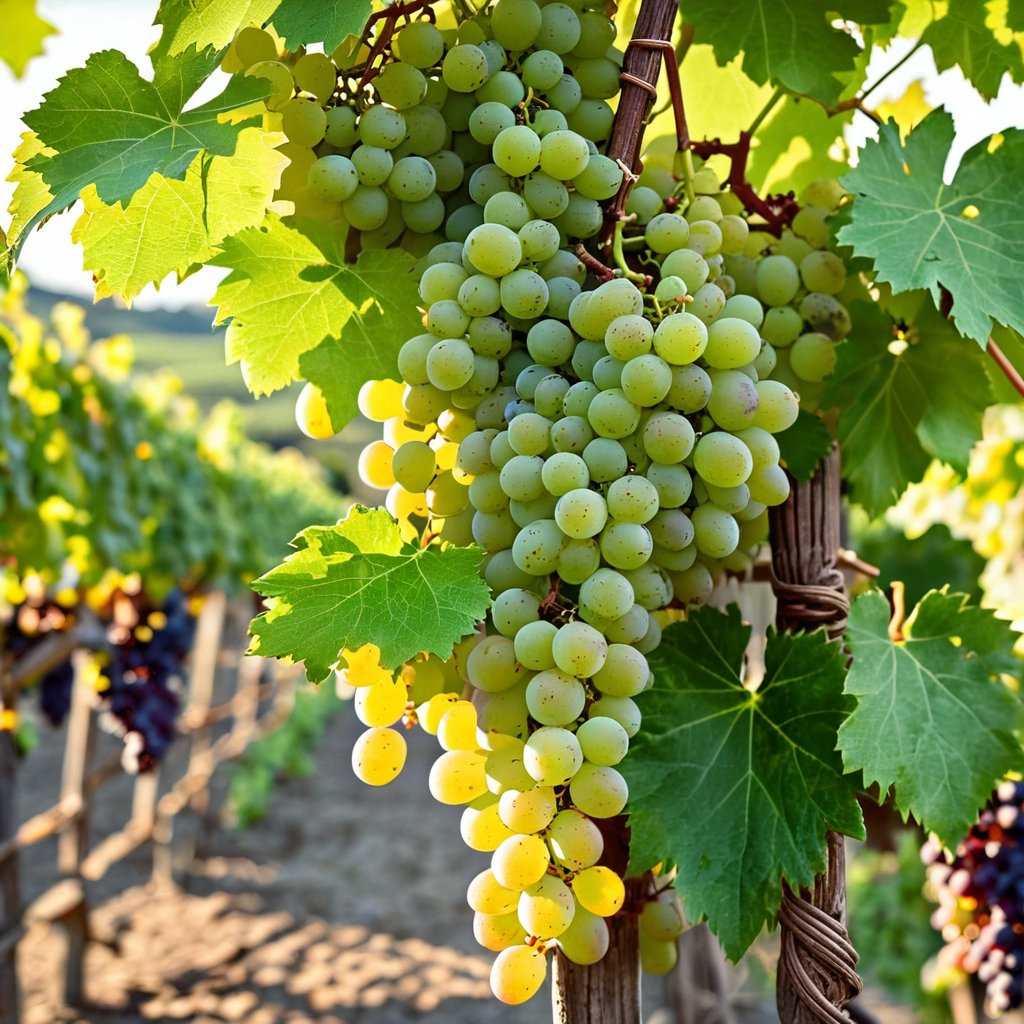
Louisiana vineyards are renowned for their unique grape varieties and specialized cultivation practices tailored to the region’s humid subtropical climate. The challenge of high humidity, rainfall, and warm temperatures has led to the selection of grape varieties that can thrive under these conditions and the development of vineyard management techniques that ensure healthy growth and quality fruit production.
Among the popular grape varieties grown in Louisiana are Muscadine grapes, Blanc du Bois, and Norton. Muscadine is a native grape variety well adapted to Louisiana’s hot and humid environment. It is known for its thick skin, which provides natural resistance to diseases and pests common in the region. Blanc du Bois is a hybrid grape that combines European Vitis vinifera qualities with resilience to fungal diseases and Pierce’s disease, making it a favorite among local growers. Norton, another hardy variety, offers deep color and robust flavor, often used for making red wines that reflect Louisiana’s terroir.
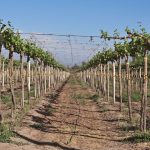
Cultivation practices in Louisiana vineyards have evolved to address the state’s environmental challenges. Effective vineyard management starts with proper site selection to ensure good drainage, as excessive soil moisture can lead to root diseases. Raised beds and well-prepared soil help mitigate waterlogging. Trellising systems are employed to enhance air circulation around the grapevines, reducing fungal disease risks.
Pruning and canopy management are crucial components of vineyard cultivation, helping to balance vigorous vine growth and fruit production while promoting sunlight penetration and airflow. Additionally, growers commonly use integrated pest management (IPM) strategies to monitor and control insect populations and diseases, minimizing chemical use and promoting sustainable practices.
Regular irrigation and nutrient management tailored to the grape varieties ensure the vines develop properly through the growing season. Given the unpredictability of weather patterns, Louisiana vineyard managers remain vigilant to adapt their methods annually, maintaining the health and productivity of vineyards year after year.
Popular Grape Varieties in Louisiana
Louisiana’s unique climate shapes the types of grapes that thrive in its vineyard landscapes, with certain grape types becoming especially favored. One of the most renowned varieties grown here is the muscadine grape. Known for its thick skin and resistance to diseases, muscadine grapes are well-suited to the humid conditions of Louisiana. They produce robust wines with distinctive fruity flavors, making them a popular choice for local vintners.
Alongside muscadine grapes, hybrid grapes have carved out an important niche in Louisiana’s vineyards. These grape types are developed by crossing native American grape species with traditional European vinifera varieties. The hybrids combine the hardiness and disease resistance of native grapes with the desirable taste profiles of vinifera varieties, resulting in a versatile and resilient crop. This adaptability allows hybrid grapes to thrive in Louisiana’s challenging growing conditions, offering winemakers a valuable selection of options.
Traditional vinifera varieties, while less common due to their susceptibility to the region’s climate and pests, are still cultivated by some growers who employ specific techniques to protect the vines. Together, muscadine grapes, hybrid grapes, and vinifera varieties provide a diverse palette for Louisiana’s wineries, showcasing both the state’s agricultural resilience and winemaking innovation.
Techniques for Successful Cultivation
Successful vineyard cultivation in Louisiana requires adapting traditional methods to the unique climate and environmental challenges of the region. Effective cultivation methods such as precise pruning, careful irrigation, and proactive pest management are essential for maintaining healthy vines and maximizing grape production.
Pruning is a critical technique that helps control vine growth and improve fruit quality. In Louisiana, where humid conditions and rapid vegetation growth prevail, timing and technique are vital to prevent disease and optimize airflow among the vines. Proper pruning ensures the removal of excess shoots and diseased parts, reducing the risk of mildew and encouraging robust fruit development.
Irrigation management in Louisiana’s hot and often unpredictable climate involves balancing moisture levels to avoid both drought stress and waterlogging. Drip irrigation systems are commonly used because they deliver water directly to the roots, conserving water while minimizing leaf wetness, which can contribute to fungal diseases. Monitoring soil moisture is crucial to adapt irrigation schedules to seasonal variations.
Pest management in Louisiana vineyards demands integrated approaches that combine cultural practices, such as maintaining clean vineyard floors and using disease-resistant grape varieties, with targeted interventions. Biological controls and environmentally friendly pesticides are preferred to control common pests like grape berry moths and fungal infestations while protecting the vineyard ecosystem.
By employing these cultivation methods—pruning, irrigation, and pest management—tailored to Louisiana’s environment, vineyard managers can support vine health, improve grape quality, and ensure sustainable production over the long term.
Challenges and Sustainability in Louisiana Vineyards
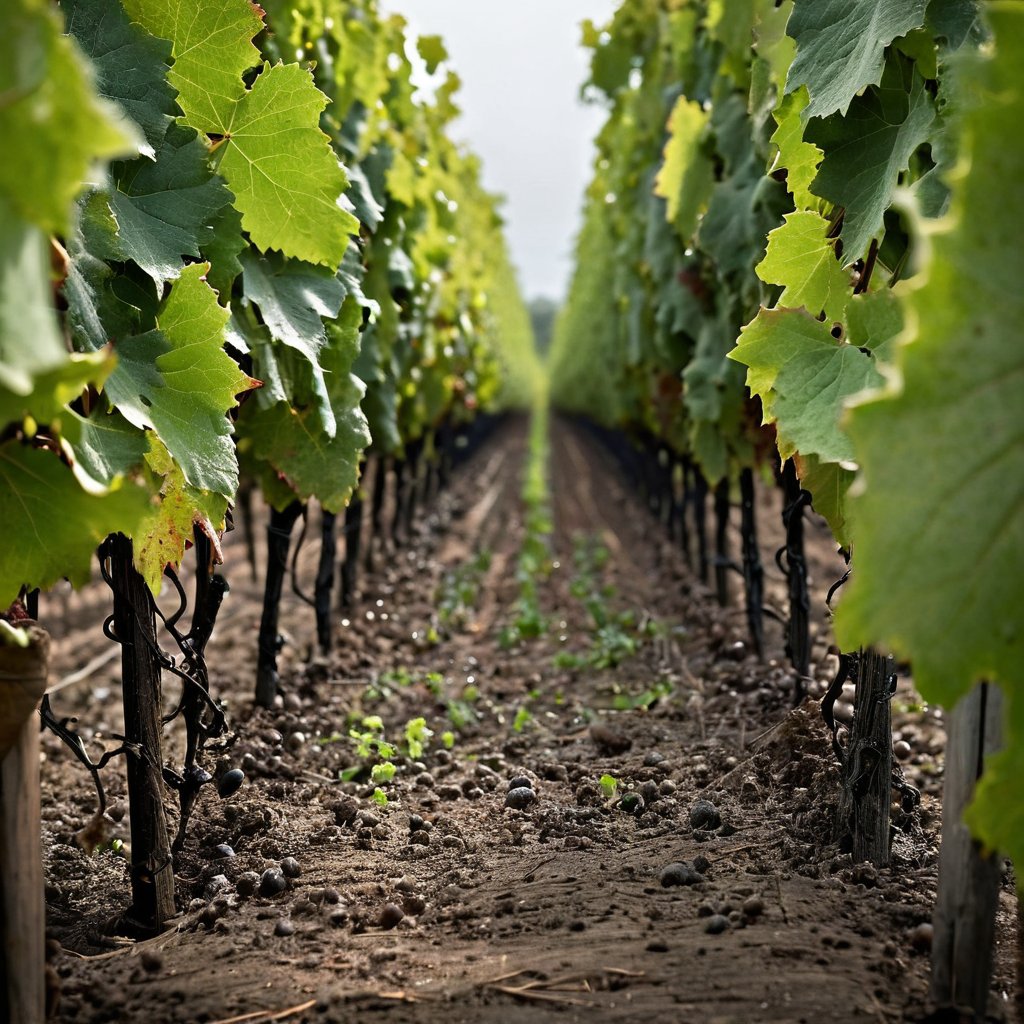
Louisiana vineyards face a unique set of challenges due to the state’s warm and humid climate, which can make vineyard management particularly demanding. One of the primary vineyard challenges is dealing with persistent diseases such as powdery mildew, downy mildew, and various fungal infections that thrive in Louisiana’s moist environment. Disease management in these vineyards requires diligent monitoring, timely application of fungicides, and innovative practices to mitigate infection risks without compromising the health of the vines or the environment.
Another significant hurdle that Louisiana growers encounter is climate resilience. The state’s frequent heavy rainfall and unpredictable weather patterns, including hurricanes and storms, can stress grapevines and reduce both the quantity and quality of grape production. To build climate resilience, many vineyards have adopted sustainable practices such as improved drainage systems and strategic canopy management to enhance air circulation and sunlight exposure, which help reduce disease pressure and improve grape ripening.
Sustainability in Louisiana vineyards extends beyond disease and climate management. Vineyard managers increasingly focus on soil health through organic amendments and cover cropping, which help maintain nutrient balance, reduce erosion, and promote beneficial microbial activity. These sustainable practices contribute not only to the long-term viability of vineyards but also to environmentally friendly winemaking that appeals to eco-conscious consumers.
Integrated pest management (IPM) is another strategy gaining traction among Louisiana vineyards to sustainably address vineyard challenges. IPM combines biological control, cultural practices, and minimal chemical interventions to keep pest populations under control with the least environmental impact. By reducing reliance on synthetic pesticides, vineyards enhance biodiversity and create more balanced ecosystems around their grapevines.
Overall, the combination of targeted disease management, climate resilience strategies, and sustainable agricultural practices is transforming Louisiana vineyards. These approaches help growers overcome the inherent challenges of their environment while promoting a healthier, more sustainable wine industry that can thrive for generations to come.
Environmental and Disease Challenges
Louisiana vineyards face significant environmental risks that impact vine health and grape production. The warm, humid climate of the region creates an ideal environment for fungal diseases such as powdery mildew, downy mildew, and botrytis bunch rot. These fungal diseases are among the most challenging threats to managing healthy vineyards, as they can severely damage leaves, stems, and fruit clusters if not properly controlled through vigilant monitoring and timely treatments.
In addition to fungal diseases, pests pose a persistent threat to vineyard vitality. Common pests include grapevine phylloxera, spider mites, and various insect borers that weaken vines and reduce yield quality. Effective pest management requires integrated pest management (IPM) strategies, combining cultural practices, biological controls, and selective use of pesticides to minimize damage without compromising vineyard sustainability.
Beyond diseases and pests, Louisiana vineyards also contend with climate threats such as excessive rainfall, high humidity, and temperature fluctuations. These factors not only exacerbate disease pressure but also challenge vine growth and fruit ripening. Flooding and storm damage can physically injure vines and impact soil health, further complicating vineyard management.
Overall, addressing these environmental and disease challenges requires a comprehensive approach tailored to Louisiana’s unique climate. Growers must continuously adapt strategies to mitigate fungal diseases, pests, and other climate-related risks that collectively threaten vineyard health and productivity.
Sustainable Practices in Vineyard Management
Sustainability is becoming a cornerstone of vineyard management, with many vineyards adopting eco-friendly practices to protect the environment while producing high-quality grapes. Organic farming is a key sustainable practice that avoids synthetic chemicals and pesticides, promoting soil health and biodiversity. By using natural alternatives, vineyards maintain a balanced ecosystem that supports the vines and surrounding wildlife.
Water conservation is another critical aspect of sustainable vineyard management. Vineyards implement efficient irrigation systems such as drip irrigation, which delivers water directly to the vine roots, minimizing waste. Rainwater harvesting and soil moisture monitoring also help optimize water use, ensuring vines receive adequate hydration without overuse of this precious resource.
Other eco-friendly practices include the use of cover crops to prevent soil erosion and improve soil nutrients, reducing the need for synthetic fertilizers. Integrated pest management techniques limit the impact on beneficial insects and reduce chemical inputs. By focusing on sustainability throughout the vineyard, growers not only improve the quality of their grapes but also contribute to environmental protection and long-term vineyard viability.

Winemaker with 12 years in the cellar. I write about fermentation, terroir, and the honest mistakes that taught me more than any textbook. I’ve ruined more barrels than most people have tasted. That’s not a disclaimer — that’s a résumé. Twelve years making wine in France, now making sense of it in words.