The Unique Climate of Louisiana for Wine Production
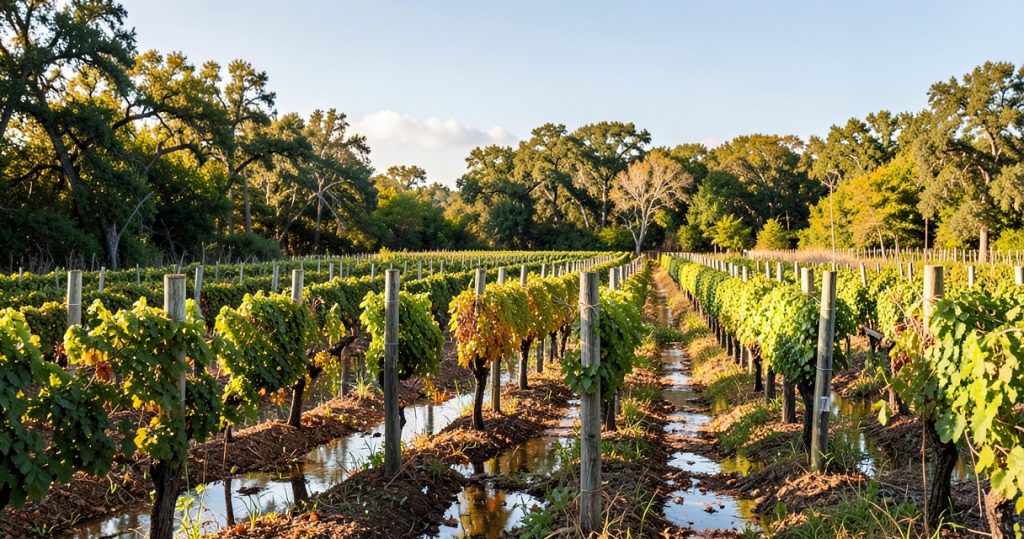
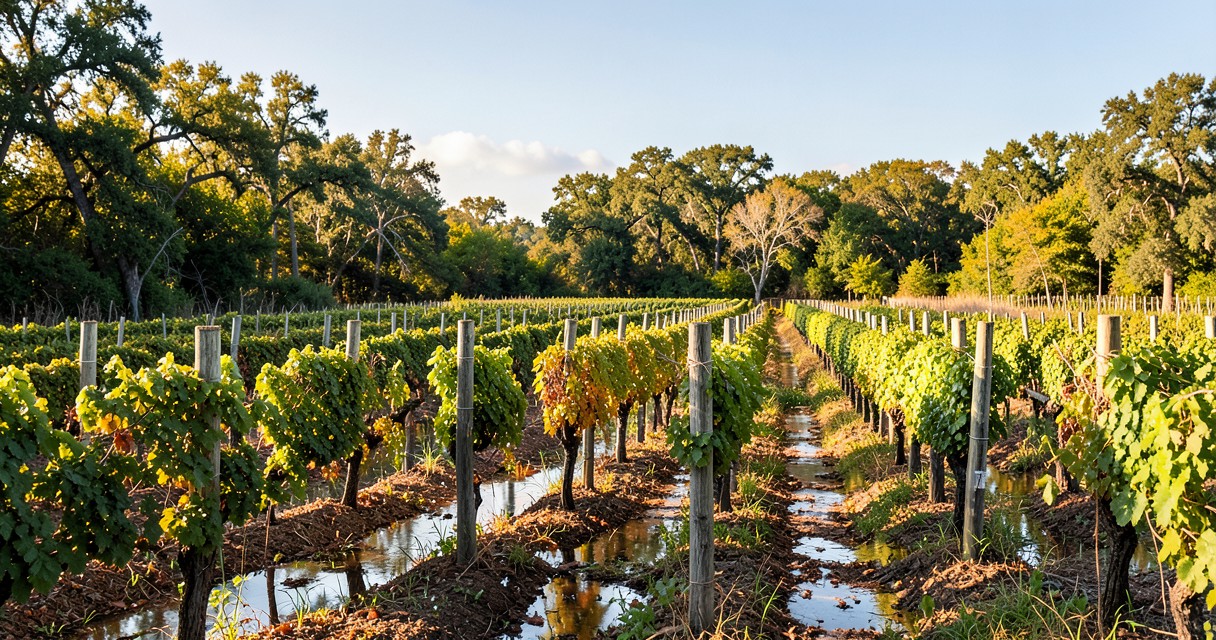
humidity in Louisiana plays a significant role in wine production, influencing the climate’s impact on the vineyards. With its warm, humid subtropical climate, the state presents both opportunities and challenges for winemakers. The average annual temperature hovers around 66 degrees Fahrenheit, with hot summers and mild winters. This warmth can be beneficial for certain grape varieties that thrive in heat. However, the high humidity can lead to issues such as mold and mildew, which necessitates careful vineyard management. Understanding these climatic nuances is essential for selecting the right grape varieties that can withstand Louisiana’s weather conditions.
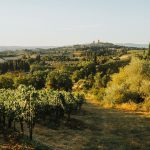
Moreover, the state’s unique geographical features, including the Mississippi River and its fertile delta, contribute to the soil composition. Louisiana terroir, with its nutrient-rich soil, can enhance the flavor profiles of the grapes grown there. Winemakers must consider these factors when planning their vineyards, as the right combination of climate, soil, and grape variety can lead to exceptional wine production. The Southern University AgCenter has been actively involved in researching grape varieties suitable for Louisiana, helping local vineyards make informed decisions to optimize their wine quality.
Selecting Grape Varieties for Louisiana Wines
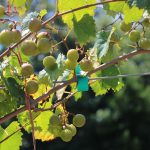
Grape selection is a crucial step in winemaking, especially in a region like Louisiana, where the climate and soil conditions differ from traditional wine-producing areas. In Louisiana, some promising grape varieties include Muscadine grapes in Louisiana, as well as Blanc du Bois and Lenoir. Muscadine grapes thrive in humid environments and produce robust, fruity flavors, offering diverse Muscadine wine styles favored by local winemakers. Blanc du Bois, a hybrid grape, is also gaining popularity due to its disease resistance and ability to produce high-quality white wines.
Winemakers in Louisiana often experiment with these varieties to create unique blends that reflect the local terroir. The Southern University AgCenter’s research on grape varieties has provided valuable insights, helping producers understand which grapes thrive best in Louisiana’s specific conditions. By focusing on these adaptable varieties, Louisiana winemakers can craft wines that stand out in both flavor and character, appealing to a growing market of wine enthusiasts.
The Vineyard Management Process
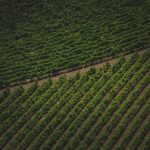
Effective management of Louisiana vineyards is essential for producing high-quality wine in the state. This process begins with site selection, where factors such as sunlight exposure, drainage, and soil quality are assessed. Once the vineyard site is established, winemakers must implement practices such as pruning, which helps control vine growth and improve grape quality. Pruning is typically done in late winter or early spring, allowing for better airflow and sunlight penetration, which are crucial for healthy grape development.
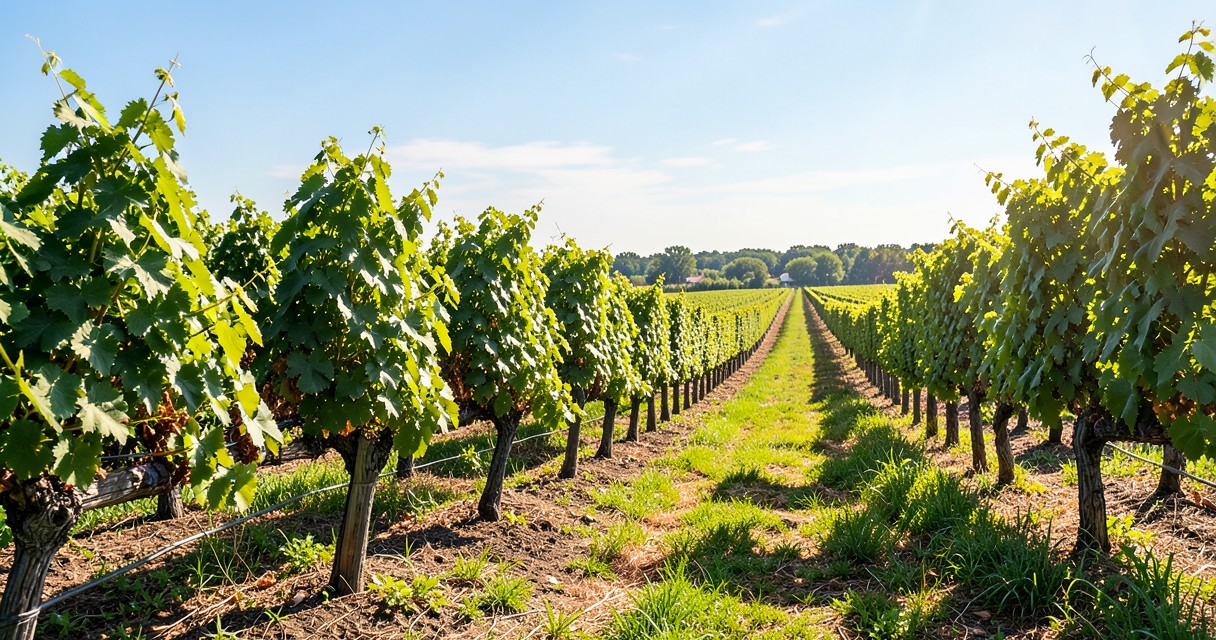
Irrigation management is another critical aspect of vineyard care in Louisiana. Given the state’s heavy rainfall, winemakers often employ systems that can effectively manage water levels to avoid issues like root rot. Additionally, pest and disease control measures are vital in Louisiana’s humid climate. Organic and sustainable practices, such as using beneficial insects and compost, are increasingly popular among local winemakers, allowing them to maintain healthy vineyards without relying heavily on chemical treatments.
The Harvesting Process
Harvesting is one of the most exciting times in the winemaking process. The harvest season in Louisiana vineyards typically takes place from late summer to early fall, depending on the grape variety and climate. Timing is crucial, as grapes must be picked at their peak ripeness to ensure optimal sugar levels and flavor. Many Louisiana vineyards rely on a combination of mechanical and hand harvesting techniques. While mechanical harvesters can expedite the process, hand harvesting allows for more careful selection of the best grapes.
Once the grapes are harvested, they are transported to the winery for processing. This stage is critical, as the quality of the grapes at this point will significantly influence the wine’s final flavor. Winemakers often conduct a thorough sorting process, removing any damaged or unripe grapes to ensure only the best fruit is used for fermentation. This meticulous attention to detail during the harvest and processing stages sets the foundation for quality wine production in Louisiana.
Fermentation: The Heart of Wine Production
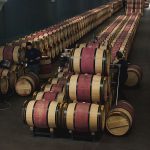
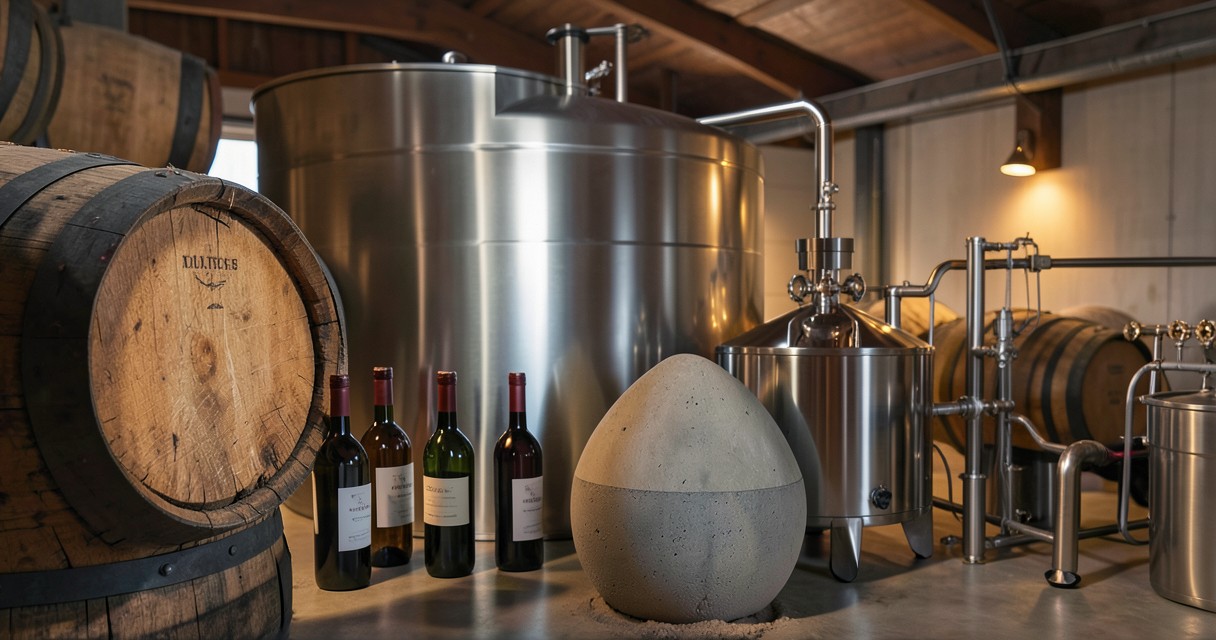
Fermentation is where the magic happens in winemaking. This process converts the sugars in the grapes into alcohol, and it can significantly impact the wine’s flavor and aroma. In Louisiana, winemakers often use both traditional and modern fermentation techniques to create craft wine in Louisiana. Stainless steel tanks are popular for white wines, as they allow for temperature control, which helps preserve delicate flavors. On the other hand, red wines may be fermented in oak barrels, which can impart additional complexity and depth to the wine.
The duration of fermentation can vary, typically ranging from a few days to several weeks, depending on the desired wine style. Winemakers closely monitor the fermentation process, checking sugar levels and temperature to ensure optimal conditions. Once fermentation is complete, the wine is often transferred to aging vessels, where it continues to develop its character. The choice of aging methods, such as using oak barrels or stainless steel, can further influence the wine’s final profile and is a decision that requires careful consideration.
Aging and Bottling: Final Steps in Winemaking
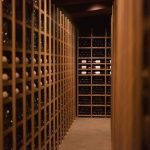
Aging is a critical phase that allows the wine to mature and develop its flavors. In Louisiana, winemakers often experiment with various aging techniques, including using oak barrels, stainless steel tanks, or even concrete eggs. Each method can impart different characteristics to the wine, such as tannins from oak or a crisp, clean finish from stainless steel. The aging period can last from a few months to several years, depending on the wine style and the winemaker’s vision.
Once the aging process is complete, the wine undergoes a final blending and filtration process before bottling. This step is crucial for ensuring consistency and quality across batches. Many Louisiana winemakers take pride in their unique blends, often incorporating local grape varieties to create distinctive flavors. After bottling, the wine may be labeled and prepared for distribution, marking the culmination of a labor-intensive process that reflects the rich agricultural heritage of Louisiana.
The Growing Wine Culture in Louisiana
Louisiana’s wine culture has been steadily growing, with more vineyards and wineries emerging across the state. Events like the Louisiana Food and Wine Festival showcase local wines and celebrate the unique flavors that Louisiana has to offer. These festivals not only promote local winemakers but also educate consumers about the intricacies of wine production in the region. As awareness of Louisiana wines increases, so does interest in the local wine scene, attracting both residents and tourists alike.
Wine tourism is becoming a significant aspect of Louisiana’s economy, with many vineyards offering tastings, tours, and educational experiences. This growing interest encourages winemakers to innovate and experiment with new grape varieties and production techniques, enhancing the overall quality of Louisiana wines. As the state continues to carve out its identity in the wine world, the commitment to quality and local heritage remains at the forefront of this exciting journey.

Winemaker with 12 years in the cellar. I write about fermentation, terroir, and the honest mistakes that taught me more than any textbook. I’ve ruined more barrels than most people have tasted. That’s not a disclaimer — that’s a résumé. Twelve years making wine in France, now making sense of it in words.