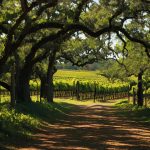
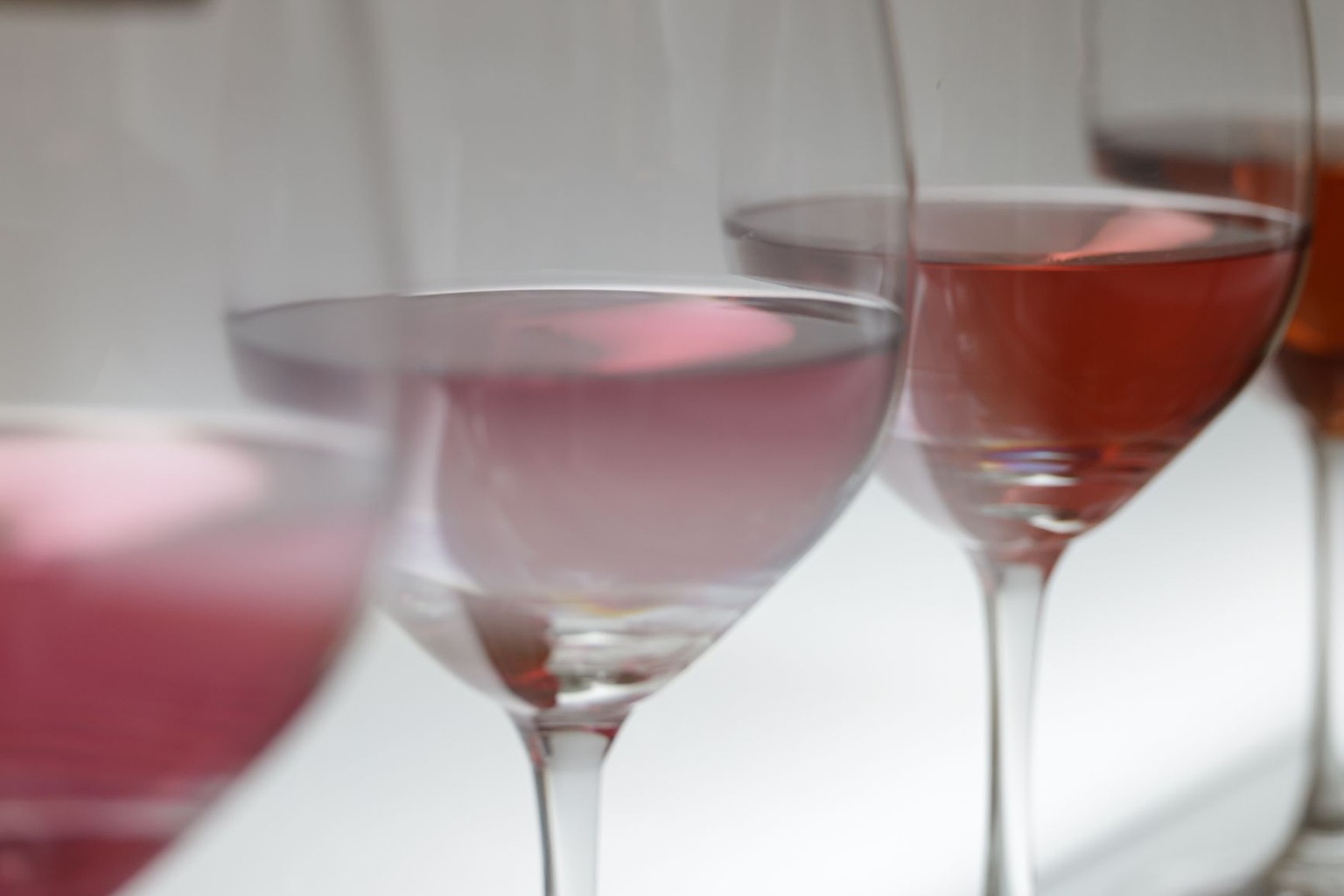
When thinking of Southern hospitality and the rich tapestry of the region’s agricultural output, few things feel as authentically local as a glass of wine crafted from the native bounty of the Mississippi Delta. The terroir of Louisiana offers a unique canvas for viticulture, where the climate and soil conditions coax out flavors that are distinctly tied to the land. Among the various grape varieties that thrive here, one stands out for its robust character and natural sweetness. Exploring the world of Sweet wine Louisiana reveals a category of beverages that bridge the gap between casual refreshment and decadent indulgence, offering a taste profile that naturally complements the sweet treats of the kitchen.
The Natural Profile of Muscadine Grapes
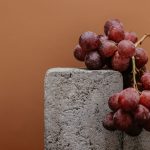
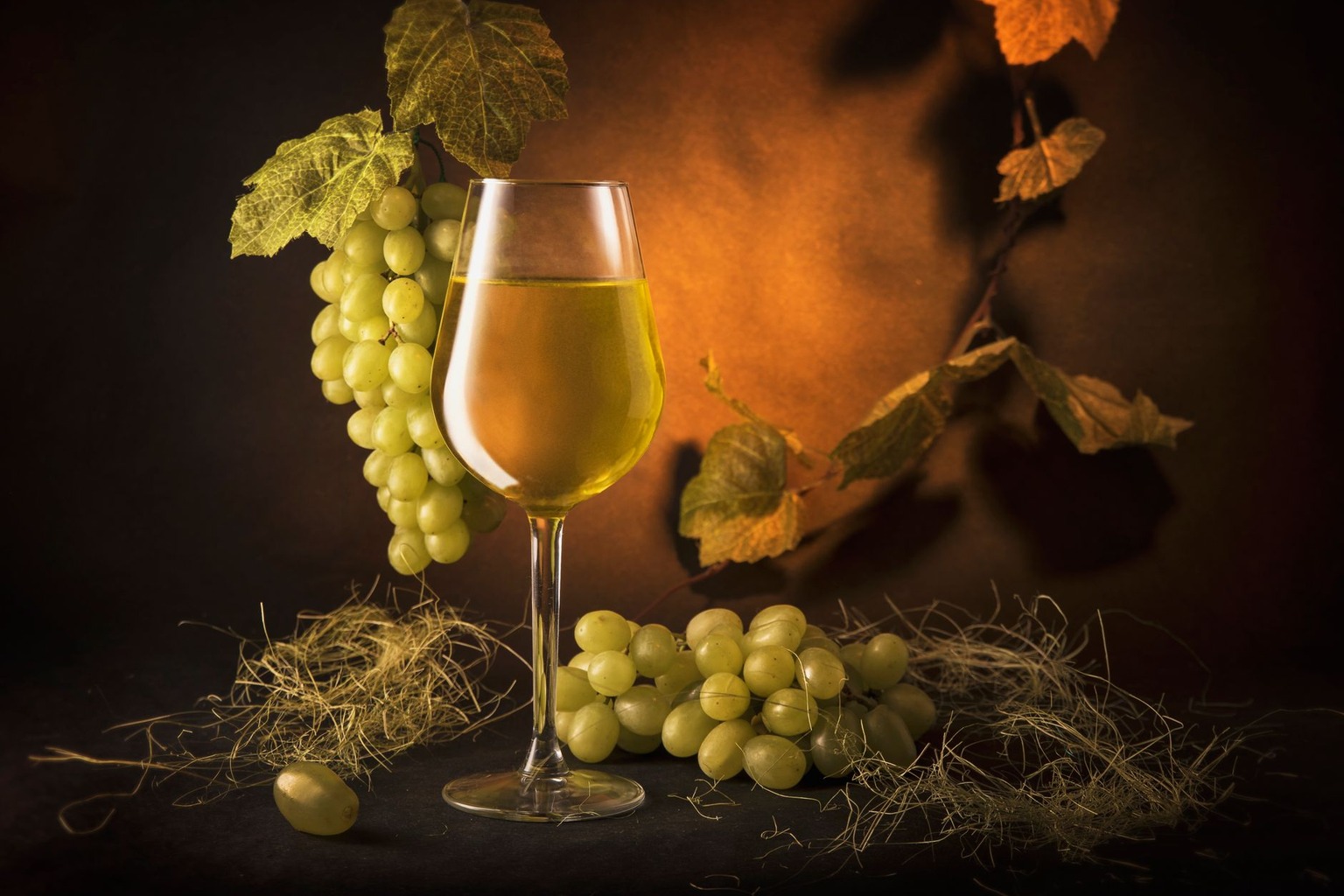
The Muscadine grape is a cornerstone of Louisiana’s viticultural identity, having grown wild across the landscape for centuries before modern farming techniques took hold. These grapes possess a thick skin and a high seed count, characteristics that contribute to a flavor profile that is both intense and uniquely sweet. Unlike the thinner-skinned European varieties often used in traditional winemaking, Muscadines offer a higher concentration of natural sugars and tannins, which, when managed correctly, result in a wine that feels lush on the palate. This inherent sweetness is not merely a result of added sugar during fermentation, but a product of the grape’s biology, making it a perfect candidate for those looking to explore the sweeter side of the state’s oenological offerings.
When these grapes are harvested at peak ripeness, the balance between acidity and sugar creates a complex aromatic profile. Notes of ripe berries, subtle musk, and a hint of earthiness often emerge, providing a depth that generic sweet wines lack. For the winemaker, understanding how to coax these flavors out without overwhelming the fruit is key. The result is a beverage that stands up well to the rigors of pairing, offering a structural backbone that can handle the richness of desserts without disappearing into the background. This natural profile is what makes exploring Sweet wine Louisiana an essential experience for any dessert lover visiting the region.
Understanding the Fermentation Process
The journey from fresh Muscadine bunch to a bottled dessert wine involves a careful manipulation of fermentation. Winemakers in Louisiana often choose to halt the process early, preserving the natural sugars that would otherwise be converted into alcohol by yeast. This technique, known as early stopping or arresting fermentation, locks in the grape’s sweetness while maintaining a level of alcohol that keeps the wine drinkable and balanced. Alternatively, some producers may opt for a late harvest, allowing the grapes to shrivel slightly on the vine, concentrating the sugars and flavors even further before the crush. Both methods yield a product that leans toward the dessert category, but the tactile experience of the wine differs based on the chosen path.
Temperature control plays a pivotal role in this process. Fermenting at cooler temperatures can help preserve the delicate floral and fruit aromas that might otherwise be burned off by heat. Furthermore, the choice of yeast strain can influence the final character; some yeasts are better at tolerating high sugar levels, allowing for a drier finish even with sweet grapes, while others produce a more viscous, syrupy texture. The expertise of the cellar master is what dictates whether the final product leans toward a light, sparkling sweetness or a heavy, still dessert wine. This technical nuance is what separates a simple fruit juice from a crafted beverage that earns its place on the table.
Pairing Principles: Sweet Meets Sweet
Pairing wine with dessert is often viewed through the lens of contrast, but with naturally sweet varieties like Muscadine, the strategy shifts toward harmony. The guiding principle here is that the wine should be at least as sweet as the food it accompanies; if the dessert is significantly sweeter, the wine will taste thin and acidic by comparison. Muscadine wines, with their bold fruit forward nature, can stand up to the heavy sweetness of pecan pie or the richness of bread pudding. The key is to match the intensity of the wine’s body with the density of the dessert, ensuring that neither element overpowers the other on the palate.
On Chef Donny’s channel they explain the perfect steak sauce recipe—you can watch it right here.
Texture also plays a significant role in these pairings. A thick, creamy dessert like a cheesecake requires a wine with enough weight to cut through the fat, while a lighter fruit tart might be better served by a slightly more delicate sweet wine. The natural tannins present in Muscadine skins provide a slight drying effect, which can cleanse the palate between bites of rich, sugary fare. This interplay of texture and flavor is why understanding the specific characteristics of the wine is crucial. It transforms a simple post-meal sip into a curated experience that enhances the overall dining event.
Classic Louisiana Dessert Pairings
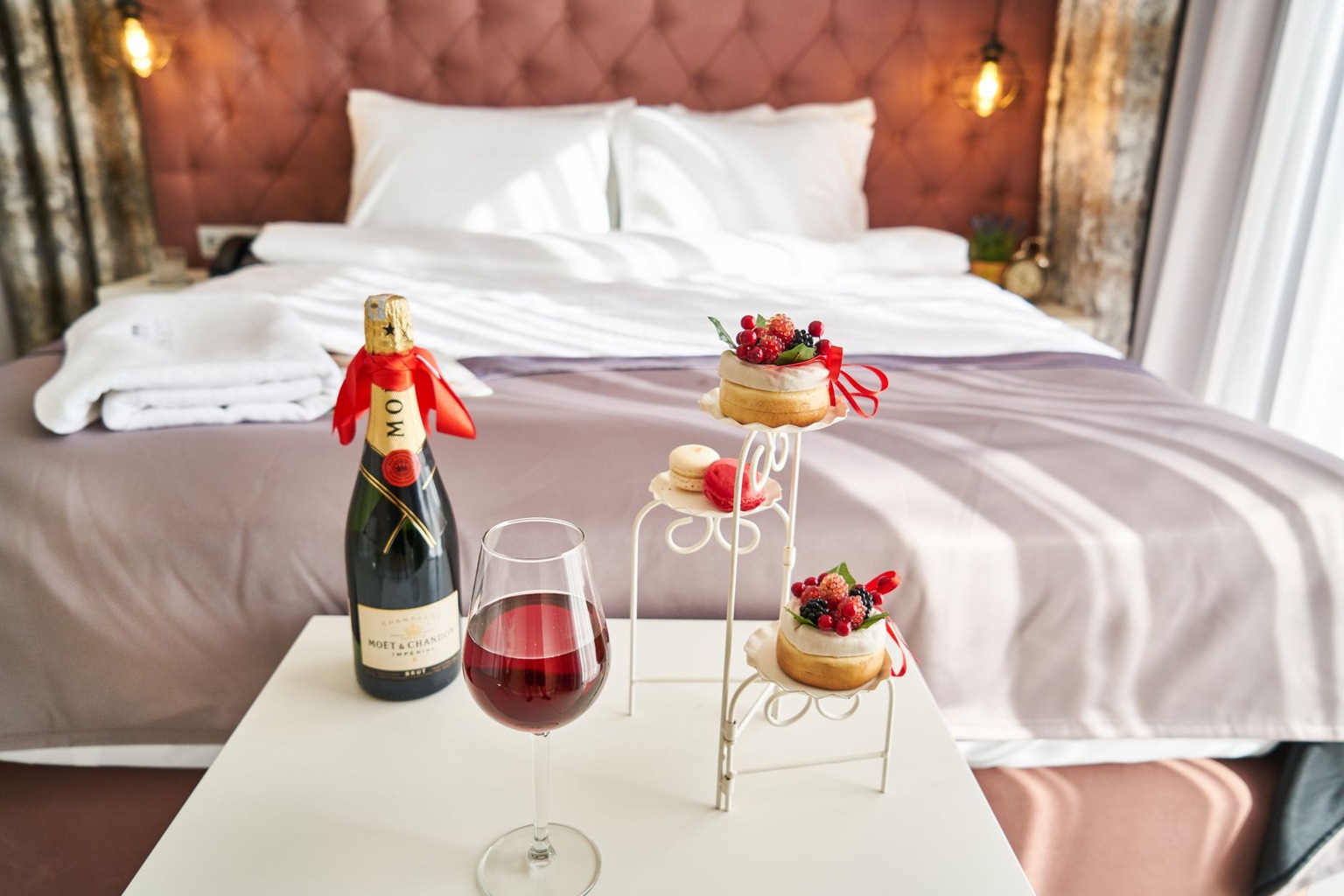
Within the context of Louisiana’s culinary heritage, certain pairings have become legendary, and Muscadine wine fits seamlessly into this narrative. Consider the iconic pecan praline; the buttery, caramelized notes of the praline find a complementary partner in the deep, raisin-like sweetness of a well-crafted Muscadine. The wine’s body mirrors the density of the praline, creating a cohesive flavor loop that feels inherently right. Similarly, a slice of sweet potato pie, a staple at Southern tables, benefits from the wine’s ability to echo the spices of cinnamon and nutmeg while providing a fruity counterpoint to the dense, starchy base.
Another excellent match is the classic bread pudding, often served with a whiskey sauce. The complex, warming notes of the sauce are elevated by the fruit-driven profile of the wine, which adds a layer of brightness that prevents the dish from feeling too heavy. Even something as simple as a bowl of fresh strawberries with a dollop of whipped cream is transformed when a chilled glass of Sweet wine Louisiana is introduced. The acidity in the wine cuts through the cream, while the fruit notes amplify the natural flavor of the berries. These pairings are not arbitrary; they are the result of generations of understanding how local flavors interact with local produce.
Serving Temperature and Glassware
To truly appreciate the nuances of a sweet Muscadine blend, serving temperature is a variable that should not be overlooked. Serving the wine too warm can make the alcohol feel hot and the sweetness cloying, while serving it too cold can mute the delicate aromas that make the variety special. The general rule of thumb for sweet wines is to chill them, but not to the point of being ice cold. A temperature range of roughly 50 to 60 degrees Fahrenheit is often ideal, allowing the fruit flavors to emerge while keeping the palate refreshed. This slight chill also helps balance the natural viscosity of the wine, making it feel lighter on the tongue.
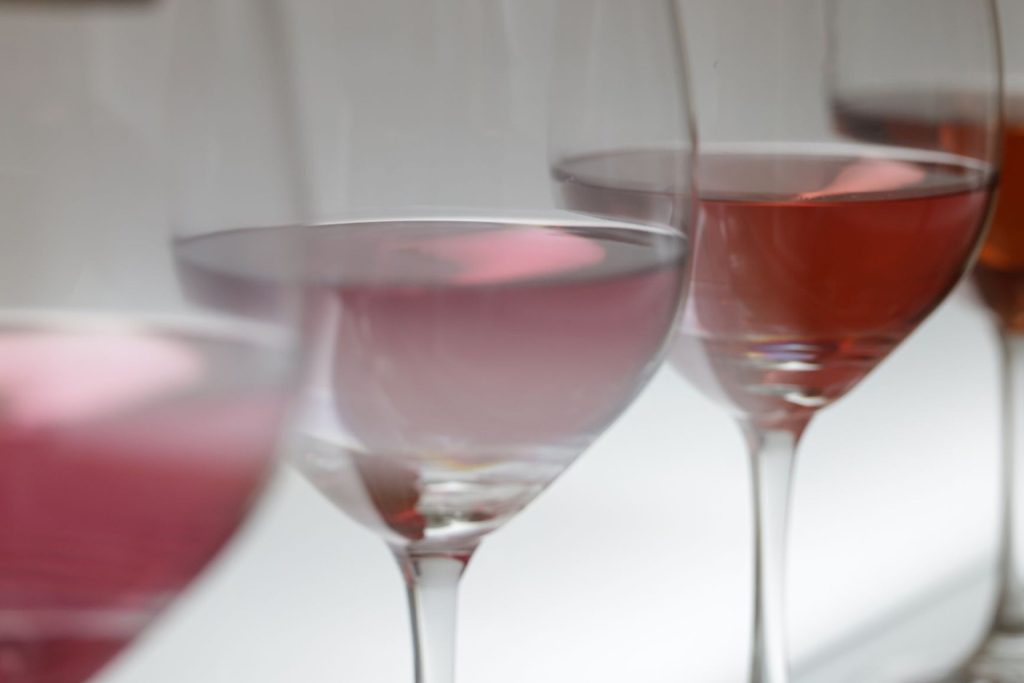
Furthermore, the choice of glassware can influence the tasting experience. While a standard wine glass works in a pinch, a smaller, tulip-shaped glass is preferable as it concentrates the aromas, directing them toward the nose before the first sip. This is particularly important for Muscadine blends, which possess a potent aromatic profile that can be lost in a wide-bowled glass. By focusing the scent, the drinker is better prepared for the explosion of flavor that follows. These practical details, though seemingly minor, elevate the ritual of dessert pairing from a casual act to a mindful appreciation of the craft.
The Role of Acidity in Balance
One of the most critical, yet often overlooked, aspects of sweet winemaking is the role of acidity. In the context of Muscadine blends from Louisiana, acidity acts as the counterweight to the sheer volume of sugar. Without sufficient acidity, a sweet wine can feel flabby or heavy, weighing down the palate and masking the food it is meant to accompany. Winemakers must carefully manage the pH levels during production, ensuring that the wine retains a crisp edge. This acidity is what makes the pairing with rich desserts possible, as it “cuts through” the fat and sugar, refreshing the mouth for the next bite.
This balance is a delicate act of chemistry and taste. Too much acidity and the wine becomes sharp, almost like a vinegar, clashing with the sweetness of the dessert. Too little, and the wine loses its structure. The expertise of the Louisiana vintner lies in finding that sweet spot where the fruit, sugar, and acid coexist in harmony. When tasting a well-balanced Sweet wine Louisiana, one should notice a tingling sensation on the sides of the tongue, a sign that the acidity is working in tandem with the sweetness to create a finished, polished experience rather than a one-dimensional sugar bomb.
Aging and Complexity Development
While many sweet wines are meant to be consumed young and fresh, Muscadine blends possess a unique potential for aging that can introduce fascinating complexity. Over time, the harsh edges of the primary fruit flavors mellow, giving way to secondary notes of dried fruit, nuts, and even a hint of honey or caramel. This evolution makes aged Muscadine a versatile partner for more sophisticated desserts, such as a dark chocolate torte or a sophisticated fruit tart with a buttery crust. The aging process in oak barrels, if employed, can further introduce vanillin notes that bridge the gap between the wine and cocoa-based sweets.
However, not all Muscadine wines are suited for long-term cellaring. The decision to age often depends on the initial quality of the fruit and the production methods employed. A wine intended for immediate consumption will prioritize fresh, vibrant fruit, while a reserve blend will focus on depth and integration. For the consumer, understanding the producer’s intent is key. A younger bottle might be the perfect companion for a casual Sunday brunch dessert, while an older, more complex vintage could be the crowning jewel of a holiday feast. This spectrum of possibility is part of what makes the category so dynamic and worth exploring for any enthusiast of Louisiana wines.

Winemaker with 12 years in the cellar. I write about fermentation, terroir, and the honest mistakes that taught me more than any textbook. I’ve ruined more barrels than most people have tasted. That’s not a disclaimer — that’s a résumé. Twelve years making wine in France, now making sense of it in words.