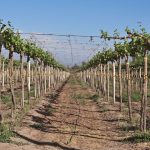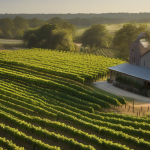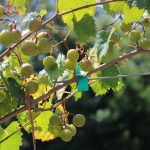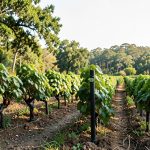
The rich, sun-drenched vineyards of Louisiana have long been a hidden gem in the world of wine, and at the heart of this region’s unique offerings lies the Muscadine grape. Unlike the more familiar European varieties, Muscadine wine flavor stands out with its bold, tropical, and slightly earthy notes that reflect the humid climate and fertile soil of the bayous and swamps. Whether you’re a seasoned oenophile or a curious newcomer, understanding the nuances of these wines, from their aromatic complexity to their full-bodied structure, can transform your appreciation of Louisiana’s winemaking tradition. The uniqueness of Louisiana’s Muscadine wines stems from the region’s terroir and the expertise of local winemakers, exemplified by Feliciani Cellars.
Understanding the Unique Terroir of Louisiana Muscadine Wines
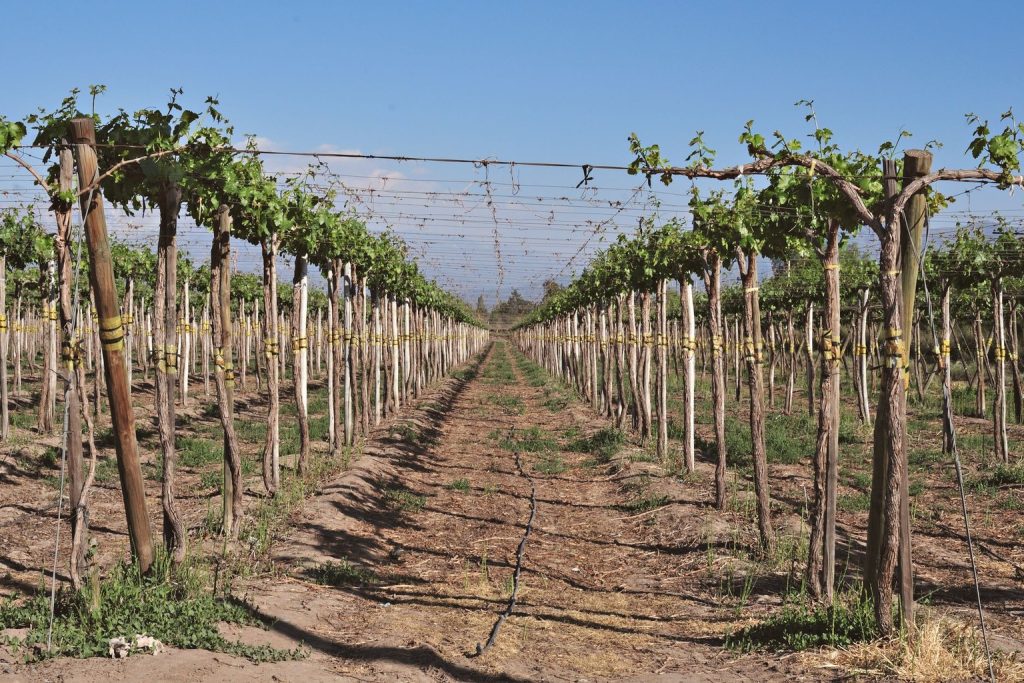
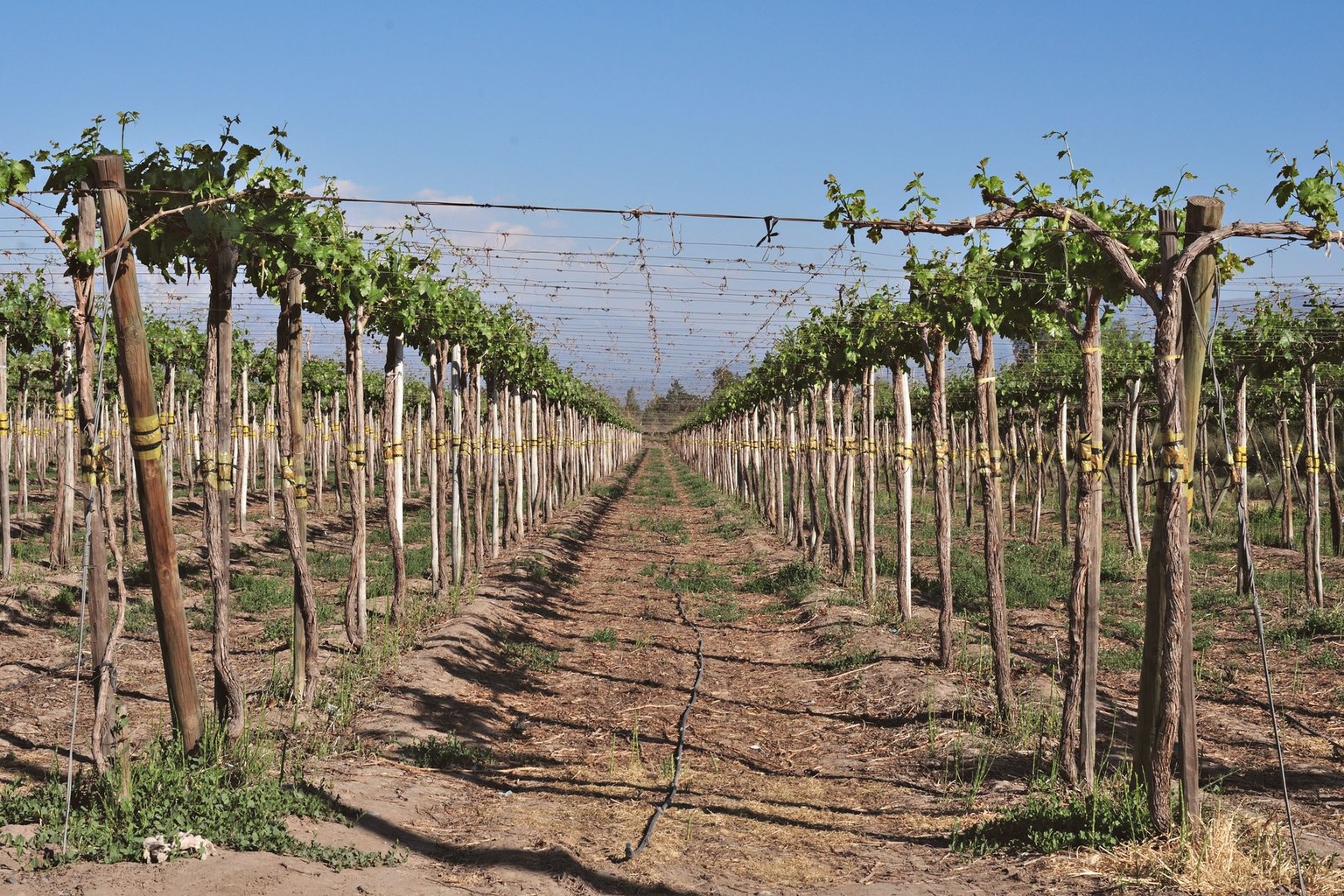
Louisiana’s Muscadine wines owe their character to the state’s distinctive terroir, a blend of warm summers, high humidity, and mineral-rich soils that create an environment unlike any other wine region. The Muscadine grape thrives in these conditions, developing a thick skin that protects it from pests and disease while allowing it to absorb flavors from the clay and loam soils common in the bayous. This resilience translates into wines with a natural robustness, often featuring a balance of sweetness and acidity that sets them apart from their European counterparts. For example, vineyards near the Mississippi River benefit from the river’s cooling influence, which can soften the grapes’ natural sugar content, resulting in wines with a more refined, less cloying sweetness. To fully grasp the Muscadine wine flavor, you must start by recognizing how these environmental factors shape the grape’s profile before it even reaches the winery.
Identifying the Core Aromas That Define Muscadine Wine Flavor
The first step in appreciating Louisiana Muscadine wines is learning to recognize their signature aromas, which often include notes of ripe tropical fruit, think mango, pineapple, and passionfruit, interwoven with subtle hints of spice and earthiness. The grape’s thick skin contributes to a distinctive musky aroma, sometimes compared to lychee or even a hint of wet stone, which adds depth to the wine’s bouquet. When tasting younger Muscadine wines, you’ll often detect vibrant citrus and berry scents, while aged examples may reveal more complex flavors like caramel, vanilla, or dried fruit. For instance, a Muscadine wine fermented in oak barrels will pick up subtle vanilla and coconut notes, while a stainless steel-fermented version will retain its fresher, fruit-forward character. To train your palate, start by comparing side-by-side wines from different regions within Louisiana, noting how the terroir influences these aromatic profiles.
Deciphering the Flavor Profile: Sweetness, Tannins, and Acidity
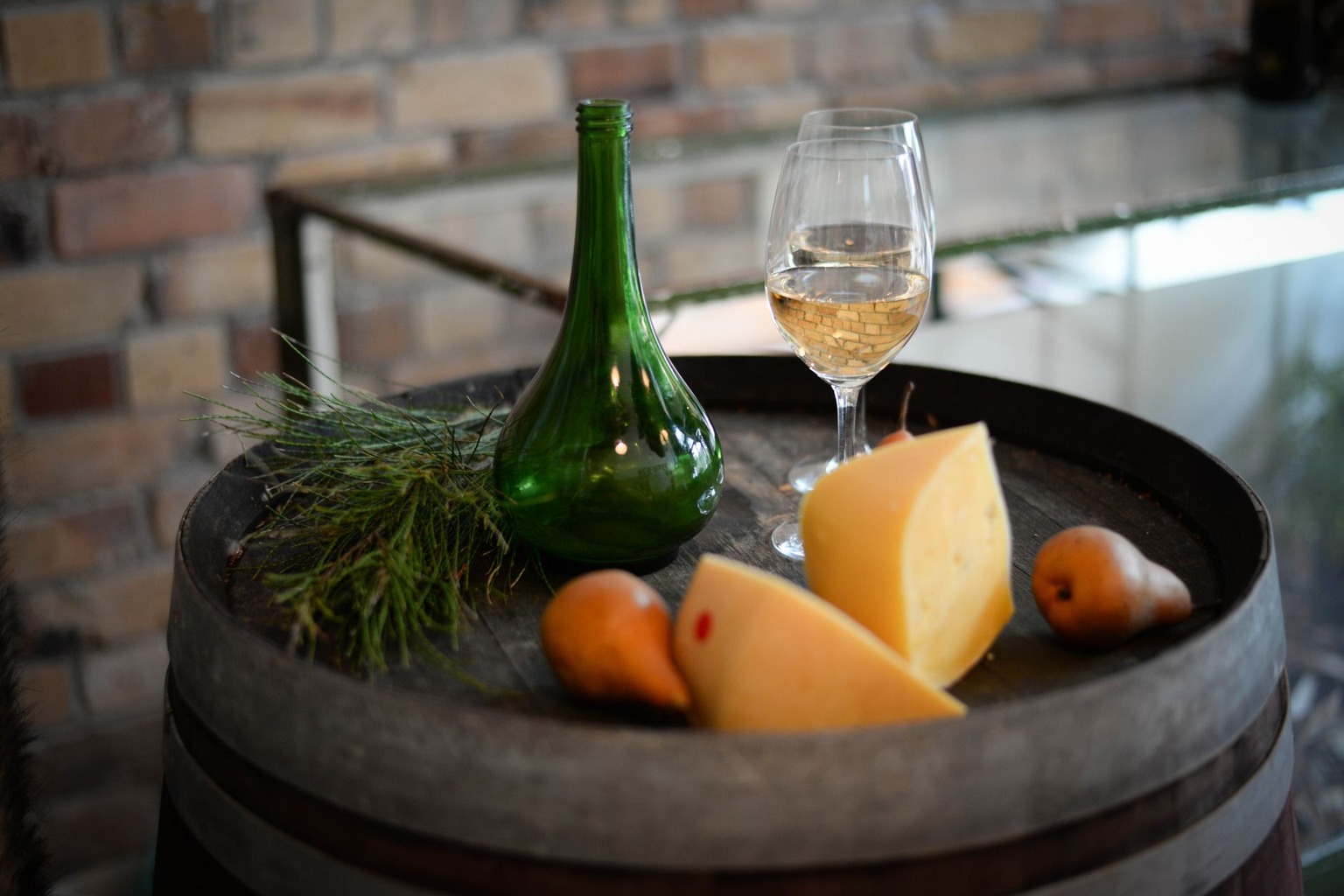
Muscadine wines are renowned for their lush sweetness, but their full flavor profile extends beyond sugar, it’s a dance between sweetness, tannins, and acidity that gives them their signature mouthfeel. The grape’s natural sweetness is balanced by moderate acidity, which prevents the wine from tasting overly syrupy, while the tannins, though often softer than those in red wines, add structure and a slight grip on the palate. For example, a Muscadine wine with 12-14% alcohol by volume will feel full-bodied but not heavy, thanks to its balanced acidity and moderate tannins. Some winemakers in Louisiana enhance this complexity by blending Muscadine with other native grapes, like Scuppernong or Black Spanish, which can introduce additional layers of flavor. To experience this balance firsthand, try pairing a Muscadine wine with spicy dishes or cheeses like aged Gouda, which complement its sweetness without overpowering its acidity.
If you want to learn more about local wine culture, the NOLA Gent channel covers this topic wonderfully, and you can watch it right here.
How Winemaking Techniques Shape the Muscadine Wine Flavor
The way a Muscadine wine is crafted in the winery plays a crucial role in shaping its final flavor, from fermentation methods to aging techniques. Louisiana winemakers often rely on native yeast strains, enhancing their wines with unique, wild aromas. For instance, spontaneous fermentation in stainless steel tanks preserves the wine’s fresh, fruity profile, while aging in oak barrels imparts oak-derived flavors like dill, clove, or toasted coconut. Some producers also experiment with carbonic maceration, a method that enhances juicy, berry-like flavors, making the wine feel almost like a cross between a red wine and a fruit-forward dessert. At Feliciani Cellars, for example, the use of small-batch fermentation and extended skin contact is key to developing the wine’s depth and complexity. To appreciate these differences, visit a local tasting room and ask about the specific techniques used in each wine’s production.
Avoiding Common Mistakes When Tasting Muscadine Wines
One of the most frequent mistakes newcomers make when tasting Muscadine wines is expecting them to follow the same flavor profile as European wines. Muscadine wines are often sweeter, fruitier, and less structured, which can be jarring if you’re used to dry reds or crisp whites. Another common pitfall is overlooking the wine’s natural effervescence, some Muscadine wines have a slight bubble or fizz due to residual carbonation, which adds a refreshing lift to the palate. Additionally, many people underestimate the importance of temperature when serving these wines; serving Muscadine wine too cold can mute its aromas, while serving it too warm can make it taste flat. The ideal serving temperature for most Muscadine wines is around 55-60°F, allowing the flavors to shine without being overpowered. To avoid these mistakes, start by tasting a few different styles, dry, semi-sweet, and late-harvest, and note how each one reveals different facets of the Muscadine wine flavor.
Pairing Muscadine Wines with Louisiana Cuisine for Maximum Enjoyment
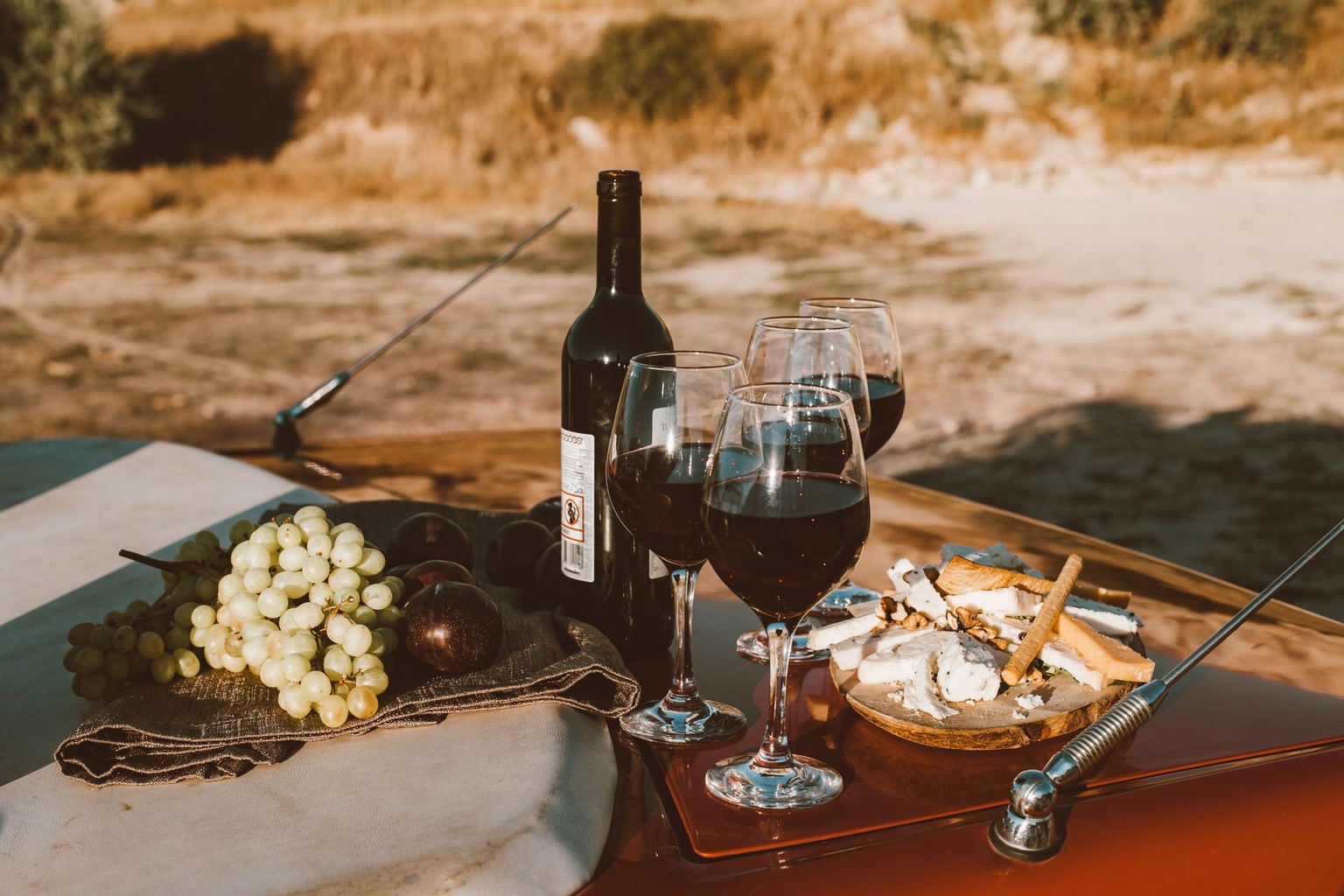
Louisiana’s culinary scene is a natural match for Muscadine wines, with dishes like jambalaya, gumbo, and fried catfish complementing the wine’s bold flavors. The wine’s natural sweetness pairs beautifully with spicy Cajun dishes, where the heat and richness of the food balance the wine’s fruitiness. For example, a Muscadine wine with notes of mango and vanilla will enhance the tropical flavors in a shrimp Creole sauce, while a drier Muscadine can stand up to the bold spices in a dark roux-based gumbo. Even seafood lovers will appreciate how Muscadine wines can elevate dishes like blackened redfish or crawfish étouffée, their acidity cutting through the richness of the butter and cream. To create the perfect pairing, consider the wine’s sweetness level, lighter, fruitier Muscadine wines work well with seafood, while fuller-bodied examples pair better with heartier meats like duck or pork. Experiment with small sips to find the right balance between the wine and your dish.

Winemaker with 12 years in the cellar. I write about fermentation, terroir, and the honest mistakes that taught me more than any textbook. I’ve ruined more barrels than most people have tasted. That’s not a disclaimer — that’s a résumé. Twelve years making wine in France, now making sense of it in words.