Muscadine wine has become a distinctive hallmark of Louisiana’s growing wine industry, celebrated not just for its unique flavor but also for its cultural significance. Originating from the native Muscadine grape, which thrives in the warm, humid climate of the Southern United States, this wine encapsulates the essence of Louisiana’s rich agricultural heritage. As local vineyards and wineries increasingly embrace this variety, the popularity of Muscadine wine continues to rise, drawing both residents and tourists alike to savor its sweet and fruity notes. This article explores the characteristics of Muscadine wine, its production in Louisiana, the best wineries to visit, and how to enjoy this delightful beverage.
The Muscadine Grape: A Southern Treasure
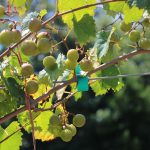
The Muscadine grape, scientifically known as Vitis rotundifolia, is native to the southeastern United States and is particularly well-suited to Louisiana’s warm climate. These grapes are characterized by their thick skins and large seeds, which contribute to their robust flavors and high sugar content. Muscadines come in several varieties, including the white “Carlos,” the bronze “Noble,” and the dark-skinned “Black Beauty.” Each variety offers a distinct flavor profile, ranging from sweet and fruity to tart and complex. The grape’s unique characteristics make it ideal for producing sweet wines, which are a favorite among local consumers.
In Louisiana, the Muscadine grape flourishes due to the state’s long growing season and its ability to resist diseases that often plague other grape varieties. This resilience allows winemakers to focus on crafting exceptional wines without the constant threat of crop failure. The combination of climate, soil, and the grape’s natural qualities has positioned Louisiana as a burgeoning hub for Muscadine wine production.
Winemaking Process: From Grape to Glass
The process of making Muscadine wine is both art and science, beginning with careful grape selection and harvesting. Louisiana winemakers often hand-pick grapes at their peak ripeness to ensure optimal flavor and sweetness. After harvesting, the grapes undergo crushing and destemming, where the skins are separated from the juice. This initial step is crucial, as the skins contribute to the wine’s color and tannin structure.
Exploring Louisiana’s Wineries
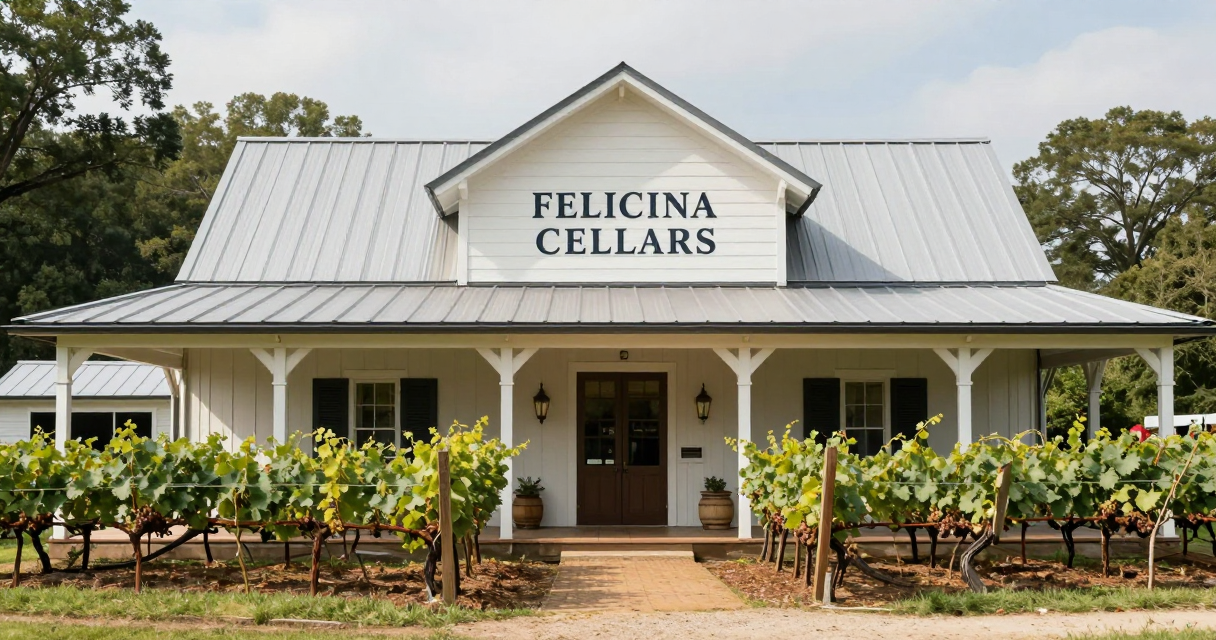
Louisiana is home to several wineries that specialize in Muscadine wine, each offering a unique experience for visitors. Feliciana Cellars, located in the heart of the Felicianas, is known for its exceptional Muscadine wines, including the popular “Sweet Southern Red.” The winery provides tours and tastings, allowing guests to learn about the winemaking process while enjoying the picturesque surroundings.
Another notable winery is Pontchartrain Vineyards, situated just north of New Orleans. This vineyard not only produces Muscadine wine but also offers a range of other varietals. Visitors can participate in tastings, live music events, and vineyard tours, making it a perfect destination for those looking to immerse themselves in Louisiana’s wine culture. These wineries are just a few examples of the growing number of establishments dedicated to showcasing the unique flavors of Muscadine wine.
Pairing Muscadine Wine with Local Cuisine
Muscadine wine’s sweetness and fruity notes make it an excellent complement to various dishes, particularly those found in Louisiana’s rich culinary landscape. Whether enjoyed with spicy Cajun cuisine or classic Southern dishes, the wine’s flavor profile can enhance the dining experience. For instance, a chilled glass of Muscadine wine pairs beautifully with jambalaya, as the wine’s sweetness balances the spice of the dish.
Additionally, Muscadine wine is a fantastic accompaniment to desserts, especially fruit-based options like peach cobbler or pecan pie. The natural sweetness of the wine elevates these dishes, creating a harmonious pairing that showcases the best of Louisiana’s gastronomic offerings. Many local restaurants and wineries encourage food and wine pairing events, allowing patrons to discover the delightful combinations that Muscadine wine can offer.
Health Benefits of Muscadine Wine
Muscadine wine is not only a delicious choice but also boasts several health benefits, making it a popular option for health-conscious consumers. Rich in antioxidants, particularly resveratrol, Muscadine wine has been linked to heart health and improved circulation. Resveratrol is known for its potential to lower bad cholesterol levels and reduce the risk of heart disease, making moderate consumption of Muscadine wine a heart-healthy choice.
Additionally, Muscadine grapes contain high levels of polyphenols, which are beneficial for overall health. These compounds have anti-inflammatory properties and may help in preventing certain chronic diseases. While enjoying Muscadine wine, it is essential to do so in moderation to fully appreciate its health benefits without overindulging.
The Future of Muscadine Wine in Louisiana
The future of Muscadine wine in Louisiana looks promising as more winemakers recognize the potential of this unique grape variety. With the state’s favorable climate and growing interest in local wines, the industry is poised for expansion. New wineries are emerging, and existing ones are experimenting with different styles and blends, further enriching the Muscadine wine landscape.
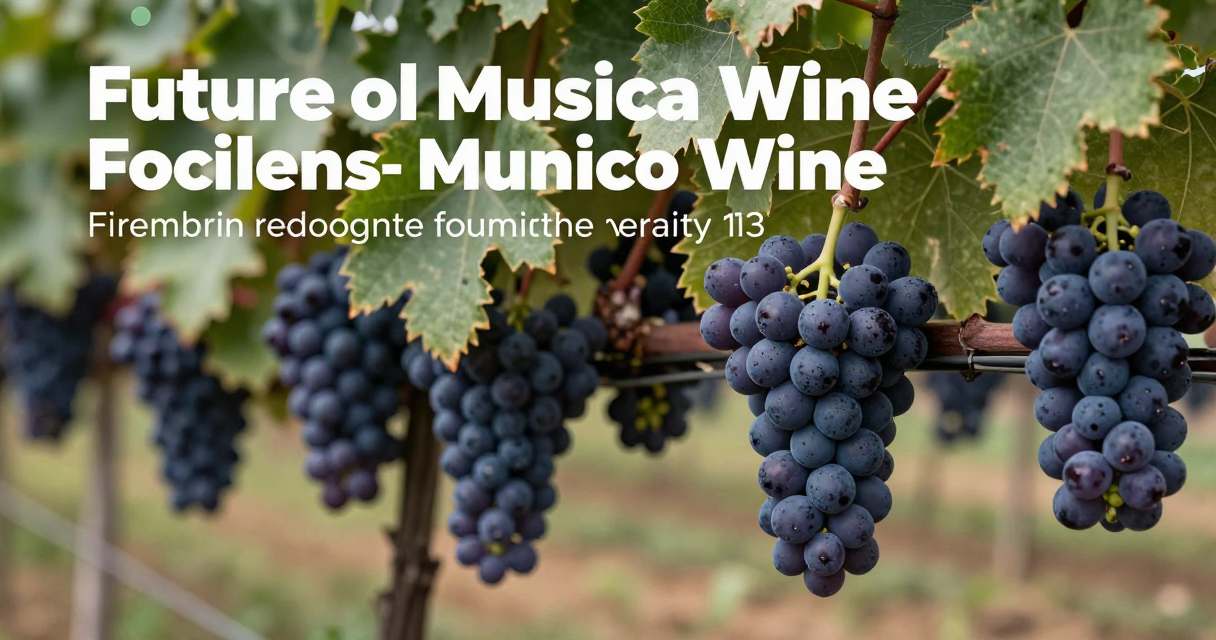
Furthermore, educational initiatives and wine festivals celebrating Louisiana’s wine culture are gaining traction. These events not only promote Muscadine wine but also foster a sense of community among local winemakers and enthusiasts. As consumers continue to seek out locally produced wines, Muscadine wine is likely to remain a favorite choice, showcasing the rich agricultural heritage of Louisiana.
How to Enjoy Muscadine Wine
Enjoying Muscadine wine can be a delightful experience, whether at home or in a social setting. For those new to Muscadine wine, it’s best served chilled, enhancing its refreshing qualities. Pouring it into a proper wine glass allows for better aeration and appreciation of its aromas. Pairing it with a variety of foods can elevate the tasting experience, encouraging exploration of different flavor combinations.
For a fun twist, consider incorporating Muscadine wine into cocktails. Its natural sweetness can complement a variety of mixers, creating unique and refreshing drinks. Additionally, hosting a wine tasting event with friends can be an enjoyable way to explore different Muscadine varieties and learn about their production. With its versatile nature, Muscadine wine offers endless possibilities for enjoyment.

Winemaker with 12 years in the cellar. I write about fermentation, terroir, and the honest mistakes that taught me more than any textbook. I’ve ruined more barrels than most people have tasted. That’s not a disclaimer — that’s a résumé. Twelve years making wine in France, now making sense of it in words.