
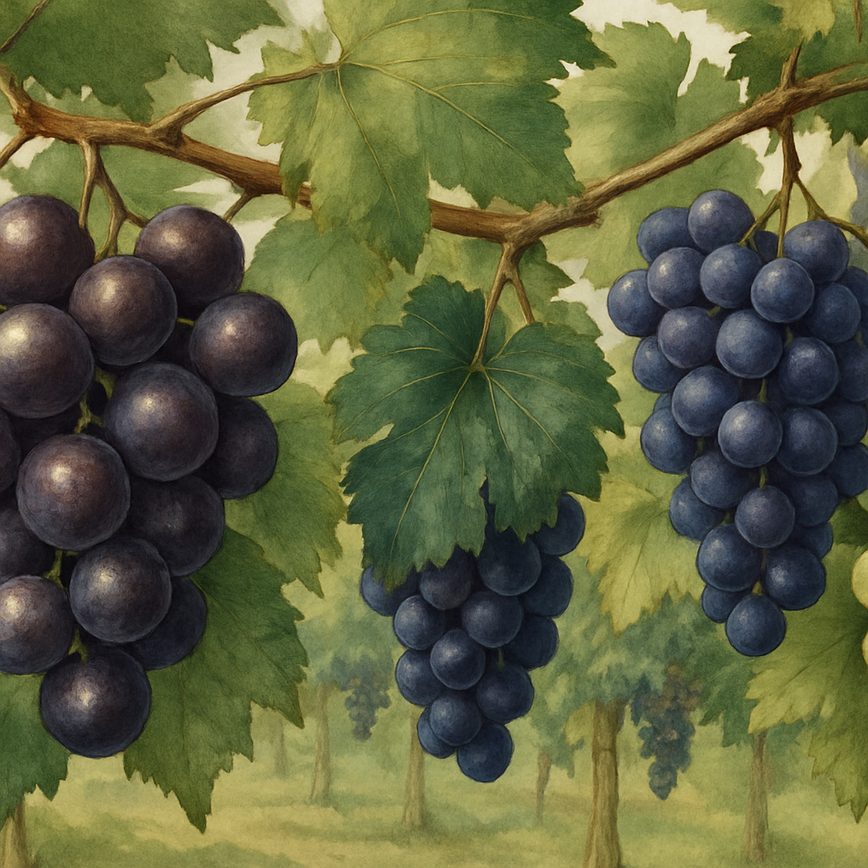
Introduction to Muscadine and Traditional Grapes
Muscadine grapes and traditional grapes represent two distinct grape varieties that have unique characteristics and uses in the world of viticulture. Understanding the differences between Muscadine grapes and traditional grapes is important not only for grape growers and winemakers but also for consumers who appreciate diverse flavors and health benefits in grape products. Both types of grapes offer rich histories and distinct profiles, making their comparison a fascinating subject.
Muscadine grapes are native to the southeastern United States, thriving in warm and humid climates where traditional grape varieties often struggle. These grapes belong to the species Vitis rotundifolia, which sets them apart from the more commonly cultivated traditional grapes classified under Vitis vinifera. Muscadine grapes are known for their thick skins and robust resistance to pests and diseases, traits that make them particularly valuable for growers in challenging conditions. In contrast, traditional grapes include a wide range of varieties such as Chardonnay, Cabernet Sauvignon, and Merlot, mostly grown in temperate regions worldwide.
The comparison between Muscadine grapes and traditional grapes extends beyond their botanical differences. Their flavor profiles, uses in winemaking, and nutritional benefits all contribute to the importance of understanding these grape varieties. Muscadine grapes offer a unique taste often described as musky and sweet with hints of earthiness, while traditional grapes vary widely in flavor, from tart and crisp to rich and full-bodied. These contrasts influence the type of wines produced and the culinary applications of each grape variety.
Moreover, the comparison is essential because it highlights the agricultural diversity and potential benefits of Muscadine grapes. With increased interest in natural resistance and sustainability in agriculture, Muscadine grapes offer promising alternatives to traditional vineyards. Their ability to thrive without extensive chemical treatments and their rich antioxidant content make them a valuable topic for growers, winemakers, and health-conscious consumers alike. In summary, exploring the differences and characteristics of Muscadine versus traditional grapes broadens our appreciation of grape varieties and deepens our understanding of their role in horticulture and gastronomy.
Overview of Muscadine Grapes
Muscadine grapes are a distinctive variety of native grapes primarily found in the southeastern United States. Known for their thick skins and robust flavors, these grapes stand out due to their unique grape features that differentiate them from traditional grape varieties. Originating as wild grapes, Muscadines have a long history tied to the region’s climate and soil, thriving in warm and humid conditions where many other grape types struggle to grow.
One of the most notable physical attributes of Muscadine grapes is their thick, tough skin, which provides natural resistance to pests and diseases, allowing them to flourish with less intervention compared to conventional grapes. The berries themselves tend to be larger and more round, often ranging in color from deep purple to bronze. This rugged skin not only protects the fruit but also contributes to a distinctive earthy and musky flavor profile, adding complexity to wines and products made from these grapes.
In addition to their resilience and flavor, Muscadine grapes are rich in antioxidants and vitamins, making them prized not only for winemaking but also for health benefits. Growing mainly in the southeastern states such as Georgia, North Carolina, and Florida, these native grapes have adapted perfectly to local growing conditions, offering a unique alternative to traditional grapes. Their ability to thrive in regions with high humidity and heat has made Muscadine grapes a valuable crop and a celebrated part of southern heritage.
Overview of Traditional Grapes
Traditional grapes refer to the commonly cultivated grape varieties that have been grown for centuries across various regions worldwide. One of the most well-known species within this category is Vitis vinifera, which is native to the Mediterranean region, central Europe, and southwestern Asia. This species encompasses a wide range of grape types utilized for eating fresh, drying into raisins, producing juice, and most notably, winemaking.
Common grape types under traditional grapes include varieties like Cabernet Sauvignon, Chardonnay, Merlot, and Concord, each with distinct flavors and optimal growing conditions. These cultivated grapes thrive in temperate climates where growers employ specific viticultural practices such as pruning, canopy management, and pest control to maximize grape quality and yield. Soil type, climate, and vineyard management play crucial roles in the successful cultivation of traditional grapes.
Beyond winemaking, traditional grapes are used in table consumption due to their pleasant taste and texture. They also serve as the source for raisins and grape juice, highlighting their versatility. Cultivated grapes typically require careful monitoring of irrigation and disease prevention strategies to sustain healthy vine growth and ensure a robust harvest each season.
Overall, traditional grapes remain a cornerstone of agricultural and culinary importance globally, supporting extensive industries from fresh fruit sales to some of the world’s most renowned wine productions.
Key Differences Between Muscadine and Traditional Grapes
When exploring the topic of Muscadine vs traditional grapes, it’s essential to understand the core grape differences that set them apart in terms of physical characteristics, taste profiles, nutritional benefits, and uses. Both types of grapes are popular among grape enthusiasts and growers, but they offer distinct experiences and advantages.
Physically, Muscadine grapes are noticeably larger and thicker-skinned compared to traditional grapes. The thick skin of Muscadines acts as a natural protective barrier, making them particularly resilient against pests and diseases. Traditional grapes, on the other hand, tend to have thinner skins, varying shapes, and colors often ranging from green, red, to purple varieties.
In terms of taste profiles, Muscadine grapes have a unique, robust flavor that is often described as earthy, musky, and sweet, with a hint of wild berry undertones. This contrasts with traditional grapes, which generally offer a sweeter or tart flavor depending on the variety, often with floral or fruity tones. The distinctive taste of Muscadine grapes highlights their difference and appeals to those who enjoy bolder grape characteristics.
When considering nutritional benefits, Muscadine grapes outshine traditional grapes in several ways. They are rich in antioxidants, particularly a type called resveratrol, which has been linked to heart health and anti-inflammatory benefits. The thick skin and pulp contain high levels of polyphenols, giving Muscadines a nutritional edge. Traditional grapes also have antioxidants but usually in lower concentrations relative to Muscadines.
The uses of Muscadine and traditional grapes also diverge due to their characteristics. Muscadine grapes are often used to make wine, jams, jellies, and preserves that benefit from their intense flavor and thicker skins. Traditional grapes are versatile and widely consumed fresh, dried as raisins, or used for juice and a broad range of wines. Their thinner skins make them suitable for delicate applications where subtle flavor nuances are appreciated.
Overall, the grape differences between Muscadine and traditional grapes make each type suitable for specific culinary and nutritional purposes. Understanding these grape characteristics helps consumers and producers appreciate the unique qualities that Muscadine vs traditional grapes bring to the table.
Physical and Botanical Differences
Muscadine grapes and traditional grapes differ notably in several physical and botanical traits, which makes each variety uniquely adapted to its growing environment and preferred uses. One of the most striking differences is grape skin thickness. Muscadines have a significantly thicker skin compared to traditional grape varieties. This thick skin not only provides greater resistance to pests and diseases but also contributes to a distinctive texture and flavor profile in muscadine wines and products.
In terms of grape size, muscadines are generally larger and rounder. Traditional grapes tend to be smaller and more varied in shape, often elongated or oval. The larger size of muscadines is visually notable and plays a role in their culinary uses, such as for fresh eating or making preserves.
Color differences are also prominent between these varieties. Muscadines typically exhibit deep purple to bronze hues, whereas traditional grapes come in a wider color spectrum, including green, red, black, and even pink. These color variations result from different pigment compositions, influenced by the grape variety’s genetics and botanical traits.
Botanically, muscadine grapes belong to the species Vitis rotundifolia, which is native to the southeastern United States, while traditional grapes fall under Vitis vinifera or other species. This botanical classification explains many of the differences in growth habits, fruit characteristics, and resilience. Muscadines have a more robust vine structure and are better suited to warm, humid climates, in contrast to many traditional grapes that prefer temperate climates with drier conditions.
Understanding these physical and botanical differences enhances appreciation for each grape type’s unique qualities in viticulture and winemaking.
Flavor, Nutritional Value, and Culinary Uses
The grape flavor profile of muscadine and traditional grapes offers distinct experiences. Muscadine grapes have a robust, earthy sweetness with hints of musk and a thicker skin, providing a unique taste often described as intense and rich. Traditional grapes, on the other hand, present a more familiar sweet and tart balance, with varieties ranging from crisp and juicy to soft and sugary, making their flavor more versatile.
In terms of nutrition comparison, muscadine grapes are recognized for their high antioxidant content, particularly rich in resveratrol and ellagic acid, which contribute to health benefits such as anti-inflammatory effects and heart health support. Traditional grapes also contain antioxidants but usually at lower concentrations than muscadines. Nutritionally, muscadines offer more fiber due to their thicker skins and seeds, while traditional grapes are often prized for their higher vitamin C and potassium levels.
Culinary uses highlight the strengths of each grape type. Muscadine grapes are popular in jams, jellies, wines, and savory sauces due to their intense flavor and robust skin. They are also used in health supplements. Traditional grapes are highly versatile in culinary uses, ranging from fresh eating, juices, raisins, to various wine types including table, dessert, and sparkling wines. Both grapes contribute uniquely to beverages and recipes, but muscadines lend themselves more to rustic and bold applications, while traditional grapes suit a wide array of dishes and drinks.
Cultivation and Growing Conditions
When it comes to grape cultivation, understanding the specific growing conditions for Muscadine and traditional grapes is essential for achieving optimal yield and plant health. Both types of grapes have unique climate preferences, soil requirements, and pest resistances that influence their successful cultivation.
Muscadine grapes thrive in warm and humid climates, particularly in the southeastern United States. They are well adapted to regions with long growing seasons and high heat, which makes them ideal for subtropical environments. In contrast, traditional grapes generally prefer temperate climates with distinct seasonal variations, including cold winters that help regulate vine dormancy and fruit development.
Soil requirements for Muscadine grapes are relatively flexible. They perform best in well-drained, sandy clay soils with a slightly acidic to neutral pH, typically between 5.5 and 6.5. Muscadines also tolerate poorer soil conditions better than traditional grapes, making them a hardy choice for less fertile land. Traditional grape varieties, however, are more demanding in soil composition, preferring deep, fertile soils with good drainage and a slightly acidic pH, usually around 6.0 to 6.8. Proper soil aeration and nutrient availability are crucial for high-quality fruit production in traditional grapes.
An advantage of Muscadine grapes in cultivation is their natural pest resistance. They are more resistant to common grape diseases and pests, such as powdery mildew and grapevine moths, reducing the need for chemical interventions. This resistance helps in sustainable grape cultivation and lowers maintenance costs. Conversely, traditional grapes often require more vigilant pest management and disease control strategies to protect the vines, which can increase cultivation complexity.
Regarding yield, Muscadine vines are known for their robust productivity even under less-than-ideal conditions. They tend to produce abundant crops that can be harvested over an extended season, which benefits growers aiming for steady market supply. Traditional grapevines may yield less fruit per vine under challenging conditions but can produce higher quality and more uniform grape clusters, which are preferred for certain wine and table grape markets.
In summary, grape cultivation of Muscadine versus traditional grapes involves balancing climate preferences, soil requirements, and pest resistance to maximize yield. Muscadine grapes offer resilience and adaptability for warm, humid climates with less demanding soil needs, while traditional grapes excel in temperate climates with careful soil and pest management. Understanding these growing conditions allows growers to select the best grape variety for their specific environment and cultivation goals.
Muscadine Grape Cultivation
Muscadine grapes thrive in warm climates, making them well-suited for regions that experience hot and humid summers. These grapes are highly adaptable to various soil types, though they prefer well-drained, sandy loam soils with a slightly acidic to neutral pH. The ability of Muscadine grapes to tolerate heat and moisture better than many traditional grape varieties allows them to flourish in the southeastern United States and other similar environments.
One of the most notable advantages of Muscadine growing conditions is their natural pest resistance. Unlike traditional grape varieties that often require intensive chemical treatments to combat diseases and pests, Muscadine grapes have a thick skin and robust genetic traits that provide strong defense against common grapevine pests and fungal diseases such as powdery mildew and Pierce’s disease. This inherent resistance reduces the need for chemical interventions, making Muscadine cultivation more environmentally friendly and sustainable.
The combination of favorable soil and climate conditions, along with their excellent pest resistance, makes Muscadine grapes a resilient and low-maintenance crop. Growers can expect consistent yields with fewer inputs, particularly in regions where traditional grape cultivation might struggle due to humidity and disease pressures. These qualities underscore why Muscadine grapes remain a popular choice for growers looking to optimize both quality and sustainability in grape production.
Traditional Grape Cultivation
Traditional grape growing is a meticulous process that requires careful attention to vineyard management to ensure healthy vines and high-quality fruit. Successful cultivation hinges on choosing the appropriate grape varieties suited to the local climate needs, including temperature range, sunlight exposure, and rainfall patterns. Vineyards worldwide typically favor regions with a balance of warm days and cool nights, allowing grapes to develop optimal sugar levels and acidity.
Effective vineyard management involves precise pruning, irrigation, and pest control practices. Maintaining soil health through adequate nutrient management is also crucial for sustaining vine vigor and fruit production. Traditional grape varieties can face common challenges such as susceptibility to fungal diseases like powdery mildew and downy mildew, which thrive in humid conditions. Additionally, pests such as grapevine moths and aphids require ongoing monitoring and intervention to prevent damage.
Climate needs for these grapes generally revolve around temperate zones with well-defined seasons. Grapevines demand a period of dormancy brought on by colder winter temperatures, which is essential for proper bud development. Extreme weather events, including late frosts or excessive rainfall during the growing season, can negatively impact grape yield and quality. Therefore, traditional grape growing often involves adapting vineyard practices to local climate variations to optimize grape production and uphold the standards of classic wine styles.

Winemaker with 12 years in the cellar. I write about fermentation, terroir, and the honest mistakes that taught me more than any textbook. I’ve ruined more barrels than most people have tasted. That’s not a disclaimer — that’s a résumé. Twelve years making wine in France, now making sense of it in words.