Understanding Wine Basics
Building a home wine collection begins with a solid understanding of wine basics, including the various wine types and popular wine varieties. Whether you are a novice or an enthusiast, knowing these fundamentals is essential to selecting wines that reflect your taste and add diversity to your collection.
Wines are generally categorized into five main types: red, white, rosé, sparkling, and fortified. Each type brings unique characteristics and qualities to your wine collection. Red wines are made from dark-colored grape varieties and are known for their rich flavors and tannins. White wines, on the other hand, are produced from green or yellow grapes and tend to be lighter and crisper. Rosé wines combine the qualities of both red and white wines and are recognized by their charming pink hue. Sparkling wines contain carbonation, offering a festive and bubbly option, while fortified wines like Port and Sherry have added spirits that increase their alcohol content and shelf life.
Within these types are countless wine varieties, each with its distinct flavor profile, aroma, and texture. For example, some popular red wine varieties include Cabernet Sauvignon, Merlot, Pinot Noir, and Syrah. Cabernet Sauvignon is celebrated for its bold, full-bodied taste with hints of dark fruits and oak. Merlot, by contrast, is softer and more approachable, often featuring flavors of plum and chocolate. Pinot Noir is prized for its elegance and complexity, usually with strawberry and earthy notes. Syrah (or Shiraz) is known for its spice and richness, making it a favorite for those who enjoy a more intense wine experience.
For white wines, key varieties to consider include Chardonnay, Sauvignon Blanc, Riesling, and Pinot Grigio. Chardonnay is versatile and can range from buttery and oaky to crisp and clean depending on the winemaking style. Sauvignon Blanc is known for its refreshing acidity and citrusy, herbal flavors. Riesling offers a fantastic balance of sweetness and acidity, often with floral and fruity aromas. Pinot Grigio tends to be light-bodied and fresh, making it highly drinkable and popular worldwide.
Understanding these wine basics — the core types and varieties — will help you make informed decisions as you expand your home wine collection. It ensures that your selection covers a broad flavor spectrum, meeting your personal preferences and offering great options for various occasions and pairings.
Red, White, and Rosé Wines
Understanding the characteristics and flavor profiles of red wine, white wine, and rosé wine is essential for building a balanced home wine collection. Red wines are typically made from dark-colored grape varieties and are known for their rich, bold flavors and higher tannin content. These tannins give red wines their signature dry and sometimes slightly bitter finish. Common flavors found in red wines include berries, cherries, plums, and even notes of spices, earth, and oak. Popular red wine varieties include Cabernet Sauvignon, Merlot, and Pinot Noir, each offering distinct flavor nuances.
White wines, by contrast, are usually produced from green or yellowish grapes and tend to be lighter and crisper than reds. They can range from dry to sweet and are characterized by fresh, fruity flavors like apple, pear, citrus, and tropical fruits. Some white wines also exhibit floral or herbaceous notes. Chardonnay, Sauvignon Blanc, and Riesling are some of the most well-known white wine varieties, each offering a unique tasting experience from buttery and oaky to zesty and aromatic.
Rosé wine, made from red grapes with limited skin contact, combines characteristics of both red and white wines. It typically has the refreshing acidity and floral aromas of white wine but also the berry flavors of red wine. Rosé wines are known for their versatility, often displaying notes of strawberry, raspberry, and melon, and they range in style from dry to slightly sweet. This makes rosé a popular choice for many occasions and a valuable addition to any home wine collection.
Sparkling and Dessert Wines
Sparkling wines are a delightful addition to any home wine collection, prized for their celebratory bubbles and refreshing acidity. From the iconic Champagne of France to Prosecco from Italy and sparkling wines from New World regions, these wines bring a festive flair to gatherings and special occasions. They pair wonderfully with a range of foods, from salty appetizers to light seafood dishes, making them versatile choices. Including sparkling wines in your collection ensures you have options for both casual celebrations and more formal toasts.
Dessert wines, on the other hand, offer a sweet conclusion to meals and can elevate your wine selection by providing contrast to dry varieties. Wines such as Sauternes, Tokaji, and late-harvest Rieslings boast rich flavors and varying levels of sweetness that complement desserts or can even be enjoyed on their own. Specialty wines like fortified ports and sherries fit into this category as well, adding complexity and depth to your wine cellar.
Both sparkling wine and dessert wine play significant roles in a home wine collection by diversifying the palette and enhancing the overall wine experience. Collecting a range of these specialty wines allows wine enthusiasts to explore different styles and occasions, ensuring the wine rack is well-equipped for celebrations and indulgent moments alike.
Choosing and Purchasing Wines for Your Collection
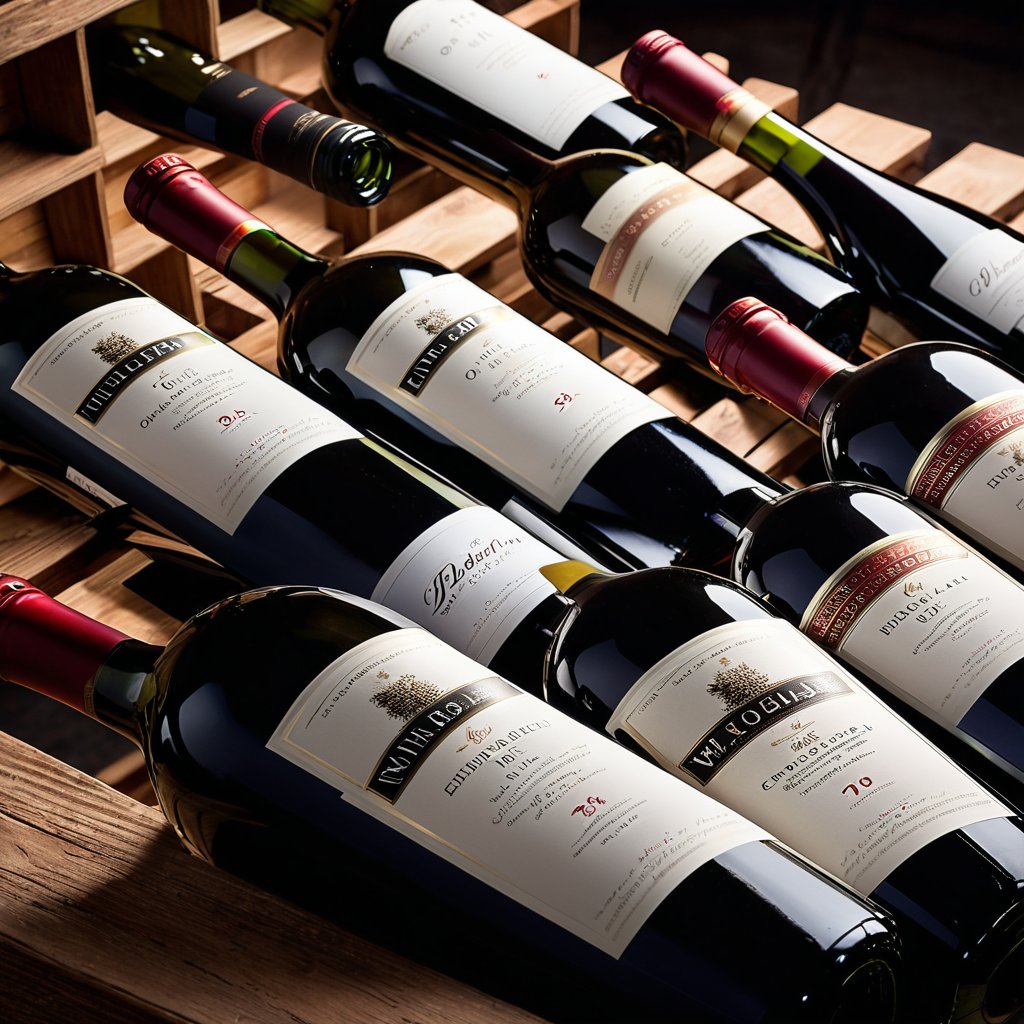
Buying wine for your home collection requires a balance between selecting wines that can age gracefully and those that align with your personal taste preferences. Making informed choices will enhance your wine collection and ensure an enjoyable experience over time. Here are essential wine collection tips to guide your selection and purchasing process:
| Tip | Description | How it Helps Your Collection |
|---|---|---|
| Research Wine Types Suited for Aging | Look for varieties like Cabernet Sauvignon, Merlot, Syrah, and Chardonnay that are known for their aging potential. | Ensures the wines you select develop complex flavors and improve over years. |
| Buy from Trusted Sellers | Purchase wines from reputable retailers, wineries, or auctions where provenance and storage conditions are reliable. | Reduces the risk of buying spoiled or improperly stored wine. |
| Consider Personal Taste | Select wines you genuinely enjoy drinking now, even if some are intended for aging. | Keeps your collection enjoyable and tailored to your preferences. |
| Check Vintage and Storage Recommendations | Review vintage quality reports and follow expert storage advice for each wine. | Helps you buy superior vintages and store them correctly for aging. |
| Buy in Moderate Quantities | Start with reasonable amounts to understand how wines evolve in your collection. | Prevents overcrowding and allows experimentation with different styles. |
| Keep an Eye on Price and Value | Evaluate wines by their potential aging ability relative to their cost. | Maximizes value and helps build a balanced collection within your budget. |
| Use Proper Storage Equipment | Invest in wine refrigerators or wine cellars to maintain optimum aging conditions. | Protects wine quality and supports long-term aging. |
By following these wine collection tips on buying wine carefully and selecting wines suitable for aging while considering your own taste, you’ll gradually build a rewarding and enjoyable home wine collection that grows in complexity and value over time.
Evaluating Wine Quality and Potential
When building a home wine collection, assessing wine quality and aging potential is crucial before making any purchase. Wine quality can be evaluated by considering factors such as the producer’s reputation, vintage, and region. Esteemed wineries with a history of producing consistent, high-quality wines are often a safer bet. The vintage year also plays a significant role, as climatic conditions during that year can affect grape quality and, subsequently, the wine’s flavor profile.
Aging potential is another key aspect to evaluate. Not all wines improve with time; some are meant to be enjoyed young, while others develop complexity and depth if cellared properly. To assess aging potential, look for wines with a good balance of acidity, tannins, and alcohol, which contribute to their longevity. Red wines, particularly those from Bordeaux, Burgundy, and Napa Valley, often have significant aging potential. Additionally, wines with higher tannin levels and acidity tend to evolve well over time.
Wine evaluation also involves tasting when possible or reading detailed tasting notes from trusted critics. Pay attention to the wine’s aroma, balance, and finish. Well-structured wines with layered flavors usually indicate quality and potential for aging. By carefully assessing these factors, you can make informed decisions, ensuring that the wines you select not only offer immediate pleasure but also grow more interesting and valuable in your home collection over time.
Where to Buy Wine for Your Collection
When building a home wine collection, knowing where to buy wine is essential. A variety of purchasing options are available to suit your preferences and needs. Traditional wine shops remain a popular choice for many collectors, offering personalized service and the opportunity to taste wines before buying. These retailers often provide expert advice and access to rare or local vintages that might not be found elsewhere.
Online wine stores have grown immensely in popularity, giving collectors the convenience of browsing wide selections from the comfort of home. These platforms often feature extensive catalogs with detailed descriptions and reviews, making it easier to discover new wines. Additionally, many online retailers offer delivery services, which add to the ease of expanding your collection.
For those seeking exclusive or investment-worthy bottles, wine auctions are another excellent purchasing avenue. Auctions provide access to rare and vintage wines that are sometimes unavailable through traditional or online retailers. While auctions can be competitive and may require some research to navigate successfully, they are a favored way for serious collectors to obtain unique bottles for their collections.
Proper Storage and Maintenance of Your Wine Collection
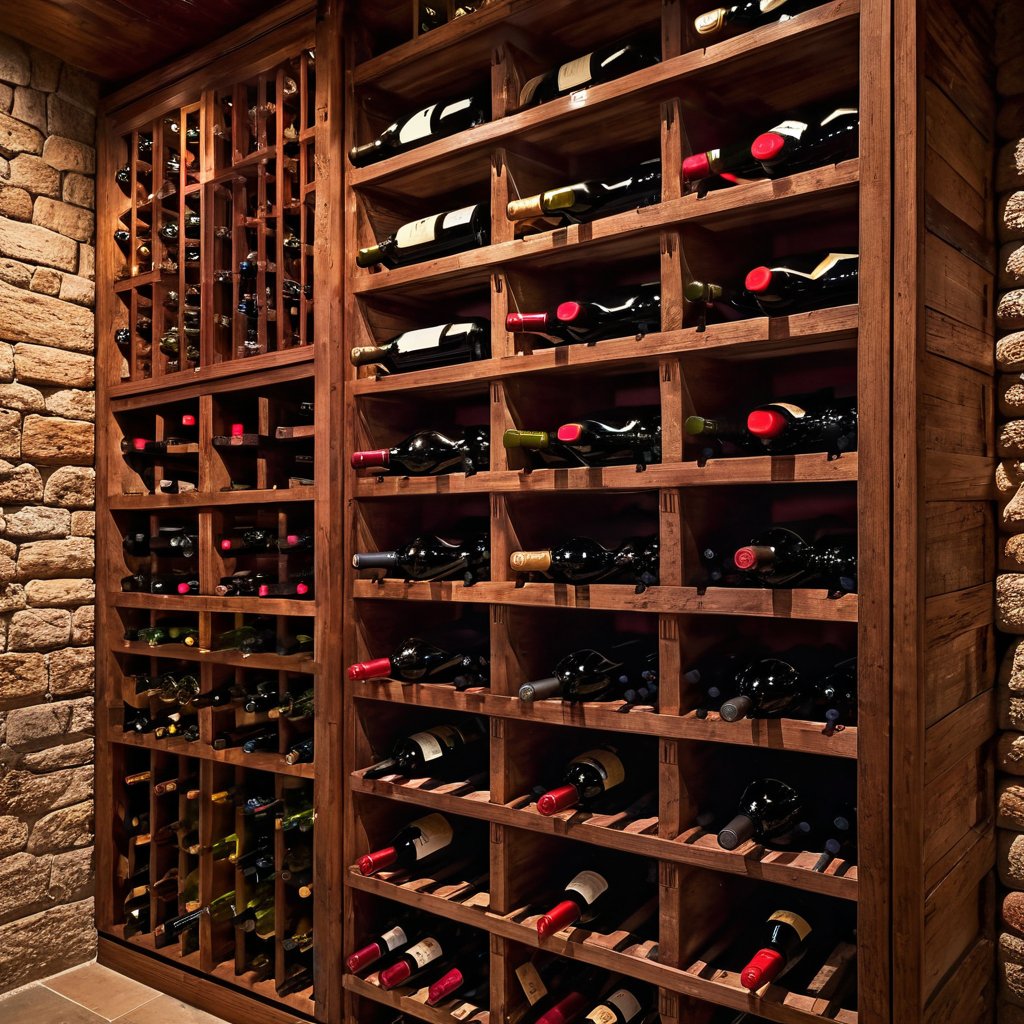
Building a wine collection is an exciting journey, but ensuring its longevity requires proper wine storage and diligent wine maintenance. Without the right conditions, even the finest bottles can deteriorate rapidly, losing their flavor profiles and investment value. Understanding the fundamentals of preservation will help you protect your collection for years to come.
Temperature control is the cornerstone of effective wine storage. Wines should be stored at a consistent temperature between 55°F and 58°F (12°C-14°C). Fluctuations can cause corks to expand and contract, allowing air to seep into bottles and accelerate oxidation. If you’re serious about your collection, consider investing in a dedicated wine cellar or climate-controlled wine refrigerator that maintains stable conditions year-round.
Humidity levels play an equally critical role in wine maintenance. Aim for 60-70% relative humidity to keep corks moist and prevent them from drying out. A dried cork allows oxygen to enter the bottle, spoiling the wine prematurely. Conversely, excessive humidity can encourage mold growth on labels and wooden racks, though it won’t affect the wine itself. Many modern wine storage systems include built-in humidity controls for optimal preservation.
Light exposure, particularly ultraviolet rays, can damage wine by breaking down organic compounds and causing premature aging. Your wine cellar or storage area should be dark or dimly lit. If storing wine in areas with natural light, use UV-filtering glass or keep bottles in their original cases. LED lighting is preferable to fluorescent bulbs for illuminating storage spaces.
Position matters significantly in wine storage. Bottles with cork closures should be stored horizontally to keep the cork moist and maintain its seal. This prevents air infiltration and preserves the wine’s integrity. Screw-cap bottles can be stored upright without issue. Ensure your storage racks are stable and vibration-free, as constant movement can disturb sediment and disrupt the aging process.
Regular wine maintenance includes monitoring your collection’s condition, rotating bottles if necessary, and maintaining consistent environmental controls. Keep a detailed inventory noting purchase dates and optimal drinking windows. Check your wine cellar’s temperature and humidity levels weekly, and inspect corks annually for signs of leakage or deterioration. With proper care and attention to these storage principles, your wine collection will mature gracefully and reward you with exceptional drinking experiences.
Ideal Temperature and Humidity for Wine Storage
Maintaining the right wine temperature and wine humidity is crucial for preserving the quality and flavor of your wine collection. For most types of wine, the ideal storage conditions involve a consistent temperature between 45°F and 65°F (7°C to 18°C). Red wines generally thrive at the higher end of this range, around 55°F to 65°F, while white wines and sparkling wines prefer cooler temps closer to 45°F to 55°F.
Equally important is controlling the wine humidity within the storage environment. The optimal humidity level should be between 60% and 70%. Proper wine humidity prevents corks from drying out, which can lead to oxidation and spoilage of the wine. Too much humidity, however, can encourage mold growth, so balance is essential to maintain healthy storage conditions.
Different wines have slightly varying needs based on their type and age, but adhering to these general wine temperature and wine humidity guidelines ensures that your collection remains in prime condition. Ideally, use a wine fridge or a dedicated cellar space with a hygrometer and thermometer to monitor and maintain these storage conditions.
Choosing the Right Storage Solution
| Storage Option | Description | Best For |
|---|---|---|
| Wine Fridge | A compact, temperature-controlled appliance designed specifically for storing wine at optimal conditions. It typically includes adjustable shelves and humidity control. | Small to medium collections; homeowners looking for precise temperature control without building a cellar. |
| Wine Cellar | A dedicated room or basement space designed to store large quantities of wine. It offers stable temperature and humidity, ideal for aging wine over years. | Serious collectors with extensive collections; requires space and a budget for construction and maintenance. |
| Bottle Rack | A simple and often decorative storage option that can be wall-mounted or freestanding. It keeps bottles organized but lacks climate control. | Casual collectors or those with limited space; good for short-term storage or display. |
Choosing the right storage solution is crucial for maintaining the quality and longevity of your wine collection. A wine fridge offers convenience and precise environmental control, making it a popular choice for many home collectors. For those with more extensive collections or a passion for aging wines, a wine cellar provides the ideal environment but requires thoughtful planning and investment. Meanwhile, bottle racks serve as a practical and aesthetic choice for everyday storage and quick access to your favorite bottles. By considering your collection size, budget, and available space, you can select a storage option that ensures your wine remains in optimal condition.

Winemaker with 12 years in the cellar. I write about fermentation, terroir, and the honest mistakes that taught me more than any textbook. I’ve ruined more barrels than most people have tasted. That’s not a disclaimer — that’s a résumé. Twelve years making wine in France, now making sense of it in words.