
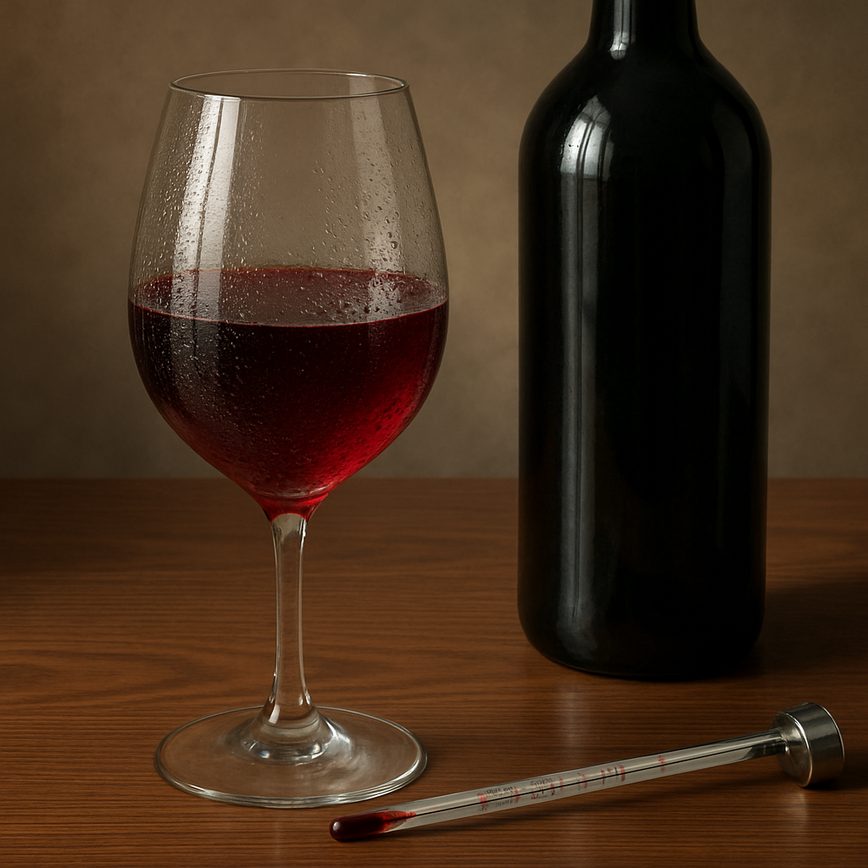
Lighter white wines such as Sauvignon Blanc, Pinot Grigio, and Vinho Verde are ideally served at a colder temperature range of 45-50°F (7-10°C). This chilled wine temperature highlights their crisp acidity and refreshing fruity notes, making them perfect for a hot day or as a palate cleanser.
Rich and fuller-bodied white wines, like Chardonnay or Viognier, benefit from a slightly warmer serving temperature around 50-55°F (10-13°C). Serving these white wines too cold can mute their complex flavors and creamy texture. At this moderate chill, their buttery, tropical, and oak-influenced notes are more pronounced, enhancing the overall tasting experience.
Ultimately, white wine flavors are sensitive to serving temperature. Too warm, and the wine may taste flabby and lose its vibrancy; too cold, and the flavors become muted. Proper chilling allows the delicate aromatics and vibrant acidity of white wine to shine, ensuring each sip is balanced and enjoyable.
Rosé and Sparkling Wines
Rosé wine and sparkling wine are best served at specific temperatures to preserve their unique qualities. Rosé wine is typically enjoyed chilled, bringing out its bright, fresh flavors and subtle fruitiness. The ideal serving temperature for rosé wine ranges from 45°F to 55°F (7°C to 13°C). Serving rosé too warm may make it taste flat, while too cold can mute its delicate aromas.
Sparkling wine requires a cooler serving temperature to maintain its effervescence and refreshing character. The optimal bubbly temperature for sparkling wine is between 40°F and 50°F (4°C to 10°C). At this temperature, the bubbles are crisp and lively, enhancing the wine’s refreshing qualities and celebrating any occasion perfectly. Serving sparkling wine too warm can cause the bubbles to dissipate quickly and dull the flavor.
| Type of Wine | Recommended Serving Temperature | Reason |
|---|---|---|
| Rosé Wine | 45°F to 55°F (7°C to 13°C) | Highlights freshness and fruity aromas without dulling flavors |
| Sparkling Wine | 40°F to 50°F (4°C to 10°C) | Maintains optimal bubbles and crisp, refreshing taste |
Tips for Achieving the Perfect Serving Temperature
Achieving the perfect serving temperature for your wine can significantly enhance its flavors and overall experience. One of the most important wine chilling tips is to avoid drastic temperature changes that could shock the wine and mask its true characteristics. For white and sparkling wines, chilling in the refrigerator for about 2-3 hours before serving is a good rule of thumb, while reds are typically better served slightly below room temperature.
Temperature control is key when it comes to serving wine correctly. To ensure accuracy, invest in a wine thermometer. These handy tools allow you to monitor the temperature precisely, so you can pull the wine out of the fridge or cooler at the right moment. For sparkling wines, aim for around 40-50°F (4-10°C); white wines should be served between 45-55°F (7-13°C), and reds vary from 55-65°F (13-18°C) depending on the variety.
Proper wine storage is also essential to maintain the ideal serving temperature. Use a wine fridge or cooler if you frequently enjoy wine, as it provides consistent temperature control and prevents fluctuations that can degrade quality. Avoid storing wine in warm places or near direct sunlight, as heat can prematurely age your wine and disrupt the delicate balance of flavors.
Additionally, if you don’t have a wine fridge, consider using an insulated wine cooler sleeve or ice bucket to chill your bottles quickly without overcooling them. For reds that are too warm, placing the bottle in the fridge for 10-15 minutes before serving can bring them down to an ideal temperature. Remember that over-chilling red wine can mute its aroma and taste, so timing is crucial.
By combining these practical wine chilling tips with consistent temperature control and proper wine storage, you can ensure that every bottle is served correctly. This enhances the complexity and enjoyment of your wine, making every sip a truly memorable experience.
Using Wine Coolers and Refrigerators
Wine coolers and wine refrigerators are essential tools for maintaining temperature consistency, which is crucial in preserving the quality and flavor profile of your wines. Unlike standard kitchen refrigerators that can expose wine to fluctuating temperatures and dry out corks due to low humidity, specialized wine coolers are designed to sustain a stable environment that mimics ideal cellar conditions.
These appliances allow wine enthusiasts to set precise temperatures tailored to different types of wine, whether you are storing delicate whites or robust reds. By keeping the temperature constant, wine coolers prevent premature aging and protect the wine’s delicate aromas and taste. This controlled environment also helps avoid spoilage caused by heat spikes or cold drafts commonly experienced with regular refrigerators.
With features such as adjustable humidity levels and UV-protected glass doors, wine refrigerators offer additional protection against elements that can degrade wine quality. This means you can safely store your wine for extended periods, ensuring that it remains in optimal condition for tasting or serving. Ultimately, investing in a reliable wine cooler guarantees the beverage’s integrity, allowing you to enjoy each bottle as intended by the winemaker.
Quick Methods to Adjust Wine Temperature
Adjusting your wine’s temperature quickly and safely is essential to preserve its flavor and aroma. For quick chilling, one effective method is to wrap the bottle in a damp cloth and place it in the freezer. The moisture helps conduct cold more efficiently, chilling the wine faster without the risk of freezing. Typically, 15-20 minutes is sufficient to bring a bottle of white or rosé to the ideal serving temperature.
If you need to warm your wine gently, avoid direct heat sources which can damage the nuanced taste. Instead, try placing the bottle in warm water for a few minutes, ensuring the water isn’t too hot. This approach allows for gradual temperature adjustment without compromising the wine’s delicate balance. Alternatively, holding the glass in your hands for a few minutes can incrementally raise the wine’s temperature while you enjoy the aroma.
Another quick chilling trick is to use an ice bucket with a mixture of ice and water, sometimes adding salt to lower the freezing point and accelerate cooling. Be sure to stir the bottle occasionally for even temperature adjustment. For warming, avoid microwaves or hot water above body temperature, as overheating can spoil the subtle flavors. With these quick chilling and warming tips, temperature adjustment becomes a breeze without sacrificing your wine’s quality.
Importance of Serving Temperature in Wine Tasting
Serving temperature plays a crucial role in wine tasting as it significantly influences the wine’s flavor, aroma, and overall tasting experience. The temperature at which a wine is served can either enhance or mask its unique characteristics, making it essential to serve it at the right temperature to fully appreciate its complexity.
When wine is served too cold, its flavors tend to be muted, and its aroma is less pronounced. This is because lower temperatures reduce the volatility of aromatic compounds, which limits the wine’s bouquet and aromatic expression. For instance, chilling a red wine that is meant to be served at a slightly warmer temperature can suppress its fruity notes and soften its tannins, leading to a duller tasting experience.
Conversely, serving wine too warm can exaggerate its alcohol presence and make it taste flat or overly sharp. Warmer temperatures increase the volatility of alcohol and certain undesirable elements, which can overpower the delicate balance of flavors and aromas. This is particularly problematic for lighter white wines and sparkling wines, where freshness and acidity are key to their enjoyment.
The ideal serving temperature varies depending on the type of wine. Generally, lighter white wines and sparkling wines are best served chilled to highlight their crisp acidity and vibrant aromas. Medium-bodied whites and lighter reds benefit from a slightly cooler than room temperature serving, which helps preserve their nuanced flavors. Fuller-bodied red wines, on the other hand, are typically enjoyed closer to room temperature, where their rich aromas and complex palate are fully revealed.
Proper serving temperature not only enhances the wine’s flavor and aroma but also contributes to the overall wine tasting experience. When the wine is served at the optimal temperature, it delivers a harmonious balance of taste and scent, allowing the drinker to appreciate the winemaker’s craftsmanship and the wine’s true character. Therefore, paying attention to serving temperature is essential for any wine enthusiast seeking to get the most out of their wine tasting journey.
How Temperature Influences Wine Characteristics
Temperature plays a crucial role in shaping the taste and sensory profile of wine by affecting its acidity, tannins, and aroma expression. When wine is served at a cooler temperature, the acidity is more pronounced, lending a crisp and refreshing quality to the wine. Lower temperatures tend to suppress the perception of tannins, making red wines feel softer and less astringent on the palate. This can be particularly beneficial for young or tannic wines that might otherwise taste harsh.
On the other hand, serving wine too warm can increase the perception of tannins, leading to a drier, more textured mouthfeel. Warmer temperatures also bring out the complex layers in wine texture, emphasizing body and weight. However, if the wine is too warm, it may cause the tannins to feel more aggressive and the wine to lose balance.
Temperature and aroma are deeply interconnected. Cooler temperatures tend to mute aromatic intensity, limiting the bouquet to lighter floral and fruit notes. Warmer serving temperatures allow more volatile aromatics to emerge; this enhances the wine’s bouquet and complexity but can also exaggerate any undesirable odors if not stored or served properly. Thus, finding the right balance of temperature effects on wine acidity, texture, and aroma is essential to fully appreciating each wine’s unique character.
General Guidelines for Serving Wine Temperatures
Serving wine at the optimal temperature can greatly enhance its flavor and aroma. Understanding basic temperature guidelines is essential for anyone looking to enjoy their wine to the fullest. Generally, white wines are best served chilled, typically between 45°F to 55°F (7°C to 13°C). This temperature range allows the wine to retain its crisp acidity and fresh fruit flavors, making it refreshing and vibrant on the palate.
Red wines, on the other hand, are usually served slightly below room temperature, around 55°F to 65°F (13°C to 18°C). This range helps to soften the tannins and bring out complex aromas without making the wine taste flat or overly alcoholic. Lighter reds such as Pinot Noir benefit from cooler serving temperatures closer to 55°F, while fuller-bodied reds like Cabernet Sauvignon can be served closer to 65°F.
Sparkling wines and Champagne should be served well chilled at about 40°F to 50°F (4°C to 10°C) to preserve their effervescence and crispness. Dessert wines, due to their sweetness, also benefit from being chilled but slightly warmer than sparklers, typically around 50°F to 57°F (10°C to 14°C).
Following these wine serving tips by adjusting temperatures based on wine type ensures that each glass delivers the best possible experience. Remember, these are general guidelines, and slight variations may be needed depending on personal preference and specific wine styles. By paying attention to temperature guidelines, you’ll unlock the true character and depth of your wine with every pour.
Serving Temperatures for Different Types of Wines
Understanding the ideal serving temperature for various types of wines can significantly enhance their flavors and overall drinking experience. Each category of wine—reds, whites, rosés, and sparkling wines—has a recommended temperature range that brings out its best characteristics.
Starting with red wines, the red wine temperature is crucial for balancing acidity, tannins, and aromatic complexity. Typically, red wines are best served slightly below room temperature, ranging from 60°F to 68°F (15°C to 20°C). Lighter reds like Pinot Noir are better enjoyed on the cooler end, around 55°F to 60°F (13°C to 15°C), while fuller-bodied reds like Cabernet Sauvignon or Syrah benefit from being served a bit warmer to release their robust flavors.
White wines generally require a lower serving temperature than reds. The recommended white wine temperature is usually between 45°F and 55°F (7°C to 13°C). This cooler temperature helps maintain their crispness and fresh fruit flavors. Lighter whites like Sauvignon Blanc are best served near the lower end, while fuller-bodied whites such as Chardonnay can be slightly warmer to enhance their creamy texture and oakiness.
Rosé wines fall somewhere between red and white when it comes to serving temperatures. The ideal rosé serving temperature is typically between 50°F and 55°F (10°C to 13°C). This range helps to preserve the wine’s refreshing acidity and vibrant fruit notes, making rosé a perfect choice for warm weather or light meals.
Sparkling wines, including Champagne and Prosecco, are best enjoyed well chilled. The sparkling wine temperature should be between 40°F and 50°F (4°C to 10°C). Serving sparkling wines too warm can diminish their bubbles and freshness, while serving them too cold can mute their flavors. Proper chilling ensures a lively effervescence and a crisp, clean taste.
In summary, paying attention to the serving temperature—whether it’s the red wine temperature, white wine temperature, rosé serving temperature, or sparkling wine temperature—can make a considerable difference in the enjoyment of wine. Taking a few extra minutes to chill or slightly warm your bottle will unlock the full palette of flavors that each wine has to offer.
Red Wines
When it comes to red wine, serving temperature plays a crucial role in enhancing its flavors and overall drinking experience. For full-bodied reds, such as Cabernet Sauvignon, Syrah, or Malbec, the ideal serving temperature is slightly cooler than room temperature, generally between 60-65°F (15-18°C). Serving these wines too warm can overly accentuate the alcohol and mask their complex aromas, while too cold can mute their rich fruit flavors and tannins. At the right temperature, full-bodied reds present a balanced profile with well-integrated tannins and an expressive bouquet.
On the other hand, lighter red wines like Pinot Noir or Gamay benefit from being served a bit cooler, around 55-60°F (13-15°C). This slightly chilled serving temperature helps to preserve their bright acidity and delicate fruit notes, preventing them from tasting too heavy or flabby. Light reds also tend to be more aromatic at cooler temperatures, highlighting floral and red berry nuances that define their character.
In summary, paying attention to the serving temperature of red wine—whether full-bodied or light reds—ensures the wine’s taste is expressed in the most enjoyable way. Proper temperature control allows for the perfect balance of fruit, acidity, tannin, and aroma, making each glass a delightful experience.
White Wines
White wine is best enjoyed when chilled to the right serving temperature, as this greatly influences the wine’s flavor profile and overall experience. Generally, white wines should be served colder than red wines, but different styles of white wine require varying degrees of chill to bring out their unique characteristics.

Winemaker with 12 years in the cellar. I write about fermentation, terroir, and the honest mistakes that taught me more than any textbook. I’ve ruined more barrels than most people have tasted. That’s not a disclaimer — that’s a résumé. Twelve years making wine in France, now making sense of it in words.