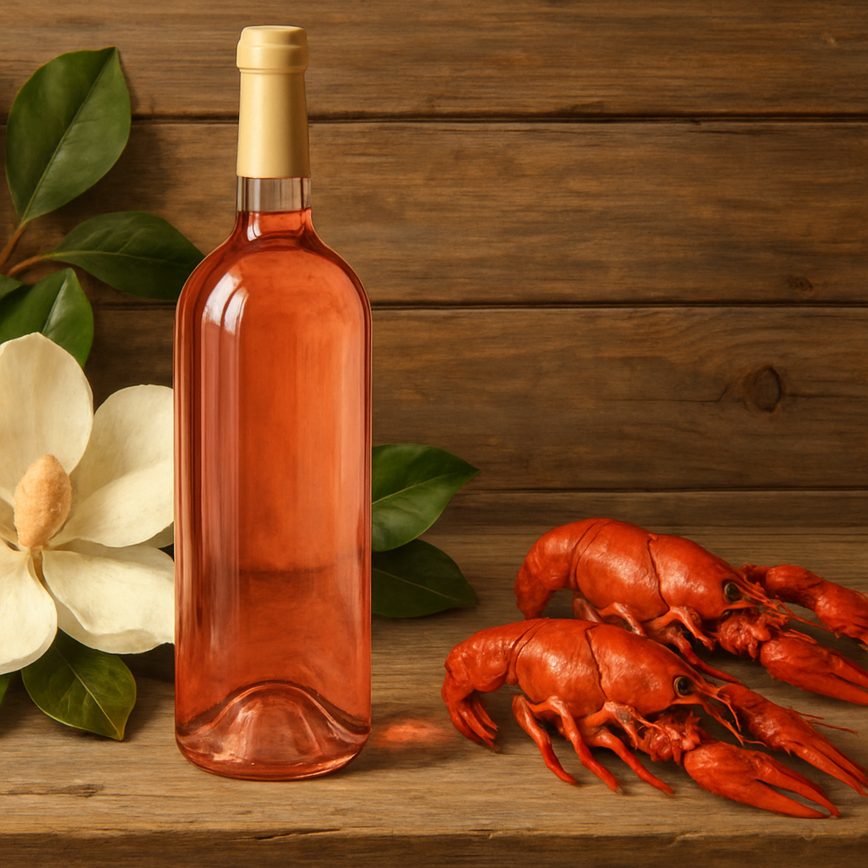
Introduction to Rosé Wines in Louisiana
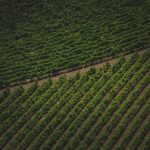
The emergence of Rosé wines in Louisiana is a captivating chapter in the state’s evolving wine story. While Louisiana is not traditionally known as a major wine-producing region, the last decade has seen a notable rise in local vineyards experimenting with and perfecting the art of crafting Rosé wines. Louisiana’s unique climate and terroir present both challenges and opportunities for winemakers, leading to innovative approaches and distinctive flavors that truly embody the spirit of the state.
Historically, Louisiana’s wine industry was overshadowed by more established regions in California and the Pacific Northwest. However, a growing number of passionate vintners have focused on cultivating grape varieties that thrive in the warm, humid conditions of Louisiana, which has contributed to the birth and growing popularity of Rosé wines Louisiana proudly offers today. These wines are gaining attention for their vibrant color, fresh and fruity profiles, and ability to pair well with the diverse culinary traditions of the region.
In recent years, Rosé wines Louisiana producers create have moved from niche products to becoming a staple on local wine lists, reflecting a market trend that favors lighter, refreshing wines. The increasing demand for Rosé has encouraged more vineyards to invest in refining their techniques and expanding their portfolios to include multiple styles of Rosé, from dry to slightly sweet versions. This growth is mirrored by consumer enthusiasm, both from locals and tourists eager to sample distinctive wines that represent Louisiana’s character.
Louisiana wine introduction efforts have also been supported by wine festivals, tastings, and educational events that highlight the state’s potential in producing quality Rosé wines. These initiatives play a crucial role in building awareness and appreciation among wine enthusiasts and casual drinkers alike. As the market for Rosé wines Louisiana continues to evolve, it fosters a deeper connection between local producers and their communities, paving the way for a thriving regional wine culture.
History of Rosé Wine Production in Louisiana
The history of rosé wine production in Louisiana is an integral chapter in the state’s rich Louisiana wine history. While Louisiana is often associated with traditional southern spirits, its venture into rosé wine origins marks a notable expansion in its local wine heritage. The warm, humid climate posed unique challenges that early winemakers creatively overcame by focusing on grape varieties suited to the region’s environment. Rosé wines began as experimental batches by local vintners eager to diversify their offerings and showcase the adaptability of Louisiana’s terroir.
Over time, rosé evolved from a niche production into a celebrated expression of Louisiana’s winemaking culture, reflecting both innovation and tradition. The state embraced rosé not only for its refreshing qualities but also as a bridge that connected new trends with longstanding wine practices. This development contributed to the broader wine culture in Louisiana by engaging local communities and visitors alike, fostering a deeper appreciation for the state’s viticultural potential. Rosé wines today embody the spirit of Louisiana wine history by blending heritage with modern craftsmanship.
In essence, the story of rosé wine production in Louisiana underscores a persistent dedication to exploring and enriching local wine heritage. By carving out a unique space in the rosé market, Louisiana winemakers continue to honor their historical roots while pushing the boundaries of what the state’s vineyards can achieve. This ongoing narrative strengthens Louisiana’s place on the map as an emerging and exciting rosé wine destination within the American South.
Unique Climate and Terroir Effects
Louisiana’s unique terroir plays a significant role in shaping the characteristics of its Rosé wines. The region’s warm and humid climate, combined with abundant rainfall, creates distinct wine growing conditions that influence the development of the grapes and ultimately the flavors of the wine. The state’s terroir is defined by its rich alluvial soils, proximity to the Gulf of Mexico, and varied topography, all of which contribute to the complexity of Louisiana Rosé.
Rosé wine climate in Louisiana is characterized by long, hot summers and mild winters. This climate encourages early ripening of the grapes, resulting in wines with vibrant fruit flavors and balanced acidity. The humidity and rainfall challenge growers to carefully manage vine health, but these conditions also help produce Rosé wines with fresh, juicy aromas and a bright, crisp finish. The natural diversity in soil composition—from sandy loam to clay—adds subtle mineral notes and depth to the wines.
Louisiana terroir, combined with meticulous vineyard practices adapted to the wine growing conditions, gives these Rosé wines a unique profile that sets them apart from those produced in more traditional regions. The geographical features enhance not only the grape quality but also the expression of varietal characteristics, making Louisiana Rosé wines a vibrant and distinctive choice for wine enthusiasts seeking something truly local and fresh.
Popular Rosé Wines and Producers in Louisiana
Louisiana has carved out a distinct place in the world of wines, particularly with its flourishing Rosé wine scene. Among the Louisiana Rosé producers, several local wineries have distinguished themselves with innovative techniques and captivating flavors that reflect the unique terroir of the region. These producers are celebrated not only for their quality but also for their dedication to crafting wines that embody the spirit of Louisiana.
One of the most notable local wineries Rosé producers is Feliciana Cellars. This esteemed winery has made a name for itself by blending traditional methods with modern vinification, resulting in Rosé varieties that are both refreshing and complex. Their popular Rosé offerings often feature notes of ripe strawberries, citrus, and subtle spice, making them perfect for both casual sipping and pairing with local cuisine.
Another prominent name among Louisiana Rosé producers is Pontchartrain Vineyards. Known for their commitment to organic farming and sustainable practices, Pontchartrain offers Rosé wines that exhibit a balanced acidity and vibrant fruit profiles. Their flagship Rosé varieties frequently highlight the bright flavors of watermelon, cherry, and floral hints, capturing the lively essence of Louisiana summers in every bottle.
Blue Southern Belle Winery also stands out as a key player in the local wineries Rosé landscape. Their Rosé wines are often praised for their crispness and elegance, with tasting notes that include raspberry, melon, and a touch of minerality. These wines have gained a loyal following and are celebrated for their versatility, pairing excellently with seafood and spicy dishes native to the region.
Overall, the popular Rosé varieties emerging from Louisiana reflect the state’s diverse climate and soil conditions, which contribute to the distinctive character of each wine. As the popularity of Rosé continues to grow, Louisiana’s local wineries Rosé producers remain at the forefront, offering wine enthusiasts a rich array of choices that celebrate the state’s vibrant wine culture.
Top Wineries Specializing in Rosé
| Winery | Rosé Style | Awards & Highlights |
|---|---|---|
| Feliciana Cellars | Light and crisp, blending Muscadine and hybrid grapes | Winner of Louisiana Wine Classic Rosé Gold Medal 2023; praised for vibrant berry notes and balanced acidity |
| Nola Vines | Dry Rosé with a blend of Norton and indigenous grapes | Best Rosé at Southern Wine Fest 2022; celebrated for its floral aroma and smooth finish |
| Bayou Blush Winery | Fruity and semi-sweet with a hint of spice | Multiple state fair awards; featured in local vineyard highlights for innovative Rosé techniques |
| Riverbend Vineyards | Traditional Rosé with notes of strawberry and citrus | Known as a top Louisiana winery for Rosé; recipient of several regional accolades in 2024 |
Signature Rosé Wine Varietals
Louisiana’s unique climate shapes the distinctive Rosé varietals found in its wines. The most common grape types for Rosé in this region include Muscadine, Chambourcin, and Norton, each bringing unique qualities to the wine grape varieties used.
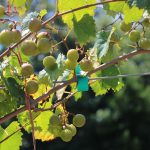
Muscadine grapes, native to the southeastern United States, are prized for their thick skins and natural resistance to pests and diseases. In Rosé wines, Muscadine adds a robust aroma with notes of wild berries and a floral undertone, delivering a rich, fruity flavor profile that is both refreshing and complex.
Chambourcin, a French-American hybrid, thrives in Louisiana’s warm climate, producing Rosé wines with bright fruity aromas, including cherry and plum. This grape contributes a vibrant acidity and a smooth, velvety texture to the wine, making it a popular choice for balanced and elegant Rosés.
Norton, often considered one of the best American wine grape varieties, adds depth to Louisiana Rosé wines through its bold tannins and dark fruit flavors like blackberry and currant. Its slightly spicy aroma enhances the complexity and longevity of the wine’s finish, appealing to those who enjoy a fuller-bodied Rosé.
Together, these grape types Rosé varieties create a diverse and flavorful portfolio of Rosé wines in Louisiana, showcasing the rich heritage and innovative spirit of the state’s winemakers.
Pairing and Enjoying Louisiana Rosé Wines
Louisiana rosé wines offer a unique and delightful experience that pairs beautifully with the rich and diverse flavors of local cuisine. When considering rosé wine pairings, it’s essential to focus on the fresh, vibrant acidity and fruity notes that characterize these wines, which complement the spice, sweetness, and bold tastes found in Louisiana dishes.
For starters, Louisiana rosé wines pair excellently with Cajun and Creole dishes such as jambalaya, gumbo, and crawfish étouffée. The crispness of the rosé helps to balance the spicy and savory elements, while its fruit-forward profile enhances the subtle sweetness in these dishes. Grilled seafood, a staple in Louisiana cuisine, also shines when served alongside a chilled glass of rosé, making it a perfect choice for oysters, shrimp, and blackened fish.
Another fantastic pairing is with classic Louisiana appetizers like fried green tomatoes or boudin balls. The slight tartness and berry flavors of the rosé cut through the richness, creating a harmonious taste experience. Additionally, Louisiana’s famous barbeque, especially pork ribs or pulled pork with a tangy sauce, find a wonderful partner in rosé wines, as the wine’s acidity refreshes the palate between bites.
To truly enjoy Louisiana rosé wines, serving them at the right temperature is key. Aim to serve rosé chilled between 50-60°F (10-15°C) to preserve its bright flavors and refreshing qualities. Avoid serving it too cold, as this can mute the aromatic profile and flavor complexity. A well-chilled rosé in a tulip-shaped glass enhances its aroma and helps maintain the perfect balance of acidity and fruit.
Whether enjoying a casual afternoon on the porch or a festive Louisiana-style dinner, rosé is versatile and inviting. It is best consumed relatively young to capture its fresh, lively character. Embrace the opportunity to taste different Louisiana rosé wines to discover subtle nuances in grape varieties and winemaking styles. This exploration will enrich your understanding of how to enjoy rosé and elevate your food and wine pairings for an authentic Louisiana experience.
Pairing Rosé with Cajun and Creole Dishes
Rosé wine food pairing is a delightful experience, especially when matched with the rich and vibrant flavors of Cajun cuisine and Creole dishes. These Louisiana culinary traditions are known for their bold spices, hearty ingredients, and complex sauces, making Rosé an ideal wine companion. The bright acidity and subtle fruitiness of Rosé wines cut through the richness of dishes like jambalaya, gumbo, and étouffée, balancing their spiciness without overpowering the palate.
In particular, the dry and medium-bodied styles of Rosé complement the smoky, spicy notes found in Cajun food, enhancing flavors of blackened fish or grilled shrimp. Meanwhile, Creole dishes, which often feature a blend of French, Spanish, African, and Caribbean influences, pair wonderfully with Rosé’s versatility, whether it’s a tomato-based Creole sauce or a creamy seafood gumbo. The wine’s crispness refreshes the palate between bites, elevating each layer of flavor.
Rosé also matches beautifully with the diverse textures and spices of dishes like red beans and rice or muffuletta sandwiches, making it a highly adaptable choice for any Cajun or Creole meal. Whether you’re enjoying a casual backyard cookout or a festive family gathering, Rosé dishes perfectly with Louisiana’s culinary heritage and adds an elegant touch to every bite.
Serving Tips for Rosé Wines
To fully enjoy the delicate flavors of Louisiana Rosé wines, proper serving is essential. First, consider serving Rosé wine temperature: the ideal range is between 45°F and 55°F (7°C to 13°C). This cooler temperature enhances the wine’s crisp acidity and fruity notes without dulling its subtle aromas. Avoid serving Rosé too cold, as it can mask complex flavors, and too warm, which may emphasize alcohol over freshness.
Choosing the best wine glasses for Rosé is equally important. Opt for a glass with a slightly tapered bowl that concentrates the wine’s aromas toward the nose. A medium-sized glass allows enough surface area for the wine to breathe while preserving its vibrant character. Thin rims enhance the drinking experience by delivering the wine smoothly to the palate.
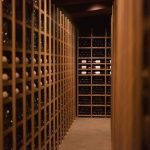
When it comes to storage, keep your Rosé wines in a cool, dark place with a consistent temperature, ideally around 55°F (13°C). Avoid exposure to direct sunlight and temperature fluctuations, as these can degrade the wine quality. If you plan to store Rosé for a short period, refrigeration is suitable; otherwise, a wine fridge or cellar is best for longer-term preservation.
By paying attention to serving Rosé at the right temperature, using the best wine glasses, and proper storage, you ensure a delightful experience that highlights the unique charm and freshness of Louisiana Rosé wines.

Winemaker with 12 years in the cellar. I write about fermentation, terroir, and the honest mistakes that taught me more than any textbook. I’ve ruined more barrels than most people have tasted. That’s not a disclaimer — that’s a résumé. Twelve years making wine in France, now making sense of it in words.