Overview of Dry Wines in the Gulf South
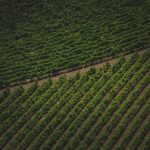
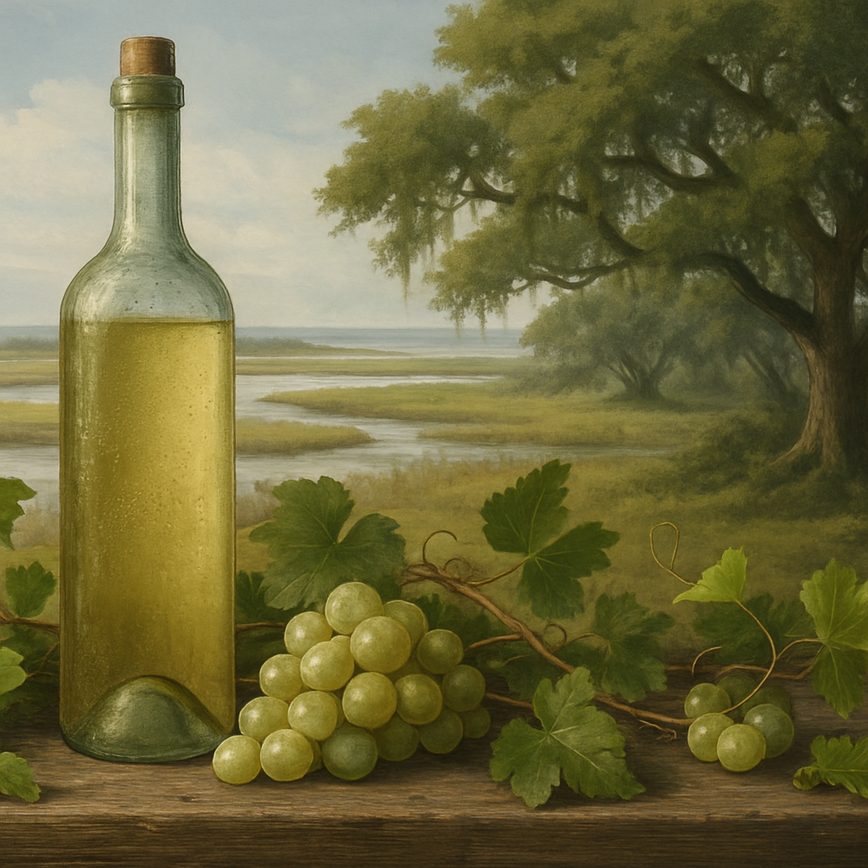
The Gulf South region, known for its lush landscapes and warm climate, presents a unique environment for cultivating dry wines. This area, which includes parts of states like Louisiana, Mississippi, Alabama, and the coastal regions of Texas and Florida, fosters wine styles that are deeply influenced by its distinctive climatic and geographical factors. Understanding these influences is key to appreciating the dry wines produced here and their growing reputation in the wine world.
One of the defining characteristics of the Gulf South is its humid subtropical climate, which creates certain challenges and opportunities for viticulture. The long growing season with ample sunshine supports the ripening of grapes but also demands careful vineyard management to prevent diseases commonly associated with humidity, such as mildew. These conditions often result in grapes with balanced acidity and a pronounced mineral quality, which directly contribute to the style of dry wines emerging from the region.
Geographically, the Gulf South features a mix of coastal plains and gently rolling hills, providing diverse terroirs for vineyards. Soils here vary from sandy loam to clay, which, combined with the humid climate, influence the complexity and character of the wines. Vineyards in well-drained soils are particularly prized for producing dry wines with clean, crisp profiles that reflect the regional terroir. This diversity allows winemakers to experiment with different grape varieties suited to the environment, leading to distinctive dry wines that embody the Gulf South’s identity.
Dry wines from the Gulf South are increasingly recognized for their vibrant flavors and structural balance, often showcasing notes of citrus, green apple, and subtle earthiness. The regional conditions encourage the production of wines with moderate alcohol levels and refreshing acidity, making them versatile companions for the local cuisine. These dry wines not only represent an exciting chapter in the broader story of American wine but also highlight the Gulf South as a region capable of producing quality regional wines with a unique sense of place.
Historical Context and Wine Culture
The history of dry wine production and consumption in the Gulf South is deeply intertwined with the region’s unique cultural heritage and traditions. From the early influences of European settlers who brought their winemaking knowledge to the American South, the Gulf South developed a distinct wine culture that reflects its diverse history and environment. Wine history in the area is marked by periods of both flourishing and decline, influenced by factors such as climate, agriculture, and social customs. The region’s warm climate posed challenges for traditional grape growing, but it also fostered innovation and the adaptation of native grape varieties that could thrive in the Gulf South’s humidity and heat.
Gulf South culture has embraced dry wines as part of social rituals and regional celebrations, integrating them into local cuisine and festivities. This connection to wine is part of a broader fabric of regional traditions where wine heritage is passed down through generations, reinforcing community identity. Early vineyards were often family-run, emphasizing artisanal methods that honored both tradition and terroir. Today, modern winemakers continue to blend historical practices with new technologies, preserving the legacy of dry wine while pushing boundaries to meet contemporary tastes.
Overall, the Gulf South’s wine history showcases a resilience and passion for winemaking, rooted in its cultural landscape. It is a testament to how regional traditions and wine heritage shape the perception and appreciation of dry wines, making them an integral part of the Gulf South experience.
Characteristics of Gulf South Dry Wines
Dry wines from the Gulf South region are distinguished by a unique dry wine profile that reflects the area’s diverse climate and soils. These wines typically present a balanced structure with moderate acidity and a crisp finish that highlights their dryness. The wine characteristics often include light to medium body, making them approachable and versatile for various pairings.
In terms of flavors, Gulf South dry wines often showcase subtle fruity notes including green apple, pear, citrus, and occasionally tropical hints like guava or pineapple. These flavors are complemented by a mineral undertone derived from the region’s distinctive terroir. The wines usually avoid heavy sweetness, emphasizing a clean, refreshing palate with restrained fruitiness.
The aroma of these dry wines is equally characteristic, typically offering fresh floral scents, hints of herbs, and sometimes a touch of spice. The aromatic profile is delicate yet expressive, enhancing the overall sensory experience without overpowering the palate. Together, the flavors and aroma form a harmonious profile that is representative of Gulf South dry wines.
Overall, the wine characteristics of Gulf South dry wines emphasize freshness, clarity, and subtle complexity, making them a distinctive choice for those seeking a refined yet approachable dry wine with a true sense of place.
Popular Grape Varieties for Dry Wines in the Gulf South
The Gulf South region, with its unique climate featuring warm temperatures and high humidity, demands specific grape varieties for producing quality dry wines. When it comes to dry wine grapes, vintners in the Gulf South focus on varieties that can thrive in these conditions while imparting distinctive flavors and balanced acidity. Understanding these grape varieties is essential for appreciating the dynamic wine culture of the region.
One of the foremost Gulf South grapes used in dry wine production is the Blanc du Bois. This hybrid variety is specially bred to resist the heat and humidity common in Gulf South vineyards. Its ability to flourish where traditional vinifera grapes might struggle makes it a staple for dry white wines. Wines made from Blanc du Bois grapes often display tropical fruit notes with a crisp finish, ideal for dry wine enthusiasts.
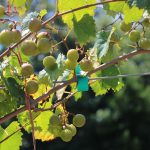
Another popular dry wine grape in this region is the Muscadine grape, known scientifically as Vitis rotundifolia. Muscadine grapes are native to the southeastern United States and adapt well to the Gulf South’s climate. While commonly associated with sweeter wines, there are dry wine styles crafted from Muscadine that offer a robust, earthy character and serve as a versatile option for wine producers.
For dry red wines in the Gulf South, the Chambourcin grape holds a prominent place. This French-American hybrid exhibits excellent disease resistance and tolerance to hot, humid conditions. Chambourcin grapes produce richly colored wines with flavors ranging from dark berries to subtle spice, all of which contribute to the diversity of Gulf South dry red wines.
Other notable dry wine grapes suitable for the Gulf South include Niagara and Norton. Niagara grapes, though often used for sweet or white table wines, can also be vinified into dry styles with refreshing acidity. Norton grapes, another North American hybrid, produce full-bodied red wines with a tannic structure well suited for dry wine enthusiasts looking for a distinct regional flavor profile.
In summary, the Gulf South’s warm climate necessitates grape varieties that resist disease, heat, and humidity while still delivering excellent quality dry wines. Blanc du Bois, Muscadine, Chambourcin, Niagara, and Norton grapes stand out as the primary dry wine grapes adapted to this region. Together, these Gulf South grapes form the backbone of a thriving dry wine industry, showcasing the region’s unique terroir and winemaking expertise.
Native and Adapted Grapes
The Gulf South region, with its unique climate and terrain, is home to a variety of native grapes that have been cultivated for generations to produce distinct dry wines. Native grapes such as Muscadine are prized for their natural resistance to the humidity and heat typical of the Gulf South. These grapes embody the spirit of regional viticulture, thriving in local soils and providing a robust foundation for dry wine production. Muscadine grapes, in particular, bring forth a depth of flavor and complexity that make them well-suited for crisp, dry wines that reflect the character of the region.
In addition to native grapes, several adapted grape varieties from other regions have been successfully introduced and cultivated to enhance the diversity of dry wines in the Gulf South. Varieties such as Blanc Du Bois and Norton (also known as Cynthiana) demonstrate excellent climate adaptation, enduring the challenges of humidity, pests, and heat while producing high-quality dry wines. These adapted grape varieties contribute to the evolving landscape of Gulf South viticulture, offering wine enthusiasts a complex palette of dry wines that blend tradition with innovation.
Through careful selection and cultivation of both native grapes and those adapted from other climates, viticulturists in the Gulf South continue to refine their craft. The ongoing success of these grape varieties in regional viticulture highlights the importance of climate adaptation, ensuring that dry wines from the Gulf South are not only distinctive but also resilient and sustainable.
Challenges in Growing Grapes for Dry Wines
Viticulture challenges in the Gulf South present unique obstacles for grape growing, especially for dry wine production. The region’s humid climate fosters an environment where fungal diseases such as powdery mildew and downy mildew thrive, posing serious threats to vineyards. Effective disease management is essential but often complicated by the frequent rains and warm temperatures that encourage rapid disease spread. Growers must invest in vigilant monitoring and timely fungicide applications, which can increase production costs and labor intensity.
Environmental impact also weighs heavily on cultivation practices. The intensive use of chemicals to combat disease can lead to soil degradation and water quality issues if not managed sustainably. Additionally, the Gulf South experiences variability in weather patterns, including unexpected frosts and storms, which can damage delicate grapevines and affect grape yield and quality. These unpredictable conditions require growers to adapt their vineyard management strategies continuously, balancing grapevine health with environmental stewardship.
Moreover, soil composition and drainage in the Gulf South often necessitate careful selection of rootstocks and grape varieties that are resilient to local soil and moisture levels. While many traditional European grape varieties struggle here, hybrids designed for disease resistance and climate adaptability have been developed. Though these hybrids offer promise, the viticulture challenges remain significant. Successfully growing grapes for dry wines in the Gulf South demands a comprehensive approach embracing innovative agricultural practices and sustainable environmental management to ensure the production of quality wines.
Pairing and Enjoying Dry Wines from the Gulf South
Pairing Gulf South dry wines with the region’s vibrant cuisine offers a delightful way to experience both. The key to successful wine pairing lies in complementing the flavors and balancing the intensity of the food and wine. Dry wines from the Gulf South, known for their crisp acidity and subtle fruit notes, work beautifully with a variety of regional dishes.
Start by considering classic Gulf South flavors such as spicy Cajun seasoning, rich seafood, and tangy citrus elements. For instance, a dry white wine like a Gulf South Viognier or Sauvignon Blanc pairs wonderfully with dishes like blackened catfish or citrus-marinated shrimp. The acidity of the wine cuts through the spice while enhancing the dish’s lively flavors.
For red dry wines produced in the Gulf South, such as those made from native varieties or adapted international grapes, pair them with hearty fare like grilled sausages, barbecue pork, or jambalaya. The wine’s tannins and earthy undertones can stand up to the robust, smoky, and spicy profile typical of these dishes, creating a harmonious balance.
When serving these dry wines, temperature matters. White and rosé dry wines should be served chilled, typically between 45–55°F (7–13°C), to maintain their crisp character and enhance wine enjoyment. Red dry wines from the Gulf South benefit from slight chilling, around 55–60°F (13–16°C), especially during warmer seasons to keep them fresh and lively.
Good presentation also heightens the experience. Use appropriate glassware: slender tulip glasses for whites and more robust glasses with a wider bowl for reds, allowing the wine to aerate and express its aromas fully. Pour moderate servings to encourage savoring the wine’s complex flavors.
Finally, wine enjoyment in the Gulf South is about savoring tradition and community. Whether paired with a festive crawfish boil or a casual seafood gumbo, dry wines enrich the meal and bring people together. Experiment with pairings and serving styles to discover the perfect match for your palate and occasion.
Regional Food Pairings
The Gulf South is renowned for its vibrant cuisine, and dry wines find a harmonious partner in many traditional and contemporary dishes from this region. When considering food pairings, the key is to achieve a flavor balance that will enhance both the dish and the dry wine’s character.
Traditional Gulf South cuisine offers a wealth of options for dry wine matching. Spicy Creole dishes like blackened catfish or jambalaya benefit from the crisp acidity of dry white wines such as Sauvignon Blanc, which can cut through the richness and complement the seasoning. Similarly, dry rosés pair beautifully with shrimp étouffée, offering a refreshing contrast to the robust flavors.
Contemporary Gulf South chefs continue to innovate, creating dishes that also highlight dry wines’ versatility. Grilled Gulf oysters with a squeeze of lemon or herb-marinated chicken dishes allow dry wines to accentuate subtle flavors without overpowering them. For red dry wines, try them alongside smoked meats or hearty vegetable stews common in the region, which enhance the wine’s fuller body and tannins.
Incorporating dry wines into Gulf South cuisine invites a dynamic exploration of flavor balance, elevating every meal into an experience where food pairings and wine work in perfect synergy.
Serving Tips and Wine Storage
To fully appreciate the delicate flavors of dry wines from the Gulf South, proper serving tips and wine storage are essential. Serving wine at the correct temperature is crucial to unlocking its best characteristics. Typically, white dry wines are best enjoyed chilled between 45-55°F (7-13°C), while red dry wines are ideal slightly cooler than room temperature, around 55-65°F (13-18°C). This temperature range preserves the wine’s structure and accentuates its aroma without muting the subtle flavors.
Choosing the right glassware can also elevate the tasting experience. A tulip-shaped glass works well for most dry wines, as it concentrates the bouquet while allowing enough space for the wine to aerate. For white wines, glasses with a narrower opening help maintain the cooler temperature and enhance crispness. Red wine glasses with a larger bowl encourage aeration, which softens tannins and improves flavor complexity.
Wine storage plays a critical role in wine preservation. Store your bottles in a cool, dark environment with consistent temperatures ideally between 50-59°F (10-15°C). Avoid exposure to direct sunlight or temperature fluctuations, which can deteriorate the wine’s quality. Position bottles horizontally to keep the cork moist, preventing air from seeping in and spoiling the wine. Following these best practices ensures you enjoy your Gulf South dry wines at their freshest and most flavorful.

Winemaker with 12 years in the cellar. I write about fermentation, terroir, and the honest mistakes that taught me more than any textbook. I’ve ruined more barrels than most people have tasted. That’s not a disclaimer — that’s a résumé. Twelve years making wine in France, now making sense of it in words.