
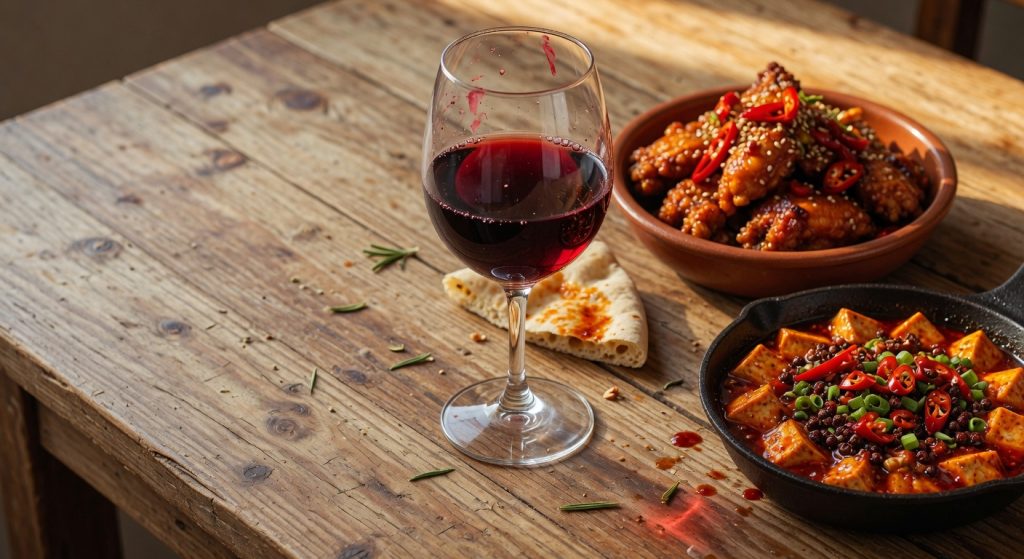
Understanding the Relationship Between Wine and Spicy Food
When it comes to wine pairing with spicy food, the interaction between the wine’s flavors and the food’s heat is crucial to creating a pleasant dining experience. The sensation of spiciness primarily comes from capsaicin, a compound found in chili peppers that activates receptors in the mouth, triggering a sensation of heat and sometimes pain. Understanding how wine interacts with these spicy elements can help balance flavors and enhance taste.
One key factor in pairing wine with spicy food is the level of heat and the type of flavors in the dish. High-alcohol wines tend to amplify the perception of heat because alcohol can intensify the burning sensation caused by capsaicin. This is why it is often recommended to avoid highly alcoholic wines when enjoying spicy dishes. Instead, wines with lower alcohol content or slightly sweeter profiles can provide relief from the heat and complement the flavors more harmoniously.
The science behind flavor interaction in spicy food and wine pairing comes down to taste balance. Spicy dishes often have bold, intense flavors that need a wine that can stand up to them without overpowering the palate. For instance, wines with natural sweetness, such as off-dry Rieslings or Gewürztraminers, offer a counterbalance to heat by soothing the burn and enhancing the complex spices in the dish. The sugar in these wines interacts with the capsaicin to soften the heat, creating a smoother taste experience.
Acidity in wine also plays a role in flavor interaction and taste balance. Acidic wines can cut through the richness and fats often found in spicy foods, cleansing the palate between bites. However, wines that are too acidic might enhance the sharpness of the heat, which could be overpowering. Therefore, a moderate acidity level is preferable, as it can brighten the dish while maintaining harmony with the spice level.
In summary, successful wine pairing with spicy food involves considering the interplay between alcohol, sweetness, and acidity to achieve flavor interaction that balances taste and heat. The right pairing creates a delightful contrast and complement, allowing both the wine and the spicy food to shine without overwhelming the senses.
How Alcohol and Spice Affect the Palate
The interaction between alcohol effect and spice heat plays a crucial role in palate sensitivity and taste perception. Alcohol in wine can amplify the burning sensation of spicy foods because it increases blood flow to the taste buds, making them more sensitive to the heat. As a result, wines with higher alcohol content may intensify the perception of spice heat, sometimes overwhelming the palate. This heightened sensitivity can alter how one appreciates both the wine and the spicy dish.
Conversely, consuming spicy food can significantly change how wine tastes. Spicy heat has a way of dulling sweetness and enhancing bitterness in wine, which means wines that seem smooth on their own might feel more harsh or astringent when paired with spicy dishes. The interaction can mask delicate wine flavors and disrupt the balance of taste perception. However, carefully selecting wines with moderate alcohol levels and good acidity can help counterbalance this effect, enhancing overall enjoyment.
Understanding the delicate dance between alcohol and spice is essential for creating harmonious pairings. Spicy food tends to amplify the warming sensation of alcohol, while alcohol can either complement or exacerbate the spice heat. Therefore, the key is to find wines that either mellow the spice or stand up to it without overwhelming the palate sensitivity, ensuring that both food and drink shine in every bite and sip.
Balancing Heat and Sweetness
When it comes to spicy food pairing, the balance between heat and sweetness in wine plays a crucial role in creating taste harmony. Spicy dishes often have intense heat that can overwhelm the palate, but wines with a noticeable sweetness level can provide a counterbalance that soothes and complements the fiery flavors. This heat balance is essential because sweetness in wine acts as a natural buffer against the burn of spices, making the overall dining experience more enjoyable.
Sweetness in wine helps to soften the sharpness and pungency of spicy foods, allowing the complex flavors of both the dish and the wine to shine. For instance, off-dry wines or those with residual sugar content often pair beautifully with spicy cuisines such as Indian, Thai, or Mexican. The sweetness does not clash with the heat; instead, it creates a harmonious blend that excites the palate rather than overwhelming it.
Moreover, understanding the delicate interplay of heat balance and sweetness in wine is key to matching the depth of spice in different dishes. While a dry wine might accentuate the heat, a wine with sweetness in its profile can moderate it, resulting in a more balanced and pleasurable tasting experience. Therefore, recognizing the importance of sweetness level in wine is fundamental for successful spicy food pairing and achieving an exquisite taste harmony.
Best Wine Types to Pair with Different Levels of Spiciness
Finding the best wines to complement various spicy food levels can elevate your dining experience profoundly. Understanding wine recommendations based on the spice heat level in your dishes ensures harmonious pairing and enhanced flavors. Below is a detailed guide for pairing wine styles with mild, medium, and highly spicy dishes.
| Spice Heat Level | Wine Style | Wine Characteristics | Pairing Notes |
|---|---|---|---|
| Mild Spice | Light Whites & Rosés | Low alcohol, crisp acidity, subtle fruity notes | Perfect with dishes that have gentle heat. Wines like Sauvignon Blanc, Pinot Grigio, and dry rosés complement the mild spice without overpowering it. These wines refresh the palate and balance sweetness and acidity with light spice. |
| Medium Spice | Off-Dry & Aromatic Whites, Light Reds | Moderate alcohol, touch of sweetness, pronounced fruit and floral aromas | Off-dry Riesling or Gewürztraminer offers some sweetness that tames the heat in medium-spicy dishes. Light reds like Gamay or young Pinot Noir also work well by balancing spice with soft tannins and bright berries, enhancing the overall pairing. |
| Highly Spicy | Fruity Reds & Sparkling Wines | Low to moderate tannins, juicy fruit flavors, high acidity or bubbles | Bold spicy dishes call for wines that can stand up to intense heat. Fruity reds such as Zinfandel or Grenache deliver ripe fruit and spice notes that complement fiery foods. Alternatively, dry sparkling wines cleanse the palate and cool the spice with lively bubbles. |
By matching your wine recommendations to the spice heat level of your meal, you ensure an enjoyable and balanced experience. Whether your dish is mildly spiced or packs a fiery punch, choosing the best wines brings out the flavors in both your food and drink.
Wines for Mildly Spiced Foods
When it comes to pairing wines with mildly spiced dishes, the key is to choose light wines that complement the subtle heat without overpowering the flavors. Light-bodied white wines and rosé wines are excellent choices for dishes with mild spice, as they provide a refreshing balance and enhance the food’s complexity.
For white wine pairing, consider varieties like Riesling, Pinot Grigio, or Sauvignon Blanc. These wines typically offer crisp acidity and fruit-forward profiles that harmonize beautifully with mild spice. Riesling, in particular, with its touch of sweetness and vibrant citrus notes, can soothe gentle heat while amplifying the dish’s aromatic qualities.
Rosé wines also make a fantastic option for mildly spiced foods. Their delicate berry flavors and bright acidity help cool the palate and offer a versatile match for a range of dishes from grilled seafood to mildly spiced poultry. Look for dry or off-dry rosés, which provide enough structure to stand up to spice without overwhelming the subtle nuances in the food.
Overall, the best approach in pairing wine with mild spice is to select wines that are light and fresh, keeping the experience balanced and enjoyable. Avoid heavy or overly tannic wines, as they may clash with the gentle heat and leave the palate feeling unbalanced.
Wines for Medium-Spicy Dishes
When it comes to pairing wines with medium spice dishes, off-dry and fruity wines are excellent choices that offer a balanced pairing. Medium-intensity spicy meals typically deliver a moderate heat that can overwhelm dry wines, but off-dry wines have a touch of sweetness that complements without overpowering the flavor complexity. This slight sweetness helps tame the spice while accentuating the dish’s aromatic elements.
Fruity wines, rich with ripe berry and tropical fruit notes, also work beautifully with medium spice, providing a refreshing contrast to the heat. These wines bring a juicy character that enhances the tasting experience, allowing the spice to shine without becoming too fierce. The fruity flavors mingle well with spices like cumin, coriander, and mild chili peppers, creating a harmonious balance.
Popular examples of off-dry wines for medium-spicy dishes include Riesling, Gewürztraminer, and Chenin Blanc, all of which offer the ideal sweetness to counterbalance the chili’s bite. Additionally, fruit-forward wines such as certain Pinot Noirs or young Grenache can also be appealing if the dish leans toward savory or smoky notes. When selecting a wine for medium spice, prioritize balanced acidity and moderate alcohol levels to maintain harmony on the palate.
In essence, the key to pairing medium spice with wine lies in choosing options that blend sweetness and fruity vibrancy to complement rather than clash with the meal. Off-dry and fruity wines bring out the best in these dishes, making the eating and sipping experience both satisfying and flavorful.
Wines for Highly Spicy and Hot Foods
When pairing wine with highly spicy and hot foods, selecting the right type of wine is crucial to balance and soothe the intense heat. High spice dishes often create a burning sensation that can overpower many traditional wines. This is where sweet wines with low tannin levels come into play as the ideal match.
Sweet wines have the natural ability to counteract the heat from spicy foods by providing a cool, sugary contrast to the fiery flavors. The sweetness helps to neutralize the pungency of capsaicin — the compound responsible for the sensation of heat — making the overall tasting experience more harmonious and enjoyable. Additionally, wines with low tannin content are preferred because tannins tend to amplify the perception of heat and bitterness, which can make spicy dishes feel even hotter.
Cooling wines, especially those with a refreshing acidity combined with sweetness and minimal tannins, can calm the palate and refresh the senses between bites of highly spicy cuisine. Examples include off-dry Rieslings, Gewürztraminers, or Moscato varieties, all recognized for their ability to soothe and complement the heat of spicy dishes.
In essence, the best wines for pairing with hot and highly spicy foods are those that provide a balance: sweet wines with low tannins that cool and soften the spice rather than compete with or intensify it. This strategic pairing ensures that both the food and wine shine in harmony, elevating the dining experience.
Tips and Tricks for Successful Wine and Spicy Food Pairing
Pairing tips are essential when it comes to matching wine with spicy food, as the right combination can elevate your dining experience to new heights. Spicy dishes often contain heat and bold flavors that can overwhelm delicate wines, so selecting the proper wine is crucial for balance and enjoyment.
When considering wine selection for spicy meals, opt for wines with low tannins and moderate acidity. Wines such as Riesling, Gewürztraminer, or sparkling wines work exceptionally well because their natural sweetness and vibrant acidity help to soothe the heat and complement the complex spices in the food. Avoid overly oaky or heavily tannic reds, as these can heighten the perception of spice and make the dish feel harsher.
Another practical tip for pairing wine and spicy food is to consider the intensity of both the wine and the dish. For mildly spicy dishes, light-bodied wines like Pinot Grigio or Sauvignon Blanc are ideal, whereas for more intense heat levels, slightly off-dry wines provide a refreshing contrast and soften the spice. Rosé wines can also be a versatile choice, bridging the gap between robust and delicate flavors.
Serving suggestions are equally important to maximize your pairing experience. Serve wines chilled, especially white and sparkling varieties, as the cool temperature helps counterbalance the heat of the food and refresh the palate. Additionally, be mindful of serving portions; smaller pours allow guests to savor the interplay between food and wine without overwhelming the senses.
Lastly, when exploring food and wine pairing with spicy cuisine, don’t hesitate to experiment. Everyone’s palate responds differently to heat and flavor combinations, so try various wines to discover what best enhances your favorite spicy dishes. Remember that balance is key: the wine should enhance the food without overpowering it, creating a harmonious and memorable dining experience.
Considering Wine Temperature and Serving Style
When pairing wine with spicy food, the temperature at which the wine is served plays a crucial role in enhancing or detracting from the overall experience. Wine temperature influences how flavors and aromas are perceived, which in turn affects its compatibility with the heat and intensity of spicy dishes. Serving wine too warm can intensify its alcohol sensation, which may clash with and amplify the spiciness, making the dish taste even hotter and less balanced.
On the other hand, cooler wine temperatures tend to soften the perception of alcohol and acidity, creating a more refreshing contrast to spicy food. For example, light white wines and rosés served chilled can provide a cooling effect that helps tame the heat of spicy cuisine. Red wines, especially those with higher tannins, are generally better enjoyed at slightly below room temperature to avoid overwhelming the palate when paired with bold, spicy flavors.
Serving style also matters; wines served from a chilled bottle or aerated slightly can alter how temperature interacts with flavor profiles. Proper temperature tips include avoiding serving full-bodied reds too cold, which can mute flavors, and not serving whites too warm, which can make them seem flat or flabby. Ultimately, adjusting wine temperature thoughtfully boosts the harmony in spicy food pairing, elevating both the wine and the dish.
Avoiding Common Pairing Mistakes
When pairing wine with spicy food, one of the most frequent pairing mistakes is choosing wines that are too high in alcohol or tannins. High alcohol wines can intensify the heat of spicy dishes, making the food feel hotter and often overwhelming the palate. Likewise, strong tannins found in certain reds can clash with the spice, creating an unpleasant bitterness. To avoid these wine pairing errors, it’s best to opt for wines with lower alcohol content and softer tannins.
Another common wine pairing error is neglecting the effect of sweetness and acidity on spicy food compatibility. Spicy dishes often benefit from wines with a touch of sweetness, such as off-dry Rieslings or Gewürztraminers, as the sweetness helps to balance the heat. High acidity in wines can contrast nicely with rich, spicy flavors, cutting through the fat and cleansing the palate. Completely ignoring acidity levels can lead to a mismatch and an unpleasant dining experience.
Finally, a key piece of wine pairing advice is to consider the type of spice and cuisine. Not all spicy foods are the same—Indian spices differ greatly from Tex-Mex or Sichuan peppercorn heat. Matching the wine to the spice profile and the dish’s intensity ensures harmony on the palate. Avoiding these common pairing mistakes will elevate your enjoyment and bring out the best in both wine and spicy food.

Winemaker with 12 years in the cellar. I write about fermentation, terroir, and the honest mistakes that taught me more than any textbook. I’ve ruined more barrels than most people have tasted. That’s not a disclaimer — that’s a résumé. Twelve years making wine in France, now making sense of it in words.