Understanding Wine Color
Wine color is much more than just a visual trait; it plays a crucial role in shaping our perception and expectations of the wine we are about to enjoy. The wine appearance often serves as the first clue to a wine’s age, variety, and even its flavor profile. When we look at wine, we are essentially observing a spectrum of colors that can range from pale yellow to deep purple, each hue telling its own story about the wine’s character.
The color spectrum in wines can be broadly categorized into a few basic groups: white, rosé, and red. White wines typically show colors from pale straw yellow to rich golden hues. These variations often indicate the grape variety used and the wine’s age, with older white wines usually developing a darker, amber-like tone due to oxidation. Rosé wines, which fall between white and red, display colors ranging from light pink to a vibrant salmon or peach hue. These colors result from limited skin contact during the winemaking process, which imparts just enough pigment to create a delicate blush.
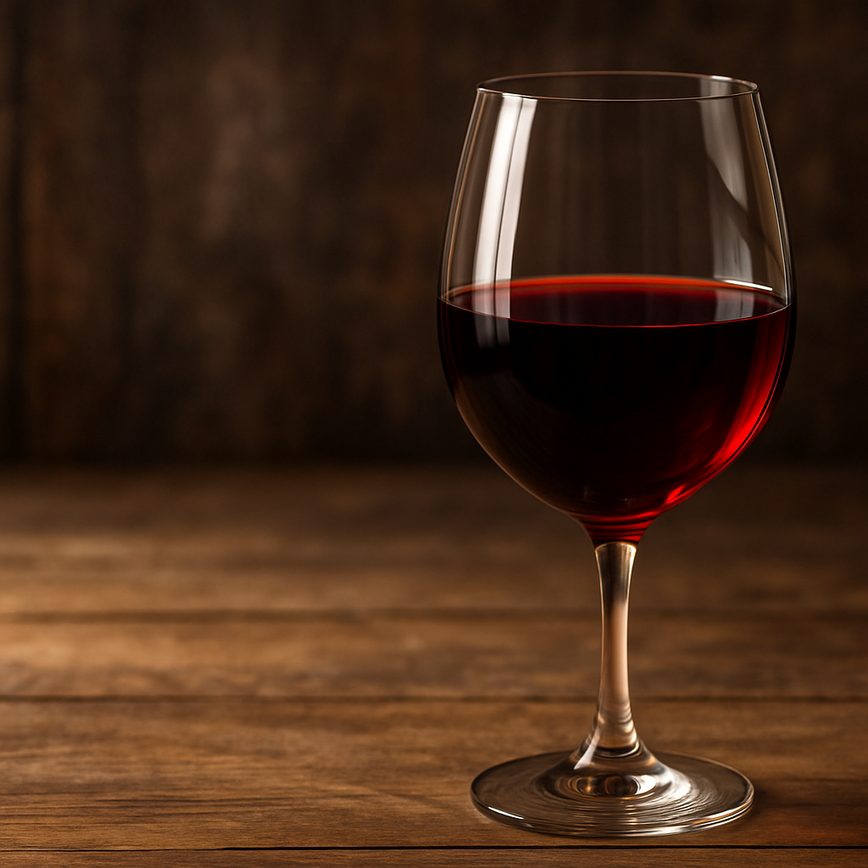
Red wines cover a wide spectrum of wine hues, from light ruby and garnet to deep purple and almost black shades. The specific shade of red wine is influenced by factors such as grape variety, fermentation methods, and the wine’s age. Younger reds tend to have brighter, more vivid colors, while older wines gradually shift towards brick red or tawny tones. Observing these hues closely can provide insights into the wine’s tannin structure and richness.
Understanding wine color is essential not only for appreciating a wine’s aesthetic appeal but also for gaining deeper insight into its composition and quality. The nuanced colors we see in the wine appearance are a window into the winemaking process, reflecting choices made from grape selection to aging methods. By appreciating the color spectrum of wine, enthusiasts can better predict the sensory experience that awaits them, enhancing the overall enjoyment of the wine.
How Wine Gets Its Color
The color of wine is primarily determined by the natural pigments found in grape skins, particularly anthocyanins, which are responsible for red and purple hues. During the winemaking process, the extraction of these pigments plays a crucial role in defining the final color of the wine. When grapes are crushed, the skins, pulp, and juice are combined, allowing the anthocyanins to leach out into the liquid.
In red wine production, the juice remains in contact with the grape skins throughout fermentation, facilitating maximum color extraction. This skin contact allows the anthocyanins and other phenolic compounds to infuse the wine, deepening its color. Conversely, in white wine production, the juice is separated from the skins immediately after crushing, leading to a much lighter color as fewer pigments are extracted.
Fermentation temperature and duration also influence how much color is extracted. Higher temperatures often enhance pigment release, while longer maceration times can intensify a wine’s color. The chemical environment within the wine, such as acidity and sulfur dioxide levels, affects pigment stability and hue. Over time, these pigments evolve, contributing to the wine’s aging color changes from bright ruby to garnet or tawny shades.
In summary, the complex interplay between grape skins, anthocyanins, and the winemaking process—including fermentation conditions and color extraction techniques—determines the vibrant spectrum of wine colors enjoyed by connoisseurs worldwide.
Factors Influencing Wine Color
Wine color is not static; it evolves under the influence of various external factors. One of the most significant of these is aging effects. As wine matures, chemical reactions alter its pigments, often deepening or mellowing the original hue. Red wines, for example, may shift from vibrant purples to brick reds, while whites can deepen from pale straw to golden amber.
Oxidation is another critical factor that influences wine color. When exposed to oxygen, wine undergoes changes that can shift its color dramatically. While controlled oxidation can contribute positively to a wine’s complexity and richness, excessive exposure often leads to browning or dulling of the color, indicating potential spoilage or aging beyond its prime.
Storage conditions play a pivotal role in maintaining or altering wine’s color over time. Temperature fluctuations, exposure to light, and humidity levels can accelerate chemical changes, especially oxidation. Proper storage in cool, dark, and stable environments helps preserve the wine’s original color, while poor storage conditions can cause premature color degradation.
Additionally, climate impact during grape growing affects initial color intensity and stability in wine. Grapes from warmer climates tend to produce wines with richer, deeper colors due to greater phenolic development. Understanding these factors allows wine enthusiasts to better appreciate the dynamic nature of wine color and the stories it tells about the wine’s journey from vineyard to glass.
Types of Wine Colors and Their Meanings
Wine color is one of the most immediate indicators of a wine’s personality, offering clues about its style, flavor profile, and even the grape varieties used. There are three main categories of wine colors: red wine, white wine, and rosé wine. Each color category represents unique characteristics that influence the overall wine-drinking experience.
Red Wine: Red wines get their rich color from the grape skins, which are left in contact with the juice during fermentation. This results in hues ranging from deep purple to ruby red and even garnet. The color often signals a fuller-bodied wine with bold flavors like dark fruits, spices, and tannins, which contribute to the wine’s complexity and aging potential. Red wine varieties—such as Cabernet Sauvignon, Merlot, and Syrah—typically exhibit more intense and structured profiles, with tannins providing a dry, mouth-coating sensation.
White Wine: White wines are produced primarily from green or yellow grapes, and usually without extended skin contact, which results in lighter-colored wines that range from pale straw to golden hues. The color hints at a lighter, crisper style often associated with fresh fruit, floral notes, and higher acidity. White wine varieties like Chardonnay, Sauvignon Blanc, and Riesling tend to be more refreshing and delicate, making them ideal companions for a variety of foods. Depending on winemaking techniques, some white wines may gain richer, buttery flavors while others maintain a clean, vibrant profile.
Rosé Wine: Rosé wines bridge the gap between red and white wines, deriving their pinkish color from brief contact with red grape skins during fermentation. The intensity of the color can vary from pale salmon to vibrant pink, which often reflects the wine’s flavor intensity. Rosé wines are known for their juicy red fruit flavors, floral tones, and balanced acidity. They tend to be light to medium-bodied and are celebrated for their versatility and refreshing qualities, making them popular choices for warm weather or casual sipping.
Understanding wine color meanings can enhance your appreciation of the wine in your glass. Red wines usually suggest a more intense and robust profile, white wines tend to be lighter and crisper, and rosé wines offer a colorful combination of fruitiness and freshness. Each color category holds its own unique charm, guiding wine enthusiasts toward styles and flavors that best match their personal preferences.
Red Wine Colors and Characteristics
Red wines exhibit a fascinating range of colors, each offering insight into the wine’s character and flavor profile. The lightest shades are often seen in ruby wine, which boasts a bright, translucent red color. These wines typically present fresh, vibrant aromas like red fruits and floral notes, with a lighter body and a crisp acidity that makes for an easy-drinking experience.
As the wine ages or gains intensity, it deepens into a garnet hue, signaling a richer and more complex flavor profile. Garnet-colored wines tend to have aromas of dried fruits, spices, and sometimes earthy undertones. They usually offer a fuller body and a smooth mouthfeel, with tannins that have softened over time, making them appealing for those who appreciate depth and elegance in their glass.
The deepest red shades, often described as deep red or inky, suggest a wine with bold characteristics. These wines soar with intense aromas of black fruits, such as blackberry and black cherry, often complemented by notes of chocolate, tobacco, or leather. The taste expectation for deep red wines is a powerful structure with robust tannins and a long, lingering finish, perfect for pairing with hearty dishes.
Overall, the color of red wine gives valuable clues about what to expect from its flavor and aroma—lighter ruby wines tend to be fresh and fruity, garnet hues offer complexity and smoothness, and deep red wines deliver richness and strength. Understanding these shades helps wine lovers appreciate the diverse red wine flavor spectrum.
White Wine Colors and Insights
The spectrum of white wine colors ranges from pale yellow to rich golden wine, each shade offering clues about the grape variety, age, and flavor profile. Pale yellow whites are typically young wines made from varieties like Sauvignon Blanc or Pinot Grigio, which often present a light white wine aroma characterized by fresh, crisp, and citrusy notes. These wines usually have a lighter white wine body, making them refreshing and easy to enjoy.
As white wines age or come from different grape varieties such as Chardonnay, the color deepens into a more golden wine hue. This golden coloration is often a sign of increased complexity and richness in flavor. Mature white wines with this golden tint tend to have more pronounced aromas, including hints of nuts, honey, vanilla, and tropical fruits. The white wine body in these cases becomes fuller and creamier, offering a more substantial mouthfeel that complements the intricate flavor profile.
Winemaking techniques like oak aging can also influence the resulting color and body of white wine. The interaction with oak often enhances the golden wine shade while contributing to the wine’s aromatic complexity and body. In summary, the color of white wine is a useful indicator for wine enthusiasts to anticipate the wine’s style, aroma, body, and flavor nuances before even taking a sip.
Rosé Wine Colors and Their Significance
Rosé wines showcase a captivating spectrum of colors, ranging from delicate pale pinks to deeper salmon hues. These colors not only contribute to the wine’s visual appeal but also offer clues about the production methods and flavor profiles you can expect. A pale pink wine typically indicates a shorter maceration period, where grape skins have limited contact with the juice, resulting in lighter color and often a crisper, more refreshing style.
Salmon color rosés tend to have slightly longer skin contact, providing a richer hue and a bit more body. This color can reveal rosé styles that balance freshness with subtle complexity, offering flavors that might include hints of red berries, floral notes, and sometimes a touch of minerality. The shade of pink can also hint at the grape varieties used and the region’s winemaking traditions.
Rosé sweetness levels can vary widely, from dry to slightly sweet, and the color can sometimes give an initial indication. Generally, lighter rosés are drier and more acidic, making them perfect for summer sipping. Darker rosés might express riper fruit flavors and a rounder mouthfeel, edging toward a sweeter profile but still maintaining balance.
Understanding the range of rosé colors helps wine enthusiasts anticipate the styles and flavors in their glass. From the palest blush to the warm salmon color, each rosé color unfolds a story of careful winemaking decisions and the delightful diversity of pink wine.
Using Wine Color to Enhance Tasting Experience
When engaging in wine tasting, the color of the wine serves as the initial visual cue that can significantly enhance the entire evaluation process. Understanding wine color allows you to anticipate its flavors, body, and overall quality before even taking your first sip.
The depth and hue of wine color offer important insights into the grape variety, age, and winemaking techniques. For example, a deep, rich red often suggests a full-bodied wine with robust flavors, while lighter shades may indicate a more delicate, subtle profile. White wines range from pale straw to golden yellow, with darker tones usually signaling older or more complex wines.
By closely observing wine color during wine tasting, you can start predicting the taste experience. A vibrant, bright color suggests freshness and higher acidity, often linked to crisp, lively flavors. In contrast, dull or browning tint might imply oxidation or aging, which could bring out nuttier or richer nuances in the wine.
Color also hints at the wine’s body and texture. Heavier, more opaque colors generally align with fuller-bodied wines, which means they will have more weight and a richer mouthfeel. Conversely, translucent or lighter colors typically denote wines with lighter bodies and more finesse.
Using color to inform your wine evaluation enhances your overall sensory perception. This approach helps you connect the visual cues to specific flavors and aromas, deepening the appreciation of the wine’s complexity. Moreover, color observation can alert you to any faults or unusual characteristics early on.
In summary, paying close attention to the color of wine during tasting is not just about aesthetics but an essential tool for predicting the wine’s style, flavor profile, and quality. Incorporate this technique into your wine tasting routine to sharpen your sensory skills and enrich your wine journey.
Visual Examination Techniques
Before tasting wine, a careful visual examination can reveal much about its characteristics and quality. Understanding wine clarity, rim variation, color intensity, and how the wine behaves when swirled are key components of this initial assessment.
- Pour a small amount of wine into a clear glass and hold it against a white background, such as a piece of white paper or a white tablecloth, to observe its color accurately.
- Check the wine clarity by looking through the glass. The wine should appear clear and bright without any haziness or cloudiness, which can indicate faults or sediment.
- Observe the rim variation by tilting the glass. This is the change in color from the center of the wine to the edge. Younger wines often have a vibrant rim, while older wines have a more faded rim.
- Assess the color intensity by noting how deep or pale the color appears. This can provide clues about the grape variety, age, and concentration of the wine.
- Gently swirl the wine in the glass to see how it moves and forms legs or tears on the glass walls. The pattern and speed of these can indicate alcohol content and viscosity.
- Take note of any other visual factors such as bubbles, sediment, or unusual hues, which might affect the wine’s quality or style.
Interpreting Color to Predict Flavor
The color of a wine offers valuable clues about its wine aroma, taste profiles, and overall character. For example, a pale, almost translucent white wine often signals crisp acidity and light sweetness, making it refreshing and bright on the palate. In contrast, deeper golden hues in white wines may suggest richer, creamier flavors with less pronounced acidity. When it comes to reds, vibrant ruby or garnet shades frequently indicate youthful wines with lively fruit flavors and noticeable tannin levels, which contribute to a dry, slightly astringent sensation. As the color deepens to darker purples or brick tones, it often points to more developed, complex wines where tannins have softened, and the profile includes earthier or spiced notes.
These color indicators are essential for anticipating flavor because they reflect the grape variety, winemaking methods, and age of the wine. For instance, a lighter red with youthful color often has brighter acidity and approachable fruit, while a richly colored wine may emphasize deeper, bolder taste profiles with balanced tannins and a lingering finish. Sweetness levels can also be inferred, as wines with a hint of residual sugar frequently appear in lighter golden or rosé shades. Understanding these visual cues enhances the enjoyment of wine by aligning expectations with the sensory experience, allowing enthusiasts to decode what the wine’s aroma and taste might reveal even before the first sip.

Winemaker with 12 years in the cellar. I write about fermentation, terroir, and the honest mistakes that taught me more than any textbook. I’ve ruined more barrels than most people have tasted. That’s not a disclaimer — that’s a résumé. Twelve years making wine in France, now making sense of it in words.