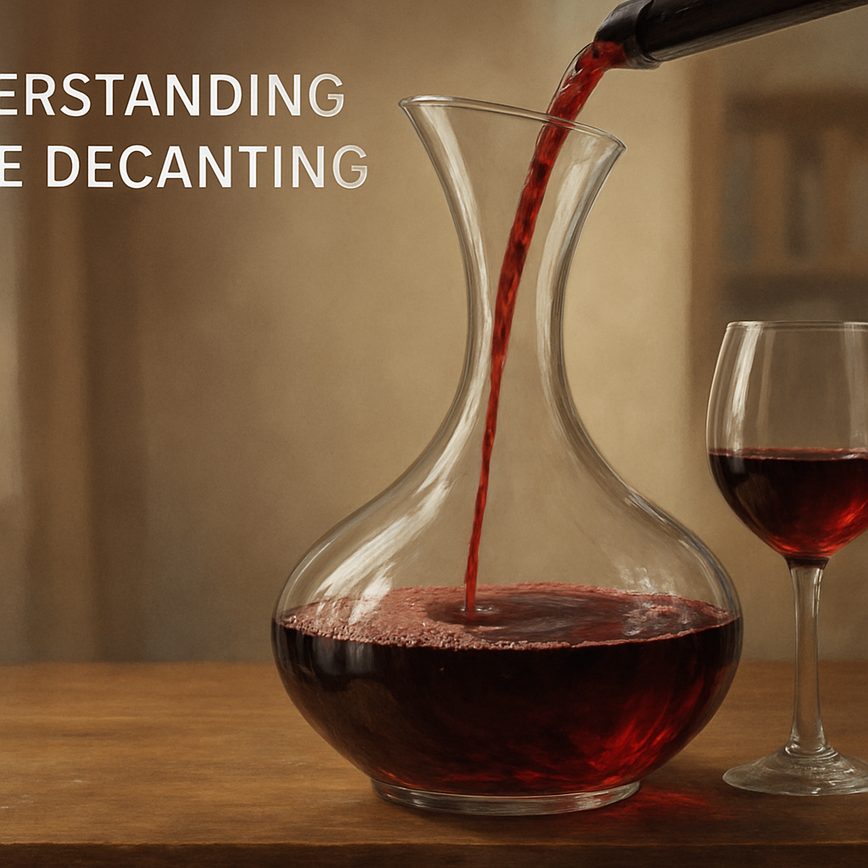
Understanding Wine Decanting
Wine decanting is the process of slowly pouring wine from its bottle into another vessel, usually called a decanter. This technique dates back centuries, with origins tracing to ancient civilizations such as the Romans, who used decanting to separate wine from the sediment that naturally forms during aging. Over time, wine decanting has evolved into an essential ritual that enhances the overall wine-drinking experience.
The primary purpose of wine decanting revolves around two key benefits: aeration and sediment separation. Aeration involves exposing the wine to oxygen, which helps to open up the aromas and flavors, making the wine more expressive and enjoyable. When wine is freshly poured from the bottle, it can sometimes be “closed” or muted, and decanting allows the wine to breathe, softening tannins and mellowing harsh notes.
Another main purpose of decanting is sediment separation. Many red wines, especially older vintages or unfiltered wines, develop sediment—a collection of particles that settle at the bottom of the bottle over time. Pouring the wine into a decanter while carefully leaving the sediment behind prevents any gritty texture or bitterness from spoiling the taste. This also results in a clearer, more visually appealing wine.
Understanding what is decanting is fundamental for wine enthusiasts who want to appreciate the full potential of their wine. The decanting process not only serves practical purposes but also adds an element of elegance and ceremony to wine service. Whether you are preparing a robust red or a delicate white, knowing when and how to decant can elevate your appreciation of wine’s nuanced characteristics.
Why Decant Wine?
Decanting wine serves several important purposes that enhance the overall drinking experience. One of the primary decant wine reasons is to allow the wine to oxidize gently. This controlled exposure to oxygen helps soften tannins and reduces any harshness, making the wine smoother on the palate. Oxidation also helps release the full bouquet of aromas, allowing the wine’s nuanced scents to truly shine.
Another key benefit of decanting is its role in separating the wine from any sediment that may have formed during aging, particularly in older red wines. This sediment can impart an unpleasant gritty texture or bitter taste if poured directly into a glass, so decanting improves both the clarity and the flavor profile.
The benefits of decanting go beyond just taste and aroma; it also visually enhances the wine with a clearer appearance. By exposing the wine to air in a wide vessel, the wine opens up more quickly and intensely than if left confined in the bottle. This makes decanting especially beneficial for younger wines that might initially seem closed or muted.
In summary, the purpose of decanting wine is to improve aroma and flavor by carefully controlled oxidation, remove sediment, and ultimately allow the wine to express its full character and complexity. Whether you are dealing with a young, vibrant wine or an aged vintage, understanding the benefits of decanting will enrich your wine enjoyment.
When to Decant Wine
Decanting wine is an age-old practice that enhances the overall tasting experience by allowing the wine to breathe and separate from any sediment. Knowing when to decant is key to unlocking the best flavors and aromas. Generally, young red wines with robust tannins benefit the most from decanting, as the process softens these tannins and makes the wine more approachable. Examples of such wines include Cabernet Sauvignon, Syrah, and Malbec.
Older red wines, especially those that have been aged for several years, may also require decanting, but with caution. The primary goal here is to remove sediment that naturally forms during the aging process. However, since older wines are often more delicate, they should be decanted just before serving to prevent them from losing their nuanced flavors.
White wines typically do not require decanting, with a few exceptions. Full-bodied whites like Chardonnay can benefit slightly to open up their aromatic profile. Sparkling wines and lighter, more delicate whites generally do not need decanting, as exposure to air can diminish their crispness and effervescence.
In summary, the best wines for decanting are young, tannic reds that need breathing time and aged reds that have sediment. Understanding wine aging and wine types decanting preferences can help you determine the right timing—whether it’s an hour ahead or just minutes before pouring. Decanting at the right moment maximizes the drinkability and aroma of your wine, bringing out its full potential.
Step-by-Step Guide to Decanting Wine
Decanting wine is a delicate process that enhances the wine’s flavors and aromas by allowing it to breathe and separating it from any sediment. Whether you’re new to wine or looking to refine your technique, understanding how to decant properly is key to a perfect pour. This guide will walk you through the essential wine decanting steps for an optimal wine preparation experience.
- Choose the Right Decanter: Select a clean, clear glass decanter that allows plenty of surface area for the wine to breathe. The shape of the decanter can affect the aeration process, so a wide base is preferred for faster aeration.
- Stand the Bottle Upright: Before decanting, let the wine stand upright for a few hours to allow any sediment to settle at the bottom. This is especially important for older red wines and vintage ports.
- Open the Bottle Gently: Use a corkscrew to carefully remove the cork. Avoid shaking or agitating the bottle to keep sediment undisturbed.
- Inspect the Wine and Sediment: Hold the bottle against a light source as you pour to clearly see the sediment. This will help you stop pouring before the sediment enters the decanter.
- Slowly Pour the Wine: Pour the wine steadily and gently into the decanter, aiming to keep the sediment in the bottle. Tilt the decanter to avoid splashing and maximize aeration during the decanting process.
- Let the Wine Breathe: Allow the wine to rest in the decanter for 30 minutes to a few hours, depending on the type and age of the wine. This aeration allows the wine to open up, bringing out its complex flavors and aromas.
- Serve at the Right Temperature: After decanting, serve the wine at its ideal temperature to ensure the best tasting experience. Reds are usually served slightly below room temperature, while whites may be chilled.
- Clean the Decanter Properly: After use, rinse the decanter with warm water and let it air dry. Avoid using soap, which can leave residues affecting future pours.
Mastering how to decant will elevate your wine drinking, unlocking the bouquet and complexity hidden in every bottle. By following these wine decanting steps carefully, you ensure a safe, effective decanting process and enhance your overall wine preparation.
Preparing the Bottle
Proper wine bottle preparation is essential to ensure a smooth decanting experience and to enhance the wine’s flavor and clarity. Before opening, carefully inspect the wine bottle for any signs of damage, such as cracks or leaks, which could compromise the quality of the wine. Check the cork’s integrity—avoid bottles with corks that appear dry or crumbly, as this can lead to contamination or spoilage.
When preparing to decant, handling the wine bottle gently is key. Sudden movements or shaking can disturb the sediment that naturally settles at the bottom of many mature wines. To manage sediment effectively, stand the bottle upright for several hours or even a day prior to decanting, allowing the sediment to settle firmly.
As you pour, hold the bottle steadily and slowly, ideally against a light source, so you can observe sediment nearing the neck of the bottle. Stop pouring once you see sediment approaching the opening to avoid transferring it into the decanter. Using a filter or cheesecloth during the pour can further help in sediment management, ensuring a clearer, more enjoyable wine experience.
By following these wine bottle preparation steps and being mindful of sediment management and wine bottle handling, you’ll set the stage for a successful decanting process that maximizes your wine’s potential.
Pouring Technique
When pouring wine during the decanting process, the goal is to avoid disturbing any sediment while maximizing aeration to enhance the wine’s flavors and aromas. A key decanting technique is to pour the wine slowly and steadily into the decanter. This gentle approach prevents sediment from mixing into the wine, which can affect its taste and clarity. Holding the bottle at a slight angle and pouring along the side of the decanter can further reduce agitation and help keep sediment at the bottom of the bottle.
One of the best wine pouring tips is to use a light source, such as a candle or flashlight, under the neck of the bottle as you pour. This allows you to see the sediment approaching the neck and stop pouring before it escapes into the decanter. Another helpful technique is to let the wine breathe by allowing it to sit in the decanter for a while after pouring. This exposure to air unlocks the wine’s full potential, enhancing its complexity and softening tannins.
In summary, the ideal pouring wine method involves a slow, controlled pour, careful observation for sediment, and patience for aeration. Mastering this pouring technique ensures a clean, clear wine and an improved tasting experience. By following these wine pouring tips, you make the most of your decanting technique and enjoy every glass to its fullest.
Using Different Decanters
When it comes to wine decanting, choosing from various types of decanters can enhance both the presentation and the wine’s flavor profile. Glass decanters are the most popular choice due to their elegance and ability to showcase the wine’s color. They come in many styles, from the classic wide-bottomed design to more artistic shapes that can add character to your wine service.
Besides glass, some decanters are made from crystal or other materials that can offer unique aesthetics and weight. Crystal decanters often feature intricate designs and can be heavier, providing a luxurious feel in hand. However, the material mainly affects the decor aspect rather than the decanting process itself.
When deciding on the best decanter choice for your wine, consider the type of wine you typically enjoy. Red wines with heavy tannins benefit from a wide-bottomed decanter that maximizes oxygen exposure, while lighter reds and whites may only require smaller or narrower decanters. Practicality is key, so also think about ease of cleaning and storage.
Ultimately, the types of decanters available allow you to tailor your wine experience. Whether you select a classic glass decanter for its timeless appeal or a more modern design for style, the right decanter can elevate your enjoyment and appreciation of each bottle.
Best Practices and Tips for Wine Decanting
Decanting wine is both an art and a science, enhancing the wine serving experience by allowing it to breathe and releasing its full bouquet. Here are some expert decanting tips to ensure you get the most out of your wine, whether you are a novice or a seasoned enthusiast.
First, always use a clean decanter—any residue can alter the wine’s flavor. When pouring, do so gently to prevent agitating any sediment, especially in older wines. Let the wine aerate for about 30 minutes to an hour, although some robust reds may benefit from longer. Pay attention to the wine’s character; delicate wines may lose their nuances if decanted too long.
One common decanting mistake is decanting too aggressively or shaking the decanter, which can disrupt the wine’s structure. Avoid overexposing the wine to air, as it can quickly lose its vibrancy and freshness. Another error is using the wrong decanter shape; wide bases are better for young, tannic wines to increase oxygen exposure, while narrow shapes suit older wines requiring gentler aeration.
Temperature control plays a crucial role in wine care during decanting. Ensure the wine is served at its ideal temperature—not too warm or too cold—to preserve its intended flavor profile. Also, keep the decanter away from direct sunlight or heat sources, which can alter the wine’s taste negatively.
Lastly, always taste the wine periodically while it is decanting. This helps you gauge when the wine has achieved the perfect balance of aeration and flavor development. By avoiding these common decanting mistakes and following these wine care tips, you’ll elevate the wine serving experience for yourself and your guests.
How Long to Decant Different Wines
Decanting times vary depending on the type of wine and its vintage, influencing how much aeration the wine needs to reveal its full character. For young red wines, especially those with significant tannins like Cabernet Sauvignon or Syrah, red wine decanting for 1.5 to 3 hours is generally recommended. This allows the wine aeration time to soften tannins and open complex aromas.
Older red wines, such as vintage Bordeaux or Pinot Noir, require shorter decanting times, typically around 30 to 60 minutes. Over-decanting older wines can cause them to lose delicate nuances, so it’s best to err on the side of caution.
White wines usually need less decanting due to their lighter tannin structure. White wine decanting for young whites like Chardonnay or Sauvignon Blanc can range from 30 minutes to 1 hour for enhanced flavor expression. Rich, full-bodied whites benefit more from a short decanting time to help release aromatic complexity.
In summary, typically, young reds with high tannins need the longest decanting times, older reds require moderate decanting, and whites benefit from shorter periods. Adjusting decanting times based on the wine’s age and type maximizes the wine aeration time and ensures the best tasting experience.
Serving Decanted Wine
After decanting, serving wine at the optimal temperature is crucial to fully appreciate its aroma and flavor profile. Red wines are best served slightly below room temperature, around 60-65°F (15-18°C), which allows the wine’s complexities to shine without overwhelming alcohol notes. White wines, on the other hand, should be served cooler, between 45-55°F (7-13°C), highlighting their refreshing acidity and crispness. Proper wine temperature enhances the drinking experience, bringing out the intended character and balance of the wine after aeration.
Choosing the right glassware for wine is equally important when serving decanted wine. For full-bodied reds, a large-bowled glass is recommended to maximize surface area, encouraging further aeration and allowing the wine to breathe even as you drink. This shape also helps focus the rich aromas toward your nose. Lighter reds and whites benefit from a smaller bowl glass that maintains cooler temperatures and directs the wine to different parts of the palate to emphasize their unique flavors.
To maximize enjoyment, pour decanted wine gently into the appropriate glassware to avoid disturbing any sediment. Remember, the right wine temperature combined with suitable glassware enhances flavor development and aroma release, making every sip a more delightful and memorable experience. Serving wine thoughtfully after decanting truly elevates your appreciation of its craftsmanship and character.

Winemaker with 12 years in the cellar. I write about fermentation, terroir, and the honest mistakes that taught me more than any textbook. I’ve ruined more barrels than most people have tasted. That’s not a disclaimer — that’s a résumé. Twelve years making wine in France, now making sense of it in words.