
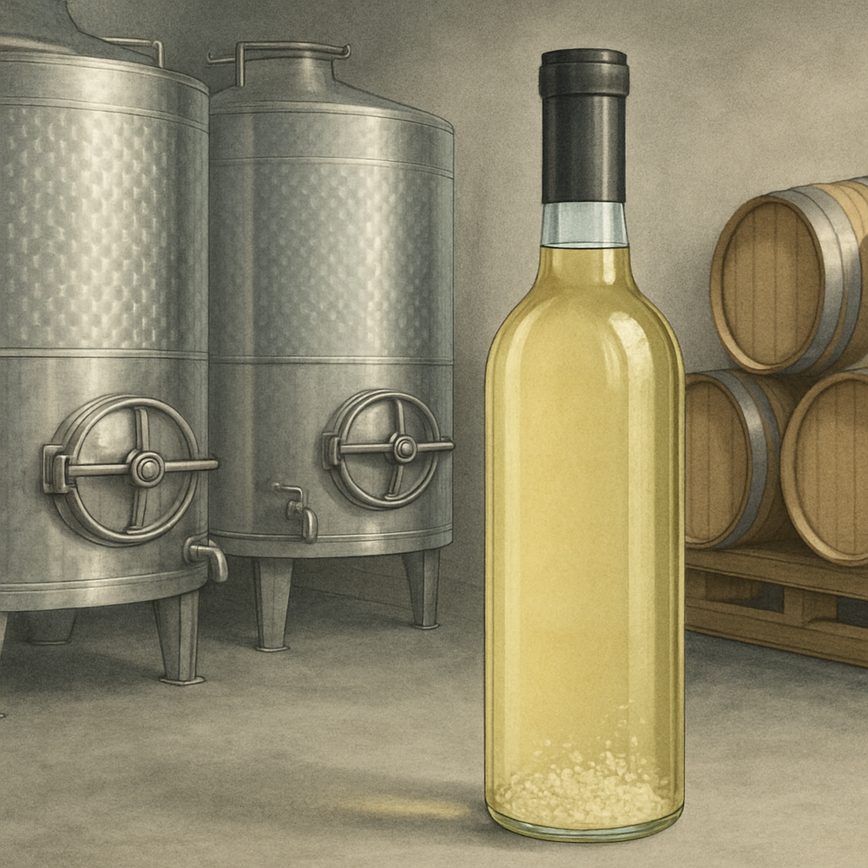
Introduction to Cold Stabilization in Winemaking
Cold stabilization is a crucial step in the winemaking process designed to improve the clarity and stability of the finished wine. This technique involves chilling the wine to a low temperature, typically just above freezing, for a set period. The primary goal is to encourage the precipitation of tartrate crystals, naturally occurring compounds in grapes that can form unsightly deposits if left untreated. By facilitating the removal of these crystals before bottling, cold stabilization helps ensure a visually appealing and stable product.
The presence of tartrate crystals in wine can be misleading to consumers, as they may appear like glass shards or flaws, even though they are harmless. These crystals typically form when the wine experiences temperature fluctuations after bottling, such as during storage or transportation. Cold stabilization addresses this problem by pre-emptively allowing the crystals to form and settle out under controlled conditions at the winery, thus preventing their appearance later on.
Beyond aesthetic concerns, the purpose of cold stabilization extends to preserving the overall quality of the wine. Tartrate crystals do not affect the flavor directly but can impact the wine’s mouthfeel and perception. Wines that have undergone cold stabilization generally exhibit enhanced clarity, a smoother texture, and a more polished finish. This process is especially important for white and rosé wines, which are typically served chilled and in clear bottles where visual purity is highly prized.
In summary, cold stabilization is an essential part of the winemaking process aimed at enhancing wine clarity and ensuring that tartrate crystals do not detract from the consumer’s experience. By carefully managing temperature and timing, winemakers can produce wines that not only look pristine but also maintain their sensory appeal well beyond bottling and distribution. Ultimately, this process reflects a commitment to quality and consistency, hallmarks of excellent winemaking.
Purpose and Benefits
Cold stabilization plays a crucial role in winemaking by enhancing wine stability and preventing the formation of tartrate crystals. Tartrates, which are natural compounds found in grapes, can precipitate out of wine after bottling, resulting in unsightly crystal deposits that may be mistaken for glass shards by consumers. The benefits of cold stabilization lie in its ability to reduce the wine’s temperature to near freezing levels, encouraging these tartrate crystals to form and settle out while the wine is still in controlled conditions, long before it reaches the market.
By preventing tartrates through this process, winemakers ensure a clearer, visually appealing product, which is essential for consumer confidence and marketability. Additionally, cold stabilization improves wine shelf life by stabilizing the wine’s chemical composition and preventing future unwanted sedimentation. This stability ensures that the wine’s flavors and aromas remain consistent over time, extending its longevity and preserving its quality during storage and transportation.
Overall, the benefits of cold stabilization not only include the prevention of tartrate crystals but also contribute significantly to the overall wine stability and the enhancement of the wine’s aging potential. This step in winemaking guarantees that the final product delivered to consumers is both visually appealing and durable, providing a superior tasting experience with reduced risk of defects related to tartrate precipitation.
When and Why to Apply Cold Stabilization
Timing cold stabilization correctly is crucial for achieving optimal wine quality. This process is typically applied after primary fermentation and before bottling, during the final stages of winemaking. The wine is chilled to low temperatures to encourage the precipitation of tartrate crystals, which are naturally occurring compounds that can cause cloudiness or sediment in the bottle if not removed. By applying cold stabilization at this stage, winemakers ensure that the wine remains clear and visually appealing to consumers.
The ideal conditions for cold stabilization involve temperatures just above freezing, maintained for a period of days to several weeks depending on the wine’s composition. These conditions allow the potassium bitartrate crystals to form and settle out effectively. The timing cold stabilization varies based on the style of wine being produced and the specific characteristics desired by the winemaker.
Cold stabilization is most beneficial for white and rosé wines, as these types are more prone to tartrate precipitation due to their higher acidity and cooler fermentation temperatures. Red wines can also benefit, but to a lesser extent, as their phenolic compounds often inhibit crystal formation. By understanding which wine types require cold stabilization, winemakers can apply this technique selectively to enhance stability and clarity without compromising the wine’s flavor profile.
Methods of Cold Stabilization
Cold stabilization in winemaking is a vital process aimed at preventing tartrate crystal formation in bottles, which can affect wine clarity and quality. Several cold stabilization methods are employed, each with its advantages, intricacies, and applications depending on winery capabilities and desired wine style. This section outlines and compares the common cold stabilization methods, highlighting traditional versus modern techniques and emphasizing key aspects such as temperature control and tartrate removal efficiency.
The traditional cold stabilization method involves chilling the wine to near-freezing temperatures, typically between -4°C and 0°C, for a period ranging from one to several weeks. This temperature control encourages the precipitation of potassium bitartrate crystals, which then settle at the bottom. Afterward, the wine is carefully racked off the sediment to ensure clarity and stability. Though time-consuming, this technique remains popular because it is straightforward and requires minimal investment in equipment.
Another traditional approach is the use of cold storage tanks or refrigeration rooms to maintain consistent low temperatures as the wine undergoes cold stabilization. This method provides a controlled environment that reduces the risk of unwanted temperature fluctuations that could affect the process. However, the energy costs and the extended duration required can be drawbacks for some producers.
In contrast, modern cold stabilization techniques focus on accelerating tartrate removal through innovative technologies. One such technique is the addition of seed crystals or tartrate crystals to the wine before chilling. These act as nucleation points, promoting faster and more efficient crystal formation, which shortens the chilling period and improves overall process control.
Electrodialysis is another contemporary winemaking technique that allows winemakers to remove tartrates without relying heavily on temperature control. By applying an electrical current, this method selectively removes tartrate ions from the wine. Electrodialysis significantly reduces processing time and energy use, making it an attractive solution for large-scale wineries aiming to optimize cold stabilization.
Comparing these methods, traditional cold stabilization excels in simplicity and minimal chemical intervention but demands longer timeframes and higher energy consumption. Modern methods, such as seed crystal addition and electrodialysis, offer time efficiency and enhanced control over tartrate removal, though they may involve additional operational costs or technical expertise.
Ultimately, the choice of cold stabilization method depends on the winery’s scale, budget, and desired winemaking style. Understanding these cold stabilization methods and their respective strengths allows winemakers to maintain wine quality and stability while balancing practical considerations in their winemaking techniques.
Traditional Cold Stabilization
Traditional cold stabilization is a classic method used in winemaking to prevent tartrate crystal formation in the bottle. This process involves chilling the wine to a low temperature, typically just above freezing, for an extended period. By lowering the temperature, winemakers encourage the precipitation of potassium bitartrate crystals, which are naturally present in grape juice and wine.
The method works by exploiting the decreased solubility of tartrates at colder temperatures. As the wine cools, these compounds come out of solution and form tiny crystals that settle at the bottom of the tank or barrel. This natural precipitation removes the excess tartrates, minimizing the risk of crystal formation once the wine is bottled and stored at cellar temperatures.
While traditional methods of temperature chilling are effective, they require careful control of time and temperature to ensure sufficient crystal precipitation without adversely affecting the wine’s flavor or stability. The process can be time-intensive, often requiring several weeks, but it remains a widely trusted technique in the wine industry due to its simplicity and reliability.
Overall, this method of traditional cold stabilization remains a crucial step for many winemakers aiming to produce clear, stable wines free from unwanted tartrate crystals, maintaining both aesthetic quality and consumer satisfaction.
Alternative and Modern Techniques
In recent years, innovations in the winemaking process have introduced alternative and modern techniques to traditional cold stabilization. Among these, electrodialysis and ion exchange have gained prominence as effective methods to accelerate or even replace the need for lengthy cold stabilization periods.
Electrodialysis employs an electrical current to selectively remove potassium bitartrate crystals and other ions from the wine. This technique not only speeds up the stabilization process but also reduces the risk of flavor loss and preserves wine quality. By separating charged particles, electrodialysis offers winemakers a precise control over ion concentrations, ensuring a stable final product without prolonged chilling.
Ion exchange, on the other hand, involves passing wine through resin beads that selectively bind potassium ions, effectively lowering their concentration. This mechanical stabilization method is quick and efficient, allowing for better management of the wine’s chemical balance. Ion exchange has proven valuable in reducing tartrate precipitation, thereby enhancing the clarity and stability of wine before bottling.
These innovations represent a shift from traditional cold stabilization techniques, providing winemakers with more consistent results while saving time and resources. By combining mechanical stabilization technologies like electrodialysis and ion exchange, the industry continues to evolve, catering to diverse winemaking needs with greater flexibility and efficiency.
Impact of Cold Stabilization on Wine Quality
Cold stabilization is a crucial process in winemaking that significantly impacts both the sensory properties and chemical composition of wine. This technique primarily aims to enhance the stability of the wine by precipitating tartrate crystals, which can otherwise form undesirable deposits in the bottle. However, beyond its stabilizing effects, cold stabilization influences wine flavor and wine aroma, two vital attributes that shape a consumer’s sensory experience.
The process involves cooling the wine to near-freezing temperatures for an extended period, accelerating the natural crystallization of potassium bitartrate and other unstable compounds. This controlled crystallization reduces the potential for future instability but also initiates subtle changes in wine chemistry. Notably, the cold environment can affect the equilibrium of acids and phenolic compounds, thus slightly altering the overall acidity and bitterness profile of the wine.
From a sensory perspective, cold stabilization may enhance the clarity and brightness of the wine, contributing to an overall perception of freshness. Wines that have undergone proper cold stabilization often exhibit a cleaner taste profile, with reduced astringency and a more balanced feel on the palate. However, the extent to which cold stabilization affects wine aroma can vary depending on the wine type and the duration of the treatment. Some volatile aroma compounds may be lost or modified during the chilling process, potentially diminishing certain fruity or floral notes. Conversely, the removal of harsh compounds can also lead to a purer aromatic expression, accentuating the grape’s varietal characteristics.
In terms of chemical effects, cold stabilization decreases the concentration of unstable tartrate salts, thereby improving the physical stability of the wine and preventing the formation of crystals post-bottling. This chemical adjustment can also have an indirect impact on wine flavor by stabilizing the acid profile, which is fundamental to freshness perception. Additionally, the process can slightly influence the wine’s pH level, further fine-tuning the wine’s chemical harmony and enhancing its aging potential.
Overall, cold stabilization serves as a vital tool in winemaking to balance the stability effects with preserving and sometimes enhancing the wine’s sensory qualities. While ensuring the wine remains visually appealing and chemically sound, this process subtly modulates wine flavor and wine aroma, contributing to the complexity and enjoyment of the final product.
Effects on Flavor and Aroma
Cold stabilization primarily targets the reduction of tartrate crystals in wine, a process that many winemakers believe has minimal direct impact on the sensory profile of the wine. However, the sensory impact of cold stabilization can vary depending on the wine’s style and composition. In white wines, the process is often viewed as a subtle influence—it may slightly mute certain delicate fruity or floral wine aroma components, potentially making the wine feel cleaner and more focused but less aromatic. This can refine the flavor profile by reducing perceived harshness or bitterness associated with unstable crystals, thus enhancing overall balance.
For red wines, the cold stabilization effects on flavor and aroma are generally less noticeable, though the process can indirectly benefit the wine’s mouthfeel and clarity. By preventing tartrate precipitation in the bottle, winemakers avoid off-flavors linked to crystal formation and sediment, preserving the intended aromatic complexity and flavor nuances. Some experts suggest that cold stabilization can subtly influence the integration of aroma compounds, contributing to a smoother, more harmonious wine experience.
Overall, while cold stabilization is mainly a technical step to ensure stability, its sensory impact should not be overlooked. The effect on wine aroma and flavor profile depends on grape variety, winemaking techniques, and the wine’s initial composition. Winemakers carefully balance these cold stabilization effects to maintain the desired sensory qualities while achieving product stability.
Stability and Shelf Life Considerations
Cold stabilization is a crucial step in winemaking that significantly enhances wine stability and extends its shelf life. By lowering the temperature of the wine to near freezing, this process encourages the precipitation of potassium bitartrate crystals, which are otherwise likely to form later in the bottle. These tartrate crystals not only affect the visual appeal of the wine but can also impact consumer perception and overall quality.
Preventing the formation of tartrate crystals through cold stabilization ensures that the wine remains clear and visually attractive throughout its shelf life. This stability is vital for maintaining the wine’s marketability and consumer satisfaction. Additionally, the removal of these unstable compounds helps in preserving the wine’s taste profile by minimizing potential off-flavors that could develop if crystals were to form post-bottling.
By improving wine stability, cold stabilization also aids in maintaining the overall quality of the product during storage and transportation. It minimizes the risk of unexpected changes in texture or appearance, which are critical factors for both winemakers and consumers. Ultimately, this technique supports a longer shelf life by creating a more consistent and reliable wine product, ensuring that quality is sustained from the winery to the final pour.

Winemaker with 12 years in the cellar. I write about fermentation, terroir, and the honest mistakes that taught me more than any textbook. I’ve ruined more barrels than most people have tasted. That’s not a disclaimer — that’s a résumé. Twelve years making wine in France, now making sense of it in words.