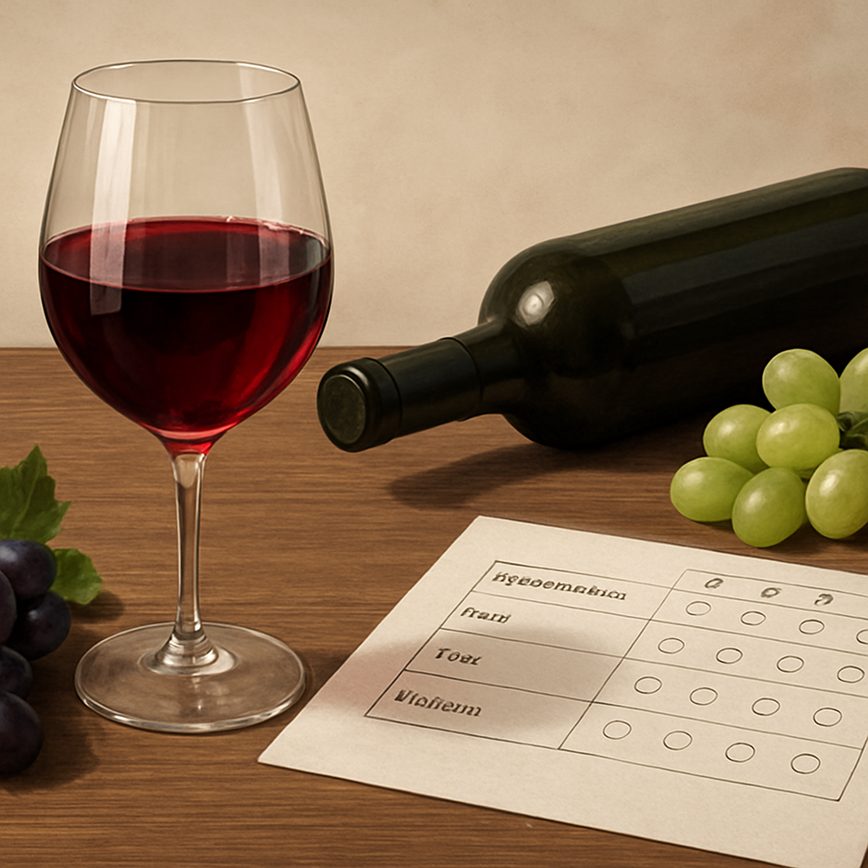
Introduction to Wine Tasting Notes
Wine tasting is an art and science that allows enthusiasts to explore the intricate flavors, aromas, and textures of wine. At the heart of this experience lies the practice of creating wine tasting notes, which serve as a valuable guide for both novices and connoisseurs in understanding and appreciating wine. A comprehensive tasting notes guide can enhance your wine appraisal skills by helping you record and interpret the sensory elements that define each wine.
Tasting notes are essential tools for wine sensory evaluation, enabling tasters to pinpoint specific characteristics such as acidity, tannins, body, and aroma profiles. By systematically noting these observations, wine lovers can develop a refined palate and deepen their wine appreciation. This organized approach transforms casual wine drinking into an engaging, educational journey, revealing subtle nuances that might otherwise be missed.
Moreover, wine tasting notes empower consumers to make informed decisions when selecting wines. Whether you are choosing a bottle for a special occasion or expanding your collection, detailed notes provide a reliable reference to compare different wines and vintages. This practice not only encourages experimentation but also builds confidence in your ability to identify preferences and quality in wine.
In essence, a tasting notes guide acts as a bridge between the wine in your glass and your personal perception of it. It captures the sensory evaluation process in a way that is repeatable and sharable. Through consistent use, wine tasting notes will improve your sensory vocabulary, allowing you to communicate wine experiences more effectively and connect with the wider community of wine enthusiasts.
By embracing wine tasting notes, you enhance every aspect of wine enjoyment and education, turning each tasting into an opportunity to learn and appreciate the diversity and complexity that wine offers. This guide is a vital companion on your path to becoming a more knowledgeable and passionate wine lover.
Why Wine Tasting Notes Matter
The importance of tasting notes in the world of wine cannot be overstated. For enthusiasts, writing and understanding wine tasting notes is an essential way to deepen their appreciation and knowledge of different wines. These notes serve as a personal record of their experiences, helping them remember distinct wine flavor profiles, aromas, and textures, which enhances their ability to select wines they will enjoy in the future. By articulating what they taste, enthusiasts sharpen their palate and develop a more refined sense of wine evaluation.
For professionals in the wine industry, tasting notes are even more critical. They provide a standardized language to describe wine attributes that ensure clarity and consistency when communicating with clients, producers, and other experts. This precision is vital for wine evaluation, as it influences purchasing decisions, marketing strategies, and educational efforts. The structured approach to capturing the nuances of wine flavor profiles helps professionals compare wines objectively and make informed recommendations.
Ultimately, the practice of writing and understanding wine tasting notes bridges the gap between subjective enjoyment and objective analysis. Whether an enthusiast savoring their favorite bottle at home or a sommelier guiding a tasting event, the value of these notes lies in their ability to capture the essence of the wine experience, enabling a richer and more informed engagement with every sip.
Basic Components of Wine Tasting Notes
When crafting wine tasting notes, understanding the four fundamental components—appearance, aroma, flavor, and finish—is essential to accurately convey the wine characteristics. Appearance is the first aspect to observe; it involves assessing the wine’s color, clarity, and viscosity, which can reveal the wine’s age, grape variety, and overall quality.
Next, the aroma or bouquet is considered, where the wine’s scents are examined. This includes primary aromas from the grape, secondary aromas from fermentation processes, and tertiary aromas developed through aging. The aroma provides insight into the complexity and intensity of the wine, helping to identify specific notes such as fruity, floral, herbal, or spicy elements.
Flavor is often the most anticipated component, involving the actual taste on the palate. This includes sweetness, acidity, tannin levels, alcohol, and body. Flavor evaluation is crucial as it defines the wine’s character and balance, allowing tasters to discern the interplay between different sensations and how well they complement each other.
Finally, the finish refers to the aftertaste and how long the flavor lingers once swallowed. A long, pleasant finish generally indicates a high-quality wine. Together, these components form an in-depth picture of the wine, enabling a thorough appreciation and understanding of its unique wine characteristics.
How to Take Wine Tasting Notes
Taking wine notes is an essential skill for any wine enthusiast who wants to enhance their tasting experience and remember the distinct characteristics of each wine. By following structured tasting techniques and wine tasting steps, you can create detailed and effective wine tasting notes that will help you develop your palate over time. Here’s a step-by-step guide to writing tasting notes like a pro.
- Prepare Your Tasting Environment: Begin by ensuring you have a quiet, well-lit space to focus on the wine without distractions. Use a clear glass to observe the color and clarity of the wine.
- Observe the Wine’s Appearance: Look closely at the wine against a white background. Note the color intensity and hue, which can indicate the wine’s age and grape variety. This visual assessment is the first step in capturing your initial impressions.
- Swirl and Smell: Gently swirl the wine in your glass to release its aromas. Inhale deeply and try to identify different scent notes such as fruits, flowers, spices, or earthy tones. Writing these olfactory impressions down is a crucial part of taking wine notes.
- Take a Sip and Evaluate: Take a small sip and let the wine roll over your tongue. Focus on the taste profile—sweetness, acidity, tannins, body, and flavor intensity. Consider how well these elements balance and integrate, and whether the wine is light, medium, or full-bodied.
- Consider the Finish: Pay attention to the aftertaste or finish. Note how long the flavors linger and whether the finish is smooth, sharp, or complex. This aspect often distinguishes an ordinary wine from an exceptional one.
- Write Clear and Concise Notes: Use descriptive language and specific terms related to the wine’s characteristics. Mention varietal flavors, sensations, and any unique features or faults you detect. Writing tasting notes regularly sharpens your descriptive abilities and tasting accuracy.
- Review and Compare: After completing your notes, compare them with previous entries or professional tasting notes if available. This practice helps you notice trends in your preferences and develop a deeper understanding of wine profiles.
By following these wine tasting steps and focusing on taking wine notes systematically, you will elevate your tasting techniques and enjoy a more rewarding wine experience. Detailed tasting notes serve as a personal reference and enhance your ability to communicate about wine confidently.
Visual Inspection of Wine
The visual inspection of a wine is the essential first step in creating accurate and detailed tasting notes. This process involves observing and recording the wine’s appearance, which reveals important clues about its age, grape variety, and even potential flaws. Key aspects to focus on include the wine appearance, color evaluation, clarity of wine, and viscosity.
- Color Evaluation: Begin by holding the glass against a white background under good lighting. Note the color and intensity of the wine, which can range from pale straw to deep garnet or purple. Younger wines often showcase brighter, more vivid hues, while older wines may reveal brick-red or tawny shades. Recording the precise color helps identify the wine’s type and age.
- Clarity of Wine: Observe the wine’s clarity by tilting the glass and checking for any haziness or sediment. A clear wine usually indicates good quality and proper filtration, while cloudiness might suggest faults or that the wine is unfiltered. This step is crucial for assessing the wine’s condition before tasting.
- Viscosity: Swirl the wine gently in the glass to examine its viscosity or “legs.” Notice how the wine flows down the inside of the glass—slow, persistent legs indicate higher alcohol content or sugar levels, which can influence mouthfeel and sweetness perception. Recording the viscosity offers additional insight into the wine’s structure.
By carefully evaluating and documenting these visual characteristics, wine enthusiasts can create a foundational understanding that enhances the overall tasting experience.
Assessing Aroma and Bouquet
When evaluating wine aroma and bouquet, start by gently swirling the wine in your glass to release its scents. Smelling wine is a crucial step to uncover its aromatic profile, which includes primary, secondary, and tertiary aromas. Primary aromas come directly from the grape variety, often presenting fruity, floral, or herbal notes. Secondary aromas arise from the winemaking process, such as fermentation, hinting at yeasty or buttery characteristics.
The bouquet refers to the complex scents developed through aging, either in the bottle or oak barrels. These tertiary aromas might include notes of vanilla, spice, earth, or leather. To identify the wine bouquet accurately, approach the glass slowly and take multiple short sniffs rather than a single deep inhale. This technique helps detect subtle nuances and prevents olfactory fatigue.
Describing wine aroma involves noting the intensity, complexity, and balance of the scents perceived. Use specific terms to capture the essence of the aromatic elements — for example, mentioning citrus, blackberry, or violet for fruit and floral aromas, or cedar and tobacco for aged notes. Combining these observations helps paint a vivid sensory picture in your wine tasting notes, enriching the overall tasting experience.
Evaluating Taste and Texture
When evaluating taste during wine tasting, it’s essential to focus on your wine tasting palate to detect the various wine flavors. Begin by noting the initial taste profile—the primary flavors you experience immediately upon sipping. These can range from fruity and floral to spicy or earthy, depending on the wine variety.
Next, assess the acidity, which gives the wine its crispness and freshness. Acidity is felt as a lively, mouth-watering sensation and helps balance sweetness and tannins. A wine with well-integrated acidity will feel vibrant and refreshing on the palate.
Tannins contribute to the texture and structure of red wines, providing a drying sensation on your gums and the inside of your cheeks. When describing tannins in your notes, consider their intensity (light, medium, or firm) and quality (silky, coarse, or gripping). Tannins affect the wine’s aging potential and overall balance.
The body of the wine refers to its weight or fullness in the mouth—light, medium, or full-bodied. This characteristic is influenced by factors such as alcohol content and grape variety. Paying attention to the body helps in understanding the wine’s richness and texture.
Finally, evaluate the finish—the length of time the flavors and sensations linger after swallowing. A long, pleasant finish is often a sign of quality. Describing the finish in your tasting notes completes your comprehensive assessment of the wine’s taste and texture.
Tips for Writing Effective Wine Tasting Notes
Writing effective tasting notes is an essential skill for anyone looking to deepen their appreciation of wine. To capture precise and engaging wine descriptions, it’s important to adopt clear note-taking strategies that highlight the unique characteristics of each wine.
First, focus on using vivid and specific language rather than vague terms. Instead of saying a wine is “good” or “fruity,” describe the exact flavors and aromas you detect. Mention notes such as “ripe blackberry,” “toasted oak,” or “freshly crushed herbs.” This approach helps your notes become more informative and memorable, enabling a better understanding of the wine’s personality.
Structure your tasting notes in a logical progression, starting from appearance and moving through aroma, palate, and finish. Begin by describing the wine’s color and clarity, then explore the bouquet and intensity of its scents. Follow with flavor profiles, texture, acidity, tannins, and body on the palate. Finally, note the wine’s finish and aftertaste. This consistent format ensures your notes are comprehensive and easy to review later.
Keep your sentences concise and avoid overly technical jargon that might confuse readers unfamiliar with wine terminology. Use approachable language paired with descriptive words to maintain engagement and clarity. Simple analogies or comparisons to common flavors can be particularly helpful when explaining complex wines.
Consider incorporating sensory impressions beyond taste and smell, like the wine’s mouthfeel or how it changes as it breathes. These subtle details add depth to your notes and enhance your overall wine descriptions.
Lastly, practice regular note-taking during wine tastings to refine your writing skills and develop your personal style. Use your notes to track your preferences and build a richer vocabulary, making future tastings more insightful and enjoyable.
Using Descriptive Language
When describing wines, using vivid and sensory-rich language enhances the tasting experience and helps communicate the wine’s unique characteristics more effectively. Employing descriptive words allows you to paint a clear picture of what you taste and smell, making your notes more engaging and accurate.
Start by expanding your wine vocabulary with sensory descriptions like “crisp,” “velvety,” or “zesty.” For example, instead of saying a wine is just “fruity,” specify if it has notes of “ripe blackberry,” “citrus zest,” or “fresh apple.” These specific terms bring clarity and depth to your tasting notes.
Use a combination of aroma, taste, and texture terms to convey the full sensory experience. Describe the wine’s aroma with words such as “floral,” “earthy,” or “spicy,” while for taste focus on balance descriptors like “tartness,” “sweetness,” or “bitterness.” Texture words like “smooth,” “silky,” or “chalky” help convey the mouthfeel of the wine.
Additionally, incorporate metaphors or analogies to evoke relatable imagery, such as “like biting into a fresh peach” or “reminiscent of a forest after rain.” This approach can make your descriptions more memorable and enjoyable. Overall, choosing precise and sensory-rich language transforms your wine tasting notes from simple observations into a vivid and inviting story.
Organizing Your Notes for Clarity
Effective organization is key to clear and useful wine tasting notes. Structuring your notes logically not only aids memory but also enhances communication when sharing your impressions with others. Begin by categorizing your notes into distinct sections such as appearance, aroma, taste, and finish. This consistent structure guides your thought process and ensures no important aspect is overlooked.
Within each section, use clear and concise language to describe your observations. Avoid cluttering your notes with unnecessary details. Instead, focus on key elements that define the wine’s character, such as color intensity, specific scent profiles, flavor complexity, and the length of the finish. Using bullet points or numbered lists can help maintain clarity and make your notes easier to review later.
Another best practice is to maintain uniformity in your note-taking style. Whether you prefer short phrases, complete sentences, or a mix of both, keeping your structure consistent improves readability and makes comparisons between different wines straightforward. Finally, date your notes and include relevant details like the wine’s name, vintage, and producer to provide context that supports better recall and communication.

Winemaker with 12 years in the cellar. I write about fermentation, terroir, and the honest mistakes that taught me more than any textbook. I’ve ruined more barrels than most people have tasted. That’s not a disclaimer — that’s a résumé. Twelve years making wine in France, now making sense of it in words.