Overview of Louisiana Vineyards
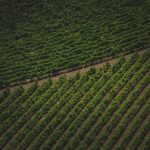
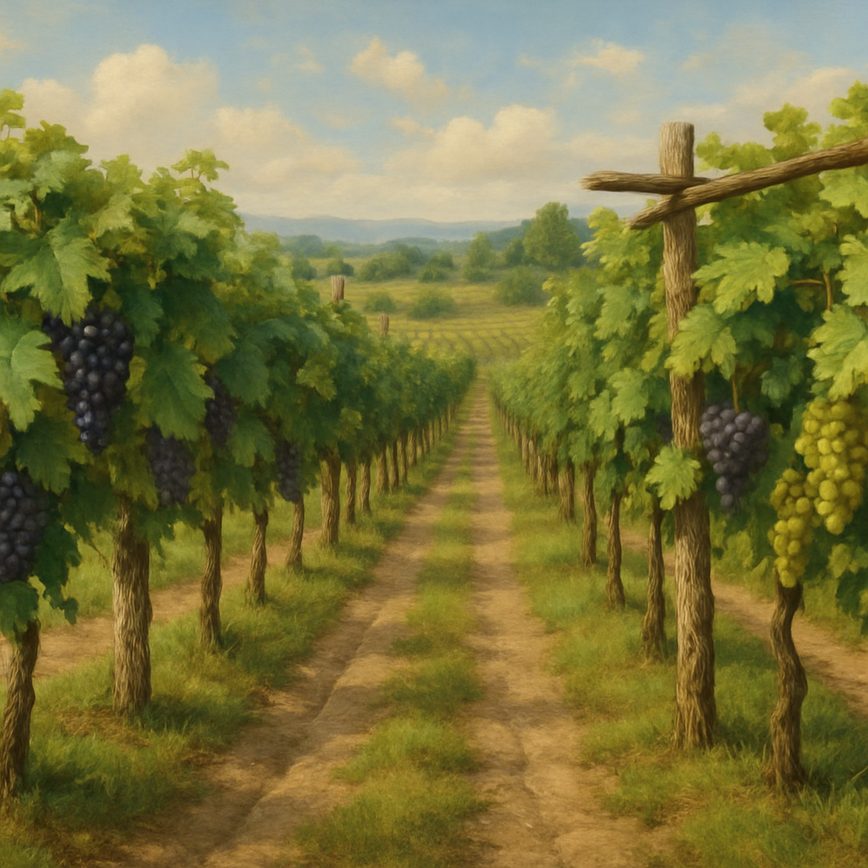
Louisiana vineyards offer a fascinating glimpse into a unique grape growing landscape shaped by the state’s distinctive climate and soil conditions. Unlike the well-known wine regions in California or France, Louisiana vineyards thrive in a subtropical environment characterized by high humidity, abundant rainfall, and warm temperatures. These factors create a set of challenges and opportunities that define grape growing Louisiana as a special agricultural pursuit.
The climate in Louisiana demands careful selection of grape varieties that are resilient to heat, humidity, and fungal diseases. Native and hybrid grapes, such as Muscadine and Blanc du Bois, have proven particularly well-suited for this environment. These varieties not only tolerate the local weather extremes but also produce flavorful and robust wines. Louisiana vineyards often incorporate innovative viticultural techniques to manage moisture levels and protect vines from pests and diseases, ensuring a healthy crop throughout the growing season.
Soil conditions throughout Louisiana also play a crucial role in shaping the vineyard experience. The state’s terroir typically consists of sandy loam and clay soils rich in organic matter, providing good drainage while retaining essential nutrients. This balance supports vine health and grape maturity, contributing to the complexity and character of wines grown in the region. Many vineyard owners take pride in the diversity of their soil profiles, which vary from location to location and impart unique qualities to their local wine production.
Beyond the natural conditions, Louisiana vineyards embody a vibrant cultural heritage and community spirit. Local wine production is often highlighted by family-run wineries that blend tradition with modern techniques, fostering a close connection between growers, winemakers, and consumers. Seasonal events and wine festivals celebrate this thriving industry, inviting visitors to explore the distinct flavors of Louisiana’s terroir. Together, these elements create a dynamic and evolving vineyard culture that stands apart in the American wine landscape.
Climate and Soil Conditions
Louisiana’s humid subtropical climate plays a significant role in vineyard management and grape growing conditions. The hot, humid summers and mild winters create a long growing season but also present challenges such as high humidity, which can increase the risk of fungal diseases. Vineyard managers must carefully monitor vineyard health and often implement rigorous canopy management and disease control practices to ensure the vines stay healthy.
The soil types in Louisiana are diverse, ranging from sandy loam to clay-heavy soils. These soil types impact the drainage and nutrient availability critical for grapevine growth. Sandy soils offer good drainage but may require supplemental irrigation, while clay soils retain moisture but can cause root stress if saturated for extended periods. Vineyard management must adapt to these conditions by choosing appropriate rootstocks and amending soils to optimize grape growing conditions.
Understanding the interplay between Louisiana climate and soil types is essential for successful vineyard operation. The unique environment demands a tailored approach to viticulture, balancing the benefits of the long growing season with the challenges posed by humidity and soil variability. By adapting vineyard practices to these conditions, growers can enhance grape quality and ensure sustainable production in Louisiana’s distinctive terroir.
Popular Grape Varieties in Louisiana
Louisiana vineyards are known for growing a unique selection of grape varieties that thrive in the region’s humid and subtropical climate. Among the most common grape varieties in Louisiana are both native grapes and hybrid grapes specifically developed to resist the challenges posed by the local environment.
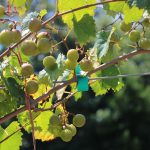
One of the prominent native grapes to Louisiana is the Muscadine grape, which is well-adapted to the warm, humid conditions and resistant to many diseases. Muscadine grapes have thick skins and are often used to produce sweet and blended wines rich in antioxidants. This native grape plays an important role in Louisiana viticulture.
In addition to native grapes, hybrid grapes Louisiana vintners often grow include varieties like Blanc du Bois, Norton, and Seyval Blanc. These hybrid grapes are the result of crossbreeding to improve disease resistance, climate adaptability, and enhance flavor profiles suitable for winemaking in the region. Blanc du Bois, for example, is well-loved for producing crisp white wines, whereas Norton is known for red wines with robust character.
Overall, the grape varieties Louisiana vineyards choose reflect a careful balance of tradition and innovation, leveraging native grapes and hybrid grapes Louisiana-specific challenges. This ensures a diverse range of high-quality wines that showcase the region’s distinctive terroir.
Seasonal Vineyard Activities in Louisiana
Vineyard activities in Louisiana are deeply influenced by the state’s unique climate and seasonal shifts. Understanding the seasonal grape care required helps vineyard managers optimize grape quality and yield throughout the year, adapting to Louisiana vineyard seasons’ specific challenges and opportunities.
In late winter and early spring, vineyard tasks focus on pruning and preparing the vines for the growing season. Pruning is critical to control vine growth and improve fruit quality. Workers carefully remove old wood to allow sunlight and air circulation to reach the developing buds. Additionally, the vineyard is inspected and repaired to ensure trellises and irrigation systems are ready to support the vines. Winter frost damage assessment may be necessary, and proactive fungicide treatments help minimize disease risks as warm and humid conditions approach.
Spring is a period of vigorous growth, when shoots and leaves rapidly develop. Seasonal grape care shifts to canopy management, which includes shoot positioning and leaf thinning to optimize airflow and sunlight exposure. Louisiana’s warm and moist environment requires vigilant monitoring and treatment for diseases such as powdery mildew and downy mildew. Vineyard teams routinely apply protective sprays to safeguard the developing grape clusters, ensuring healthy growth before flowering and fruit set.
Summer demands consistent vineyard maintenance, focusing on irrigation management to meet the vines’ water needs without encouraging excessive vegetative growth. Vineyard activities also include ensuring proper nutrient balance through soil tests and fertilization when needed. Seasonally intense pest control efforts target insects that thrive in Louisiana’s humid summers. Harvest preparations begin as grapes reach veraison—the point when they start to change color and accumulate sugars.
During harvest, which typically occurs from late summer into early fall, timely picking is crucial to capture peak grape ripeness and flavor profile. Vineyard crews coordinate to pick grapes at their optimal sugar and acidity balance, influenced by Louisiana’s warm climate. Post-harvest vineyard activities involve leaf removal around clusters to reduce disease pressure and applying protective treatments before the vines enter dormancy. Overall, understanding and executing vineyard activities tailored to Louisiana vineyard seasons ensures sustainable grape production and high-quality wines year after year.
Spring: Budding and Early Growth
Spring marks a crucial period for Louisiana vineyards as they prepare for a new growing season. The process begins with thorough vineyard preparation, which involves clearing any debris left from winter and ensuring the soil is in optimal condition to support vigorous growth. During this time, vineyard managers focus on soil aeration and may apply organic fertilizers to boost nutrient availability, essential for healthy grapevine development.
Pruning is a key vineyard task in spring, essential for shaping the vines and promoting better fruit production. In Louisiana’s humid climate, careful pruning helps improve air circulation and sunlight exposure within the vine canopy, reducing the risk of fungal diseases common to the region. Growers selectively remove old and unproductive wood, encouraging the growth of strong new shoots that will bear fruit later in the season.
Grape budding follows pruning as temperatures rise and the vines begin their growth cycle. Buds swell and eventually burst, signaling the start of new shoots and leaves. This budding process is particularly dynamic in Louisiana, where the warm spring weather accelerates early growth. Vineyard workers monitor budding closely to protect the young shoots from late frosts or damage caused by sudden weather changes. Proper care during this stage sets the foundation for a healthy, fruitful vineyard season.
Summer: Growth and Maintenance
During the hot Louisiana summer, summer vineyard care is essential to ensure healthy grapevine growth and a successful harvest. One of the most critical aspects of vineyard maintenance in this season is proper irrigation. Due to high temperatures and humidity, vines require consistent moisture to prevent stress and support robust growth. Drip irrigation systems are particularly effective, delivering water directly to the roots while conserving resources.
Pest control is another vital component of summer vineyard care. The warm climate fosters a variety of pests and diseases that can damage grapevines if left unchecked. Regular scouting and the application of organic or chemical treatments as needed help keep pests at bay. Integrated pest management practices, such as encouraging beneficial insects and maintaining vineyard hygiene, also contribute to a healthier vineyard ecosystem.
Canopy management during this period involves strategic pruning and leaf thinning to ensure optimal sunlight exposure and air circulation. This reduces the risk of fungal diseases, which thrive in humid conditions, and aids in the ripening process of the grapes. Proper canopy management improves fruit quality by balancing shade and sun, and by allowing sprays for pest control to penetrate the vineyard more effectively.
By focusing on these key areas—irrigation, pest control, and canopy management—growers can navigate the challenges of Louisiana’s summer climate and promote vigorous grapevine growth, ensuring a fruitful vineyard season.
Fall and Winter: Harvest and Dormancy
The fall grape harvest is a pivotal moment in the Louisiana vineyard calendar, marking the culmination of a year’s worth of growth and nurturing. This season is significant not only for the quality and quantity of grapes picked but also for ensuring the future success of the vineyard. Harvesting methods in Louisiana typically involve careful handpicking to protect the delicate grapes from damage, preserving their flavor and integrity. Skilled workers select grape clusters at peak ripeness, balancing sugar levels and acidity to achieve the desired wine profile.
As the vibrant colors of fall fade, the vineyard enters a period of dormancy during winter. Vineyard dormancy is essential for the vines to rest and conserve energy for the next growing season. During this phase, the vineyard undergoes critical care practices such as pruning, soil management, and protection against cold weather. Winter vineyard care also involves monitoring for pests and diseases that could threaten the health of the dormant vines. This downtime allows the root systems to strengthen, setting the stage for a robust resurgence in spring.
In summary, fall is a time of diligent grape harvesting, a celebration of the season’s yield, while winter focuses on vineyard dormancy and essential care. Together, these seasons form the backbone of successful viticulture in Louisiana, ensuring that each cycle of growth begins with healthy, well-maintained vines.
Experiencing Louisiana Vineyards Year-Round
Louisiana wine tours offer a unique opportunity to explore the state’s vineyards throughout the entire year, each season bringing its own charm and distinct experiences. Whether you’re a seasoned wine enthusiast or just discovering the charm of Louisiana’s burgeoning wine country, there is always something special happening in the vineyards and tasting rooms.
Spring is a season of renewal in Louisiana vineyards. As the vines begin to bloom, many vineyards host special events such as garden tours and early-season tastings, providing visitors with a firsthand glimpse of the vineyard awakening after winter. This is a great time to enjoy mild temperatures and participate in vineyard events in Louisiana that often include live music, local food pairings, and educational tours highlighting the winemaking process from bud break to harvest.
Summer invites visitors to experience vineyard tastings under the warm southern sun. Several vineyards arrange twilight or evening tastings that are perfect for escaping the daytime heat. During this season, you can immerse yourself in seasonal vineyard experiences such as grape-stomping festivals and outdoor concerts that vividly celebrate Louisiana’s culture and wine heritage. The long days also allow for extended tours through the picturesque rows of vines, making it one of the most popular times for Louisiana wine tours.
When fall arrives, the vineyards transform into a stunning canvas of autumnal colors, signaling the grape harvest season. This is arguably the most thrilling time to visit for a hands-on experience. Many vineyards organize harvest celebrations where visitors can watch or join in grape picking, crush grapes, and enjoy fresh-pressed juice tastings. Seasonal vineyard experiences often include cooking classes using local ingredients and wine pairing dinners, making it a festive occasion to appreciate the fruits of labor and the unique flavors of Louisiana wines.
Winter in Louisiana vineyards brings a quieter, intimate atmosphere perfect for cozy wine tastings and learning about wine aging and production. Some vineyards host intimate holiday events and wine club gatherings during this season, giving visitors a chance to taste limited edition wines and purchase unique vintages. Despite the cooler weather, the warmth of Louisiana hospitality shines through, offering memorable vineyard events in Louisiana for those who seek a peaceful yet rich wine country experience.
Regardless of the season, Louisiana wine tours provide rich, varied opportunities to engage with local winemakers, savor award-winning wines, and enjoy the natural beauty of the region. Planning visits around the seasonal vineyard experiences ensures that every trip is filled with discovery and delight, making Louisiana’s vineyards a year-round destination for wine lovers.
Spring and Summer Vineyard Visits
Spring and summer are vibrant seasons for visiting Louisiana vineyards, offering a variety of exciting activities and events that highlight the region’s rich wine culture. During the spring, many vineyards host special spring vineyard events that celebrate the blossoming vines and the renewal of the growing season. These events often include guided tours where visitors can learn about the cultivation process, enjoy live music, and sample fresh local produce alongside exquisite wines.
As the weather warms up, summer becomes a perfect time for wine lovers to indulge in summer wine tasting experiences at Louisiana winery tours. These tours provide an immersive opportunity to explore the vineyards, meet the winemakers, and savor a diverse range of wines crafted from locally grown grapes. Many vineyards organize summer tasting sessions outdoors, allowing guests to relax in scenic settings while enjoying chilled white wines, rosés, and light reds that pair wonderfully with the season’s flavors.
In addition to tastings and tours, summer often features special events such as wine and food pairing dinners, outdoor concerts, and harvest previews. These gatherings create memorable experiences for visitors and highlight the unique characteristics of Louisiana wines. Whether attending a lively spring festival or a relaxing summer tasting, vineyard visits in Louisiana during these months are perfect for both novices and connoisseurs looking to connect with the local wine scene.
Fall Harvest Festivals and Wine Tastings
As the vibrant colors of fall sweep across Louisiana, vineyards come alive with a festive spirit, inviting visitors to immerse themselves in the season’s bounty through exciting fall harvest festivals. These events are a feast for the senses, combining the beauty of the autumn landscape with the rich flavors of locally produced wines. Throughout the season, many vineyards host special fall vineyard events that celebrate the harvest and showcase the best of Louisiana winemaking.
Fall harvest festivals in Louisiana are more than just a celebration; they offer a chance to experience the community and tradition behind each bottle. Visitors can stroll through vineyards adorned with golden leaves, enjoy live music, and sample an array of wines during dedicated wine tasting Louisiana sessions. These tastings often include exclusive releases and seasonal varieties that highlight the unique terroir of the region, making them a must-visit for wine enthusiasts and casual sippers alike.
Whether you’re interested in learning about the winemaking process or simply enjoying a glass amidst the scenic backdrop, fall vineyard events in Louisiana provide an unforgettable experience. From grape stomps and artisan food pairings to guided tours and craft vendors, each festival is designed to celebrate the harvest and bring people together. These lively gatherings capture the essence of fall and the warm hospitality Louisiana vineyards are known for.

Winemaker with 12 years in the cellar. I write about fermentation, terroir, and the honest mistakes that taught me more than any textbook. I’ve ruined more barrels than most people have tasted. That’s not a disclaimer — that’s a résumé. Twelve years making wine in France, now making sense of it in words.