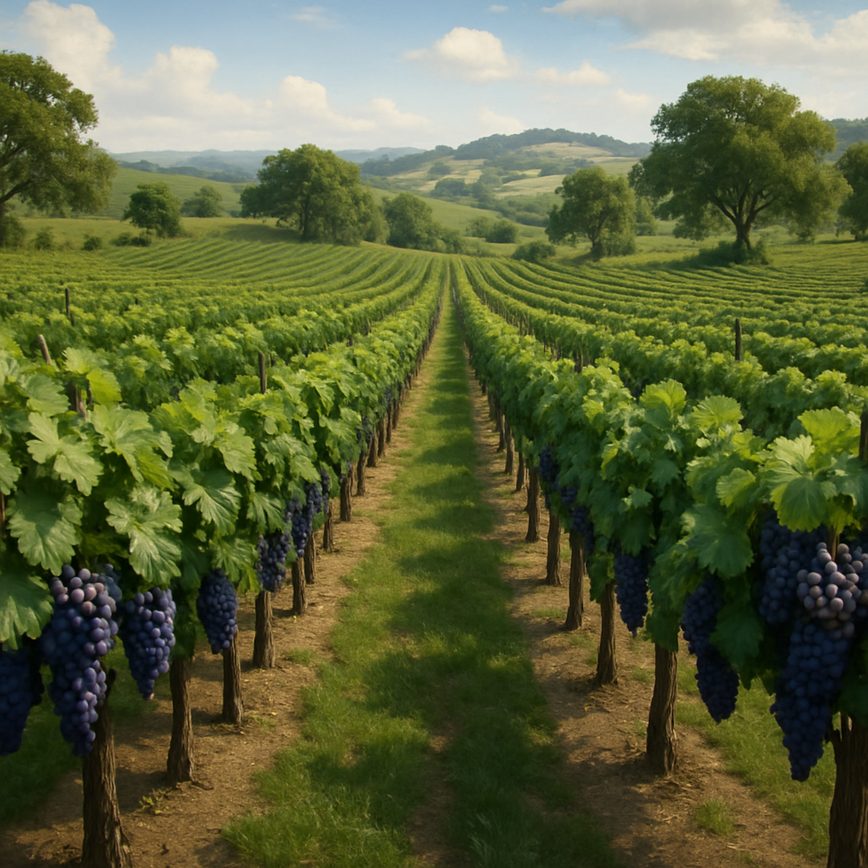
Overview of Louisiana Vineyards
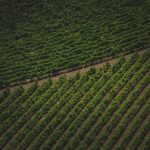
Louisiana vineyards offer a unique and intriguing destination for wine enthusiasts seeking to explore the diverse world of viticulture in a region not typically known for its wine production. The vineyard overview of Louisiana reveals a landscape where tradition meets innovation, shaped by a climate that is both challenging and rewarding for grape growing. Unlike the classic wine regions known for their temperate weather, Louisiana vineyards thrive in a subtropical environment characterized by hot, humid summers and mild winters. This distinct climate plays a crucial role in influencing the types of grapes cultivated and the methods employed in vineyard management.
The Louisiana vineyards benefit from abundant rainfall and long growing seasons, providing ideal conditions for hybrid grape varieties that are resistant to the region’s common pests and diseases. These vineyards often emphasize native and hybrid grapes such as Muscadine, Blanc du Bois, and other American varieties, which have adapted well to the hot and humid climate. The choice of these resilient grape types is essential to the success of Louisiana wine, as they produce wines with unique flavors reflecting the terroir of the South.
Moreover, the soil composition in Louisiana, predominantly sandy and loamy soils with good drainage, further supports healthy vine growth. Vineyard owners in Louisiana have creatively adapted their vineyard practices to combat the challenges posed by humidity and frequent storms, including strategic planting, canopy management, and sustainable farming techniques. These efforts contribute to the production of quality Louisiana wine that offers a distinctive taste experience quite unlike any other.
Exploring Louisiana vineyards is not only a journey into the flavors of the wine but also an immersion into the rich cultural heritage and hospitality the state is known for. From boutique family-owned vineyards to larger commercial operations, the vineyard overview of Louisiana showcases a burgeoning wine industry that celebrates regional character and environmental harmony. Whether you are a seasoned wine lover or a curious newcomer, the wines crafted in Louisiana vineyards promise an authentic and flavorful adventure rooted deeply in the South’s unique landscape.
History of Wine Making in Louisiana
The Louisiana wine history is a fascinating journey that reflects the unique climate and culture of the region. Wine making origins in Louisiana trace back to the early French settlers who introduced viticulture to the area in the 18th century. These pioneers sought to cultivate European grape varieties but soon realized the need to adapt to the humid and subtropical environment.
Local vineyard history is distinguished by innovation and resilience. Early vineyards had to contend with challenges such as disease, insects, and weather conditions, prompting vintners to experiment with native grape varietals like Muscadine and Scuppernong. This experimentation was crucial in establishing a sustainable wine industry in Louisiana, blending European techniques with local agricultural practices.
Over the decades, wine making in Louisiana evolved significantly, gaining momentum particularly in the late 20th century with the establishment of commercial vineyards and wineries. These vineyards contributed to the region’s economic growth and tourism, offering wine enthusiasts a taste of Louisiana’s rich heritage. Today, Louisiana’s wine industry proudly showcases a blend of tradition and innovation, celebrating its deep-rooted local vineyard history and continuous growth.
Types of Grapes Grown in Louisiana
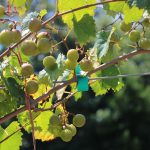
Louisiana grape varieties have adapted well to the region’s unique climate, where humidity and warmth present challenges for viticulture. Local grapes grown in Louisiana vineyards include several hardy and disease-resistant types that thrive despite these conditions. One of the most common grape types is the Muscadine grape, renowned for its thick skin and resistance to fungal diseases, making it ideal for Louisiana’s humid environment. Muscadine grapes produce sweet, flavorful wines popular in the region.
Another widely planted variety is the Blanc Du Bois, a hybrid grape developed specifically for warm, humid climates like Louisiana’s. Blanc Du Bois is known for its versatility in wine production, yielding crisp and aromatic white wines. Similarly, the Norton grape stands out among local grapes due to its robust flavor profile and resilience against the state’s prevalent vine diseases. Norton grapes are frequently used to create bold red wines that embody the spirit of Louisiana viticulture.
Additionally, Louisiana vineyards often cultivate hybrids such as Viognier and Chambourcin, which balance grape quality with adaptability to the challenging climate. These grape types contribute to the diverse wine offerings in the region, showcasing the adaptability of Louisiana grape varieties. Overall, the selection of grape types in Louisiana vineyards speaks to the growers’ expertise and the unique environmental conditions, ensuring successful cultivation and rich wine production year after year.
Planning Your Visit to a Louisiana Vineyard
When planning your vineyard visit to a Louisiana vineyard, preparation is key to making the most of your experience. Start by researching the vineyards in Louisiana that offer tours and wine tasting sessions. Many vineyards provide guided Louisiana vineyard tours that allow you to learn about the grape varieties grown, the winemaking process, and the unique terroir of the region.
Scheduling ahead is highly recommended, especially during peak seasons. Most Louisiana vineyards require reservations for tours and tasting sessions to ensure personalized attention and a smooth visit. Check the vineyard’s website or contact them directly to understand their policies and available time slots. Planning your visit also allows you to inquire about any special events or seasonal activities that might be happening during your trip.
The best times to visit a Louisiana vineyard generally fall in the spring and fall months when the weather is mild, and the vineyards are at their most picturesque. Springtime offers blossoming vines and cool temperatures, perfect for outdoor tours. Fall is harvest season, providing a unique opportunity to witness the grape-picking process and enjoy fresh grape juices and newly produced wines during tasting sessions.
Wine tasting tips can enhance your vineyard visit planning. Approach tastings with an open mind and take the time to savor each variety. Start with lighter white wines before progressing to reds, and don’t hesitate to ask questions about the flavors, aromas, and winemaking techniques. Make sure to pace yourself and stay hydrated by drinking water between tastings.
Additionally, consider transportation options when planning your vineyard visit. Some vineyards offer shuttle services or are located near accommodations, making it convenient to enjoy wine tastings without concerns about driving. Bringing along a designated driver or joining a wine tour group can also enhance your safety and comfort during the visit.
By planning your visit carefully, from scheduling tours to maximizing your tasting experience, you can fully appreciate the charm and flavor of Louisiana’s unique vineyards. Happy vineyard visit planning!
Best Time to Visit Louisiana Vineyards
When planning your vineyard trip in Louisiana, choosing the best visiting time can greatly enhance your experience. Louisiana’s climate is characterized by hot, humid summers and mild winters, which means the seasonal vineyard visits offer different charms throughout the year.
Spring, from March to May, is an ideal season to explore the vineyards. The weather is warm but not overly hot, and the landscape bursts with vibrant blooms, creating a picturesque backdrop. This period is perfect for those who enjoy pleasant temperatures and want to witness the early stages of grape growth.
Fall, especially October and November, is another optimal time. It’s the peak of harvest season when the vineyards are bustling with activity. The cooler temperatures and crisp air make for comfortable vineyard tours, tastings, and events. Plus, the golden hues of autumn foliage add a magical touch to your visit.
Summer visits are possible but come with Louisiana’s signature humidity and frequent afternoon thunderstorms, so it’s best to plan outdoor activities for the morning or late afternoon. Winters are generally mild but slower in vineyard activities, which might appeal to visitors seeking a quieter experience.
Overall, aligning your visit with the best visiting time and understanding seasonal vineyard visits can ensure you enjoy Louisiana’s wines alongside the beautiful local weather and landscape.
What to Expect During a Vineyard Tour
When visiting a Louisiana vineyard, vineyard tours offer an immersive experience that goes beyond just sampling wine. Typically, these tours begin with a guided walk through the vineyard grounds, where visitors can learn about the grape varieties cultivated and the unique terroir that shapes the wine’s character. This educational aspect sets the stage for understanding how Louisiana’s climate and soil impact viticulture.
As the tour progresses, guests often have the opportunity to explore the winemaking facilities. Here, they gain insight into the production process, from harvesting to fermentation and aging. This behind-the-scenes look helps demystify the complexities of winemaking and showcases the careful craftsmanship involved in each bottle.
The highlight of most vineyard tours is the wine tasting experience. Visitors can expect to sample a selection of wines that showcase the vineyard’s range and style. Knowledgeable staff guide attendees through tasting notes, highlighting flavor profiles and pairing suggestions. This interactive component allows visitors to refine their palate and appreciate the nuances of the wines produced.
Throughout the visit, tour expectations emphasize a relaxed and engaging atmosphere where guests can ask questions and enjoy the scenic beauty of the vineyard. Whether you’re a wine novice or enthusiast, Louisiana vineyard tours provide a comprehensive and enjoyable way to connect with local wine culture and savor its distinctive offerings.
Exploring Louisiana Vineyard Wines and Culture
Louisiana wines offer a unique and diverse tasting experience shaped by the state’s subtropical climate and rich soil. The wine styles produced in Louisiana are as varied as the landscapes, ranging from crisp, refreshing whites to deep, boldly flavored reds. Muscadine and Scuppernong grapes, native to the southeastern United States, are popular bases for many local vintages, prized for their natural sweetness and aromatic qualities. Beyond these, vineyards in Louisiana also cultivate traditional European varietals such as Chardonnay and Cabernet Sauvignon, adapting them to thrive in the distinct local terroir.
The local wine culture in Louisiana is deeply intertwined with the state’s history and community spirit. Vineyards serve not just as centers for grape growing and wine production but also as communal gathering spaces where traditions are celebrated and new memories are made. Wine tasting events are a cornerstone of this culture, offering locals and visitors alike a chance to explore and appreciate the breadth of Louisiana wines while enjoying live music, regional cuisine, and hospitality that reflect the state’s vibrant cultural tapestry.
Many Louisiana vineyards emphasize sustainable and organic farming practices, enhancing both the environmental health of their lands and the quality of their wines. The commitment to craftsmanship and innovation is evident in the creative blends and experimental techniques adopted by winemakers eager to showcase the potential of Louisiana as a serious wine-producing region. This dedication not only enriches the wine tasting experience but also reinforces the cultural significance of vineyards as places of heritage, art, and connection.
Visiting a Louisiana vineyard offers more than just sampling wines; it is an immersion into the local way of life where every bottle tells a story of place, passion, and perseverance. Whether a wine connoisseur or a casual taster, delving into the world of Louisiana wines and their cultural contexts provides a meaningful and enjoyable exploration of the state’s unique contributions to the American wine landscape.
Popular Wine Varietals from Louisiana Vineyards
Louisiana wines offer a unique and exciting array of wine varietals that reflect the state’s distinctive terroir and climate. Among the local wine types, muscadine grapes stand out as a particularly popular choice. Known for their resilience in the humid southern environment, muscadine grapes produce sweet and fruity wines that are both refreshing and distinctive, often showcasing notes of berries and floral aromas.
Another notable varietal found in Louisiana vineyards is Blanc Du Bois, a white grape that thrives in the warm climate. Wines from Blanc Du Bois are praised for their crisp acidity and tropical fruit flavors, making them excellent for summer sipping. This varietal represents a great example of how Louisiana vintners adapt to local conditions to craft wines with vibrant and appealing profiles.
In addition to these, hybrids like Niagara and Seyval Blanc are also cultivated frequently, producing wines that balance sweetness with bright acidity. These varietals contribute to the growing reputation of Louisiana wines as flavorful and diverse. Whether you prefer bold reds, light whites, or something in between, Louisiana’s vineyards are gaining recognition for their innovative approach to traditional and local wine varietals.
Exploring these local wine types offers visitors a chance to taste the true character of Louisiana’s viticulture, making a visit to its vineyards an enriching and memorable experience for wine lovers.
Cultural Events and Festivals at Vineyards
Louisiana vineyards are vibrant hubs of culture and celebration, hosting a variety of vineyard festivals and wine events throughout the year. These gatherings provide an immersive experience into the local wine culture, blending the art of winemaking with music, food, and community spirit. Visitors can look forward to seasonal celebrations that highlight not only the wines but also the rich traditions of the region.
One of the most anticipated vineyard festivals features grape stomping, live jazz performances, and farm-to-table cuisine that perfectly complements the local wines. These events showcase the unique Louisiana wine heritage and offer tours and tastings that educate visitors on the intricacies of wine production in this distinctive climate.
Wine events in Louisiana often coincide with harvest time, celebrating the culmination of months of careful cultivation. Such festivals create opportunities for locals and tourists alike to enjoy wine-paired food festivals, vineyard art shows, and cultural workshops. This blend of entertainment and education ensures that every visit deepens appreciation for the local wine culture.
From lively fall harvest fairs to intimate tasting evenings, Louisiana vineyards invite guests to partake in their yearly traditions. These festivals are not just about wine—they are a celebration of community, culture, and the natural beauty that defines Louisiana’s growing wine scene.

Winemaker with 12 years in the cellar. I write about fermentation, terroir, and the honest mistakes that taught me more than any textbook. I’ve ruined more barrels than most people have tasted. That’s not a disclaimer — that’s a résumé. Twelve years making wine in France, now making sense of it in words.