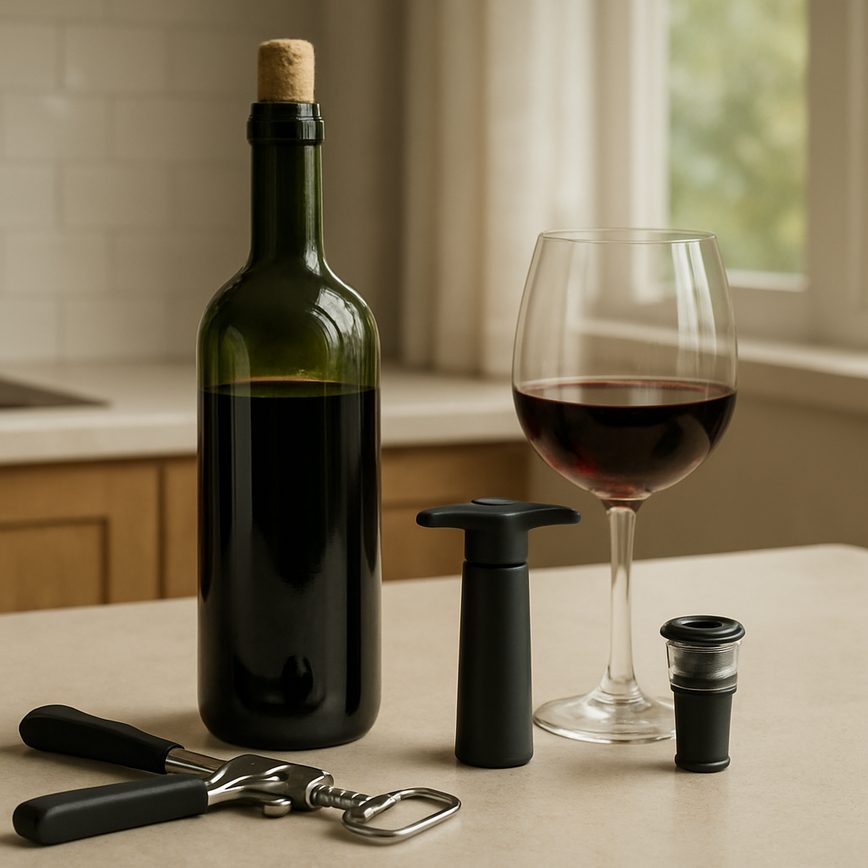
Understanding Wine Preservation Basics
Preserving wine after opening is crucial to maintaining its quality, flavor, and overall enjoyment. Once a wine bottle is opened, it is exposed to air, which starts a chemical process called oxidation. Oxidation can significantly alter the taste and aroma of the wine, often leading to spoilage. Understanding the basics of wine preservation helps wine enthusiasts prolong the life of their wine and experience it as the winemaker intended.
Wine preservation revolves around minimizing exposure to oxygen. When wine interacts with air, oxidation begins, which can cause the wine to lose its fresh and vibrant characteristics. This process can result in flat, dull flavors and an unpleasant vinegar-like smell. While some wine aficionados appreciate the subtle changes that develop during short-term exposure, extended oxidation typically ruins the wine’s profile.
Proper wine storage is an essential aspect of preservation. After opening, wine should be stored in a cool, dark place away from heat sources and direct sunlight. Temperature fluctuations can accelerate oxidation and spoilage, so keeping the wine at a consistent temperature around 50-60°F (10-15°C) is ideal. In addition, storing wine bottles upright reduces the surface area exposed to air inside the bottle.
Various methods and tools exist to help limit oxidation and extend the life of opened wine bottles. Vacuum pumps can remove air from the bottle, and inert gas sprays replace oxygen with gases like nitrogen or argon that do not react with the wine. These techniques slow down the oxidation process and preserve the wine’s flavors for days or even weeks after opening.
In summary, wine preservation is essential to preventing spoilage caused by oxidation. Proper wine storage conditions and the use of preservation tools allow wine lovers to savor their bottles over time without sacrificing quality. Understanding these basics ensures your wine remains enjoyable long after the cork is pulled, making every sip a delightful experience.
Why Wine Goes Bad After Opening
When a bottle of wine is opened, it is suddenly exposed to oxygen, which triggers a chemical process known as wine oxidation. Oxidation occurs when the compounds in the wine, such as ethanol and phenolic compounds, react with oxygen in the air. This interaction causes changes in the wine’s molecular structure, directly affecting its flavor and aroma.
Initially, a small amount of oxidation can enhance the bouquet and complexity of the wine, often referred to as “letting the wine breathe.” However, prolonged exposure to oxygen leads to wine spoilage. Oxygen actively breaks down the delicate esters and acids responsible for the wine’s fresh and fruity notes. As a result, the wine may develop off-flavors reminiscent of vinegar, nuts, or bruised fruit, and its aroma can become dull and flat.
The opened wine shelf life is largely determined by how quickly oxidation progresses. Red wines generally have a longer shelf life after opening compared to whites, largely due to their higher tannin content, which acts as a natural antioxidant. Nevertheless, regardless of wine type, minimizing oxygen contact through proper storage techniques can significantly slow down the oxidation process and extend the enjoyment of your wine.
Factors Influencing Wine Shelf Life
Several external factors significantly impact the shelf life of opened wine, primarily temperature effects, air exposure, and light impact. Temperature plays a crucial role in maintaining wine quality; extremes in temperature can accelerate chemical reactions that degrade the wine’s flavor and aroma. Consistently warm temperatures can cause wine to spoil faster, while cooler, stable temperatures help preserve it longer.
Air exposure is another critical factor that shortens the lifespan of an opened bottle. When wine is exposed to oxygen, oxidation begins, altering its taste, color, and overall character. While some wine styles may benefit from brief aeration, prolonged exposure to air results in the wine becoming flat and losing its desirable qualities. Proper sealing and minimizing the air inside the bottle can significantly slow down this process.
Light impact, especially from direct sunlight or strong artificial lights, can also negatively affect opened wine. Ultraviolet (UV) rays break down the complex compounds in wine, leading to unpleasant flavors and accelerated spoilage. This is why wine bottles are typically made from dark glass—to protect against harmful light. After opening, storing wine in a dark place or inside a wine refrigerator can help maintain its integrity for a longer period.
Effective Wine Preservation Techniques
Proper wine preservation methods are essential to enjoy the full flavor and aroma of an opened bottle. Once a wine bottle is opened, exposure to oxygen begins to alter its taste and quality. However, several proven techniques can significantly extend the life of your wine, allowing you to savor it over multiple days. Among the top methods are the use of vacuum pumps, wine stoppers, and refrigeration, each with its own best practices to help maintain wine freshness.
Vacuum pumps are a popular choice for wine lovers who want to slow oxidation. These devices work by extracting air from the opened bottle before sealing it with a specially designed stopper. By reducing the amount of oxygen in contact with the wine, vacuum pumps help preserve the wine’s original aroma and taste for several days longer than if the bottle were simply recorked. When using a vacuum pump, it is important to pump until resistance is felt to ensure maximum air removal, but avoid over-pumping to prevent damaging the bottle or wine.
Wine stoppers come in various forms, such as silicone or rubber caps, and are an easy and effective way to re-seal a bottle after serving. Unlike the original cork or screw cap, these stoppers create a tighter seal to limit air exposure. Some stoppers feature a built-in valve to help retain freshness by allowing limited air flow. For best results, choose stoppers that fit securely and match the bottle’s opening size. This simple tool can help maintain the integrity of the wine for 1 to 3 days depending on the wine type.
Refrigeration is another key element in wine preservation methods, especially for white, rosé, and sparkling wines. Keeping an opened bottle chilled slows down chemical reactions that cause wine to spoil. Even red wines benefit from a brief refrigeration period after opening, although it’s advisable to bring them back to the ideal serving temperature before enjoying. When storing wine in the refrigerator, place it upright to minimize the surface area exposed to oxygen.
Besides these tools, some additional best practices include minimizing the wine’s exposure to light and temperature fluctuations. Using smaller bottles to transfer leftover wine can also reduce oxygen contact. Aim to consume opened wine within 3 to 5 days for optimal taste, and always store bottles in a cool, dark place if a refrigerator is not available. By combining vacuum pumps, quality wine stoppers, and proper refrigeration, you can effectively extend the life of your opened wine and enjoy its flavors fully with every pour.
Using Vacuum Pumps and Wine Stoppers
Vacuum pumps and specialized wine stoppers are popular air removal techniques designed to reduce oxidation and keep wine fresh for longer periods. When a bottle of wine is opened, exposure to oxygen begins a natural oxidation process that can alter the flavor, aroma, and color of the wine, often leading to spoilage. By using a vacuum pump, you can effectively remove the excess air from the bottle, creating a low-oxygen environment that slows down this degradation.
The process involves placing the stopper on the wine bottle and using the pump to extract air, which minimizes oxygen contact with the wine’s surface. This reduction in air exposure is crucial because oxygen is the main culprit behind wine spoilage after opening. Specialized wine stoppers are engineered to seal tightly, ensuring that no air can re-enter the bottle once it has been vacuum-sealed. Together, these tools form an efficient barrier against oxidation.
Using vacuum pumps combined with wine stoppers not only preserves the wine’s fresh taste and bouquet but also prolongs its drinkability for several days to weeks, depending on the type of wine. This makes them an excellent choice for wine enthusiasts who want to savor their favorite bottles over multiple occasions without sacrificing quality. Employing these air removal techniques is a practical and straightforward solution to maintain the wine’s original character well after the bottle has been opened.
Refrigeration and Temperature Control
Proper wine refrigeration plays a crucial role in preserving the quality of opened wine by slowing down the oxidation process. Oxidation occurs when wine is exposed to air, leading to deterioration in flavor and aroma. By lowering the temperature, refrigeration helps reduce the rate of chemical reactions that cause wine to spoil, extending its drinkable lifespan.
The ideal temperature for cool storage of opened wine is generally between 45°F and 55°F (7°C to 13°C). This range is cold enough to retard oxidation yet not so cold as to dampen the wine’s nuances or affect its delicate flavor profile. For white and rosé wines, refrigeration around 45°F is optimal for maintaining crispness and freshness, while red wines benefit from slightly warmer refrigeration closer to 55°F to preserve their richness and bouquet.
Using a dedicated wine refrigerator or the wine compartment of a standard refrigerator ensures consistent temperature control, which is essential for preventing fluctuations that can stress the wine. Ordinary fridge temperatures can sometimes be too cold, especially for reds, so specialized wine refrigeration units are preferred. Additionally, keeping the wine bottle sealed and stored upright during refrigeration minimizes surface area exposed to oxygen, further helping preserve the wine’s character.
In summary, wine refrigeration combined with ideal temperature control is an effective method for preserving opened wine. Maintaining cool storage at proper temperatures slows oxidation, helping you enjoy your wine at its best even days after opening.
Tips for Maximizing Opened Wine Freshness
Ensuring your opened wine stays fresh for as long as possible requires some simple yet effective daily handling and storage practices. By applying these best preservation tips, you can enjoy the wine’s full flavor and aroma, even days after opening.
First and foremost, minimize the wine’s exposure to oxygen. Once a bottle is opened, oxygen begins to interact with the wine, which can quickly degrade its quality. To slow this process, always reseal the bottle tightly with the original cork or a specially designed wine stopper. Vacuum pumps made for wine are an excellent tool for removing excess air and creating a near airtight environment.
Temperature control is another critical factor in maintaining wine freshness. Store your opened bottle in the refrigerator — even red wines benefit from cooler temperatures after opening. Avoid leaving the bottle out in a warm room or close to sunlight, which accelerates spoilage and deteriorates the wine’s delicate flavors.
Keep opened bottles upright rather than lying on their side. This practice limits the wine’s surface area exposed to air inside the bottle, further preserving its qualities. Additionally, avoid shaking or moving the opened bottle roughly, as agitation can speed up oxidation.
For wines that you don’t plan to finish within a few days, consider transferring the remaining wine into smaller containers. Using a smaller vessel reduces the air space and slows oxidation, helping maintain wine freshness over a longer period.
Finally, always consume opened wine within a reasonable timeframe. While preservation techniques can extend freshness, most wines are best enjoyed within three to five days after opening. By implementing these best preservation tips and caring attentively for your opened wine, you can savor every drop without worrying about quality loss.
Proper Bottle Storage Orientation
Storing wine bottles in an upright position after opening plays a crucial role in limiting oxidation and maintaining the wine’s freshness. When a wine bottle is placed upright, the surface area of the wine exposed to air inside the bottle is minimized. This reduced contact with oxygen slows down the chemical reactions that cause the wine to deteriorate, preserving its aroma, flavor, and quality for a longer period. Upright storage also helps prevent the cork from remaining in constant contact with the wine, which can sometimes lead to mold growth or cork degradation.
Choosing the correct bottle storage orientation is essential to keep the wine in optimal condition. Unlike storing bottles horizontally, which is ideal before opening to keep the cork moist, upright storage after opening prioritizes limiting air exposure. The wine bottle position in upright storage helps ensure that only a small area of wine touches the air, which is especially important for preserving delicate white wines or sparkling wines that are more sensitive to oxidation.
By adopting upright storage, you effectively reduce the risk of unwanted flavors developing and maintain the intended taste profile for a longer time. This simple change in bottle storage technique is a practical and effective way to enjoy your wine at its best, even after the bottle has been opened.
Avoiding Heat and Light Exposure
To extend the shelf life of your opened wine, it is crucial to avoid exposing it to direct sunlight and high temperatures. Light exposure can cause chemical reactions in the wine, leading to premature aging and deterioration of its delicate flavors. Ultraviolet rays from sunlight can break down compounds in the wine, resulting in a flat or “light-struck” taste. Therefore, storing opened wine in a cool, dark place is essential to preserve its quality.
Heat damage is another significant threat to opened wine. When wine is stored in a warm environment, its molecular structure can shift, causing undesirable changes in aroma and taste. Ideally, the wine storage environment should maintain a consistent temperature, preferably between 45°F to 65°F (7°C to 18°C), to prevent heat-related spoilage. Avoid placing opened bottles near heat sources such as ovens, radiators, or windows that receive direct sunlight during the day.
By carefully controlling the wine storage environment to minimize light exposure and heat damage, you can effectively slow down the oxidation process and keep your wine tasting fresh for longer. Use opaque or dark-colored wine protectors or wine fridges with UV-filtered glass for additional protection. These simple measures will significantly enhance your enjoyment of opened wine over several days or even weeks.
Consuming Opened Wine Within Recommended Timeframes
To ensure the best taste and quality, it is important to consume opened wine within specific timeframes based on the type of wine. The consumption timing for opened wine varies widely, as different wines have different lifespans once exposed to air.
Light white wines and rosés are best consumed within 3 to 5 days of opening. Their delicate flavors and aromas tend to fade quickly, so keeping them refrigerated and sealed tightly helps maintain their freshness during this short window. The opened wine lifespan for these types is relatively brief, so prompt consumption is key.
Full-bodied white wines like Chardonnay and Viognier can last a bit longer, around 5 to 7 days, when stored properly. Red wines, due to their higher tannin content and structure, generally have a slightly extended best before opened wine period, usually lasting 3 to 6 days. Lighter reds will be on the shorter end, while more robust reds may approach the longer side of this timeframe.
Fortified wines such as Port or Sherry offer a much longer opened wine lifespan, often lasting several weeks thanks to their higher alcohol content, which stabilizes the wine after opening. Overall, understanding and adhering to these recommended time limits will maximize your enjoyment of wine and ensure that you experience the best flavors possible after opening.

Winemaker with 12 years in the cellar. I write about fermentation, terroir, and the honest mistakes that taught me more than any textbook. I’ve ruined more barrels than most people have tasted. That’s not a disclaimer — that’s a résumé. Twelve years making wine in France, now making sense of it in words.