Understanding Wine Storage Basics
Proper wine storage is essential to maintaining the quality and character of your wine over time. The basics of wine storage encompass several critical factors that work together to preserve the wine’s flavor, aroma, and overall integrity. Understanding these fundamentals can help you avoid common pitfalls that degrade wine and ensure your collection ages gracefully.
Temperature control is at the heart of effective wine storage. Wines are sensitive to heat, and fluctuations in temperature can cause the wine to expand and contract, potentially leading to premature aging and spoilage. Ideally, wines should be stored at a consistent temperature between 45°F and 65°F (7°C to 18°C), with 55°F (13°C) often cited as the optimal point. This steady environment preserves wine’s delicate balance and prevents chemical reactions that alter its taste.
Humidity plays a crucial role in wine preservation. A relative humidity level of around 60-70% helps keep corks moist and swollen, preventing air from seeping into the bottle and oxidizing the wine. Too little humidity can dry out corks, leading to leakage or spoilage, while excessive moisture can encourage mold growth. Proper humidity control is a foundational aspect of the basics of wine storage that many beginners often overlook.
Light exposure is another factor that impacts wine quality. Ultraviolet (UV) rays from natural or artificial light can degrade and prematurely age wine by breaking down its delicate compounds. Storing wine in a dark place or using UV-resistant glass bottles can help shield your wine from harmful light effects. This is an important consideration in wine storage to maintain the purity of the wine’s flavors and aromas.
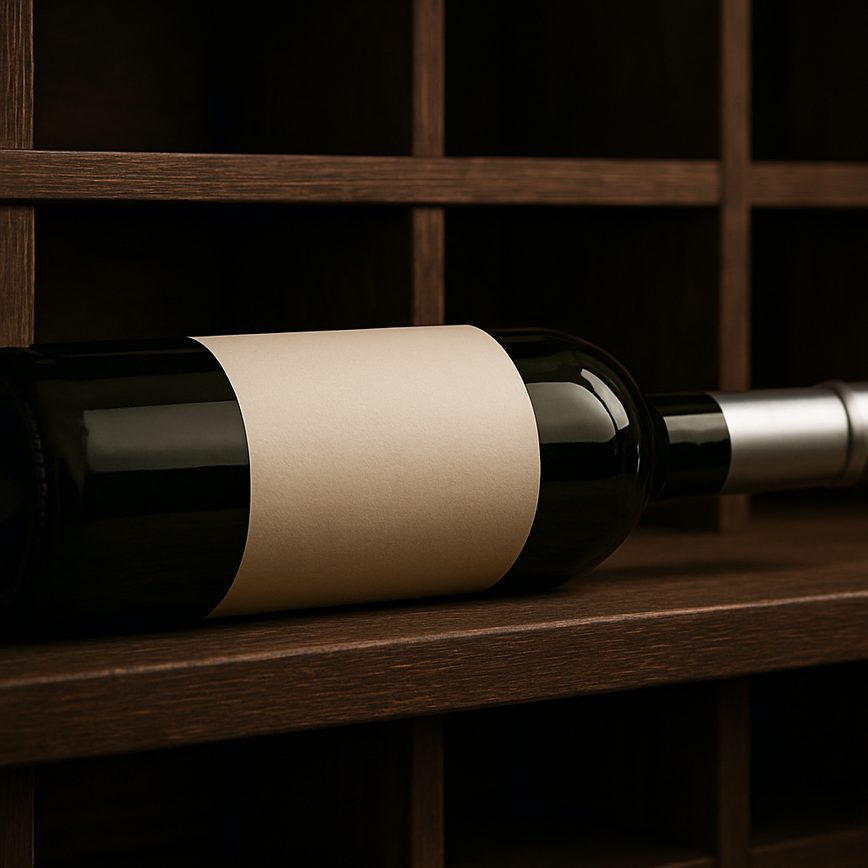
Lastly, the position of the bottle during storage matters. Wine bottles with corks should be stored horizontally to keep the cork in contact with the wine, preventing it from drying out and shrinking. This contact preserves an airtight seal, essential for wine preservation. Screw caps and other alternative closures may not require horizontal storage, but it remains a widely recommended practice for traditional corked bottles.
By mastering these basics of wine storage—temperature control, humidity management, light protection, and proper bottle positioning—you ensure that your wine remains in optimum condition. Proper storage not only preserves the wine’s current qualities but also allows it to mature gracefully, enriching your wine tasting experience over time. Whether you are a casual collector or a serious enthusiast, understanding wine storage fundamentals is key to protecting your investment and enjoying your wine at its best.
Ideal Temperature and Humidity Levels
Proper wine preservation conditions are crucial for maintaining wine quality, and controlling wine temperature and humidity is essential. The ideal temperature for storing most wines ranges between 45°F and 65°F (7°C to 18°C), with the optimal average being around 55°F (13°C). This range helps slow down the aging process without causing the wine to deteriorate prematurely. Red wines generally prefer temperatures on the higher end of this spectrum, while white wines and sparkling wines do best at cooler temperatures closer to 45°F.
Humidity control is equally important to prevent corks from drying out, which can compromise the seal and allow air to enter the bottle. The recommended humidity level for wine storage is typically between 60% and 70%. If humidity levels drop too low, corks may shrink and let oxygen in, accelerating spoilage. Conversely, excessively high humidity above 80% may encourage mold growth on labels and storage areas, so striking a balance is key.
Different types of wine might require slight adjustments within these ranges. For example, delicate white wines demand cooler, more stable wine temperature environments, while bold reds benefit from slightly warmer storage. Consistent humidity control protects the integrity of wine corks and supports the overall environment for maintaining optimal wine preservation conditions over time, ensuring every bottle remains in prime condition until opened.
Proper Bottle Positioning
When storing wine bottles, proper bottle positioning is crucial to preserving the quality and longevity of the wine. One of the key reasons for this is to maintain cork moisture, which is essential to prevent the cork from drying out. If the cork dries, it can shrink and allow air to seep into the bottle, leading to oxidation. Oxidation can spoil the wine, altering its flavor and aroma negatively.
The ideal wine bottle orientation is horizontal, allowing the wine to stay in contact with the cork. This constant moisture keeps the cork swollen and airtight, ensuring the wine remains protected from unwanted exposure to oxygen. Storing wine bottles upright for extended periods risks drying the cork and thus should be avoided unless the bottles have screw caps or synthetic corks designed for vertical storage.
In addition to preventing oxidation, correct bottle positioning also helps in organizing your wine collection efficiently and protecting the labels from unnecessary wear. Whether you’re storing a short-term collection or aging bottles for years, maintaining the correct wine bottle orientation is a simple yet effective practice to secure the wine’s integrity and enhance your enjoyment.
Wine Storage Environment and Equipment
When it comes to preserving the quality and flavor of your wine, choosing the right storage environment and equipment is essential. Two of the most popular options for wine storage are a wine cellar and a wine fridge, each offering distinct advantages and disadvantages depending on your needs and available space.
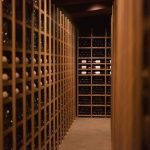
A wine cellar provides an ideal environment as it mimics the natural, cool, and dark conditions best suited for long-term wine storage. Typically built underground or in a cellar space, it maintains consistent temperature and humidity levels, which are crucial for preserving wine integrity. Additionally, wine cellars offer ample storage capacity, ideal for serious collectors. However, building or renovating a space to create a wine cellar can be costly and requires sufficient space. Temperature control systems and adequate ventilation are necessary investments to prevent variations that could spoil the wine.
By contrast, a wine fridge is a more accessible and affordable option for many wine enthusiasts. These appliances are designed specifically to store wine at optimal temperatures and can fit easily in kitchens, dining rooms, or apartments where space is limited. Wine fridges provide adjustable temperature settings, allowing for the storage of different wine types at their recommended temperatures. However, they typically have less storage capacity compared to wine cellars and may not maintain humidity levels as effectively, which can be a drawback for long-term storage.
Beyond the environment, selecting the right storage equipment is equally important. Racks, shelves, and holders facilitate proper horizontal storage, which keeps corks moist and prevents air from entering the bottle. Materials such as wood, metal, and plastic all offer different aesthetics and durability, so choosing one that fits your wine collection size and style is key. Equipment that supports ease of access and organization helps in managing your collection efficiently.
Ultimately, your choice of wine cellar, wine fridge, or other storage equipment should align with your budget, space, and wine consumption habits. While a wine cellar offers ideal conditions for aging and storing large collections, a wine fridge provides convenience and flexibility. Properly selected storage equipment enhances these environments by ensuring your wine remains in perfect condition, ready to be enjoyed at any moment.
Choosing Between a Wine Cellar and a Wine Fridge
When deciding on wine storage options for your home, understanding the differences between a wine cellar and a wine fridge is essential. A wine cellar offers a controlled environment that maintains consistent temperature and humidity levels, ideal for long-term wine aging. The natural insulation and often below-ground location help keep temperature fluctuations minimal, preserving the wine’s quality over years.
In comparison, a wine fridge provides a convenient and flexible solution, especially for those with limited space. Wine fridges allow precise temperature control tailored to different types of wine and are easier to install without major construction. They come in various sizes, suitable for casual collectors or enthusiasts who want quick access to their bottles without the need for extensive storage capacity.
However, wine fridges generally have less effective humidity control than wine cellars, which can affect cork integrity if not monitored properly. Additionally, while wine cellars can store large collections and maintain ideal environmental conditions, they often require a significant investment and space. Choosing between a wine cellar vs fridge ultimately depends on your collection size, budget, and how you plan to enjoy your wine. Both options offer reliable temperature control but differ greatly in scale and functionality.
Using Proper Shelving and Racks
Wine racks and wine shelving are essential components for thoughtful bottle storage that secures your collection and maximizes space. Using proper shelves designed specifically for wine bottles ensures they remain in a stable, horizontal position, which is crucial to keeping the cork moist and preventing oxidation. Without suitable racks, bottles can roll around or be stored in awkward positions that may damage the wine or affect its aging process.
In addition to stability, specialized wine racks help optimize space in your cellar or storage area. They come in various configurations—wall-mounted, freestanding, modular systems—allowing you to customize bottle storage based on the size of your collection and available room. Efficient use of vertical and horizontal space reduces clutter and makes it easier to organize wines by type, vintage, or region.
Proper shelving also aids in better airflow between bottles, helping maintain a consistent temperature and humidity around your wine. This airflow is often compromised when bottles are stacked improperly or piled on top of one another. Investing in durable, quality wine racks made from wood, metal, or other sturdy materials is a smart choice to ensure lasting support and protection for your bottles.
Best Practices for Long-Term Wine Storage
Proper long-term wine storage is essential for preserving the quality and enhancing the flavors of your wine over time. Whether you are aging fine wines or simply storing bottles for future enjoyment, following expert storage tips can make a significant difference in the end result.
First and foremost, maintaining a consistent temperature is crucial. Wine is best stored at around 55°F (13°C), with minimal fluctuations. Temperatures that are too high or variations that occur frequently can damage the wine by accelerating aging processes or causing chemical imbalances. Avoid storing wine near heat sources or in areas subject to direct sunlight.
Humidity control is another vital factor for long-term wine storage. Ideal humidity levels range from 60% to 70%. Proper humidity keeps corks from drying out, which helps prevent air from entering the bottle and spoiling the wine. If humidity is too low, corks might shrink; if too high, mold can develop around the bottle neck.
The position of the bottle also impacts wine aging. Wine bottles should be stored horizontally to keep the cork moist and airtight. This positioning ensures that the cork does not dry out and cause oxidation, which can degrade wine quality.
Another important storage tip is to minimize vibrations and movement. Constant shaking or vibration can disturb sediments in the wine and interfere with the natural aging process, leading to imbalanced flavors. Choose a storage area free from heavy foot traffic or mechanical vibrations.
Light exposure should be avoided as well. Ultraviolet rays can prematurely age wine and alter its flavor profiles. A dark storage space or a wine cellar with dim lighting is ideal for long-term preservation.
Lastly, ensure proper air circulation around your wine bottles to prevent mold growth and maintain a stable environment. Avoid storing wine near strong odors or chemicals, as wine can absorb external smells through the cork, compromising its aroma and taste.
Following these long-term wine storage best practices will help you age your wines beautifully, preserving their nuances and enhancing their character over the years. Careful attention to temperature, humidity, position, and environment ensures your wine retains its peak quality until you are ready to enjoy it.
Avoiding Light and Vibration Exposure
Exposure to direct light and constant vibrations can severely impact wine quality preservation. Ultraviolet rays from sunlight or fluorescent bulbs can cause premature aging and unpleasant flavors by breaking down the delicate compounds in wine. This process, often called “lightstrike,” leads to off-aromas and diminished taste complexity. Therefore, it is essential to store wine away from sources of direct light, ideally in a dark, temperature-controlled environment or in UV-protected bottles and wine cabinets.
Similarly, vibration effects can disturb the sediment inside bottles, accelerating chemical reactions and preventing wine from maturing properly. Even small, consistent vibrations from appliances, traffic, or poorly designed wine racks can compromise the stability of the wine’s aging process. To minimize these risks, wines should be stored in sturdy racks or shelving units designed to absorb or reduce vibration. Placing wines in quiet, low-traffic areas also helps maintain a peaceful environment that supports optimal preservation.
In summary, avoiding light exposure and minimizing vibration effects are crucial best practices for maintaining the integrity and quality of stored wine. By carefully managing these factors, wine enthusiasts can ensure their collections develop the desired flavors and aromas over time, preserving the wine’s full potential for enjoyment.
Regular Wine Collection Maintenance
Maintaining a well-organized wine collection is essential for preserving the quality and value of your wines over time. Proper wine collection care begins with regular monitoring. Keep a detailed wine inventory that records each bottle’s vintage, purchase date, and ideal consumption window. This allows you to track which bottles are nearing their optimal drinking period and plan consumption accordingly.
One of the key maintenance tips is to rotate your wine bottles periodically. This practice helps prevent sediment from settling and ensures that corks remain moist, avoiding premature drying and oxidation. Rotating wines is especially important if they are stored horizontally, as consistent positioning promotes even aging and helps maintain optimal conditions.
In addition to rotation, inspect your wine storage environment regularly. Check temperature and humidity levels to ensure they remain stable and within recommended ranges. Any fluctuations can negatively impact the maturation process and the wine’s taste. Clean your storage area to prevent dust accumulation and pests that could damage labels or corks.
Finally, keep your wine inventory updated by noting any bottles that have been consumed or added. A well-maintained inventory not only helps you manage your collection efficiently but also protects your investment by providing a clear overview of your stock. Consistent wine collection care combined with these maintenance tips will keep your wines in their best condition for years to come.

Winemaker with 12 years in the cellar. I write about fermentation, terroir, and the honest mistakes that taught me more than any textbook. I’ve ruined more barrels than most people have tasted. That’s not a disclaimer — that’s a résumé. Twelve years making wine in France, now making sense of it in words.