History and Development of Louisiana Wineries
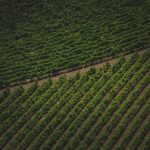
The history and development of Louisiana wineries is a fascinating journey that reflects the state’s unique climate, culture, and resilience. Louisiana wineries history dates back to the early 18th century when European settlers first attempted to cultivate vineyards in the region. These early vineyards faced numerous challenges, including the hot and humid subtropical climate, frequent flooding, and soil conditions not traditionally ideal for grape growing. Despite these obstacles, the passion for wine production in Louisiana took root and has continued to evolve over the centuries.
In the 1700s, French settlers brought grapevines to Louisiana, hoping to replicate the vineyards of their homeland. However, the native French grape varieties struggled to thrive in the local environment. It wasn’t until the introduction of American grape species and hybrids that vineyard development began to gain traction. These hardy grape varieties were more resistant to the climate and pests, enabling successful cultivation and establishing a foundation for the state’s wine industry.
Throughout the 19th and early 20th centuries, Louisiana’s wine production history was marked by gradual growth and experimentation. Prohibition dealt a significant blow to the industry, halting commercial wine production and forcing many vineyards to close. Yet, resilient producers and wine enthusiasts persisted, maintaining grape cultivation in limited capacities and quietly preserving the knowledge and tradition of winemaking in Louisiana.
The wine industry in Louisiana experienced a significant revival beginning in the late 20th century. Advances in viticulture techniques tailored for southern climates, coupled with a growing interest in local wines, propelled vineyard development across the state. Wineries began focusing on unique blends and varietals adapted to Louisiana’s environment, producing distinctive wines that highlight the region’s character. Key milestones include the establishment of regulatory frameworks supporting local wineries and the rise of wine tourism, which has further cemented Louisiana’s place on the map as a burgeoning wine region.
Today, Louisiana wineries boast a rich history intertwined with ongoing innovation and community pride. The state’s vineyard development reflects a blend of tradition and adaptation, making Louisiana wines a symbol of local heritage and dedication. From humble beginnings to a growing industry, the history and development of Louisiana wineries continue to inspire both producers and wine lovers alike.
Early Wine Production
The origins of early wine production in Louisiana trace back to the 18th and 19th centuries when settlers sought to cultivate grapes that could thrive in the region’s humid and subtropical climate. Unlike the more traditional grape varieties grown in cooler climates, Louisiana vineyards experimented with native and hybrid grapes better suited to withstand pests, heat, and humidity. This experimentation marked the foundation of Louisiana’s unique approach to viticulture, combining resilience and innovation.
The founding wineries in Louisiana emerged around key river towns, where access to water and transportation helped facilitate commerce and the distribution of wine. Early vineyards often served as community hubs, combining agricultural efforts with social and cultural activities. These pioneering wineries played a crucial role in establishing the state’s wine industry and set the stage for future growth.
Despite challenges posed by the climate and market fluctuations, Louisiana’s early wine production laid important groundwork for modern vineyards in the area. These initial efforts demonstrated the feasibility of viticulture in an unconventional wine region and helped build a legacy of craftsmanship and local pride. Today, Louisiana wineries continue to honor this heritage while embracing contemporary techniques to produce distinctive wines that reflect their historical roots.
Modern Growth and Trends
In recent decades, the Louisiana winery industry has experienced significant expansion, driven by the rise of modern wineries that blend traditional practices with innovative techniques. This growth reflects a broader trend across the wine world where local flavors and sustainable practices are gaining prominence. Louisiana’s wineries have increasingly embraced these modern approaches, contributing to a vibrant and dynamic industry.
One of the key trends shaping the industry expansion is the focus on cultivating grape varieties that thrive in Louisiana’s unique climate. Modern wineries here leverage advances in viticulture and winemaking technology, allowing them to produce high-quality wines that appeal to both local consumers and tourists. This adaptation not only enhances wine quality but also boosts the state’s reputation as a serious player in the wine market.
Additionally, wine trends in Louisiana highlight a growing interest in diverse wine styles, from sweet muscadine wines to bold reds and crisp whites. The industry expansion is supported by increased wine tourism, with more visitors seeking authentic experiences at boutique wineries and tasting rooms. These trends demonstrate how Louisiana’s winery sector has evolved to meet contemporary preferences while preserving its unique cultural heritage.
Top Louisiana Wineries and Wine Regions
Louisiana’s wine country may not be as famous as other regions, but it boasts unique qualities and top Louisiana wineries that contribute to its growing reputation for quality wines. The state’s wine regions benefit from a humid subtropical climate, ideal for certain grape varieties and regional wine production. From the rolling hills of the north to the fertile river basins, each wine region offers something distinct to wine enthusiasts and visitors.
The primary wine regions of Louisiana include the North Louisiana Hills region, the Mississippi River Delta area, and the Gulf Coast vineyards. These areas have fertile soils and favorable climate conditions that support diverse grape cultivation. Among these, the North Louisiana Hills region stands out with its blend of historic vineyards and emerging winemakers, while the Mississippi River Delta offers rich alluvial soils perfect for robust grape growing.
Here’s a closer look at some of the best vineyards Louisiana has to offer, highlighting their contributions to the state’s wine industry:
| Winery | Region | Specialty | Notes |
|---|---|---|---|
| Felician Cellars | North Louisiana Hills | Muscat, Cabernet Sauvignon | Known for blending traditional French winemaking with local grapes and climate. |
| Bayou Bend Vineyards | Mississippi River Delta | Chenin Blanc, Viognier | A pioneer in the regional wine production focusing on aromatic whites suited to the delta’s microclimate. |
| Pelican Point Winery | Gulf Coast | Blush Wines, Merlot | Specializes in fruit-forward wines capturing the coastal terroir’s essence. |
| Cypress Creek Vineyards | North Louisiana Hills | Syrah, Petit Verdot | Blends bold reds with an emphasis on sustainable practices in vineyards. |
These wineries are just a few examples of the rich diversity and quality present in Louisiana’s wine regions. From the best vineyards Louisiana has cultivated to the innovative approaches in regional wine production, the state’s wine scene continues to expand its appeal for both connoisseurs and casual wine drinkers alike.
Major Wine Regions in Louisiana
Louisiana, though not widely known for its wine production compared to other states, boasts several distinctive wine regions that contribute to its growing reputation in the wine industry. The key wine regions in Louisiana are largely influenced by the state’s humid subtropical climate, which creates unique challenges and opportunities for grape cultivation. The appellation areas within Louisiana are mostly concentrated around regions with favorable microclimates that support Louisiana vineyards in producing quality grapes suitable for a variety of wine styles.
One prominent wine region is the Mississippi Delta area, where soils are rich and alluvial, providing an excellent terroir for hardy grape varietals adapted to the warm and moist environment. The vineyards here often use hybrid grape varieties that can withstand the climate’s humidity and frequent rains. These conditions impart a distinct character to the wines, often marked by fresh acidity and vibrant fruit flavors.
The Northshore region near Lake Pontchartrain is another major wine region in Louisiana, known for its slightly cooler temperatures and breezes that help moderate the vineyard microclimate. This area’s terroir includes sandy loam soils that drain well, reducing disease pressure and allowing grapes to mature fully. Vineyards in this appellation area produce a range of wines from crisp whites to robust reds, showcasing the adaptability of Louisiana vineyards.
Overall, Louisiana’s wine regions offer diverse terroirs and appellation areas that reflect the state’s agricultural heritage and climate. These factors combine to create a unique wine-growing environment, allowing Louisiana vineyards to produce wines with distinctive character and regional expression.
Leading Wineries to Visit
Louisiana winery tours offer a unique opportunity to explore the state’s best wineries Louisiana has to offer. From picturesque vineyards to expert-guided tastings, these winery experiences highlight the region’s dedication to quality winemaking and hospitality. Visitors looking to immerse themselves in Louisiana’s wine culture will find several top destinations that expertly blend scenic beauty with exceptional wine production.
| Winery | Location | Features | Experience Highlights |
|---|---|---|---|
| Feliciana Cellars | Clinton | Guided tours, tasting room, vineyard views | Known for award-winning muscadine wines and seasonal events |
| Pipkin Cellars | Baton Rouge | Wine tastings, boutique shop, outdoor patios | Specializes in locally sourced fruit wines, offering personalized tours |
| Markridge Winery | Slidell | Tours, wine education classes, tasting flights | Popular for fruit wines and hands-on winery experiences |
| Red River Wine Cellars | Monroe | Guided tastings, wine club, picnic areas | Combines Southern charm with high-quality handcrafted wines |
Embarking on Louisiana winery tours provides a memorable and educational way to enjoy the best wineries Louisiana features. Each destination promises intimate winery experiences designed to showcase both traditional and innovative winemaking techniques in a welcoming atmosphere.
Wine Varieties and Tasting Notes in Louisiana
Louisiana, with its unique climate and soil conditions, supports a variety of grape types that are particularly suited to its warm and humid environment. The popular Louisiana wine varieties primarily include muscadine, scuppernong, and some hybrid grape types that thrive in this region. These grape varieties offer distinctive local wine flavors that stand out in the southeastern United States wine landscape.
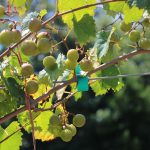
Muscadine grapes are native to the southeastern US and are the cornerstone of Louisiana wines. They produce robust, aromatic wines with a natural sweetness and fruity undertones. Typical tasting notes for muscadine wines include hints of blackberry, plum, and sometimes a subtle floral aroma. These wines often possess a slightly earthy quality which reflects the terroir of Louisiana vineyards.
The scuppernong grape, a variety of muscadine, is another prominent grape type in Louisiana. Wines from scuppernong grapes tend to be light-bodied with a crisp acidity that balances their inherent sweetness. Tasting notes frequently reveal nuances of apricot, peach, and melon, making these wines refreshing choices especially in warmer weather. The bright fruitiness coupled with a clean finish is a hallmark of scuppernong wines.
Louisiana also cultivates hybrid grape varieties created to withstand the region’s humidity and resist common vine diseases. These hybrids often combine the resistance traits of native American grapes with the flavor profiles of European varieties. As a result, Louisiana wine varieties from hybrids can exhibit more complex flavor profiles ranging from dry and crisp whites with citrus and floral notes to fuller-bodied reds featuring berry and spice characteristics.
The local wine flavors of Louisiana reflect the state’s rich agricultural heritage and diverse climate. The wines tend to emphasize fruit-forward profiles with balanced acidity and moderate tannins. Whether it is the sweet and aromatic notes of muscadine-based wines or the crisp, fresh flavors found in hybrids and scuppernong wines, Louisiana offers a distinctive tasting experience that wine enthusiasts appreciate for its regional authenticity.
Common Grape Varietals
Louisiana wineries cultivate a variety of grape varietals that are well-suited to the region’s humid subtropical climate. Local viticulture has adapted over the years to focus on grapes that can withstand heat, humidity, and occasional heavy rainfall while producing quality wine grapes.
- Blanc du Bois: This hybrid grape is one of the most popular in Louisiana due to its resistance to Pierce’s Disease and high humidity tolerance. It produces crisp, aromatic white wines that balance acidity and fruitiness.
- Muscat Blanc à Petits Grains: Known for its strong floral and fruity aromas, this variety thrives in Louisiana’s warm climate. It is used to make sweet and dry white wines with excellent aromatic complexity.
- Catawba: A native American grape that grows well in Louisiana, Catawba is a versatile pink grape producing both still and sparkling wines. It is moderately resistant to diseases common in local viticulture.
- Chambourcin: This French-American hybrid is favored for its deep color and robust flavor. It handles the hot, humid Louisiana weather well and is often used for red and rosé wines.
- Viognier: Although more challenging to grow, Viognier can thrive in parts of Louisiana. It delivers lush, full-bodied whites with floral and stone fruit notes, highlighting the potential for diverse wine grapes in the region.
These common grape varietals reflect a blend of tradition and innovation in Louisiana’s local viticulture, showcasing the state’s commitment to producing distinctive wines suited to its unique climate.
Flavor Profiles and Wine Styles
Louisiana wineries offer a diverse range of wine styles, reflecting the unique climate and terroir of the region. The state’s wines span the spectrum from sweet to dry, catering to varied palates. Sweet wines from Louisiana often feature rich, fruity flavor profiles with notes of ripe berries, tropical fruits, and a touch of honey, making them approachable and enjoyable for those new to wine tasting.
On the dry end of the spectrum, Louisiana wines exhibit crisp acidity balanced by subtle fruitiness. These wines typically have flavor profiles that include hints of citrus, green apple, and floral undertones. The dry styles are perfect for pairing with the local cuisine, complementing the bold spices and robust flavors typical of Louisiana dishes.
Many wineries in Louisiana also produce semi-sweet and off-dry wines, striking a harmonious balance between sweetness and acidity. These wine styles Louisiana are especially popular for their versatility, offering a pleasant middle ground that pairs well with a variety of foods or can be enjoyed on their own. Overall, Louisiana’s wine offerings provide a charming exploration of flavor profiles, from luscious sweet wines to refined dry varieties, showcasing the best of what the region has to offer.

Winemaker with 12 years in the cellar. I write about fermentation, terroir, and the honest mistakes that taught me more than any textbook. I’ve ruined more barrels than most people have tasted. That’s not a disclaimer — that’s a résumé. Twelve years making wine in France, now making sense of it in words.